

Ever notice a sudden craving for something salty after a sweaty workout?
That craving isn’t random—sweat pulls sodium straight out of your blood and tissues, and your brain nudges you to replace it so muscles, nerves, and fluids can work right.
This post-workout hunger can be a helpful recovery signal when you sweat a lot, train hard, or exercise in heat.
In this post we’ll explain why salt cravings happen, when they’re normal, and simple, safe ways to rebalance after exercise.
Key Reasons Salt Cravings Happen After a Workout
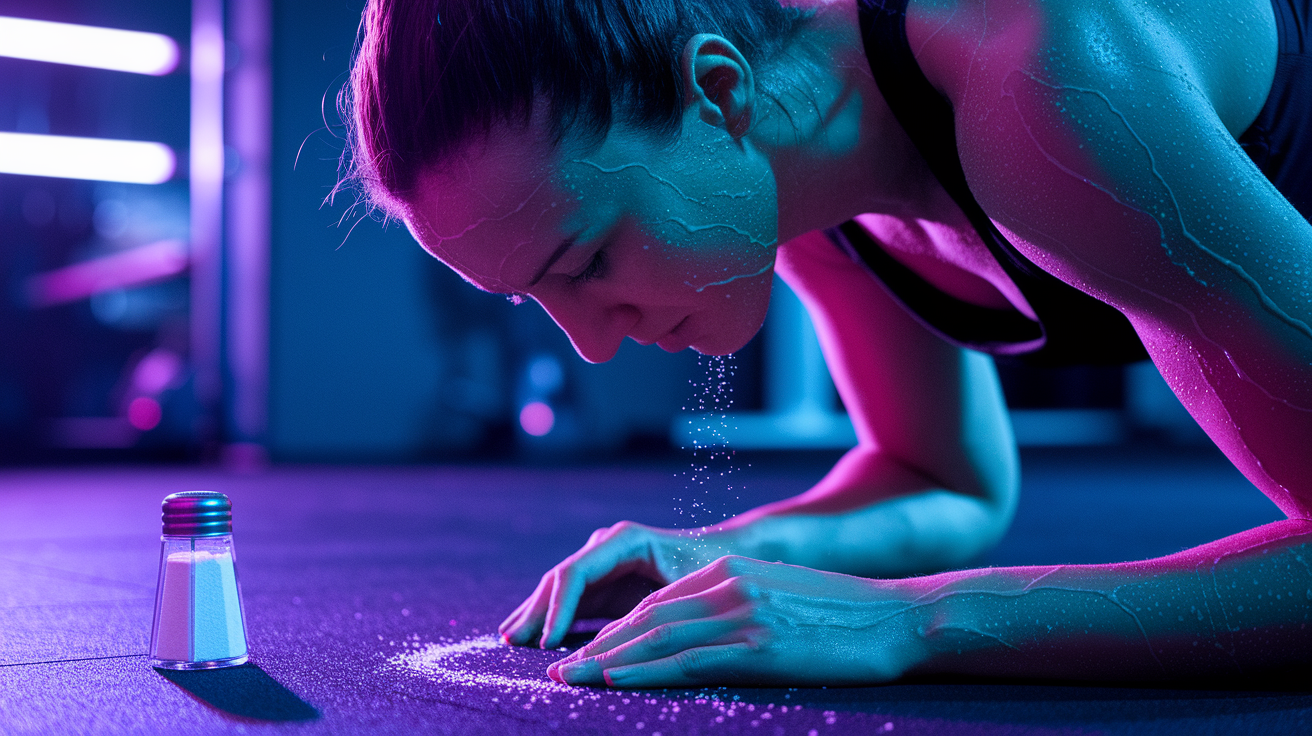
Your body craves salt after working out because sweating pulls sodium straight out of your blood and tissues. Sodium handles a few jobs you can’t skip: it keeps fluid levels balanced, fires nerve signals, helps muscles contract, and keeps blood flowing where it needs to go. When sodium drops during a sweaty session, your brain notices and sends you hunting for something salty. That craving isn’t random. It’s your body asking you to replace what just leaked through your skin.
You lose about 1 liter of sweat per hour during regular exercise. Push hard or train in heat? That can jump to 2 liters per hour. Every liter takes sodium with it. When your sodium dips too low, dehydration, muscle cramps, or headaches start showing up. About 200 milligrams of sodium after heavy sweating brings your levels back up and stops those symptoms from getting worse.
A mild craving for something salty after a long run or a hot spin class is normal. It usually just means you’ve lost enough sodium to matter.
Cravings tend to hit hardest when you:
- Exercise for more than an hour at a moderate or high intensity
- Sweat heavily in hot or humid weather
- Do back to back training sessions on the same day
- Train hard at higher altitudes where you breathe and sweat more
Understanding Sweat Composition and Sodium Variability
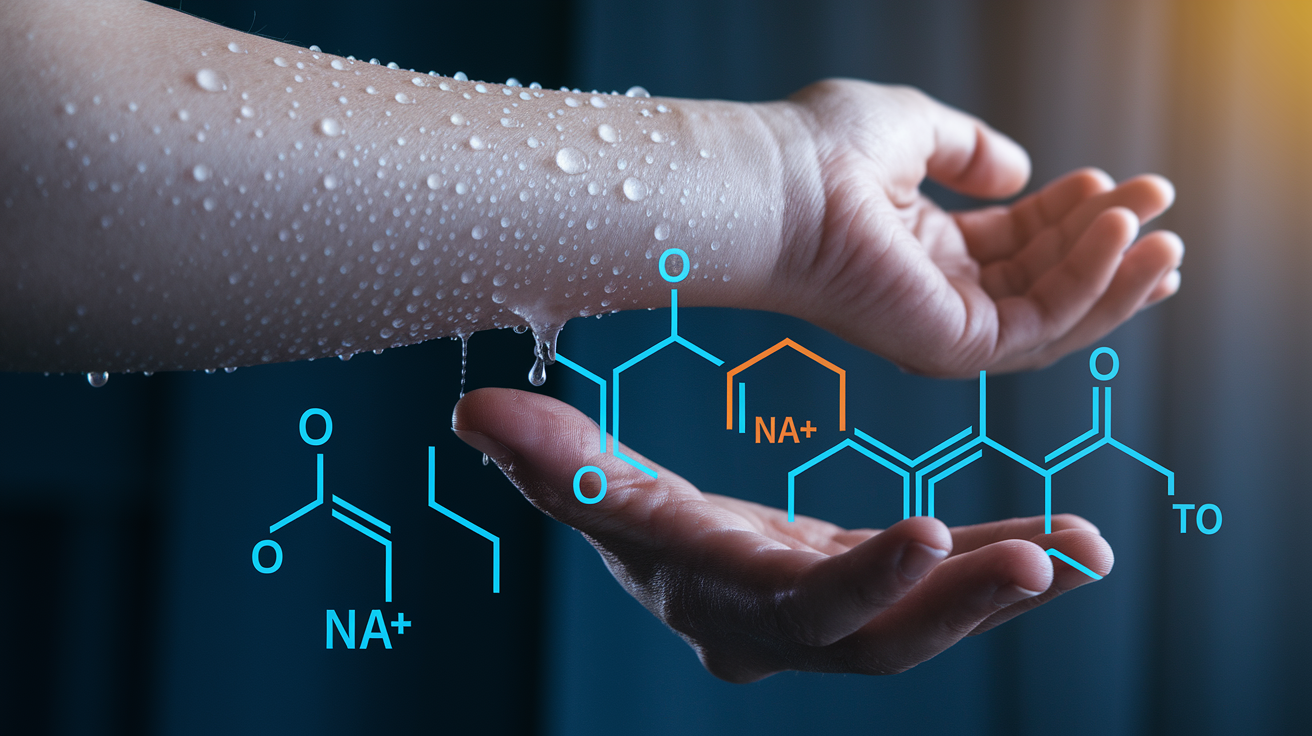
Sweat is mostly water, but it carries sodium along with smaller amounts of potassium, ammonia, and urea. The exact amount of sodium you lose in each drop isn’t the same for everyone. Your sweat can be naturally saltier or milder depending on what you’ve eaten recently, how quickly you sweat, your genes, and your environment. Studies show that people who eat high salt diets tend to have higher sodium concentrations in their sweat. Another study on endurance trained men found that athletes who sweat more heavily also push out higher concentrations of sodium.
Because sweat sodium content varies so much, two people running the same distance on the same day can lose very different amounts. One person might finish with barely a salt trace on their skin. The other sees white streaks or tastes salt on their lips.
What Makes Sweat “Saltier”
Heat and exercise intensity make sweat pour faster, and faster sweat often carries more sodium per liter. Your genetics play a role too. Some people are born with sweat glands that release more sodium with every drop. Hormones, especially around a menstrual cycle, can shift how much sodium leaves through sweat. If you’ve eaten a very salty meal in the hours before you train, your sweat will often reflect that by carrying more sodium. Altitude can also nudge sweat sodium levels higher because your body works harder to regulate temperature and fluid balance.
When Salt Cravings Are Normal vs. When They’re a Warning

A salty snack craving right after a heavy workout is usually a straightforward response to losing sodium through sweat. As long as you feel steady, your muscles aren’t cramping uncontrollably, and you’re able to rehydrate normally, the craving is doing its job. When cravings stick around even after you’ve had fluids and some sodium, or when they show up alongside strange symptoms, your body might be signaling a deeper issue. Low sodium, called hyponatremia, can cause headaches, dizziness, muscle cramps. In severe cases it can disrupt organ function.
Mild post workout salt hunger usually fades once you eat and drink. Moderate issues might include a persistent craving paired with lightheadedness or mild confusion. Severe warning signs involve ongoing confusion, nausea, extreme weakness, or swelling despite drinking water and resting.
| Sign | What It Might Indicate | Action Needed |
|---|---|---|
| Mild craving that fades after eating or drinking | Normal sodium loss from sweat | Have a small salty snack and water |
| Persistent craving, lightheaded feeling, mild confusion | Moderate sodium depletion or dehydration | Drink fluids with electrolytes; rest; monitor symptoms |
| Ongoing confusion, nausea, extreme weakness, swelling | Possible severe hyponatremia or other medical issue | Seek medical attention right away |
If you have a history of kidney issues, heart conditions, or high blood pressure, run any new cravings or symptoms by a physician. Persistent salt cravings that don’t match your actual sweat loss might point to a nutrient gap or a habit pattern you’ve picked up from processed foods.
Healthy Ways to Replace Sodium After Working Out
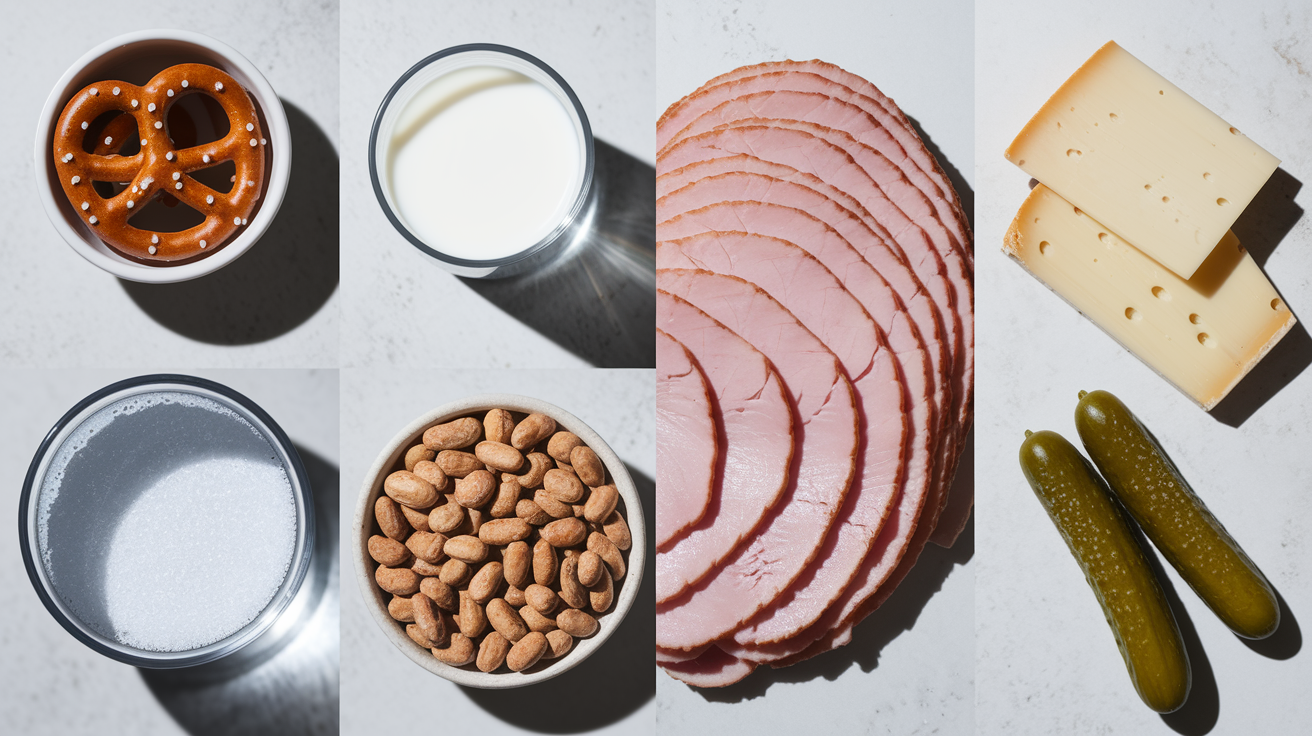
The simplest recovery plan is to match your sodium intake to the amount you lost. For most workouts under an hour, a balanced snack and some water will do the job. When you’ve sweated heavily for longer than an hour or trained in serious heat, aim for around 200 milligrams of sodium along with fluids to bring your levels back up. You don’t need to measure every milligram, but knowing that target helps you choose the right snack or drink.
Adding a small pinch of salt to a glass of water works fast and costs almost nothing. A handful of pretzels or crackers, a slice of cheese, or a few olives all give you a quick sodium bump. Drinking a glass of cow’s milk or a fortified non dairy milk also delivers fluid plus some natural sodium and other electrolytes.
Six simple options to replace sodium after exercise:
- A small handful of salted pretzels or crackers
- A glass of milk (dairy or fortified plant based)
- A few slices of deli turkey or cheese
- A small serving of salted nuts
- A pinch of iodized or sea salt added to water or a light snack
- A couple of pickle spears
Sports drinks and electrolyte powders are designed for moderate to intense activity lasting over an hour. They combine sodium, potassium, and often some carbohydrate to help you rehydrate and refuel at the same time. Some electrolyte tablets or powders, like LMNT, pack a higher sodium concentration, which can be helpful for very heavy sweaters or endurance athletes. For most people doing shorter, lower intensity workouts, these products can deliver more sodium than needed. A food first approach, using whole ingredients with natural sodium, tends to be cheaper, easier on your stomach, and gives you other nutrients at the same time.
Factors That Make You Crave More Salt After Training
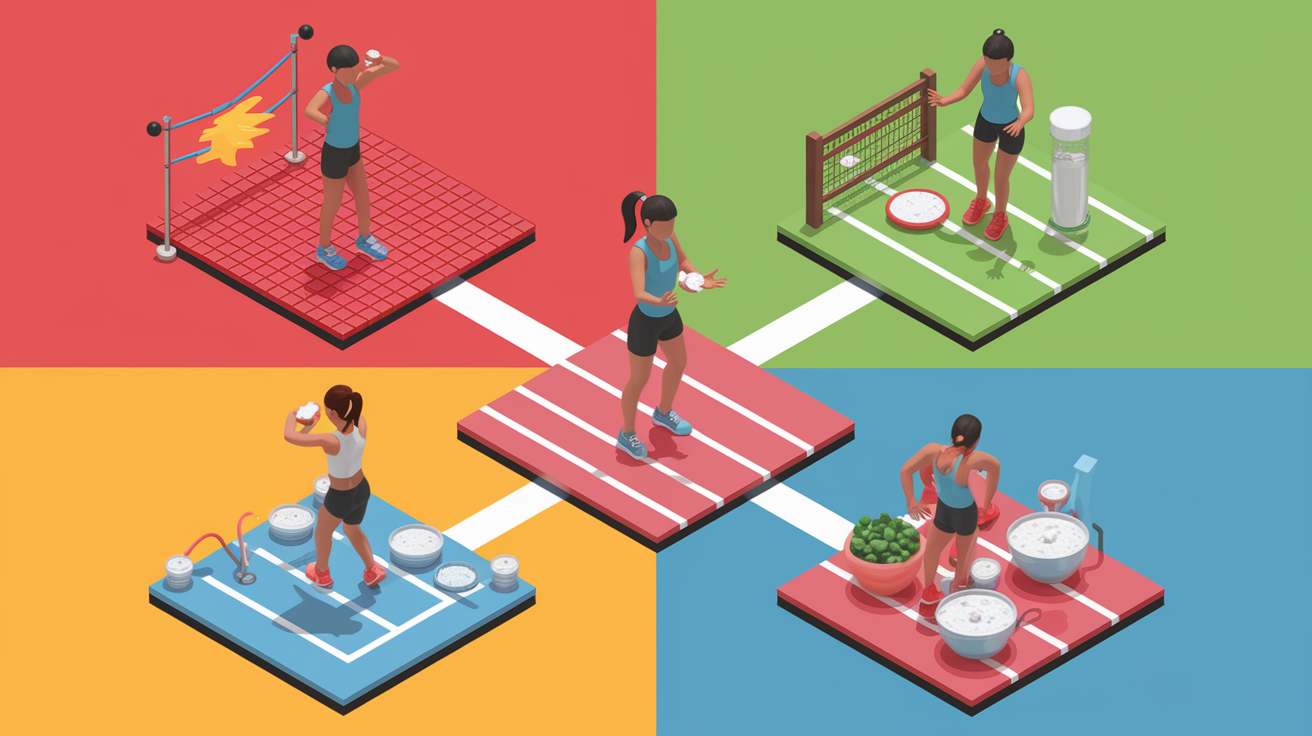
Your cravings can shift from one workout to the next based on a few moving parts. Heat and humidity force your sweat glands into overdrive, which pushes more sodium out per hour. When you train at a higher intensity or go longer without a break, your sweat rate climbs and so does your sodium loss. Altitude adds another layer because your breathing rate increases and your body adjusts fluid balance differently.
Diet matters too. If you’ve been eating a lot of salty foods over the past day or two, your sweat will likely carry more sodium, and you might crave more salt after you exercise. On the flip side, if you’ve been eating very low sodium meals or following a low carb or ketogenic diet, your body tends to flush sodium faster and you may notice stronger cravings even after moderate workouts.
Hormones can play a role as well. Cortisol and adrenaline spike during and after intense training, and both hormones influence appetite and the way your body handles sodium and fluids. Women may notice shifts in salt cravings during different phases of their menstrual cycle due to hormone fluctuations that affect sodium retention and thirst.
Four common factors that increase post workout salt cravings:
- Training in hot, humid, or high altitude environments
- Eating a high salt diet in the 24 to 48 hours before exercise
- Following a low carb or ketogenic diet that accelerates sodium loss
- Exercising during hormonal shifts, such as certain phases of the menstrual cycle
Understanding Hydration and Sodium Balance After Workouts
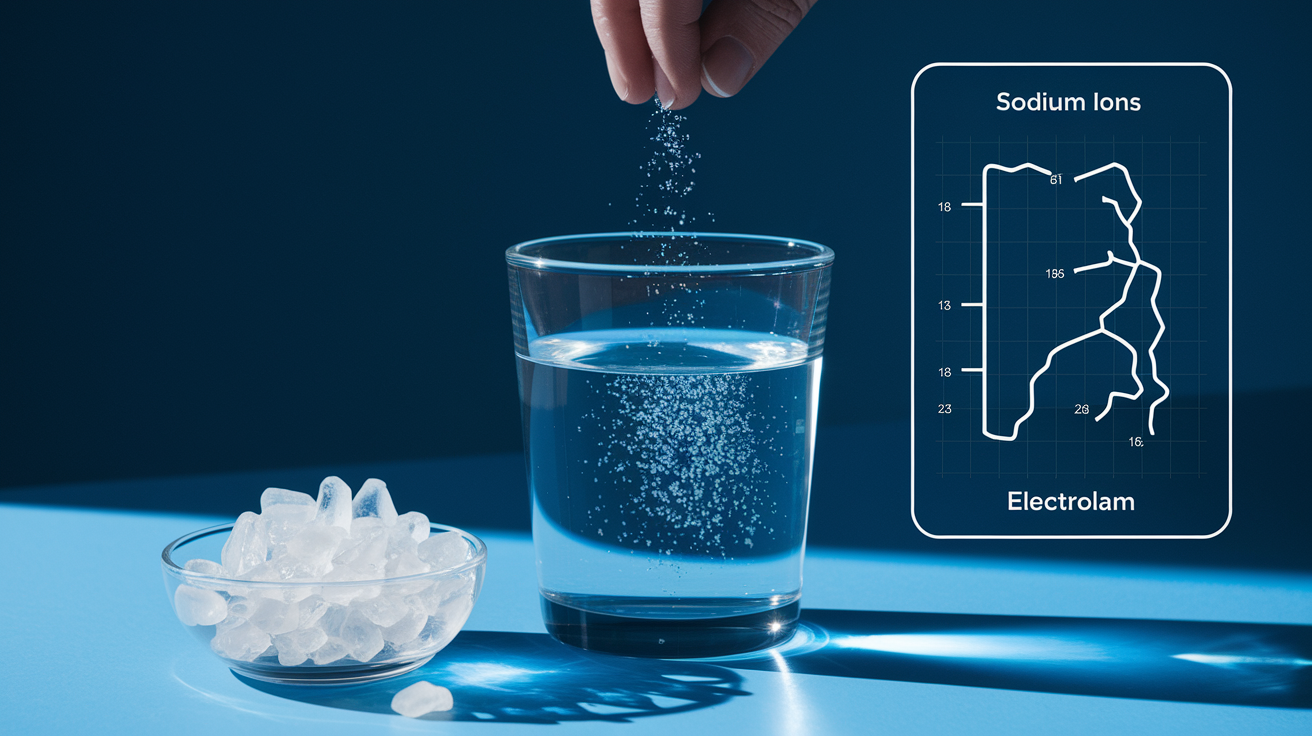
Hydration and sodium work as a pair. Drinking water alone won’t fix sodium loss, and eating salty food without enough fluid won’t rehydrate you properly. Your body needs both to restore the balance in your blood and tissues. When sodium drops but you keep drinking plain water, you can dilute your blood sodium even further. That’s why pairing water with a small amount of sodium after a heavy sweat session usually feels better and stops cravings faster.
Pre exercise hydration also sets the stage. One example used with a 68 kilogram endurance athlete was to drink 2 to 3 milliliters of water per pound of bodyweight about four hours before training, which worked out to roughly 300 to 450 milliliters total. After the workout, drinking a glass of water with a pinch of salt 15 minutes post exercise helped prevent mid workout cramps and headaches in future sessions.
How to Know If You’re Rehydrating Correctly
Tracking a few simple signs helps you stay on top of fluid and sodium balance without overthinking it.
- Body weight: Weigh yourself before and after longer workouts. A drop of more than 2% of your bodyweight suggests you need to drink more fluids and possibly add sodium.
- Urine color: Pale yellow is ideal. Dark yellow or amber usually means you need more water.
- Thirst level: Persistent thirst even after drinking plain water can signal low sodium.
- Energy and focus: Feeling foggy, sluggish, or unusually tired after rehydrating with water alone might mean you need electrolytes.
- Muscle cramps or headaches: These often clear up once you add a little sodium to your fluids.
Special Considerations: Low Carb Diets, Female Athletes, Heat, and High Volume Training
Low carb and ketogenic diets cause the kidneys to flush sodium faster than usual, especially in the first few weeks. People following these eating patterns often notice stronger salt cravings after workouts because their baseline sodium stores are already lower. Adding a bit more sodium to meals and post workout snacks can help prevent fatigue and muscle cramps without going overboard.
Female athletes face unique shifts in sodium needs due to the menstrual cycle. Estrogen and progesterone influence how the body holds onto or releases sodium and water. Some women notice bloating or reduced thirst during certain cycle phases, while others crave salt more intensely after workouts. Tracking symptoms across a few cycles can help you figure out when to adjust sodium and hydration.
Endurance athletes and anyone training for ultra events or doing high volume sessions lose significantly more sodium than recreational exercisers. The standard daily sodium guideline of around 2,300 milligrams may not cover the losses from a two hour trail run or a long bike ride in summer heat. Many endurance athletes work with sports dietitians to map out higher sodium targets that match their sweat rate and training load, sometimes reaching 3,000 to 5,000 milligrams on heavy training days. Heat and humidity multiply these needs even further by cranking up sweat volume and sodium concentration.
Quick Post Workout Sodium Ideas to Reduce Cravings

You don’t need complicated recipes or expensive products to satisfy a salt craving. A few simple, everyday options can do the job within minutes of finishing your workout.
Six easy post workout sodium ideas:
- A small bowl of cottage cheese with a sprinkle of sea salt and cracked pepper
- Two or three slices of deli turkey or chicken rolled up with a piece of cheese
- A small handful of salted roasted chickpeas or edamame
- Half a cup of miso soup or a low sodium broth with a pinch of added salt
- A sliced hard boiled egg with a tiny sprinkle of iodized salt
- A few whole grain crackers topped with hummus or avocado and a light salt dusting
These options give you sodium plus protein, healthy fats, or fiber, which help your body recover and keep you satisfied longer than a plain salty snack would on its own.
Final Words
You taste salt as you towel off. The post explains that sodium helps keep fluids, muscles, and nerves working, and sweat—often 1–2 L per hour—can strip a lot of sodium.
It covered when cravings are normal versus a warning, quick fixes (about 200 mg sodium after heavy sweat), and easy snacks or drinks to replace salt.
If you still wonder why do i crave salt after working out, it’s usually your body asking for sodium. Try a salty snack or water with a pinch of salt after intense sessions, and you’ll likely feel steadier soon.
FAQ
Q: Is it normal to crave salt after a workout?
A: Craving salt after a workout is normal. You lose sodium in sweat, and your body signals for it to help restore fluids, muscles, and nerves—having a small salty snack or electrolyte drink often helps.
Q: What deficiency causes salt cravings?
A: Salt cravings are often caused by low sodium (salt) or low blood volume from sweat or dehydration, though meds or hormonal issues can cause them; see a clinician if cravings persist or come with dizziness.
Q: Do people who sweat a lot need more salt?
A: People who sweat a lot typically need more salt because higher sweat rates remove more sodium; athletes, hot-weather workers, and long workouts raise needs—replace with salty foods or electrolyte drinks during heavy sweating.
Q: Does salt help with dysautonomia?
A: Salt can help some people with dysautonomia by boosting blood volume and reducing lightheadedness, especially in POTS; work with your clinician to find the right amount and avoid too much.