
What if your bloating, slow stools, and mid-afternoon crashes aren’t just bad luck but a sign your gut needs different habits?
If your belly feels puffy after meals or you only sometimes have a smooth bathroom visit, you’re not imagining it.
This post breaks down simple, natural steps—drink more water, add fiber slowly, eat fermented foods, time meals, move after eating, and sleep better—that often ease digestion within days and build steady wins over weeks.
Start with one small change today.
Immediate Actions That Support Digestion
Start with water. Drink a full glass when you wake up, then aim for at least eight cups through the day. Water softens stool, helps fiber move through your intestines, and supports the mucus lining protecting your gut wall. Most people notice less constipation and easier bowel movements within 48 hours of staying consistent with hydration.
If you’re adding fiber, go slow. Jump from low to high fiber too fast and you’ll deal with bloating, cramping, and gas that can last for days. Instead, add one new fiber-rich food every three to four days. Maybe a serving of lentils on Monday, then oats on Thursday. Your gut bacteria need time to adjust and multiply the strains that break down that fiber.
Small shifts in timing and food choices make a noticeable difference within the first week:
- Eat fermented foods daily. Start with two tablespoons of plain yogurt, sauerkraut, or kimchi and build from there.
- Space meals three to four hours apart so your gut has time to clear and reset between eating windows.
- Avoid eating late at night. Stop at least two hours before bed to give digestion a head start before you lie down.
- Cut back on high-sugar snacks and drinks. Sugar feeds less helpful bacteria and can trigger bloating and loose stools.
- Identify one trigger food (common ones: fried foods, dairy, or gluten) and remove it for five days to see if symptoms ease.
These steps work because they address the mechanics of digestion directly. Water and fiber improve stool bulk and transit time. Probiotics from fermented foods colonize the gut lining and crowd out harmful strains. Meal spacing gives the migrating motor complex (a wave of contractions) time to sweep the small intestine clean. Removing triggers reduces inflammation and gives the gut lining a chance to repair.
Understanding How the Gut Works
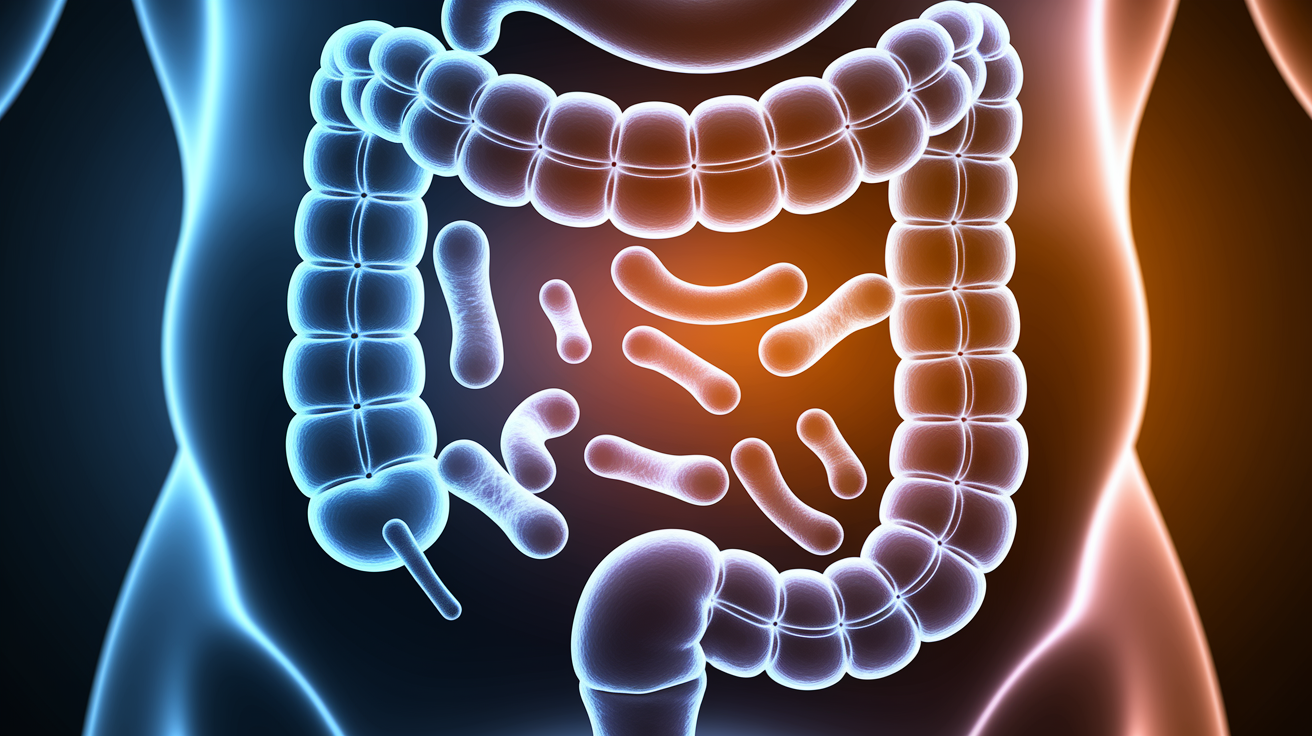
Your gut is home to trillions of bacteria, fungi, and other microbes that live on the lining of your intestines. This community, called the microbiome, does more than break down food. It produces vitamins like B12 and K2, trains your immune system to tell the difference between safe proteins and harmful invaders, and sends signals to your brain that influence mood and appetite. When the balance of microbes shifts (too many inflammatory species, not enough of the fiber-digesting ones), you lose some of that protection and function.
Digestion starts in your mouth with enzymes in saliva, continues in the stomach with acid and more enzymes, and finishes in the small intestine where nutrients get absorbed into your bloodstream. What’s left (fiber, resistant starch, and undigested particles) moves into the colon. That’s where your gut bacteria go to work. They ferment fiber into short-chain fatty acids like butyrate, which fuel the cells lining your colon and reduce inflammation. The bacteria also help regulate how fast or slow things move, a process called motility.
When the microbiome is out of balance, you feel it. Gas and bloating happen when certain bacteria overgrow and produce excess hydrogen or methane. Constipation shows up when motility slows and stool sits too long, losing water and getting hard. Diarrhea can mean your gut lining is inflamed or that harmful bacteria are producing toxins. Food intolerances often surface when the gut lining becomes permeable and proteins that should stay inside the intestine leak into the bloodstream, triggering immune reactions.
Diet Strategies That Improve Gut Health
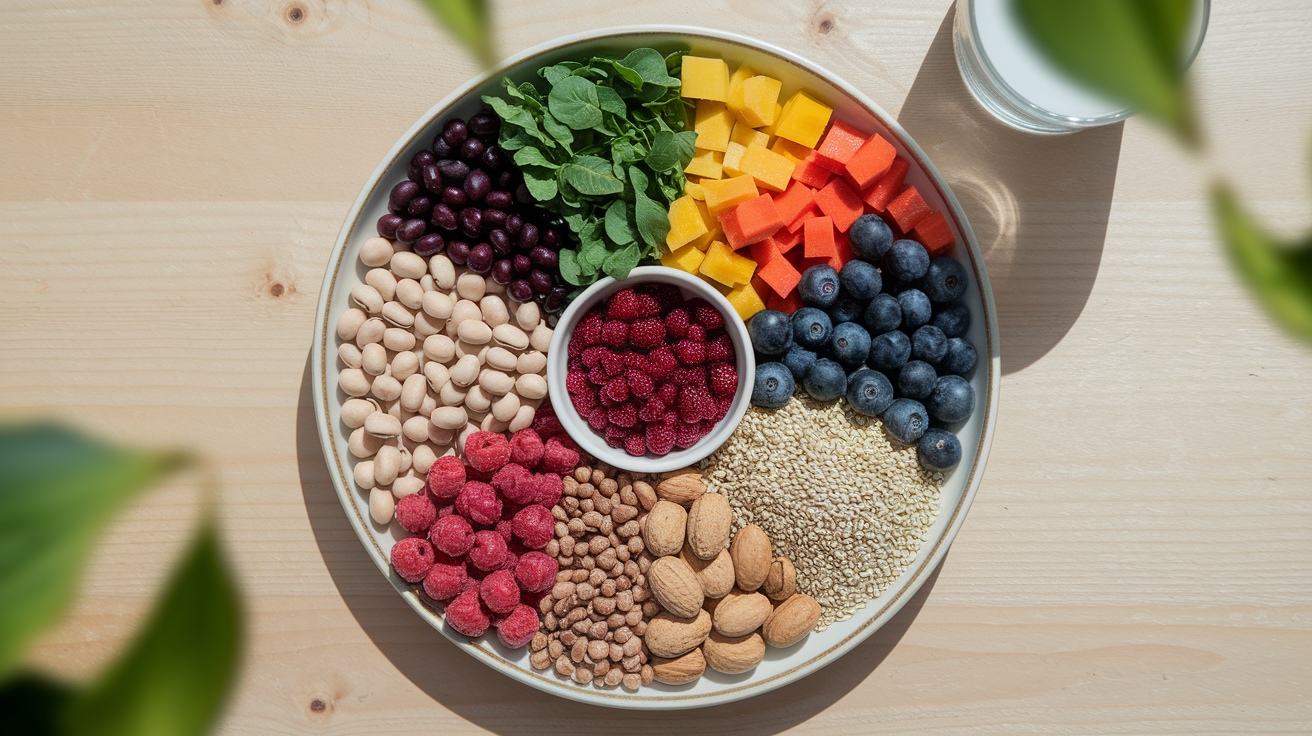
The most powerful tool you have is the variety of plants you eat each week. Each type of fiber feeds a different group of bacteria. When you rotate through beans, greens, berries, root vegetables, nuts, and whole grains, you support a wider range of microbial species. More diversity usually means better resilience against digestive upset and inflammation.
Prebiotics are the fibers and starches that your own enzymes can’t break down, so they travel intact to the colon and become food for beneficial bacteria. Good sources include onions, garlic, leeks, asparagus, under-ripe bananas, cooked and cooled potatoes, oats, and barley. You don’t need large amounts. A half cup of cooked oats or a small serving of cooled rice adds meaningful prebiotic content. If you’re new to these foods, start with small portions and let your gut adapt over a few weeks.
Balance each meal with a mix of fiber, protein, and healthy fat. Fiber keeps things moving, protein supports the gut lining and immune cells, and fat slows digestion just enough to improve nutrient absorption and keep you full. A simple template: half your plate vegetables, a quarter protein (chicken, fish, tofu, lentils), a quarter starch (sweet potato, quinoa, brown rice), and a drizzle of olive oil or a handful of nuts.
Timing matters too. Eating at roughly the same times each day helps your gut bacteria sync their activity to a circadian rhythm. They ramp up enzyme production when they expect food and shift into repair mode when they don’t. Skipping meals or eating erratically can disrupt that rhythm and contribute to bloating or irregular bowel movements.
Key gut-supportive foods to include regularly:
- Leafy greens like spinach, kale, Swiss chard, collard greens (fiber, magnesium, folate)
- Legumes like lentils, chickpeas, black beans (resistant starch, prebiotic fiber)
- Berries like blueberries, raspberries, blackberries (polyphenols, fiber)
- Whole grains like oats, barley, farro, brown rice (beta-glucan fiber)
- Nuts and seeds like walnuts, almonds, chia, flax (omega-3s, fiber, polyphenols)
- Cruciferous vegetables like broccoli, cauliflower, Brussels sprouts (fiber, sulfur compounds that support detox pathways)
Probiotics and Fermented Foods
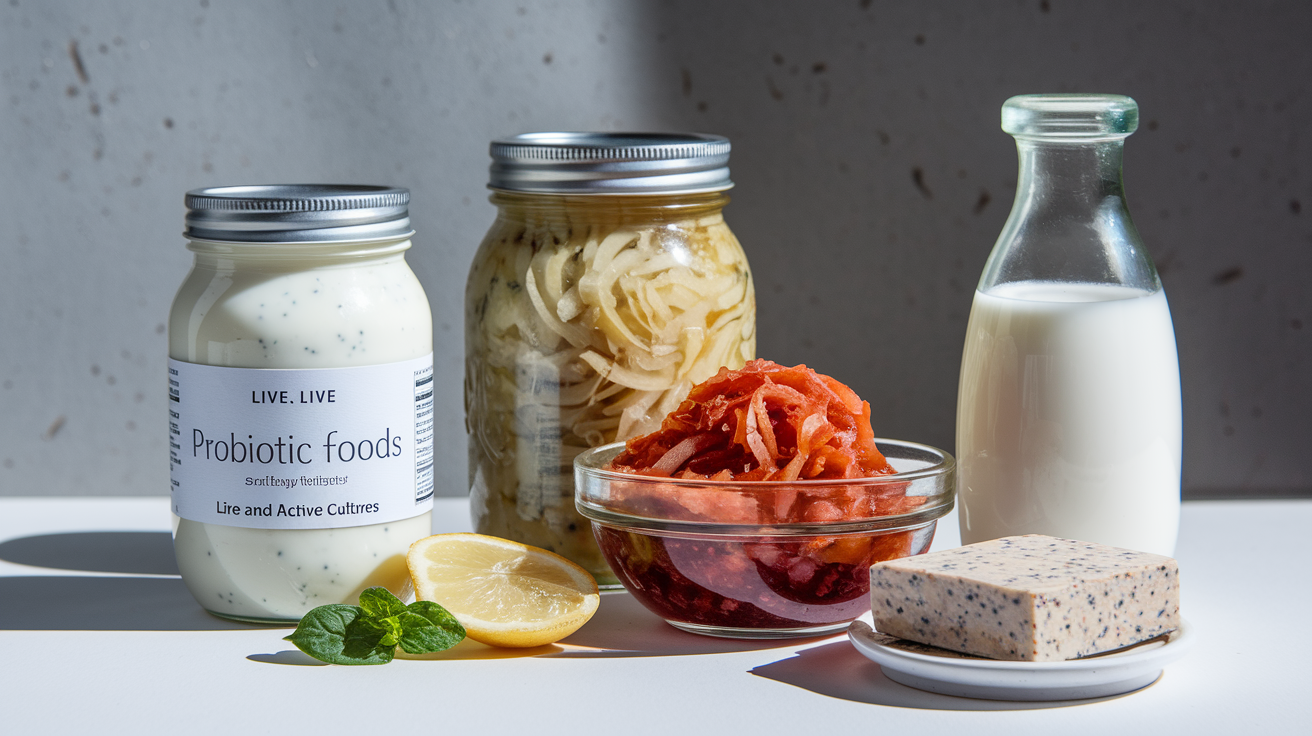
Fermented foods deliver live bacteria directly to your gut. When you eat plain yogurt with live cultures, sauerkraut, kimchi, kefir, or tempeh, you’re adding billions of microbes that can temporarily colonize your intestines and support digestion while they’re there. Some strains stick around longer than others, but even transient bacteria can crowd out harmful species, produce beneficial metabolites, and calm inflammation.
Not all fermented foods are equal. Pasteurized or heavily processed versions (like most shelf-stable pickles or flavored yogurts with added sugar) lose the live cultures or feed the wrong bacteria. Look for labels that say “live and active cultures” and check the ingredient list for minimal added sugar. Start with a few tablespoons per day if you’re new, especially if you have existing bloating or gas, and build up as your gut adjusts.
Different probiotic strains do different things. Lactobacillus rhamnosus GG can shorten diarrhea episodes and support immune function. Bifidobacterium lactis improves stool consistency and regularity. Saccharomyces boulardii is a beneficial yeast that helps prevent antibiotic-associated diarrhea. Lactobacillus plantarum reduces bloating and supports the gut lining. If you’re considering a supplement, choose one that lists specific strains and colony-forming units (CFUs). Typically 1 to 10 billion CFUs per dose is a reasonable starting point for general digestive support.
| Strain | Benefit |
|---|---|
| Lactobacillus rhamnosus GG | Reduces duration of diarrhea; supports immune response |
| Bifidobacterium lactis | Improves regularity and stool consistency |
| Saccharomyces boulardii | Prevents antibiotic-associated diarrhea; balances gut flora |
| Lactobacillus plantarum | Reduces bloating; strengthens gut lining integrity |
Lifestyle Habits That Improve Digestion

Stress changes how your gut moves and what bacteria thrive there. When cortisol stays elevated (whether from work pressure, lack of sleep, or ongoing worry), it slows motility in some people and speeds it up in others. It also shifts blood flow away from the digestive tract and weakens the mucus barrier that protects the gut lining. That’s why high-stress weeks often come with constipation, diarrhea, or a flare of bloating even when your diet hasn’t changed. Simple daily practices like five minutes of deep breathing, a short walk outside, or ten minutes of journaling can lower cortisol enough to notice a difference in how your gut feels.
Sleep and digestion are tightly linked through circadian rhythms. Your gut bacteria have their own activity cycles. They produce different enzymes and metabolites depending on the time of day. When you stay up late, eat at irregular hours, or get less than seven hours of sleep, those cycles get disrupted. The result is often increased inflammation, slower motility, and changes in appetite-regulating hormones that make you crave sugar and processed foods. Prioritize a consistent bedtime, keep your room cool and dark, and avoid heavy meals or caffeine within three hours of sleep.
Movement improves gut motility and increases blood flow to the intestines, which supports nutrient absorption and waste clearance. You don’t need intense exercise. Walking for 20 minutes after a meal can reduce bloating and help food move through the digestive tract. Moderate activity like cycling, swimming, or yoga done consistently (at least 150 minutes per week) has been shown to increase microbial diversity and raise levels of butyrate, a short-chain fatty acid that reduces inflammation and supports colon health. Aim for at least six weeks of regular movement to see changes in your microbiome.
Simple routines to support digestion through the day:
- Start your morning with water and five minutes of sunlight to anchor your circadian rhythm.
- Take a ten-minute walk after lunch or dinner to stimulate motility and reduce post-meal sluggishness.
- Schedule a five-minute breathing or stretching break mid-afternoon when stress tends to peak.
- Wind down one hour before bed with dimmed lights, no screens, and a calming activity like reading or light stretching.
When to Consider Supplements
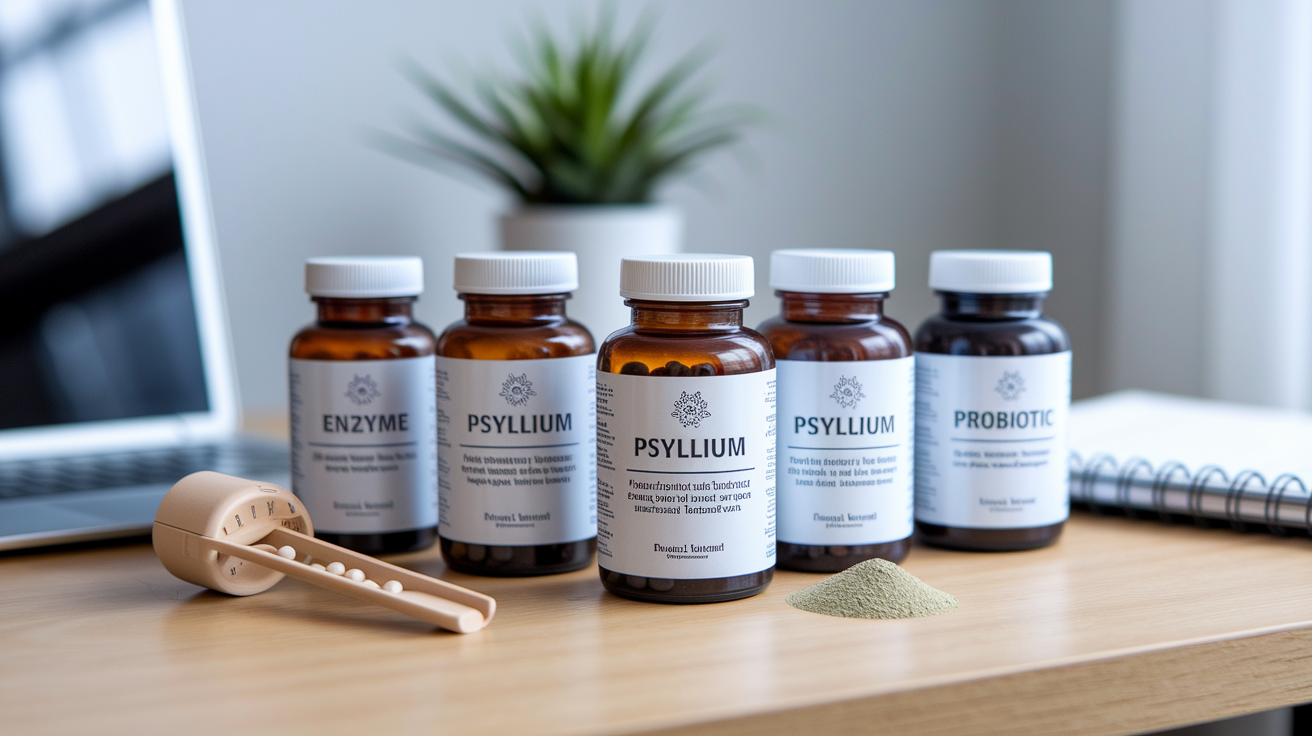
Supplements can fill a gap when your diet or digestion isn’t covering all the bases, but they’re not a first step. If you’re dealing with persistent bloating after meals, you might benefit from a digestive enzyme supplement that includes amylase, protease, and lipase to help break down starches, proteins, and fats. This can be especially useful if you have low stomach acid, pancreatic insufficiency, or you’ve had gallbladder surgery. Take enzymes right before or at the start of a meal for the best effect.
Fiber supplements like psyllium husk, inulin, or acacia fiber can help if you’re struggling to get enough fiber from food or you’re dealing with chronic constipation. Start with a small dose (one teaspoon or less) and increase slowly over a week or two while drinking plenty of water. Fiber supplements work by bulking up stool and feeding beneficial bacteria, but they can worsen bloating if introduced too quickly or if you have small intestinal bacterial overgrowth (SIBO). If constipation doesn’t improve after two weeks or if bloating gets worse, it’s worth checking in with a healthcare provider before continuing.
Probiotic supplements vary widely in strain, dose, and quality. A general multi-strain product may help with mild digestive discomfort or support gut recovery after antibiotics, but condition-specific strains (like Lactobacillus rhamnosus GG for antibiotic-associated diarrhea or Bifidobacterium infantis for IBS) are more targeted. Over-the-counter probiotics aren’t regulated by the FDA, so look for third-party testing, clear CFU counts, and expiration dates. If symptoms are severe, persistent, or worsening, supplements won’t replace the need for clinical evaluation and a tailored plan.
Common Gut Issues and What They Indicate
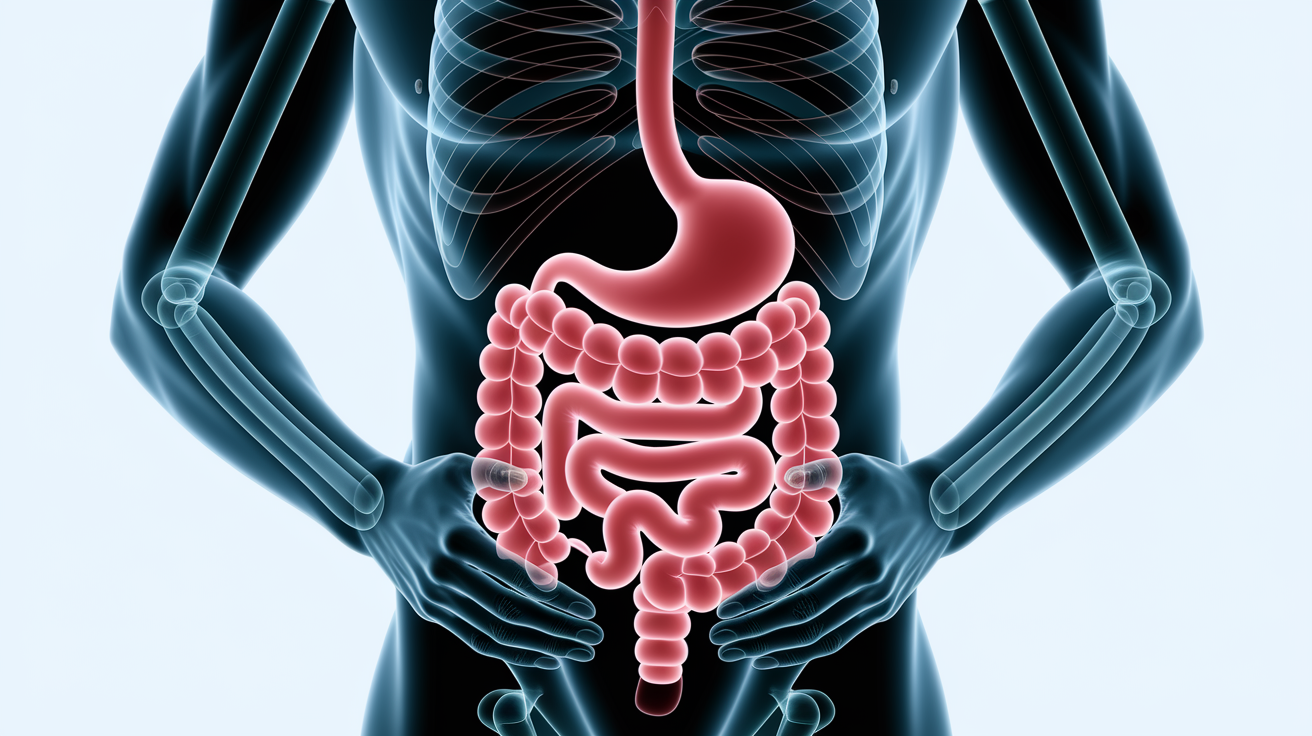
Bloating that happens after most meals, especially those with wheat, onions, garlic, beans, or dairy, often points to sensitivity to FODMAPs (short-chain carbohydrates that ferment quickly in the gut). It can also signal an overgrowth of bacteria in the small intestine, where they shouldn’t be in large numbers. If bloating is paired with distension (your belly visibly swells) and doesn’t improve with basic fiber and hydration changes, it’s worth exploring a short low-FODMAP trial or testing for SIBO with a healthcare provider.
Constipation that lasts more than a few days usually means one of three things: not enough fiber, not enough water, or slow motility. It can also be a side effect of certain medications (pain relievers, antacids, some antidepressants) or a sign of thyroid dysfunction. If you’re eating fiber-rich foods, drinking water, and moving regularly but still struggling to go, check in with a provider. Chronic constipation increases the risk of hemorrhoids and diverticular disease and shouldn’t be ignored.
Diarrhea that comes and goes or happens after specific foods might indicate lactose intolerance, a sensitivity to sugar alcohols (sorbitol, xylitol), or fat malabsorption. Persistent diarrhea lasting more than a few weeks, especially if it’s accompanied by weight loss, blood in the stool, or cramping, needs medical evaluation to rule out infection, inflammatory bowel disease, or celiac disease.
Signs that warrant a closer look or a conversation with a healthcare professional:
- Abdominal pain that’s severe, wakes you up at night, or doesn’t improve with bowel movements
- Sudden or unexplained weight loss over a few weeks
- Blood or black, tar-like stool
- New food intolerances or reactions that develop quickly and worsen over time
- Persistent bloating or gas that doesn’t respond to diet changes or probiotics after four to six weeks
FAQs About Improving Gut Health
-
How long does it take to improve gut health?
You can see changes in stool consistency and bloating within two to three days of increasing water and fiber. Microbial shifts (growing more beneficial bacteria and reducing harmful ones) take about three to six weeks of consistent diet and lifestyle changes. Some people notice improved energy, mood, and digestion within the first week, while others need a full month to feel a difference. -
Can I improve my gut health without probiotics?
Yes. Most people can improve their gut by eating a variety of fiber-rich plants, staying hydrated, managing stress, and getting regular movement. Probiotics from fermented foods or supplements can speed things up or help in specific situations (like after antibiotics), but they’re not required. Focus on creating an environment where your existing good bacteria can thrive. -
What’s the best diet for gut health?
There’s no single best diet, but the most evidence supports eating a wide variety of whole, minimally processed plant foods. That means vegetables, fruits, legumes, whole grains, nuts, seeds, and fermented foods. Lean proteins and healthy fats support the gut lining and nutrient absorption. The key is diversity. Aim for 30 different plant foods per week to maximize microbial variety. -
Do gut issues cause fatigue or brain fog?
They can. An imbalanced gut can trigger low-grade inflammation that affects energy and cognitive function. Some gut bacteria produce neurotransmitters or metabolites that influence mood and focus. If you’re dealing with persistent fatigue, mood swings, or trouble concentrating alongside digestive symptoms, improving gut health often helps, but it’s also worth checking for nutrient deficiencies or other underlying conditions with a healthcare provider. -
Should I avoid certain foods permanently?
Not necessarily. Temporary elimination of trigger foods (like high-FODMAP foods, dairy, or gluten) can help you identify what’s causing symptoms. Once your gut heals and your microbiome rebalances, you may be able to reintroduce those foods in small amounts. Some people do better long-term avoiding specific triggers, but the goal is usually to expand your diet over time, not restrict it permanently unless a diagnosed condition (like celiac disease) requires it.
Final Words
Start today: drink one extra glass of water, add a fiber-rich snack, and try a serving of yogurt or sauerkraut.
This post walked through fast fixes, the basics of the microbiome, diet strategies, fermented foods, stress and sleep tips, when supplements help, common symptoms to watch for, and quick FAQs.
Try those small swaps for a week — that’s how to improve gut health for better digestion. Small, steady changes add up, and you should feel clearer, less bloated, and more energetic.
FAQ
Q: How to heal your gut for better digestion?
A: Healing your gut for better digestion involves simple habits: drink more water, slowly add fiber, eat probiotic foods or a supplement, avoid trigger foods, and prioritize sleep and gentle movement for regularity.
Q: What are the 7 signs of an unhealthy gut?
A: The seven signs of an unhealthy gut are bloating, excess gas, constipation, diarrhea, food intolerances, low energy, and skin problems like rashes or acne.
Q: What are the 4 R’s of gut healing?
A: The four R’s of gut healing are Remove (cut irritants), Replace (digestive aids like enzymes), Reinoculate (probiotics and fermented foods), and Repair (nutrients that soothe and rebuild the gut lining).
Q: What is the 14 day gut reset?
A: A 14 day gut reset is a short plan to calm digestion by focusing on hydration, gradual fiber increases, probiotic-rich foods, avoiding common triggers, regular meal timing, sleep, and light daily movement.