
Ever wonder why you crash after lunch, hit by that heavy, eyes-closing food coma?
You’re not lazy or weak.
It’s usually a mix of blood sugar spikes and crashes, digestion pulling blood and energy toward your gut, and brain chemicals that nudge you toward sleep.
These effects pile on top of your natural afternoon dip, so a big carb-and-fat meal can feel like a nap button.
This piece explains the science in plain terms, shows which foods and habits make it worse, and gives simple steps you can try today to reduce the slump.
Why We Get Sleepy After Eating: The Core Explanation
Postprandial somnolence. That’s the technical term for feeling wiped out after lunch. It usually starts about 30 to 90 minutes after you finish eating and can drag on for two to four hours depending on what you ate and how much.
Here’s what’s actually happening: your blood sugar climbs and then crashes, your digestive system pulls resources away from everything else to deal with the food, and certain brain chemicals shift in ways that kill your alertness. These things don’t happen one by one. They pile on top of each other, especially in the early afternoon when your body’s already fighting a natural energy dip.
The Science Behind Post-Meal Drowsiness: A Complete Breakdown
Glucose and Insulin Dynamics
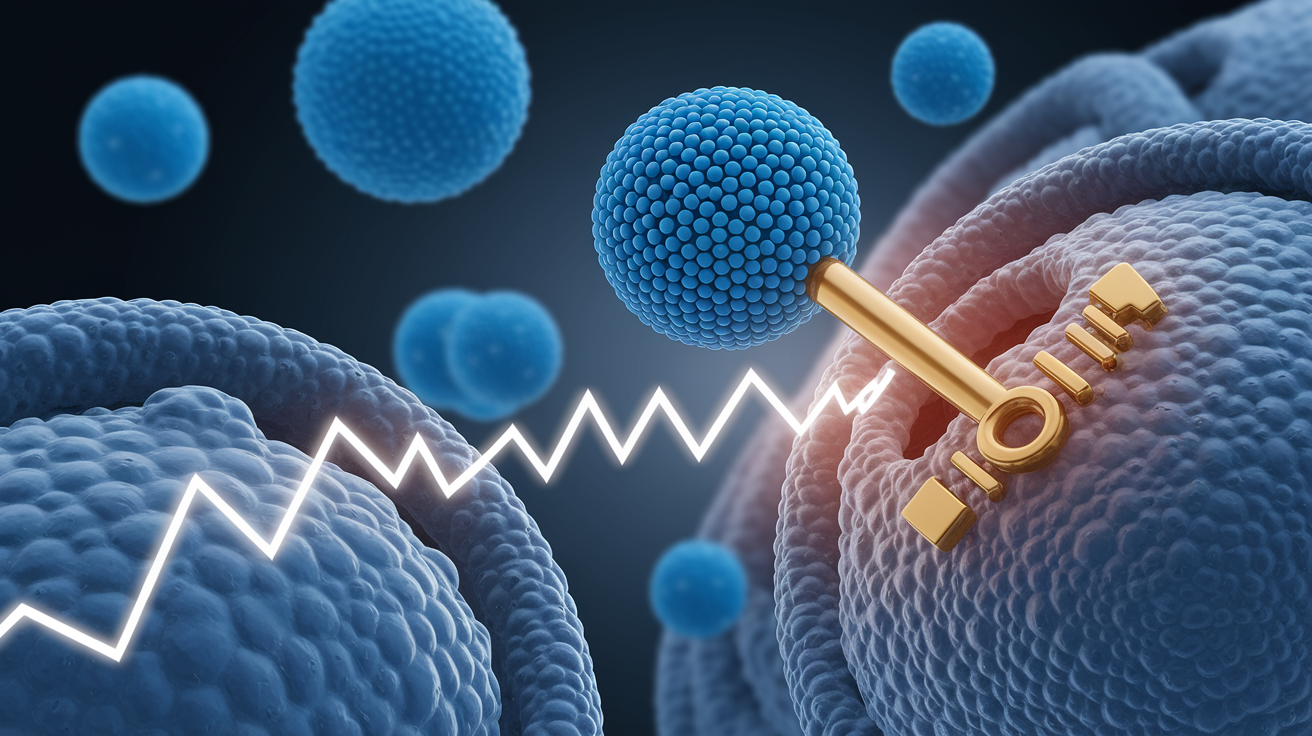
You eat something with carbs in it. Within 30 to 60 minutes, your blood glucose starts climbing. Your pancreas sees this and dumps insulin into your bloodstream to move that glucose into your cells. The bigger the carb load or the more refined it is, the sharper the spike and the more insulin you get.
But that’s just round one. Two to four hours later, all that insulin can drive your blood sugar lower than where you started. This is especially true if the meal was loaded with simple sugars or white flour. Your brain runs on glucose, so when it drops too low, you feel tired and foggy. If you’ve got insulin resistance or you’re prediabetic, this whole cycle gets worse because your cells don’t respond well to insulin anymore. So your pancreas just keeps releasing more.
Neurotransmitters and Amino Acids
Insulin doesn’t just handle glucose. It also messes with how amino acids move through your body. After you eat protein, your blood fills up with different amino acids, including one called tryptophan. Insulin tells your muscle tissue to pull in most of the large amino acids, but it leaves tryptophan alone. That means the ratio of tryptophan to other competing amino acids goes up.
More tryptophan crosses into your brain when the ratio shifts. Once it’s in there, it converts into serotonin, which makes you feel calm and relaxed, and then eventually into melatonin, the hormone that makes you sleep. On top of that, eating shuts down orexin, a peptide your brain uses to stay awake and alert. Less orexin plus more serotonin equals a strong pull toward a nap.
Digestive Workload and Parasympathetic Activation
Digestion takes real effort. Your stomach, intestines, liver, and pancreas all kick into high gear after a meal, and your body redirects blood flow toward those organs to support the process. Your brain doesn’t actually lose a dangerous amount of blood, but your body’s definitely prioritizing inward work over outward alertness.
Your nervous system flips into parasympathetic mode. Rest and digest. The vagus nerve, which runs from your brainstem down to your gut, gets more active and starts sending signals that slow your heart rate, relax your muscles, and dial down your sense of alertness. It’s the opposite of fight or flight. And it naturally makes you feel heavy and ready to crash.
Hormonal Cascades After Eating
Eating sets off a bunch of gut hormones that affect how full and how sleepy you feel. Cholecystokinin (CCK) gets released when fat and protein reach your small intestine. It slows your stomach from emptying and tells your brain you’re full. GLP-1 does something similar, pushing insulin release and creating a sense of fullness that can bring drowsiness with it.
Leptin, the long-term fullness hormone, rises after meals too. It can contribute to low energy, especially if your leptin signaling is already off because of excess body fat. These hormones don’t work alone. They stack with the insulin and neurotransmitter changes happening at the same time, layering sedation on top of everything else.
Gut-Brain Signaling and Inflammatory Responses
Your gut microbiome produces molecules that talk directly to your brain through the gut-brain axis. Some of these influence energy, mood, and how alert you feel. After a big or high-calorie meal, certain pro-inflammatory cytokines can increase in your blood. These immune signals are part of the reason you feel sluggish or heavy after eating, especially if the meal was packed with saturated fat or processed junk.
The food itself matters. Meals that spike inflammation or mess with your microbiome balance leave you feeling more tired than meals built around fiber, whole grains, and minimally processed ingredients. Chronic low-grade inflammation makes the effect worse over time. Every meal starts to feel like it knocks you flat.
How Meal Composition Triggers Food Coma Symptoms
Not all meals hit you the same way. The mix of carbs, fats, protein, and total calories determines how sleepy you’ll be afterward. Large meals over 800 to 1,200 calories are especially likely to produce that heavy, knocked-out feeling because your digestive system has to grind through everything.
High-glycemic foods cause the sharpest blood sugar swings. White bread, pastries, sugary drinks, refined carbs. They flood your bloodstream with glucose fast, trigger a big insulin dump, and set you up for a crash a few hours later. Fatty meals slow down stomach emptying, which can leave you feeling sluggish and overfull for longer. When you stack high fat with high carbs (think pizza or fried food with a soda), the effect compounds.
Common meal triggers that make post-meal drowsiness worse:
- Restaurant portions that clock in at 800+ calories in a single dish
- Sugary drinks or desserts with 30 grams or more of added sugar
- Fried foods, fast food combos, anything deep-fried with refined carbs
- Alcohol, even just one drink at lunch
- Heavy pasta dishes with cream sauces or processed meats
- Foods naturally high in melatonin (like tart cherries or tomatoes) when you eat them in large amounts with carbs
Combination meals are the worst. A large burger, fries, a milkshake, and a beer will almost always produce a food coma because you’re hitting high fat, high sugar, high calories, and alcohol all at once. Your body has to manage every pathway at the same time. The result? Deep fatigue.
Individual Factors That Increase Post-Meal Sleepiness
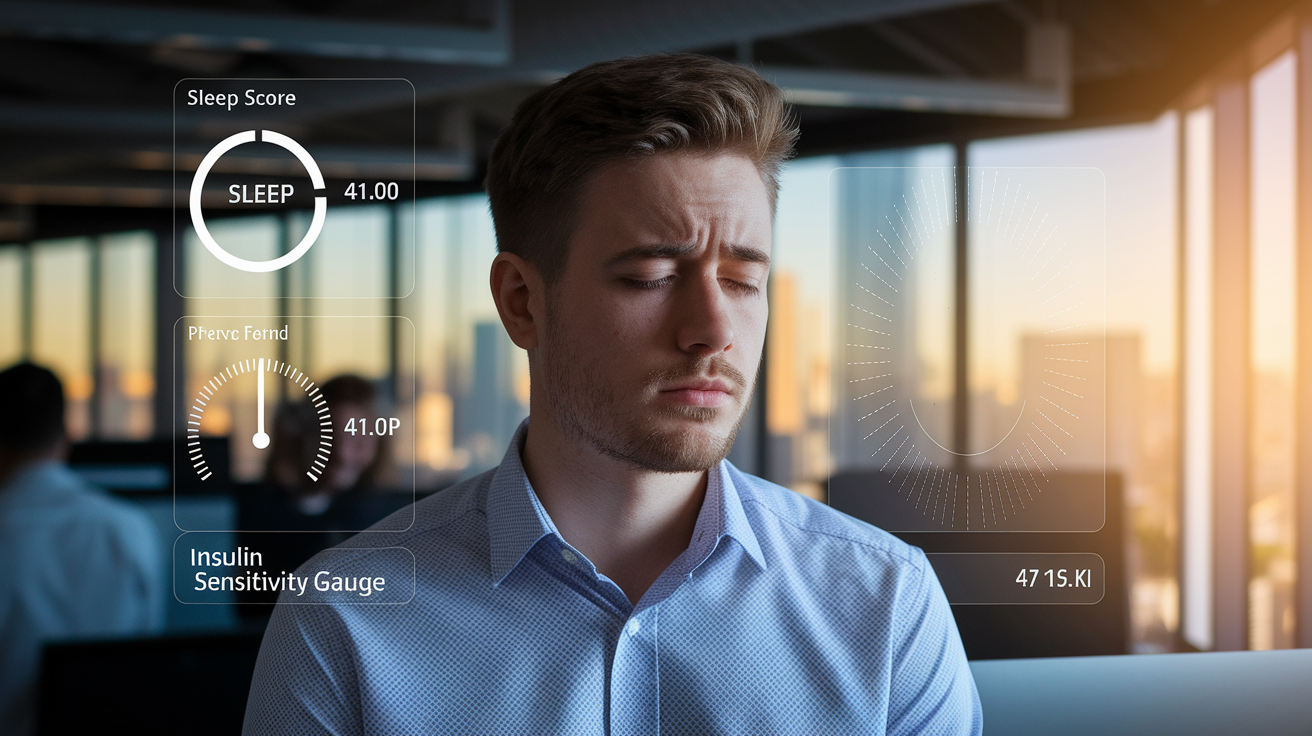
Some people get flattened by lunch. Others barely notice. Sleep quality is one of the biggest predictors. If you didn’t sleep well the night before, even losing just one hour, you’re starting the day with higher sleep pressure. That makes your brain more sensitive to anything that promotes drowsiness, including food.
Your metabolic health plays a major role too. People with insulin resistance, prediabetes, or type 2 diabetes experience bigger glucose and insulin swings after eating. That makes the post-meal energy crash more severe. Carrying extra body weight, especially around your stomach, is often linked to worse insulin sensitivity and stronger postprandial fatigue. Certain medications amplify the effect as well. Antihistamines, benzodiazepines, some antidepressants, blood pressure meds. All of these can increase sedation, and eating on top of them can leave you struggling to keep your eyes open.
Age matters. Older adults tend to experience more postprandial hypotension, a drop in blood pressure after eating that contributes to dizziness and fatigue. They also have slower digestion and may take longer to clear glucose from the bloodstream, which prolongs the drowsy period.
Medical Conditions That Can Mimic or Worsen Post-Meal Drowsiness

Sometimes post-meal sleepiness is a sign of something more than normal digestion. Reactive hypoglycemia is a condition where your blood sugar drops too low about two to four hours after eating. You get shaky, sweaty, confused, and extremely tired. It’s more common in people who’ve had gastric surgery or who have early insulin resistance. If it happens regularly, you need to get it checked out.
Postprandial hypotension is another one, especially in older adults. Blood pressure drops significantly after eating. The fatigue comes with lightheadedness or even fainting in bad cases. Undiagnosed sleep disorders like obstructive sleep apnea make daytime tiredness worse across the board, and food can push someone who’s already exhausted over the edge. Food intolerances or sensitivities (gluten sensitivity, lactose intolerance) trigger inflammation and fatigue as part of the immune response even if you don’t get classic allergic symptoms.
| Condition | Typical Timing | Key Symptoms |
|---|---|---|
| Reactive hypoglycemia | 2–4 hours post-meal | Extreme fatigue, sweating, shakiness, confusion |
| Postprandial hypotension | Within 1–2 hours | Dizziness, lightheadedness, fatigue, fainting |
| Sleep apnea | All day, worsens after meals | Chronic tiredness, snoring, morning headaches |
| Food intolerance | 30 minutes–3 hours | Bloating, fatigue, brain fog, digestive discomfort |
How Circadian Rhythm and Timing Affect Food Coma Severity

Your body runs on a 24-hour internal clock. That clock creates natural dips in alertness during the early afternoon, usually between 1 p.m. and 3 p.m. This happens whether you eat or not, but when you throw a meal on top of that natural low point, the effect multiplies. That’s why the post-lunch slump is so common. And why skipping lunch doesn’t always prevent afternoon tiredness.
Warm meals can make the drowsiness worse because they raise your core body temperature slightly. Your body responds by trying to cool down and rest. Morning people tend to experience the afternoon dip more intensely than night owls, whose internal clocks keep them more alert later in the day. Hormonal fluctuations across the day matter too. Cortisol, which helps keep you awake, naturally drops in the afternoon. And melatonin starts creeping up earlier in the day if you’re already sleep-deprived.
Daily Habits and Eating Patterns That Help Prevent Food Coma
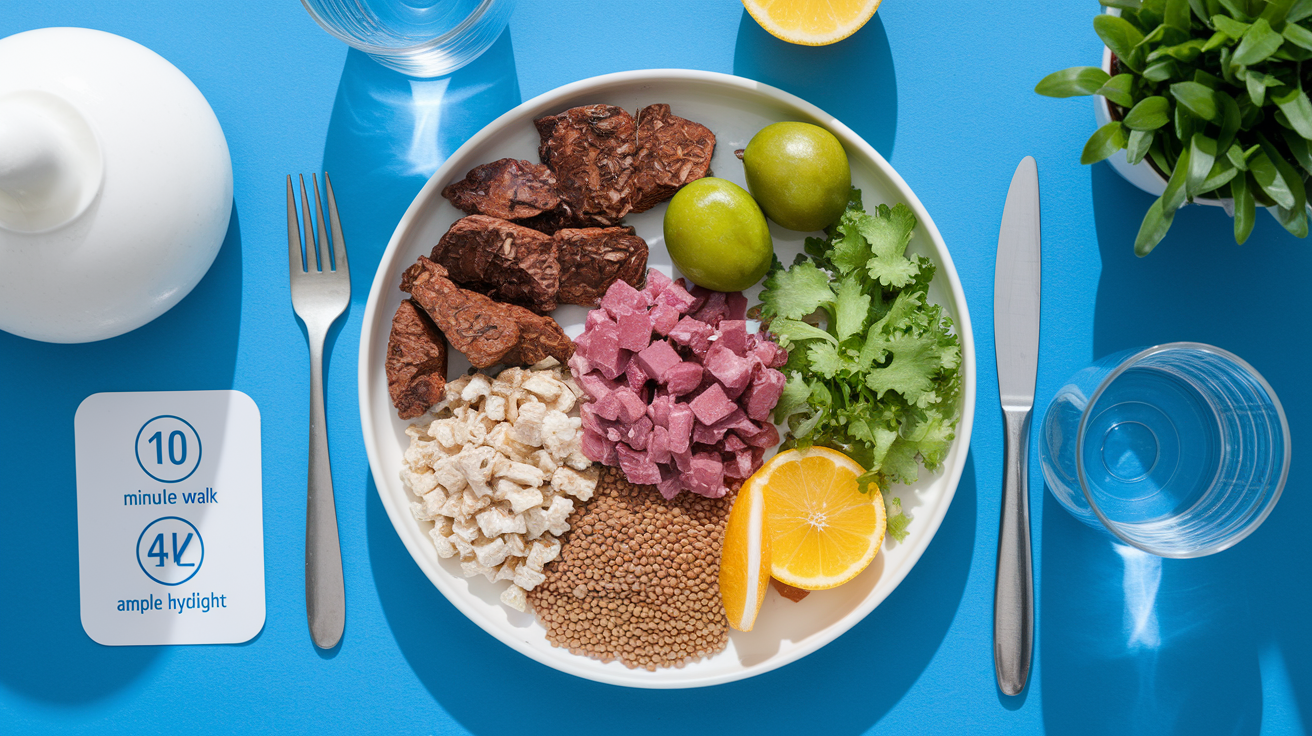
The best way to avoid a food coma is to change what and how you eat at meals where alertness actually matters. Balanced meals that include 20 to 30 grams of protein, at least 10 to 15 grams of fiber, and healthy fats in smaller amounts (around 10 to 15 grams) keep your blood sugar more stable and reduce the sharp insulin response that leads to crashes. Portion control is just as important. Keeping main meals between 400 and 700 calories instead of letting them balloon past 800 or 1,000 makes a noticeable difference in how you feel afterward.
Eating slowly gives your body time to register fullness before you overeat. It smooths out the glucose curve. Hydration helps too. Drinking 250 to 500 milliliters of water with your meal supports digestion and reduces the sluggish, heavy feeling that dehydration can make worse. Choosing low-glycemic carbs like whole grains, legumes, and non-starchy vegetables instead of refined starches keeps your blood sugar from spiking and crashing.
A few practical daily habits that reduce post-meal drowsiness:
- Start your meal with a salad or a serving of vegetables to slow glucose absorption
- Avoid sugary drinks and foods with 30 grams or more of added sugar in one sitting
- Limit alcohol to zero or one standard drink at lunch if you need to stay alert
- Take a 10 to 20 minute walk after eating to improve glucose clearance and boost energy
- Split very large meals into two smaller meals or add a planned snack instead of eating everything at once
- Time your biggest meal for dinner when you can afford to rest afterward
- Keep caffeine moderate and timed right (50 to 200 milligrams after lunch can help, but avoid it within eight hours of bedtime)
What to Do When You Feel a Food Coma Coming On

You’ve already eaten and the drowsiness is setting in. A few quick moves can help pull you back. Light movement is one of the most effective things you can do. Standing up and walking around for five to 15 minutes increases blood flow, helps clear glucose from your bloodstream, and signals your brain to stay awake. Even just standing at your desk or doing a few stretches can make a difference.
Drinking cold water, about 200 to 300 milliliters, gives you a small jolt of alertness and helps with hydration if you’re running low. A small protein-rich snack, around 10 to 15 grams of protein like a handful of nuts or a hard-boiled egg, can stabilize your blood sugar if you’re experiencing a reactive drop. If you’ve got the option and the time, a 10 to 20 minute nap can actually restore your alertness better than fighting through the fog. Just don’t sleep longer than that or you’ll slip into deeper sleep stages and wake up groggier.
Quick interventions when drowsiness hits:
- Walk for 5–15 minutes or stand and move around your space
- Drink 200–300 ml of cold water
- Have a small protein snack (10–15 g) to stabilize blood sugar
- Take a brief 10–20 minute nap if your schedule allows
When Post-Meal Drowsiness Signals a More Serious Issue

Most post-meal drowsiness is annoying but harmless. It becomes a medical concern when it’s severe, happens after small or normal-sized meals, or comes with other symptoms that suggest something deeper is going on. If you regularly feel extremely tired after eating, to the point where it disrupts your work or daily life, that’s worth bringing up with a doctor. Same goes if you experience dizziness, sweating, confusion, shakiness, or fainting after meals. All of those can point to reactive hypoglycemia or postprandial hypotension.
Testing might include fasting and post-meal blood glucose checks, an oral glucose tolerance test to look for insulin or glucose problems, a sleep study if sleep apnea is suspected, or a broader metabolic panel to check thyroid function and other hormone levels. Persistent fatigue that doesn’t improve with changes to your meal composition, portion sizes, or sleep habits should always be evaluated. Especially if you’re also noticing unexplained weight changes, excessive thirst, or frequent urination, which can signal diabetes or prediabetes.
Final Words
Halfway through lunch your lids get heavy and focus drifts—that sleepy window often hits 30–90 minutes after eating.
This post explained the main drivers: blood sugar and insulin swings, neurotransmitter shifts, digestion demand, meal size and composition, and personal factors like poor sleep or meds. It also gave quick fixes—balanced plates, portion control, hydration, and short walks—and signs that mean you should see a clinician.
If you’re still wondering what causes post-meal drowsiness and food coma, it’s usually a mix of carbs, fats, hormones, and timing. Small changes can make a big difference.
FAQ
Q: Why do I get food coma or feel lethargic and sleepy every time I eat a meal?
A: A food coma or post-meal sleepiness happens because large, high-carb or fatty meals cause blood sugar spikes then drops, increase digestive workload and parasympathetic activity, and shift brain chemicals, often 30–90 minutes after eating.
Q: How to fix postprandial somnolence?
A: To fix postprandial somnolence, eat smaller balanced meals with protein, fiber and healthy fats, avoid big sugary or heavy portions, stay hydrated, try a 10–20 minute walk or power nap, and see a doctor if severe.