
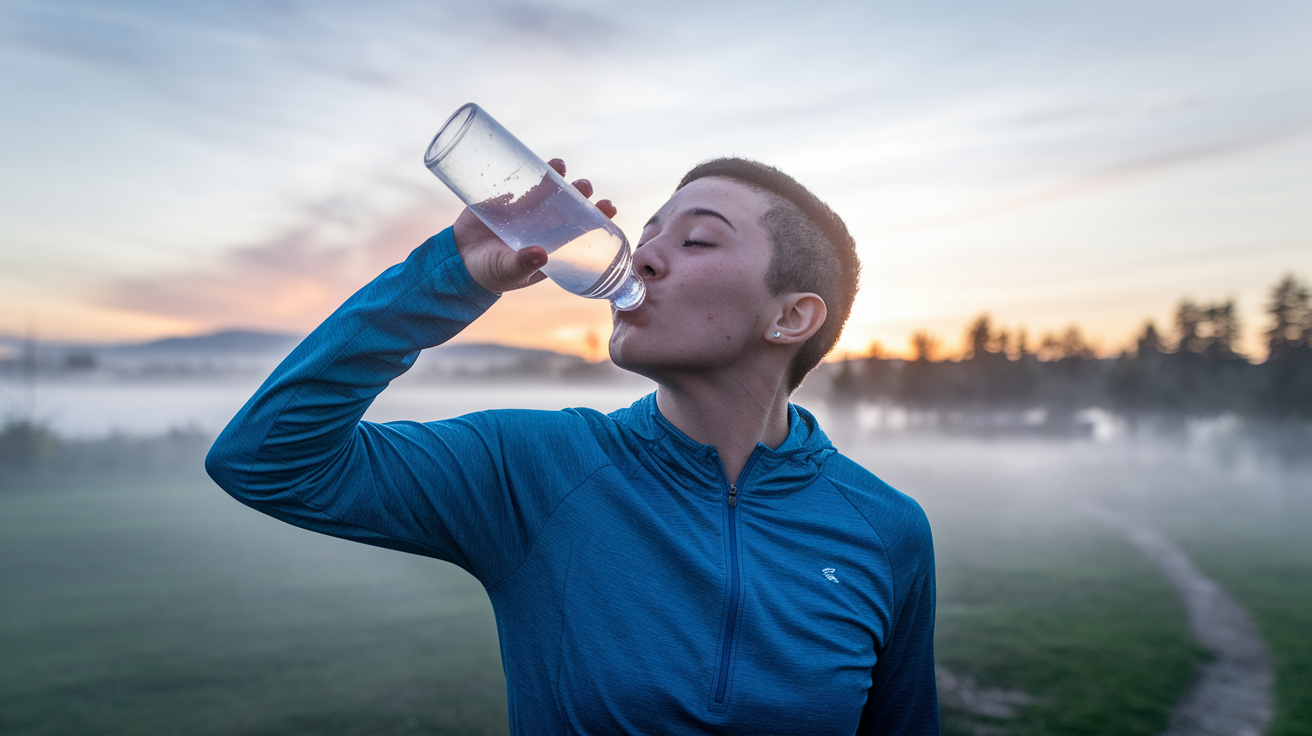
Think you need coffee to get through the day? You don’t.
A lot of tiredness comes from simple things, like being a little dehydrated, out of sync with daylight, low on protein, or skipping movement.
This post walks you through fast, practical ways to boost energy naturally, including drinking water first thing, getting bright morning light, three to five minutes of breathing, short walks, balanced plates, and small sleep or supplement tweaks.
You’ll get quick fixes to try today and an easy plan to keep your energy steadier all week.
Quickest Caffeine-Free Ways to Boost Energy (Start Here)
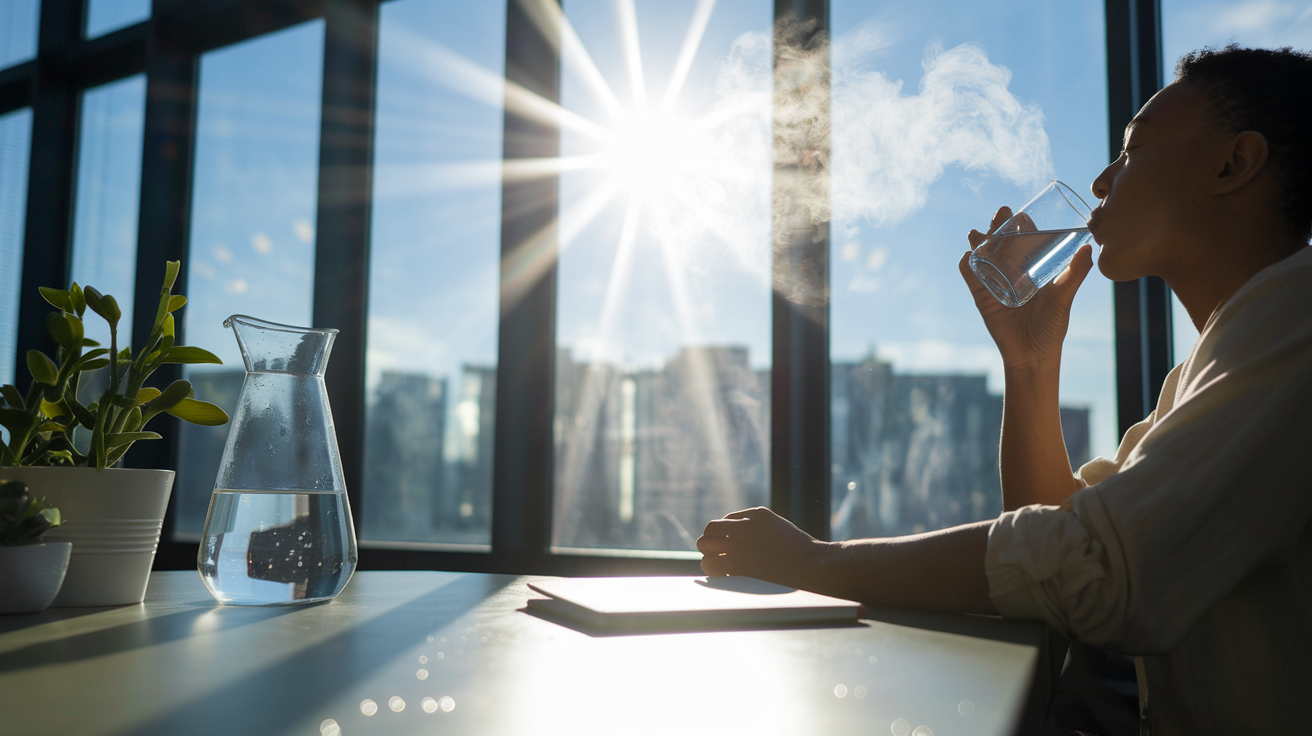
Water improves performance for most physical and mental tasks. Early dehydration shows up as fatigue, often before you even feel thirsty. Your body needs fluid to move oxygen and nutrients through the bloodstream. When you’re behind on water, circulation slows and focus drops.
Simple guideline: take your weight in pounds, divide by 2, and drink that many ounces daily. A 150-pound person needs about 75 ounces (roughly 2.2 liters). Sipping water through the morning can pull you past that mid-morning slump without caffeine.
Bright light exposure, especially in the first 10 to 30 minutes after waking, tells your circadian system to increase alertness and raise serotonin levels. Natural daylight works best. A bright indoor lamp near your workspace or a quick walk outside can deliver the same wake-up signal. Sunlight also helps suppress melatonin earlier in the day, keeping you alert until bedtime.
Deep, slow breathing increases oxygen flow to your brain and muscles. That translates directly to sharper focus and less fatigue. Three to five minutes of diaphragmatic breathing or box breathing (inhale four counts, hold four, exhale four, hold four) can pull you out of a tired slump in the time it takes to brew coffee. These work because they address the immediate physical reasons you feel sluggish instead of masking fatigue with a stimulant.
• Drink one to two cups of water — best first thing in the morning or whenever you notice low energy mid-task
• Step outside for 10 minutes of bright light — most effective within one hour of waking or during afternoon dips
• Do three to five minutes of paced breathing — helpful any time you feel foggy or before a mentally demanding task
• Take a 10 to 20 minute brisk walk or climb stairs — raises heart rate and delivers immediate alertness without a later crash
Daily Habits That Sustain Higher Energy Levels

Consistent sleep and wake times train your circadian rhythm to fall asleep faster and wake up naturally alert. Most adults need seven to nine hours per night to maintain baseline energy. Going to bed and waking at roughly the same time every day, even on weekends, makes that sleep more restorative. A regular schedule stabilizes cortisol patterns, which control your body’s natural wake-up signal. It also reduces the afternoon grogginess that often drives people toward caffeine.
Exercise is one of the most reliable ways to increase energy over time. Aim for at least 150 minutes of moderate aerobic activity per week. That breaks down to about 20 to 30 minutes a day. Brisk walking counts, as does cycling, swimming, or any movement that gets your heart rate up. Regular exercise improves oxygen delivery, boosts dopamine, and makes your mitochondria (the parts of your cells that produce energy) more efficient. Adding resistance training helps maintain muscle mass, which supports metabolic health and keeps your stamina steady as you age.
Reducing screen time in the hour before bed protects sleep quality, which protects next-day energy. Blue light from phones and laptops can delay melatonin release and make it harder to fall asleep, even if you don’t notice the effect immediately. Swapping evening scrolling for a non-screen wind-down routine, like reading or light stretching, can improve how rested you feel in the morning.
Core Sleep Strategies
Stick to the same bedtime and wake time within a 30-minute window seven days a week. This consistency reduces the time it takes to fall asleep and improves the depth of your sleep cycles.
Get 10 to 30 minutes of bright daylight exposure within the first hour after waking. Morning light anchors your circadian clock and strengthens the signal that tells your body when to feel alert during the day and sleepy at night.
Stop caffeine intake by 2 p.m. Caffeine has a half-life of about five hours, meaning half the dose is still in your system five hours later. Consuming it too late can interfere with your ability to fall asleep even if you don’t consciously feel wired.
Avoid alcohol at lunch and in the early evening, especially around 5 p.m. Alcohol acts as a sedative and can disrupt your natural energy rhythm, leaving you sluggish when you want to be productive.
Nutrition Strategies for Non-Caffeinated Energy
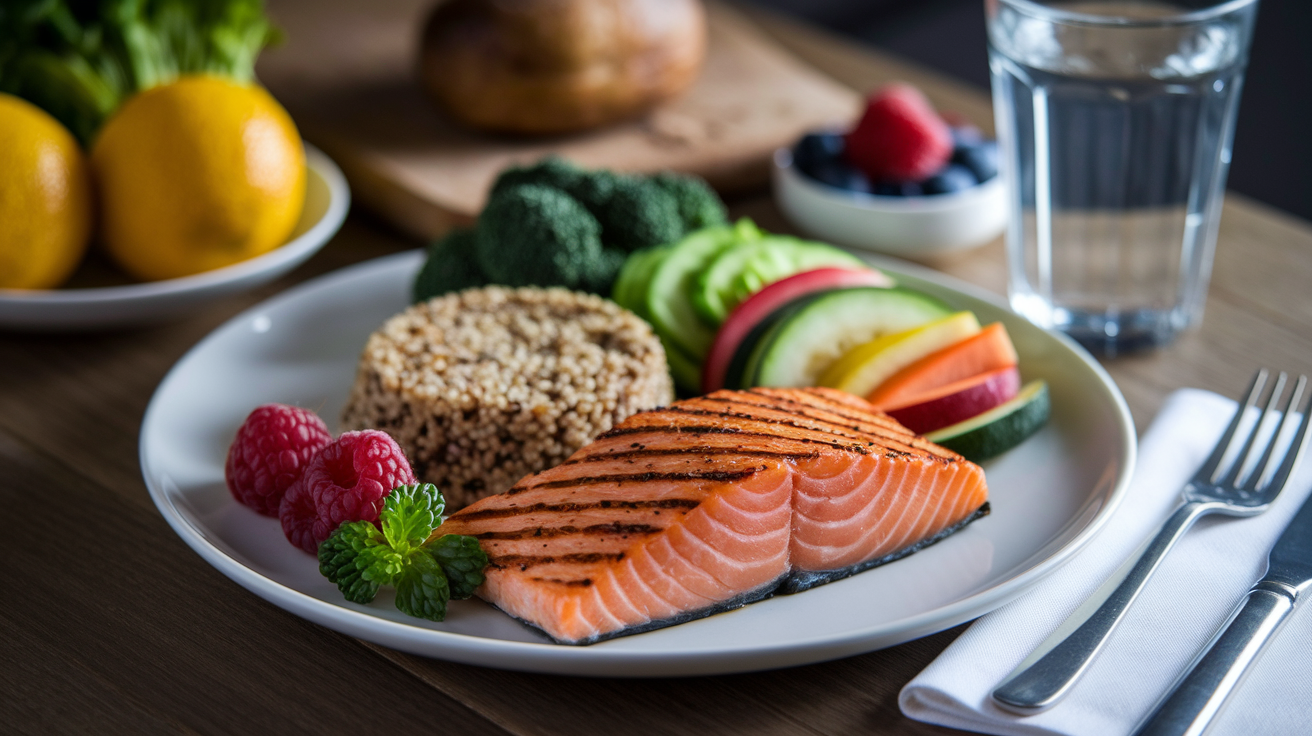
Balanced meals that pair lean protein, complex carbohydrates, and fiber prevent the blood sugar crashes that trigger mid-afternoon fatigue. Protein slows digestion and keeps glucose steady. Complex carbs, like whole grains and starchy vegetables, release energy gradually instead of spiking and then dropping your blood sugar. Including a serving of fruit or non-starchy vegetables adds fiber, which further slows absorption and prolongs the feeling of fullness and stable energy.
A simple formula: build each plate around a protein source, a fist-sized portion of complex carbs, and a handful of colorful vegetables or fruit.
Dehydration reduces metabolic efficiency. It’s one of the most common, overlooked causes of low energy. You can support hydration through food by eating water-rich options like cucumbers, watermelon, oranges, and leafy greens. These also deliver electrolytes (minerals like potassium and magnesium that help your body hold onto water) without added sugar. If you eat saltier foods, you’ll need to drink more water to stay balanced. Plain water is more effective for hydration than soda or fruit juice, which can add sugar and sometimes caffeine.
Meal timing matters for steady energy. Skipping breakfast or going more than four to five hours without eating can leave you running on empty, which makes you more likely to reach for a quick sugar hit or a coffee. Eating within an hour of waking and spacing meals or snacks every three to four hours keeps your blood sugar stable and your energy even throughout the day.
Three standout foods for non-caffeine energy:
• Oats — high in fiber and complex carbs, slow to digest, keep you full and alert through the morning
• Almonds or walnuts — provide healthy fats and a small amount of protein, easy to carry and eat between meals
• Spinach and leafy greens — rich in magnesium and iron, which support oxygen transport and muscle function
Non-Caffeinated Supplements That May Enhance Energy
B vitamins, especially B12 and B6, play direct roles in converting the food you eat into usable cellular energy. B12 supports red blood cell production and nervous system function. The recommended dietary allowance for adults is about 2.4 micrograms per day. If you follow a plant-based diet or have digestive issues that limit nutrient absorption, a B12 supplement might help reduce fatigue. B-complex supplements bundle several B vitamins together and are widely available.
Iron helps carry oxygen from your lungs to the rest of your body. Low iron is a common cause of persistent tiredness, especially in people who menstruate. The RDA is about 8 milligrams per day for men and 18 milligrams per day for women ages 19 to 50. If you suspect low iron, it’s worth checking with a clinician before supplementing, because too much iron can cause digestive discomfort and other issues. Pairing iron-rich foods with vitamin C improves absorption.
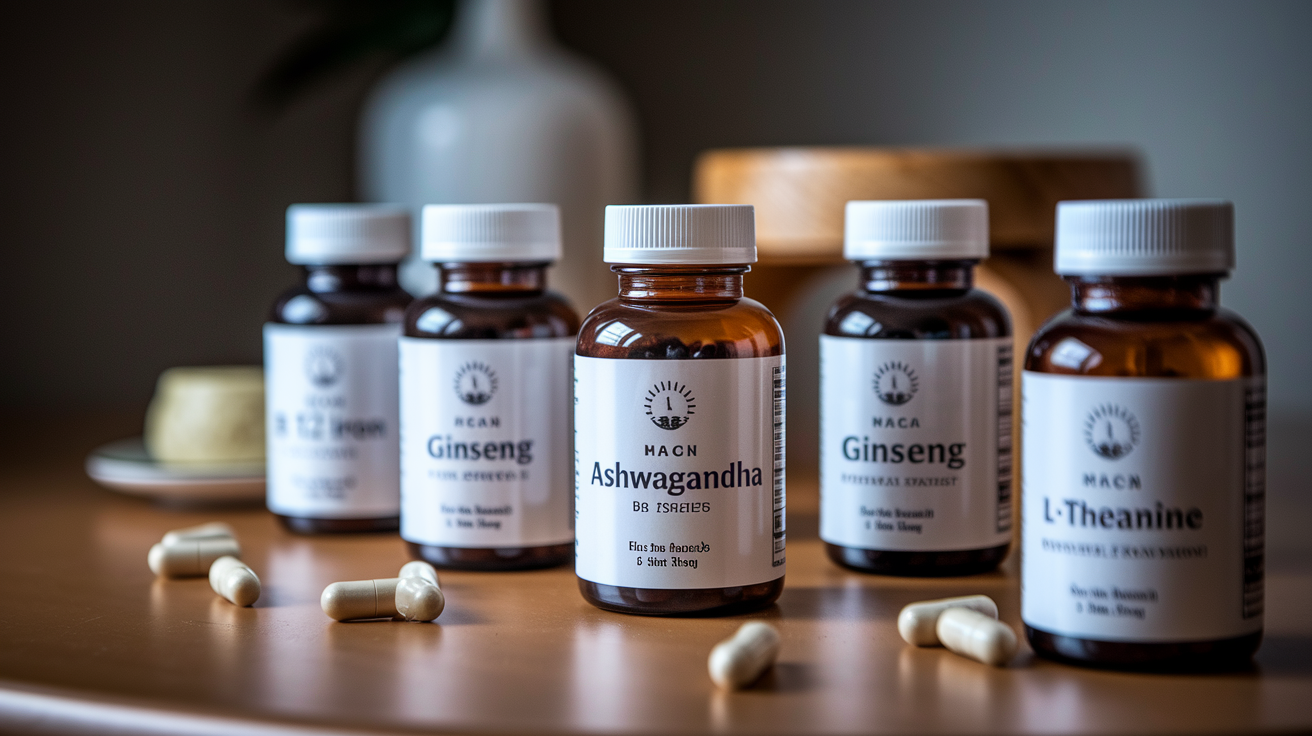
Adaptogens like ashwagandha and ginseng are herbs traditionally used to help the body manage stress and maintain energy over time. They don’t create an immediate buzz like caffeine, but they can support a calmer, more sustained sense of alertness. Maca, a root from Peru, is often added to smoothies or oatmeal and is used to boost stamina throughout the day. L-theanine, an amino acid found in green tea, promotes calm focus without sedation and is sometimes taken as a standalone supplement. Always start with a low dose and watch for any stomach upset or interactions with medications.
| Supplement | Primary Benefit | When It Helps Most |
|---|---|---|
| B12 | Supports red blood cell production and nervous system energy | Persistent fatigue, plant-based diets, absorption issues |
| Iron | Improves oxygen transport to muscles and brain | Heavy periods, low-iron diet, diagnosed deficiency |
| Ashwagandha or Ginseng | Helps body adapt to stress and sustain energy | Chronic stress, long workdays, feeling burned out |
Techniques That Improve Focus and Reduce Fatigue
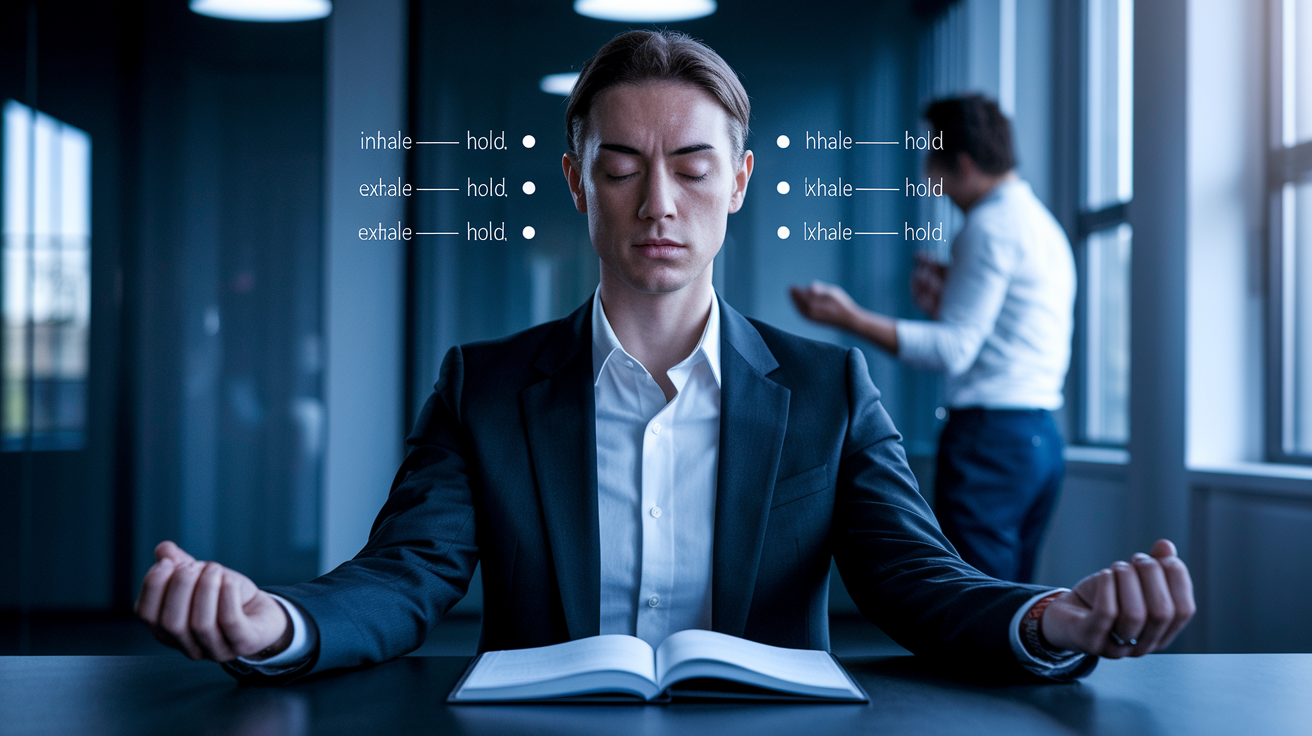
Box breathing and diaphragmatic breathing patterns directly increase oxygen delivery to your brain and muscles. That reduces the cognitive fog that builds up during long stretches of focused work. Box breathing follows a four-count rhythm: inhale for four seconds, hold for four, exhale for four, hold for four, then repeat for three to five minutes. Diaphragmatic breathing means breathing deeply into your belly instead of shallowly into your chest. Both techniques activate your parasympathetic nervous system, which calms your stress response and clears mental fatigue without needing a stimulant.
Microbreaks every 60 to 90 minutes protect your performance and prevent the slow drain on focus that happens when you push through without pausing. A microbreak can be as short as 20 seconds: look away from your screen, focus on something 20 feet away, blink a few times, and roll your shoulders. This simple reset reduces eye strain and gives your brain a momentary recovery window.
Longer microbreaks of two to five minutes, where you stand up, stretch, or walk a few steps, improve circulation and help you return to your task with sharper attention.
Mindfulness practices, even brief ones, reduce the mental load that drains energy throughout the day. A two-minute mindfulness check-in (close your eyes, notice your breathing, mentally scan your body for tension) can interrupt the fatigue cycle that builds when you’re juggling too many thoughts at once. This isn’t about deep meditation. It’s about giving your brain a structured pause so it can reorganize and refocus. Alternating between deep work and these short mental resets keeps your energy more stable than powering through on willpower alone.
Final Words
Start with fast wins you can do immediately: sip water, step into daylight, take a few deep breaths, or move for two minutes to wake up your body.
Then pick habits that build steady energy: keep a sleep schedule, get morning light, eat balanced meals with protein and whole grains, and cut screens before bed. Consider targeted supplements and brief mental resets like microbreaks.
Try one small change this week. Learning how to increase energy without caffeine is doable, and these tiny steps add up.
FAQ
Q: How do I instantly boost my energy?
A: The quickest way to instantly boost your energy is to combine hydration, movement, light, and breathwork: drink a glass of water, step outside 3–5 minutes, do 30–60 seconds of movement, then five deep breaths.
Q: What is a natural energy booster and what is the best natural stimulant for energy?
A: A natural energy booster is a habit or food that raises alertness without caffeine, like water, sunlight, movement, protein-rich snacks, or B vitamins; the best natural stimulant is brief movement plus daylight.
Q: How to get energy when you don’t drink caffeine?
A: Getting energy without caffeine means using sleep, food, movement, hydration, and light: keep a steady sleep time, drink water first thing, eat a protein + whole-grain snack, take a brisk 5-minute walk, and breathe deeply.