

What if every meal is leaving your belly tight, gassy, and a bit like a balloon?
If you feel bloated after breakfast, lunch, and dinner, you’re not imagining it.
Most of the time it comes down to what you eat and how fast you eat it, but sometimes a gut condition like IBS or SIBO is the culprit.
This post breaks down the common causes, simple things to try today, and when to see a clinician so you can feel clearer and more comfortable.
Why You Feel Bloated After Eating (Fast Explanation)

Bloating after every meal usually comes down to two things: what you’re eating and how you’re eating it. Your stomach is roughly the size of your fist when empty, and even moderate meals can produce fullness, gas, and pressure if you swallow air, eat too quickly, or choose foods that ferment in your gut. That tight, balloon-like sensation happens when your digestive system struggles to break down what you’ve given it or when gas builds up faster than your body can release it.
The feeling is common. But daily bloating? That’s not. If your belly swells, gurgles, and feels uncomfortable after breakfast, lunch, and dinner, you’re likely dealing with a pattern. Either a food your body can’t handle well, a habit that floods your system with air, or a digestive condition that slows things down.
Here are the most common reasons you feel bloated after eating:
Overeating stretches your stomach beyond comfortable capacity.
Eating too fast means you swallow air with every bite and your stomach doesn’t get the signal to stop in time.
Gas producing foods like beans, broccoli, onions, and cabbage ferment in your colon and release hydrogen and methane.
High fat meals take longer to digest, keeping food in your stomach and small intestine for hours.
FODMAP rich foods (certain fruits, dairy, whole grains) pull water into your gut and ferment, creating gas and pressure.
Food intolerances such as lactose or gluten sensitivity prevent proper breakdown, sending undigested material to your colon.
Irritable bowel syndrome (IBS) causes pain, visible distention, and irregular bowel habits.
Small intestinal bacterial overgrowth (SIBO) floods your upper digestive tract with gas producing bacteria.
Most of the time, bloating ties back to everyday habits. Portion size, eating pace, and the specific foods on your plate. When those factors don’t explain it, or when bloating persists despite changes, a digestive condition may be the driver.
How Eating Habits Trigger Post‑Meal Bloating

The way you eat matters as much as what you eat. Eating quickly forces you to gulp air along with your food. That air travels into your stomach and small intestine, where it has to go somewhere. Either out as a burp or down into your colon where it adds to bloating. When you’re racing through a meal, your brain doesn’t get the satiety signal until you’ve already eaten past fullness. By the time you feel “done,” your stomach is stretched and uncomfortable.
Overeating compounds the problem. Your stomach can expand, but when you pack it beyond its resting size (about the size of your fist) you’ll feel pressure, tightness, and that sluggish, weighted down sensation. Large portions also mean more work for your digestive enzymes and longer transit time, which can slow motility and worsen bloating later in the day.
Aerophagia (swallowing excess air) happens when you talk while eating, chew gum, sip through a straw, or drink carbonated beverages. Each swallow pulls in a small amount of air, and over the course of a meal, that adds up. The carbon dioxide in soda and sparkling water doesn’t just sit in your stomach. It moves through your gut and can cause visible distention and pressure.
Simple behavior changes that reduce post meal bloating:
Chew each bite thoroughly and put your fork down between mouthfuls to slow your pace.
Eat smaller portions. Stop when you feel comfortably full, not stuffed.
Avoid drinking through straws and limit carbonated drinks, especially during meals.
Don’t talk with food in your mouth. It increases the amount of air you swallow with every bite.
Foods That Commonly Cause Bloating
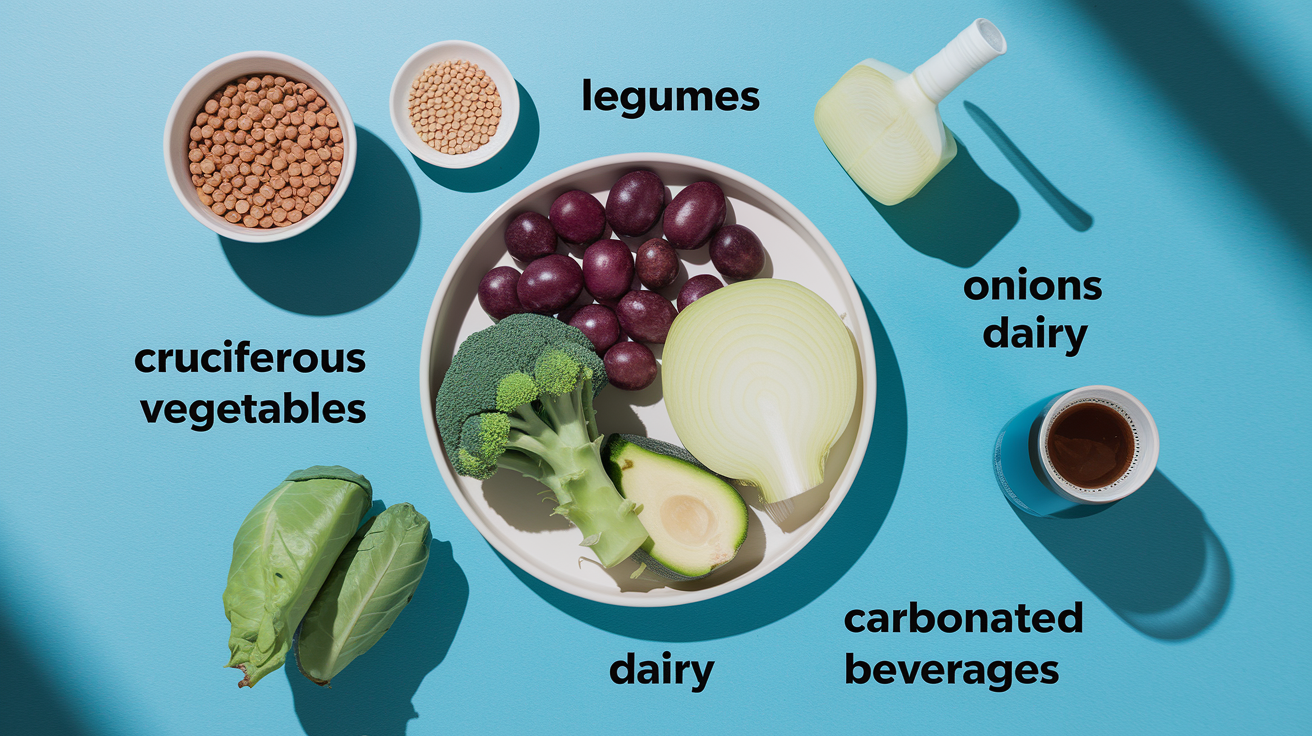
Certain foods produce more gas during digestion because they contain carbohydrates your small intestine can’t fully break down. When undigested material reaches your colon, bacteria ferment it, releasing hydrogen, methane, and carbon dioxide. That fermentation is normal, but some foods trigger more gas than others. And if you’re eating them at every meal, you’ll feel bloated every time.
High fiber foods are healthy, but they’re also prime fermentation fuel. Beans, lentils, broccoli, cabbage, onions, and whole grains all contain resistant starches or complex carbohydrates that gut bacteria love. Dairy products can cause bloating if you’re low on lactase, the enzyme that digests lactose. Artificial sweeteners like sorbitol and xylitol pull water into your intestines and ferment quickly, leading to gas and loose stools.
| Food Type | What Causes Bloating | Example Foods |
|---|---|---|
| Legumes | High in resistant starch and oligosaccharides that ferment in the colon | Beans, lentils, chickpeas, black beans |
| Cruciferous Vegetables | Contain raffinose, a sugar humans can’t digest | Broccoli, cauliflower, cabbage, Brussels sprouts |
| Dairy Products | Lactose requires lactase enzyme; undigested lactose ferments | Milk, yogurt, soft cheeses, ice cream |
| Carbonated Beverages | Carbon dioxide gas is swallowed and released in the digestive tract | Soda, sparkling water, beer |
| High Fat Foods | Slow gastric emptying, keeping food in the stomach longer | Fried foods, fatty cuts of meat, creamy sauces, pastries |
Food Intolerances and Sensitivities
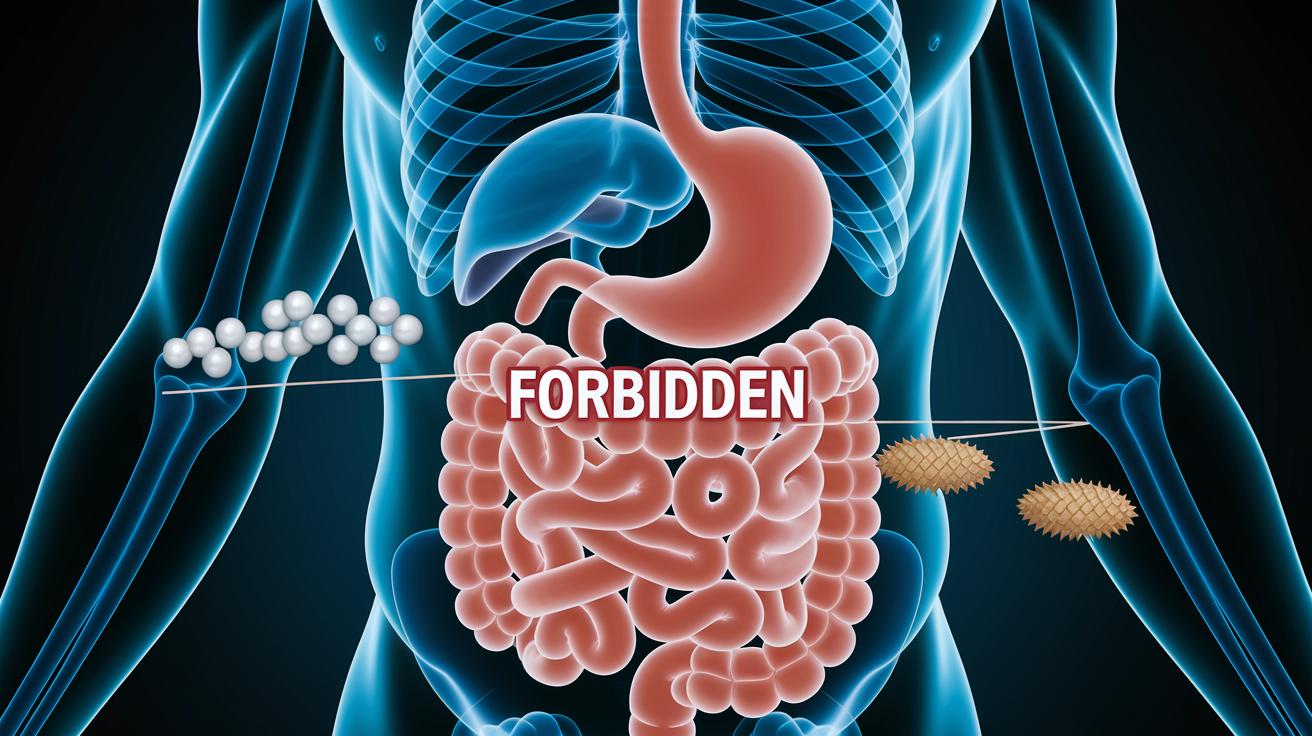
Food intolerances don’t trigger the immune response that allergies do, but they can make digestion uncomfortable and slow. When your body can’t break down a specific sugar, protein, or carbohydrate, that undigested material moves into your colon where bacteria ferment it, producing gas, bloating, and sometimes diarrhea or constipation.
Lactose Intolerance
Lactose intolerance affects an estimated 30 to 50 percent of adults worldwide. It happens when your small intestine doesn’t produce enough lactase, the enzyme that breaks down lactose (the sugar in milk and dairy products). Without lactase, lactose passes into your colon undigested. Bacteria ferment it, releasing gas and pulling water into your intestines. The result is bloating, cramping, gurgling, and loose stools within 30 minutes to two hours after eating dairy. You might handle small amounts of hard cheese or yogurt better than milk because they contain less lactose or include bacteria that help digest it.
Gluten & Wheat Sensitivity
Non celiac gluten sensitivity can cause bloating, abdominal pain, and fatigue without the intestinal damage seen in celiac disease. The mechanism isn’t fully understood, but many people report relief when they reduce or eliminate wheat, barley, and rye. It’s not always the gluten itself. Wheat also contains fructans, a type of FODMAP that ferments quickly in the gut. If you feel bloated after bread, pasta, or baked goods, it may be the fructans rather than the gluten driving your symptoms.
FODMAP Sensitivity
FODMAPs are fermentable oligosaccharides, disaccharides, monosaccharides, and polyols. Short chain carbohydrates that your small intestine struggles to absorb. When they reach your colon, they pull in water and get fermented by bacteria, creating gas, bloating, and changes in bowel habits. High FODMAP foods include onions, garlic, apples, pears, wheat, dairy, and certain beans. People with IBS often find that a low FODMAP diet reduces bloating within a few weeks, but the approach works for non IBS bloating too.
A structured elimination diet (removing suspected trigger foods for two to four weeks and then reintroducing them one at a time) can help you identify which foods your gut tolerates and which ones consistently cause bloating.
Digestive Conditions That Cause Bloating After Every Meal
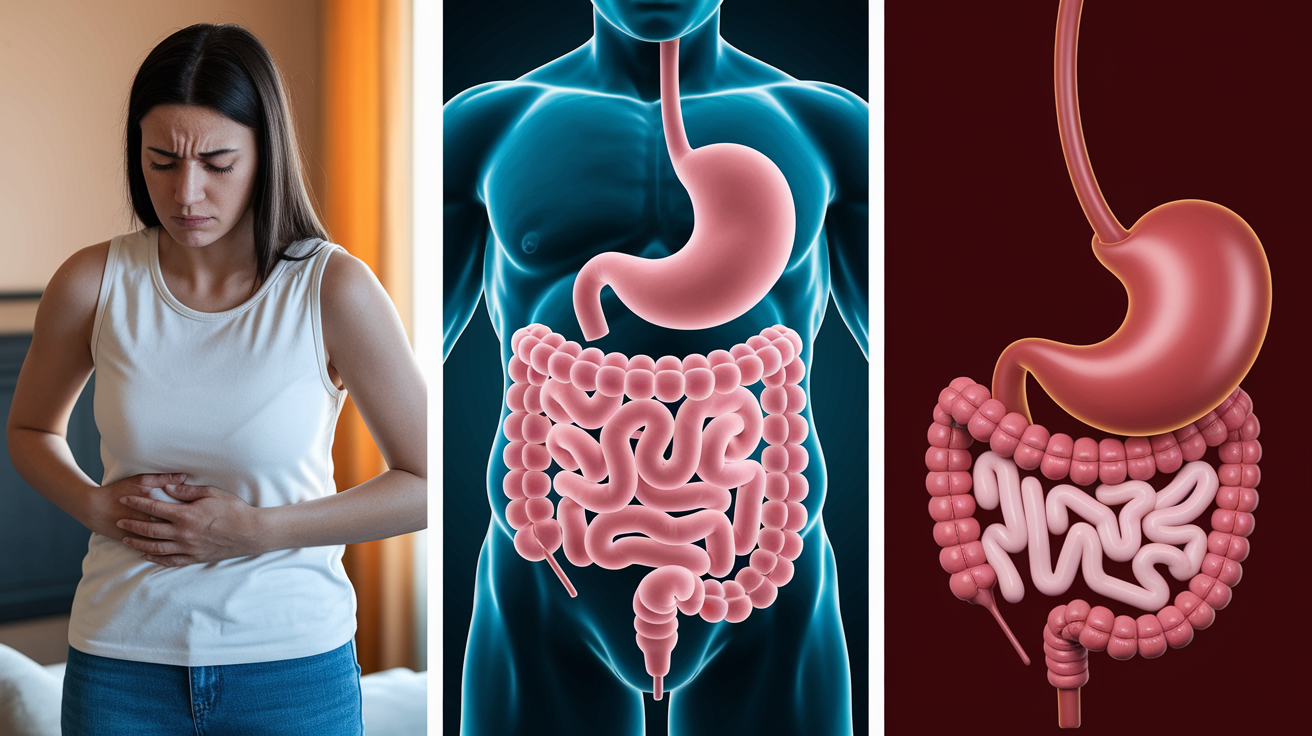
When bloating happens after every meal regardless of what or how you eat, a digestive condition may be the underlying cause. Irritable bowel syndrome affects an estimated 10 to 15 percent of adults and is one of the most common reasons for chronic bloating. IBS causes abdominal pain that improves after a bowel movement, along with visible belly distention, diarrhea, constipation, or both. The cause isn’t fully known, but it’s often triggered by a gut infection, food sensitivity, or prolonged stress. IBS doesn’t damage your intestines, but it does change how your gut moves and how sensitive it is to gas and pressure.
Small intestinal bacterial overgrowth (SIBO) happens when bacteria that normally live in your colon migrate up into your small intestine. These bacteria ferment food as it passes through, producing gas and bloating much earlier in the digestive process than usual. SIBO often causes bloating within 30 minutes of eating, along with diarrhea, cramping, and malabsorption of nutrients. It’s more common in people with slow gut motility, after certain surgeries, or in those with conditions like diabetes or scleroderma.
Gastroparesis (delayed stomach emptying) keeps food in your stomach for hours longer than normal. You feel full quickly, bloated after small meals, and sometimes nauseous. The bloating is upper abdominal and persistent, and it’s often worse after high fat or high fiber meals that take longer to digest. Gastroparesis can result from diabetes, certain medications, or nerve damage.
Medical causes of chronic bloating often come with these hallmark symptoms:
Bloating that’s worse at the end of the day and doesn’t fully resolve overnight.
Abdominal pain that changes in intensity or location and is relieved by passing gas or having a bowel movement.
Visible belly distention that makes your clothes feel tight by evening.
Changes in bowel habits. Alternating diarrhea and constipation, or a persistent shift in stool consistency.
Bloating that persists even when you eat very simple, low FODMAP meals.
Practical Solutions to Reduce Bloating After Meals

Start with the simplest change: slow down. Eating slowly gives your brain time to register fullness and reduces the amount of air you swallow. Put your fork down between bites, chew thoroughly, and aim to make a meal last at least 15 to 20 minutes. Smaller portions help too. Try plating half of what you normally eat and waiting 10 minutes before deciding if you need more.
A low FODMAP trial can help you identify specific trigger foods. Eliminate high FODMAP items like onions, garlic, apples, dairy, and wheat for two to three weeks, then reintroduce them one at a time while tracking symptoms. You may find that you tolerate some FODMAPs just fine but others cause immediate bloating. Reducing carbonation is another quick win. Swap soda and sparkling water for still water, herbal tea, or water with a pinch of salt for electrolytes.
Here are six practical strategies to reduce post meal bloating:
Eat smaller, more frequent meals instead of three large ones. Smaller portions reduce stomach stretch and give your digestive system less work at once.
Walk for 10 to 15 minutes after eating. Light movement helps stimulate digestion and can release trapped gas.
Try a digestive enzyme supplement if you suspect lactose or fat malabsorption. Lactase tablets help digest dairy, lipase supports fat breakdown.
Add a daily probiotic to reduce gut inflammation and improve the balance of bacteria in your colon. Some strains, like Bifidobacterium and Lactobacillus, have been shown to reduce bloating in people with IBS.
Sip warm ginger or peppermint tea after meals. Ginger reduces gas production, and peppermint relaxes the muscles in your digestive tract, easing cramps and bloating.
Keep a food and symptom diary for several weeks. Write down what you eat, when, and how you feel 30 minutes and two hours later. Patterns will emerge that help you pinpoint triggers.
When Bloating After Every Meal Signals a Medical Issue

Occasional bloating is normal. Daily bloating that interferes with your routine, worsens over time, or doesn’t respond to diet and habit changes is not. If you’ve tried eating slowly, reducing FODMAPs, cutting carbonation, and tracking your meals for several weeks without improvement, it’s time to consult a physician.
Red flag symptoms that require prompt medical evaluation include unintentional weight loss, severe or worsening abdominal pain, vomiting, blood in your stool, persistent diarrhea lasting more than a few days, or new symptoms that appear after age 50. Bloating paired with fever, night sweats, or a palpable mass in your abdomen also warrants immediate attention. These signs can indicate infections, inflammatory bowel disease, celiac disease, or in rare cases, malignancies that need testing and treatment. Bring your food diary and a clear timeline of symptoms to the appointment. It helps your doctor narrow down possible causes and decide whether you need lab work, imaging, or a referral to a gastroenterologist.
in the action: you learned the short list of why you might feel bloated after meals — things like eating too fast, overeating, swallowing air, gas‑producing foods, food intolerances, and conditions such as IBS or SIBO.
We also covered how habits and specific foods stack up, plus simple fixes you can try right away: slower bites, smaller portions, fewer fizzy drinks, and a short low‑FODMAP or lactose test if symptoms persist.
If you’re still asking “why am I bloated after every meal”, start with one small change this week and track it. Little tweaks often bring noticeable relief.
FAQ
Q: How do I stop bloating after every meal? / How to get rid of bloating in the tummy?
A: Stopping bloating after every meal and getting rid of tummy bloating involves slowing your eating, cutting portion size, avoiding carbonated and gas‑producing foods, trying a low‑FODMAP test, and walking after meals; see a doctor if persistent.
Q: What illnesses cause constant bloating?
A: Illnesses that cause constant bloating include IBS, small intestinal bacterial overgrowth (SIBO), delayed stomach emptying (gastroparesis), food intolerances like lactose or FODMAP sensitivity, and sometimes celiac disease; get evaluated for ongoing symptoms.