

Think exercise will make arthritis worse? Many people do, but the truth is gentler movement often eases pain and stiffness.
Low impact exercises for arthritis work without pounding your joints.
They build muscle, boost synovial fluid (the slippery fluid that cushions joints), and improve balance so you move safer.
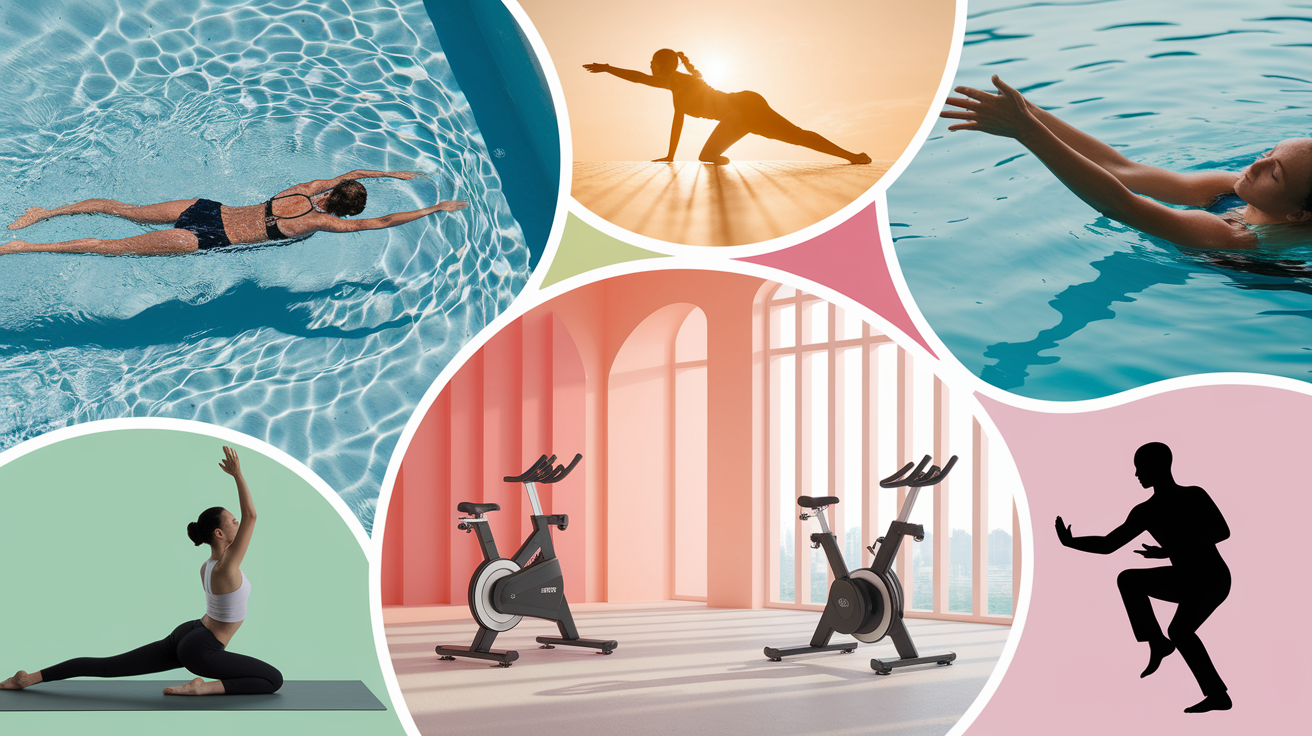
Swimming, cycling, walking, yoga, and tai chi are easy examples you can start in short 10–15 minute chunks.
This post shows how to pick safe options, structure a realistic week, and take one small step today to feel better.
Joint-Friendly Exercise Options That Support Arthritis Relief
Arthritis covers more than 100 different conditions, but you’ll usually hear about two. Osteoarthritis happens when joint cartilage wears down over time. Rheumatoid arthritis is an autoimmune thing where your body attacks joint tissues. Both cause pain, stiffness, and make it harder to move. Here’s what’s encouraging: gentle, regular movement actually helps those symptoms instead of making them worse.
Low impact exercises work because they get blood flowing and boost synovial fluid, the slippery stuff that cushions your joints, without pounding them. When you swim, cycle, or walk at a steady pace, your muscles get stronger, your joints stay lubricated, and managing your body weight gets easier. That combo takes pressure off already sensitive joints and helps you move more comfortably during the day.
Research backs up at least 150 minutes of moderate weekly activity for joint health and pain management. You can split that into shorter bits, 10 or 15 minutes at a time, and still see real improvements in stiffness, range of motion, and overall mobility. The key is picking activities that let you move without high impact or sudden, forceful motions.
Six best first step exercises for arthritis:
Swimming. Buoyancy supports your body weight and takes stress off hips, knees, and ankles.
Water aerobics. Gentle cardio in the pool with natural resistance and minimal joint load.
Walking. Simple, accessible movement that strengthens legs and improves cardiovascular health.
Cycling. Smooth pedaling motion that’s easy on knees and hips, especially on a stationary bike.
Yoga. Slow stretches and poses that improve flexibility and balance without jarring movements.
Tai chi. Flowing, meditative movements that build coordination and support joint function.
Benefits of Low Impact Workouts for Arthritis and Joint Pain
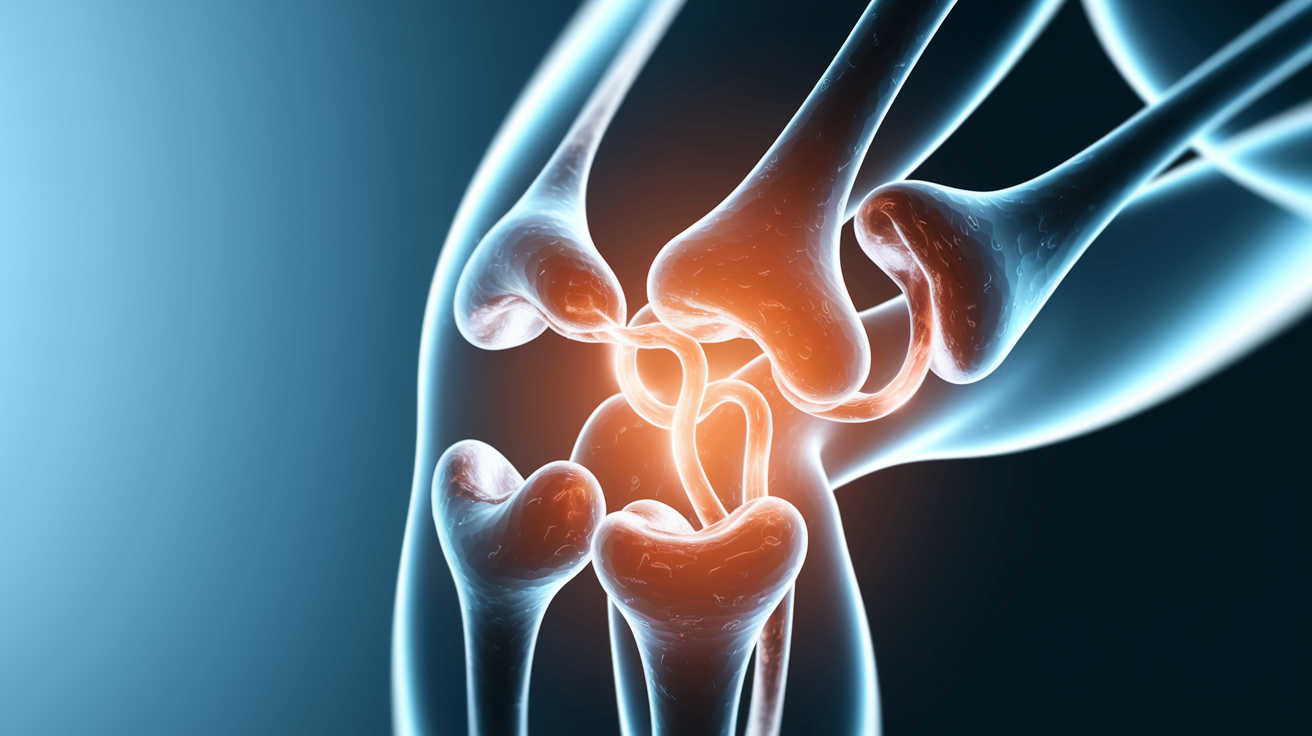
Low impact workouts reduce the force hitting your joints with every step or motion. That matters because arthritis makes cartilage thinner and inflammation more likely. When you choose swimming over running, or cycling over jumping, your muscles still work hard, but your knees, hips, and ankles don’t absorb repetitive shocks. Over time, that gentler approach helps your joints stay mobile and less swollen.
These exercises also trigger your body to produce more synovial fluid, which acts like oil in a hinge. More fluid means smoother, less painful movement. Activities like yoga and tai chi add another layer by improving your balance and teaching you how to move through a full range of motion without forcing it. Stronger muscles around your joints provide better support, which takes even more pressure off the cartilage and bone.
You’ll notice increased joint lubrication from improved synovial fluid circulation. Better flexibility and range of motion without high impact stress. Enhanced balance and coordination that reduce fall risk. Stronger muscles that stabilize and protect vulnerable joints.
Specific Low Impact Exercise Types That Support Arthritic Joints

Swimming and Water Aerobics
Water holds you up, so your joints only bear a fraction of your body weight while you move. That buoyancy lets you stretch, kick, and reach through a full range of motion without the pain you might feel on land. Swimming laps or joining a water aerobics class builds cardiovascular fitness and muscle strength at the same time, all while keeping joint stress low. The water provides natural resistance too, so your muscles work harder without needing weights or impact.
Cycling (Stationary or Outdoor)
Cycling strengthens your legs, especially your quads and hamstrings, with a smooth, repetitive motion that doesn’t jar your knees or hips. A stationary bike is helpful because you control the resistance and can stop anytime. If you have knee arthritis, a recumbent bike is a better choice. The reclined seat and supportive backrest take pressure off your knees and lower back, making longer sessions more comfortable and less likely to trigger pain.
Yoga and Tai Chi
Yoga and tai chi both focus on slow, controlled movements paired with steady breathing. Yoga poses gently stretch tight muscles and improve flexibility, while tai chi’s flowing sequences help you practice balance and coordination. Both activities calm your nervous system, which can reduce the stress and tension that make joint pain feel worse. They’re low impact by design, so you can modify poses or movements to match what your body can do on any given day.
Walking
Walking is one of the simplest ways to stay active with arthritis. You don’t need equipment, and you can start with just 10 minutes at a time. Aim for 30 minutes of brisk walking most days of the week. Brisk means you can still talk but not sing. Walking strengthens your lower body, supports cardiovascular health, and keeps your joints moving without the pounding that comes from running or jumping. Flat, even surfaces and supportive shoes make a big difference in how your knees and hips feel afterward.
Pilates
Pilates targets your core muscles, the ones that stabilize your spine and pelvis, which helps improve your posture and alignment. When your body is better aligned, your joints don’t have to work as hard to support you during daily activities. Most Pilates exercises are done lying down or seated, so there’s minimal impact. You focus on controlled, precise movements that build muscle tone and flexibility without straining sensitive joints.
| Exercise Type | Primary Benefit |
|---|---|
| Swimming and Water Aerobics | Buoyancy reduces joint load and supports full range of motion |
| Cycling (Stationary or Outdoor) | Smooth leg strengthening with minimal knee and hip stress |
| Yoga and Tai Chi | Improved flexibility, balance, and stress reduction |
| Walking | Accessible cardiovascular activity that strengthens lower body |
| Pilates | Core stability and posture support for better joint alignment |
Structuring an Arthritis-Friendly Exercise Routine

Before you start any new exercise routine, talk to your doctor or a physical therapist. They can help you understand which movements are safe for your specific type of arthritis and current joint condition. A professional can also spot any red flags, like severe inflammation or recent injury, that might need special attention before you add regular physical activity.
Your weekly routine should include a mix of cardiovascular exercise, strength work, and flexibility training. That doesn’t mean three separate workouts. Swimming covers cardio and strength. Yoga adds flexibility. Walking is cardio. Aim for at least 150 minutes of moderate activity each week, but you can split that into shorter sessions. Three 10 minute walks in a day count just as much as one 30 minute session. Schedule your exercise at times when your joints tend to feel best, and keep a simple log so you can see your progress over weeks and months.
Start with low intensity and short durations, then increase gradually as your body adapts. If you’re new to exercise or managing a flare up, 5 to 10 minutes might be your starting point, and that’s fine. Pay attention to how your joints feel during and after each session. Mild muscle soreness the next day is normal. Sharp pain, swelling, or stiffness that lasts more than an hour after you finish is a sign to dial it back.
Consult your healthcare provider or physical therapist before beginning a new routine, especially if you have moderate to severe arthritis or other health conditions. Select two or three low impact exercises from the list above and rotate them throughout the week to keep things interesting. Schedule consistent sessions that add up to at least 150 minutes of moderate activity per week, broken into whatever increments work for your schedule and energy. Increase duration and intensity gradually. Add 5 minutes or a small resistance bump every week or two, not all at once. Monitor your symptoms closely and adjust or rest if you notice increased pain, swelling, or joint stiffness that doesn’t improve with a day or two of lighter activity.
Safe Exercise Tips for Arthritis and Reducing Flare Ups

Warming up before you exercise and cooling down afterward makes a real difference in how your joints respond. A 5 minute warm up, gentle walking, slow pedaling, or easy range of motion movements, increases blood flow and prepares your muscles and joints for activity. Cooling down with light stretching or a few minutes of slow movement helps reduce post exercise inflammation and next day stiffness.
Always use proper form. If you’re not sure how to do a movement correctly, ask a trainer, physical therapist, or watch a beginner instructional video before you push the intensity. Sloppy technique puts extra strain on joints that are already vulnerable. Wear supportive footwear with good cushioning and stability, especially for walking or cycling. Hydrate before, during, and after exercise, and build in rest days so your body has time to recover. If you feel sharp pain or your joint pain gets worse instead of better, stop that activity and check in with your doctor.
Warm up for at least 5 minutes with gentle movement before starting your main workout. Stay hydrated and drink water before, during, and after exercise sessions. Include rest days in your weekly routine to prevent overuse and allow joints to recover. Wear supportive, well cushioned footwear that stabilizes your ankles and knees during weight bearing activities.
Motivation Strategies to Stay Consistent With Low Impact Exercise

Consistency matters more than intensity when you’re managing arthritis. Track your progress in a simple way. Write down how long you exercised, how your joints felt, or note any improvements in flexibility or endurance. Seeing those small wins on paper helps you stay motivated when progress feels slow.
Joining a group class or finding a workout buddy adds accountability and makes exercise feel less like a chore. Water aerobics classes, tai chi groups, and walking clubs are common in most communities and are often designed with joint pain in mind. Vary your activities so you don’t get bored. Swim one day, walk the next, try a yoga video on the third. Set short term goals, like “walk 15 minutes three times this week,” alongside long term ones, like “reduce morning stiffness by spring.” Celebrate the small milestones, and remind yourself that every session supports your joint health and quality of life.
Track your weekly exercise minutes and note how your joints respond to different activities. Find a workout buddy or join a low impact group class for social support and accountability. Rotate between two or three different exercises each week to keep your routine fresh. Set realistic short term goals, like adding 5 minutes to your walk, and celebrate when you hit them. Focus on the mental health and stress reduction benefits of movement, not just the physical gains.
Final Words
You’ve got a toolbox of joint-friendly moves, like swimming, water aerobics, walking, cycling, yoga, tai chi, and Pilates, that lower joint load, ease stiffness, and build supportive muscle.
Use the routine tips: aim for about 150 minutes of moderate activity each week, include strength and flexibility work, warm up, and progress slowly. Check with a healthcare pro if symptoms change.
Make small, steady choices. Keep returning to these low impact exercises for arthritis and you’ll likely feel steadier and move easier day to day.
FAQ
Q: What is the best exercise for arthritis pain?
A: The best exercise for arthritis pain is low-impact movement like swimming, walking, cycling, yoga, tai chi, or Pilates — they reduce joint load, ease stiffness, and strengthen muscles around the joint.
Q: Is biofreeze good for osteoarthritis?
A: Biofreeze can help osteoarthritis by temporarily easing joint pain and stiffness; it’s a topical pain reliever, not a cure. Use it with exercise and doctor advice, and test skin first.
Q: What causes flare-ups of arthritis?
A: Arthritis flare-ups are often caused by joint overuse or injury, increased inflammation from illness or stress, poor sleep, sudden activity changes, certain foods, or infections — all can raise pain and swelling.
Q: What foods should you avoid if you have osteoarthritis?
A: If you have osteoarthritis, avoid large amounts of processed foods, sugary drinks, refined carbs, trans fats, and excess red or processed meats, since they can boost inflammation. Choose whole foods and lean protein instead.