

Ever leave lunch feeling fuzzy-headed and slow? Maybe it’s not just an afternoon slump.
When you eat carbs, especially refined ones, blood sugar can spike fast and then crash.
Insulin rushes in and clears the sugar, and your brain loses the steady fuel it needs.
This post explains how those spike-and-crash blood sugar swings, plus gut reactions and longer-term insulin shifts, cause post-meal brain fog, and gives simple steps you can try right away.
Understanding the Core Reasons Behind Carb-Related Brain Fog

When you eat carbohydrates, enzymes in your saliva and digestive tract break them down into glucose. That glucose moves from your gut into your bloodstream, raising your blood sugar. The pancreas responds by releasing insulin, a hormone that shuttles glucose into cells to use for energy.
When you eat simple or refined carbs, this process happens quickly. The glucose spike is sharp and the insulin response is strong. Your brain gets a brief surge of fuel, but because your body clears glucose from the blood so aggressively, the supply drops off just as fast. That drop leaves your brain underpowered.
The brain uses about twice as much energy as other cells in your body, and it can’t store glucose. It depends on a steady, reliable stream. When blood sugar spikes and then crashes, your neurons are suddenly running on less than they need. That gap shows up as mental fatigue, slow thinking, and trouble concentrating. This sequence is called reactive hypoglycemia, and it’s one of the most common causes of brain fog after a high carb meal.
You can tell when the crash hits. Your body and mind start signaling that something’s shifted. The energy you felt right after eating fades, and a different set of symptoms takes over. Those symptoms are your brain’s way of letting you know it’s not getting enough steady fuel.
Common immediate symptoms include mental fatigue and slowed thinking, difficulty concentrating or staying on task, irritability or mood swings, forgetfulness and trouble recalling words or details, lightheadedness or a “spaced out” feeling, and physical fatigue with lack of motivation.
Long-Term Insulin Dysfunction and Chronic Carb-Related Cognitive Changes

Over time, frequent exposure to high blood sugar and high insulin levels changes how your cells respond. Insulin’s job is to unlock cells so glucose can move inside. When your diet includes a lot of refined carbs and you experience repeated glucose spikes, cells start to resist insulin’s signal. They stop responding as efficiently.
To compensate, your pancreas makes even more insulin. The result is chronically elevated insulin and blood glucose that stays higher than it should, even when you’re not eating. This state is called insulin resistance. When your cells resist insulin, glucose doesn’t move into them smoothly, and your brain struggles to access a stable energy supply. Insulin resistance also disrupts other hormonal signals that help regulate mood, focus, and mental clarity.
Glycemic variability refers to the constant ups and downs in blood sugar throughout the day. High variability increases oxidative stress and triggers low grade inflammation throughout the body, including the brain. That inflammation interferes with neurotransmitter function, disrupts cell communication, and can damage the structures that support memory and focus.
Over months and years, these processes compound. The same inflammatory pathways that cause post meal fogginess can contribute to longer term cognitive decline. Brain fog stops being an occasional inconvenience and starts feeling like a baseline state.
Chronic insulin resistance has been linked to inflammatory cascades that increase the risk of neurodegeneration. Some researchers refer to the connection between insulin dysfunction and Alzheimer’s disease as “type 3 diabetes.” While that term isn’t yet a formal medical diagnosis, it reflects emerging evidence that long term glucose and insulin dysregulation can accelerate brain aging and memory loss.
Simple vs. Complex Carbohydrates and Their Different Cognitive Effects

The type of carbohydrate you eat determines how fast glucose enters your bloodstream. Simple carbohydrates are made of one or two sugar molecules. They digest quickly. White bread, pastries, candy, and sugary drinks are all simple carbs. When you eat them, your blood sugar rises fast, your brain gets a quick hit of energy, and then insulin clears it out just as quickly. The result is a sharp spike followed by a steep drop. That drop is when brain fog sets in.
Complex carbohydrates are made of longer chains of sugar molecules. They take longer to break down. Whole grains, legumes, starchy vegetables, and most fruits fall into this category. Because they digest more slowly, they release glucose gradually, giving your brain a steadier supply over a longer period.
Glycemic index (GI) is a measure of how quickly a food raises blood sugar. High GI foods cause rapid spikes. Low GI foods produce a gentler, more sustained rise. When you choose low GI carbs, you reduce the chance of a reactive crash.
Fiber plays a role here, too. Fiber slows digestion and blunts the glucose spike. A piece of white toast has almost no fiber and a high GI. A slice of sprouted whole grain bread contains fiber and has a lower GI. The second option is less likely to cause brain fog an hour later.
Lower GI carbohydrate options that support steady mental clarity include quinoa, lentils and chickpeas, sweet potatoes, and steel cut oats.
Gut-Brain Axis, Food Sensitivities, and Inflammation After Carbohydrate Intake

Inflammation doesn’t just come from blood sugar swings. It can also come from the way your gut and immune system respond to the food you eat. When you eat a meal high in refined carbs, especially if your diet includes foods you’re sensitive to, your gut lining can become irritated. That irritation can trigger an immune response. Immune cells release signaling molecules called cytokines, and those cytokines can travel to the brain and interfere with neurotransmitter activity. Even a mild inflammatory response can slow your thinking and make it harder to focus.
The gut brain axis is the two way communication network between your digestive system and your central nervous system. Your gut produces neurotransmitters like serotonin and sends chemical signals that affect mood, energy, and cognition. When your gut is inflamed or your microbiome is out of balance, those signals can shift.
Some people notice brain fog after eating bread, pasta, or certain grains, even when their blood sugar stays relatively stable. That fog may be coming from a sensitivity to gluten or to fermentable carbohydrates known as FODMAPs.
Foods that spike glucose and foods that trigger low grade immune responses often overlap. A diet heavy in refined carbs can shift your microbiome toward less diversity and more inflammation. That shift makes the gut brain connection less stable and more reactive.
Gut related contributors to post meal brain fog include chronic low grade inflammation from high sugar or high refined carb diets, dysbiosis (imbalanced gut bacteria) reducing neurotransmitter production, sensitivity to gluten or wheat in people without celiac disease, FODMAP intolerance leading to bloating, gas, and cognitive symptoms, and high fructose foods overwhelming gut absorption and triggering immune signals.
When Carb-Related Brain Fog Suggests Insulin Resistance or Prediabetes
About 38.4 million Americans have diabetes, and another 97.6 million have prediabetes. That’s roughly one in three adults. Of those with prediabetes, an estimated 80 percent don’t know they have it.
Early insulin resistance often flies under the radar because routine lab tests like A1C may still come back in the normal range. A1C measures average blood sugar over three months, but it doesn’t capture the spikes and crashes that happen after individual meals. You can have normal fasting glucose and a normal A1C and still experience significant post meal glucose surges and reactive hypoglycemia. Those patterns show up only if you test after eating or use continuous glucose monitoring.
Research published in a 2023 study in Frontiers in Neuroscience found that insulin resistance combined with chronic inflammation can disrupt brain function and contribute to persistent cognitive symptoms. Another paper in Neurology reported that post meal glucose spikes are associated with changes in white matter and memory related brain regions, even in people without a diabetes diagnosis.
The brain is highly sensitive to metabolic dysfunction long before it shows up on standard labs. Post meal brain fog can be an early warning sign that your glucose and insulin regulation is starting to shift.
| Indicator | What It Means | Relevance to Post-Meal Brain Fog |
|---|---|---|
| Insulin Resistance | Cells respond poorly to insulin; glucose uptake is impaired | Creates glycemic variability and reactive hypoglycemia after meals |
| Prediabetes (97.6 million Americans) | Blood sugar higher than normal but not yet in diabetic range; 80% are unaware | Post-meal spikes and crashes common even when A1C appears normal |
| Reactive Hypoglycemia Patterns | Blood sugar drops sharply 1–3 hours after eating carbs | Directly causes fatigue, irritability, mental cloudiness, and forgetfulness |
| Glucose Variability | Large swings in blood sugar throughout the day | Increases inflammation and oxidative stress; linked to brain-region changes in research |
Practical Diet Strategies to Prevent Brain Fog After Eating Carbs

The easiest way to stabilize your blood sugar and avoid post meal brain fog is to change the composition of your meals. When you pair carbohydrates with protein, healthy fats, and fiber, digestion slows down. Glucose enters your bloodstream more gradually, and your insulin response is gentler.
A bowl of oatmeal on its own will spike your blood sugar. The same oatmeal with a spoonful of almond butter and a handful of berries creates a much steadier curve. Aim to include about 15 to 30 grams of protein or fat alongside 30 to 40 grams of carbs. That ratio blunts the glucose spike and keeps your brain fueled longer.
Portion size matters, too. Even complex carbs can cause a crash if you eat too much at once. Your body can only process so much glucose at a time. When you overload it, insulin has to work harder, and the risk of a reactive drop increases. Eating mindfully and stopping before you feel stuffed helps keep portions in check.
Timing also plays a role. Some people tolerate carbs better earlier in the day when cortisol and insulin sensitivity are higher. Others do better spreading carbs across smaller, more frequent meals. There’s no single rule. Pay attention to when you feel clearest and when brain fog tends to show up.
Movement after a meal improves glucose uptake into muscles and reduces post meal blood sugar spikes. A ten minute walk after lunch or dinner can make a noticeable difference. You don’t need to do anything intense. Just moving your body signals your muscles to take in glucose without needing as much insulin.
Seven steps to reduce post meal brain fog:
Build each meal around a source of protein (eggs, chicken, fish, tofu, legumes). Add healthy fats (avocado, olive oil, nuts, seeds) to slow carb absorption. Choose fiber rich, low GI carbs (vegetables, whole grains, lentils, berries). Eat protein or vegetables first, then move to carbs on your plate. Keep carb portions moderate, around 30 to 40 grams per meal to start. Avoid sugary drinks and high GI snacks between meals. Take a short walk after eating to help your muscles use glucose.
Lifestyle Habits That Influence Carb-Related Cognitive Symptoms

Sleep affects how your body manages glucose. When you don’t get enough sleep, insulin sensitivity drops. Your cells become more resistant, and your blood sugar stays higher after meals. Aim for seven to nine hours per night. Poor sleep also raises cortisol, which can make blood sugar swings feel more intense. If you’re waking up tired or staying wired at night, your carb tolerance during the day will suffer.
Stress works the same way. Chronic stress keeps cortisol elevated, which interferes with insulin signaling and makes reactive hypoglycemia more likely. Mindfulness practices, breathing exercises, or even a few minutes of quiet time after a stressful morning can help regulate that response.
Hydration plays a quieter but important role. Dehydration makes it harder for your kidneys to clear excess glucose and can amplify feelings of fatigue and mental cloudiness. Aim for about eight glasses of water daily, more if you’re active or it’s hot.
Regular physical activity improves insulin sensitivity over time. The current guideline is about 150 minutes of moderate aerobic activity per week plus strength training on at least two days. That doesn’t have to mean gym workouts. Walking, cycling, swimming, and bodyweight exercises all count. The more consistently you move, the better your body handles carbs.
Four lifestyle levers that influence carb tolerance:
Sleep: 7 to 9 hours nightly to support insulin sensitivity and cognitive function. Hydration: about 8 glasses of water daily to reduce fatigue and support glucose clearance. Movement: 150 minutes moderate activity per week plus post meal walks to improve glucose uptake. Stress regulation: mindfulness, breathing practices, or yoga to lower cortisol and stabilize blood sugar response.
Tracking Symptoms and Identifying Your Specific Carbohydrate Triggers

Not everyone responds to carbs the same way. The foods that cause brain fog for you might be fine for someone else. Tracking what you eat and how you feel afterward can help you spot patterns. A simple food and symptom diary works. Write down what you ate, when you ate it, and how you felt one to three hours later. Note energy level, mental clarity, mood, and any physical symptoms like bloating or lightheadedness. After a week or two, trends usually start to show up.
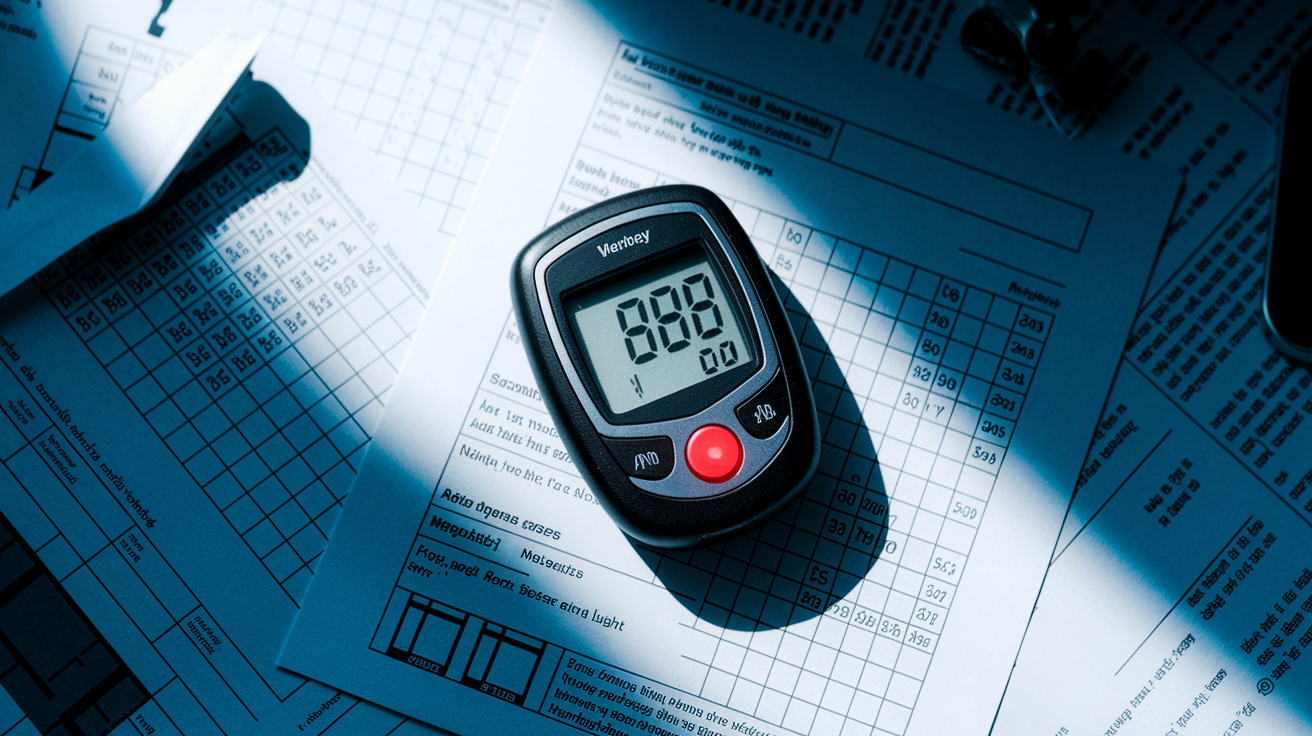
If you want more precise data, a continuous glucose monitor (CGM) or a home glucose meter can show you exactly how your blood sugar responds to different meals. You can see which foods cause spikes, how long it takes for your glucose to come back down, and whether you’re dipping into reactive hypoglycemia territory. Some people discover that their A1C is normal but their post meal glucose regularly hits 160 or 180 mg/dL and then crashes to 70. That kind of variability doesn’t always show up on standard lab work, but it explains the brain fog perfectly.
| Tool | What It Measures | When It Helps |
|---|---|---|
| Food Diary | Meals, snacks, and symptom timing | Identifies patterns between specific foods and post-meal fog |
| Continuous Glucose Monitor (CGM) | Real-time blood sugar throughout the day | Shows post-meal spikes, crashes, and glycemic variability hidden by A1C |
| Home Glucose Meter | Snapshot blood sugar readings after meals | Useful for testing response to individual meals without full CGM cost |
| Oral Glucose Tolerance Test (OGTT) | Blood sugar response to a controlled glucose load over 2–3 hours | Diagnoses reactive hypoglycemia and early insulin resistance not visible on fasting tests |
High-Risk Scenarios and When to Seek Medical Evaluation for Post-Carb Brain Fog

If brain fog after eating carbs happens occasionally and you can trace it to a specific meal or lack of sleep, lifestyle adjustments are usually enough. But if the fogginess is persistent, severe, or getting worse, it’s worth digging deeper.
Frequent dizziness, sweating, confusion, or irritability after meals can signal reactive hypoglycemia or insulin resistance that needs medical attention. A family history of diabetes or prediabetes raises your risk, and early intervention can prevent progression.
Other conditions can mimic carb related brain fog. Thyroid disorders, anemia, sleep apnea, and chronic fatigue syndrome can all cause mental cloudiness and fatigue. If you’ve made dietary changes and your symptoms aren’t improving, or if you have other unexplained signs like weight changes, hair loss, or persistent exhaustion, see a healthcare provider.
Blood tests for fasting glucose, fasting insulin, A1C, thyroid function, and a complete blood count can help rule out or confirm underlying issues. An oral glucose tolerance test can reveal post meal glucose patterns that don’t show up on routine labs.
Signs that warrant medical evaluation:
Persistent brain fog, fatigue, or mood changes after most carb containing meals. Dizziness, sweating, confusion, or shakiness 1 to 3 hours after eating. Family history of type 2 diabetes or cardiovascular disease. Concurrent symptoms like unexplained weight gain, extreme thirst, frequent urination, or vision changes.
Final Words
You learned how fast-digesting carbs can spike blood sugar, trigger an insulin-driven crash, and leave your brain low on fuel — and how inflammation and gut responses can add to the fog.
Try small swaps: pair carbs with protein or healthy fat, pick lower‑GI options, move after meals, and track what changes.
If you’re still wondering what causes brain fog after eating carbs, test one simple change for a week and notice the difference — small, steady steps often clear thinking quickly.
FAQ
Q: What three foods do neurologists say to avoid?
A: Neurologists often advise avoiding sugary drinks, refined carbs like white bread and pastries, and highly processed snacks with added sugars or refined fats that spike blood sugar and can cause mental fog.
Q: How long does carb brain fog last?
A: Carb brain fog typically lasts 30 minutes to 3 hours, often peaking 1–2 hours after a high-sugar or high‑GI meal as blood sugar rises then drops.
Q: How to get rid of brain fog after eating?
A: To get rid of brain fog after eating, steady blood sugar: drink water, eat a small protein or healthy-fat snack, take a brisk 10–20 minute walk, and avoid more sugary carbs.
Q: How to get rid of keto brain fog?
A: To get rid of keto brain fog, restore fluids and electrolytes: drink water, add salt or an electrolyte drink, eat enough fats and protein, prioritize sleep, and allow days to a few weeks to adapt.