

Sick of random health tips that never stick?
A personal wellness plan is a written roadmap built around your schedule, your struggles, and what actually helps you feel better.
It maps small, doable steps across mental, physical, emotional, and spiritual areas so you get more energy, less overwhelm, and a routine that bends with real life.
Read on to learn how to build one, set simple goals, track progress, and keep it working even when life gets messy.
Defining a Personal Wellness Plan and Its Purpose
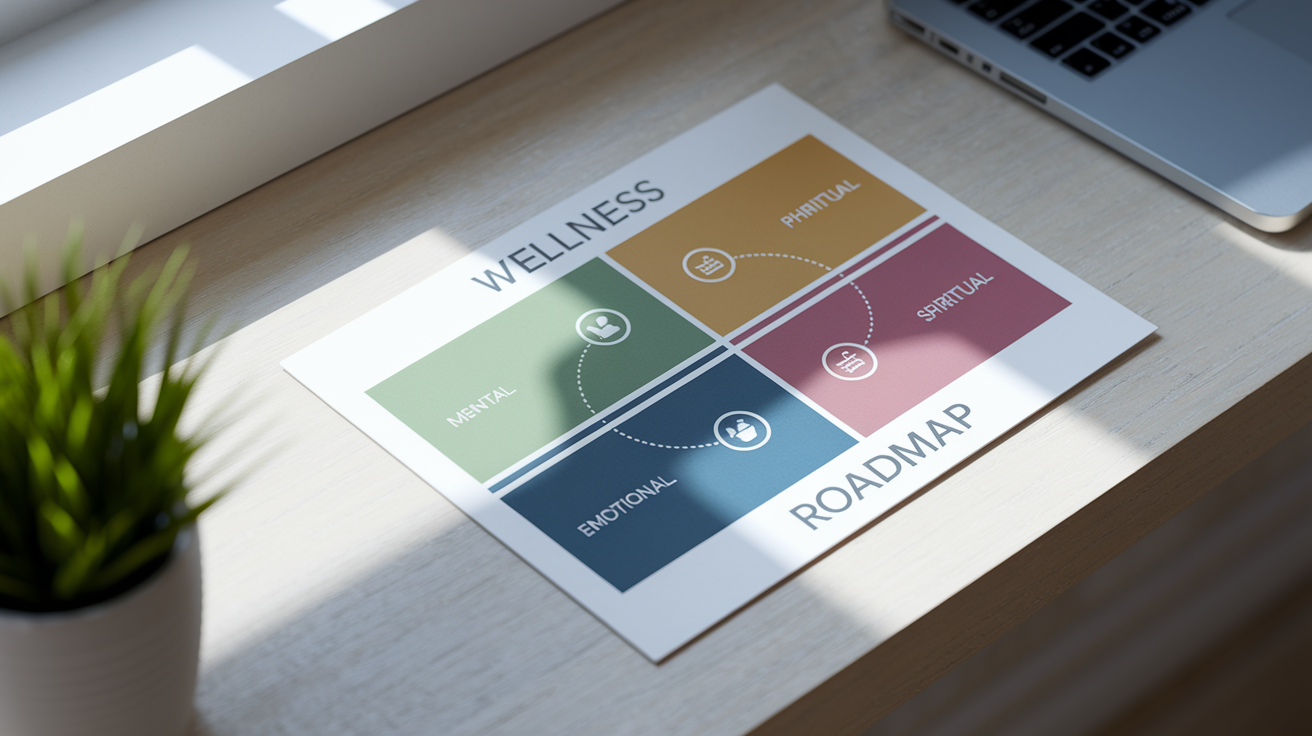
A personal wellness plan is basically a written roadmap that lays out specific actions to support your health across different parts of your life. What makes it different from random health tips? It’s built around your schedule, your struggles, and what you’re actually trying to fix. You’re not copying someone else’s routine. You’re building something that works with how you live.
The whole point is prevention and balance. It helps you figure out where you’re feeling stuck or drained, then gives you clear steps to improve those spots. Most plans cover four main areas:
Mental wellness – handling stress, sharpening focus, protecting your mental space
Physical wellness – moving, eating well, sleeping enough
Emotional wellness – understanding your feelings, building stability, getting through hard days
Spiritual wellness – connecting to what matters, finding purpose, staying grounded
This isn’t a one and done thing. It’s a guide that shifts as your life does. The goal is to create a foundation that helps you show up for yourself consistently, even when motivation tanks or life gets messy.
Key Components of an Effective Personal Wellness Plan
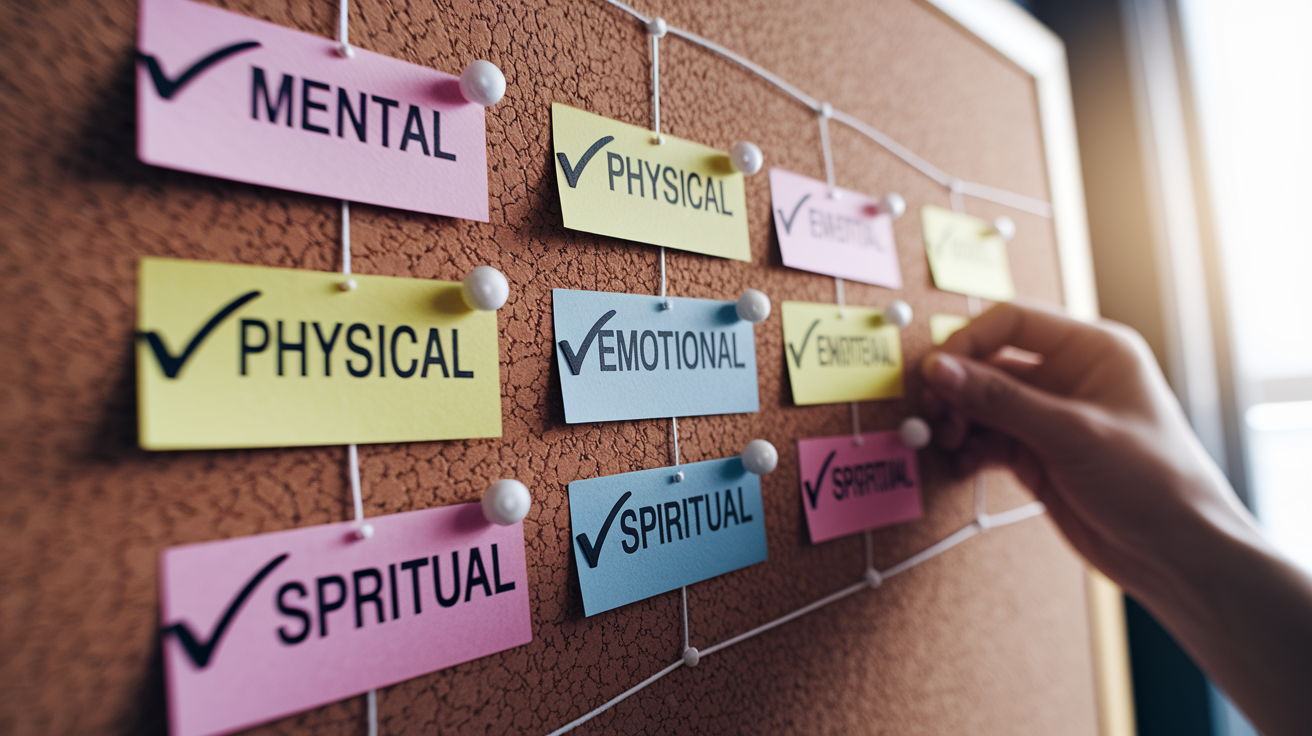
An effective personal wellness plan includes real actions for each part of health, not fluffy ideas. It works when you know what you’re doing each day and can actually see how those actions affect how you feel.
Mental and Emotional Wellness Components
Mental wellness starts with managing the clutter in your head. That might mean 10 minutes of mindfulness every morning, reading something that shifts your perspective, or setting a hard limit on screen time before bed. Emotional wellness is about how you handle what happens during the day. A weekly check-in with a friend or therapist, gratitude journaling, or even a five-minute breathing break at lunch can keep you stable instead of reactive.
Physical Wellness Components
Physical wellness boils down to movement, food, and sleep. A typical starting point is committing to 150 minutes of moderate activity per week. That’s roughly 30 minutes on five days. You don’t need to train for anything. Walking works. So does dancing while you cook. Combine that with a bedtime routine that starts at the same time each night, and meals built around protein, fiber, and color. Track your energy to see what’s actually moving the needle.
Spiritual and Social Wellness Components
Spiritual wellness doesn’t have to be religious. It’s about feeling connected to something beyond your task list. That could be a weekly walk outside, meditation, or time spent thinking about what you care about. Social wellness means staying connected to people who get you. Plan at least one real conversation with a friend or family member each week. Being isolated makes everything worse.
How to Create a Personal Wellness Plan Step-by-Step

Creating a personal wellness plan starts with understanding where you are now, then building from there. Here’s how:
-
Assess your current wellness across all dimensions. Ask yourself honest questions. How’s your sleep? How often do you feel stressed? When did you last move your body in a way that felt good? Write down what you notice without beating yourself up about it.
-
Set SMART goals. Make your goals specific, measurable, achievable, relevant, and time-bound. Instead of “exercise more,” try “walk for 20 minutes three mornings a week for the next month.”
-
Create action plans for each wellness area. List the small steps that support each goal. If your goal is better sleep, your actions might include setting a bedtime alarm, keeping your phone out of the bedroom, and drinking chamomile tea an hour before bed.
-
Build daily and weekly routines. Decide when you’ll do each action. A morning routine might include 10 minutes of meditation and a balanced breakfast. A weekly routine might reserve Saturday mornings for a longer walk or yoga.
-
Track your progress and review regularly. Use a journal, an app, or a simple checklist. Review what’s working every week. Change what isn’t.
Examples of SMART Wellness Goals
Here are a few examples with measurable targets:
Physical: Exercise for 30 minutes, three times per week, for the next two months.
Mental: Meditate for 10 minutes every morning before work, starting Monday.
Emotional: Journal for 15 minutes every Sunday evening to reflect on the week.
Social: Call or meet up with a friend at least once per week for the next month.
These goals are clear enough to track and flexible enough to fit into a real schedule.
Using Tracking Tools and Templates in a Personal Wellness Plan

Tracking turns plans into data. It shows you what’s really happening, not just what you hoped would happen. You don’t need anything fancy. A notebook works. So does a notes app. The key is doing it consistently.
Here are five metrics that are simple to track and directly tied to how you feel:
Minutes exercised per day or per week
Minutes spent meditating or journaling
Hours of sleep each night
Mood rating on a scale of 1 to 10
Number of times you felt unusually tired, wired, or off during the week
| Tool | Purpose | Frequency |
|---|---|---|
| Wellness journal | Track habits, mood, and reflections | Daily or weekly |
| Wellness app | Log workouts, sleep, and hydration | Daily |
| Progress review | Evaluate trends and adjust goals | Weekly or monthly |
Tracking gives you feedback. If you notice your mood drops every Tuesday, look at what’s different on Tuesdays. If you feel better on the weeks you hit your exercise goal, that’s useful. Use it to adjust your plan.
Common Barriers in Personal Wellness Plans and How to Overcome Them
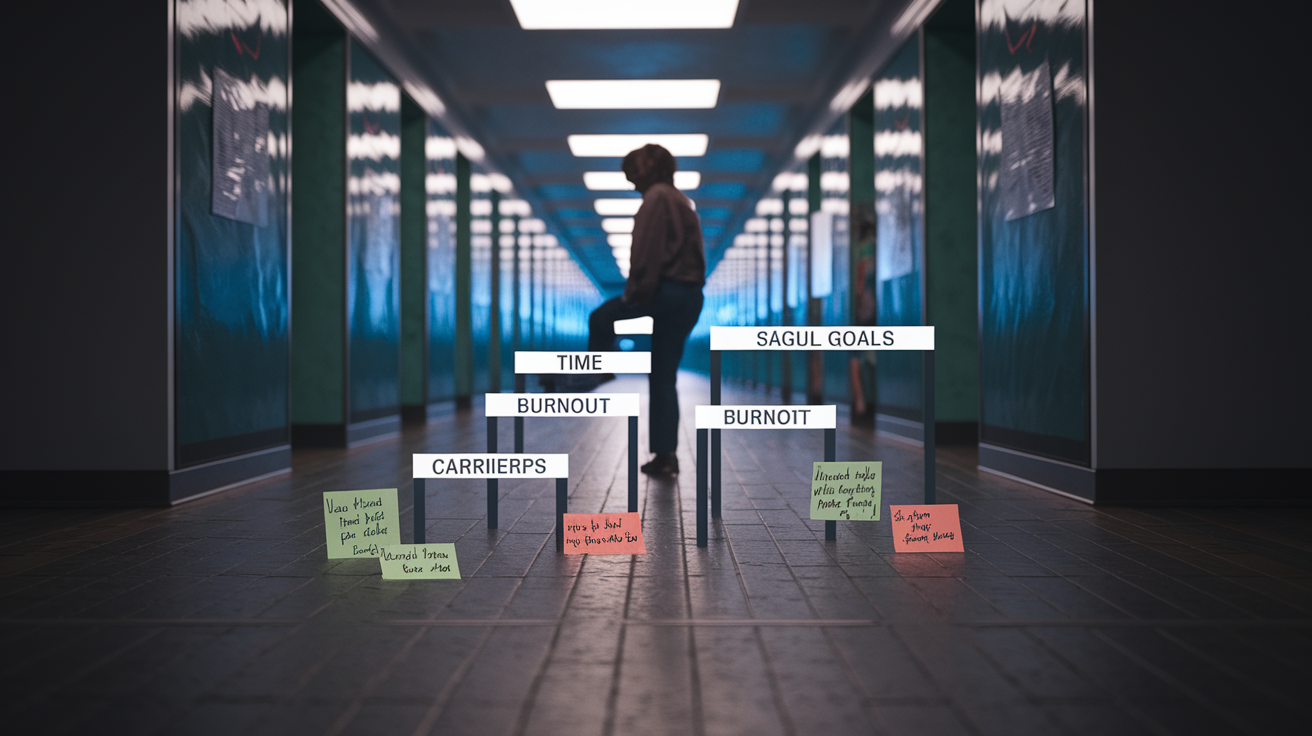
Most people run into the same few obstacles when building a wellness plan. Knowing what they are helps you work around them instead of quitting when they pop up.
Common barriers include:
Not enough time in the day
Unclear goals that feel too big or vague
Lack of support from the people around you
Burnout from trying to change too much at once
Unrealistic expectations about how fast results should show up
Life changes that mess up your routine
These are normal. The fix isn’t perfect discipline. It’s flexibility. If you can’t fit in 30 minutes of exercise, try 15. If your goal feels too hard, break it into smaller pieces. If you’re doing this alone and it’s not sticking, tell one person what you’re working on and ask them to check in.
Techniques to Build Consistent Healthy Habits
Consistency comes from structure, not willpower. Habit stacking works well. Attach a new habit to something you already do every day. For example, meditate right after you pour your morning coffee, or do a five-minute stretch right after you brush your teeth at night.
Another technique is reducing friction. If you want to walk in the morning, lay out your shoes and clothes the night before. If you want to drink more water, fill a bottle and leave it on your desk. Make the next step as easy as possible. Consistency builds momentum, and momentum makes the plan feel less like work.
Examples and Templates for a Personal Wellness Plan
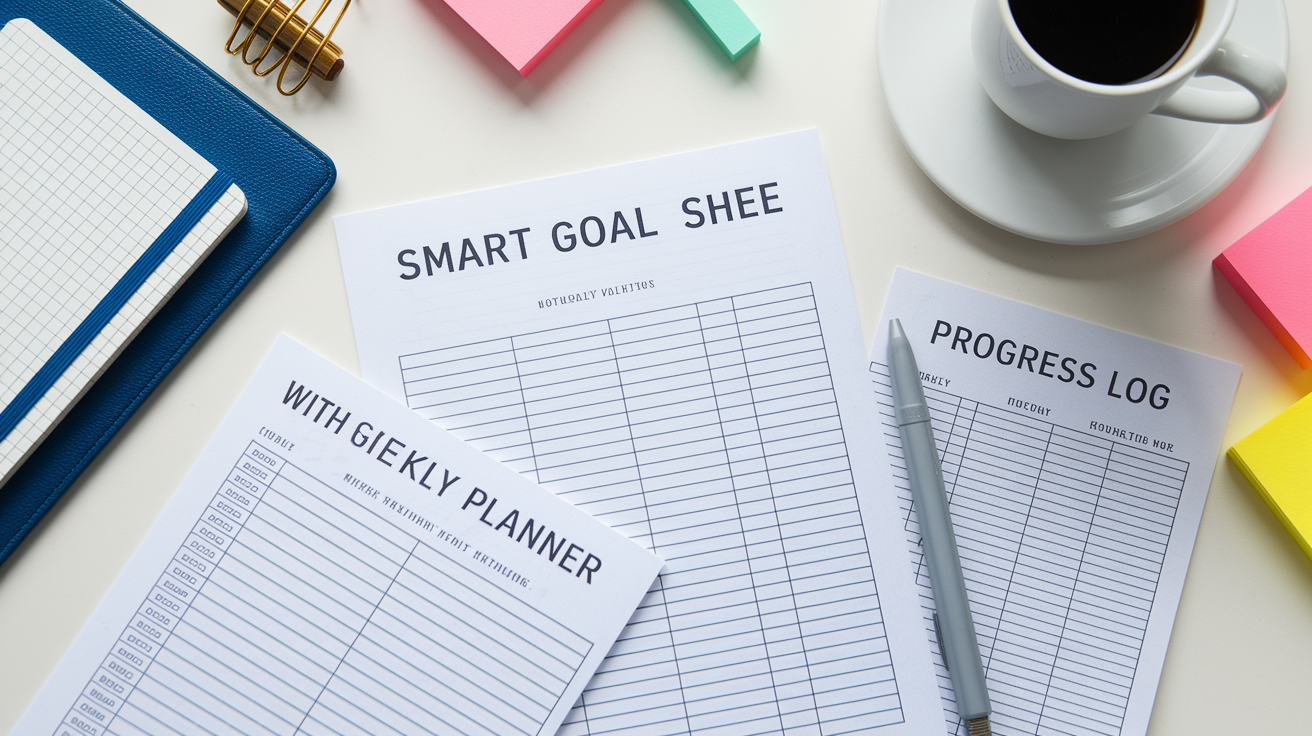
Templates give you a starting structure so you’re not building from scratch. Here’s what common templates include and how to use them:
| Template Type | What It Includes | How to Use It |
|---|---|---|
| SMART goal sheet | Fields for goal, measure, baseline, target, deadline | Fill out one sheet per goal at the start of each month |
| Daily routine template | Time slots, activity, duration | Map your ideal day and adjust as you go |
| Weekly planner | Exercise schedule, self-care blocks, social activities | Plan your week on Sunday and review on Friday |
| Progress log | Date, metrics (sleep, exercise, mood), notes | Fill out daily or weekly to track trends |
Here’s what a simple daily routine might look like:
- Morning: 10-minute meditation, balanced breakfast with protein and fiber, 20 to 30 minutes of movement
- Midday: 5-minute breathing break, drink water with lunch
- Evening: Turn off screens 60 minutes before bed, drink chamomile tea, write three things you’re grateful for
You don’t have to follow this exactly. Use it as a starting point and adjust the times, activities, and durations to fit your schedule. The structure matters more than perfection.
Long-Term Maintenance of a Personal Wellness Plan

A wellness plan isn’t something you finish. It’s something you live with and tweak as your life changes. Long-term maintenance depends on patience, regular check-ins, and being willing to adjust when something stops working.
Set up a review schedule. A quick daily log keeps you aware of patterns. A weekly review helps you see if your goals still make sense or if you need to shift focus. A monthly review is a good time to adjust targets, celebrate progress, and reset anything that’s drifted. Wellness isn’t a straight line. Some weeks will feel easy. Others won’t. That’s normal.
Key practices for long-term maintenance include:
Celebrate small wins instead of waiting for big transformations
Reassess your goals every month and adjust if they’re too easy or too hard
Keep your support system active by sharing progress and asking for feedback
Stay flexible when life changes and give yourself permission to pause and restart
Consistency builds the habit. Patience keeps you from burning out. The plan works best when you treat it as a guide, not a test you can fail.
Final Words
A personal wellness plan isn’t something you create once and forget. It’s a living tool that grows with you as your needs, schedule, and goals shift.
Start with the basics: pick one or two small changes in your mental, physical, or emotional routine. Track what works. Adjust what doesn’t. Revisit your plan every few weeks.
You don’t need perfection. You need momentum. And a personal wellness plan gives you a clear path forward, even on the messy days.
FAQ
Q: What is an example of personal wellness?
A: An example of personal wellness is a routine that supports your energy and mood, like consistent sleep, balanced meals, daily movement, short stress breaks, and time with people who make you feel supported.
Q: What is an example of a wellness plan?
A: An example of a wellness plan is a four-week, SMART-based routine: meditate 10 minutes daily, walk 30 minutes three times weekly, choose protein plus vegetables at meals, and track sleep and mood.
Q: What are the 5 C’s of wellness?
A: The 5 C’s of wellness are competence, confidence, connection, character, and caring, meaning skills, self-belief, social ties, personal values, and empathy that support overall wellbeing and healthy choices.
Q: What qualifies for a wellness check?
A: A wellness check qualifies as a routine, preventive visit, including a basic physical exam, blood pressure, vaccinations, screening about sleep, mood and diet, medication review, and brief lifestyle guidance or referrals if needed.