

What if the secret to lasting wellness isn’t a total life overhaul?
You don’t need dramatic rules or an all-or-nothing plan to make changes that stick.
This post shows simple, measurable first steps: spot the weakest areas (sleep, stress, food, movement), pick one or two to fix, and build tiny routines you can actually keep.
Think small wins, steady progress, and a plan that fits your real life.
Essential First Steps to Begin Your Wellness Journey Confidently

You don’t need to flip your whole life upside down to start. Most people who stick with wellness long-term began with small stuff they could measure. Rate a few areas of your life on a scale from 1 to 10. Sleep, movement, how you’re eating, stress, relationships, mental state. The lowest scores? That’s where you start. Pick one or two things. Not everything at once.
Before you jump into habits, write down why you’re doing this. Maybe you’re tired of feeling wired at night. Or you want energy to keep up with your kids. Or you’re sick of being bloated after every meal. One sentence. That’s your intention. Then picture what life looks like when those things improve. It can be a paragraph in your notes app, a voice memo, a few photos on your phone. Whatever makes it real for you. The clearer your reason, the easier it is to keep going when motivation drops off.
Here’s what you can do today:
- Take a 20-minute walk. No gear, no plan, just go.
- Drink two extra glasses of water before lunch tomorrow.
- Pick one tiny goal for this week. Eat one vegetable at dinner. Go to bed 15 minutes earlier. Something.
- Track your sleep for three nights. When you went to bed, when you woke up, how you felt.
- Open your phone and write this: “I’m starting because I want to feel [fill in the blank].”
Creating a Personalized Wellness Plan That Fits Your Life

The best plan is the one you’ll actually do. That means it has to fit your real schedule, your food preferences, your energy patterns. Use the SMARTER method: Specific (name exactly what you’ll do), Measurable (track it), Achievable (start small enough to win), Realistic (fits your current life), Time-based (set a deadline), Exciting (pick something you actually want), Recognize and Reward (celebrate when you hit it). A SMARTER goal looks like this: “I’ll walk 15 minutes after lunch on Monday, Wednesday, and Friday for two weeks, and I’ll download a new playlist when I finish all six walks.”
Your plan should touch nutrition, movement, sleep, stress, hydration, and mindset. You don’t have to nail all six at once. Start with the two areas that scored lowest. Add one small action for each. Build from there. The goal is consistency you can sustain for months, not a two-week sprint that leaves you fried.
| Pillar | First Action | Example Metric |
|---|---|---|
| Nutrition | Add one vegetable to dinner | Number of dinners with a vegetable (goal: 5 out of 7 nights) |
| Movement | Walk 10 minutes after breakfast | Total weekly walk minutes (goal: 70 minutes) |
| Sleep | Set a consistent bedtime within 30 minutes | Number of nights hitting target bedtime (goal: 5 out of 7) |
Building Healthy Routines to Support Your Wellness Journey

Routines take the decision out of it. When something becomes automatic, you stop having to choose every single day whether you’ll do the thing. Start with micro habits. Five to ten minutes. So small that skipping feels harder than just doing it. Drink a glass of water when you wake up. Three deep breaths before you start work. Lay out your workout clothes the night before. These tiny actions stack up without taking over your whole schedule.
Morning and evening routines anchor your day and help your body know what’s coming:
Morning: drink water, move for five minutes (stretch or walk), eat protein at breakfast, write one intention for the day.
Evening: stop screens 30 to 60 minutes before bed, do a quick body scan or breathing thing, set out tomorrow’s clothes or lunch, go to bed within 30 minutes of your target time.
Habit stacking means you attach a new habit to something you already do. After I pour my coffee, I’ll drink a glass of water. After I brush my teeth at night, I’ll do ten squats. Check in weekly. Rate your pillars again and see if the routines are working or if you need to tweak something. Adjust as you go. Wellness routines should evolve with your life, not lock you into some rigid script.
Nutrition Basics to Support a Successful Wellness Journey
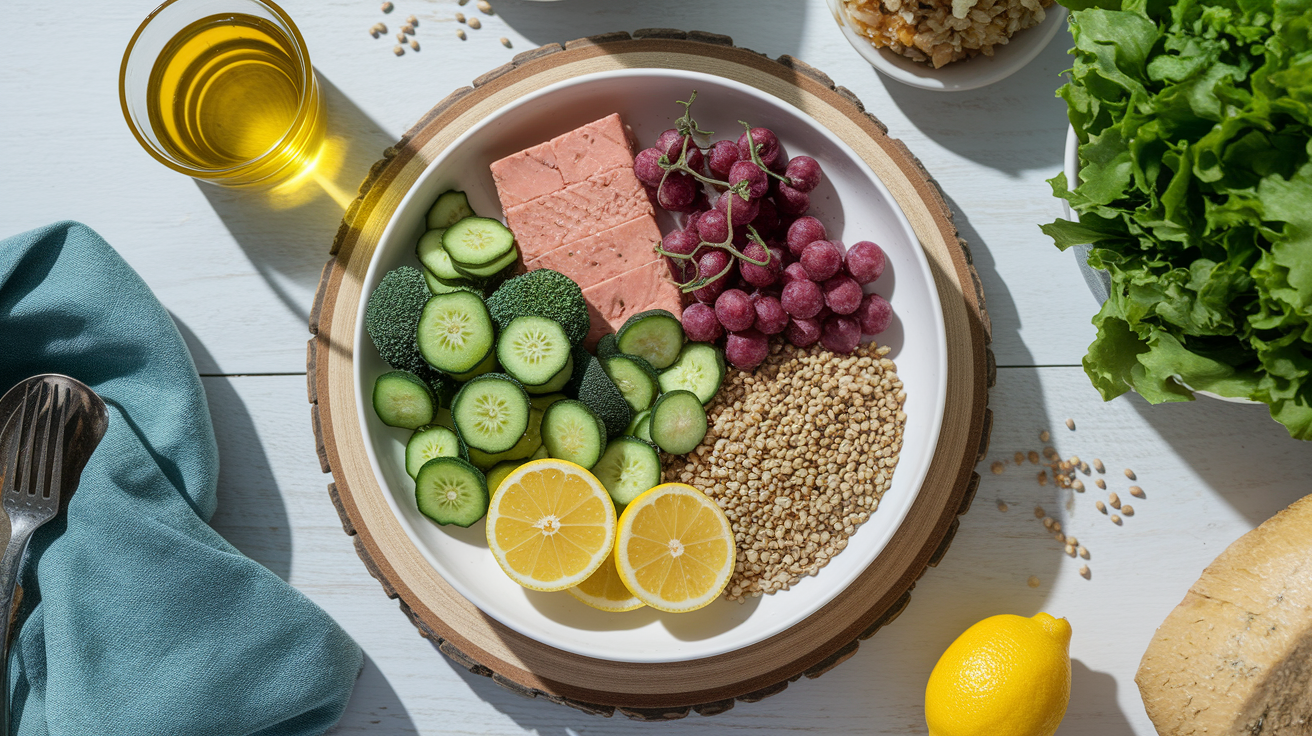
Build your meals around a simple plate structure. Half vegetables or greens. Quarter protein (aim for 20 to 30 grams per meal). Quarter whole grain carbs or starchy vegetables. Add a small serving of healthy fat like olive oil, avocado, or nuts. This balance keeps you full, supports steady energy, and covers most of your nutrient needs without counting every calorie. For hydration, aim for 2 to 3 liters of water per day depending on your size and activity level. If plain water’s boring, add a squeeze of lemon or a pinch of salt for flavor and electrolytes.
Mindful eating means slowing down enough to notice hunger and fullness cues. Sit down when you eat. Chew your food. Pause halfway through and ask if you’re still hungry. Simple swaps make a bigger difference than overhauls. Trade sugary drinks for water or herbal tea. Swap white bread for whole grain. Choose baked or grilled protein instead of fried. Keep a bowl of fruit on the counter instead of chips. These small changes add up without feeling like deprivation.
Here are five beginner friendly meal and snack ideas:
Scrambled eggs with spinach and a slice of whole grain toast.
Greek yogurt with berries and a handful of almonds.
Grilled chicken or tofu over mixed greens with olive oil and lemon.
Apple slices with peanut butter.
A smoothie with banana, frozen spinach, protein powder, and almond milk.
Movement Fundamentals to Begin Your Wellness Journey

The baseline goal for movement is 150 minutes per week of moderate intensity cardio like brisk walking or cycling, or 75 minutes of vigorous activity like jogging or swimming. Add two to three strength sessions per week, 20 to 30 minutes each, focusing on compound moves like squats, push-ups, and rows. If you’re new to exercise or haven’t moved consistently in a while, start with five to ten minute walks or simple mobility drills. There’s no shame in starting light. Building the habit matters more than the intensity in week one.
Combine strength, cardio, and mobility so your body stays balanced and injuries stay low. Strength builds muscle and bone density. Cardio supports your heart and lungs. Mobility keeps joints healthy and movement pain free. A beginner friendly circuit might look like three rounds of 10 squats, 10 modified push-ups (knees down or against a wall), and a 20 second plank. Rest one minute between rounds. That’s 10 minutes total, and it counts.
Here’s a simple four step weekly plan for beginners:
Week 1: Three 15 minute walks, one 10 minute bodyweight strength session, one rest day with light stretching.
Week 2: Three 20 minute walks, two 15 minute strength sessions, one active recovery day (yoga or slow walk).
Week 3: Increase one walk to 30 minutes, keep two strength sessions, add one short bike ride or swim if available.
Week 4: Review your energy and soreness levels, adjust duration or frequency by 5 to 10 percent, plan your next four week block.
Stress Management and Mental Wellness for a Balanced Journey
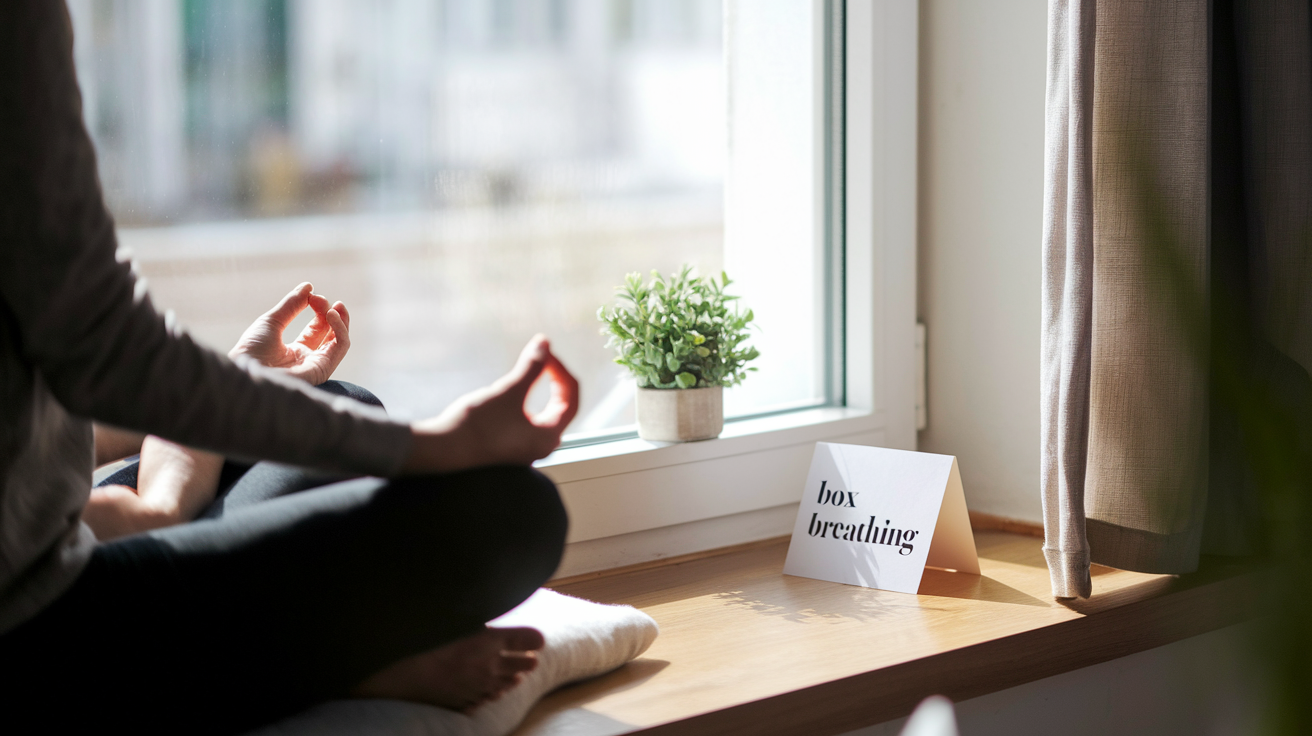
Mental health is the foundation. Without it, even the best nutrition and exercise plans fall apart. Stress, anxiety, poor sleep, and burnout undermine motivation, disrupt digestion, spike cortisol, and make it nearly impossible to stay consistent. Treating mental wellness as optional is one of the fastest ways to stall progress. It’s not a bonus pillar. It’s the structure that holds everything else up.
Small daily practices add up. Try five minutes of meditation using a free app or a simple breath count. Box breathing (inhale for four counts, hold for four, exhale for four, hold for four). A quick body scan before bed. Journal for five minutes each night: write three wins from the day and one thing you’d like to improve tomorrow. Take a ten minute break every 90 to 120 minutes during work to step outside, stretch, or make tea. Set boundaries with wellness content that makes you feel behind. Unfollow accounts that spike comparison. Give yourself permission to stop scrolling when it starts to feel like pressure instead of support.
Four accessible stress reduction methods:
Box breathing: 4-4-4-4 breath cycles for two minutes when you feel tense.
Progressive muscle relaxation: tense and release each muscle group from toes to head.
Journaling: three gratitude points and one small improvement to try tomorrow.
Micro breaks: step away from screens, move your body, or sit outside for ten minutes.
Tracking Progress to Stay Motivated on Your Wellness Journey

Tracking builds motivation because it shows you proof that your small actions are adding up, even when progress feels invisible. When you look back at a week of logged habits, you see patterns. What worked, what didn’t, where you can adjust. Tracking also prevents the “I feel like I’m doing nothing” spiral that derails beginners. You are doing something. The log proves it.
Track a few key metrics daily and review them weekly. Daily tracking works well for energy and mood scores (rate yourself 1 to 10 each evening), activity minutes, water intake, and sleep hours. Weekly tracking fits better for weight or measurements (if you’re using them), progress photos, and a written reflection on what felt easy or hard that week. Use a simple notebook, a free app, or a spreadsheet. Whatever you’ll actually open. Celebrate small wins every two weeks to keep momentum going: hitting your step goal five days in a row, drinking your water target all week, or completing three planned workouts.
Non-scale victories matter more than the number on the scale, especially in the first month. These are the changes you feel before you see measurable body shifts. Sleeping better. Waking up with more energy. Feeling less bloated after meals. Noticing your jeans fit more comfortably. Realizing you climbed the stairs without getting winded. Write these down. They’re proof your wellness journey is working.
| Metric | How to Track | Frequency |
|---|---|---|
| Energy and mood | Rate 1 to 10 in a journal or app each evening | Daily |
| Activity minutes | Log walks, workouts, or active time in your phone notes | Daily, review weekly total |
Overcoming Challenges While Starting a Wellness Journey

Common obstacles show up for almost every beginner. Overtraining in week one and burning out by week three. Falling into an all or nothing mindset where one missed workout feels like total failure. Comparing your day three to someone else’s year three. Skipping sleep to squeeze in early workouts. Copying trendy routines that don’t fit your life. Ignoring stress while focusing only on food and exercise. These pitfalls are predictable, which means you can plan for them.
Use 80/20 flexibility. Aim to hit your goals 80 percent of the time and give yourself grace for the other 20 percent. Life happens. You’ll miss workouts, eat convenience food, stay up late, or feel too tired to journal. That’s normal. The key is getting back on track the next day without spiraling into shame or quitting altogether. Plan for setbacks by deciding in advance what your “minimum viable day” looks like. On a rough day, can you drink your water and go to bed on time? That’s enough. Adjust your plan monthly based on what’s working. If evening workouts never happen, try mornings. If meal prep feels overwhelming, start with one prepped lunch per week instead of seven. Set boundaries with wellness content that makes you feel behind or anxious. You’re allowed to stop consuming information and just live your plan for a while.
Five common obstacles and how to fix them:
Overtraining: start with two to four sessions per week instead of seven. Rest days are part of the plan.
All or nothing thinking: use the 80/20 rule. One imperfect day doesn’t erase the rest of your progress.
Comparing to others: track only your own baseline and progress. Unfollow accounts that trigger comparison spirals.
Skipping sleep to work out: sleep comes first. A 3 AM wake-up for a 5 AM workout when you went to bed at midnight will wreck your progress.
Copying trends: choose habits that fit your real life, not someone else’s curated highlight reel.
Low Cost Ways to Start Your Wellness Journey
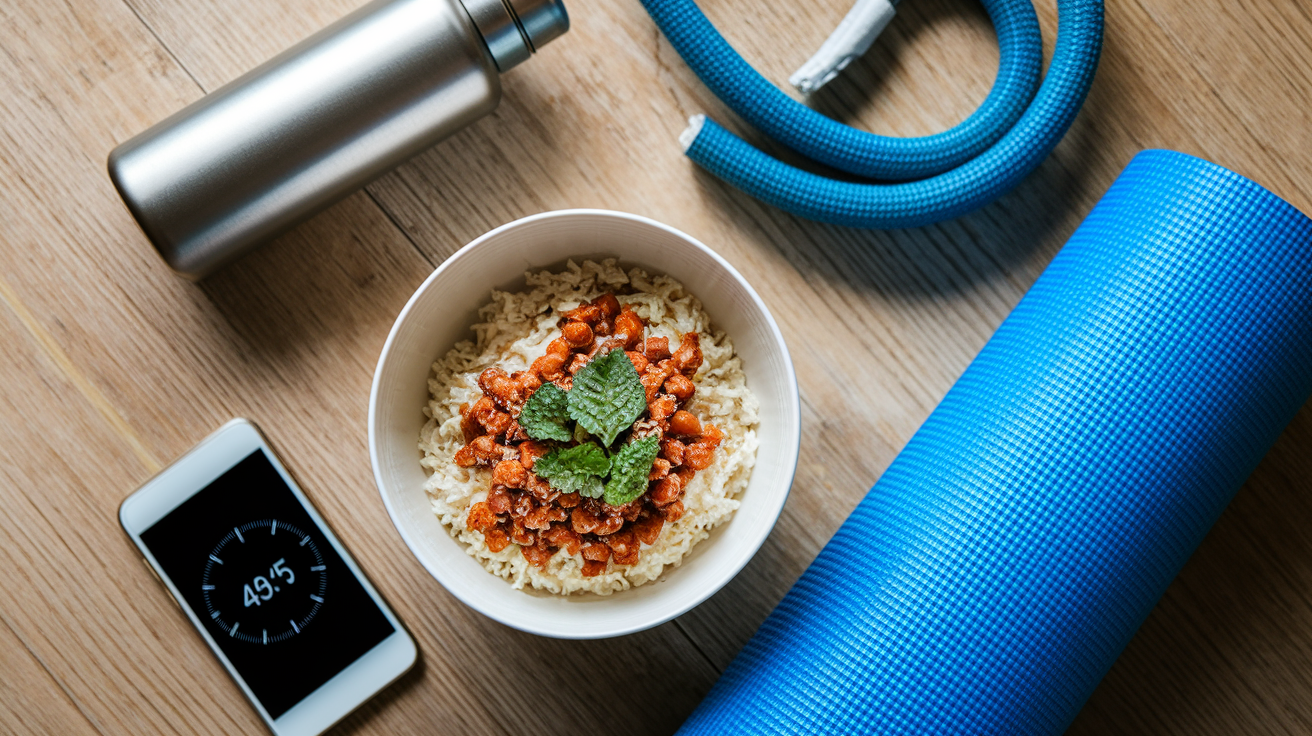
Wellness doesn’t require expensive gym memberships, boutique fitness classes, meal delivery services, or luxury retreats. You can start and sustain a wellness journey with minimal upfront cost and a focus on whole foods, bodyweight movement, free resources, and simple tools. The most effective changes (drinking more water, walking daily, sleeping consistently, and eating more vegetables) cost little to nothing.
Basic starter costs include a pair of trainers for 30 to 80 dollars, a yoga mat for 10 to 30 dollars, and a set of resistance bands for 10 to 25 dollars. Many workout apps offer free versions with guided routines, and YouTube has thousands of free beginner strength, cardio, and yoga videos. For nutrition, focus on whole food swaps instead of supplements or specialty products. Buy frozen vegetables (just as nutritious and cheaper than fresh), cook simple meals in bulk, and plan one or two inexpensive protein sources per week like eggs, canned beans, or chicken thighs.
Four budget friendly wellness ideas:
Walk outside or follow a free YouTube workout instead of paying for a gym.
Meal prep one or two simple recipes per week using affordable staples like rice, beans, eggs, and frozen vegetables.
Use your phone’s built in notes or a free habit tracking app instead of buying a planner or subscription service.
Drink tap water with a squeeze of lemon or lime instead of buying flavored or bottled drinks.
A 30 Day Starter Structure for Your Wellness Journey
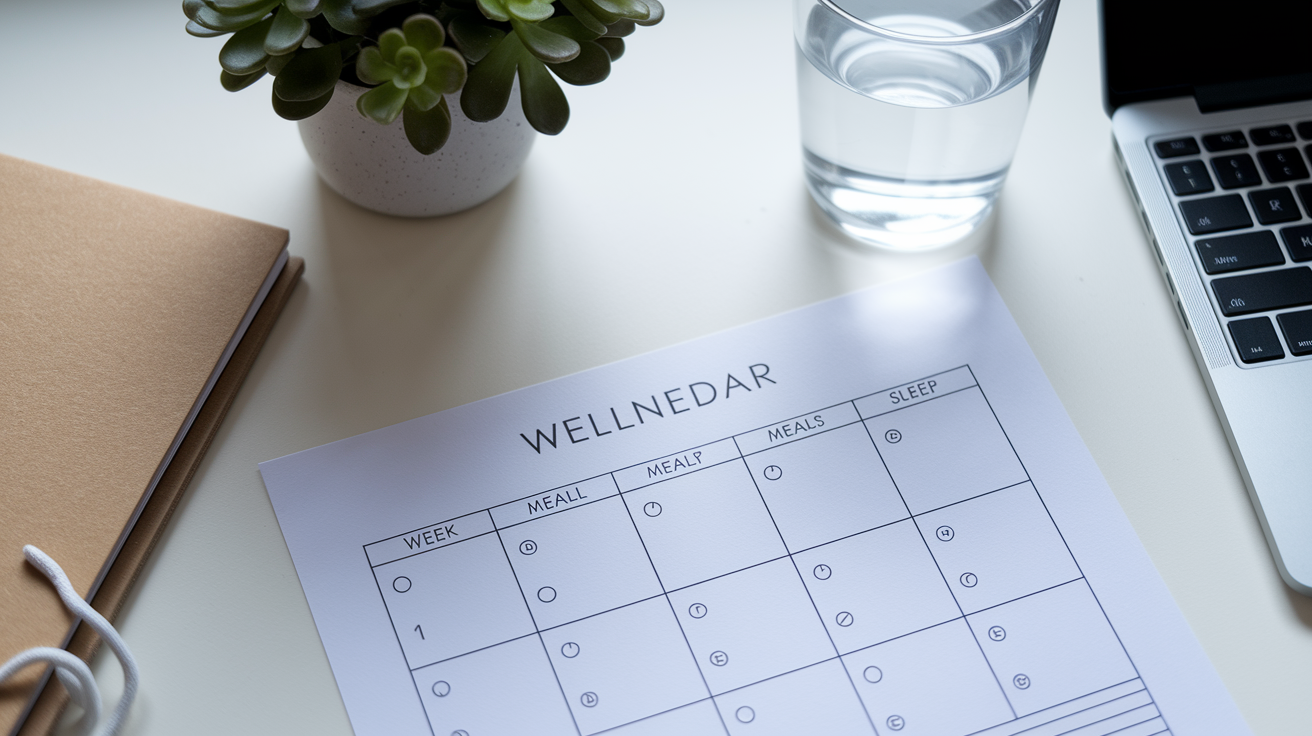
A 30 day timeline gives you enough time to build momentum without feeling locked into a rigid long term commitment. The first week focuses on assessment and adding one or two small habits. The second week solidifies those habits and layers in a new routine. The third week increases intensity or variety slightly. The fourth week is for review and adjustment. This is when you check your metrics, celebrate progress, and tweak your plan by 5 to 10 percent based on what worked and what didn’t.
Here’s a realistic 30 day roadmap to get started. Use this as a template and adjust the specifics to fit your life, schedule, and the areas you rated lowest in your initial assessment.
Week 1: Build awareness and start small.
Complete a quick audit of your current sleep, movement, hydration, and nutrition habits.
Add one daily walk (even 10 minutes counts) or one short home workout (bodyweight circuit: 10 squats, 10 modified push-ups, 20 second plank, repeat three times).
Drink two extra glasses of water each day.
Do a five minute meditation or breathing exercise before bed.
Week 2: Layer in a sleep routine and increase consistency.
Keep your three weekly walks or workouts.
Set a consistent bedtime within 30 minutes and reduce screen time 30 to 60 minutes before bed.
Track your water intake and aim to hit your hydration target (2 to 3 liters per day) at least five out of seven days.
Write one short journal entry at the end of the week: what felt easy, what felt hard, what you’d like to try next.
Week 3: Increase intensity or add variety.
Increase one workout session by five minutes or add one extra walk.
Add one vegetable to dinner five nights this week.
Continue your bedtime routine and track your sleep hours.
Practice one stress reduction method daily (box breathing, body scan, or a ten minute break during work).
Week 4: Review, adjust, and plan ahead.
Take your measurements or progress photo and compare to week one.
Rate your wellness pillars again on a 1 to 10 scale and note any improvements.
Adjust your plan by 5 to 10 percent if needed. Add a few minutes to your workouts, increase your water target slightly, or try a new sleep habit.
Decide on your focus for the next 30 days and write down two to three SMARTER goals to carry forward.
Final Words
Start with one small action — pick a 20-minute walk or a single micro-goal, rate your core life areas, and set an intention. That’s the 7-step framework in action.
We covered shaping a realistic plan with SMARTER goals, easy morning and evening routines, balanced plates, gentle movement, quick stress tools, tracking, budget-friendly ideas, and a simple 30-day starter you can follow.
If you’re wondering how to start a wellness journey, begin with one tiny repeatable step and build from there. Small wins add up fast. You’ve got this.
FAQ
Q: How to create a wellness journey?
A: Creating a wellness journey means starting small: pick one life pillar, set a clear intention, choose one SMART micro-goal, add a simple daily habit (like a 20-minute walk), and check in weekly.
Q: What are the 5 C’s of wellness?
A: The 5 C’s of wellness are control, commitment, challenge, connection, and confidence. They guide how you cope, stay engaged, build relationships, and trust your ability to keep improving.
Q: What are the 7 pillars of wellness?
A: The 7 pillars of wellness are physical, emotional, intellectual, social, spiritual, environmental, and occupational — covering body, mood, thinking, relationships, meaning, surroundings, and work balance.
Q: What are the 4 types of wellness?
A: The 4 types of wellness commonly cited are physical, emotional (mental), social, and spiritual — focusing on movement and sleep, mood and thoughts, relationships, and sense of purpose.