
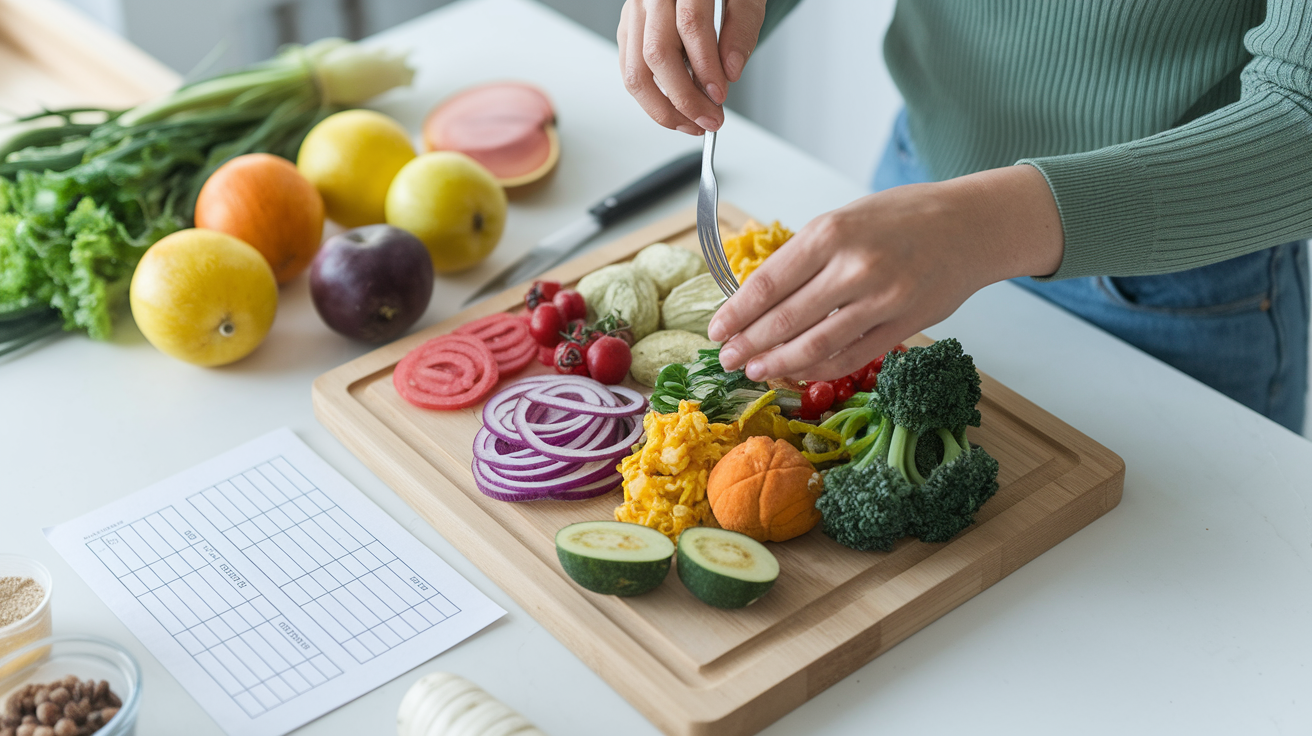
What if willpower isn’t the problem?
You try, you slip, then you blame yourself, but the truth is habits fall apart when the healthy choice feels harder than the easy one.
Sustainable eating doesn’t come from being perfect, it comes from simple systems that still work when you’re tired, busy, or stressed.
This post shows practical, low-friction moves you can start today: tiny additions, anchors, and kitchen tweaks that make healthy choices the easy default.
No strict rules. Just small steps you can keep doing.
Core Principles for Creating Eating Habits That Last
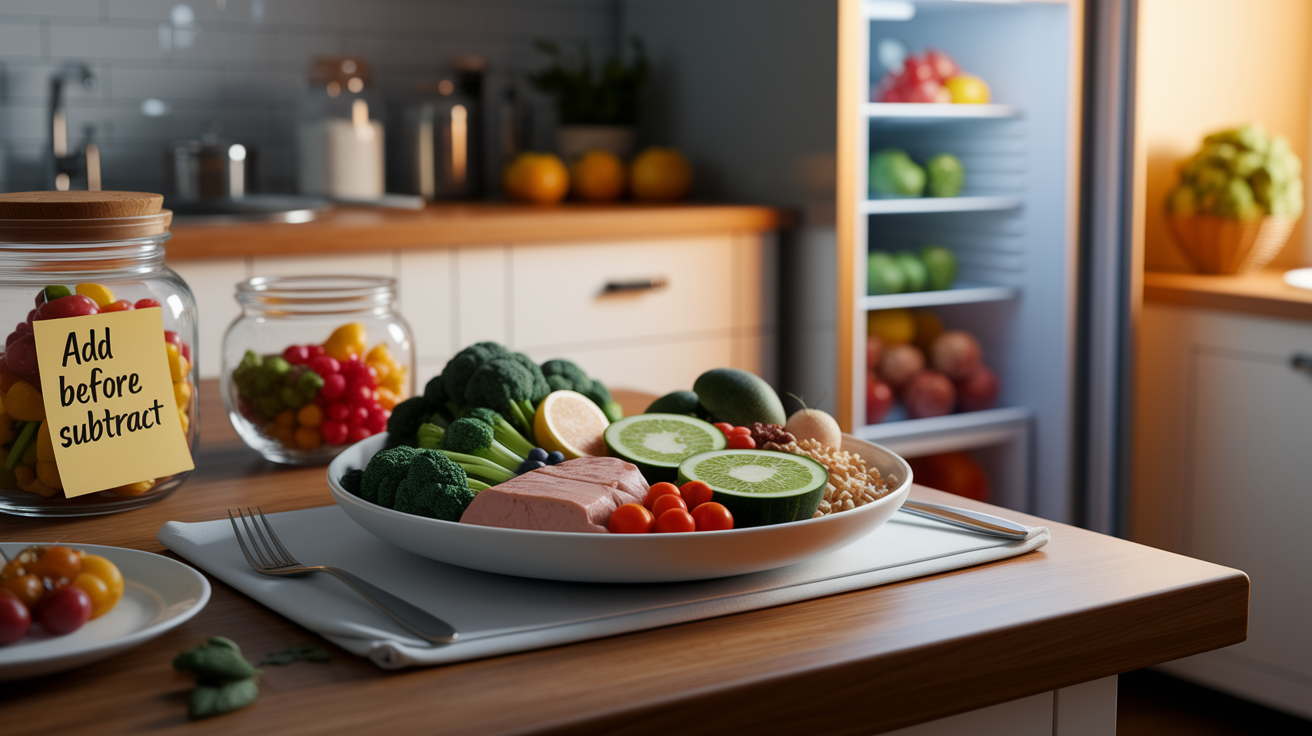
Sustainable eating habits don’t run on willpower. They run on systems that hold up when you’re exhausted, slammed at work, or dealing with whatever life just threw at you. The gap between a habit that lasts three weeks and one that lasts three years? It’s about friction. When the healthy choice feels harder than the junk choice, you’re climbing uphill every single day.
Long-term nutrition habits work when they’re built on consistency, not perfection. You don’t need flawless eating. You need to eat well most of the time in a way that actually fits your schedule and the foods you like. That means routines around regular meals, balanced plates, and things you’ll actually eat. It also means ditching the idea that one rough day wipes out weeks of progress.
The habits that stick are the ones you can keep up during your worst weeks, not just your best. A sustainable eating pattern survives when work goes sideways, when you’re on the road, or when something unexpected lands in your lap. That kind of resilience comes from choosing simple, repeatable actions instead of complicated rules.
Five core principles that make eating habits stick:
- Start with addition, not subtraction. Add nutritious foods to your day before you try cutting anything out. Focus on what you’re including, not what you’re banning.
- Anchor new habits to routines you already have. Attach a healthy eating behavior to something you do every day anyway, like adding protein to the breakfast you’re already eating.
- Keep your environment working for you. Make healthy foods visible and easy to grab. If the first thing you see when you open the fridge is pre-cut vegetables or a container of fruit, you’re way more likely to eat them.
- Aim for consistency over intensity. Eating a balanced breakfast five days a week beats eating a “perfect” breakfast twice and skipping the rest.
- Set realistic expectations from the start. Sustainable change is gradual. One new habit at a time, practiced consistently, builds something that lasts.
Behavioral Strategies That Support Long‑Term Change
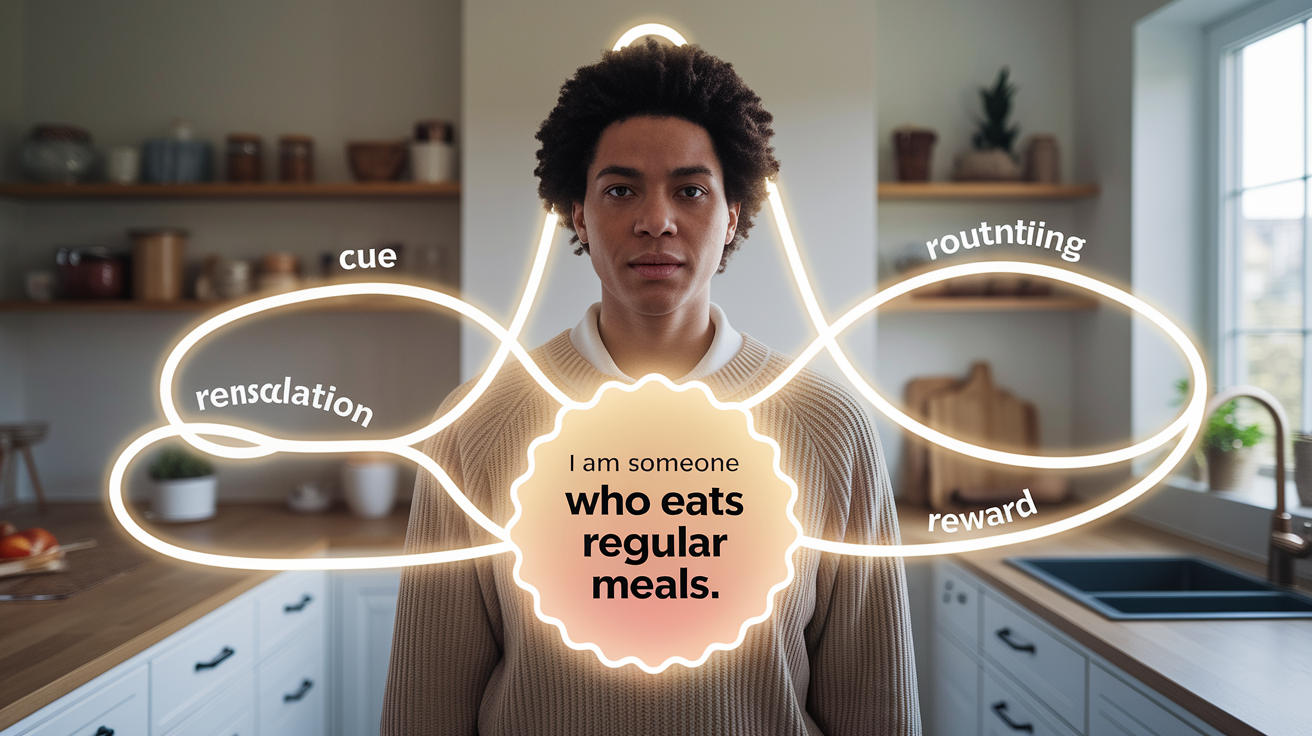
The way you think about eating shapes what you choose when nobody’s watching. People who keep healthy habits long-term don’t rely on motivation. They build identity around their choices. Instead of “I’m trying to eat better,” they shift to “I’m someone who eats regular meals” or “I’m someone who starts the day with protein.” That small mental reframe makes the behavior feel less like work and more like who you are.
Habit loops follow a simple pattern: cue, routine, reward. Your brain scans constantly for cues that trigger automatic behavior. If you grab a snack every time you walk past the kitchen, that’s a cue-routine loop. Changing it doesn’t require more discipline. You need to change the cue (keep healthy snacks visible, move the junk) or replace the routine (walk past the kitchen and drink water instead, or eat a piece of fruit). The reward stays the same, satisfying a craving or breaking up your workday, but the action shifts.
Environmental conditioning is one of the most underrated tools for sustainable eating. Your surroundings quietly shape hundreds of food decisions every week. If your kitchen is set up so that cooking a quick balanced meal is easier than ordering takeout, you’ll cook more often. If you plan two or three dinners ahead of time, you won’t be standing in front of the fridge at 7 p.m. trying to figure out what to eat. Small changes to your environment cut down the number of decisions you have to make when you’re already wiped out.
Practical Habit‑Building Techniques for Everyday Life
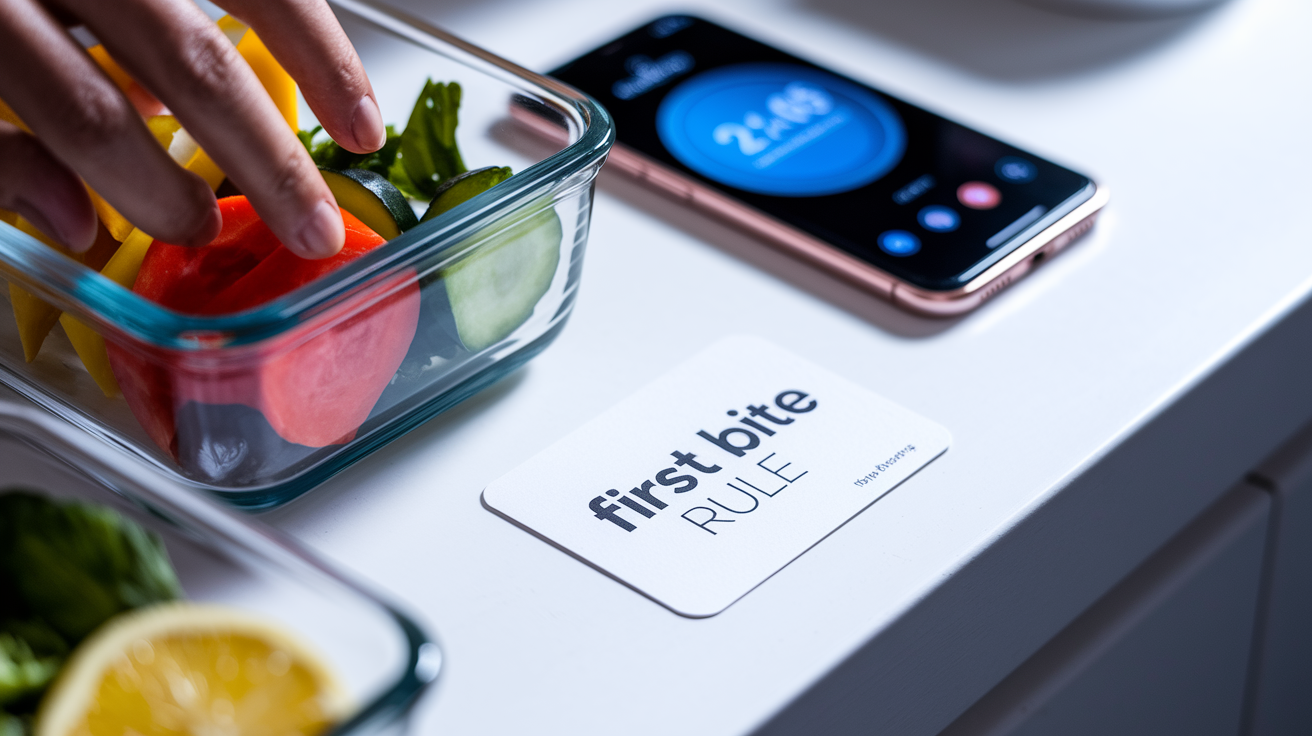
Sustainable habits form when you strip as much friction as possible from the actions you want to repeat. That means setting up your environment and your schedule to support the behavior before motivation even enters the picture. Micro-habits, tiny specific actions that take less than two minutes, work especially well because they’re easy to start and easy to stack.
Six practical techniques you can use starting today:
- Prep one ingredient the night before. Wash and chop vegetables for tomorrow’s lunch, or portion out overnight oats. One small action removes a decision point the next day.
- Use the “first bite” rule. Commit to eating one bite of a vegetable or piece of fruit before anything else at lunch or dinner. You’ll often keep going once you start.
- Set a daily eating window. Eat your meals within a consistent 10 to 12 hour window most days. This creates a predictable rhythm without rigid timing.
- Pair a new habit with an existing one. If you already make coffee every morning, add a protein source to your breakfast routine at the same time. The existing habit becomes the trigger.
- Keep a “rescue meal” option ready. Stock one or two simple meals you can make in under 10 minutes when plans fall apart, like eggs and toast, or a can of beans with rice and salsa.
- Batch prep just one thing each week. Cook a large portion of grains, roast a sheet pan of vegetables, or hard boil a half dozen eggs. You’re not meal prepping everything. You’re reducing friction for the week ahead.
These techniques work because they cut down the number of decisions you have to make when you’re already drained. Decision fatigue is real. By the end of a long day, your brain defaults to the easiest option. If the easiest option is also a healthy one because you prepped ingredients, set up your environment, or anchored the habit to something automatic, you’ll follow through without thinking about it. Over time, these small actions stack into patterns that feel effortless.
Meal‑Planning Approaches That Simplify Healthy Eating
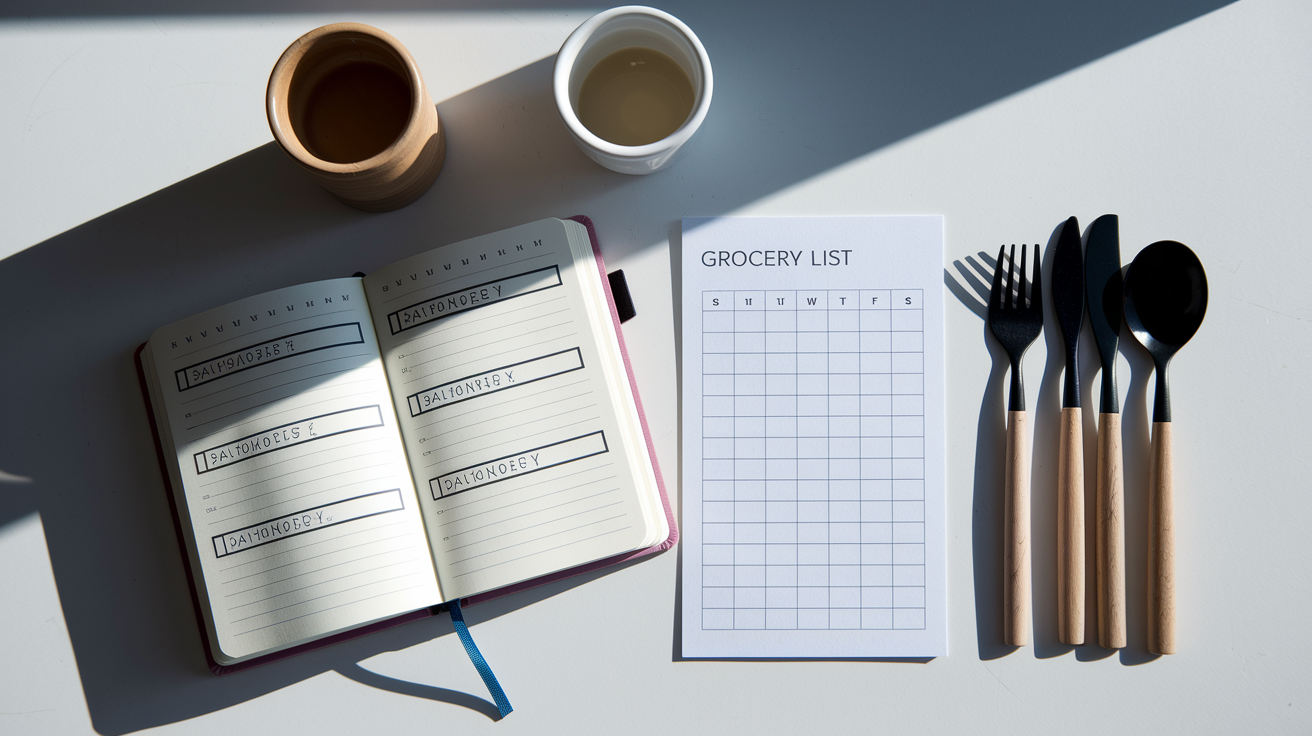
Meal planning isn’t about scripting every bite. It’s about cutting down on daily decision making so you can eat well without constant mental effort. When you plan even two or three meals ahead of time, you remove the “what’s for dinner?” scramble that often leads to takeout or skipping meals entirely. You’re not aiming for perfection. You’re aiming for a loose structure that makes balanced eating easier.
A simple planning rhythm might look like this: pick two weeknight dinners and one easy breakfast option to repeat a few times during the week. Write down what ingredients you need, and shop once. That’s it. You’re not planning every meal. You’re creating a few anchor points that keep you on track when the week gets chaotic.
Flexibility is built into sustainable meal planning. If Wednesday’s planned dinner doesn’t happen, it rolls to Thursday. If you end up eating out on Friday, you adjust. The plan is a guide, not a rule. The goal is to have healthy options ready so that when you’re hungry and tired, the easiest choice is also a nourishing one.
| Day | Meal Type | Example Simple Meal |
|---|---|---|
| Monday | Dinner | Grilled chicken, roasted broccoli, quinoa |
| Wednesday | Dinner | Bean and vegetable stir‑fry over brown rice |
| Friday | Lunch | Egg salad on whole‑grain bread with a side of fruit |
| Sunday | Breakfast | Overnight oats with berries and a handful of nuts |
Overcoming Common Obstacles and Setbacks

Stress is one of the most predictable disruptors of healthy eating habits. When you’re overwhelmed, your brain craves quick energy and comfort. That’s not a character flaw. It’s biology. The key is recognizing the pattern and having a plan for it. On high stress days, aim for one balanced meal instead of three perfect ones. Keep a few low effort options ready, like a piece of fruit with nut butter, or a simple protein and vegetable plate, so you’re not starting from zero when everything feels hard.
Social situations often create tension between your goals and the expectations of others. You might feel pressure to eat more than you want, or to choose foods that don’t align with how you’re trying to feel. It helps to decide in advance what your flexible boundaries are. For example, you might plan to enjoy one dessert at a birthday party without guilt, or to fill half your plate with vegetables before adding other foods at a family gathering. You’re not isolating yourself. You’re making intentional choices that let you participate without derailing your overall pattern.
Emotional eating is common, and it doesn’t mean your habits are broken. It means you’re human. The goal isn’t to stop emotional eating entirely. It’s to notice it, understand what triggered it, and respond with curiosity instead of shame. Ask yourself: “What was I actually needing in that moment, comfort, distraction, connection?” Once you identify the need, you can start experimenting with other ways to meet it, whether that’s a ten minute walk, calling a friend, or just sitting with the feeling for a few minutes before deciding what to eat.
Four obstacles that show up again and again, and what tends to help:
- Long gaps between meals leading to extreme hunger. Eat something small every 3 to 4 hours, even if it’s just a handful of nuts or a piece of fruit. Preventing extreme hunger prevents chaotic food choices.
- Lack of easy options when you’re busy. Keep grab and go staples stocked: hard boiled eggs, pre-cut vegetables, single serve hummus, or individual portions of leftovers.
- All or nothing thinking after a less than ideal meal. One imperfect meal is just one meal. Follow it with a balanced next meal and move on. Stringing together a few solid choices matters more than obsessing over one slip.
- Eating out of boredom or habit, not hunger. Pause for ten seconds before eating and ask, “Am I actually hungry, or am I looking for something else?” If it’s boredom, try a different activity first. If you’re still hungry after five minutes, eat.
Tracking Progress and Adjusting Habits Over Time

Self monitoring doesn’t mean calorie counting or weighing yourself daily. It means paying attention to patterns so you can make small adjustments before small issues become bigger ones. You might notice that skipping breakfast three days in a row leaves you irritable and overly hungry by lunch. Or that weeks when you plan two dinners ahead of time feel calmer and more consistent. Tracking is about gathering useful information, not judgment.
Simple tracking methods work best because you’ll actually keep doing them. You might use a notes app to jot down what went well each week and what felt harder. Or take a photo of your meals a few days a week to spot patterns in balance and variety. Some people prefer a short weekly check-in: “Did I eat regular meals most days? Did I include protein and vegetables more often than not?” The method matters less than the consistency.
Habits need periodic review and adjustment because your life changes. A routine that worked perfectly when you were working from home might fall apart when you’re back in the office. A meal plan that felt easy in summer might need tweaking in winter when your schedule shifts. Every few months, ask yourself: “What’s working? What’s feeling like a struggle? What one small change would make this easier?” Then adjust. Sustainable habits are flexible habits, built to evolve as you do.
Three tracking methods to try:
- Weekly reflection in a notes app. At the end of each week, write 2 to 3 sentences about what went well and one thing to adjust next week.
- Meal photo journal. Snap a picture of your meals a few days a week. Review them once a month to spot patterns in variety, balance, or timing.
- Simple yes/no checklist. Track 3 to 5 daily habits (e.g., “ate breakfast,” “included protein at lunch,” “planned dinner”) with a checkmark. You’re not aiming for perfect. You’re looking for trends over time.
Final Words
You learned practical basics: core principles that make habits stick, behavior tools to shape choices, quick daily techniques, simple meal plans, ways to handle setbacks, and how to track progress.
Start small: pick one trigger to anchor a protein-rich breakfast, plan one dinner for the week, and track one habit for three days. That’s enough to build momentum.
Use this simple path to practice how to build sustainable eating habits that last, with small steps, regular checks, and kind patience. You can do this.
FAQ
Q: What is the 3 3 3 rule for eating?
A: The 3 3 3 rule for eating is a simple guideline to build balanced meals: aim for three plate components, like protein, fiber-rich carbs, and vegetables, and keep a routine of three meals with three small snacks.
Q: What diet is good for high blood pressure?
A: A diet good for high blood pressure is the DASH diet, which focuses on fruits, vegetables, whole grains, lean protein, and lower sodium to help reduce blood pressure and support heart health.
Q: What is the #1 unhealthiest food?
A: The #1 unhealthiest food is highly processed items heavy in added sugar, salt, and unhealthy fats, like sugary drinks and many packaged snacks, which add calories with little nutrition and raise health risks.
Q: What is the 80% rule in eating?
A: The 80% rule in eating is stopping when you feel about 80 percent full to avoid overeating, helping control portions, steady weight, and gentler digestion over time.