
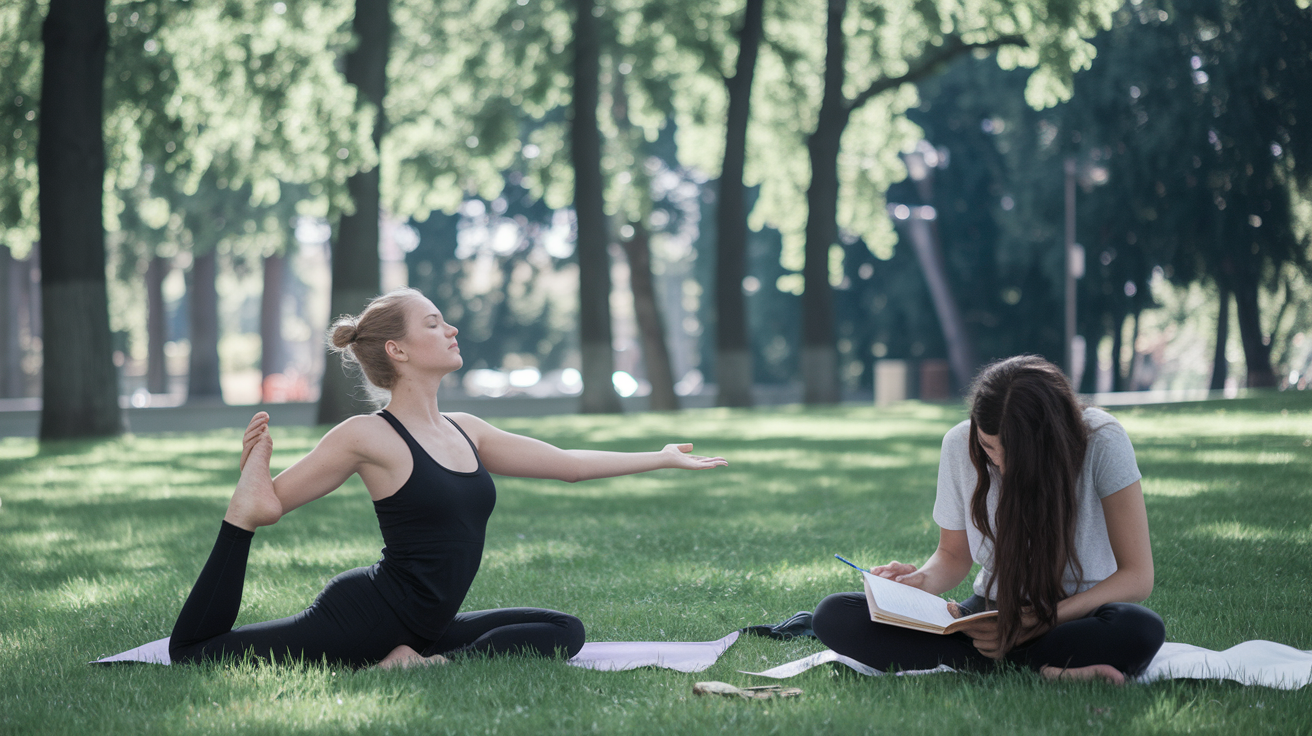
If you think wellness is just diet and exercise, you’re only seeing part of the picture.
Wellness is seven areas that together shape how you feel each day.
They are physical, emotional, social, intellectual, spiritual, occupational, and environmental.
This post explains what each one looks like in real life, how they overlap, and small, doable steps you can try this week to feel more balanced.
No jargon. Just simple moves you can start today.
Comprehensive Overview of the Seven Dimensions of Wellness

The seven dimensions of wellness is a framework that treats health as more than just not being sick. It sees wellness as something you actively build across seven areas: physical, emotional, social, intellectual, spiritual, occupational, and environmental. The model’s been around since the early 1960s and gets used everywhere from college campuses to workplace programs to help people think about their whole health picture, not just what hurts today.
These dimensions aren’t separate boxes you check off. They bleed into each other constantly. Moving your body doesn’t just make you stronger. It clears your head and lifts your mood. Spending time with people you trust eases loneliness, which makes stress easier to handle. A spiritual practice that gives you purpose can steady you when everything else feels shaky.
Physical Wellness: Body health through movement, food, sleep, and checkups.
Emotional Wellness: Recognizing and managing feelings, stress, and how you see yourself.
Social Wellness: Building real relationships and contributing to the people around you.
Intellectual Wellness: Staying curious, learning new things, solving problems.
Spiritual Wellness: Finding meaning and peace through your values or beliefs.
Occupational Wellness: Getting fulfillment from work, hobbies, or volunteer roles without burning out.
Environmental Wellness: Living in balance with your surroundings and making sustainable choices.
This model shows up in workplace wellness plans to help employees stay focused and less stressed. Schools use it to teach students how to take care of themselves without falling apart during finals. You can use it personally to figure out where you’re doing okay and where things feel off. Health isn’t static. It shifts, and this framework helps you notice what needs attention.
Physical Wellness Foundations and Their Role in Whole-Person Wellbeing

Physical wellness is your body’s ability to get through the day without dragging. It depends on regular movement, decent food choices, solid sleep, and seeing a doctor when you’re supposed to. Just over half of U.S. adults meet the recommended activity guidelines, but more than a third don’t get enough sleep. It’s really common to do well in one area and fall short in another.
Aim for 20 to 40 minutes of moderate activity most days. Could be a morning walk, chair yoga if your knees aren’t great, or even chair dancing if you want low-impact cardio that doesn’t feel boring. Pair that with balanced meals. Try to get five to ten servings of fruits and vegetables daily, and drink water instead of soda. Sleep hygiene counts too. Keep your phone out of the bedroom, skip heavy meals late at night, and go to bed at the same time so your body knows what’s coming.
A 30-minute walk before or after breakfast
Chair yoga or fusion exercises if mobility’s limited
Annual checkups and whatever screenings your doctor recommends
Water throughout the day, and cut off caffeine by 2 pm
One or two home-cooked meals each week focused on nutrition
Emotional Wellness and Core Skills for Managing Stress and Resilience

Emotional wellness is knowing what you’re feeling, saying it without blowing up, and getting through stress without crumbling. It includes realistic self-esteem, some optimism, and coping skills that actually work when life gets heavy. About 44 percent of U.S. adults say they’re stressed frequently, and four in ten feel like there’s never enough time in the day. Feeling stretched is the norm, not the exception.
Small, regular habits can level you out. Five to ten minutes of deep breathing in the morning or before bed calms your nervous system down. Journaling for a few minutes at night gives you a place to dump what happened instead of replaying it on a loop. Cognitive reframing, asking yourself “Is there another way to look at this?” can stop a worry spiral before it takes over. Weekly support groups, therapy check-ins, or even reminiscence sessions give you structured space to share what’s hard and remember you’re not the only one.
Emotional wellness connects to everything else. When stress isn’t running you, it’s easier to stay curious and engaged. Strong emotional health makes social stuff feel less like work and more like relief. And if you’ve got a spiritual practice that grounds you, it acts like a shock absorber when feelings run hot.
Social Wellness and Building Supportive, Healthy Relationships

Social wellness is about open communication, contributing to the people around you, and building relationships that feel reciprocal. It’s not about having tons of friends. It’s about having quality connections and a network you can lean on when things get hard or celebrate with when they don’t.
Schedule at least one social event or real interaction per week. Phone call with a friend, group trivia night, shared meal with neighbors. Virtual gatherings count if they feel genuine.
| Activity | Social Benefit |
|---|---|
| Bingo or trivia night | Low-pressure group fun that gets people talking |
| Social hour or coffee meetup | Informal space to catch up without an agenda |
| Karaoke or music night | Creative outlet plus laughter in a group |
| Movie night or book club | Shared experience that gives you something to talk about later |
Building a support network takes time, but it pays off when you need it. Family, friends, coworkers, even people you volunteer with can all play a role. The goal is a mix of people who know you well enough to notice when you’re off and who you trust enough to ask for help without feeling like a burden.
Intellectual Wellness and Lifelong Learning Habits

Intellectual wellness is keeping your mind active and curious. It includes creative expression, problem-solving, and being willing to learn something new no matter how old you are. Reading can drop stress by about 68 percent, and social learning, like picking up a new language or craft with a friend, doubles down by adding connection to the mental workout.
Do something cognitively stimulating three to five times per week for 30 to 60 minutes. Consistency beats intensity. A daily crossword, a weekly painting session, or a monthly book club all work.
Trivia games or word puzzles that challenge recall
Creative projects like painting, knitting, or building models
Learning a new skill: language, instrument, recipe
Exploring new places, whether a museum, trail, or neighborhood you haven’t visited
Reading fiction or nonfiction that stretches your thinking or teaches something useful
Intellectual wellness ties into emotional and physical health. When your brain’s engaged, worry has less room to take over. Mental activity supports memory and can slow cognitive decline as you age. And because a lot of intellectual stuff is social, like taking a class or joining a project, it naturally boosts your social wellness at the same time.
Spiritual Wellness and Practices That Support Meaning and Purpose
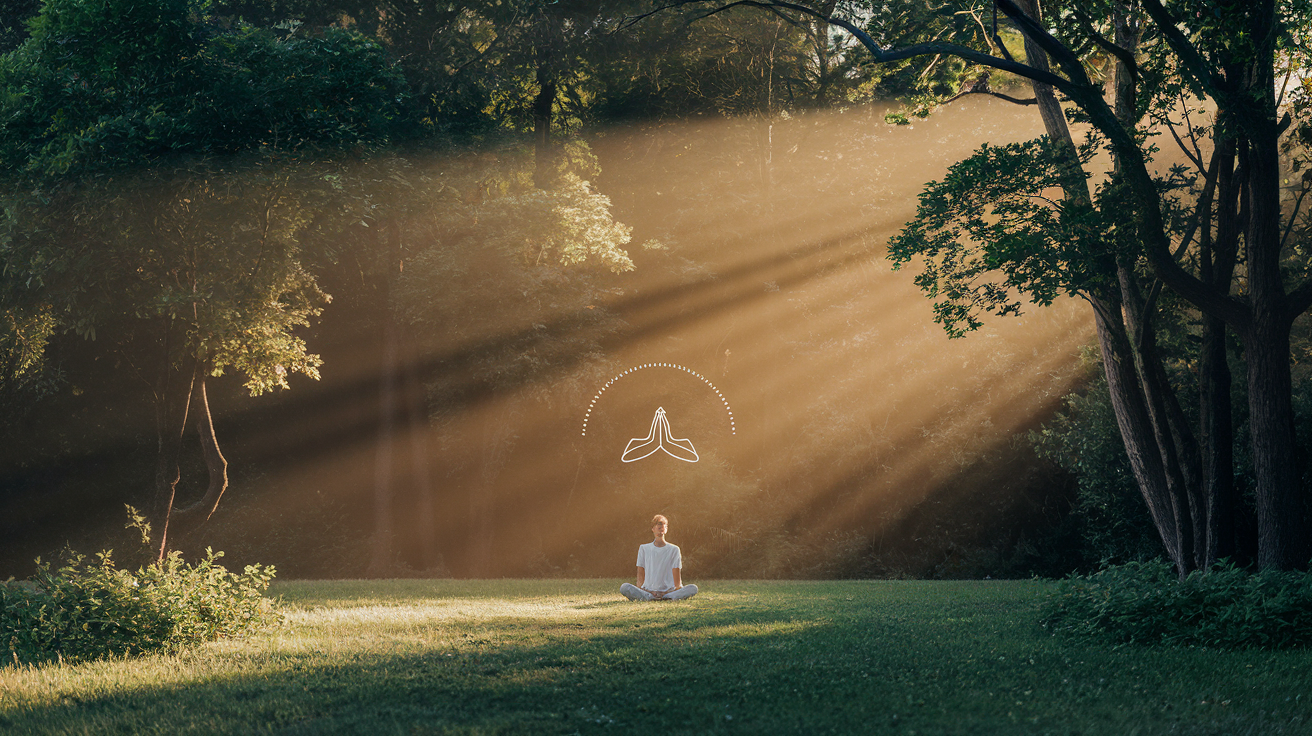
Spiritual wellness is the feeling that your life means something and that what you do aligns with what you care about. It doesn’t require religion. Some people find it through prayer or worship. Others find it on a nature walk, in meditation, in solo reflection, or through acts of kindness that connect them to something bigger than the daily grind.
Daily reflective practices can be as short as 10 to 20 minutes. Sitting quietly with tea and noticing your breath, walking through a garden and paying attention to what’s growing, or writing down three things you’re grateful for before bed. Weekly group practices, whether a faith service, meditation circle, or discussion group focused on values, add structure and community.
Spiritual wellness overlaps heavily with emotional wellness. When you’ve got a clear sense of meaning, setbacks don’t knock you down as hard. And when your purpose feels connected to others or the world around you, it reinforces your social and environmental wellness too. The practices don’t need to be complicated. They just need to be honest and consistent enough to remind you why you’re here and what matters.
Occupational Wellness and Meaningful Daily Purpose

Occupational wellness is the fulfillment you get from purposeful activity, whether that’s paid work, a hobby, or volunteering. It’s about doing something meaningful and using your strengths without burning out. About 53 percent of Americans say they’re unhappy at work, which shows how common it is to feel stuck in this area.
If work feels draining, look for small ways to build connection or learn something new within your role. Pick one skill you want to improve and find chances to practice it. Match your learning style to the method. If you learn by doing, volunteer for hands-on projects. If you learn by watching, find a mentor or shadow someone whose work you respect. Even small shifts in how you approach the day can make the hours feel lighter.
Outside of formal work, occupational wellness can come from hobbies that give you a sense of progress or volunteer roles that tie you to your community. Commit to a purposeful activity two to three times per week. Tutoring a student, organizing a neighborhood cleanup, tending a community garden, or working on a creative project with a clear endpoint. The key is that it feels like more than killing time. It should tap into your interests and give you a reason to show up that’s bigger than obligation.
Environmental Wellness and Creating Supportive Spaces
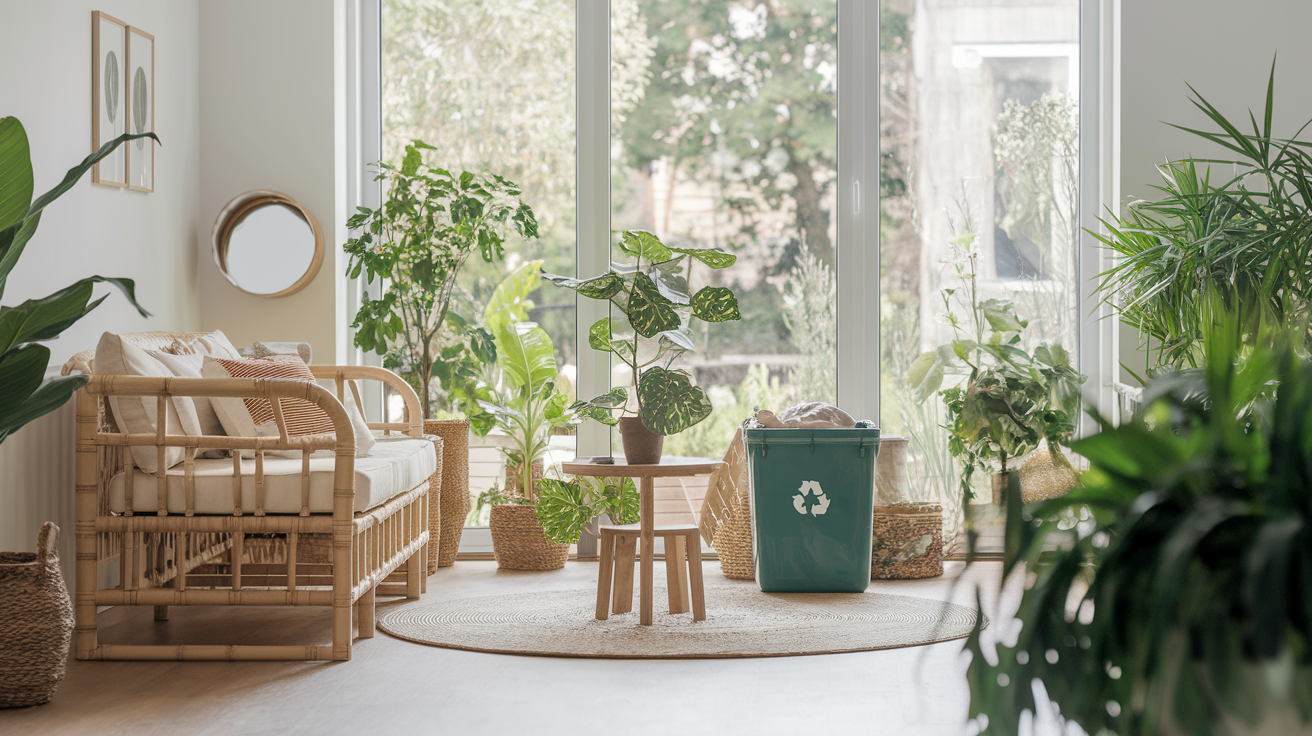
Environmental wellness is about living in harmony with your surroundings and taking care of the spaces that support your health. It includes your home, neighborhood, and workplace, plus broader habits like recycling, conserving energy, and cutting down on pollutants. Small actions add up. Turn off lights when you leave a room, don’t leave the tap running while you brush your teeth, recycle what you can.
Spend 10 to 30 minutes outdoors daily. Walk around the block, sit on a porch, tend plants in a window box. Nature exposure lowers stress, improves mood, and gives your eyes a break from screens. Even short doses help if you make it routine.
Declutter one room at a time to reduce visual stress and sleep better
Walk or bike for short errands instead of driving when you can
Cut down on single-use items by carrying a reusable water bottle and shopping bags
Avoid secondhand smoke, loud noise, and too much sun by planning your environment thoughtfully
Final Words
You can use the seven-part model to spot which areas need a little attention—physical, emotional, social, intellectual, spiritual, occupational, and environmental.
We gave clear definitions, showed how the dimensions overlap with examples, and offered simple habits you can try today: move more, sleep better, connect weekly, and do short learning or reflective practices.
If you’re still wondering what are the seven dimensions of wellness, they’re the ones listed above — pick one small habit in one area and repeat it for a week. Small steps add up; you can make steady progress.
FAQ
Q: Are there 8 or 9 dimensions of wellness? / What are the 12 dimensions of wellness?
A: The number of wellness dimensions varies: some models use 7, others 8 or 9, and some list 12. Seven is most common; 12 splits wellness into finer areas like financial, cultural, and sexual wellbeing.
Q: What are the 7 pillars of wellness? / What are the 8 pillars of holistic wellness?
A: The 7 pillars of wellness are physical, emotional, social, intellectual, spiritual, occupational, and environmental. An 8-pillar holistic model typically adds financial or cultural wellbeing as a separate pillar.