

Think you don’t have time for wellness?
You can build a simple routine that actually fits a packed day.
This post shows high‑return five‑ to fifteen‑minute habits, tiny scheduling tricks, and quick food swaps that make consistency possible.
Focus on sleep, hydration, short movement bursts, and small wind-down rituals, not big overhauls.
By the end you’ll have a realistic three to seven day plan and one easy habit to start today: pick two micro habits and block them into your calendar.
Core Steps to Create a Time‑Efficient Wellness Routine
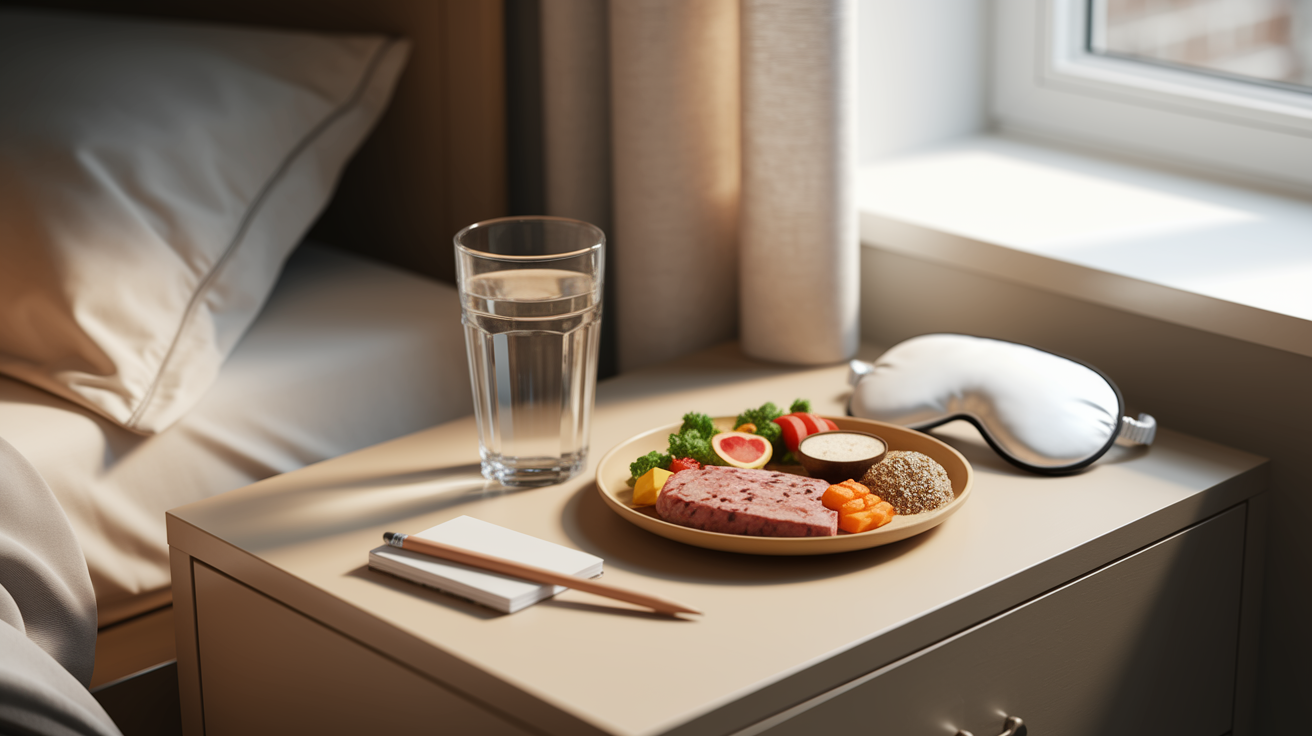
Start with the essentials that give you the biggest return without eating your whole day. Your baseline is sleep, water, and a plate that makes sense. Get seven to eight hours each night. Sleep deficiency isn’t just about feeling tired, it raises your risk for obesity, depression, heart disease, kidney disease, stroke, and getting hurt at work. Drink about four to six cups of water daily. Losing even one to two percent of your hydration messes with your ability to think straight. Build your main meals around protein, vegetables, and a whole grain, then throw one or two healthy snacks in your bag when you know the day’s going to run long.
Pick two or three daily micro habits that cover movement, nutrition, and something that resets your brain. Adults need at least one hundred fifty minutes of moderate activity per week plus two strength sessions, but you can break that into short bursts. A ten minute bodyweight circuit counts. So does a brisk walk around the block. Pair those movement blocks with quick mental practices like three to ten minutes of guided breathing, which actually reduces stress and improves sleep according to research. Choose actions that fit the time you have, not the time you wish you had.
Schedule those habits into your actual day using time blocking and habit stacking. Open your calendar and mark two to four non negotiable fifteen to thirty minute wellness appointments each week. Then stack new behaviors onto routines you already do without thinking. After your morning coffee, drink a glass of water. After lunch, take a five minute walk. After you brush your teeth at night, do five to ten minutes of breathing or stretching. Pairing the new habit with something you already do takes almost no extra time and removes the decision fatigue that kills consistency.
High impact micro habits (five to fifteen minutes):
- Five deep breathing cycles as soon as you wake up
- Drink two hundred fifty to three hundred milliliters of water after brushing your teeth
- Ten minute brisk walk at lunch or midday
- Five minute mobility session or desk stretches mid afternoon
- Ten minute bodyweight circuit (squats, push ups, planks)
- Five to ten minutes of guided meditation before bed
Morning Wellness Habits for Busy Schedules

Mornings set the tone for stable energy and clear thinking, so use the first fifteen to thirty minutes before you leave. Start with hydration. Drink a glass of water right after brushing your teeth to replace what you lost overnight and wake up your digestion. If you’ve got five extra minutes, add a short set of mobility stretches or a few deep breathing cycles to boost circulation and lower baseline stress before your commute. These small resets cost almost no time but compound throughout the day.
Your breakfast should be fast and built to hold you until lunch without a crash. Overnight oats you prepped the night before, a hard boiled egg with fruit, or a quick smoothie with protein powder and greens all work. If mornings are truly chaotic, batch prep three or four grab and go options on the weekend so you never skip the meal. Pair your breakfast with your water glass, and you’ve already hit two wellness wins before you walk out the door.
Optional ten to fifteen minute morning ritual:
- Drink two hundred fifty milliliters of water immediately upon waking.
- Complete five minutes of light stretching or yoga (child’s pose, cat cow, hip openers).
- Eat a simple balanced breakfast (protein, fiber, and a piece of fruit).
- Take three to five slow, deep breaths while standing near a window or outside.
- Review your top three priorities for the day to set your mental focus.
Evening Wind‑Down Habits to Support a Sustainable Wellness Routine

A twenty to sixty minute wind down before bed improves sleep quality more than any supplement or sleep tracker. The goal is to signal to your body that the work portion of the day is over and rest is coming. Start by setting a screen cut off time, at least thirty minutes before you want to fall asleep, and turn off notifications so your phone stops pulling your attention. Even a ten minute buffer makes a measurable difference in how quickly you fall asleep and how deeply you stay under.
Use that buffer time for low stimulation activities that calm your nervous system. Dim the lights in your space, light a candle if you like the ritual, and do something slow. Read a few pages of a physical book, journal about your day, or sip herbal tea. If your mind is still wired, try a three to ten minute guided breathing session. Research from 2021 shows that brief mindfulness practices before bed improve sleep quality and reduce next day stress.
Keep your wind down simple enough that you can repeat it even on your busiest nights. Consistency matters more than perfection. Even a shortened version (screen off, lights low, five minutes of slow breathing) will help your body learn the bedtime cue. Over two to three weeks, this routine becomes automatic and your sleep will improve without requiring any extra willpower.
Easy evening actions:
- Set a recurring phone alarm thirty minutes before your target bedtime as your wind down cue.
- Turn off work notifications and set your phone on silent or in another room.
- Switch to warm, dim lighting or use a small lamp instead of overhead lights.
- Spend five to ten minutes on a calming activity: breathing exercises, light stretching, journaling, or reading.
Quick Movement Practices to Build a Wellness Routine on Limited Time

You don’t need an hour long gym session to meet the weekly movement target. Two ten minute movement blocks per day or three twenty to thirty minute sessions spread across the week will get you to one hundred fifty minutes of moderate activity. On the busiest days, set a timer every sixty to ninety minutes and take a five to ten minute walk or do a quick set of desk friendly stretches. Standing hip circles, seated spinal twists, or calf raises. These micro breaks keep your heart rate from flatlining all day and reduce the stiffness that builds from sitting.
When you have a bit more time, use a ten to fifteen minute bodyweight circuit at home or in your office. Pick three to five exercises (squats, push ups, planks, lunges, or glute bridges) and repeat the circuit twice. Keep rest periods short, and try to keep your heart rate elevated for at least ten continuous minutes. That single block counts as meaningful activity, and doing it three times per week alongside your daily micro breaks will easily hit the one hundred fifty minute guideline plus your twice weekly strength work.
7 Minute Small Space Circuit
This circuit requires no equipment and fits into a corner of your living room, bedroom, or office. Complete each exercise for the listed duration, moving immediately to the next with minimal rest. If you have fourteen minutes, run through the circuit twice.
| Exercise | Duration | Space Needed |
|---|---|---|
| Bodyweight squats | 2 minutes | 2 × 2 feet |
| Push ups (standard or on knees) | 2 minutes | 6 × 3 feet |
| High knees or marching in place | 1 minute | 2 × 2 feet |
| Plank hold (forearms or hands) | 1 minute | 6 × 2 feet |
| Jumping jacks or step outs | 1 minute | 3 × 3 feet |
Smart Nutrition Shortcuts to Support a Busy Wellness Lifestyle
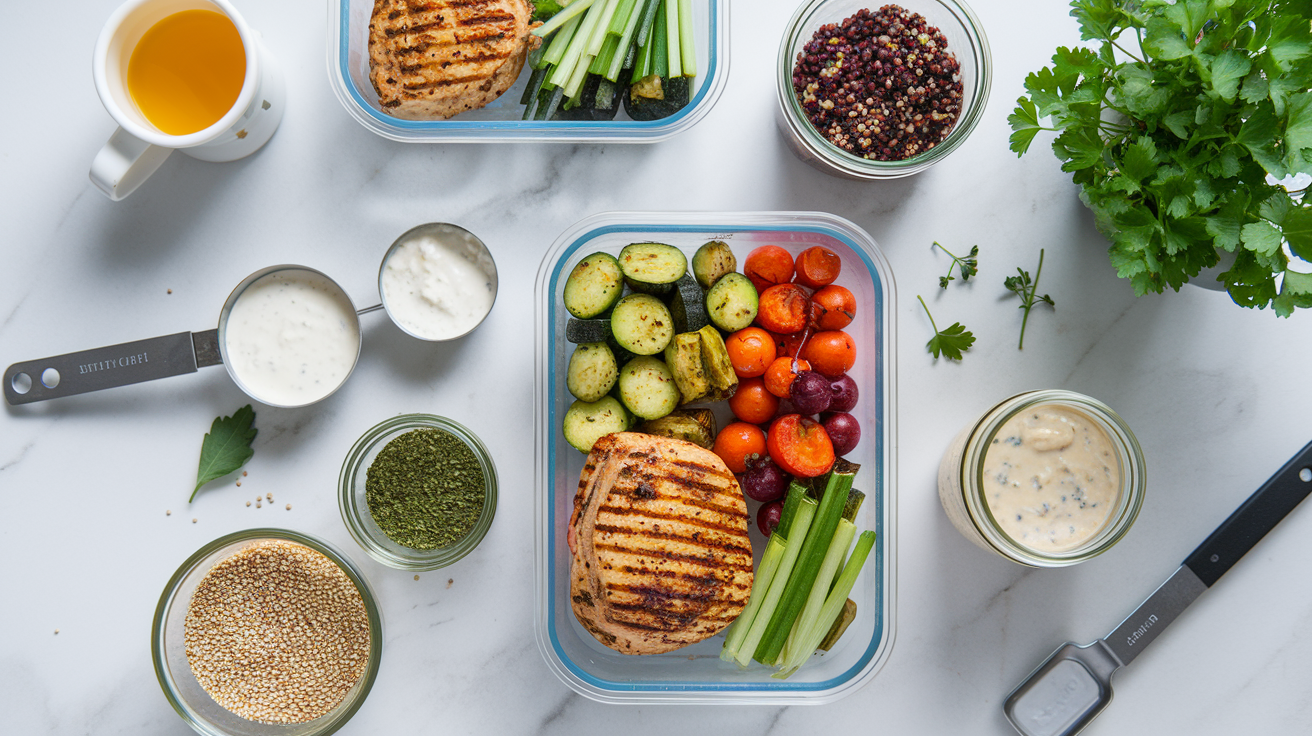
Batch prep on the weekend to eliminate daily decision fatigue and reduce your reliance on fast food. Spend sixty to ninety minutes cooking two or three simple recipes. Grilled chicken breast, roasted vegetables, a big pot of quinoa or brown rice, and a batch of overnight oats. Portion everything into containers so you can grab a balanced meal in under two minutes on weekday mornings. When your fridge is already stocked with protein, fiber, and whole grains, skipping meals or choosing unhealthy options becomes way less likely.
Build each plate with a simple framework. Protein, vegetables, and a whole grain or starchy vegetable. A serving of grilled salmon, a cup of roasted broccoli, and half a cup of quinoa checks all the boxes and takes less than five minutes to assemble if the components are already cooked. Pack one or two healthy snacks for long days. A handful of almonds, an apple with a tablespoon of peanut butter, or carrot sticks with hummus so low blood sugar doesn’t derail your afternoon energy.
When time is truly tight, use meal shortcuts that still deliver nutrition. Rotisserie chicken from the grocery store, pre washed salad greens, microwaveable brown rice pouches, and frozen vegetable blends all save prep time without sacrificing quality. The goal is consistency, not Instagram worthy plating. If your weekly routine includes five home prepared meals and two snack packs, you’re already ahead of most busy schedules.
Time saving nutrition tactics:
- Prep three breakfast options on Sunday (overnight oats, hard boiled eggs, smoothie freezer packs).
- Roast a large sheet pan of mixed vegetables to use across multiple meals.
- Cook a double batch of grains and freeze half for the following week.
- Pre portion snacks into small containers or bags so you can grab them on your way out.
- Keep a running grocery list on your phone and order online for curbside pickup to save shopping time.
Mindfulness and Stress Management Within a Busy Schedule
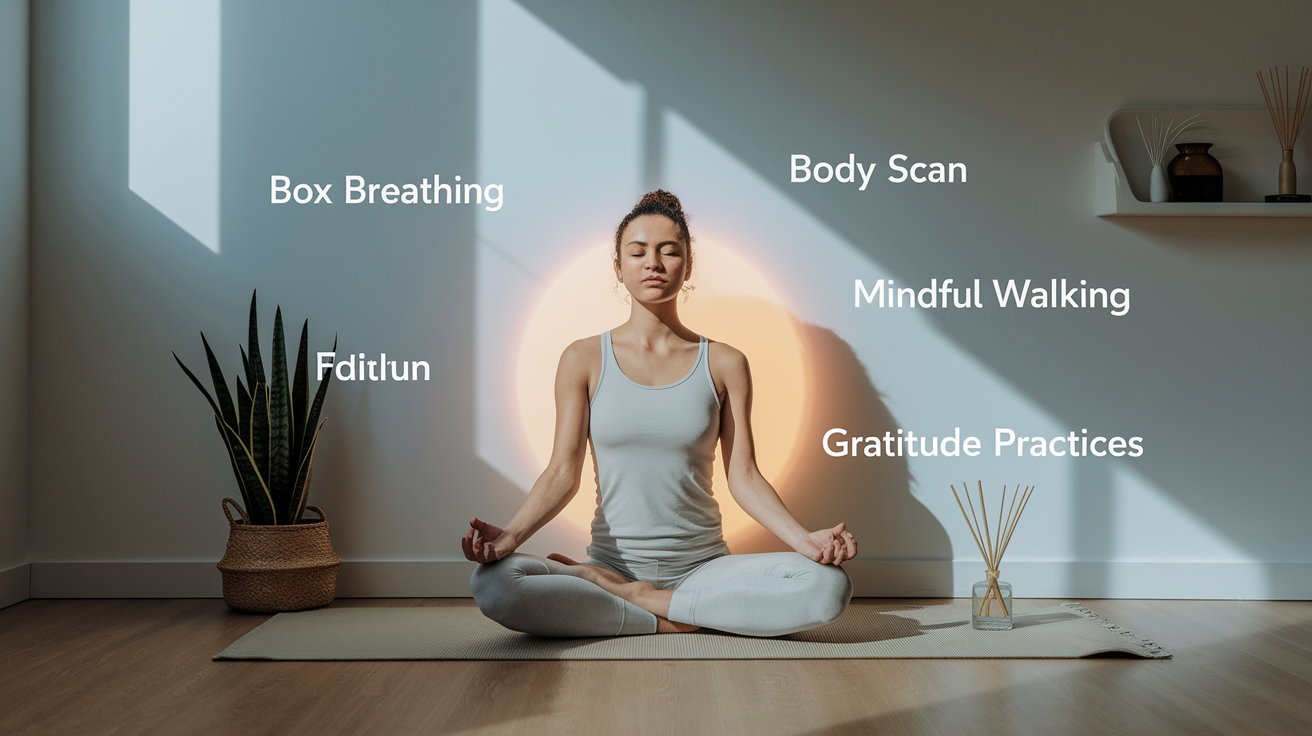
Brief mindfulness sessions reduce stress, improve focus, and help you sleep better, even when you can only spare three to ten minutes. Start with a simple breathing exercise. Set a timer for five minutes, sit comfortably, and count four slow counts in through your nose, hold for four, then exhale for six. When your mind wanders (and it will) just notice it and bring your attention back to the count. That single practice lowers your heart rate and resets your nervous system faster than scrolling your phone ever will.
If structured breathing feels too rigid, try a guided audio session from a mindfulness or sleep app. Most offer options as short as three minutes, and the voice cues make it easier to stay focused when your brain is already overloaded. Use these micro sessions strategically. Three minutes of deep breathing before a stressful meeting, a ten minute midday reset during lunch, or a five minute body scan before bed. The format matters less than the consistency. Doing it daily, even briefly, trains your stress response to calm down faster over time.
Four fast mindfulness practices:
- Box breathing (four minutes): Inhale for four counts, hold for four, exhale for four, hold for four. Repeat for ten cycles.
- Guided body scan (five to ten minutes): Use a free app or audio track to mentally relax each muscle group from head to toe.
- Mindful walking (five minutes): Step outside and focus only on the sensation of your feet hitting the ground and the rhythm of your breath.
- Gratitude pause (two minutes): Before bed, name three specific things that went well today, no matter how small.
Habit‑Stacking and Scheduling Methods that Keep Wellness Routines Consistent

Habit stacking removes the need for motivation by linking a new behavior to an action you already do automatically. After you pour your morning coffee, drink a full glass of water. After you finish lunch, take a five minute walk around the block or your office. After you wash your face at night, spend five to ten minutes on breathing exercises or stretching. The existing habit becomes the trigger, so you don’t have to remember or decide. You just follow the sequence.
Calendar blocking takes this one step further by assigning specific times to wellness activities as if they were work meetings. Open your calendar right now and mark two to four fifteen to thirty minute appointments labeled “Movement,” “Meal prep,” or “Wind down” for the coming week. Treat those blocks as non negotiable. If something tries to bump them, reschedule the wellness slot immediately rather than deleting it. This simple tactic increases adherence because the time is already claimed before other demands flood in.
Combine stacking and blocking for maximum consistency. Block thirty minutes every Monday, Wednesday, and Friday morning for a quick workout, then stack a post workout protein snack and water refill as the next automatic step. Over two to three weeks, the entire sequence becomes a single routine that requires almost no conscious effort to maintain, even when your schedule gets chaotic.
Six habit stacking examples:
- After brushing your teeth in the morning, drink two hundred fifty milliliters of water.
- After your first sip of coffee, complete five deep breaths while standing near a window.
- After finishing lunch, take a five minute walk or do five minutes of desk stretches.
- After arriving home from work, change into comfortable clothes and do a ten minute movement session.
- After dinner, pack tomorrow’s lunch and snacks.
- After washing your face at night, spend five to ten minutes on guided breathing or journaling.
Sample Micro Schedule for Five Weekdays
This framework assumes a standard work schedule. Adjust start times to match your actual day.
Monday, Wednesday, Friday:
- 6:30 AM: Drink water plus five minute stretching
- 7:00 AM: Balanced breakfast (protein, fruit, whole grain)
- 12:30 PM: Five minute walk after lunch
- 6:00 PM: Fifteen minute bodyweight circuit or brisk walk
- 9:30 PM: Screen off, five minute breathing, lights low by 10:00 PM
Tuesday, Thursday:
- 6:30 AM: Drink water plus three deep breathing cycles
- 7:00 AM: Grab and go breakfast (overnight oats or hard boiled egg with fruit)
- 12:30 PM: Ten minute walk or desk mobility session
- 6:00 PM: Meal prep for next day (ten to fifteen minutes)
- 9:30 PM: Screen off, light reading or journaling, bed by 10:00 PM
Templates for Customizing Wellness Routines for Different Lifestyles

No two schedules look alike, so your wellness routine needs to flex with your actual life. Parents often have narrow windows when children are asleep or occupied, so five to ten minute movement bursts in the morning and quick batch prep sessions in the evening work better than trying to carve out an uninterrupted hour. Busy professionals can use walking meetings, two short movement blocks during the workday, and a ten minute evening wind down to meet baseline needs without adding commute time to a gym. Students benefit from breaking study sessions with ten minute active intervals and batch cooking two or three simple recipes at the start of the week so nutrition doesn’t fall apart during exams.
The key is matching the format to your constraints, not forcing a template that assumes free time you don’t have. If mornings are your calmest window, front load hydration, movement, and a solid breakfast. If evenings are less rushed, save your longer meal prep or workout session for after work. On weekends, add one sixty to ninety minute block for grocery shopping, batch cooking, or a longer outdoor activity with family to set up the coming week.
Start with the template closest to your lifestyle, then adjust based on what actually happens in your day. Track which time slots you consistently hit and which ones you skip, then move the skipped habits to a different part of your schedule or shorten them until they stick. Flexibility and small wins build the foundation for a routine that lasts longer than two weeks.
| Lifestyle | Morning | Midday | Evening | Weekend |
|---|---|---|---|---|
| Parents | 5–10 min mobility plus hydration plus quick breakfast | 10 min walk with kids or solo micro break | 10–15 min batch prep, 5 min breathing after kids’ bedtime | 60–90 min outdoor family activity plus meal prep block |
| Busy Professionals | 15 min workout or two 10 min movement blocks | 15 min scheduled walk (solo or walking meeting) | 10 min wind down meditation, screen off by 9:30 PM | 60–90 min meal prep, one longer workout or active outing |
| Students | Hydration plus quick breakfast, 5 min breathing | 10 min movement break between study blocks | 10–15 min batch prep or pack tomorrow’s meals | Batch cook 2–3 recipes, one active break (hike, sport, long walk) |
Realistic Goal‑Setting and Tracking for Busy Wellness Routines
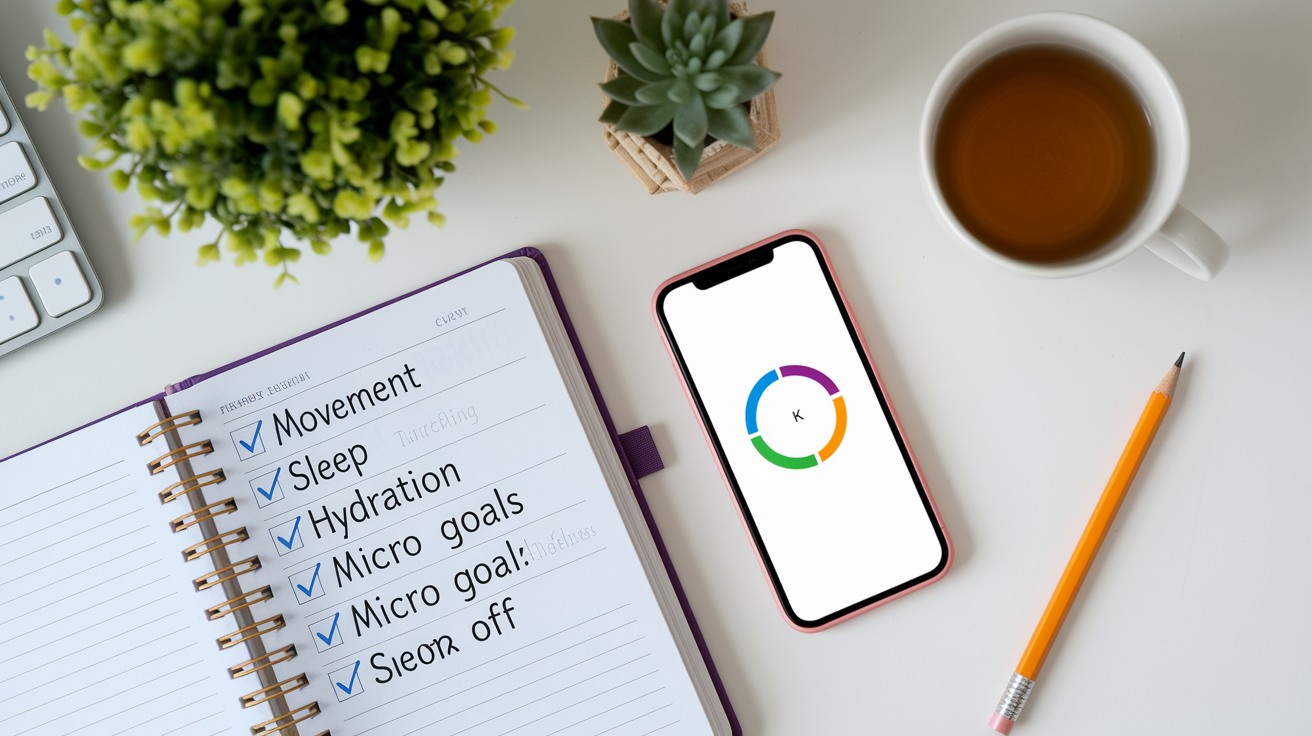
Set measurable, time bound targets so you know whether your routine is actually working. Aim for one hundred fifty minutes of moderate activity per week, two strength sessions, seven to eight hours of sleep per night, and four to six cups of water daily. Those numbers give you clear yes or no data points at the end of each week. If you hit the targets, your routine is sustainable. If you consistently miss them, adjust the format or shrink the goals until they fit your real schedule.
Start with micro goals for the first two to four weeks, especially if you’re building from zero. Commit to one five minute action each day. One glass of water upon waking, one ten minute walk at lunch, one five minute breathing session before bed and track your streak. Once that micro habit runs on autopilot for two weeks, layer in the next one. Trying to overhaul your entire day at once almost always fails within a week. Stacking one small win at a time builds a foundation that holds under pressure.
Track progress using the simplest method that you’ll actually use. A paper checklist taped to your bathroom mirror, a note in your phone, or a basic habit tracking app all work. Focus on process metrics (did I do the ten minute walk today, did I drink my morning water) rather than outcome metrics like weight or resting heart rate in the first month. Small wins in consistency predict long term results better than any single measurement, and celebrating those wins keeps you moving forward when motivation dips.
Four goal setting steps:
- Write down one specific, measurable target for each category (movement, sleep, hydration, nutrition, and mental reset).
- Break each target into the smallest daily action that moves you toward it (for example, ten minutes of movement per day to reach one hundred fifty minutes per week).
- Choose one tracking method and commit to logging your daily actions for fourteen consecutive days.
- Review your tracking data at the end of two weeks, celebrate what worked, and adjust what didn’t before adding the next micro habit.
Adapting Your Wellness Routine to Seasons, Travel, or Life Changes

Your routine will break during travel, illness, busy work seasons, and unexpected life events. That’s normal. The goal is to maintain a flexible minimum rather than abandoning everything when conditions aren’t perfect. When you travel, keep three core habits. Drink water as soon as you wake up, take one ten minute walk or hotel room bodyweight session each day, and do three to ten minutes of breathing before bed. Those three actions cost almost no time, require no equipment, and prevent the total reset that makes it hard to restart when you get home.
Seasonal changes affect your energy and schedule, so adjust your routine to match. In winter, shorter daylight hours and colder weather may shift your outdoor walks indoors or move your workout to midday when natural light is strongest. In summer, early morning or late evening movement sessions help you avoid peak heat. If your work has predictable busy seasons, plan a simplified routine in advance. Two fifteen minute movement blocks and batch prepped meals instead of trying to maintain your full off season schedule. Knowing the lighter version ahead of time removes the guilt and decision fatigue when the chaos hits.
When life interrupts your routine for more than a few days, restart with your smallest micro habit and rebuild from there. Don’t try to jump back in at full intensity. Pick one action (morning hydration, a five minute walk, or evening breathing) and do only that for three to five days until it feels automatic again. Then add the next habit. This approach prevents the all or nothing thinking that turns a one week break into a six month gap.
Adaptation tactics:
- Pack a resistance band or use hotel furniture for travel strength sessions (chair dips, bed assisted push ups, wall sits).
- Download two or three guided meditation or bodyweight workout videos to your phone before you leave so you don’t need Wi Fi.
- Set a daily reminder to drink water first thing, even if every other habit falls away.
- During busy seasons, commit to your wind down routine only. Consistent sleep will carry you through better than sporadic intense workouts.
Final Words
Start with the essentials: set a sleep baseline, aim for steady hydration, and make meals that pair protein + veg + whole grain. These core steps steady your energy fast.
Pick 2–3 micro-habits (5–15 minutes) for movement, nutrition, and a mental reset, then lock them into your day with short time blocks or habit-stacking. Use the morning and evening rituals and quick movement options we covered.
This guide shows how to build a wellness routine for busy schedules in small, repeatable steps—add one micro-habit today and watch the momentum grow.
FAQ
Q: How do I build a time-efficient wellness routine?
A: Building a time-efficient wellness routine means starting with a sleep baseline, aiming for 4–6 cups of daytime fluids, and a simple plate of protein + veg + whole grain, then adding short micro-habits.
Q: What are good micro-habits for busy days?
A: Good micro-habits for busy days are 5–15 minute actions like a short walk, mini strength set, protein-rich snack, 5-minute breathing break, quick stretch, and a water reminder.
Q: How do I schedule and stack wellness habits so they stick?
A: Scheduling and stacking wellness habits means blocking 15–30 minute appointments on your calendar and attaching new actions to existing routines, like drinking water after coffee or a walk right after lunch.
Q: What should a quick morning routine include?
A: A quick morning routine should include 250–300 ml water, 5–10 minutes of mobility or breathwork, and a grab-and-go breakfast that balances protein, whole grain, and fruit or veg for steady energy.
Q: How can I wind down in the evening to improve sleep?
A: To wind down, aim for 20–60 minutes of low-light calm time, stop screens earlier, do a short breathing or relaxation practice, and keep bedtime consistent to support better sleep quality.
Q: What’s a simple 7-minute small-space circuit?
A: A simple 7-minute small-space circuit includes squats (45 seconds), push-ups (45 seconds), plank (45 seconds), with 15-second rests—repeat once for a stronger session and still fit it into tight spaces.
Q: How much weekly activity and strength training should I aim for?
A: You should aim for about 150 minutes a week of moderate activity and two weekly strength sessions to meet health targets and lower risks like heart disease and mood issues.
Q: What quick nutrition shortcuts help on busy weeks?
A: Quick nutrition shortcuts are batch-cooking, building plates of protein + veg + whole grain, pre-packed healthy snacks, and avoiding skipped meals to reduce fast-food temptation and steady energy.
Q: What short mindfulness tools work when you only have minutes?
A: Short mindfulness tools that work in minutes include 3–10 minute guided audios, box breathing, body-scan mini sessions, and single-focus breaks to lower stress and improve sleep.
Q: How do I set realistic wellness goals and track progress?
A: Setting realistic wellness goals means choosing measurable targets like sleep hours or 150-minute weekly activity, using 2–4 week micro-goals, and tracking small wins like energy, steps, or reps.
Q: How can I keep my routine when traveling or during seasonal changes?
A: Keeping a routine while traveling or in season shifts means doing short walks, hotel bodyweight workouts, keeping 3–10 minute mindfulness, and adjusting light exposure to support sleep and mood.