
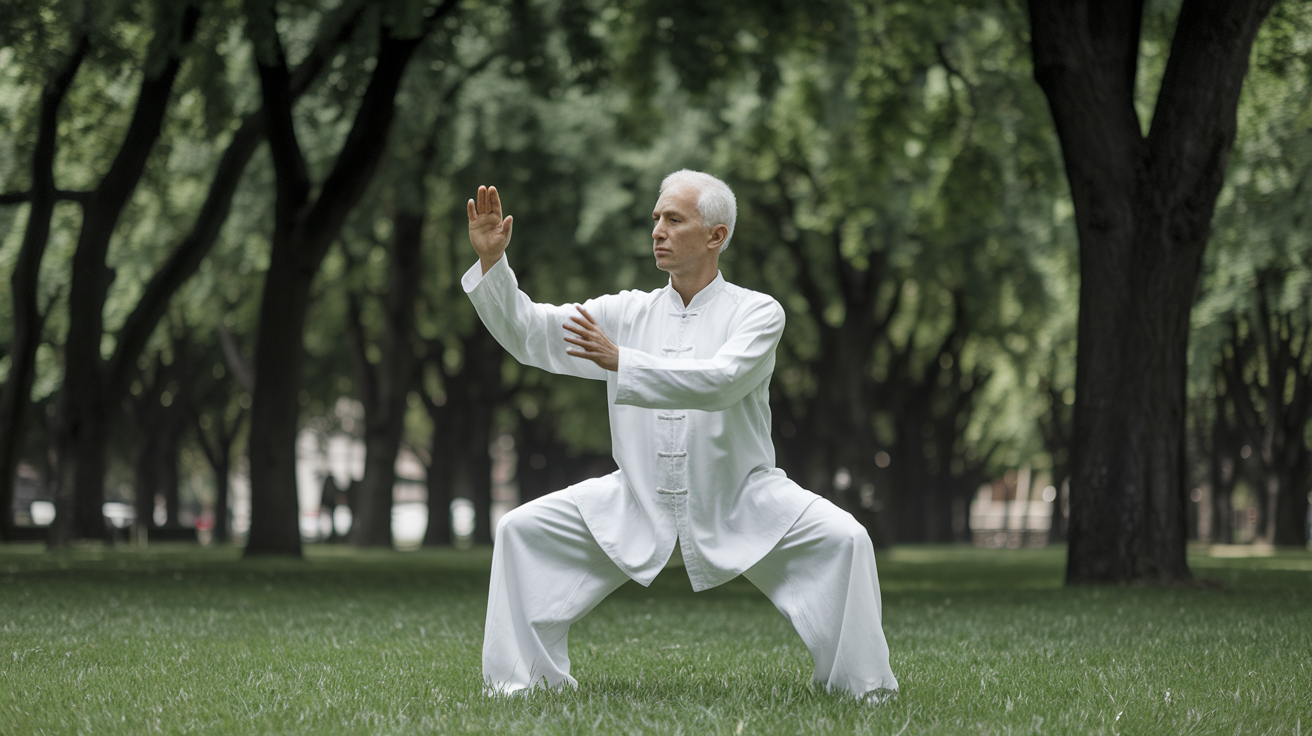
What if moving slowly could be the best thing you do for achy knees and stiff hips?
If you wake stiff in the morning, dread stairs, or feel a nagging joint ache after walking, you’re not imagining it.
Tai chi is a gentle, low-impact practice that guides joints through smooth range-of-motion, builds balance and stabilizer strength, and calms the stress that tightens muscles.
Together these effects can lower pain and stiffness naturally and make daily tasks easier.
This piece shows how tai chi helps, what to try first, and a simple 7-day start plan.
Core Ways Tai Chi Improves Joint Health
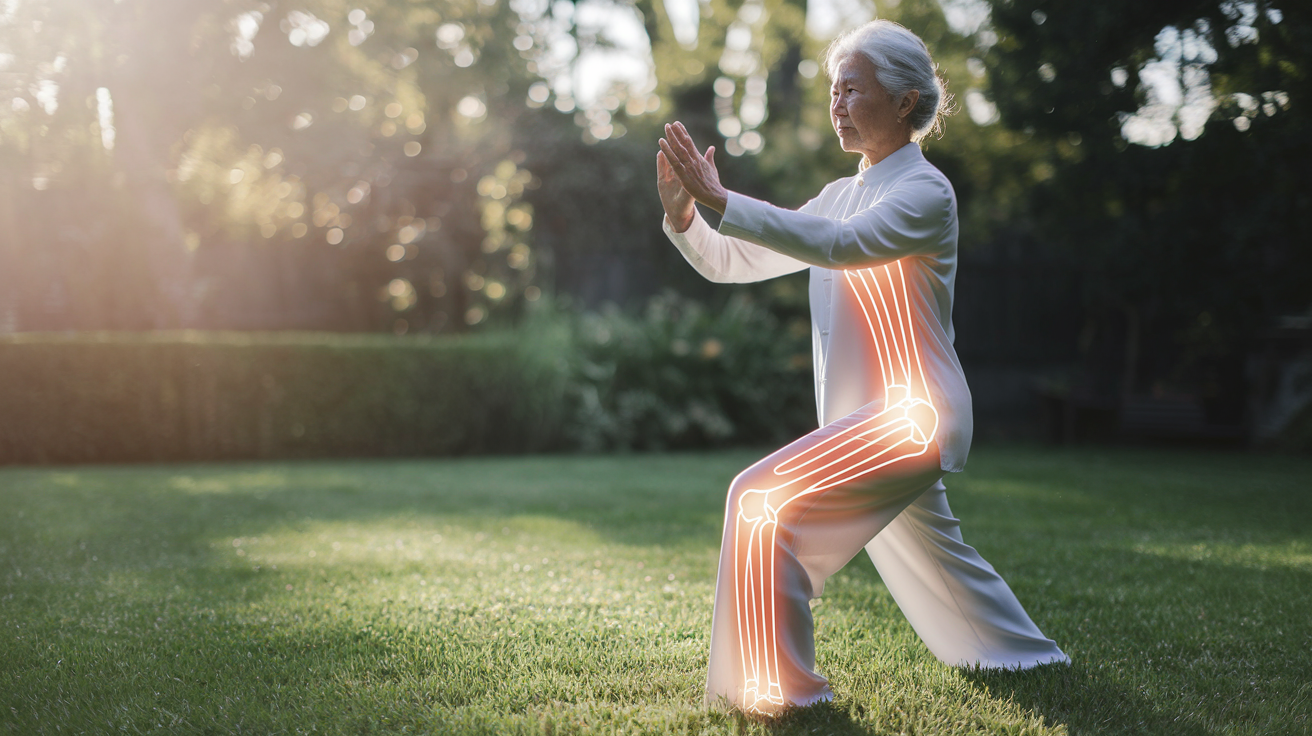
Tai chi supports joint health through three pathways that work together: it reduces mechanical stress, sharpens postural control, and promotes whole-body relaxation. The slow, continuous movements guide your joints through their full range without sudden compression or twisting. This helps lubricate cartilage and keeps tendons flexible. At the same time, the focus on even weight distribution and symmetry reduces abnormal loading patterns that can speed up wear on one side of a knee or hip.
On the physiological side, tai chi activates your body’s relaxation response through controlled breathing and mindful movement. This calms your nervous system, may lower cortisol over time, and improves circulation to joint tissues. Better blood flow delivers oxygen and nutrients while helping clear metabolic waste that can contribute to stiffness. The combination of gentle movement and stress reduction also supports pain coping, making everyday tasks feel more manageable.
Clinical research backs up what people notice in practice. A randomized controlled trial published in The Journal of Rheumatology in 2003 showed that a 12 week tai chi program improved symptoms, physical function, and balance in older women with osteoarthritis. Reviews from the National Center for Complementary and Integrative Health (March 2022) and Harvard Medical School (May 2022) both highlight tai chi as a safe, evidence-supported option for joint pain and mobility. Measurable improvements in pain scores, stiffness, and functional tasks like walking and stair climbing often appear within 8 to 12 weeks when people practice consistently.
Biomechanical Tai Chi Benefits That Reduce Joint Strain
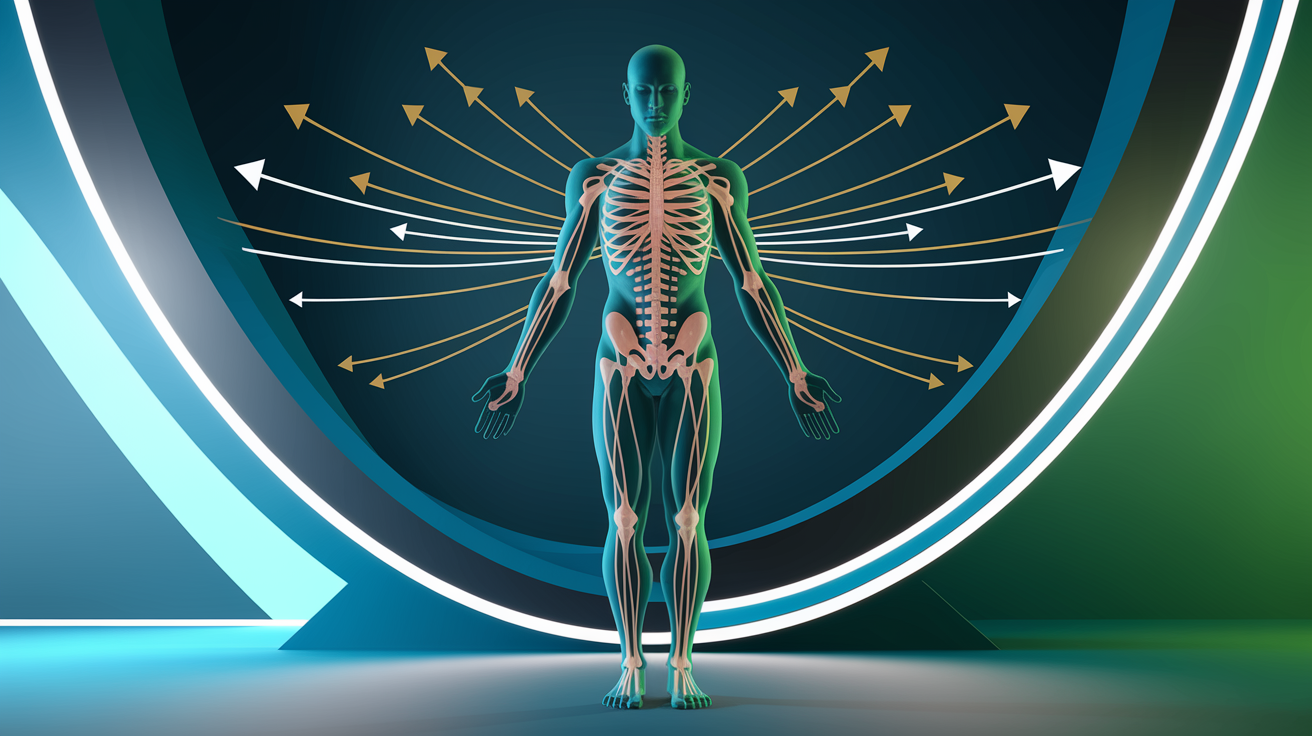
Tai chi trains your body to move as a connected system rather than isolating single joints under pressure. Every movement starts from your core and flows outward, which distributes force across larger muscle groups instead of concentrating it in vulnerable spots like your knees or lower back. The slow pace lets you fine tune alignment with each step, retraining balance reflexes and building strength in the small stabilizer muscles around your ankles, hips, and spine.
Weight shifting drills (like the ones in movements such as “Brush Knee and Push”) teach your legs to share load evenly and transition smoothly from one foot to the other. This reduces the shock and uneven compression that can irritate cartilage or inflame tendons. Over time, improved proprioception (your sense of where your body is in space) means fewer awkward steps, stumbles, or compensatory twists that put extra strain on already sensitive joints.
Key biomechanical benefits include:
Restored alignment. Corrects posture imbalances that cause one joint to bear more weight than it should.
Smooth weight transitions. Reduces sudden impact and uneven loading during movement.
Strengthened stabilizer muscles. Builds support around joints without high impact force.
Improved range of motion. Gently stretches soft tissues and maintains cartilage health through full, controlled arcs.
Enhanced balance and proprioception. Lowers fall risk and prevents abrupt, strain inducing missteps.
Physiological Tai Chi Benefits Supporting Joint Comfort

Chronic stress and elevated cortisol can amplify pain signals and slow tissue repair. Tai chi’s slow, rhythmic breathing activates your parasympathetic nervous system, which counteracts the fight or flight response and may help lower cortisol levels over time. When your body spends less time in a tense, guarded state, muscles around your joints relax. That reduces the pulling and compression that can worsen stiffness.
Improved circulation is another quiet benefit. The continuous, flowing movements act like a gentle pump for blood and lymph, helping flush metabolic byproducts from joint tissues and delivering fresh oxygen and nutrients. Better fluid exchange can ease the tight, achy feeling many people notice first thing in the morning or after sitting for long periods. Combined with the mental calm that comes from focused, meditative movement, these physiological shifts support your body’s natural capacity to manage discomfort and recover from daily wear.
Tai Chi Benefits for Arthritis and Degenerative Joint Conditions

People living with osteoarthritis often describe a frustrating cycle. Joint pain discourages movement, lack of movement increases stiffness, and stiffness makes the next attempt to move even harder. Tai chi interrupts that loop by offering movement that feels safe and manageable. Clinical trials in older adults with knee osteoarthritis have shown that structured 12 week programs reduce pain, improve balance, and make functional tasks like walking and climbing stairs easier. The gentle, repetitive nature of the practice keeps joints mobile without triggering the sharp discomfort that can come with higher impact exercise.
Rheumatoid arthritis and other inflammatory joint conditions benefit from tai chi’s low impact, adaptable structure. During flare ups, movements can be scaled back or performed seated. Between flares, regular practice helps maintain range of motion and muscle support around inflamed joints. The stress reduction component is especially relevant here, since emotional stress can worsen inflammatory symptoms and pain perception.
Degenerative joint disease and chronic knee pain both respond well to the alignment and muscle strengthening elements of tai chi. By correcting posture imbalances and building strength in the feet, glutes, and core, tai chi reduces abnormal forces on worn cartilage and supports long term joint preservation.
| Condition | Common Symptoms | How Tai Chi Helps |
|---|---|---|
| Osteoarthritis | Chronic pain, stiffness, reduced range of motion | Improves flexibility, reduces pain, supports functional mobility |
| Rheumatoid Arthritis | Joint inflammation, swelling, fatigue | Maintains movement during flares, reduces stress, preserves range of motion |
| Degenerative Joint Disease | Progressive cartilage loss, instability, pain with activity | Strengthens stabilizers, corrects alignment, slows abnormal wear |
| Chronic Knee Pain | Persistent ache, difficulty with stairs, balance issues | Builds leg and core strength, improves weight distribution, enhances balance |
Tai Chi Movements That Support Joint Flexibility and Strength

Specific tai chi forms offer repeatable patterns that target balance, alignment, and controlled weight shifts. The Yang 24 form (also called the short form) and Sun style are both widely taught and well suited for people with joint concerns. Sun style, in particular, uses higher stances and smaller steps, making it easier on the knees while still delivering strength and flexibility benefits.
Individual movements train your body in ways that translate directly to daily function. “Wave Hands Like Clouds,” for example, gently rotates your torso and shifts weight side to side, lubricating your hips and spine without forcing deep bends. “Brush Knee and Push” rehearses the kind of coordinated leg and core work you use when standing from a chair or stepping onto a curb. “Part the Horse’s Mane” opens your chest, stretches your shoulders, and challenges your balance as you transition from one leg to the other, all at a pace that lets you adjust if something feels off.
Helpful joint supportive movements include:
“Wave Hands Like Clouds” for gentle torso rotation and weight shifting that helps your hips and spine.
“Brush Knee and Push” for coordinated leg strength and knee control during transitions.
“Part the Horse’s Mane” for shoulder flexibility, balance, and even weight distribution.
Single leg weight shifts that build ankle and hip stability while improving proprioception.
Knee lifts that strengthen hip flexors and glutes without impact.
Qigong balance drills for focused work on feet, core, and postural alignment.
Modifications and Adaptive Tai Chi Techniques for Sensitive Joints
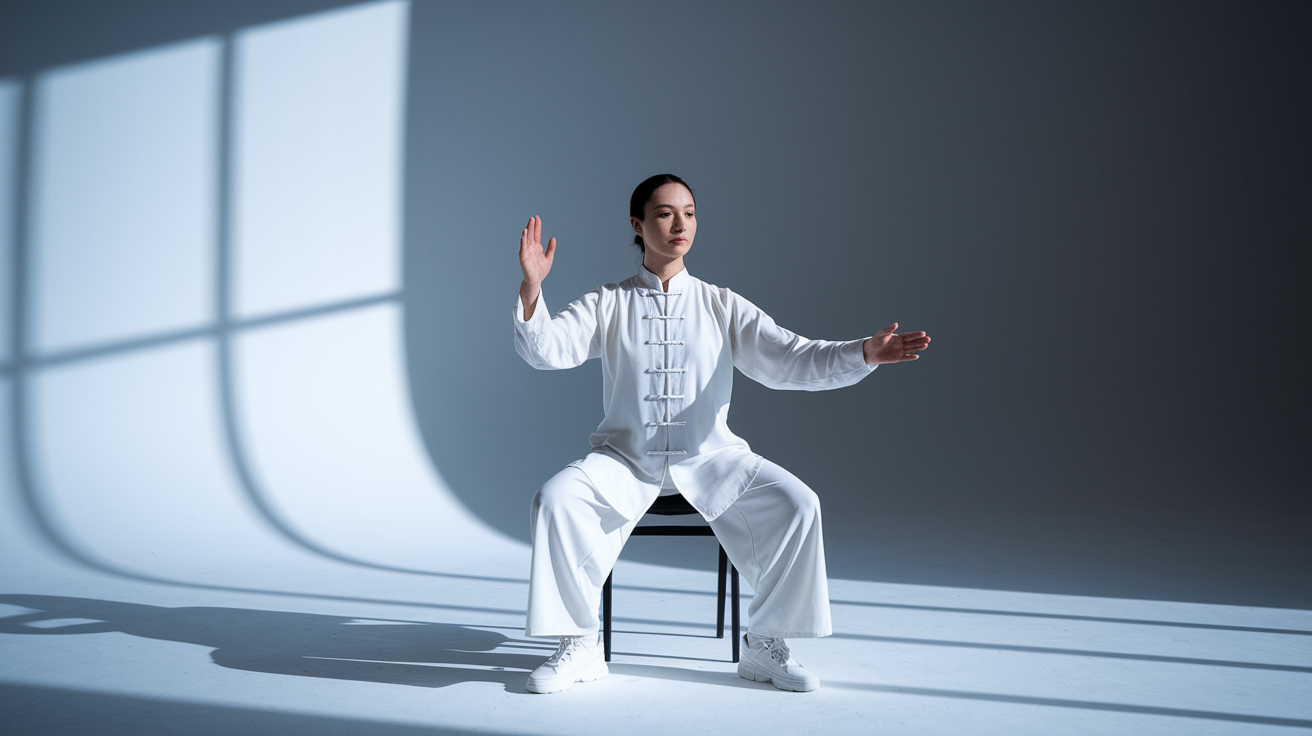
You don’t need full mobility to start tai chi. Chair based versions let you practice seated, focusing on upper body flow, breathing, and gentle torso movement while your legs rest. This is a common entry point for people with severe knee osteoarthritis, recent joint replacement, or balance concerns. As strength and confidence build, you can progress to standing practice with a chair or handrail for support.
If deep knee bends or twisting feel uncomfortable, simply reduce the range. Many instructors teach “small frame” variations that keep movements compact and upright. You can also slow the pace even further, giving yourself extra time to adjust alignment and avoid any position that triggers sharp pain. The goal is continuous, flowing movement within your current capacity, not forcing your joints into shapes they aren’t ready for.
Other common adaptations include using wider stances for better stability, practicing on a non slip surface, and breaking longer forms into shorter segments. If a full 20 minute session feels like too much at first, try 5 to 10 minutes and gradually extend the duration as your joints adapt.
Common modifications for sensitive joints:
Seated or chair supported practice for balance or severe pain.
Reduced range of motion, meaning smaller steps and shallower bends.
Slower transitions to allow time for alignment adjustments.
Handrail or wall support during weight shifting drills.
Safety Considerations for Practicing Tai Chi with Joint Issues

Tai chi is considered low risk, but a few situations call for extra caution. If you’re recovering from joint replacement surgery, wait until your surgeon and physical therapist clear you for weight bearing exercise and provide guidance on range of motion limits. During an acute inflammatory flare, when a joint is hot, swollen, or significantly more painful than usual, rest or very gentle, seated movement is usually a better choice than a full practice session.
People with uncontrolled cardiovascular disease, severe osteoporosis with fracture risk, or significant joint instability should consult their health care provider before starting. In most cases, tai chi can be adapted to fit your needs, but a quick conversation with your doctor or physical therapist ensures the program matches your current condition and doesn’t interfere with other treatments. Many clinical tai chi programs include an evaluation by a physician or PT before the first session, and that model offers a helpful safety net if you’re unsure where to begin.
Comparing Tai Chi to Other Low Impact Exercises for Joint Health
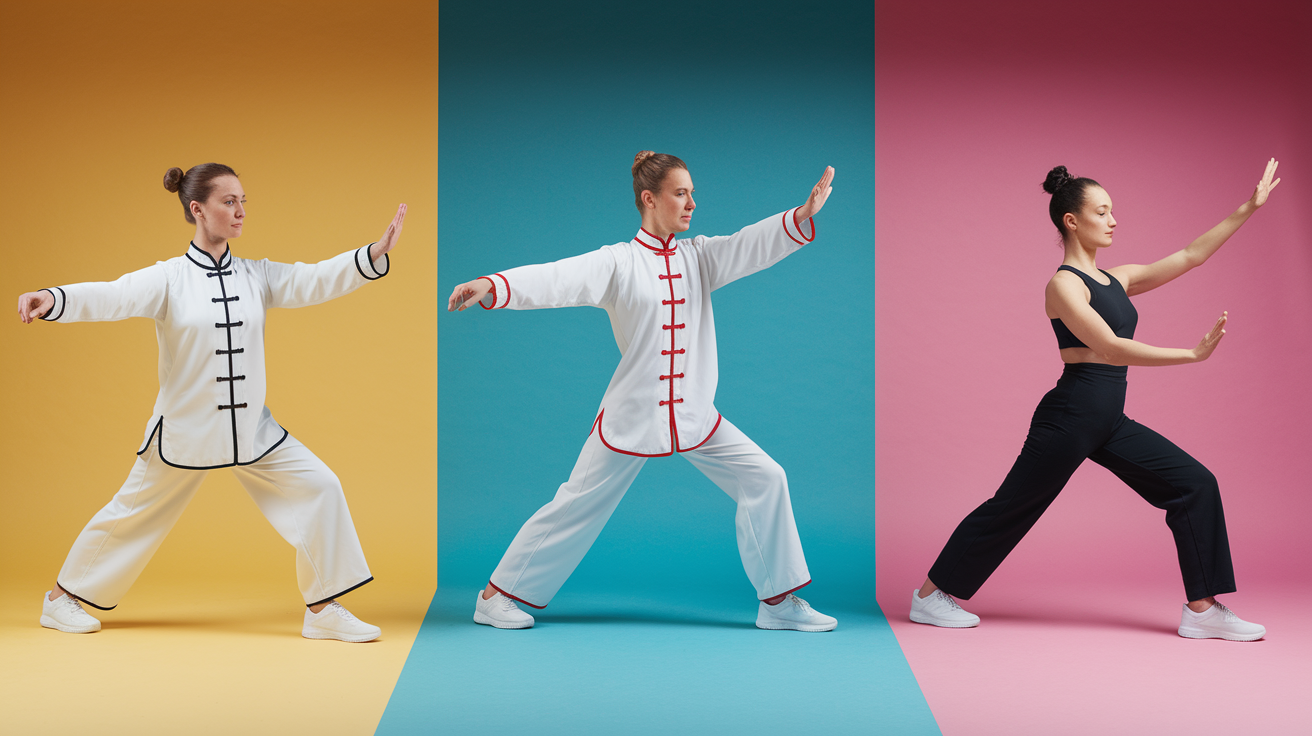
Tai chi shares some common ground with swimming, cycling, and yoga. All are low impact and easier on joints than running or jumping. But tai chi stands out for its focus on balance, proprioception, and whole body integration. While swimming removes gravity and takes pressure off your knees and hips, it doesn’t train the kind of upright stability you need for walking, standing from a chair, or catching yourself if you start to stumble. Tai chi does.
Cycling builds leg strength and cardiovascular fitness without pounding your joints, but it doesn’t emphasize alignment correction or upper body mobility. Yoga improves flexibility and can be adapted for joint issues, though some poses involve deep knee flexion or sustained weight bearing on wrists that may not work for everyone. Tai chi’s flowing, upright movements and emphasis on even weight distribution make it especially practical for people who want better balance and functional strength alongside joint relief.
Harvard Medical School’s 2022 review notes growing evidence for tai chi as a complementary therapy, and its stress reduction benefits often exceed what people experience from purely physical exercises. That said, tai chi isn’t a complete replacement for targeted strength training if you have significant muscle weakness, and it won’t provide the cardiovascular conditioning of brisk walking or cycling. The best approach for most people is combining tai chi with other appropriate activities to cover strength, aerobic fitness, and flexibility.
| Exercise | Impact Level | Key Joint Benefits | Limitations |
|---|---|---|---|
| Tai Chi | Very low | Balance, alignment, proprioception, stress reduction | Limited cardiovascular intensity, slower strength gains |
| Swimming | Zero (buoyancy) | Full body movement, no joint compression | Doesn’t train upright balance or functional stability |
| Cycling | Very low | Leg strength, cardiovascular fitness | Limited upper body work, less alignment correction |
| Yoga | Low to moderate | Flexibility, balance, mindfulness | Some poses require deep flexion or wrist weight bearing |
Evidence Based Tai Chi Practice Guidelines for Joint Health
Clinical trials that demonstrated measurable joint health improvements typically used programs of 2 to 3 sessions per week, with each session lasting 20 to 60 minutes. If you’re just starting, 10 to 15 minutes is a reasonable first step. As your body adapts and movements start to feel more natural, you can extend sessions and add a third weekly practice. Consistency matters more than intensity. Three short sessions spread across the week will serve your joints better than one long, exhausting attempt followed by days of rest.
Most research programs run for 12 weeks, and that’s when participants often report noticeable changes in pain, stiffness, and function. You may feel some benefits sooner (better relaxation, easier movement during practice) but give your joints time to respond. Cartilage, tendons, and muscle patterns don’t shift overnight. If you’ve been living with chronic joint pain or stiffness, 12 weeks of steady practice is a fair trial period to see whether tai chi makes a meaningful difference for you.
Structured progression helps, too. Start with basic weight shifting drills and simple forms, then gradually add complexity, longer holds, or more challenging balance work as your strength and confidence build. If you’re working with an instructor, they can pace the progression to match your joints’ tolerance. If you’re using videos or online programs, listen to your body and repeat foundational movements until they feel smooth before moving on to harder sequences.
Beginner Friendly Weekly Plan to Improve Joint Health with Tai Chi

A simple 8 to 12 week plan gives your joints time to adapt and lets you track real changes in pain, stiffness, and function. The goal is gradual, sustainable progress, not rushing through forms or pushing past sharp discomfort.
Weeks 1 to 2. Practice 2 to 3 times per week for 10 to 15 minutes. Focus on seated or supported movements if balance is an issue. Work on slow breathing, gentle weight shifts, and basic arm circles. This phase is about getting comfortable with the rhythm and noticing how your body responds.
Weeks 3 to 4. Increase to 3 sessions per week, 15 to 20 minutes each. Add simple standing movements like “Wave Hands Like Clouds” or basic weight transfers from foot to foot. Use a chair or wall for balance support if needed.
Weeks 5 to 6. Continue 3 sessions per week, extending to 20 to 30 minutes. Introduce one or two short form sequences and practice transitioning between movements smoothly. Notice whether your joints feel looser before or after practice.
Weeks 7 to 9. Maintain 3 sessions per week, 25 to 35 minutes. Start reducing reliance on chair support if balance has improved. Add movements that challenge your range of motion gently, like “Part the Horse’s Mane” or single leg weight shifts.
Weeks 10 to 12. Keep practicing 3 times per week, aiming for 30 to 45 minutes per session. By now, you should be able to complete a short form with minimal breaks. Assess your progress. Compare pain levels, ease of movement, and functional tasks like walking or climbing stairs.
Beyond 12 weeks. If you notice real improvement, continue with 2 to 3 sessions per week for maintenance. You can explore longer forms, different styles, or group classes to keep the practice engaging and continue building joint strength and flexibility.
Final Words
You’ve seen how tai chi eases joint strain through gentle, aligned movement, better circulation, and stress reduction—so joints move easier and feel less stiff.
The post also covered condition-specific gains, safe adaptations for sensitive joints, and evidence that many people notice improvements in about 12 weeks. Plus a simple weekly plan to get started.
Try a few short sessions, stay consistent, and check with a clinician if you’re unsure. The tai chi benefits for joint health come from small, steady practice—so keep going; you can feel better.
FAQ
Q: Does tai chi build your joints back?
A: Tai chi doesn’t rebuild joint cartilage, but tai chi supports joint health by reducing pain, improving strength, balance, mobility, and circulation, which can slow degeneration and ease daily movement.
Q: What happens if you do tai chi every day?
A: Doing tai chi every day often improves balance, flexibility, joint comfort, and stress levels; short daily sessions (10–30 minutes) build consistency, but start slowly and rest if joints feel swollen or very painful.
Q: Is 20 minutes of tai chi enough?
A: Twenty minutes of tai chi can be enough to gain benefits if done regularly; aim for three sessions a week, and gradually increase to 30–60 minutes as fitness and tolerance improve.
Q: Is yoga or tai chi better for arthritis?
A: Neither is universally better for arthritis; tai chi is often gentler and helps balance and joint load, while yoga can improve flexibility and strength—choose the one you enjoy or try both with gentle modifications.