

Forget the latest 30-day overhaul.
Big swings often burn you out.
Small, daily steps are the ones that actually move the needle.
If you swap refined carbs for whole grains, add a few minutes of movement, drink a glass of water on waking, and shift bedtime 15 minutes earlier, you’ll feel steadier in days, not months.
This post lays out simple, realistic actions across food, sleep, movement, hydration, and stress you can start today and repeat tomorrow.
Core Steps to Improve Overall Wellness Right Now
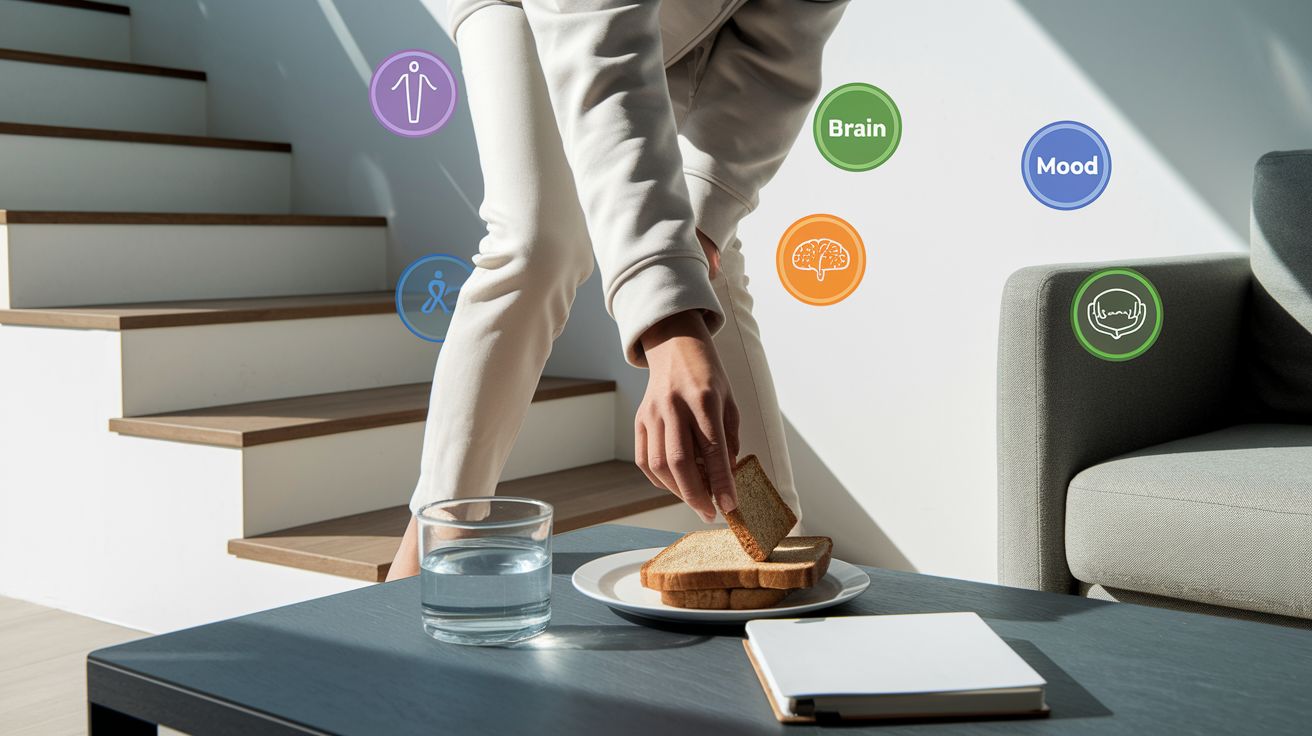
The clearest path to feeling better? A handful of daily actions that touch every part of your health. Body, brain, mood, rest. These aren’t complex protocols or month-long challenges. They’re specific steps you can start today and repeat tomorrow. Each one works alone. Together, they create the kind of momentum that actually shifts how you feel week to week.
-
Swap refined grains for whole versions. Choose whole-grain bread, brown rice, whole-wheat pasta, and whole-grain crackers. This one change adds fiber and steadies your blood sugar without extra effort.
-
Move more by taking the stairs. Skip the elevator when you can. Climbing stairs raises your heart rate, strengthens your legs, and counts toward a 10,000-step daily goal. Even if you only do two flights.
-
Go to bed 15 minutes earlier tonight. Adults need seven or more hours. Nudging your bedtime earlier, even in small increments, improves long-term heart health and helps you wake up less groggy.
-
Take a 10-minute de-stress break. Set a timer and do something you actually enjoy. Read a chapter, listen to music, sit with a pet, or take a few slow, deep breaths. Short breaks lower stress hormones and may improve your immune response.
-
Drink a big glass of water first thing in the morning and another with every meal. This simple rhythm supports digestion, sharpens brain performance, and keeps your energy steadier throughout the day.
-
Do a crossword, Sudoku, or quick puzzle. Mentally challenging activities protect brain health and are linked to lower dementia risk. A few minutes counts.
-
Check your posture right now. Straighten your back, tuck your stomach, put your feet flat on the floor, and uncross your legs. Small adjustments prevent back pain, neck strain, and repetitive injuries, especially if you sit most of the day.
-
Stretch for a few minutes before or after exercise. Or just between tasks. Regular stretching maintains mobility, reduces injury risk, and helps with balance. Balance work like Tai Chi can markedly cut your risk of falls.
Start with the easiest one on this list. Add one extra serving of nonstarchy vegetables tomorrow. Replace one sugary drink with water. Set your bedtime alarm 15 minutes earlier tonight. Each small increment stacks. You don’t need to change everything at once. You just need to pick one step, prove to yourself it fits, then layer in the next.
Building Wellness Through Balanced Nutrition and Meal Planning Steps
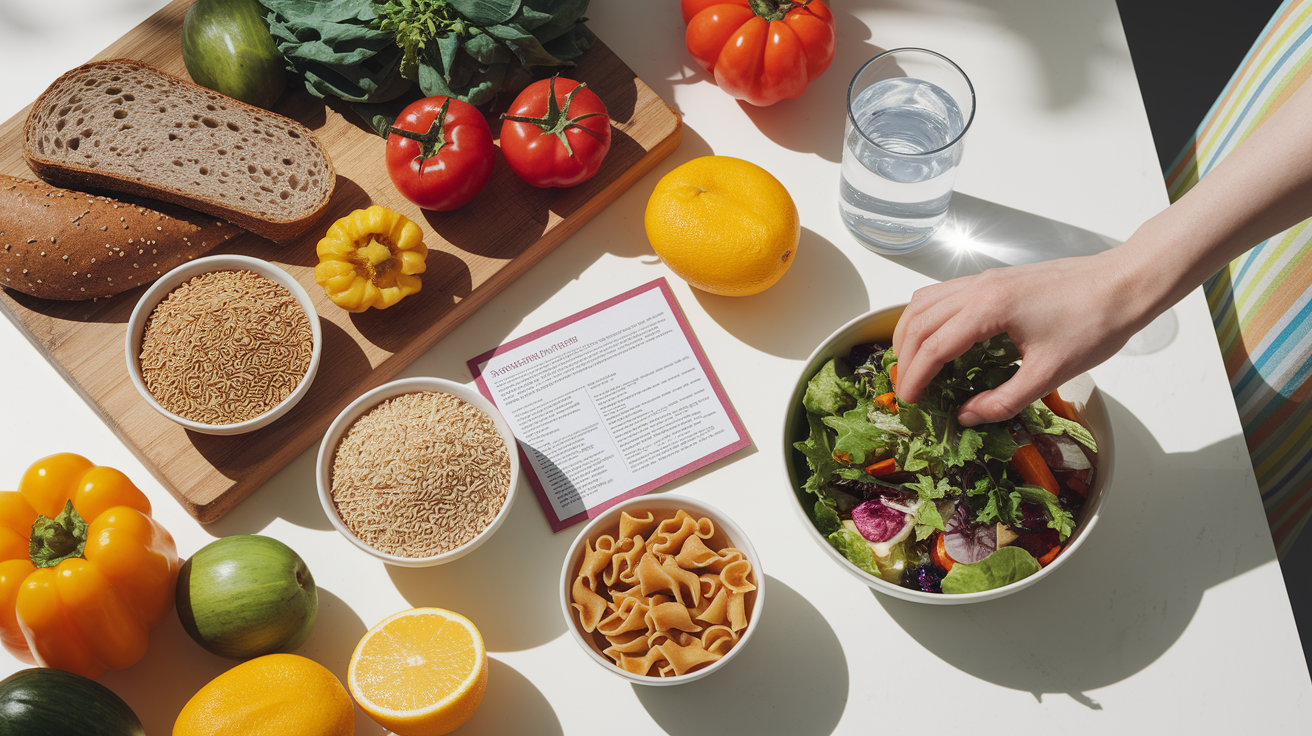
What you eat drives how you feel hour to hour and year to year. Good news: you don’t need a meal plan written by a nutritionist to make real progress. A few targeted swaps give you more nutrients, steadier energy, and lower risk of chronic disease. Without throwing out your entire grocery list or cooking routine.
Start by upgrading your carbohydrate sources. Trade white bread for whole-grain bread, white rice for brown rice, and regular pasta for whole-wheat pasta. Choose whole-grain crackers instead of the refined versions. These swaps add fiber, which slows digestion, keeps you fuller longer, and supports gut health. Next, look at your protein. Use skinless poultry and lean cuts of meat. This simple step cuts saturated fat without requiring you to learn new recipes.
The fastest win? The one-drink swap. Replace one sugary drink each day with a tall glass of water. If you drink two sodas, drop one. If you have sweetened iced tea every afternoon, swap it for plain water or water with a squeeze of lemon. This single change cuts added sugar and improves hydration at the same time.
For snacking, keep it simple:
- A handful of almonds or cashews instead of chips
- One whole piece of fruit (apple, orange, or banana) instead of candy
- Carrot sticks with a few tablespoons of hummus instead of crackers
- Unsalted nuts or seeds to get nutrients and prevent the 3 p.m. vending-machine run
- Dark leafy greens (spinach, kale, collards) as an easy extra vegetable serving. They’re high in fiber and low in calories.
Portion awareness matters, especially with calorie-dense foods like nuts. A palm-sized portion is enough to get the benefits without overdoing it. Plan one or two meals ahead each week so you have the ingredients on hand. Batch-cook a pot of brown rice or roast a sheet pan of vegetables on Sunday, and you’ve already reduced your reliance on processed convenience foods for the next few days.
Steps to Improve Overall Wellness Through Quality Hydration and Electrolyte Balance

Your body needs water to digest food, think clearly, and keep your energy steady. Most people wait until they’re thirsty, but by then you’re already behind. A hydration routine removes the guesswork and builds the habit into your day before you have to think about it.
Drink a big glass of water as soon as you wake up. Your body’s been without water for seven or eight hours, and this morning glass kick-starts digestion and circulation. Then drink another glass with every meal. Breakfast, lunch, and dinner. That’s four glasses built into your day without tracking ounces or downloading an app. If you replace one sugary drink with water each day, you’ve added hydration and cut added sugar in the same move.
Three hydration targets that work:
- One glass on waking (roughly 8–12 ounces)
- One glass with each meal (three more throughout the day)
- One extra glass mid-afternoon if you’re active, it’s hot, or you had caffeine
Smart snacking supports hydration, too. Nuts and seeds (almonds, walnuts, cashews, peanuts, sunflower seeds) give you nutrients and help prevent cravings for salty, processed snacks that can leave you thirsty and sluggish. Stick to a palm-sized portion because they’re calorie-dense. But the payoff is real: steadier energy and less afternoon grazing.
Sleep Routine Steps That Support Overall Wellness

Adults need at least seven hours of sleep each night. If you’re getting six or less, you’re increasing your risk of heart attack and stroke over time. The fix isn’t complicated, but it does require you to protect your bedtime the same way you protect your morning alarm.
Start by going to bed 15 minutes earlier tonight. If your usual bedtime is 11:30, aim for 11:15. Do that for a few nights, then move it to 11:00 if you need more sleep. Small shifts are easier to stick with than trying to suddenly sleep an hour earlier. Keep your wake-up time consistent. Even on weekends. Your circadian rhythm relies on regularity, and a steady schedule improves how quickly you fall asleep and how rested you feel in the morning.
Build a short evening wind-down routine. An hour before bed, dim the lights, put your phone in another room, and do something quiet. Read a chapter, stretch for five minutes, or sit and breathe slowly for a few rounds. This signals your body that it’s time to shift gears. Avoid screens and bright overhead lights during this window. Both interfere with melatonin production and make it harder to fall asleep.
If you want to add a short nap, keep it under 30 minutes and schedule it in the early afternoon. Ideally between 1:00 and 3:00 p.m. A study published in January 2021 in General Psychiatry found that nappers who kept naps short and infrequent (no more than four times per week) performed better on cognitive tests. Set a timer so you don’t oversleep and wake up groggy.
Four steps to better sleep:
- Move your bedtime 15 minutes earlier and keep it there for at least a week.
- Set the same wake-up time every day, including weekends.
- Dim lights and avoid screens for the last hour before bed.
- If napping, limit it to under 30 minutes in the early afternoon and use a timer.
Daily Movement Steps to Improve Overall Wellness

Your body’s built to move. It responds quickly when you give it regular activity, even in small doses. You don’t need a gym membership or an hour-long workout. What matters most is that you move every single day and find ways to break up long stretches of sitting.
Daily movement improves blood flow, delivers more oxygen to your brain and muscles, strengthens your bones, and reduces your risk of injury. A morning walk counts. Walking your dog counts. Taking the stairs instead of the elevator raises your heart rate, works your lower body, and contributes to a 10,000-step daily goal. If your office is on the third floor, skip the elevator. If you live in a building, take the stairs when you’re carrying light bags. Each flight adds up.
Micro-Movement Ideas
You can add meaningful activity without carving out extra time. Micro-movements are short bursts you layer into tasks you’re already doing. For example, when you brush your teeth, draw your lower stomach in and hold it tight for 30 seconds to engage your core. When you stand up from your desk, sit back down and stand up again. This “stand twice” habit doubles your movement in that moment.
- Do 10 air squats while you wait for coffee to brew.
- Perform 10 push-ups against the kitchen counter before breakfast.
- Dance across a room instead of walking when you’re alone.
- Take a two-minute walk around your house or office every hour.
Fit these into the gaps in your day. Set a timer to remind yourself to stand and move every 60 to 90 minutes if you work at a desk. The goal isn’t to exhaust yourself. It’s to keep your body awake and your circulation steady throughout the day.
Stress Reduction Steps That Strengthen Overall Wellness

Stress isn’t just a bad feeling. It drives up your heart rate, disrupts your sleep, weakens your immune response, and makes it harder to think clearly. You can’t eliminate every stressor, but you can build a few reliable practices that lower your body’s stress response and give you more control over how you react.
Take a 10-minute de-stress break every day. Set a timer, step away from work, and do one thing you actually enjoy. Read a few pages, listen to a favorite song, sit with a pet, or go outside for a short walk. These breaks reduce stress hormones, and if you do them regularly, they can improve immune function and lower your resting heart rate over time. If 10 minutes feels impossible, start with five. The consistency matters more than the length.
Mindfulness doesn’t require an app or a quiet room. It’s just the practice of noticing what’s happening right now instead of replaying yesterday or worrying about tomorrow. Spend two minutes noticing your breath. How it feels coming in through your nose, filling your chest, and leaving slowly. When your mind wanders (it will), bring your attention back to the breath. That’s the whole practice. Do this once a day, or whenever you feel your shoulders creeping up toward your ears.
Hobbies reduce stress by giving your brain something engaging and enjoyable to focus on. A study published in September 2023 in Nature Medicine found that people with hobbies reported better overall health and mood. The hobby doesn’t have to be impressive. Gardening, building models, woodworking, brewing tea, making soap, assembling puzzles. Buy a beginner kit with instructions and materials included, and try it for a week. If it feels good, keep going. If it doesn’t, try something else.
Breathwork Techniques
Controlled breathing slows your heart rate and shifts your nervous system out of fight-or-flight mode. Alternate-nostril breathing is simple and effective. Close one nostril with your finger or thumb, and breathe slowly through the open nostril for about five to ten breaths. Then switch sides and repeat. A variation: inhale through one nostril with the other closed, switch your finger to the opposite nostril, and exhale through that side. Keep alternating. Inhale left, exhale right, inhale right, exhale left. For a few minutes.
- Practice five to ten slow breaths per nostril when you feel tension building.
- Use alternate-nostril breathing before bed to wind down.
- Try a simple count: inhale for four, hold for four, exhale for six.
Write down your stressors once a week. List what’s bothering you and one small action you can take to change your reaction or the situation. This isn’t journaling for reflection. It’s a practical stress log that helps you see patterns and take one concrete step instead of spinning.
Cognitive and Emotional Wellness Steps for Overall Well-Being

Your brain needs regular workouts just like your muscles do. Mentally stimulating activities (crosswords, Sudoku, chess, card games) are linked to lower dementia risk. Novelty helps, too. Try brushing your teeth with your nondominant hand, take a different walking route, or rearrange a drawer. These small disruptions force your brain to adapt and build new connections.
Journaling supports mental health by giving you a place to process what you’re feeling without judgment. You don’t need to write essays. A few sentences about what went well today, what felt hard, or what you’re grateful for is enough. Journaling and creative activities (drawing, painting, collage) were especially helpful during COVID-19 lockdowns, reducing anxiety and building resilience when routines were upended.
| Practice | Benefit |
|---|---|
| Daily crossword or Sudoku | Stimulates cognitive function and may reduce dementia risk |
| Trying new routes or tasks with nondominant hand | Builds cognitive resilience through novelty and adaptation |
| Journaling or art-making | Supports emotional processing and reduces anxiety |
| Gratitude practice (listing 3 things daily) | Improves mood and shifts focus toward positive experiences |
If stress, sadness, or worry persist for more than a few weeks, or if they interfere with daily life, consider talking to a therapist or counselor. Professional support isn’t a last resort. It’s a practical tool for building emotional resilience and learning strategies that work for your specific situation.
Social Connection Steps to Improve Overall Wellness

Loneliness and isolation drive depression, weaken immunity, and increase the risk of cognitive decline. Even brief, regular social contact protects your mental and physical health. You don’t need a packed social calendar. You need at least one meaningful interaction every day.
A phone call with a friend counts. So does an email exchange, a quick chat with a neighbor, or a two-minute conversation with the person at the checkout counter. The content matters less than the connection. Laughter with others reduces stress. Some research even explores “laughter therapy” as a tool for lowering stress hormones and improving mood.
Build a small “social pod” if larger gatherings feel overwhelming. Invite two or three people for regular check-ins, whether that’s a weekly coffee meetup, a standing video call, or a monthly walk. Consistent, low-pressure contact is more valuable than occasional big events.
Three daily connection strategies:
- Call or text one person before lunch. Ask a simple question or share a quick update.
- Say hello to a neighbor, mail carrier, or store employee when you’re out.
- Schedule one recurring social slot each week (same day, same time) so it becomes automatic.
Preventive Health Steps to Support Long-Term Wellness

Preventive care catches problems early, when they’re easier to manage. Maintaining a healthy weight lowers your risk of heart disease, stroke, some cancers, and (for women) pelvic floor disorders and urinary stress incontinence. Regular weigh-ins help you track progress and notice shifts before they become bigger issues.
Ergonomics prevent injury and chronic pain. If you work at a desk, check your setup: straighten your back, tuck your stomach, keep your feet flat on the floor, and uncross your legs. Reposition your monitor so the top of the screen is at or just below eye level. Use a chair with low-back support, and take a short stretch break every hour. These adjustments reduce back pain, neck strain, eye fatigue, and repetitive strain injuries over time.
Schedule routine health screenings even when you feel fine. Early detection makes a significant difference for conditions like high blood pressure, high cholesterol, and certain cancers. Your primary care provider can help you build a screening schedule based on your age, family history, and risk factors.
- Annual physical exam and blood pressure check
- Cholesterol screening (frequency depends on age and risk)
- Cancer screenings (colonoscopy, mammogram, skin check) per guidelines for your age group
Tracking Progress and Maintaining Long-Term Wellness Steps

Sustainable change comes from small, repeatable actions that you can actually do tomorrow and the day after. The wellness steps that stick are the ones that fit into your real schedule, require minimal willpower, and deliver a noticeable benefit within a week or two. Tracking helps you see what’s working and when to adjust.
Use a simple habit tracker. Paper checklist, phone note, or a basic app. Write down the three habits you’re building this week. Check them off each day. At the end of the week, review: Which ones happened most days? Which ones felt hardest? Adjust one thing for next week. Maybe the timing, the size of the habit, or the trigger that reminds you to do it.
SMART goals keep your steps specific and measurable:
- Specific and small: “I will drink a glass of water with breakfast every morning” instead of “I will hydrate more.”
- Measurable: “I will take the stairs at work three times this week” instead of “I will move more.”
- Achievable: “I will go to bed 15 minutes earlier starting Monday” instead of “I will sleep nine hours every night.”
- Relevant: Pick the habit that addresses your most pressing symptom. Low energy, poor sleep, or afternoon sugar crashes.
Set a weekly check-in. Sunday evening or Friday afternoon works for most people. Spend five minutes reviewing your tracker, celebrating what went well, and tweaking one thing for the week ahead. Progress isn’t linear. Some weeks will be easier than others. But the weekly rhythm keeps you course-correcting instead of abandoning the whole plan when life gets busy.
Final Words
Start by picking one of the 8 core steps—nutrition, movement, sleep, de-stressing, hydration, mental stimulation, posture, or stretching—and do one small thing today.
You also have simple meal swaps, hydration targets, a bedtime routine, micro-movements, quick de-stress breaks, social check-ins, and tracking tips. Each piece is meant to fit into a busy day.
Use tiny, repeatable changes (+1 veg, a 10-minute break, 15 minutes earlier to bed). These steps to improve overall wellness are doable — and you’ve got this.
FAQ
Q: What are the 5 C’s of wellness?
A: The 5 C’s of wellness are connection, choice, control, self-care, and consistency—key areas to focus on for better mood, routine, stress management, and lasting healthy habits.
Q: How can you improve your overall wellness?
A: You can improve your overall wellness by adding small wins: one extra vegetable, short daily walks, 10-minute de-stress breaks, go to bed 15 minutes earlier, and swap one sugary drink for water.
Q: What is the 3-3-3 rule in mental health?
A: The 3-3-3 rule is a grounding technique: identify 3 things you see, move 3 body parts, and take 3 deep breaths to bring attention back to the present and reduce overwhelm.
Q: What are the 7 pillars of wellness?
A: The 7 pillars of wellness are physical, emotional, social, intellectual, spiritual, occupational, and environmental wellness—areas to nurture for balanced energy, mood, purpose, and overall health.