

Could that dull, throbbing headache be dehydration and not a migraine?
Dehydration headaches usually hit both sides, feel pulsating, get worse with movement, and often ease within an hour after drinking water.
Look for dry mouth, sudden strong thirst, darker urine, or a headache that started after heavy sweating.
If those fit, sip 16–32 fl oz of water, rest in a cool spot, and check again in 1–2 hours.
This post gives quick signs and simple next steps so you’ll know what to try first.
Core Headache Symptoms That Suggest Dehydration as the Cause
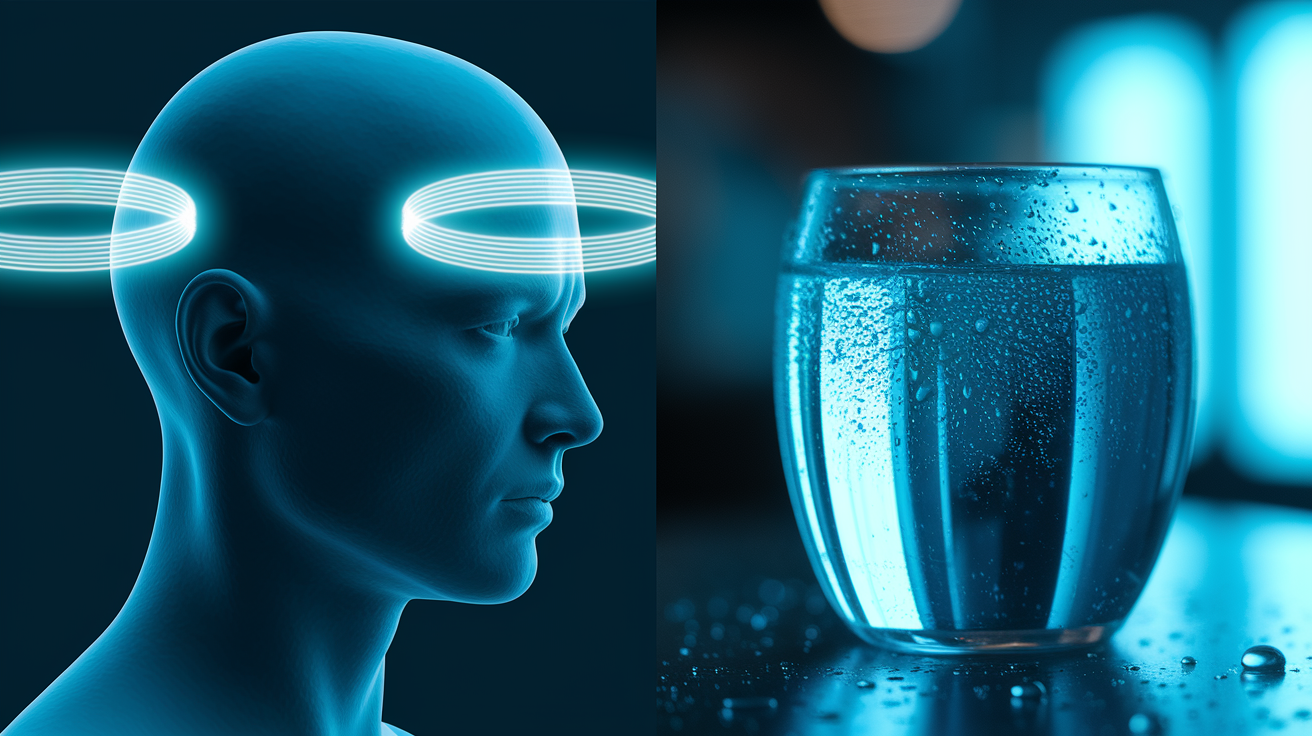
A dehydration headache typically shows up on both sides of your head instead of just one temple or the back of your neck. The pain’s usually throbbing or pulsating, and it gets worse when you move around or stay active. What really sets it apart? How fast it responds to water. You might feel genuine relief within an hour or two of rehydrating.
If you’re wondering whether dehydration’s behind your headache right now, look for these signs alongside the head pain:
Pain gets worse when you move, bend, or walk. Sitting still feels slightly better.
The headache improves after drinking water. You feel the shift within 30 to 60 minutes.
Your mouth feels dry or sticky, even right after you swallow.
You’re suddenly really thirsty, more than usual discomfort.
The headache started after sweating heavily or being in the heat. Timing matters.
Resting in a cool room gives you some relief, even before hydration fully kicks in.
To confirm quickly, drink 16 to 32 fl oz of plain water over the next 20 minutes. About two to four glasses. Then rest somewhere cool and quiet for one to two hours. If the headache starts fading during that window, dehydration was probably the main driver.
How Dehydration Triggers Headaches and Related Symptoms
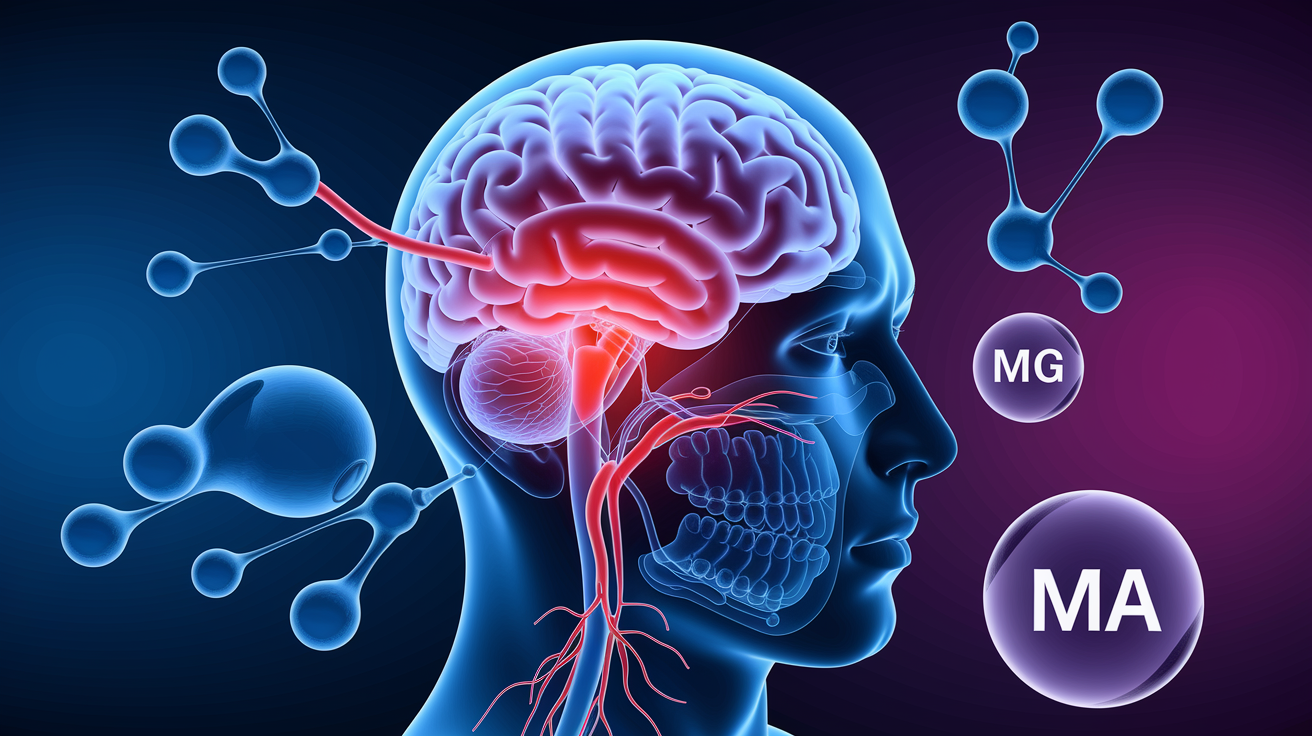
When your body loses more fluid than you’re taking in, your blood volume drops. With less blood circulating, your brain receives slightly less oxygen and fewer nutrients. The blood vessels in your head may narrow or shift in response. That change in blood flow and vessel pressure can trigger the aching, throbbing sensation you recognize as a headache.
Dehydration also disrupts your electrolyte balance. Electrolytes are minerals that help your body hold onto water and keep cells functioning smoothly. When sodium, potassium, or magnesium levels fall, your brain tissue may temporarily shrink or pull slightly away from the skull. It tugs on pain sensitive membranes and sets off head pain.
Medications That Can Increase Dehydration Risk
Several common medications make it easier to become dehydrated and may raise your risk of headaches. Over the counter and prescription laxatives pull water into your digestive tract, leading to fluid loss through bowel movements. Certain headache medications like Excedrin Extra Strength, Excedrin Migraine, and Excedrin Tension Headache contain caffeine, which acts as a mild diuretic and can increase urination. SGLT2 inhibitors used for diabetes management, such as canagliflozin, dapagliflozin, and empagliflozin, cause your kidneys to release more glucose and water into your urine. Prescription diuretics like furosemide and bumetanide are designed to remove excess fluid, but they can tip you into dehydration if you’re not drinking enough. Lithium, used to manage mood disorders, also increases urine output and requires careful hydration monitoring.
Distinguishing Dehydration Headache Signs From Migraine or Tension Pain
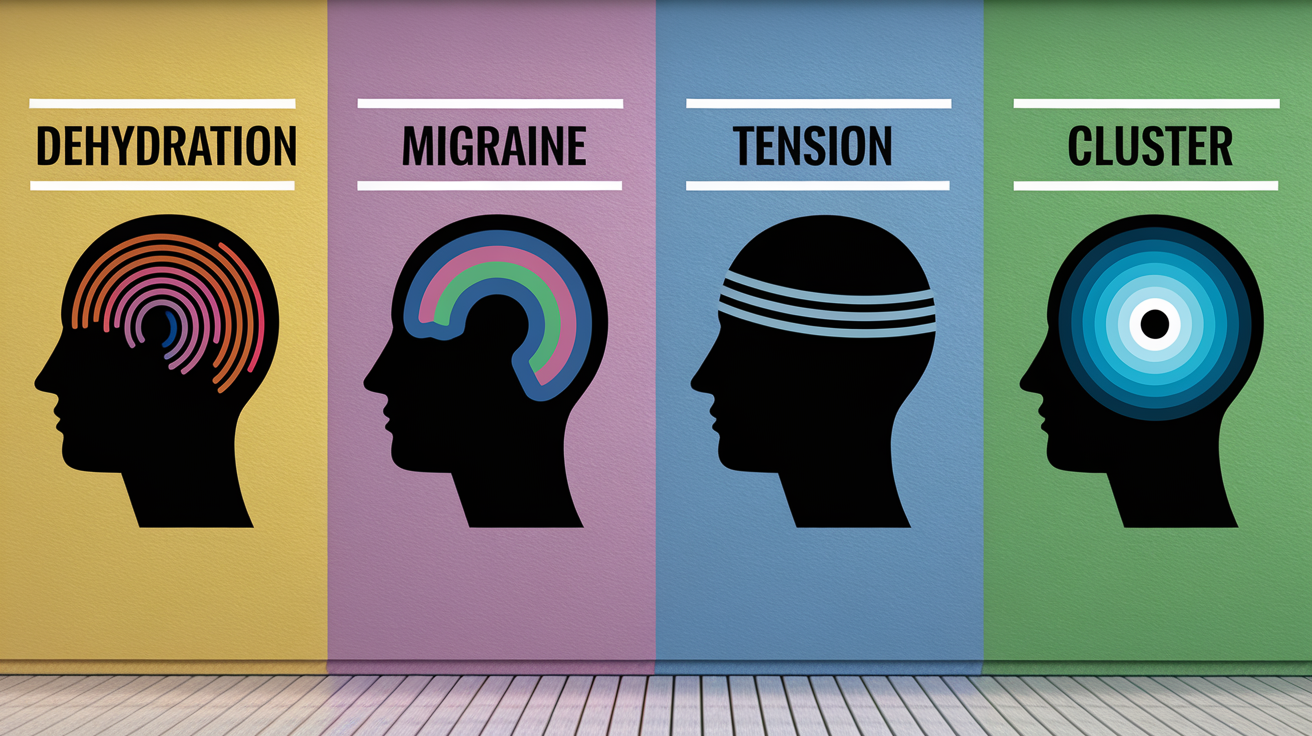
It helps to know which headache pattern you’re dealing with. That tells you what to try first.
| Headache Type | Key Features | Response to Hydration |
|---|---|---|
| Dehydration Headache | Bilateral, throbbing, worsens with activity; often follows heat or sweating | Noticeable improvement within 1–2 hours of drinking 16–32 fl oz water |
| Migraine | Often one sided, severe, with nausea, light/sound sensitivity, possible visual aura | Fluids alone rarely provide full relief; may need migraine specific treatment |
| Tension Type Headache | Bilateral tightness or pressure around forehead/eyes; linked to stress or muscle tension | Modest or no improvement with hydration; benefits more from rest or stretching |
| Cluster Headache | Severe pain around one eye or temple, cyclical timing (often at night); affects about 1% of adults | No improvement with fluids; requires specific medical treatment |
If your headache comes with confusion, extreme drowsiness, or you can’t think clearly, that’s a red flag for severe dehydration. Confusion means your brain isn’t getting enough fluid or electrolytes to function normally. You should seek medical care right away. Dehydration headaches can feel intense, but they don’t typically cloud your thinking unless dehydration is advanced.
Visual and Measurable Signs That Support a Dehydration Headache
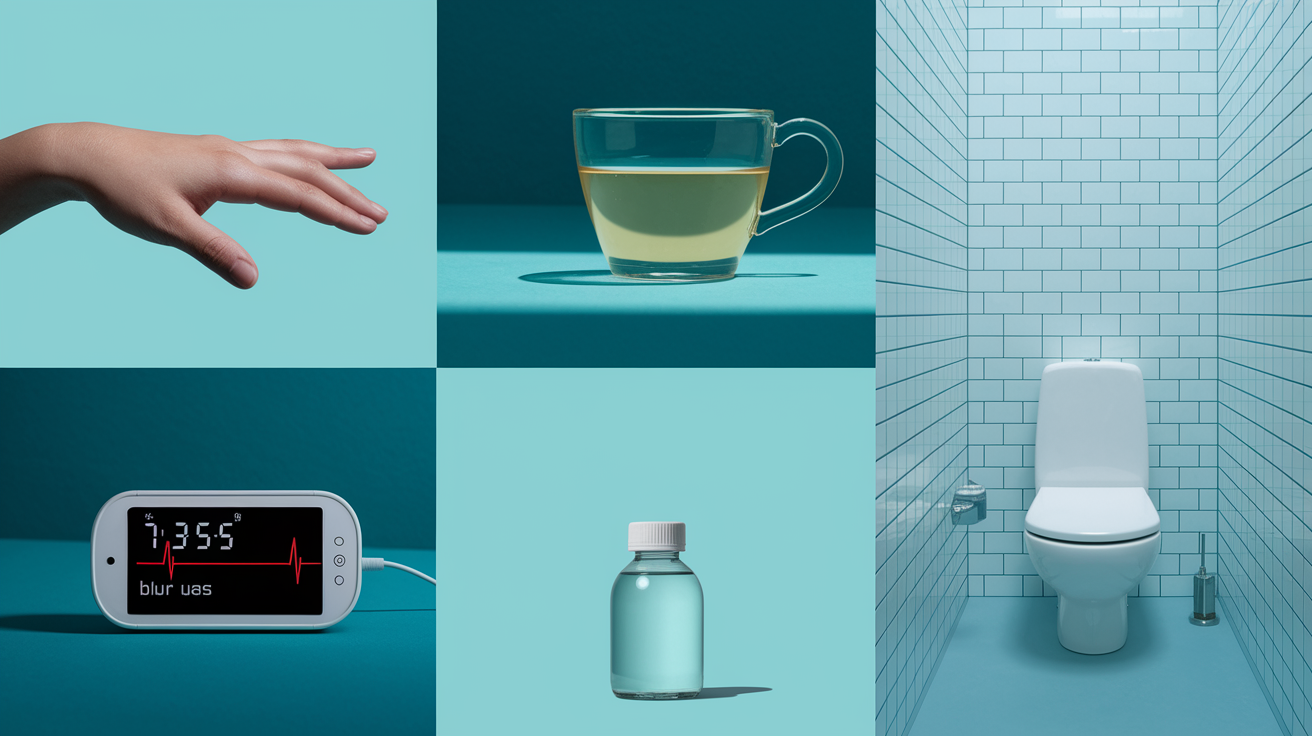
Beyond head pain, your body gives you visible and measurable clues that fluid levels are low. Urine color is one of the fastest checks you can do at home. Aim for pale straw or light yellow. If your urine is dark yellow or amber, you need more water. Low urine output is another strong signal. If you’re urinating infrequently or only producing small amounts, your kidneys are conserving fluid because you’re running low.
Your heart rate can also shift when you’re dehydrated. As blood volume drops, your heart pumps faster to keep circulation going. If you feel your pulse racing or notice your heart beating harder than usual when you’re sitting still, dehydration may be the reason.
Here are the most reliable physical markers to check:
Urine color. Dark yellow or orange tint means drink more; pale straw means you’re on track.
Urine volume. Less frequent trips to the bathroom or very small amounts each time.
Heart rate. Faster than your normal resting rate, especially when you stand up.
Skin turgor. Pinch the skin on the back of your hand; if it takes a few seconds to flatten back out, you may be dehydrated.
Dizziness when standing. Lightheadedness or a head rush that lasts more than a moment.
How Fast Dehydration Headaches Develop and How Long They Last
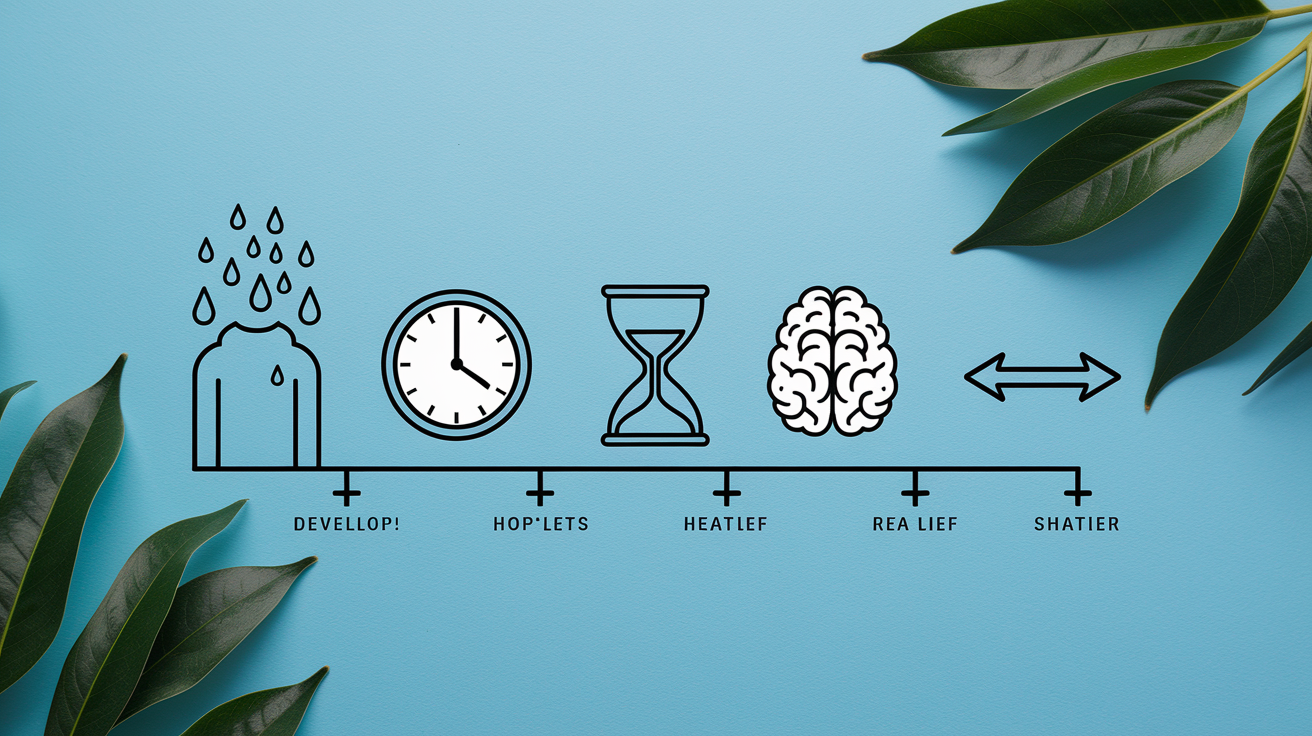
Dehydration headaches don’t usually sneak up slowly. They tend to appear after a clear trigger. Spending a few hours in hot weather, sweating through a workout without drinking enough, or losing fluids quickly through vomiting or diarrhea. You might notice the headache within an hour or two of the fluid loss, especially if you were already on the lower end of your hydration baseline that day.
Most dehydration headaches start to improve within one to two hours once you begin drinking water. If you drink 16 to 32 fl oz, roughly half a liter to a liter, and rest, you’ll often feel the intensity drop noticeably before the headache disappears completely. Severe dehydration or prolonged fluid loss can take longer to reverse. But even then, steady sips of water or an electrolyte solution over a few hours will usually bring relief. If your headache isn’t budging after rehydrating and resting for two to three hours, it may not be dehydration alone. Worth checking in with a healthcare provider.
Immediate Actions to Relieve a Dehydration Related Headache

The first step when you suspect dehydration is behind your headache? Stop what you’re doing and find a cool, comfortable place to sit or lie down. Heat and activity make dehydration worse, so getting out of the sun or turning off the stove gives your body a chance to stabilize.
Here’s what to do next:
Start with small sips of plain water. Drink 8 oz slowly over 10 to 15 minutes, then repeat until you’ve had 16 to 32 fl oz total.
Use an electrolyte solution if you’ve been sweating heavily or lost fluids through vomiting or diarrhea. Low sugar sports drinks, Pedialyte, or coconut water all work. Skip high sugar options that can worsen nausea.
Rest in a cool, dim room. Reducing light and noise helps your head settle while rehydration takes effect.
Monitor your urine color and volume over the next hour. You should start producing more urine, and it should lighten in color.
Avoid caffeine and alcohol. Both can increase urine output and delay recovery.
If you’re still uncomfortable after an hour of rehydrating, consider a small snack with salt. A few crackers or a pinch of sea salt in your water can help your body hold onto the fluids you’re drinking.
Over the counter pain relievers like acetaminophen or ibuprofen can ease the headache while you rehydrate, but take them carefully. NSAIDs like ibuprofen put extra strain on your kidneys when you’re dehydrated, so drink plenty of water with any dose. Acetaminophen is generally safer in this context, but always follow the label and don’t exceed the daily maximum.
Preventing Dehydration Headaches With Daily Hydration Habits

Staying ahead of dehydration means building small, consistent hydration habits into your day. The National Academy of Medicine recommends about 72 oz of fluids per day for adult women and 104 oz per day for adult men as a baseline. That’s roughly 9 cups for women and 13 cups for men, and it includes all fluids. Water, herbal tea, milk, and the water content in foods.
Eating water rich foods can boost your intake without forcing yourself to drink glass after glass. Watermelon, cucumbers, celery, bell peppers, honeydew, and pineapple all contribute meaningful fluid. A cup of watermelon gives you about half a cup of water. A large cucumber is nearly all water by weight.
Here’s a simple hydration checklist to prevent headaches:
Keep a water bottle with you throughout the day. Sip regularly instead of waiting until you’re thirsty.
Check your urine color each morning and a few times during the day. Aim for pale straw yellow.
Increase your intake on hot days, during exercise, or if you’re sick. Add an extra 16 to 24 oz for every hour of activity or heat exposure.
Limit alcohol and caffeine. Both increase urine output. If you drink coffee or a cocktail, match it with an extra glass of water.
Set a hydration reminder on your phone or tie it to a daily habit. Drink a glass when you wake up, with each meal, and before bed.
Special Situations: Exercise, Heat, Illness, and Diet Related Dehydration Headaches
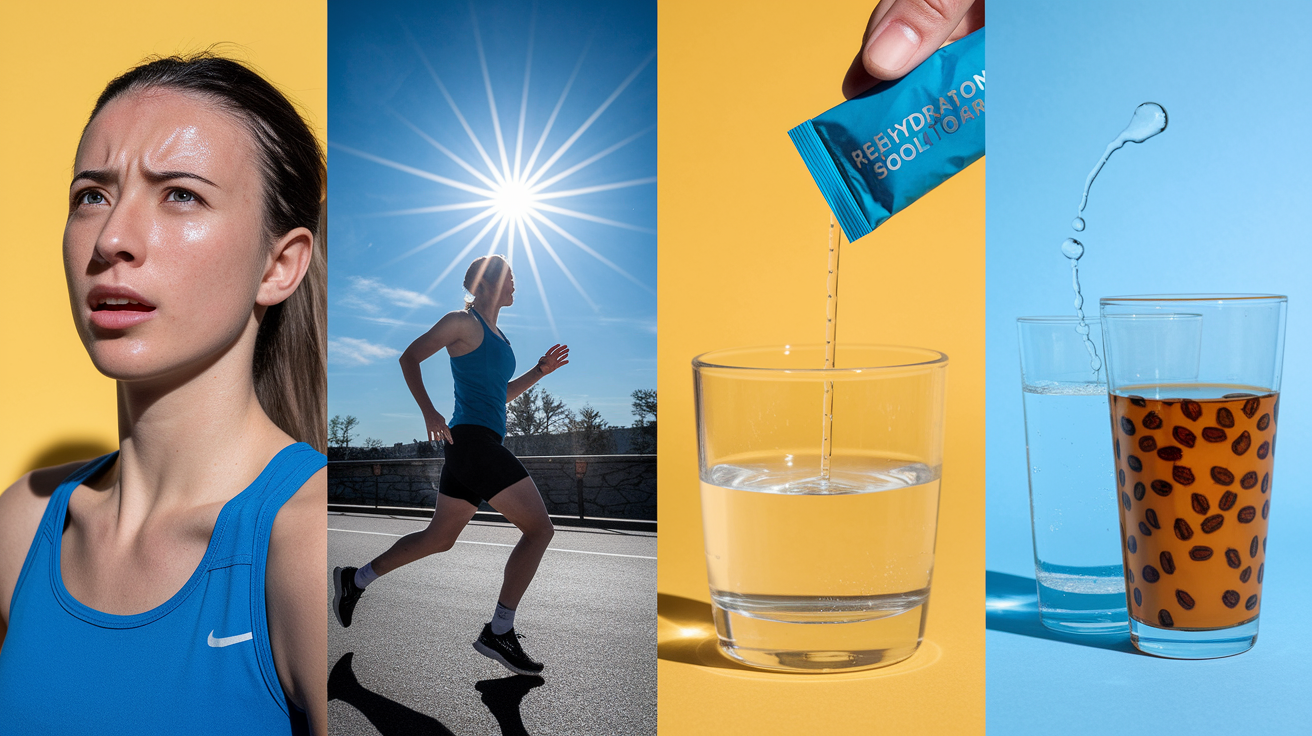
Certain situations push your hydration needs higher and make dehydration headaches more likely. After intense exercise, especially in warm weather, you lose fluids through sweat faster than you might realize. If you finish a workout and notice a headache within the next hour, rehydrate immediately with water and a small electrolyte boost. A sports drink or a pinch of salt in your water works.
Heat exposure alone, even without exercise, can drain your fluid reserves. Spending time outdoors on a hot day, working in a warm environment, or sitting in a car without air conditioning all count. If you start to feel a headache coming on after heat exposure, move to a cooler spot and begin sipping water right away.
Illness related fluid loss (vomiting, diarrhea, or fever) can trigger dehydration headaches quickly. When you’re sick, your body needs more fluids to replace what you’re losing, and plain water may not be enough. Use an oral rehydration solution or a low sugar electrolyte drink to restore both fluids and salts. Alcohol and caffeine also act as diuretics, meaning they make you urinate more frequently. A night of drinking or several cups of coffee without matching water intake can leave you with a pounding headache the next morning.
Here’s how to adjust for these scenarios:
During or after exercise. Drink 16 oz of water for every 30 minutes of activity, and add an electrolyte option if you sweat heavily.
In hot weather. Increase your baseline intake by 24 to 32 oz per day, and sip water every 20 to 30 minutes when outdoors.
When you’re sick. Use oral rehydration solutions or electrolyte drinks, and aim to replace fluids as you lose them. Small sips every 10 minutes if you’re nauseous.
If you drink alcohol or caffeine. Match each drink with a full glass of water, and have an extra 8 to 16 oz before bed to offset diuretic effects.
Risk Groups More Likely to Show Strong Signs of Dehydration Headache

Children under six years old dehydrate faster than adults because they have smaller fluid reserves and higher metabolic rates. A child who’s been playing outside or running a fever can develop a dehydration headache within a couple of hours. Watch for crankiness, dry lips, reduced urine output, and complaints of head pain. Offer small sips of water or an electrolyte solution frequently, aiming for about half a liter per day as a baseline, with more during illness or activity.
Older adults, especially those over 65, often have a weaker thirst response and may not realize they’re dehydrated until symptoms appear. Medications like diuretics and chronic conditions that affect kidney function also raise risk. If an older adult mentions a headache along with dizziness or confusion, check hydration status first. Offer water and monitor urine color and output closely.
Pregnant and breastfeeding individuals need significantly more fluids to support increased blood volume and milk production. Dehydration during pregnancy can trigger headaches and may also contribute to fatigue and dizziness. Aim for at least 80 to 100 oz of fluids per day during pregnancy, and closer to 104 oz while breastfeeding. If you’re feeling a headache and you’re in one of these groups, drink 16 oz of water and rest for an hour before trying other remedies.
When Dehydration Headache Symptoms Require Medical Care

Most dehydration headaches resolve with rest and fluids, but some situations need professional evaluation. If your headache doesn’t improve after drinking 32 oz of water and resting for two to three hours, or if it gets worse instead of better, contact a healthcare provider. Persistent headaches may signal another underlying issue or more severe dehydration than you can safely manage at home.
Seek immediate medical attention if you notice any of these warning signs:
Confusion, extreme drowsiness, or difficulty staying awake. Your brain isn’t getting enough fluid or oxygen.
Fainting or near fainting. A sign of dangerously low blood pressure or blood volume.
Very dark urine or no urine output for several hours. Your kidneys are struggling to function.
Rapid heartbeat or breathing that won’t slow down. Your body is compensating for severe fluid loss.
Severe vomiting or diarrhea that prevents you from keeping fluids down. You may need IV fluids to rehydrate safely.
IV fluids deliver water and electrolytes directly into your bloodstream, bypassing your digestive system. They’re used in emergency departments and urgent care centers when dehydration is severe or when oral rehydration isn’t working. If your headache is accompanied by any of the red flags above, or if you belong to a high risk group and symptoms aren’t improving quickly, don’t wait. Get medical help.
Final Words
In the action, you learned the main signs of a dehydration headache—usually a bilateral, throbbing ache that gets worse with movement and often eases after drinking fluids. You also got fast checks like dry mouth, sudden strong thirst, and darker urine, plus a simple reason why low blood volume and electrolyte shifts cause pain.
If this sounds familiar, try sipping 16–32 fl oz of water or a low‑sugar electrolyte drink and rest in a cool spot for an hour. Spotting the signs of dehydration headache early helps you bounce back sooner.
FAQ
Q: What does a dehydration headache feel like?
A: A dehydration headache feels like a bilateral, throbbing or pulsating pain that’s often worse with movement or heat and usually eases within 1 to 2 hours after drinking fluids.
Q: How to quickly get rid of a dehydration headache?
A: To quickly get rid of a dehydration headache, drink 16 to 32 fl oz of water slowly, rest in a cool, dark place, and sip a low-sugar electrolyte drink if you’ve been sweating heavily.
Q: What are three warning signs of dehydration and how can I check myself for dehydration?
A: Three warning signs of dehydration and quick self-checks are very dry mouth, dark scant urine, and lightheadedness; check urine color, pee frequency, and skin turgor by pinching skin.