

Sounds obsessive, but a simple daily log is often the clearest path out of post-viral fog.
When fatigue jumps around, your memory fills in the gaps—two minutes of nightly tracking fixes that and shows real trends.
This post lays out easy templates and phone apps you can start tonight, plus how to rate symptoms, spot triggers, and pace without crashing.
You’ll get a quick week-long plan so you can bring clear numbers to your doctor and actually see if you’re improving.
Practical Symptom Tracker for Post‑Viral Fatigue
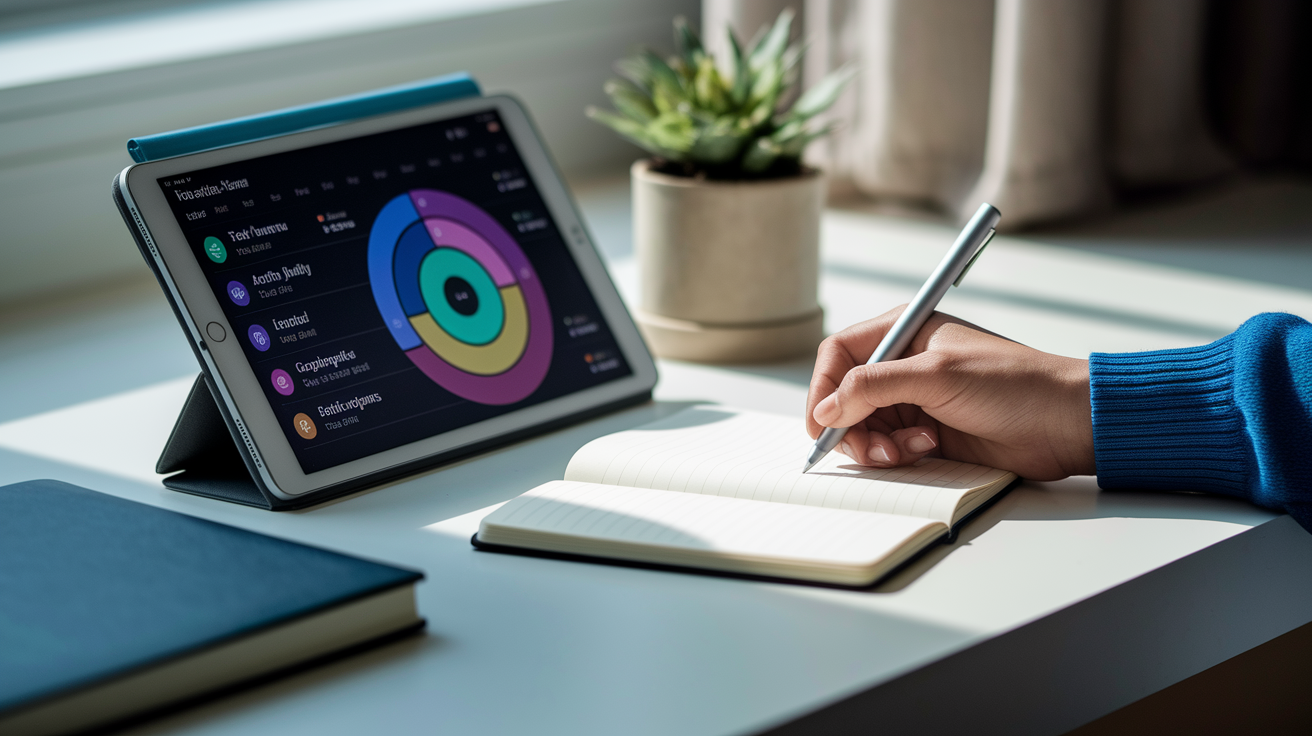
A daily symptom tracker gives you a solid record of how you’re actually feeling and shows whether you’re getting better, staying flat, or sliding backward. When fatigue doesn’t follow a straight line (and it won’t), memory fills in the gaps wrong. A quick log fixes that.
| Day | Fatigue Level | Activity Level | Sleep Quality | Cognitive Symptoms | Physical Symptoms | Notes |
|---|---|---|---|---|---|---|
| Monday | ||||||
| Tuesday | ||||||
| Wednesday | ||||||
| Thursday | ||||||
| Friday | ||||||
| Saturday | ||||||
| Sunday |
Rate each column from 0 to 10. Zero means nothing’s wrong, 10 is the worst you’ve felt. Activity works a bit differently: 0 is bedbound, 10 is your old normal. Sleep quality runs the same way. Zero is awful or almost none, 10 means you woke up feeling human. Under cognitive stuff, jot down brain fog, forgetting words, or attention slipping. Physical symptoms cover muscle aches, headaches, dizziness, anything new or weird. Notes are for triggers. Long walk, tense phone call, skipped breakfast, whatever felt off.
Tracking takes two minutes at night and gives you five things you can’t get otherwise.
You’ll catch trends you miss day by day. Fatigue might ease after decent sleep or spike two days after you did too much. A filled tracker hands your doctor real numbers instead of “I think I’ve been tired?” You’ll figure out your pacing limit and tweak things before you crash hard. Early warning signs pop up in the data before you feel them. And recovery stops being this vague hope. Small gains you’d normally brush off stack up over weeks when you see them lined up.
How to Track Symptoms Effectively Over Time

Consistency beats perfection here. Pick the same time daily (bedtime’s easiest) and fill it in before the day blurs. Use the same scale every time so a 6 in January means the same thing in March.
Track the good days too. You’re looking for patterns, not just disasters. Good days show what worked. Skip those and you’re missing half the map.
Best bet is twice daily for the first few weeks: once right after waking, once before bed. Morning entries show how you recovered overnight. Evening entries show what the day cost you. That split helps you see if mornings are consistently rougher or if afternoons wreck you. Once you’ve got a baseline, drop to one summary in the evening. Some people go activity based and only log when symptoms spike or after any effort. That’s fine if daily tracking drains you, but daily entries catch the quiet shifts.
- AM and PM entries for detailed tracking in weeks 1 through 6
- Single evening summary once you know your baseline
- Every other day if daily feels like too much
- Activity based logs focused on exertion and what follows
Pair your symptom entries with pacing by reviewing your log weekly. If fatigue always spikes two days after activity above a 4, you’ve found your ceiling. Drop intensity by a point or two and track another week. The log becomes both record and roadmap.
Common Post‑Viral Symptoms to Include in Your Tracker
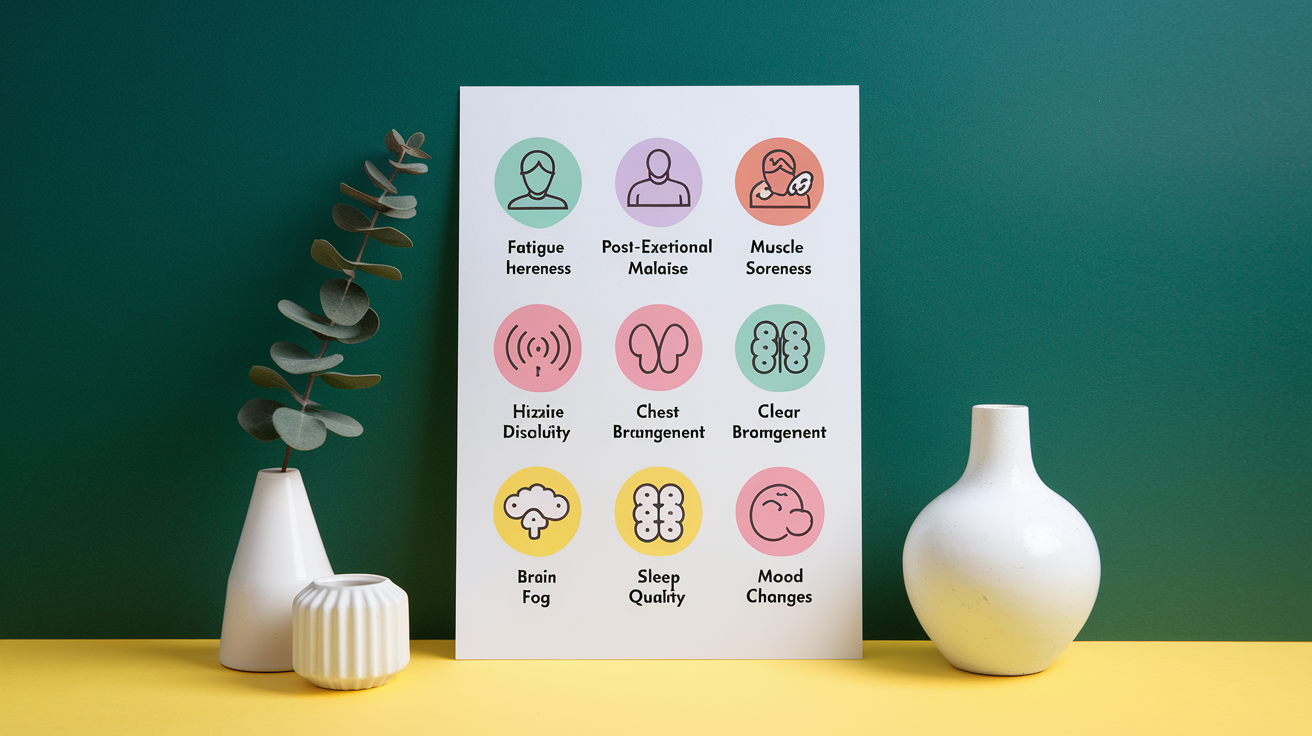
Post viral fatigue doesn’t show up solo. You’ll probably feel a mix of symptoms that shift day to day, sometimes hour to hour. That’s why tracking the full picture matters.
Most people track these ten:
- Fatigue severity, the baseline exhaustion separate from sleepiness
- Post exertional malaise, the delayed crash after physical, mental, or emotional effort
- Muscle soreness or heaviness in your legs, shoulders, everywhere
- Headaches, including type, location, intensity, any triggers
- Dizziness or lightheadedness, especially standing or moving around
- Chest discomfort like pressure, palpitations, racing heart
- Breathlessness during rest or the smallest effort
- Cognitive issues like brain fog, slow thinking, memory slips
- Sleep quality, hours versus how rested you feel, plus middle of the night waking
- Mood changes, low mood, anxiety, irritability, emotional flatness
Your symptoms might match this list exactly or look totally different. Some hit every day. Others come in waves tied to activity, stress, sleep, or nothing you can pin down. The cycles get confusing. One week you’re almost normal, next week you’re back where you started. That’s common. The tracker shows whether “back where you started” is actually the same severity or if the dips are getting shorter and easier.
Recognizing Patterns and Trends in Your Logs

After two to four weeks, you’ve got enough data to spot what repeats. You’re looking for links between what you do and how you feel, and whether overall severity is moving in any direction.
Start with one week at a time. Circle the days with the highest fatigue scores and look back 24 to 48 hours. Did you push harder? Miss sleep? Deal with something stressful? Sometimes it’s obvious, like a 30 minute walk followed by a three day wipeout. Other times it’s quieter. An extra hour on screens or skipping lunch might line up with brain fog the next afternoon.
Compare weekly averages. If your average fatigue score drops from 7 in week one to 5 in week four, that’s real progress even if bad days still hit hard. Recovery often sneaks in through averages, not sudden jumps.
Patterns you’ll probably see:
- Energy drops reliably after activity past your current limit, usually one to two days later
- Morning symptoms different from evening ones. Some people wake exhausted and improve slightly by afternoon, others start okay and fade fast
- Cognitive clarity tracks sleep quality tighter than physical fatigue does
- One rough night can tank every symptom score for the next two to three days
The trends tell you where to adjust. If every spike traces to a specific activity level, you’ve got your pacing target. If sleep chaos consistently worsens everything else, focus there next.
Sharing Your Tracker with Healthcare Providers
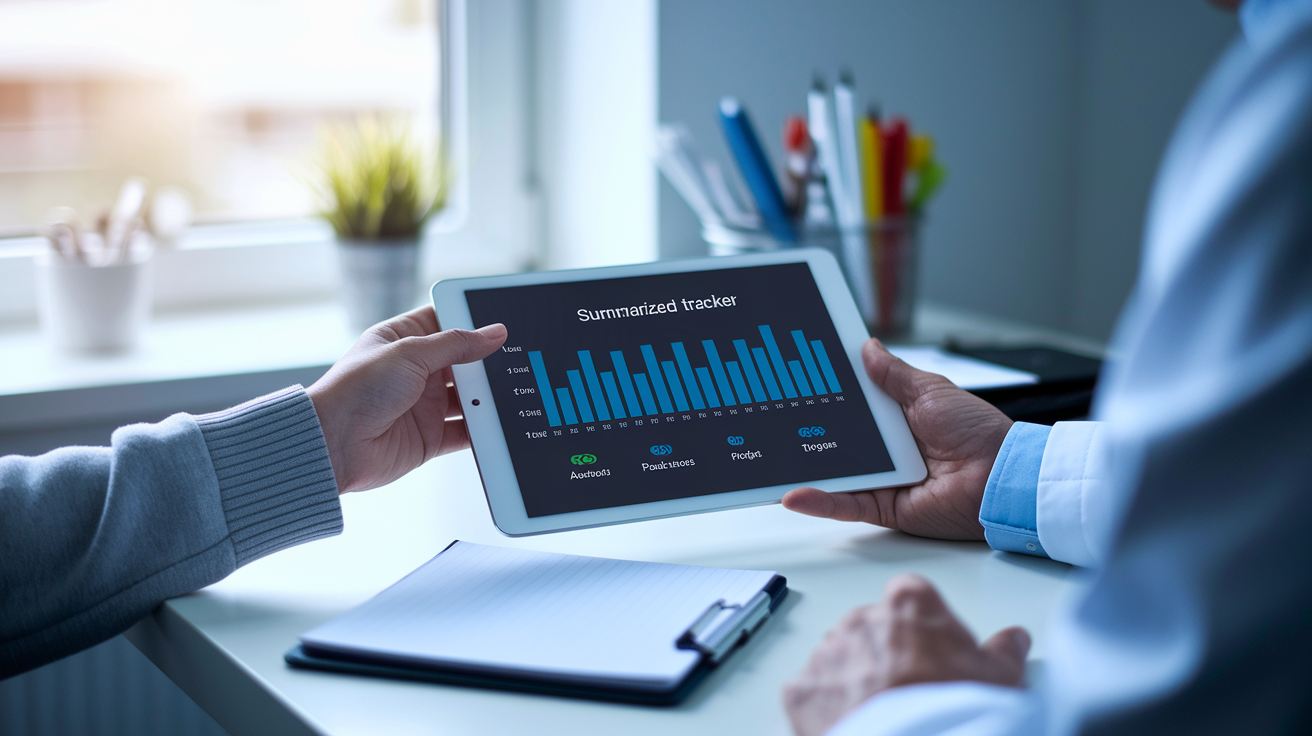
Doctors appreciate symptom logs because they replace guesswork with data. When you bring a completed tracker to an appointment, your provider sees severity, frequency, duration, and change over time in a format that’s easier to read than a ten minute recap.
A structured log shows whether your fatigue is constant or comes and goes, whether it’s improving or getting worse, and whether changes like medication or pacing adjustments did anything. Clear patterns support a diagnosis, guide treatment, or help your provider understand why certain activities aren’t safe yet.
When you’re prepping for an appointment, bring or share:
- A weekly summary showing average scores for your main symptoms across the tracking period
- Notes on peak days with dates so your provider knows when crashes happened
- Any triggers you’ve spotted, like specific activities, stress, sleep loss, other factors
- Medication or intervention responses with start dates and symptom changes that followed
- Documentation of how symptoms have changed over weeks or months
Keep your logs honest. Don’t downplay bad days to look like you’re improving. Don’t exaggerate to prove how rough it is. The tracker works because it’s accurate. Your provider needs the real picture to help you get better.
Final Words
In the action, this post hands you a ready-to-use daily symptom tracker and simple how-to steps so you can start logging fatigue, activity, sleep, cognitive and physical symptoms today. It also walks through best tracking routines, a list of common post-viral symptoms, how to spot patterns, and tips for sharing clear summaries with your clinician.
Keep entries brief, use the same scale daily, and pair tracking with pacing so you don’t push too hard on good days.
Use the post viral fatigue symptom tracker for a week, notice trends, and know you’re moving toward better days.
FAQ
Q: How long does post-viral fatigue last?
A: Post-viral fatigue usually lasts from a few weeks up to several months. Many recover in about 2–12 weeks; a smaller group can have symptoms that persist longer and may need pacing and medical follow-up.
Q: Is fatigue common after a viral infection?
A: Fatigue is common after a viral infection; most people feel tired for days or weeks. It’s a normal immune response, but worsening, new symptoms, or very long fatigue should prompt medical advice.
Q: What does PEM feel like?
A: PEM (post-exertional malaise) feels like a delayed, heavy crash after physical or mental effort — much worse fatigue, muscle pain, brain fog, and flu-like aches that often start hours later and can last days.
Q: What is post-viral fatigue from the flu?
A: Post-viral fatigue from the flu is ongoing tiredness and low energy after the flu infection clears. It can include poor concentration, sleep trouble, and sensitivity to activity; pacing and clinical review help if severe.