

What if tossing a few pictures on a board could actually stop your 3 pm crash and make sleep feel easier?
A wellness vision board is a simple collage of images, words, and short affirmations that nudges you toward habits you can keep—think better sleep, less bloating, steady energy, and regular movement.
This post shows how to pick one clear goal, gather low-cost materials, choose images and present-tense affirmations, and place the board where you’ll actually see it every day.
With small steps and a simple timeline, you stop hoping you’ll “feel better someday” and start making changes you notice.
Step-by-Step Guide to Starting Your Wellness Vision Board
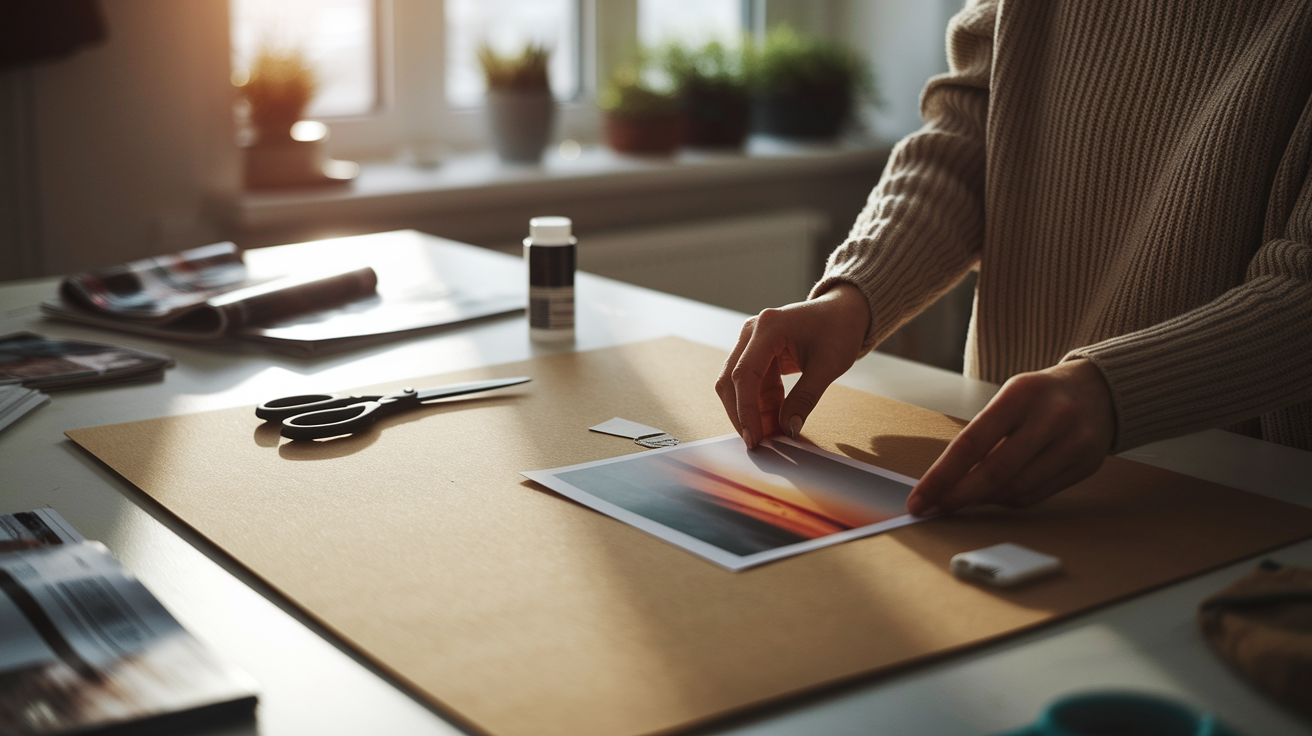
A wellness vision board is a simple collage of images, words, and short affirmations that show where you want your health to land over a set timeframe. It’s not about copying someone else’s routine or chasing influencer-level results. Instead, it’s a visual nudge toward habits you actually want—better sleep, less bloating, steady energy, regular movement. You’ll see it, remember it, and act on it.
Tie each goal to a realistic timeline. Ten weeks to lock in a breakfast habit. Six months to raise your baseline energy. A year to reach a fitness milestone. When you add dates, your brain knows what to aim for. You stop hoping you’ll “feel better someday” and start working toward something you can track.
Images and present-tense affirmations make the goal feel real. Seeing a calm breakfast scene or the phrase “I sleep well” every day won’t do magic. But it will keep your next best step front and center, so you actually take it.
How to build your board from scratch
- Define one clear wellness goal. Pick one or two areas that matter now, like eating protein at breakfast four days a week, drinking enough water, or moving your body regularly. Keep it doable for your season of life.
- Gather basic materials. A large poster board or cardboard piece, scissors, glue or tape, and magazines or printed images will do. Personal photos or handwritten notes are welcome extras.
- Choose images and words that feel like success. Look for visuals that show the look and feeling you want—a full water bottle, a balanced plate, sneakers by the door, a calm face, or the word “consistent.”
- Focus on feelings and daily signals, not perfection. Ask yourself how you want to feel and what small changes would get you there.
- Assemble it without overthinking. Arrange images, glue or tape them down, and add a few handwritten notes if that helps.
- Put the board where you’ll actually see it every day. The more you view it, the more it nudges behavior.
Wellness Vision Board Materials and Setup Essentials
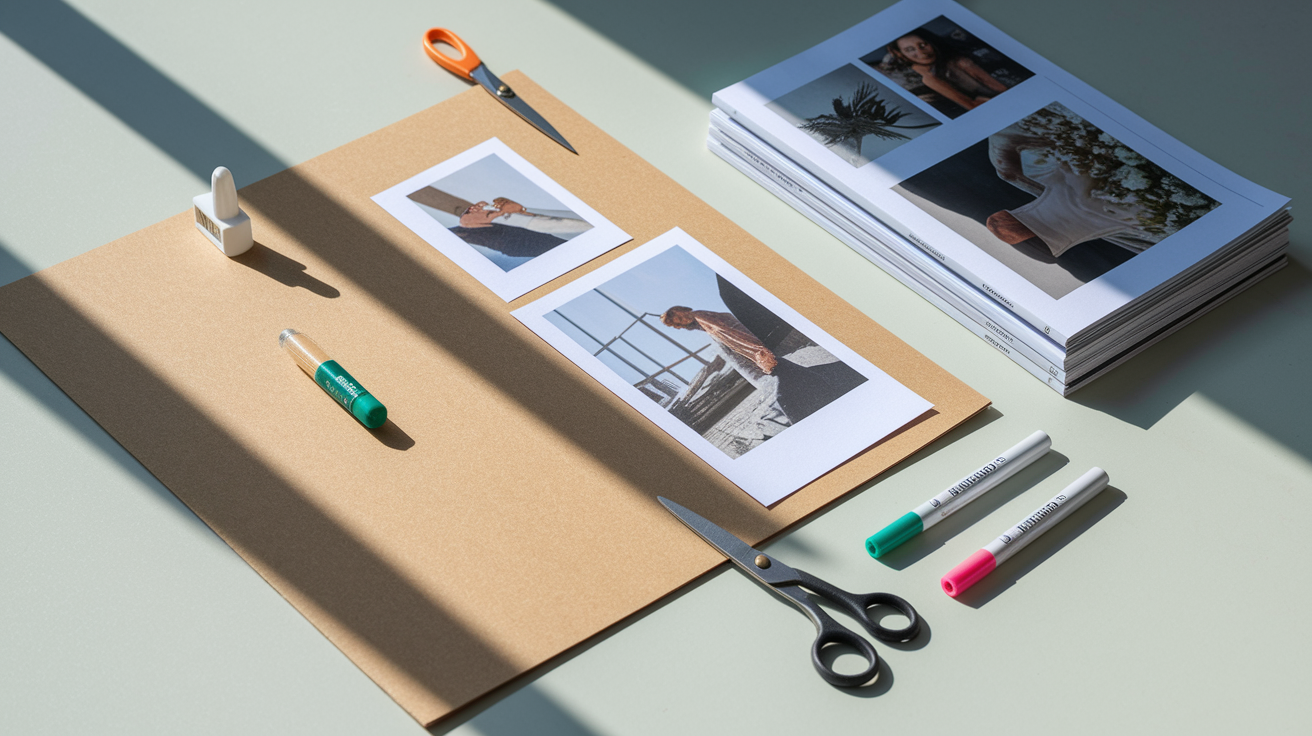
You don’t need a craft-store haul. The essentials are straightforward: one large poster board or flat cardboard piece, scissors, glue or tape, and a stack of magazines or printed images. The side of a box works fine if you don’t have poster board. Want to personalize it? Add photos, markers, stickers, or printed affirmations from free design tools.
If you’re watching your budget or cutting waste, repurpose grocery flyers, catalogs, ticket stubs, or free stock photos. Small things make it yours and keep the board meaningful.
Essential and optional materials
- 1 poster board, corkboard, or large piece of cardboard
- Old magazines, catalogs, or printed images
- 1 pair of scissors
- 1 glue stick or roll of tape
- Personal photos or screenshots
- Markers or pens for handwritten affirmations
- Stickers or decorative paper if you want them
- Printed quotes or words from a free design tool like Canva
Choosing Wellness Goals to Feature on Your Vision Board
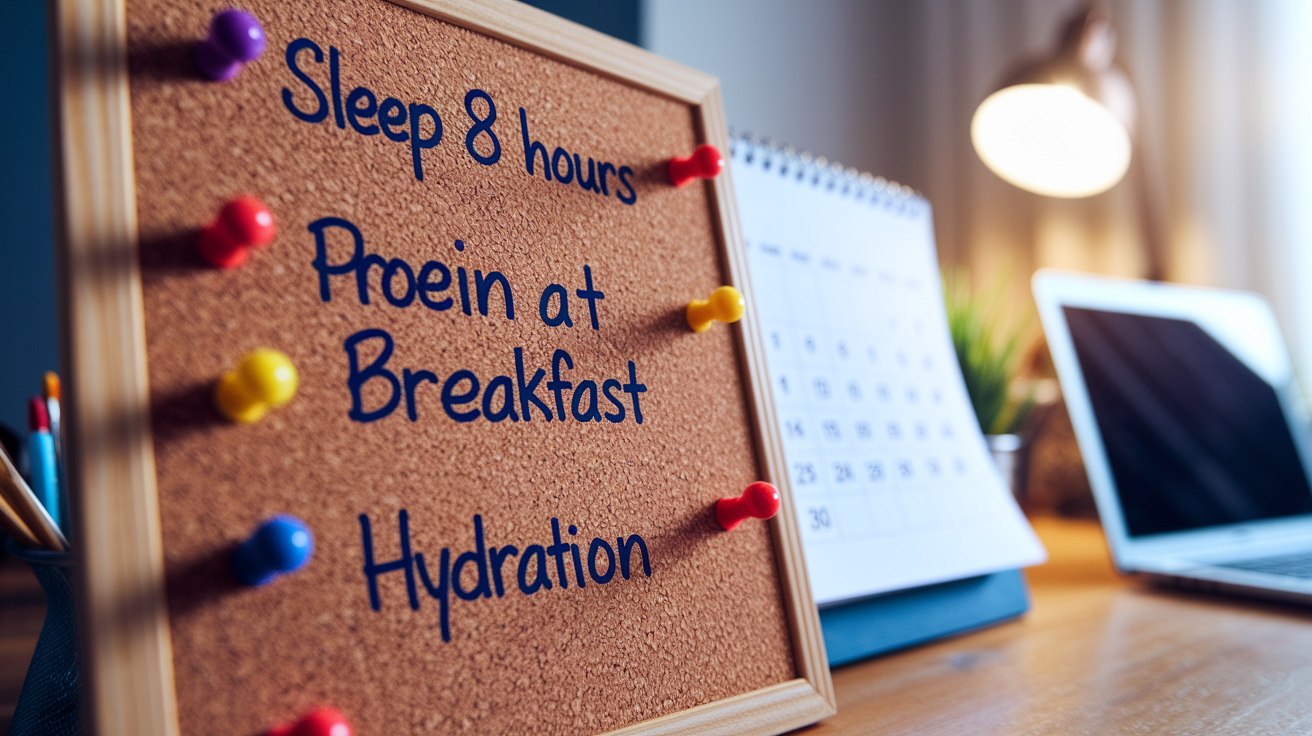
A vision board only helps if the goals are specific. “Get healthier” is vague. “Eat a protein-rich breakfast four days a week” or “Lights out by 10:30 pm on weeknights” tells you what to do tomorrow. Pick what’s realistic for your schedule, energy, and current symptoms.
Start by naming the categories that matter: sleep, hydration, nutrition, movement, stress, digestion, mental clarity. Don’t try to fix everything. Choose one or two areas that would change your day the most. If you crash at 3 pm, focus on balanced meals and sleep. If stress rules your days, prioritize calming routines and breath work.
Set short-term and longer-term intentions. For example, “Drink six glasses of water daily for eight weeks” plus “Build a consistent bedtime routine over six months.” Put both on the board so you can see the quick wins and the bigger shift.
Prompts to clarify what belongs on your board
- Why am I doing this? What will prioritizing this area give me? Example: Better sleep, less brain fog.
- What do I most want to feel? Example: Steady energy, not afternoon crashes.
- What do I value most right now? Example: Feeling calm rather than reactive.
- What are my priority areas today? Example: Sleep, hydration, protein at meals.
- What does success look like in three months, six months, or a year? Picture your daily routine once the habit feels automatic.
Selecting Wellness Imagery, Quotes, and Affirmations
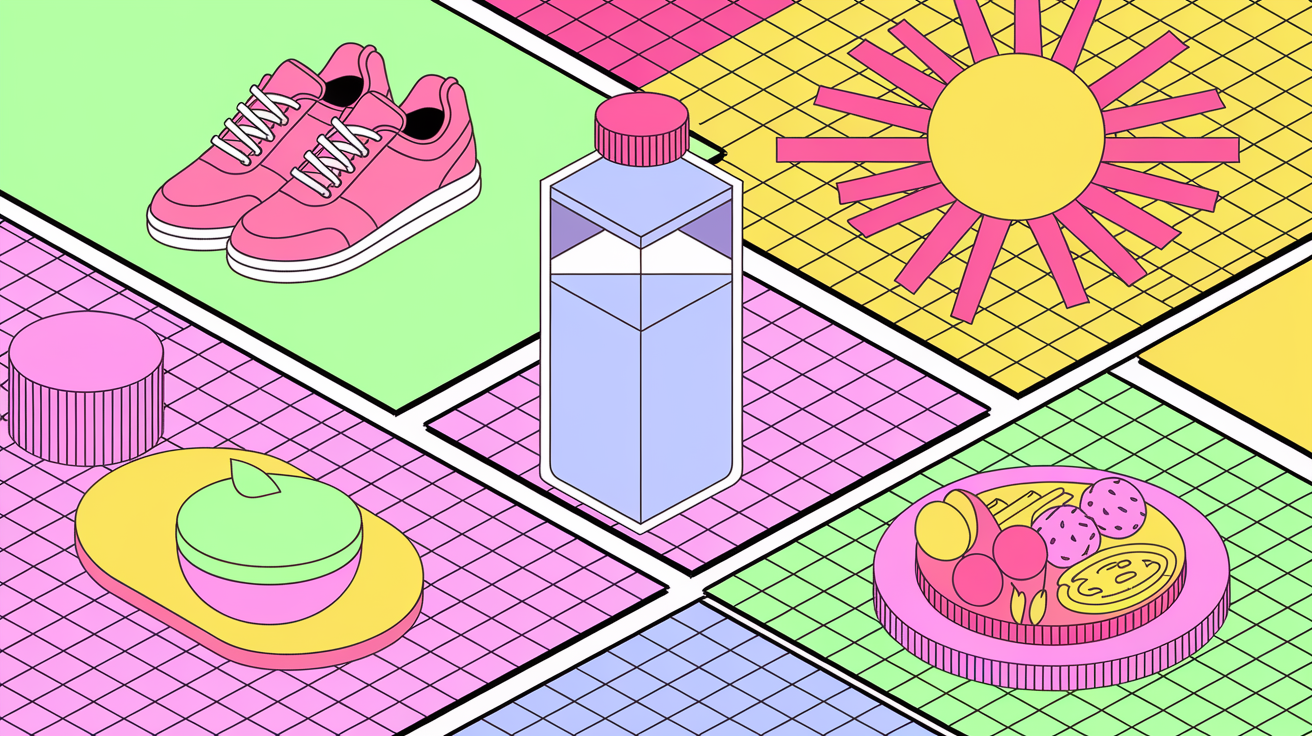
Pick images and words that make you feel something. Not just pretty, but “yes, that’s what I want.” If better sleep is your goal, use a cozy bed or a calm waking face. If steady meals matter, choose photos of balanced plates or someone cooking at home. Skip aspirational images that don’t match your life. A beach yoga pose won’t help if your goal is a daily 10-minute walk.
Use clear symbols. Sneakers for a 5K. A full water bottle for hydration. A personal photo for support. Little symbols, like a sunrise or favorite flower, can anchor emotion to the goal.
Use present-tense, first-person affirmations, and write them by hand if that feels real. Examples: “I eat three meals a day,” “I sleep through the night,” “I move because it feels good.”
Categories of imagery to consider
- Fitness and movement: sneakers, a yoga mat, a person stretching, a trail, weights
- Sleep and rest: a made bed, a calm face, a sunset, the phrase “I rest well”
- Stress and calm: breathing, nature scenes, a journal, hands in meditation
- Hydration: water bottles, glasses of water, the phrase “I stay hydrated”
- Nutrition: colorful plates, fresh produce, meal prep containers
- Mindset and affirmations: “I am consistent,” “I feel steady,” “I choose what supports me”
- Emotional support: photos of loved ones, a hug, a pet, a favorite memory
Designing the Layout of Your Wellness Vision Board
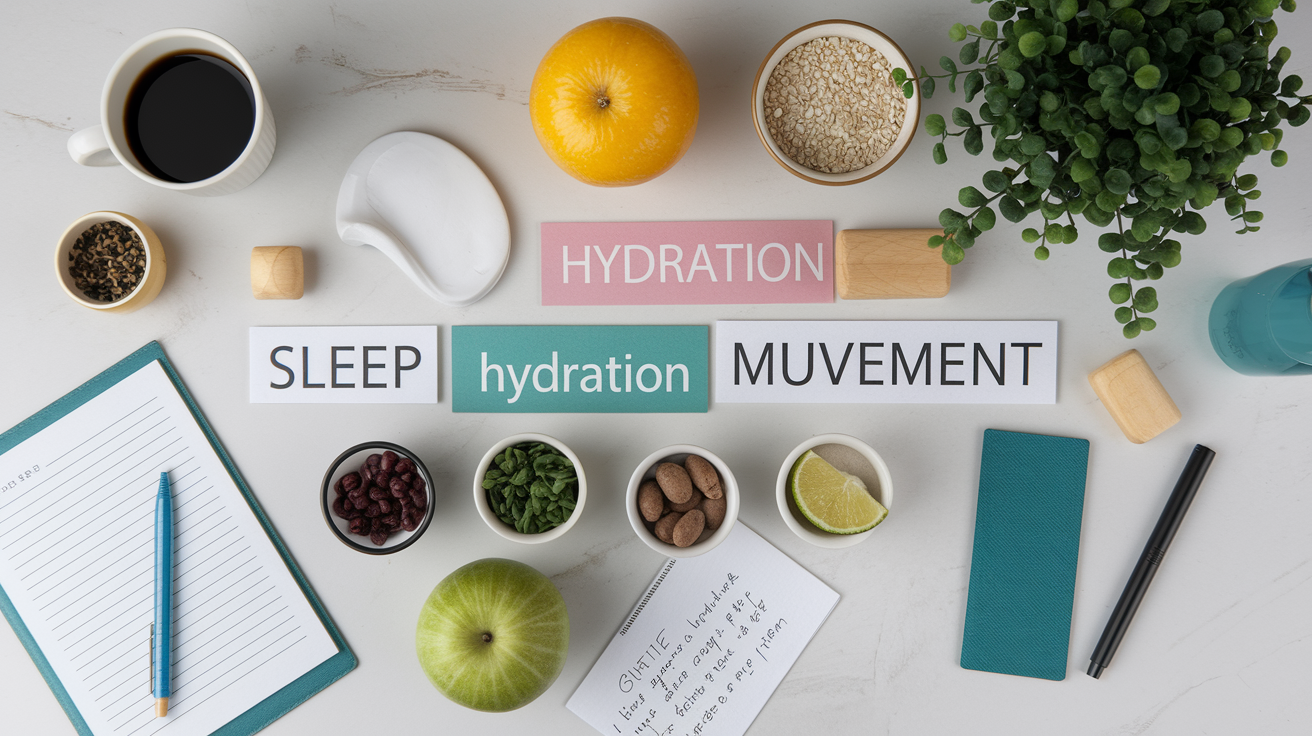
Start by grouping similar themes. Put sleep visuals together, nutrition in another corner, movement where it’s easy to see. If one goal is top priority, place it in the center or at eye level. That makes it the first thing you notice.
Add short handwritten phrases around images. “One step at a time” or “I’m building this” keeps the tone gentle and practical. Leave breathing room. Too many images crammed in can make the board feel overwhelming, not motivating. Let your eye move from one area to the next.
Minimalist or full collage
A minimalist board uses fewer images and more white space. Good if you’re focusing on one or two goals and you notice clutter stresses you out.
A full collage fills the board with visuals, colors, and textures. It’s energizing and immersive. Good if variety motivates you or you’re working on several areas at once.
Neither is better. Pick what helps you act. Start simple and add as your goals evolve.
Physical vs. Digital Wellness Vision Boards
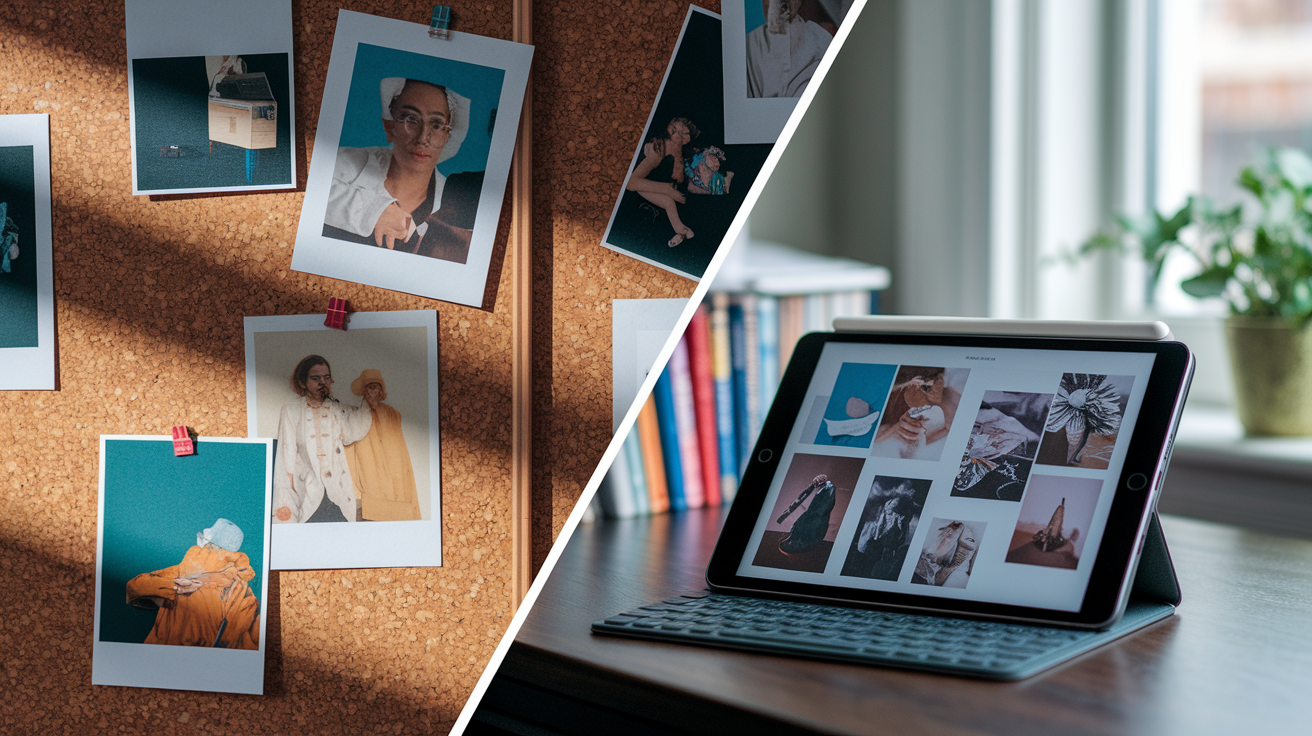
Physical boards are tactile and hard to ignore. Cutting and gluing feels grounding, especially if you benefit from offline reflection. Put it on a wall, prop it on a shelf, or pin it to a corkboard.
Digital boards are flexible and portable. Build one in Canva, Google Slides, or a collage app. Set it as your phone wallpaper or laptop screensaver. Easy to edit. Easy to take with you if you travel.
| Format | Strengths | Best Use Case |
|---|---|---|
| Physical poster board | Tactile, creative, visible at home | If you want a hands-on project and have wall space |
| Physical corkboard | Can pin and rearrange images easily | If your goals shift often or you like to update weekly |
| Digital collage (Canva, Slides) | Editable, shareable, can resize for any device | If you want flexibility and portability |
| Phone wallpaper | Always with you, constant visibility | If you check your phone frequently and want a daily reminder |
| Desktop screensaver | Large screen, seen during work or browsing | If you work from home or spend a lot of time at your computer |
| Notion dashboard | Integrated with goal tracking, notes, and habit logs | If you already use Notion and want your board linked to your planning system |
Best practices for digital boards
Start landscape for desktop and portrait for phone. Export in high resolution so it doesn’t look pixelated. Keep a backup in cloud storage. Update when it helps you. Some people refresh monthly, others seasonally. Short-term goals might get swapped every few weeks. Long-term visions can sit for months. Try reviewing every eight to twelve weeks so the board stays relevant.
Where to Place Your Wellness Vision Board for Daily Motivation
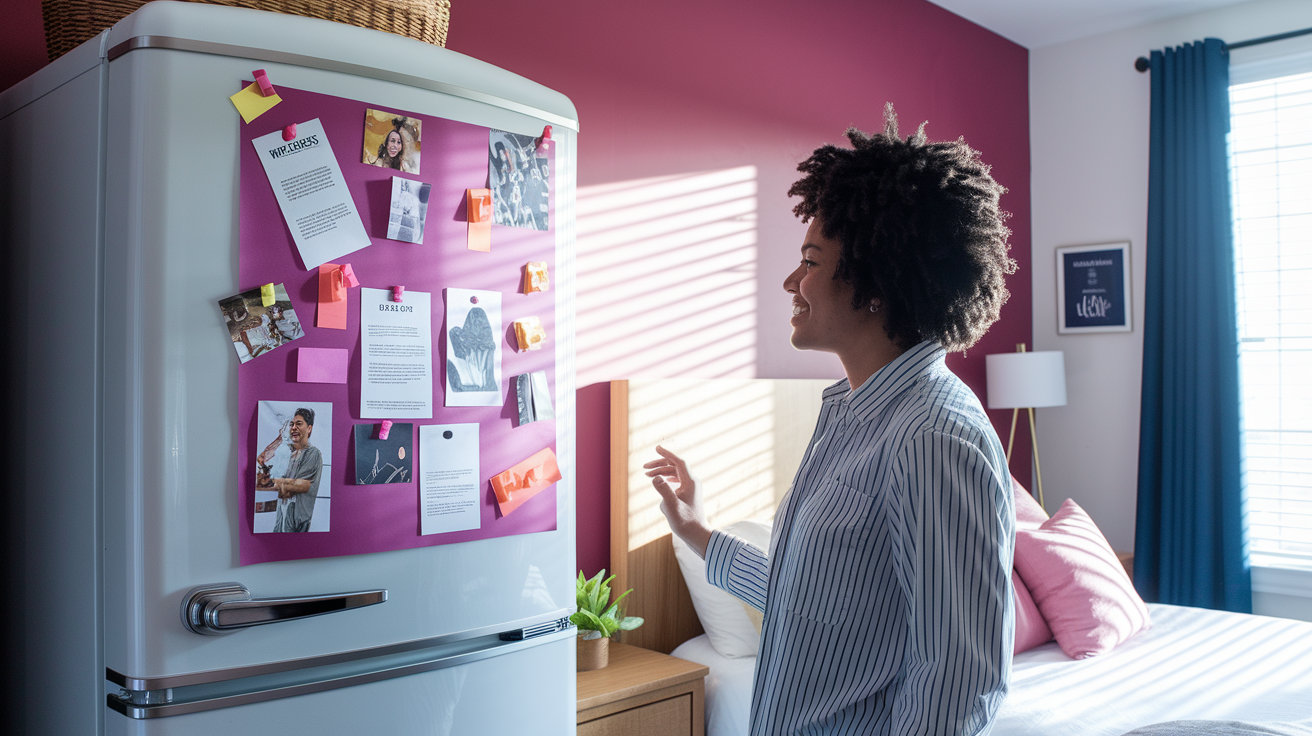
Don’t hide it. Put it where you actually spend time, not where you just pass by. The goal is repeated, effortless exposure. That repetition keeps your wellness goals top of mind when motivation dips.
Good spots for a physical board: bathroom mirror, inside a closet door, bedroom wall, the side of your fridge, or propped on a desk. For digital versions: phone lock screen, laptop wallpaper, or a Notion page you open daily. If you recorded your vision aloud, listen to it during your morning routine or a walk.
High-visibility placement ideas
- Hung on your bedroom or bathroom wall
- Taped to the inside of a closet door or pantry
- Propped on your desk or nightstand
- Pinned to a corkboard in your home office
- Set as your phone or laptop screensaver
Using Your Wellness Vision Board for Habit Tracking and Progress Reviews
Treat the board as a working tool, not decoration. Each time you see it, ask: What does this vision give me? What’s one thing I can do today to move closer? If the board says “I drink enough water” and you’ve had one glass by noon, fill your bottle. Small nudges matter.
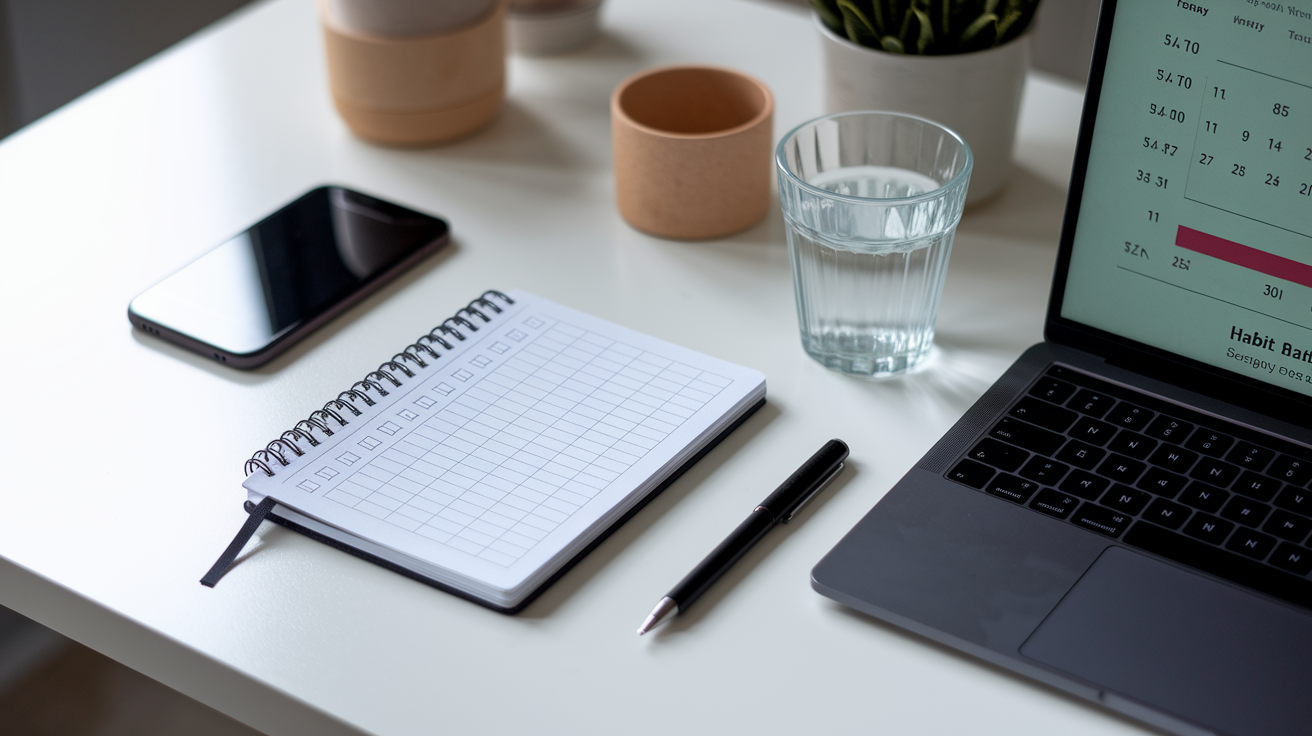
Pair the board with a habit tracker—paper, app, or a checklist on your phone. Mark days you hit the habit. Seeing progress stack up proves the vision is real. That proof keeps you going when progress feels slow.
Set a monthly review. Journal or open notes and ask: What’s working? What needs changing? Do the images still match your priorities? If you hit a short-term goal, celebrate it and update the board. Move completed goals to a done section if you like. Vision boards should grow as your habits firm up and your focus shifts.
Monthly review steps
- Check your habit tracker. What patterns show up?
- Revisit your why. Does the goal matter the same way?
- Celebrate a small win from the past month.
- Adjust the board. Swap images that no longer fit. Add new goals if needed.
Common Wellness Vision Board Mistakes and How to Avoid Them
Don’t pick goals that don’t fit your life. If you’re barely sleeping and skipping meals, a marathon target will only frustrate you. Start where you are. Build the basics first, then add stretch goals.
Skip images that look good but mean nothing to you. If you hate smoothies, don’t pin a smoothie bowl. Pick visuals that match your habits and preferences. If walking is your thing, show walks, not gym selfies.
Mistakes to avoid
- Choosing unrealistic goals that ignore your schedule or symptoms
- Using aspirational images that don’t match your preferences
- Hiding your board where you won’t see it
- Copying trends instead of listening to your body
- Overloading the board with too many goals at once
- Never reviewing or updating the board as things change
Keep it personal. Keep it doable. And remember, the point is steady progress, not perfection.
Final Words
Grab a poster board, a few photos, scissors, and glue, and pick one clear, time-bound wellness goal. Then gather images, write short affirmations, and arrange them so your top goal sits front and center.
You now have the steps, materials, goal prompts, layout tips, and ideas for physical or digital boards. Use it daily, check progress monthly, and skip vague images or out-of-reach goals.
If you want a reminder that actually nudges you, follow the steps on how to create a wellness vision board and place it where you’ll see it. Small, steady steps add up — you can do this.
FAQ
Q: How to create a wellness vision? / How to make a vision board for health?
A: Creating a wellness vision and making a health vision board means picking one clear, time‑bound goal, choosing images and affirmations that show how you’ll feel, assembling them, and placing the board where you’ll see it daily.
Q: What are the 7 pillars of wellness?
A: The seven pillars of wellness are physical, emotional, intellectual, social, spiritual, occupational, and environmental — core life areas to balance so your health goals feel realistic and steady.
Q: What are the 8 dimensions of a wellness vision board?
A: The eight dimensions of a wellness vision board are physical, emotional, intellectual, social, spiritual, occupational, environmental, and financial — each gives a focus area for images, goals, and motivating affirmations.