

What if one size fits all energy advice is why you’re still tired?
You’re not imagining it; your energy follows your own pattern.
This post shows a simple wellness plan for energy that actually works.
We’ll start with a 24 hour energy audit so you see the real triggers.
Then you’ll pick your top three priorities, set clear, measurable goals, and build a daily routine that fits a busy life.
Small steps you can try today, not more rules.
How to Build Your Personalized Energy Wellness Plan (Start Here)

Start with a simple 24 hour energy audit. Grab a piece of paper or open a note on your phone and write down how you feel every 2 to 3 hours from the moment you wake up. Note what you’re doing, what you’ve eaten, how much water you’ve had, and rate your energy on a scale of 1 to 10. By the end of one day, you’ll see clear patterns.
Personalization matters because your energy dips and peaks won’t match someone else’s. A cookie cutter plan built for morning people won’t help if you’re sharpest after lunch. Your body’s signals (when you crash, when you feel wired, what makes you sluggish) are the blueprint. Generic advice gives you ideas. Tracking gives you answers.
Here’s how to turn those observations into a working plan.
- Evaluate your baseline energy. Use your 24 hour audit to identify your strongest and weakest windows. Circle the times you felt best and worst.
- Choose one or two tracking tools. Pick a journal, a notes app, or a simple daily score sheet. Keep it minimal so you’ll actually use it.
- Identify your top 3 energy priorities. Look at sleep quality, meal timing, movement gaps, stress load, and hydration. Choose the 3 that show up most in your low energy windows.
- Define simple metrics. Instead of “sleep better,” write “in bed by 10:30 PM on weeknights” or “drink 16 oz of water before 10:00 AM.”
- Document your starting habits. Write down what you’re doing now (current bedtime, usual breakfast, typical afternoon routine). This becomes your before and after reference.
Identifying Your Energy Drains
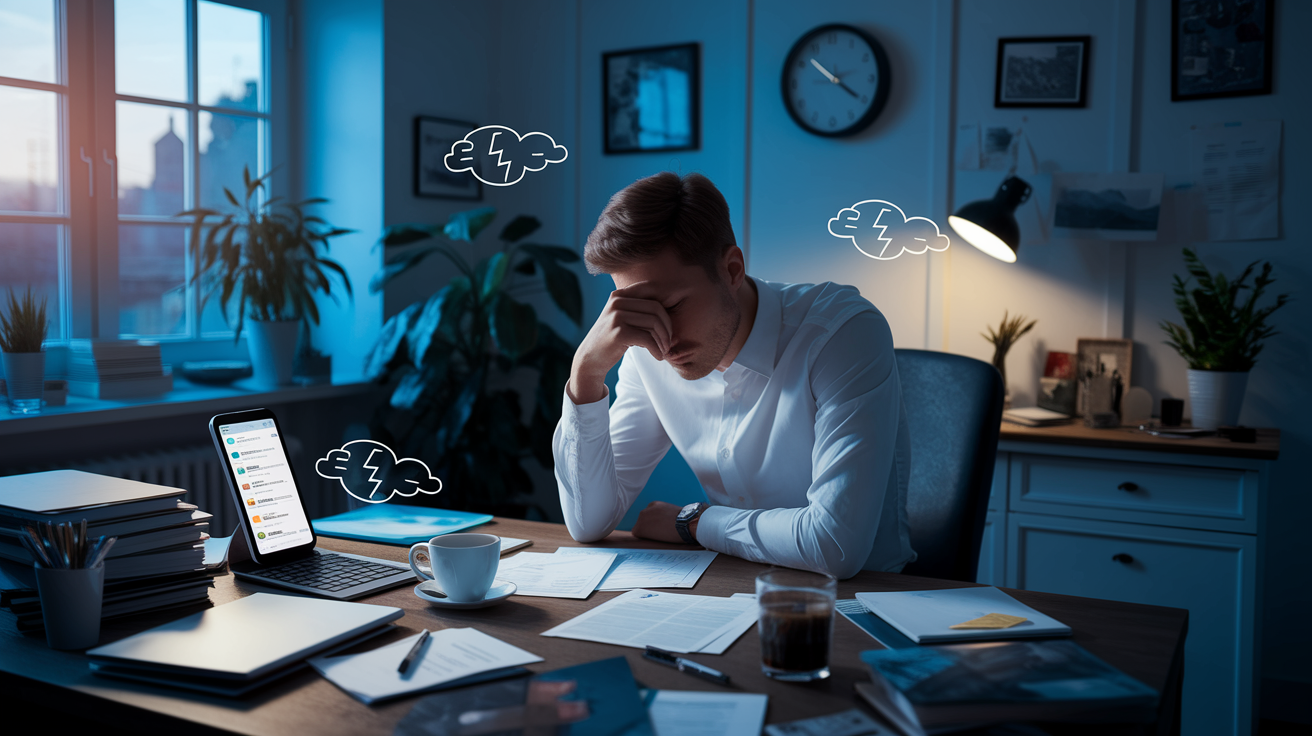
Energy drains are the activities, habits, people, and patterns that leave you feeling emptier than when you started. Some are obvious. Skipping meals, staying up past midnight, scrolling social media for an hour before bed. Others are sneaky, like back to back video calls with no recovery time or saying yes to commitments you don’t care about. The only way to spot them is to track what happens right before your energy drops.
Use your daily log to watch for repeating triggers. If you crash every afternoon around 2:00 PM, look at what you ate for lunch, how much water you’ve had since morning, and whether you’ve moved your body at all. If you wake up tired even after 7 hours of sleep, check your bedtime consistency, your evening screen time, and whether you’re actually winding down or just lying in bed with your mind running. Patterns show up fast when you write them down.
Common energy drains include:
Irregular sleep schedule. Going to bed at different times disrupts your body’s natural rhythm and makes it harder to fall asleep and wake up feeling rested.
Skipping meals or eating mostly refined carbs. Your blood sugar spikes and crashes, pulling your energy with it.
Dehydration. Even mild fluid loss slows your brain and makes simple tasks feel harder.
Sitting for hours without a break. Circulation slows, muscles stiffen, and focus fades.
Mental clutter and decision fatigue. Too many small choices throughout the day drain your mental battery faster than one big task.
Energy draining relationships. People who complain constantly, dismiss your needs, or leave you feeling worse after every interaction.
Overcommitment. Filling your calendar so tightly that there’s no buffer for rest, spontaneity, or things going wrong.
Setting Clear, Measurable Energy Goals
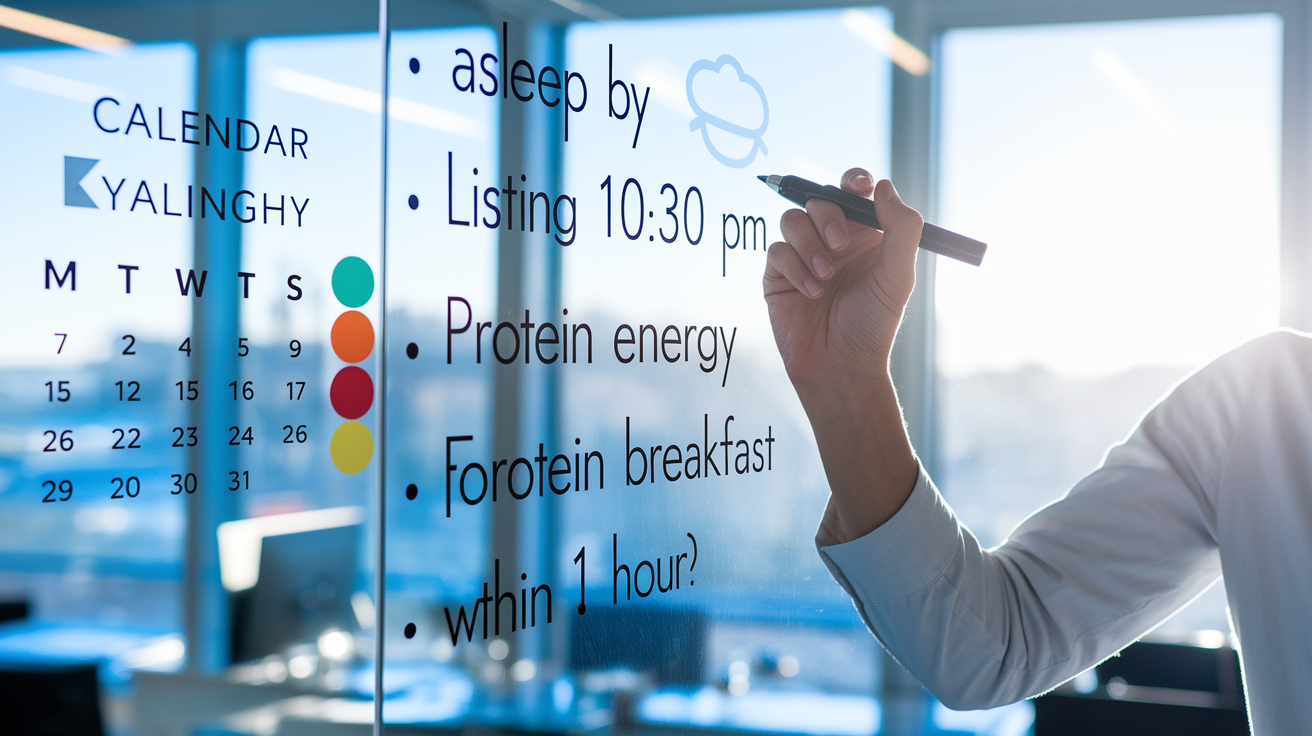
Vague goals like “have more energy” don’t give you anything to work with. You need a specific change you can track and adjust. Start by picking one energy problem that showed up repeatedly in your audit. Maybe you’re dragging every morning, or you hit a wall after lunch, or you feel wired at night but can’t focus during the day. Then turn that observation into a measurable target.
Good energy goals connect a behavior to a result you can feel and track. Instead of “sleep better,” try “asleep by 10:30 PM on weeknights and wake naturally by 6:30 AM.” Instead of “eat healthier,” use “eat a protein based breakfast within an hour of waking up, five days this week.” The tighter the goal, the easier it is to know if it’s working.
| Goal Type | Example | Metric / Tracking |
|---|---|---|
| Morning energy consistency | Reduce morning grogginess and feel alert by 8:00 AM | Rate morning energy 1–10 daily; track bedtime and wake time consistency for 14 days |
| Afternoon energy stability | Avoid the 2:00 PM crash | Log lunch composition and afternoon energy score; note presence or absence of post lunch slump |
| Sustained focus periods | Work in 90 minute blocks without fatigue | Track number of uninterrupted focus sessions per week and subjective mental clarity at the end of each block |
| Evening wind down quality | Feel calm and ready for sleep by 10:00 PM | Note pre bed routine adherence (screen off time, activity) and how long it takes to fall asleep |
Building Your Daily Energy Routine

A daily energy routine gives your body predictable cues so it knows when to gear up and when to wind down. You’re not locking yourself into a rigid schedule. You’re creating a loose structure that your energy can sync to. Think of it like training wheels: once your body learns the rhythm, sustaining energy gets easier.
Start by anchoring a few key actions at roughly the same time each day. Your body loves consistency more than perfection. If breakfast happens sometime between 7:00 and 8:00 AM and you go to bed in a 30 minute window most nights, that’s enough to start building a reliable energy pattern. The goal is to reduce the daily decision load and give your system something steady to work with.
Here’s a basic framework to adapt:
- Morning activation habits. Within 30 minutes of waking, get some light (open the blinds or step outside), drink 12 to 16 oz of water, and eat a meal with protein and fiber. This signals your body that the day has started.
- Midday movement. Take a 5 to 10 minute walk or do light stretching between 11:00 AM and 1:00 PM to reset your focus and keep circulation moving.
- Hydration blocks. Set three hydration check ins (mid morning, early afternoon, late afternoon). Aim for steady intake rather than chugging a bottle all at once.
- Focused work cycles. Plan your hardest mental work during your natural energy peaks (often mid morning or late morning). Protect these windows from meetings and notifications.
- Recharge breaks. Every 90 to 120 minutes, step away for 5 minutes. Walk, stretch, look out a window, or close your eyes. Your brain needs the reset.
- Evening wind down cues. One hour before bed, dim the lights, put your phone on Do Not Disturb, and do something low effort like reading, light stretching, or listening to calm music. This tells your nervous system it’s time to shift gears.
Nutrition Foundations for Steady Energy

What you eat directly shapes how you feel an hour later, two hours later, and all day. Stable energy comes from balanced meals that keep your blood sugar steady instead of spiking and crashing. That means pairing carbohydrates with protein, fat, and fiber so your body absorbs fuel gradually. A bagel alone will give you a quick boost and then a hard drop. A bagel with eggs, avocado, and a handful of berries keeps you going.
Protein is especially helpful because it slows digestion and supports muscle repair and mental clarity. Aim for a palm sized portion at each meal. Eggs, chicken, fish, tofu, Greek yogurt, beans. Fiber from vegetables, fruit, and whole grains does the same thing: it keeps your digestion steady and prevents energy swings. Fat helps too, especially from sources like olive oil, nuts, seeds, and fatty fish. It keeps you satisfied and supports hormone production tied to energy regulation.
Hydration is part of nutrition, and it’s one of the easiest fixes for low energy. Even mild dehydration (losing just 1 to 2 percent of your body weight in fluids) can make you feel tired, foggy, and irritable. Drink water throughout the day, not just when you’re thirsty. If you’re active, in a hot environment, or drinking caffeine, you’ll need more. Adding a pinch of salt or an electrolyte option (like coconut water or a low sugar electrolyte drink) can help your body hold onto the water instead of flushing it straight through.
Foods and tactics that support steady energy:
Slow digesting carbs. Oats, sweet potatoes, quinoa, brown rice, and whole grain bread give you fuel without the crash.
Magnesium rich foods. Spinach, almonds, pumpkin seeds, black beans, and dark chocolate support muscle function and reduce fatigue.
B vitamin sources. Eggs, leafy greens, legumes, and fortified grains help your body convert food into usable energy.
Omega 3 fats. Salmon, walnuts, flaxseeds, and chia seeds reduce inflammation and support brain function.
Hydrating foods. Cucumbers, watermelon, oranges, and celery add fluid and nutrients at the same time.
Balanced snacks. Pair an apple with almond butter, carrots with hummus, or a hard boiled egg with a few whole grain crackers to bridge the gap between meals without spiking your blood sugar.
Exercise Strategies That Boost Energy (Without Burning Out)

Movement increases energy when it’s done right, but overdoing it or exercising at the wrong time can leave you more drained. The sweet spot is 25 to 30 minutes of moderate activity, five days a week. Enough to improve circulation, mood, and stamina without triggering a recovery debt your body can’t pay back. On days when you’re already low, a 10 minute walk or a few minutes of stretching can boost your energy more than a hard workout.
Timing matters. If you exercise too late in the day, especially with high intensity, it can interfere with your wind down and make it harder to fall asleep. Morning or early afternoon movement tends to work best for most people because it aligns with natural energy peaks and supports your circadian rhythm. That said, the best time to move is the time you’ll actually do it. Consistency beats perfection.
On low energy days, don’t skip movement. Just dial it back. A gentle yoga session, a short walk, or even standing up and stretching between tasks keeps your blood moving and prevents the sluggish feeling that comes from staying still. You’re not trying to earn energy by pushing hard; you’re supporting the energy you already have.
Five movement strategies that support energy:
- Match intensity to your energy level. On high energy days, go for a run, lift weights, or try a challenging class. On low energy days, walk, stretch, or do restorative yoga.
- Front load activity earlier in the day. Morning or lunchtime movement boosts alertness and protects evening wind down time.
- Take movement breaks every 60 to 90 minutes. Stand up, walk around your space, do a few squats or arm circles. Even 2 minutes helps.
- Choose activities you enjoy. Dancing, hiking, swimming, or playing a sport you like makes movement feel less like a chore and more like a recharge.
- Include strength training twice a week. Building muscle increases your resting metabolic rate and improves how efficiently your body uses energy throughout the day.
Sleep Optimization for Stronger Daily Energy

Sleep is the foundation. You can eat well, move your body, and manage stress, but if your sleep is inconsistent or poor quality, your energy will stay shaky. Your body uses sleep to repair tissue, consolidate memory, regulate hormones, and reset your nervous system. Skipping sleep or getting low quality rest leaves all of those processes incomplete, and you feel it the next day as brain fog, sluggish reflexes, and a shorter fuse.
Consistency is more important than duration if you had to pick one. Going to bed and waking up at roughly the same time every day (even on weekends) trains your circadian rhythm. Your body starts releasing sleep hormones at the right time, and waking up feels easier because your internal clock expects it. If your bedtime swings by two or three hours from night to night, your system never settles. Aim for a 30 minute window. For example, lights out between 10:00 and 10:30 PM and wake up between 6:00 and 6:30 AM.
Your environment shapes how fast you fall asleep and how deeply you stay asleep. A dark room signals your brain to produce melatonin. A cool room (around 65 to 68 degrees Fahrenheit) helps your core body temperature drop, which is necessary for deep sleep. A quiet space or consistent white noise blocks disruptive sounds. Blackout curtains, a fan, earplugs, or a simple eye mask can solve most environmental problems for less than twenty dollars. If your bedroom doubles as your office, TV room, and eating space, your brain doesn’t know it’s a place for rest. The more you can dedicate that space to sleep, the stronger the mental association becomes.
Wind down for at least 30 minutes before bed. Dim the lights, put your phone in another room or on Do Not Disturb, and do something calming. Read a book, stretch gently, listen to quiet music, take a warm shower. Your nervous system needs the transition. Jumping straight from a bright screen and a busy task into bed rarely works. Stress management plays a role here too, but the mechanics of sleep hygiene (the timing, the environment, the routine) are what most people can control and improve quickly.
Stress Management Techniques to Preserve Energy

Stress burns through energy faster than almost anything else. When your nervous system is stuck in high alert (whether from work pressure, relationship tension, or just a packed schedule with no breathing room) your body stays in a state that’s designed for short bursts, not all day operation. That constant activation drains your mental and physical reserves, and no amount of sleep or food will fully compensate if the stress keeps running in the background.
The goal isn’t to eliminate stress. It’s to give your nervous system regular chances to downshift so you’re not running on fumes. Small, deliberate recovery practices throughout the day act like pressure release valves. A few minutes of deep breathing, a short walk outside, or five minutes of sitting quietly with no input can pull you out of fight or flight mode and give your body a chance to recharge. You’re not fixing the stressor. You’re managing your internal response to it.
Four techniques to reduce stress driven fatigue:
- Box breathing for nervous system reset. Breathe in for 4 counts, hold for 4, breathe out for 4, hold for 4. Repeat for 3 to 5 cycles. This activates your parasympathetic nervous system and slows your heart rate.
- Micro recovery breaks between tasks. After finishing a meeting, a call, or a focused work block, take 2 to 3 minutes to stand, stretch, look out a window, or close your eyes. Don’t jump straight into the next thing.
- Daily 10 minute decompression window. Schedule a small block of time where you do something low effort and restorative. Journaling, listening to music, sitting outside, or doing gentle stretching. Protect this time like you would a meeting.
- Track your stress load with a simple score. At the end of each day, rate your stress level from 1 to 10 and note what drove it up. Patterns will show you which situations consistently drain you, and that gives you data to make changes. Delegate tasks, set boundaries, or limit exposure to specific triggers.
Putting It All Together: Your Energy Wellness Plan Template

A plan only works if it’s simple enough to follow on a normal week, not just when you’re motivated. Use this template to organize your daily and weekly actions across the six core areas that drive energy. Fill in one or two specific behaviors per category, and choose a tracking method that takes less than two minutes a day. Adjust as you go. Your plan should evolve as your energy patterns change.
| Category | Daily Action | Weekly Action | Tracking Method |
|---|---|---|---|
| Nutrition | Eat a protein based breakfast within 1 hour of waking; drink 12–16 oz of water before 10:00 AM | Prep 3 balanced lunches on Sunday with protein, fiber, and healthy fat | Check off breakfast and log water intake in a notes app or journal |
| Sleep | Lights out by 10:30 PM; start wind down routine at 9:30 PM (dim lights, no screens) | Track bedtime and wake time 7 days; aim for consistency within a 30 minute window | Write down bedtime and wake time each morning; rate sleep quality 1–10 |
| Exercise | Take a 10 minute walk at lunch or mid afternoon | Complete 3–5 movement sessions (25–30 minutes each) spread across the week | Mark completed sessions on a calendar; note activity type and energy level before and after |
| Stress | Take 3 micro breaks (2–3 minutes each) during the workday to step away and breathe | Schedule one 10 minute decompression block daily (journaling, quiet sitting, or stretching) | Rate daily stress 1–10 at the end of the day; note what spiked it |
| Hydration | Drink water at three set times: mid morning, early afternoon, late afternoon | Review weekly hydration habits and adjust intake if energy dips correlate with low fluid days | Tally water intake with tally marks or use a water tracking app |
| Lifestyle Habits | Put phone on Do Not Disturb 1 hour before bed; limit social media to 15 minutes in the evening | Audit your calendar weekly and remove or delegate 1–2 energy draining commitments | Weekly review: note which habits you followed consistently and which ones slipped; adjust next week’s plan |
Final Words
Start with one small action: do a quick 24‑hour energy check and pick one habit to tweak.
You’ve got a clear path—spot your energy drains, set simple goals, build a daily routine, tune food and movement, protect sleep, and use the template to keep it practical.
If you’re wondering how to create a wellness plan for energy, try the 3–7 day starter: track, adjust, repeat. Small, consistent changes add up. You’ve got this.
FAQ
Q: What are the 5 C’s of wellness?
A: The 5 C’s of wellness often refer to: Connection, Calm, Choices, Consistency, and Care — five practical areas to focus on for steady energy, mood, and daily resilience.
Q: How to create your own wellness plan? / What should a wellness plan include?
A: To create your own wellness plan, assess your energy baseline, pick 1–3 priorities, set simple daily habits (sleep, meals, movement, hydration, stress tools), choose easy metrics, track progress, and adjust weekly.
Q: What are the 7 pillars of wellness?
A: The 7 pillars of wellness are physical, emotional, social, intellectual, spiritual, occupational, and environmental wellbeing — a full set to guide balanced habits and better daily energy.