

Tired all the time even after a good night’s sleep?
It might not be stress — low vitamin B12 can quietly drain your energy and slow your nerves.
That tiredness usually shows up with other clues: brain fog, tingling in hands or feet, pale or slightly yellow skin, or a smooth sore tongue.
These symptoms add up over weeks or months.
This post lays out the warning signs you shouldn’t ignore, why B12 causes a different kind of fatigue, and the simple next steps to get checked and start feeling better.
Clear Symptoms of Vitamin B12 Deficiency That Cause Fatigue
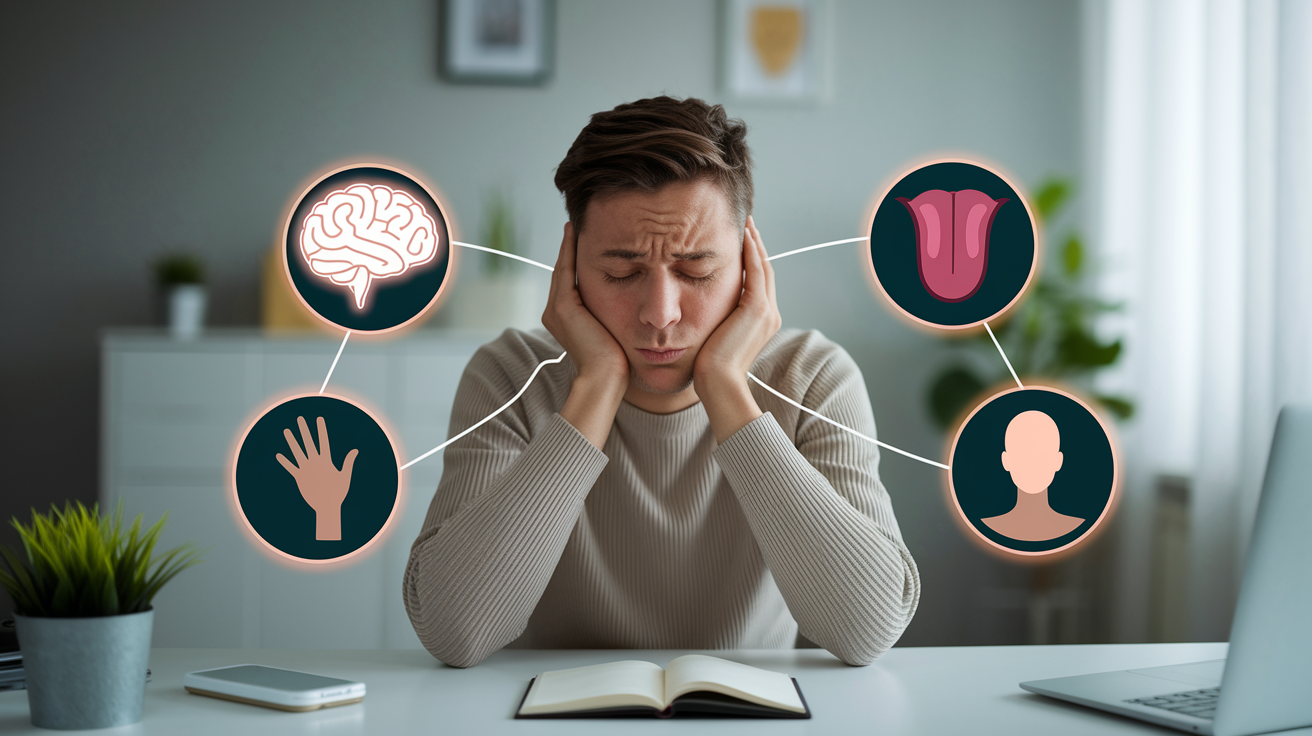
The fatigue from low B12 doesn’t usually show up alone. It brings along a cluster of other symptoms that build slowly over weeks or months. You might notice tiredness first, then realize you’re also dealing with brain fog, odd sensations in your hands, or a tongue that looks weirdly smooth.
These symptoms pile up. The more you’re seeing from the list below, the more likely your fatigue connects back to B12. Watch for patterns, especially if rest and sleep aren’t fixing the tiredness.
- Persistent tiredness or weakness that doesn’t get better with more sleep
- Shortness of breath during light activity like climbing stairs or walking
- Pale or slightly yellowish skin tone
- Tingling, numbness, or “pins and needles” in your hands, legs, or feet
- Dizziness or lightheadedness, especially when you stand up
- Trouble concentrating, memory problems, or mental fog
- Smooth, red, sore tongue (glossitis) or mouth sores
- Changes in mood like irritability, low mood, or unexplained anxiety
- Loss of appetite or unintentional weight loss
- Heart palpitations or feeling your heart race with minimal effort
Why Low Vitamin B12 Causes Fatigue

Your body uses B12 to build red blood cells and keep the protective coating around nerves intact. When B12 levels drop, your bone marrow starts making fewer mature red blood cells. The ones it does make can be larger than normal and less effective at carrying oxygen.
This is called megaloblastic anemia. Your tissues and organs don’t get the oxygen they need, so even basic tasks feel exhausting. At the same time, low B12 damages the myelin sheath that insulates nerve fibers. That slows down the signals your nervous system relies on for energy regulation, muscle control, and mental sharpness.
You’re getting hit twice: your blood can’t deliver enough oxygen, and your nervous system can’t coordinate energy well. That’s why B12 deficiency fatigue often feels different from ordinary tiredness. It comes with brain fog, weakness, and a sense that your body isn’t responding right.
Risk Factors That Increase the Chances of B12 Deficiency

Certain groups face a much higher risk of developing low B12 levels. Often it’s because their bodies can’t absorb the vitamin properly or because their diet doesn’t supply enough. Age is a big factor. As you get older, your stomach produces less acid, which you need to release B12 from food.
Diet plays a role too. B12 is found almost exclusively in animal products like meat, fish, eggs, and dairy. If you follow a strict vegan or vegetarian diet without supplementation, stores can run low over a few years. Digestive conditions and medications also interfere with absorption, even if your diet includes plenty of B12-rich foods.
- Adults over 60, because of reduced stomach acid production
- People following vegan or strict vegetarian diets without B12 supplements
- Individuals with pernicious anemia (an autoimmune condition that blocks B12 absorption)
- Those who’ve had gastric surgery, such as gastric bypass or part of the stomach removed
- People with digestive disorders like Crohn’s disease, celiac disease, or conditions affecting the small intestine
- Long-term users of medications like metformin (for diabetes) or proton pump inhibitors (for acid reflux)
How Doctors Diagnose B12 Deficiency and Fatigue

The first step is a blood test that measures your serum B12 level. Most labs flag results below 200 pg/mL as deficient. Some clinicians consider anything under 300 pg/mL worth investigating further, especially if symptoms are present.
If your B12 result falls in the borderline zone or if symptoms stick around despite a normal result, your doctor may order methylmalonic acid (MMA) and homocysteine tests. Both compounds rise when your cells don’t have enough usable B12, even if your serum level looks okay. A complete blood count (CBC) will show whether you have anemia and whether your red blood cells are larger than normal (high MCV), which supports the diagnosis.
In some cases, especially if absorption problems are suspected, your doctor may test for intrinsic factor antibodies or parietal cell antibodies to check for pernicious anemia. The combination of these tests gives a clear picture of whether low B12 is behind your fatigue and how severe the deficiency is.
When Fatigue Means You Should Seek Medical Help

Not all tiredness requires urgent care, but B12 deficiency can cause symptoms that worsen over time. It can lead to lasting nerve damage if left untreated. If your fatigue has been building for weeks or months and is now paired with neurological or cognitive changes, it’s time to see a clinician.
Pay close attention if you notice progressive symptoms, especially numbness or balance problems. These signs point to nerve involvement, and early treatment makes a real difference in how fully you recover. Don’t wait for symptoms to get severe.
- Persistent fatigue that doesn’t improve with rest and is getting worse over weeks
- Tingling, numbness, or loss of sensation that’s spreading or worsening
- Trouble walking, frequent stumbling, or balance problems
- Memory loss, confusion, or noticeable cognitive decline
- Pale or jaundiced skin, rapid heartbeat, or shortness of breath with minimal activity
Final Words
In the action, you saw the clearest signs of B12-related tiredness: what the common symptoms look like, why low B12 drains your energy, who’s more likely to be affected, how doctors check levels, and which problems need prompt care.
This piece aimed to make the links simple and usable—what to watch for and what small steps to try next, like asking for tests or adding B12-rich foods.
Keep an eye on b12 deficiency fatigue warning signs and get testing if they persist.
A small test and a few changes can really help.
FAQ
Q: What do you crave when your B12 is low?
A: When your B12 is low, you may crave animal proteins like red meat, liver, eggs, or dairy because those contain B12; some people also notice stronger cravings for sweets or starchy foods.
Q: How do you feel when your B12 is really low?
A: When your B12 is really low, you often feel very tired, weak, lightheaded, short of breath, pale, numb or tingly, foggy in your thinking, and sometimes more anxious or low in mood.
Q: What is the fastest way to fix B12 deficiency?
A: The fastest way to fix B12 deficiency is medical treatment. Your clinician can give B12 injections for quick replenishment; high‑dose oral supplements also help, so check with your provider.
Q: What are B12 wake up symptoms?
A: B12 wake up symptoms are waking still tired despite enough sleep, morning brain fog, dizziness when standing, heart palpitations, numbness or tingling, and slow thinking or low morning energy.