
Tired of saying “I’m exhausted” and getting told to “just rest”?
This free downloadable fatigue symptoms checklist PDF puts hard numbers behind how you feel.
It bundles two short, trusted clinic tools with a 14–30 day symptom diary, simple scoring grids, and space for meds and sleep notes.
Fill it by hand or type into the PDF, print on Letter or A4, and bring clear data to your next appointment.
Download it free and start tracking so your next visit actually leads somewhere.
Downloadable Fatigue Symptoms Checklist PDF (Fully Printable & Ready to Use)
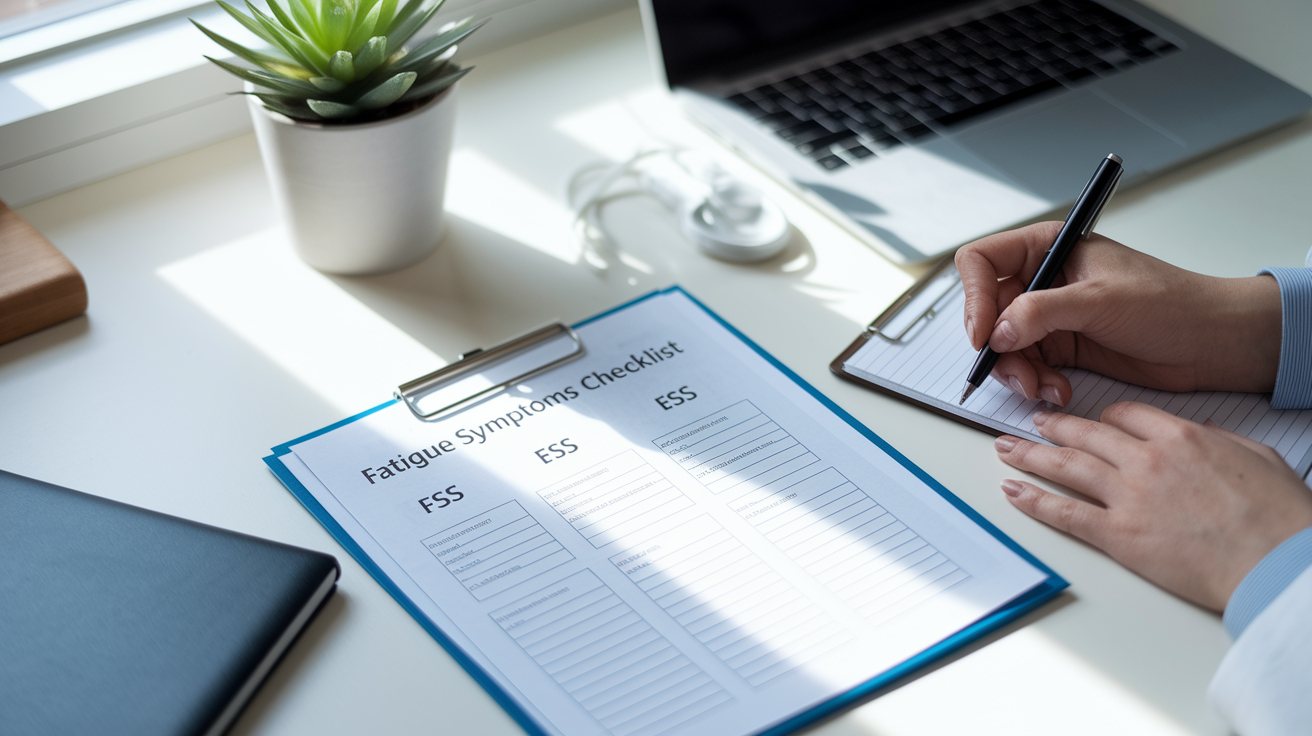
This free downloadable PDF bundles two validated clinical tools (the Fatigue Severity Scale and the Epworth Sleepiness Scale) with a practical 14 to 30 day symptom diary, severity scoring grids, and space for medication tracking. It prints cleanly on standard Letter or A4 paper, works in black and white, and includes built in instructions for self completion and clinician scoring. You can fill it out by hand or type directly into the PDF before printing. The layout leaves room for notes, follow up dates, and provider stamps, so it fits smoothly into a clinic workflow or a personal health binder.
Inside the packet you’ll find everything you need to capture what fatigue feels like day to day and how it’s trending over weeks. Each section has a specific job. Quantifying your energy, flagging sleep issues, tracking patterns, and recording the context around your worst days. The design keeps it simple enough to finish in under fifteen minutes but thorough enough to bring real clarity to your next appointment.
What’s Included in the Checklist:
- Fatigue Severity Scale (FSS) – Nine statements rated 1 to 7 to measure how fatigue affects your daily function. “By the end of the day, I’m too tired to do anything but sit on the couch.”
- Epworth Sleepiness Scale (ESS) – Eight everyday situations (watching TV, sitting in a car, reading) rated 0 to 3 for likelihood of dozing off.
- Symptom frequency grids – Daily checkbox rows for 14 or 30 consecutive days, plus columns for sleep hours, medications, and top symptoms.
- 0 to 10 severity sliders – Quick numeric ratings for pain, brain fog, mood, and energy so you can spot trends at a glance.
- Duration categories – Checkbox options for less than two weeks, two to six weeks, six weeks to six months, and longer than six months.
- Free text fields – Space to list current medications, doses, diagnoses, and any patterns you’ve noticed (like “worse after skipping breakfast” or “better on days I walk”).
- Scoring keys and interpretation bands – Built in tables that translate your raw scores into mild, moderate, or severe ranges and suggest next steps based on clinical cutoffs.
Use this checklist as a baseline before your first appointment or as a monitoring tool if you’re already working with a provider. Fill out the FSS and ESS once, then use the daily diary to track how symptoms shift with sleep, stress, meals, and activity. Bring the completed pages to your visit so your doctor can see the full picture. Not just how you feel today, but how fatigue has been moving over the past two to four weeks. That context makes it easier to decide whether you need labs, a referral, or a tweak to your current plan.
Comprehensive Fatigue Symptoms Checklist Overview (Physical, Cognitive, Emotional)
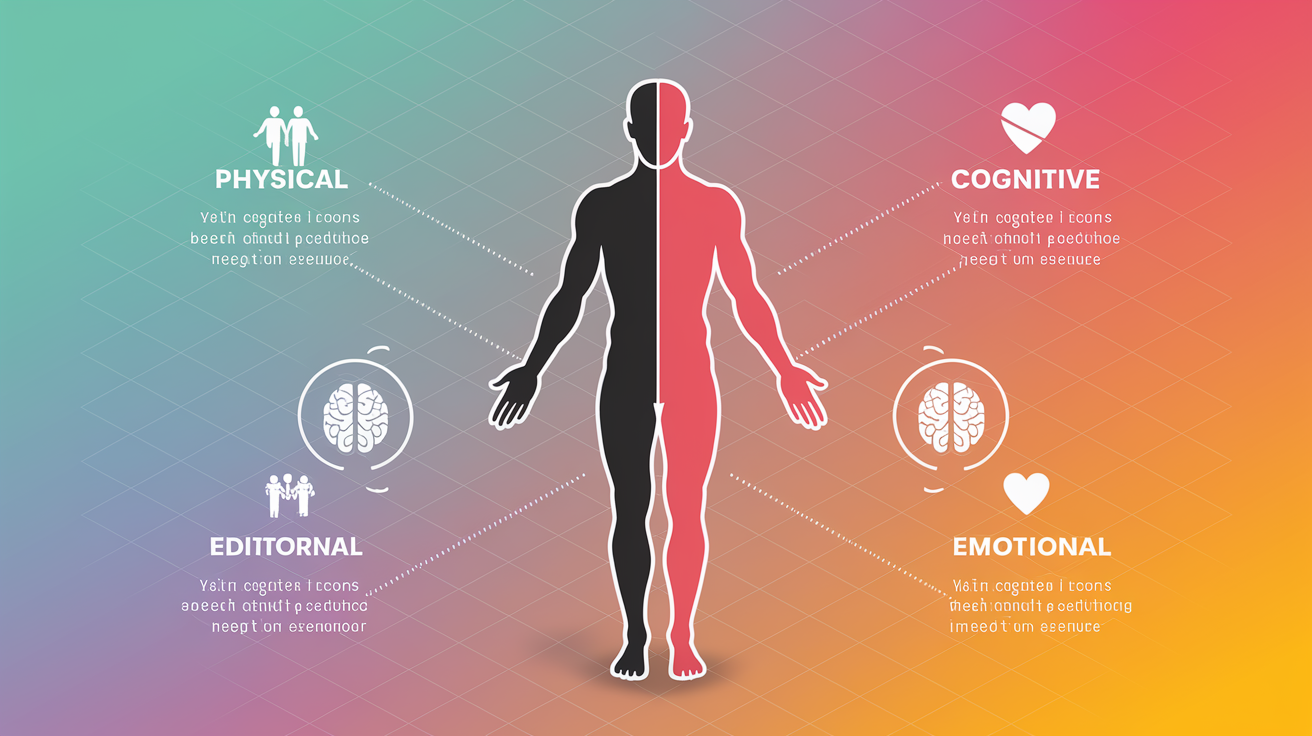
The checklist groups 25 to 30 discrete symptoms into three core categories so you can see where fatigue is hitting hardest. Physical symptoms cover the body signals most people notice first. Muscle aches, headaches, unrefreshing sleep, feeling wiped after small tasks. Each item uses both a 0 to 10 severity scale and a four point frequency option (Never / Occasionally / Often / Daily), which helps you distinguish between “this happens sometimes” and “this is every single day.” Duration checkboxes let you flag whether a symptom showed up in the past two weeks or has been dragging on for months. That timeline matters when a provider is deciding whether to watch, test, or refer.
Cognitive and mental symptoms get their own section because brain fog and memory lapses can feel invisible even when they’re wrecking your workday. The checklist asks about concentration, word finding trouble, slowed thinking, difficulty making decisions, and that sensation of mental static when you’re trying to follow a conversation or read the same paragraph three times. These eight items aren’t about intelligence. They’re about processing speed and mental stamina, both of which tank when your system is running on empty. Scoring these separately from physical fatigue gives a clearer picture of whether the issue is systemic, sleep related, or tied to something like thyroid function or nutrient deficits.
Emotional symptoms round out the triad with questions about irritability, low mood, quick tears, reduced motivation, and feeling emotionally flat. Fatigue and mood are deeply linked. Not because you’re imagining it, but because the same biological systems (sleep, inflammation, blood sugar, stress hormones) regulate both energy and emotional stability. The checklist doesn’t diagnose depression or anxiety, but it flags patterns worth discussing. If your physical energy is a three out of ten and your mood is also tanking, that overlap tells your provider something useful about where to start.
Typical Symptoms the Checklist Captures:
- Persistent tiredness that doesn’t improve after rest or sleep
- Muscle weakness, heaviness, or post activity soreness lasting more than a day
- Trouble concentrating, remembering names, or holding onto a train of thought
- Waking up feeling as tired as when you went to bed
- Mood swings, irritability, or feeling emotionally overwhelmed by small stressors
- Needing frequent naps or feeling the urge to lie down during the day
Fatigue Severity Scale (FSS) and Epworth Sleepiness Scale (ESS) Included in the PDF
These two validated tools anchor the checklist because they’ve been tested in thousands of clinical settings and give you scores that mean something to providers. The Fatigue Severity Scale zeroes in on how fatigue interferes with your life. Your work, your social plans, your ability to handle daily responsibilities. The Epworth Sleepiness Scale measures something different: whether you’re so sleepy during the day that you could doze off in the middle of everyday activities like watching TV or sitting in traffic. One tells you about energy drain, the other tells you about the pull toward sleep. Both matter, and sometimes the answers surprise you.
You can download an example of both scales here: Fatigue Severity Scale (PDF example). Seeing the layout and question style before you print the full packet can help you decide if you want to prep notes or gather medication lists first. The scales are short. Nine items for FSS, eight for ESS. So completion takes less than ten minutes, but those few minutes produce numeric scores that guide whether you need sleep medicine, endocrine labs, or closer monitoring for chronic fatigue syndrome.
How to Complete and Score the Fatigue Severity Scale
The FSS asks you to think about the past week and rate nine statements on a scale of 1 (strongly disagree) to 7 (strongly agree). Statements include things like “Fatigue interferes with my physical functioning,” “Fatigue causes frequent problems for me,” and “Fatigue is among my three most disabling symptoms.” You score each item, then calculate the mean by adding all nine ratings and dividing by nine. Your final score will fall somewhere between 1.0 and 7.0. A mean score of 4.0 or higher is the commonly used threshold for clinically significant fatigue. The kind that warrants further evaluation, not just reassurance to rest more.
The FSS doesn’t diagnose a specific condition, but it quantifies impact. A score of 6.5 tells your provider that fatigue is dominating your function and probably needs a workup for underlying causes. A score of 2.8 suggests fatigue is present but manageable, and the focus might shift to prevention or optimizing sleep and nutrition. The one week recall keeps the assessment current, so if you repeat the FSS every two to four weeks during treatment, you’ll see whether interventions are moving the needle. Medication adjustments, iron supplementation, sleep hygiene.
How to Complete and Score the Epworth Sleepiness Scale
The ESS presents eight situations. Sitting and reading, watching TV, sitting inactive in a public place, as a passenger in a car for an hour, lying down to rest in the afternoon, sitting and talking to someone, sitting quietly after lunch, and in a car stopped in traffic. For each, you rate your likelihood of dozing off on a scale of 0 (would never doze) to 3 (high chance of dozing). You sum the eight item scores to get a total between 0 and 24. Interpretation bands look like this: 0 to 5 is low normal sleepiness, 6 to 10 is average, 11 to 12 suggests mild excessive daytime sleepiness, 13 to 15 is moderate, and 16 to 24 is severe and warrants urgent sleep medicine referral.
An ESS over 10 raises the question of a primary sleep disorder. Obstructive sleep apnea, narcolepsy, or severe insomnia. Something that’s fragmenting your rest and leaving you in a chronic sleep debt. If your FSS is high and your ESS is also elevated, the fatigue may be driven more by poor sleep architecture than by an inflammatory, metabolic, or psychiatric cause. That distinction changes the referral path. The ESS is quick, non invasive, and covered by most insurance when used as part of a sleep evaluation, so providers trust it as a first pass screen before ordering overnight studies.
Tracking Fatigue Over Time With Daily & Weekly Logs (14–30 Day Templates)

The diary portion of the PDF gives you a simple grid with one row per day for 14 or 30 consecutive days. Each row has columns for the date, hours of sleep, overall energy rated 0 to 10, your top three symptoms, any medications or supplements you took, and a notes field for context like “skipped lunch,” “argued with partner,” or “felt better after walk.” Weekly summary rows let you calculate average severity for that week so you can spot whether you’re trending up, down, or stuck. This format turns vague complaints into data points you can actually use.
Filling it out takes about two minutes each evening or first thing in the morning. The key is consistency. If you skip days, the pattern gets fuzzy. Tracking over two to four weeks captures variability you’d otherwise miss. You might discover your energy always crashes on the third day after a late night, or that symptoms spike the week before your period, or that hydration and meal timing correlate more tightly with afternoon fatigue than you realized. That’s the kind of insight that changes your daily routine faster than waiting for lab results.
How to Fill Out the Daily Log:
- Record the date and total hours of sleep (count overnight sleep, not time in bed scrolling).
- Rate your overall energy for the day on a 0 to 10 scale. 0 means bedbound, 10 means normal pre fatigue baseline.
- List your top three symptoms by intensity (for example, “brain fog,” “muscle ache,” “irritability”).
- Note any medications, doses, or supplements taken that day, including timing if relevant.
- Add a brief note about anything unusual. Meal skipped, stressful event, exercise, nap, caffeine after 2 PM.
At the end of each week, review your seven daily energy scores and calculate the average. If week one averaged 4 out of 10 and week three averaged 6, you know something shifted. Cross reference your notes to see if sleep, food timing, hydration, or activity levels changed during that window. This is the kind of detective work that makes follow up appointments more productive. You walk in with trends, not just “I’m still tired.”
Identifying Causes Using the Fatigue Symptoms Checklist (Medical, Lifestyle, Sleep)

The checklist includes a structured section listing 10 to 12 common causes so you and your provider can quickly narrow the list of suspects. Each cause comes with typical symptom clusters and a note about timing or tests that help confirm or rule it out. This isn’t about self diagnosing. It’s about organizing your thinking before the appointment so you ask the right questions and don’t leave with vague reassurance when you actually need labs or imaging.
Sleep disorders top the list because they’re both common and fixable. Obstructive sleep apnea, chronic insomnia, restless legs syndrome, and circadian rhythm disruptions all produce daytime fatigue that looks and feels like a systemic illness but resolves when sleep quality improves. Anemia and hypothyroidism come next. Both cause fatigue, cold intolerance, and exercise intolerance, and both show up on basic labs (CBC and TSH). Infections, whether acute (like mononucleosis) or chronic (like hepatitis or Lyme in endemic areas), can trigger weeks to months of profound tiredness. Medications are frequent culprits too. Especially beta blockers, antihistamines, benzodiazepines, and some antidepressants. Things that patients and providers sometimes overlook.
Mental health conditions like depression and anxiety produce real, measurable fatigue, not imaginary tiredness. The biology overlaps with physical fatigue. Disrupted sleep, elevated cortisol, inflammation, altered appetite. So the checklist prompts you to flag mood symptoms alongside physical ones. Other causes worth screening include poorly controlled diabetes (high or low blood sugar both tank energy), autoimmune diseases (lupus, rheumatoid arthritis, celiac disease), substance use (alcohol, cannabis, opioids), and pregnancy or postpartum recovery. Each has a different evaluation path, so documenting symptom patterns and duration helps your provider decide where to start.
| Cause | Typical Clues | When to Evaluate |
|---|---|---|
| Obstructive Sleep Apnea | Loud snoring, witnessed pauses in breathing, morning headache, high ESS score | ESS >10 or partner reports apnea events |
| Anemia | Pale skin, shortness of breath with activity, rapid heart rate, cold hands | If menstruating, vegetarian, or recent blood loss |
| Hypothyroidism | Weight gain, cold intolerance, dry skin, constipation, slow thinking | Family history of thyroid disease or symptoms >6 weeks |
| Medications | Fatigue started or worsened after new prescription; dose related pattern | Any new med in past 3 months or recent dose increase |
| Depression | Low mood, loss of interest, poor concentration, guilt, suicidal thoughts | Mood symptoms present for >2 weeks or interfering with function |
| Diabetes (poorly controlled) | Excessive thirst, frequent urination, blurred vision, slow wound healing | Random glucose >200 mg/dL or A1C >7% in known diabetics |
When Fatigue Requires Urgent Attention (Red Flag Symptoms Checklist)

Most fatigue is not an emergency, but certain combinations of symptoms signal that something acute and serious is happening and you need same day or emergency department evaluation. The checklist includes a dedicated red flag section so you don’t brush off warning signs while waiting for a routine appointment. These aren’t subtle. If you’re experiencing any of them alongside fatigue, call your provider immediately or go to the ER.
Red flags exist because fatigue can be the leading edge of life threatening conditions like heart failure, pulmonary embolism, severe anemia, uncontrolled infection, or neurologic emergencies. The checklist doesn’t replace clinical judgment, but it gives you clear language to use when you call for advice. Saying “I’m tired and also having chest pain and shortness of breath” gets triaged differently than “I’ve been tired for a month.” Both matter, but one needs attention within hours.
Eight Red Flags That Require Immediate Medical Attention:
- Chest pain, pressure, or tightness, especially with exertion or at rest
- Sudden shortness of breath or difficulty breathing that’s new or rapidly worsening
- Fainting, near fainting, or loss of consciousness
- High fever (>101°F / 38.3°C) that doesn’t respond to acetaminophen or ibuprofen within a few hours
- Sudden focal neurologic symptoms. Weakness on one side, slurred speech, vision loss, severe new headache
- Severe abdominal pain that’s persistent or getting worse
- Uncontrolled bleeding or signs of severe anemia (pale lips, rapid heart rate, dizziness when standing)
- Sudden vision loss or severe eye pain
If any of these show up, don’t wait to see if they pass. Fatigue plus a red flag changes the clinical picture completely. Your provider will want imaging, labs, and possibly admission to rule out acute cardiac, pulmonary, or neurologic events. The checklist puts these warnings up front so they’re easy to reference when you’re scared and not sure whether to call.
Screening for Chronic Fatigue Syndrome and Post Exertional Malaise

The PDF includes a targeted subsection for chronic fatigue syndrome (CFS), also called myalgic encephalomyelitis (ME/CFS), because the condition is underdiagnosed and often dismissed. The checklist doesn’t replace a full clinical evaluation, but it helps you recognize the hallmark pattern: profound fatigue lasting more than six months that isn’t explained by another medical condition, plus at least one of three core features. Unrefreshing sleep, post exertional malaise, or significant cognitive impairment. Post exertional malaise is the signature symptom. It means your energy and symptoms get worse after physical or mental effort, and the worsening can be delayed by 12 to 48 hours and last for days or weeks.
If you check the boxes for fatigue longer than six months and post exertional malaise, the checklist prompts you to document frequency, triggers, and recovery time. For example, does a 20 minute walk leave you bedbound the next day? Does a stressful meeting trigger brain fog and muscle pain that lasts three days? That’s not deconditioning and it’s not “just tired.” It’s a biological ceiling on exertion that requires pacing, not push through advice. The checklist gives you a framework to describe this to a provider who may not be familiar with ME/CFS criteria.
Screening also asks about orthostatic intolerance (dizziness or rapid heart rate when standing), frequent sore throats, tender lymph nodes, new sensitivities to light or sound, and flu like symptoms without infection. These overlap with other conditions. Dysautonomia, fibromyalgia, mast cell activation. So the checklist isn’t diagnostic, but it flags a pattern that warrants referral to a specialist familiar with complex chronic fatigue. Early identification matters because pacing strategies, sleep optimization, and careful activity management can prevent severe crashes and long term worsening.
Understanding Score Interpretation in the Fatigue Symptoms Checklist PDF
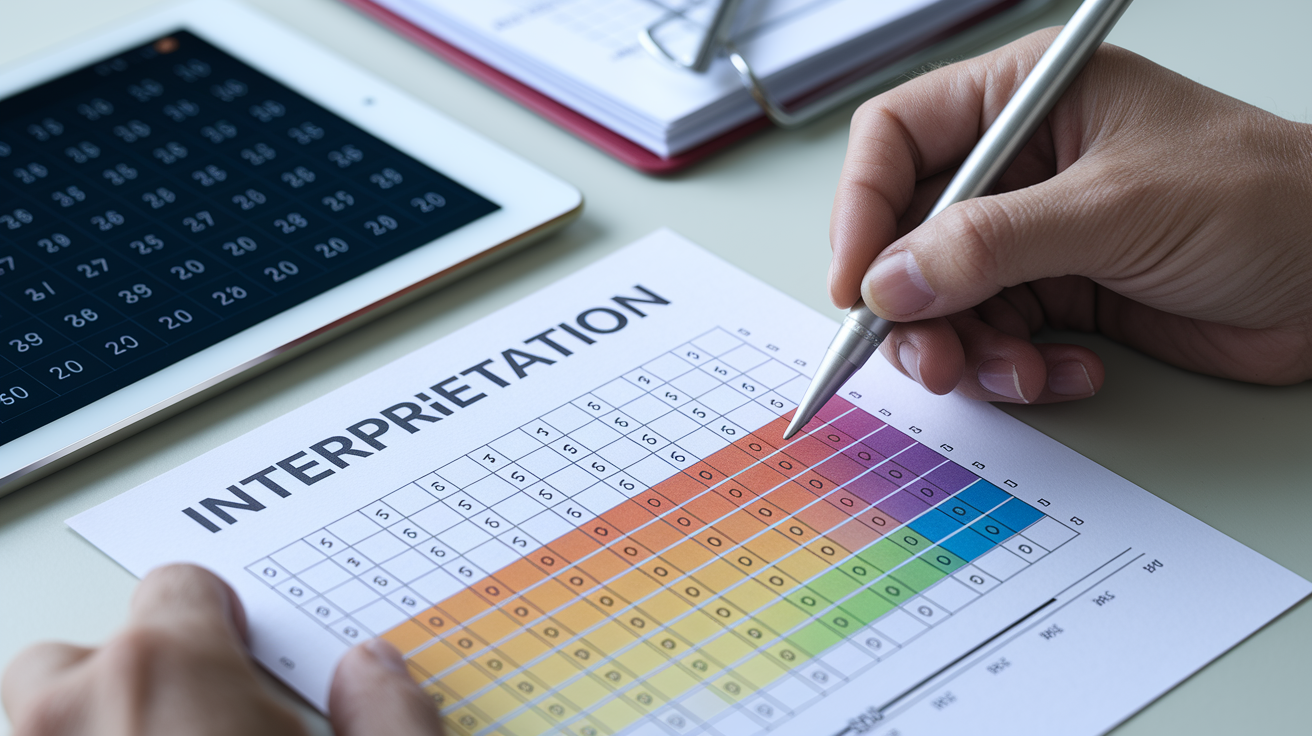
The PDF aggregates your item responses into a total score on a 0 to 100 scale, with interpretation bands that guide next steps. This scoring method takes the subjective feeling of “I’m so tired” and translates it into a number your provider can track over time and compare against clinical thresholds. Mild fatigue (0 to 20) suggests symptoms are present but not significantly limiting daily function. This range often responds to lifestyle adjustments like sleep hygiene, hydration, and meal timing. Moderate fatigue (21 to 50) means symptoms are interfering with work, social life, or self care on a regular basis and warrant medical evaluation to rule out treatable causes.
Severe fatigue (51 to 100) indicates significant functional impairment. Trouble getting through a workday, frequent rest periods, or needing help with basic tasks. Scores in this range should prompt labs (CBC, comprehensive metabolic panel, TSH, vitamin D, B12, iron studies), medication review, sleep study referral, and consideration of autoimmune or infectious workup. The FSS and ESS have their own cutoffs (FSS mean ≥4 and ESS >10) that may trigger specific actions even if your aggregate symptom score is lower. For example, an ESS of 14 with an FSS mean of 3.5 points toward a primary sleep disorder more than systemic illness.
Interpretation guidance in the PDF explains that higher scores don’t always mean worse outcomes. They mean clearer indication for intervention. A score of 60 isn’t a failure, it’s useful information that focuses your provider’s attention and helps prioritize testing and referrals. Repeat scoring every two to four weeks during treatment lets you measure whether changes to sleep, diet, medications, or supplements are making a difference. If your score drops from 55 to 35 over six weeks, that’s objective evidence that something is working, even if you don’t feel perfect yet.
Score Ranges and What They Mean:
- 0–20 (Mild): Fatigue is noticeable but not disabling; start with sleep, hydration, meal timing, and stress reduction.
- 21–50 (Moderate): Symptoms interfere with daily function regularly; pursue medical evaluation and basic lab workup.
- 51–75 (Severe): Significant impairment; requires thorough diagnostic evaluation, possible specialist referral, and close monitoring.
- 76–100 (Very Severe): Profound limitation; consider expedited workup, multidisciplinary care, and safety assessment for ADL support.
Lifestyle & Dietary Factors Included in the PDF (Nutrition, Sleep, Hydration, Stress)

The checklist dedicates space to the lifestyle inputs that drive energy day to day. Sleep hours, hydration markers, meal timing, caffeine intake, and stress load. This section isn’t about shaming your choices, it’s about connecting dots. If your energy crashes at 3 PM every day and you consistently skip lunch, that’s not a mystery. It’s a blood sugar dip. If you sleep seven hours but wake up five times, that fragmented sleep is probably a bigger problem than the total time in bed. The checklist prompts you to log these factors alongside your symptoms so patterns become visible.
Nutrition fields ask about meal frequency, protein intake, fiber, and whether you’re eating enough to match your activity level. You don’t need to count calories, but noting “ate breakfast” versus “skipped breakfast, had coffee” over 14 days shows whether low energy correlates with undereating or long gaps between meals. Hydration tracking is simple. Did you drink water consistently, or did you realize at 4 PM you’d only had coffee? Add a pinch of salt or an electrolyte option if you’re drinking plenty but still feel dry, dizzy, or low on stamina. These aren’t dramatic interventions, but they’re often the missing piece when fatigue persists despite normal labs.
Sleep hygiene gets its own subsection with checkboxes for bedtime consistency, screen use before bed, bedroom temperature, and nighttime awakenings. The goal is to identify fixable disruptions before jumping to medication. Stress and pacing round out the section. Questions about overcommitment, lack of rest days, and whether you’re pushing through fatigue instead of pacing activity. If you’re spending every ounce of energy on work and collapsing on weekends, that boom and bust cycle will keep you stuck. The checklist nudges you toward sustainable patterns that protect your baseline instead of draining it.
Five Habit Categories the Checklist Prompts You to Track:
- Sleep duration and quality (hours, awakenings, feeling rested or not)
- Meal timing and composition (protein, fiber, skipped meals, long fasting windows)
- Hydration (total intake, type of fluids, signs of dehydration like dark urine or dizziness)
- Caffeine and stimulant use (amount, timing, whether it’s masking fatigue or worsening sleep)
- Activity pacing (rest breaks, overexertion events, post exertional symptom flares)
Optional Clinician Notes, Referrals, and Follow Up Planning

The final page of the PDF is designed for your provider. It includes fields for physical exam findings, recommended labs (CBC, CMP, TSH, vitamin D, B12, ferritin, ESR, CRP), imaging if indicated, and a checklist for common referrals. Sleep medicine, endocrinology, hematology, rheumatology, psychiatry, or physical therapy. There’s space to document impact on activities of daily living using a 0 to 10 scale, note any disability or work accommodation needs, and outline a follow up timeline (immediate, 48 to 72 hours, two to four weeks, or longer depending on urgency and test turnaround).
This section streamlines handoffs and ensures nothing gets lost between the visit and the next step. If your provider checks “refer to sleep medicine” and writes “ESS 16, concern for OSA,” the sleep clinic has context before you even arrive. If labs are pending, the follow up field reminds both of you when to reconnect. Medication review space lets your doctor note whether any current prescriptions are known to cause fatigue and whether dose adjustment or substitution is worth trying before ordering expensive tests.
The clinician section also includes a brief ADL impact assessment. Can you work full time? Do you need help with grocery shopping, cooking, or housework? Are you safe to drive? These questions matter for disability documentation, workplace accommodations under the Americans with Disabilities Act, and deciding whether you need home health support while waiting for a diagnosis. Filling this out during the visit creates a written record that’s useful if you later apply for short term disability or need a letter for your employer.
Printable Formats, File Types, and Editing Options (PDF, Word, Google Docs)
The checklist downloads as a PDF, typically 100 to 400 kilobytes, formatted for Letter or A4 paper. It prints cleanly in black and white and includes fillable fields so you can type directly into the document if you prefer digital completion before printing. Some versions are also available as Word or Google Docs templates, which let you customize the symptom list, add your own tracking categories, or adjust the diary length from 14 to 30 days depending on how long you want to monitor before your appointment.
If you’re sharing the checklist with multiple providers or tracking over months, the editable formats let you save dated copies and compare snapshots side by side. For example, you can save “Fatigue Checklist – January 2025” and “Fatigue Checklist – March 2025” to see whether your FSS score or symptom frequency changed after starting iron supplementation or adjusting your sleep schedule. Digital formats also make it easy to email a completed copy to your doctor’s patient portal before your visit so they can review it in advance and come prepared with a focused plan.
Final Words
In the action, open the printable fatigue symptoms checklist PDF to use the FSS and ESS, daily 14–30 day logs, symptom lists, and clinician notes right away.
Use the forms to score and track physical, cognitive, and emotional signs, note possible causes, and flag urgent red symptoms before a visit. The fatigue symptoms checklist pdf is built for quick self-assessment and to make appointments more focused.
Try filling one day’s log now and bring the summary to your clinician. You’ll have clearer next steps and a simple way forward.
FAQ
Q: What is included in the downloadable fatigue symptoms checklist PDF?
A: The downloadable fatigue symptoms checklist PDF includes validated scales (FSS and ESS), 14–30 day logs, 0–10 severity sliders, free‑text fields, scoring keys, clinician notes, and printable A4/Letter format.
Q: How do I use the checklist for self-assessment or to prepare for appointments?
A: You use the checklist by tracking daily symptoms, scoring FSS/ESS, noting triggers and meds, then printing the summary to share with your clinician for focused tests and treatment planning.
Q: What symptom categories are covered in the checklist?
A: The checklist covers Physical (about 12 items), Cognitive (about 8 items), and Emotional (about 5 items), each rated for severity, frequency, and duration to reveal symptom patterns.
Q: What are the Fatigue Severity Scale and Epworth Sleepiness Scale and how are they scored?
A: The Fatigue Severity Scale is nine statements rated 1–7; a mean score ≥4 suggests clinically significant fatigue. The Epworth Sleepiness Scale rates eight situations 0–3 (total 0–24) with standard thresholds.
Q: How do I track fatigue over time with the daily and weekly logs?
A: You track by filling daily fields—date, sleep hours, energy 0–10, top three symptoms, medications, notes—then use weekly summary rows to calculate averages and spot trends over 14–30 days.
Q: What common causes does the checklist help identify?
A: The checklist helps flag common causes like sleep disorders (sleep apnea), anemia, thyroid issues, infections, medication effects, mood disorders, diabetes, autoimmune conditions, pregnancy, and substance‑related fatigue.
Q: What red-flag symptoms mean I should seek urgent care?
A: Red-flag symptoms requiring urgent care include chest pain, fainting, severe shortness of breath, high fever, new neurologic deficits, intense abdominal pain, sudden vision loss, or uncontrolled bleeding.
Q: How does the checklist screen for chronic fatigue syndrome and post-exertional malaise?
A: The checklist screens for CFS by tracking symptom duration (6+ months), unrefreshing sleep, cognitive impairment, and post‑exertional malaise patterns after activity to identify CFS‑compatible profiles.
Q: How do I interpret the overall score ranges in the checklist?
A: The overall score runs 0–100: mild 0–20, moderate 21–50, severe 51–100. The PDF also flags FSS mean ≥4 and ESS >10 as markers for clinical concern.
Q: What lifestyle and dietary factors does the checklist cover?
A: The checklist tracks sleep hours, hydration, food timing, energy conservation, pacing, and triggers to guide small habit changes like balanced meals, steady fluids, and consistent bedtimes.
Q: Can clinicians use the printable for notes, referrals, and follow-up?
A: The printable includes space for lab/imaging orders, referrals, ADL impact scoring, medication review, and suggested follow‑up timing (immediate, 48–72 hours, or 2–4 weeks).
Q: What file formats are available and can I edit the checklist?
A: The checklist is available as a print‑ready A4/Letter PDF (100–400 KB) with fillable fields, plus editable Word and Google Docs versions for easy customization.