

Think your tiredness is just from a late night? Think again.
Electrolyte imbalance fatigue can hit fast after heavy sweating, vomiting, or starting a new medication, and it feels heavier—dizzy, crampy, or foggy rather than just sleepy.
Read on to learn the critical warning signs that separate mineral-driven exhaustion from normal fatigue, which electrolytes usually cause each pattern, and one clear next step you can try today.
This will help you spot when to manage it at home and when to get medical help.
Key Electrolyte Imbalance Fatigue Indicators and How to Recognize Them
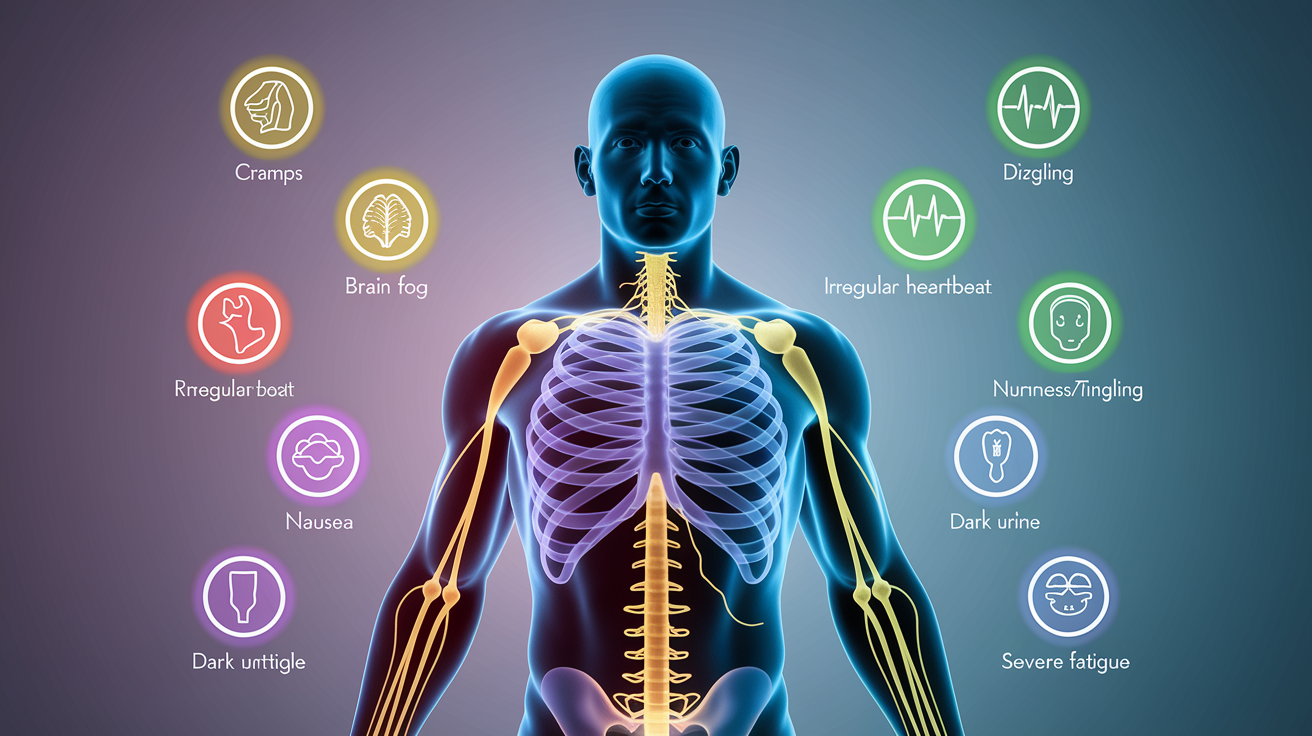
Electrolyte imbalance fatigue doesn’t feel like regular tiredness. It shows up fast, sometimes over a few hours, sometimes a couple of days. Usually after something specific: sweating buckets during a run, dealing with a stomach bug, or starting a new prescription. The exhaustion feels different. Heavier. Like your body’s fighting you instead of cooperating.
What really sets it apart are the side effects. You’re not just wiped out. Your calves cramp up. You get dizzy standing from the couch. Your brain won’t focus even though you slept fine. Your heart does weird things, skipping beats or pounding harder than it should. These neuromuscular and cognitive signals matter. Normal fatigue from bad sleep or stress doesn’t come with cramping, numbness, or heart weirdness. But electrolyte-related fatigue? Often does.
Dehydration usually piles on. Your pee turns dark and concentrated. You’re not going much even when you’re thirsty. Your mouth stays dry. Pinch the back of your hand and the skin takes a second to bounce back. Headaches sneak in. Blood pressure drops, especially when you stand up. All of this together points to something more than just being tired.
Eight direct signs to watch for:
- Muscle cramps or spasms that keep happening, especially in your legs
- Brain fog and trouble concentrating even after rest
- Dizziness or lightheadedness when you stand
- Irregular heartbeat, palpitations, or that racing feeling
- Serious lethargy that doesn’t match what you’ve actually done
- Numbness or tingling in your hands, feet, or around your mouth
- Nausea or throwing up along with weakness
- Dark urine and not peeing much even when you’re drinking
How Electrolyte Deficiencies Create Fatigue and Low Energy

Sodium and potassium keep your nerves working and muscles moving. They’re basically your body’s spark plugs. When sodium drops, your brain can’t send clear signals. You feel slow, confused, foggy. Low potassium makes muscle contractions weaker. Every movement feels harder. Walking upstairs or carrying groceries becomes surprisingly tiring, and your muscles might shake or feel wobbly.
Magnesium and calcium support muscle performance and nerve signals. Magnesium helps muscles relax after they contract. Without enough, cramps and spasms show up constantly, and you feel drained because your muscles can’t recover. Calcium does similar work for muscle control. When it’s low, muscles twitch or stiffen, which drains your energy fast. Dehydration makes everything worse. Your blood volume drops. Your heart pumps harder to move less blood around, and oxygen delivery to your tissues falls. You end up dizzy, weak, running on empty.
Distinct Fatigue Patterns Linked to Specific Electrolyte Deficiencies

Sodium-Related Fatigue
Low sodium fatigue hits your head before your body. You might notice you’re slow to answer questions, forgetting basic words, spacing out mid-task. That’s because sodium controls fluid balance around brain cells. When it’s too low, cells swell a little, slowing everything down. You feel foggy, flat, unmotivated. If sodium keeps dropping or spikes too high from dehydration, the lethargy gets deeper. You might feel almost sedated, like you’re moving through something thick.
Potassium-Related Fatigue
Potassium-related fatigue feels muscular and builds over time. Your legs feel heavier during a walk or workout. Stairs take more effort. A day or two later, even simple stuff becomes tiring: standing up from a chair, lifting your arms over your head. Your muscles feel weak or trembly, and you can’t hold a contraction as long. That’s because potassium helps muscle cells reset after each contraction. When it’s low, muscles literally lose strength. Heart muscle can be affected too, causing arrhythmias or that uneven, fluttery feeling.
Magnesium-Related Fatigue
Magnesium-related fatigue feels unstable and stress-sensitive. You might have decent energy one hour, then feel completely wrecked the next. Small stressors knock you down harder: an argument, skipping lunch, sleeping badly. You might notice eye twitches, muscle tremors, leg cramps at night. Magnesium regulates over 300 enzyme reactions, including the ones that produce energy inside cells. When it’s low, your body can’t keep energy output steady. You feel jittery and exhausted at the same time. Rest doesn’t always fix it.
Calcium-Related Fatigue
Calcium-related fatigue shows up as neuromuscular irritability that drains you. Muscles feel tight, twitchy, prone to cramping. You might get tingling or numbness, especially around your mouth or in your fingertips. That constant low-level tension makes you tired because your nervous system is overstimulated. Even small movements can feel uncomfortable or harder than they should. Severe low calcium can mess with heart rhythm and cause serious problems, but early on, the fatigue comes with a background hum of restlessness and muscle stiffness.
Five cues that help you identify which mineral’s involved:
- Mental slowing and confusion without obvious muscle symptoms? Probably sodium.
- Progressive muscle weakness, especially in big muscle groups? Think potassium.
- Energy crashes after stress or comes with twitching and cramping? Likely magnesium.
- Tingling, tightness, twitchy fatigue? Points to calcium.
- Nighttime cramping plus weakness? Often both potassium and magnesium.
Distinguishing Electrolyte Imbalance Fatigue from Normal Fatigue
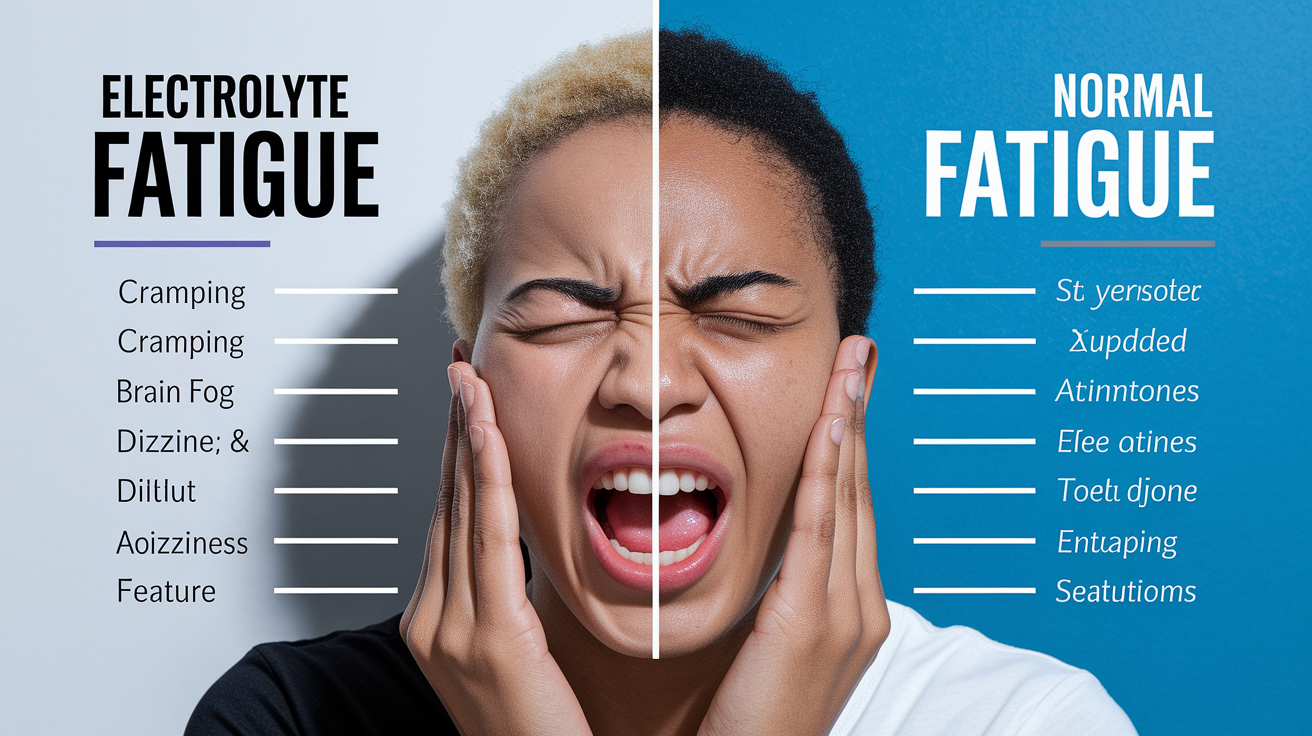
Electrolyte imbalance fatigue usually comes with physical tells. If you’re just tired from a rough night or stressful week, you feel sleepy and mentally drained, but your body works fine otherwise. With electrolyte-related fatigue, something feels wrong in your muscles, heart, or head. You stand up and get dizzy. Your calves cramp out of nowhere. Your thinking feels muddy even after coffee. These extras separate a mineral problem from simple exhaustion.
Timing matters. Electrolyte imbalance fatigue often follows a clear trigger: throwing up, diarrhea, heavy sweating, a new medication, or drinking too much plain water during a long run. General fatigue builds slowly over weeks and relates to lifestyle stuff like late nights or high stress. Electrolyte fatigue can hit within hours to a few days and may worsen fast if the imbalance isn’t fixed.
| Feature | Electrolyte Imbalance | General Fatigue |
|---|---|---|
| Onset | Sudden or within hours to days after trigger | Gradual, building over weeks |
| Muscle symptoms | Cramps, spasms, twitching, weakness | Usually none |
| Heart symptoms | Palpitations, irregular rhythm, skipped beats | Usually none |
| Thinking and focus | Brain fog, confusion, difficulty concentrating despite rest | Sleepiness, distraction from stress |
| Dizziness | Common, especially when standing | Rare unless severely sleep-deprived |
| Associated signs | Numbness, tingling, nausea, dark urine, swelling | Usually just tiredness, mood changes |
Causes of Electrolyte Imbalance That Lead to Fatigue
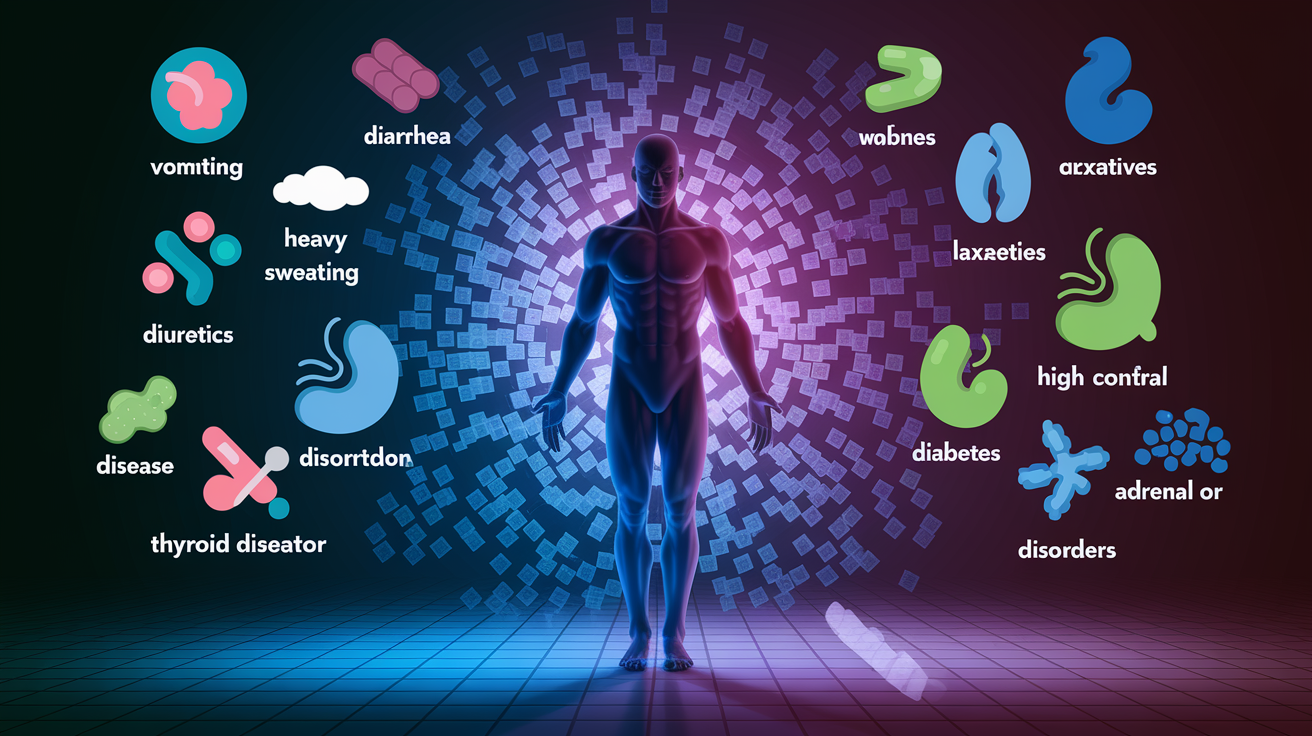
Fluid loss is the biggest trigger. Vomiting and diarrhea drain sodium, potassium, and chloride fast. Heavy sweating during exercise or hot weather pulls sodium and potassium out through your skin. Drinking too much plain water during long workouts or after intense sweating can dilute sodium levels. That’s called hyponatremia. Medications also play a big role. Diuretics (water pills) pull sodium and potassium out through urine. Laxatives cause similar losses through your digestive tract. Some blood pressure meds affect how your kidneys handle electrolytes.
Chronic health conditions raise your risk. Kidney disease means your kidneys can’t regulate electrolytes properly, so levels swing high or low. Diabetes, especially if blood sugar’s poorly controlled, causes frequent urination, flushing out potassium and sodium. Adrenal disorders and thyroid problems can mess with hormone signals that control electrolyte balance. Eating disorders involving purging or restricting fluids also lead to imbalances. Older adults are at higher risk because they don’t feel thirsty as easily and may take multiple medications that affect electrolytes.
Common causes to watch for:
- Vomiting or diarrhea lasting more than a day
- Heavy sweating during intense exercise or hot conditions
- Diuretics, laxatives, or certain blood pressure meds
- Drinking excessive plain water without replacing salts
- Kidney disease or impaired kidney function
- Uncontrolled diabetes with frequent urination
- Adrenal or thyroid disorders affecting hormone balance
When Electrolyte Imbalance–Related Fatigue Requires Medical Attention

Most mild electrolyte-related fatigue responds to rehydration and small diet changes at home. But certain signs mean your body’s struggling to compensate, and you need professional help fast. If your fatigue comes with chest pain, severe shortness of breath, or you feel faint or pass out, that’s a medical emergency. Your heart rhythm could be dangerously affected. Severe confusion, slurred speech, seizures, or inability to stay awake are red flags for very low sodium or other life-threatening imbalances.
If you can’t keep fluids down because of vomiting, or you have ongoing diarrhea causing rapid weight loss and dizziness, you need IV fluids and electrolyte replacement. Rapid or irregular heartbeat that doesn’t settle, especially if paired with weakness or fainting, needs immediate evaluation. Untreated severe imbalances can lead to cardiac arrest, coma, or permanent brain injury.
Get emergency care if you experience:
- Chest pain or severe shortness of breath
- Fainting, near-fainting, or feeling like you might collapse
- New confusion, inability to think clearly, or seizures
- Severe persistent vomiting or diarrhea with rapid fluid loss
- Heart palpitations with dizziness or fainting
- Sudden severe muscle weakness that makes standing or walking difficult
Diagnostic Tests for Identifying Electrolyte-Related Fatigue
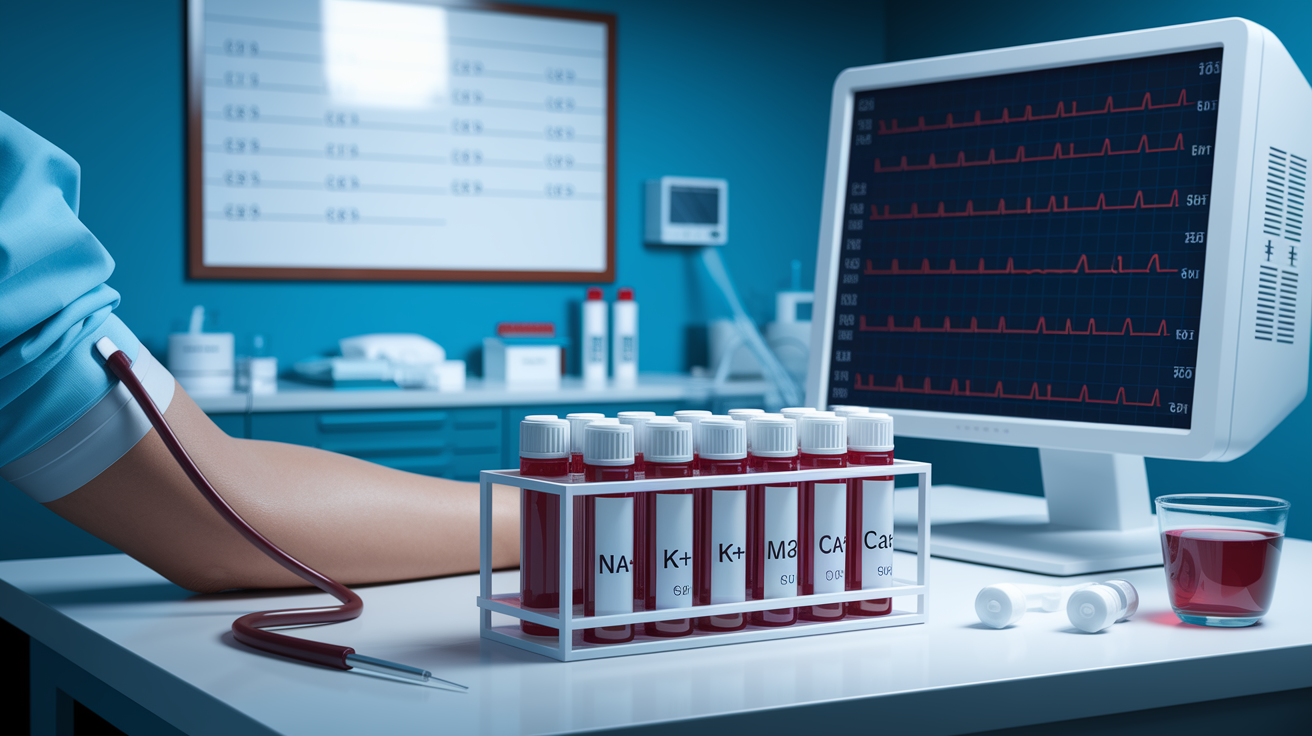
When your doctor suspects an electrolyte problem, the first test is a serum electrolyte panel. This blood draw measures sodium, potassium, chloride, bicarbonate, magnesium, and calcium. The lab compares your levels to normal ranges to see what’s too high, too low, or borderline. A basic metabolic panel or comprehensive metabolic panel often includes electrolytes plus kidney function markers like blood urea nitrogen and creatinine, which help identify whether your kidneys are contributing to the imbalance.
An ECG (electrocardiogram) is often ordered if potassium, magnesium, or calcium is off. These minerals directly affect your heart’s electrical system. The ECG can show specific changes, like tall peaked T-waves with high potassium or flattened T-waves with low potassium, that help guide how urgently treatment’s needed. Urine electrolyte tests can clarify whether you’re losing minerals through your kidneys or retaining them, which helps pinpoint the cause. If your doctor suspects a hormone disorder, additional tests like cortisol or aldosterone levels may be added.
| Electrolyte | Normal Range | Fatigue-Related Findings |
|---|---|---|
| Sodium (Na+) | 135–145 mmol/L | Low: confusion, lethargy, dizziness; High: excessive thirst, weakness |
| Potassium (K+) | 3.5–5.0 mmol/L | Low: muscle weakness, cramps, arrhythmias; High: muscle weakness, heart issues |
| Magnesium (Mg2+) | 1.8–2.3 mg/dL | Low: muscle spasms, tremor, fatigue, often coexists with low potassium |
| Calcium (Ca2+) | 8.5–10.2 mg/dL | Low: twitching, numbness, tingling, stiffness; High: weakness, confusion |
| Chloride (Cl-) | 96–106 mmol/L | Usually abnormal alongside sodium; linked to dehydration or fluid overload |
| Bicarbonate (HCO3-) | 22–28 mmol/L | Low: may indicate acidosis from diarrhea or kidney issues; can worsen fatigue |
Restoring Electrolytes to Reduce Fatigue

For mild imbalances, start with oral rehydration solutions or electrolyte drinks. These contain a balanced mix of sodium, potassium, and sometimes magnesium and calcium in amounts your body can absorb quickly. Sports drinks work for light dehydration but might not have enough electrolytes if you’ve had significant losses. Oral rehydration packets from the pharmacy are designed for diarrhea and vomiting and often work better. Drinking plain water alone can dilute electrolytes further, so pair fluids with salty snacks or a pinch of salt if you’ve been sweating heavily.
Diet matters for recovery and prevention. Potassium-rich foods include bananas, avocados, sweet potatoes, spinach, and white beans. Magnesium comes from almonds, cashews, pumpkin seeds, dark chocolate, and quinoa. Dairy, fortified plant milks, and leafy greens supply calcium. Sodium is easy. Add a reasonable amount of salt to meals or eat broth-based soups. If you take diuretics or have ongoing losses, your doctor may suggest supplements. Magnesium glycinate around 400 to 500 mg daily is a common starting dose. Potassium supplements need medical supervision because too much can be dangerous. For severe imbalances, IV fluids and IV electrolyte replacement in a clinic or hospital are necessary. Sodium is corrected slowly to avoid brain swelling. Potassium and magnesium can be given intravenously when levels are critically low or oral replacement isn’t working.
Six practical steps to restore balance:
- Drink oral rehydration solution or electrolyte drinks after heavy sweating, vomiting, or diarrhea
- Eat a variety of electrolyte-rich foods daily: fruits, vegetables, nuts, dairy, and a sensible amount of salt
- Review your meds with your doctor to see if any are contributing to losses
- Consider magnesium or calcium supplements if diet alone isn’t enough, after checking with your provider
- Don’t drink excessive plain water during long exercise sessions. Alternate with electrolyte fluids.
- Get blood work done if symptoms stick around despite self-care, to guide targeted replacement
Lifestyle Habits That Help Prevent Electrolyte-Related Fatigue

Staying hydrated is the foundation, but smart hydration means matching your fluid intake to your activity and environment. If you’re exercising hard or spending time in heat, drink fluids before you feel thirsty and choose options that replace sodium and potassium along with water. Athletes and active people benefit from sipping electrolyte drinks during and after workouts longer than an hour. Eating balanced meals with plenty of fruits, vegetables, and whole foods keeps you stocked with the minerals your body needs. Skipping meals or relying on processed low-sodium foods can leave you short on key electrolytes.
Older adults and people with chronic health conditions should pay extra attention. Thirst signals weaken with age, so set reminders to drink throughout the day. If you take diuretics or other meds that affect electrolytes, ask your doctor about routine blood work to catch imbalances early. During illness, especially stomach bugs that cause vomiting or diarrhea, start rehydration right away and monitor how you feel. Small, proactive steps keep electrolytes stable and fatigue at bay.
Final Words
If your energy is low, muscles ache, or your thinking feels fuzzy, those are the practical signs this post helps you spot.
We covered how sodium, potassium, magnesium, and calcium shape different fatigue patterns, how to tell electrolyte-related tiredness from normal sleepiness, when to get urgent care, and straightforward ways to restore balance.
Keep an eye on the clear electrolyte imbalance fatigue indicators we listed, try one small change this week, and check with a clinician if things don’t improve. Small steps can make you feel steadier soon.
FAQ
Q: Do low electrolytes cause fatigue?
A: Low electrolytes can cause fatigue by disrupting nerve and muscle signaling, making tiredness feel persistent or heavy. Try sipping an oral rehydration drink and resting; seek care for fainting or chest pain.
Q: How do you tell if you have an electrolyte imbalance?
A: You can tell if you have an electrolyte imbalance by noticing cramps, dizziness, irregular heartbeat, low urine output, or confusion; a blood electrolyte panel confirms levels and guides treatment.
Q: What does it feel like to be low on electrolytes?
A: Being low on electrolytes feels like muscle weakness, cramps or twitching, lightheadedness, headache, brain fog, and a fatigue that doesn’t get better with sleep.
Q: How do I fix my electrolyte imbalance?
A: You fix an electrolyte imbalance by replacing lost minerals: drink oral rehydration solutions or electrolyte drinks, eat potassium- and magnesium-rich foods, and see a provider for severe or persistent cases.