

Think your constant tiredness is just stress or poor sleep?
If you have diabetes, that deep, all-day exhaustion could be a sign your blood sugar is out of control — not something coffee will fix.
This post names the diabetes-related fatigue symptoms that often get missed, explains why glucose swings and other problems cause that heavy, foggy feeling, and shows simple first steps you can try this week to start feeling better.
Read on so you’ll spot red flags and know when to call your doctor.
Key Diabetes-Related Fatigue Symptoms to Know

Diabetes fatigue sticks around no matter how much you sleep. You can log eight solid hours and still wake up feeling like you’ve been hit by a truck. This isn’t the kind of tired that coffee fixes. It’s heavy, constant, and it follows you all day because your cells can’t get the fuel they need. Glucose is piling up in your bloodstream instead of doing its job inside your muscles and brain.
You’ll probably notice other things happening at the same time. You’re thirstier than normal even though you’re drinking water all day. Bathroom trips keep you up half the night. Your vision gets blurry when you’re scrolling through your phone or reading. You feel shaky or spaced out after meals instead of satisfied. Cuts take forever to heal. Your hands and feet tingle or go numb. All of it stacks together, and the tiredness just won’t quit.
Physical weakness shows up too. You might struggle to finish a grocery run or feel completely wiped halfway through your shift. Brain fog makes it hard to focus when your glucose runs too high or swings around too fast. You get hit with daytime sleepiness even after sleeping through the night. And if your blood sugar dips low, you can feel shaky, confused, and drained within minutes.
Signs that point to diabetes as the culprit:
- Fatigue that won’t budge even when you’re sleeping enough
- Extreme thirst plus constant trips to the bathroom, especially at night
- Blurry vision that comes and goes or gets worse over a few days
- Still hungry soon after eating a full meal
- Wounds, bruises, or infections that heal slowly or keep coming back
- Tingling, numbness, or burning in your hands or feet
How Blood Sugar Levels Trigger Fatigue in Diabetes

Your energy runs on glucose getting into your cells, and diabetes blocks that whole process. When your blood sugar climbs past 180 mg/dL after a meal or sits at 200 mg/dL or higher randomly, glucose floods your bloodstream but your cells stay starved. You feel exhausted because your body can’t touch its main fuel source. High glucose also pulls water out of your tissues, leaving you dehydrated, which makes the fatigue worse.
Low blood sugar creates a different kind of crash. When glucose drops below 70 mg/dL, your brain and muscles run out of quick energy. You might feel shaky, confused, sweaty, or totally wiped. Levels under 54 mg/dL are a bigger deal and can cause severe exhaustion, trouble thinking, or even passing out. Both extremes drain you. Swinging back and forth between high and low glucose makes the fatigue unpredictable and way harder to manage.
Five ways glucose causes the tiredness:
- Hyperglycemia puts glucose everywhere except where it needs to be, leaving you physically and mentally drained.
- Hypoglycemia starves your brain and muscles, causing sudden exhaustion and shakiness.
- Dehydration happens when excess glucose pulls water from your body through constant urination, concentrating blood sugar even higher and making fatigue worse.
- Insulin resistance means your cells ignore insulin’s signal, so glucose can’t get in no matter how much is floating around.
- Glycemic variability keeps your body in constant stress mode with rapid ups and downs, never settling into steady energy.
Once your glucose moves back closer to 80–130 mg/dL before meals and under 180 mg/dL after, you’ll usually notice fatigue start to lift within a few days. Your cells get fed again, dehydration improves, and your body stops cycling through energy crashes.
Other Diabetes-Linked Causes Behind Persistent Fatigue
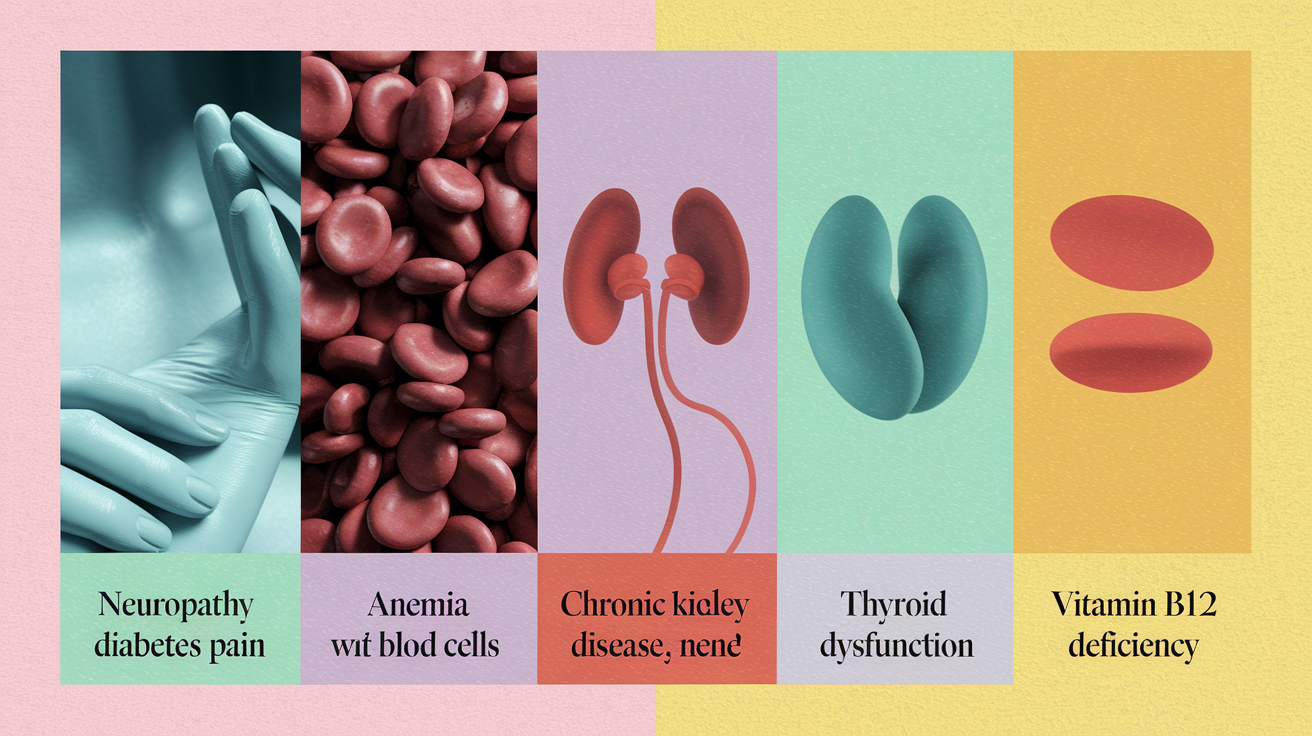
Diabetes doesn’t just mess with glucose. It sets off a chain of other problems that pile onto your exhaustion. Nerve damage from high blood sugar, called diabetic neuropathy, causes pain, tingling, and burning that can keep you awake at night. When pain wrecks your sleep, you wake up tired no matter how many hours you spend in bed. Some meds prescribed for neuropathy also make you drowsy during the day, adding another layer of fatigue.
Your kidneys, thyroid, and blood cells can all take hits too. Chronic kidney disease is common with diabetes, and when your kidney function (eGFR) drops below 60 mL/min/1.73 m², waste builds up in your blood and drags down your energy. Anemia happens when hemoglobin falls below 12 g/dL in women or 13 g/dL in men. Your blood can’t carry enough oxygen, so everything feels harder. Thyroid dysfunction shows up more often in people with diabetes, and an underactive thyroid slows your whole metabolism, making you feel sluggish and cold. Vitamin B12 deficiency (levels below 200 pg/mL) can sneak in if you take metformin long term, causing fatigue, weakness, and trouble concentrating.
Conditions that commonly worsen diabetes fatigue:
- Anemia reduces oxygen delivery to tissues because of low red blood cell count
- Thyroid dysfunction slows metabolism and energy production when the thyroid is underactive
- Chronic kidney disease causes waste buildup and fluid imbalance that drain stamina
- Vitamin B12 deficiency is more common with metformin use and causes nerve and energy problems
- Neuropathic pain and poor sleep happen when nerve damage disrupts restorative sleep cycles
Doctors check for these conditions because treating them often improves fatigue as much as or more than adjusting diabetes meds alone. A simple panel of blood tests can catch most of these issues early.
Distinguishing Diabetes Fatigue from Normal Tiredness
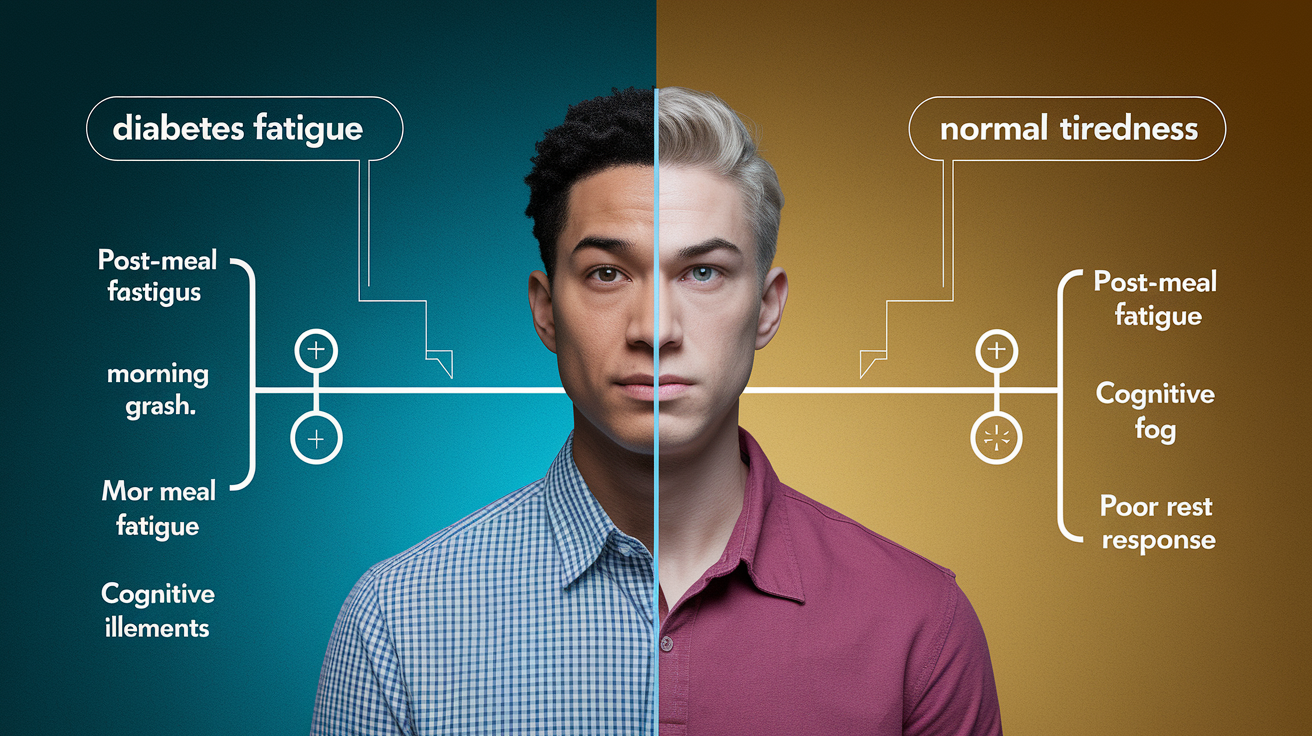
Regular tiredness usually has a clear reason. You stayed up late, worked a double shift, or pushed through an intense workout. You rest, you recover. Diabetes fatigue doesn’t work that way. You can sleep nine hours and still wake up feeling like you ran a marathon. The exhaustion lingers all day. It often gets worse after meals instead of better.
Timing is a big clue. If you crash hard an hour or two after eating, especially after a carb-heavy meal, that’s often a sign your glucose spiked too high. Morning fatigue that doesn’t ease up even after coffee and breakfast can point to overnight blood sugar swings or low glucose in the early hours. Brain fog and trouble focusing show up when glucose is running high for hours or swinging unpredictably. You might forget words mid-sentence or need to reread the same email three times.
| Pattern | Diabetes-Related Clues |
|---|---|
| Timing after meals | Fatigue spikes 1–2 hours post-meal, especially after high-carb foods; linked to glucose >180 mg/dL |
| Morning exhaustion | Waking tired despite full night’s sleep; may indicate overnight lows or persistent highs |
| Cognitive fog | Trouble concentrating, memory lapses, slow thinking coinciding with high or low glucose readings |
| Response to rest | Rest and sleep don’t relieve fatigue; tiredness persists or returns quickly without glucose correction |
The clearest sign is when fatigue shows up with other diabetes symptoms: excessive thirst, constant bathroom trips, blurry vision, or unusual hunger right after eating. If rest doesn’t help and the tiredness tracks with your blood sugar patterns, diabetes is probably driving it.
Tests Used to Identify the Cause of Diabetes-Related Fatigue

Your doctor will start with a few core blood tests to see what’s going on. An A1c test measures your average blood sugar over the past three months. Anything at or above 6.5% confirms diabetes, and higher numbers often match worse fatigue. A fasting glucose of 126 mg/dL or higher, or random glucose of 200 mg/dL or higher, can also diagnose diabetes or show how out of control your levels are running day to day.
A complete blood count (CBC) checks for anemia. Hemoglobin below 12 g/dL in women or 13 g/dL in men means your blood isn’t carrying enough oxygen, which directly causes exhaustion. A thyroid-stimulating hormone (TSH) test screens for thyroid problems. Values outside the 0.4–4.0 mIU/L range can slow your metabolism and drain your energy. Vitamin B12 should be checked if you take metformin or have nerve symptoms. Levels under 200 pg/mL indicate deficiency. A comprehensive metabolic panel (CMP) evaluates kidney function (look for eGFR under 60) and electrolyte balance, both of which affect how you feel.
If your fatigue is unpredictable or severe, your doctor may ask you to check your blood sugar at home several times a day: before meals, two hours after meals, and at bedtime. Tracking these numbers helps connect your tiredness to specific glucose patterns. Some people also benefit from continuous glucose monitors (CGMs) that show real-time trends and catch overnight lows or post-meal spikes you wouldn’t notice otherwise.
Most helpful tests for evaluating diabetes fatigue:
- A1c shows long-term glucose control and severity of diabetes
- Fasting and random glucose confirms diagnosis and daily control
- Complete blood count (CBC) detects anemia that compounds exhaustion
- Thyroid (TSH) and B12 screens common fatigue contributors in diabetes
When Diabetes-Related Fatigue Requires Medical Attention

Persistent fatigue alone is a reason to call your doctor. But certain warning signs mean you need to act faster. If your vision suddenly blurs or you’re seeing floaters or dark spots, get checked within a day or two. High blood sugar can damage the tiny blood vessels in your retina. Excessive thirst combined with frequent urination, especially if you’re also losing weight without trying, signals uncontrolled diabetes that needs immediate attention.
Wounds that won’t heal, frequent infections, or cuts that stay open for weeks point to poor circulation and immune function from high glucose. Don’t wait on those. They can turn into serious problems. If your blood sugar drops below 54 mg/dL and you feel confused, shaky, or can’t think clearly, treat it right away with fast carbs and call for help if it doesn’t improve. Glucose above 300 mg/dL, especially with moderate or large ketones in your urine, is a medical emergency. It can lead to diabetic ketoacidosis.
Red flags that require prompt medical evaluation:
- Blood sugar below 54 mg/dL with severe confusion, shakiness, or loss of consciousness
- Blood sugar above 300 mg/dL, especially with ketones present
- Sudden or worsening blurred vision, floaters, or vision loss
- Wounds, sores, or infections that don’t heal within two weeks
- Chest pain, severe shortness of breath, or rapid heartbeat
- Acute confusion, extreme weakness, or fainting episodes
Lifestyle and Nutrition Strategies to Reduce Diabetes-Related Fatigue

Start with what you eat and when. Spreading your carbs across the day instead of loading them into one or two big meals helps keep your glucose steadier. A simple framework: aim for 30–45 grams of carbs per meal for many adults. Adjust based on your plan and how your body responds. Pair those carbs with protein, fiber, and a little healthy fat. That combo slows digestion and prevents the sharp post-meal spike that triggers fatigue an hour later.
Hydration isn’t optional. When you’re dehydrated, your blood sugar concentrates and climbs even higher, making you more tired. Drink water throughout the day. If plain water feels boring, try it with a squeeze of lemon or a pinch of salt to help your body hold onto it. Watch your caffeine timing too. Coffee in the morning is usually fine, but a large iced coffee at 3 p.m. can keep you wired at night and wreck your sleep, leaving you exhausted the next day.
Movement seems backwards when you’re already tired, but it works. Even a 10-minute walk after a meal can lower your post-meal glucose and give you a small energy boost. Aim for 150 minutes of moderate activity per week: walking, cycling, swimming. Add two sessions of resistance training like bodyweight exercises, light weights, or resistance bands. Losing just 5–10% of your body weight, if you’re above a healthy range, can significantly improve insulin sensitivity and reduce fatigue within weeks.
Five daily action steps to manage diabetes fatigue:
- Meal timing and composition. Eat every 3–4 hours. Include protein, fiber, and controlled carbs at each meal to prevent glucose spikes and crashes.
- Hydration. Drink water consistently. Aim for pale yellow urine as a hydration check.
- Movement. Take a 10–15 minute walk after lunch or dinner to blunt post-meal glucose rise.
- Sleep hygiene. Go to bed and wake up at the same time daily. Aim for 7–9 hours. Keep your bedroom cool and dark.
- Stress management. Practice 5 minutes of slow breathing or a short stretch routine when you feel overwhelmed. Stress hormones raise blood sugar.
Medication-Related Fatigue Factors in Diabetes

Some diabetes medications can make you feel more tired, either directly or by causing side effects that interfere with sleep and energy. Insulin and sulfonylureas (like glipizide or glyburide) can drop your blood sugar too low, especially if meal timing or carb intake changes. Those low-glucose episodes drain you fast and can leave you shaky and exhausted for hours.
Metformin is usually well tolerated. But long-term use sometimes leads to vitamin B12 deficiency, which causes fatigue, weakness, and nerve problems. If you’ve been on metformin for years and feel increasingly tired, ask your doctor to check your B12 level. Other medications like some blood pressure drugs, statins, or sedating medications for neuropathy pain can contribute to tiredness as a side effect, even though they’re not diabetes drugs themselves.
| Medication Type | Common Fatigue-Related Effects | What to Discuss with Your Provider |
|---|---|---|
| Insulin and sulfonylureas | Risk of hypoglycemia causing shakiness, confusion, exhaustion | Review dose timing, meal schedule, and glucose patterns; consider adjustment or switch |
| Metformin | Potential B12 deficiency over time, leading to fatigue and neuropathy | Request B12 level check; supplement if low |
| GLP-1 agonists (e.g., semaglutide) | Nausea, reduced appetite, and indirect fatigue from eating less | Adjust dose ramp-up speed; ensure adequate hydration and small frequent meals |
| Beta-blockers, sedating neuropathy meds | Direct drowsiness and reduced exercise tolerance | Ask if dose can be lowered, taken at bedtime, or switched to alternative |
Always take your diabetes medications exactly as prescribed. Skipping doses or changing timing without talking to your doctor can make glucose control worse and worsen fatigue. If a medication seems to be the problem, your provider can often adjust the dose, change the timing, or switch you to a different option.
Daily Tracking and Symptom Pattern Monitoring for Fatigue

Keeping a simple log for one to two weeks can show you exactly when and why your fatigue spikes. Write down your blood sugar before meals and two hours after, the time you ate, what you ate, how many hours you slept the night before, and how your energy felt on a 1–10 scale. You’ll start to see patterns. Maybe your glucose climbs above 200 mg/dL after breakfast and you crash by 10 a.m., or your overnight low at 3 a.m. explains why you wake up exhausted.
Tracking hydration and activity matters too. Note how much water you drank and whether you moved after meals. If your glucose runs above 300 mg/dL, check for ketones using a urine test strip. Moderate or large ketones mean you need medical attention. Many people find that fatigue lines up perfectly with post-meal spikes or middle-of-the-night lows they didn’t even know were happening.
What to track daily for fatigue pattern insight:
- Glucose readings. Before meals, 2 hours after meals, and at bedtime. Note any lows (<70 mg/dL) or highs (>180 mg/dL).
- Meals and snacks. Time, carb content, and food type to spot post-meal fatigue triggers.
- Sleep hours. Total time in bed and quality (restless, waking frequently, or solid).
- Hydration. Glasses or bottles of water. Note if urine is dark yellow or concentrated.
- Symptom timing and intensity. When fatigue hits, how severe (1–10 scale), and any other symptoms (thirst, brain fog, shakiness).
- Physical activity. Type, duration, and whether it happened before or after fatigue improved or worsened.
Final Words
If you’re feeling drained most days despite sleep, focus on the core signs and causes we covered—how blood sugar swings, medications, other health issues, and daily habits all feed into tiredness.
Start small: check A1c and basic labs, track meals and glucose for a few days, and choose balanced plates, steady hydration, regular movement, and consistent sleep.
Tracking diabetes related fatigue symptoms and sharing patterns with your clinician often leads to fixes that add up. You’re already on the right track; small changes can boost your energy.
FAQ
Q: How do I know if my fatigue is from diabetes?
A: Fatigue is from diabetes when it’s persistent despite rest and happens with thirst, frequent urination, blurry vision, slow-healing wounds, numbness, or when blood glucose readings are often high or wildly swinging.
Q: How much can A1C drop in 3 months without medication?
A: A1C can drop by about 0.5–1.5% over three months with diet changes, weight loss, regular activity, and better glucose habits; larger drops are possible if starting A1C is very high but vary by person.
Q: How to bring A1C down naturally?
A: To bring A1C down naturally, aim for steady weight loss (5–10%), balanced plates with protein and fiber, fewer refined carbs, regular movement, better sleep, hydration, stress control, and regular glucose monitoring.
Q: How do I know if my type 2 diabetes is getting worse?
A: Type 2 diabetes is getting worse when A1C or home glucose readings rise, you need more medication, high blood sugars happen often, or symptoms worsen (increased thirst, frequent urination, blurry vision, slow-healing wounds, numbness).