
What if your 2 PM crash isn’t laziness but a predictable rhythm you can fix?
You’re not imagining the brain fog, irritability, and sudden sugar raids.
Around 2 to 3 PM your body naturally dips, and a high‑carb lunch can spike then drop your blood sugar.
Timing meals and snacks, plus pairing carbs with protein and healthy fats, smooths that swing.
This post lays out a simple timing plan, easy food swaps, and a short 3–7 day routine to stop the afternoon slump and keep you alert.
Core Daily Meal Timing Strategy for Preventing the Afternoon Slump
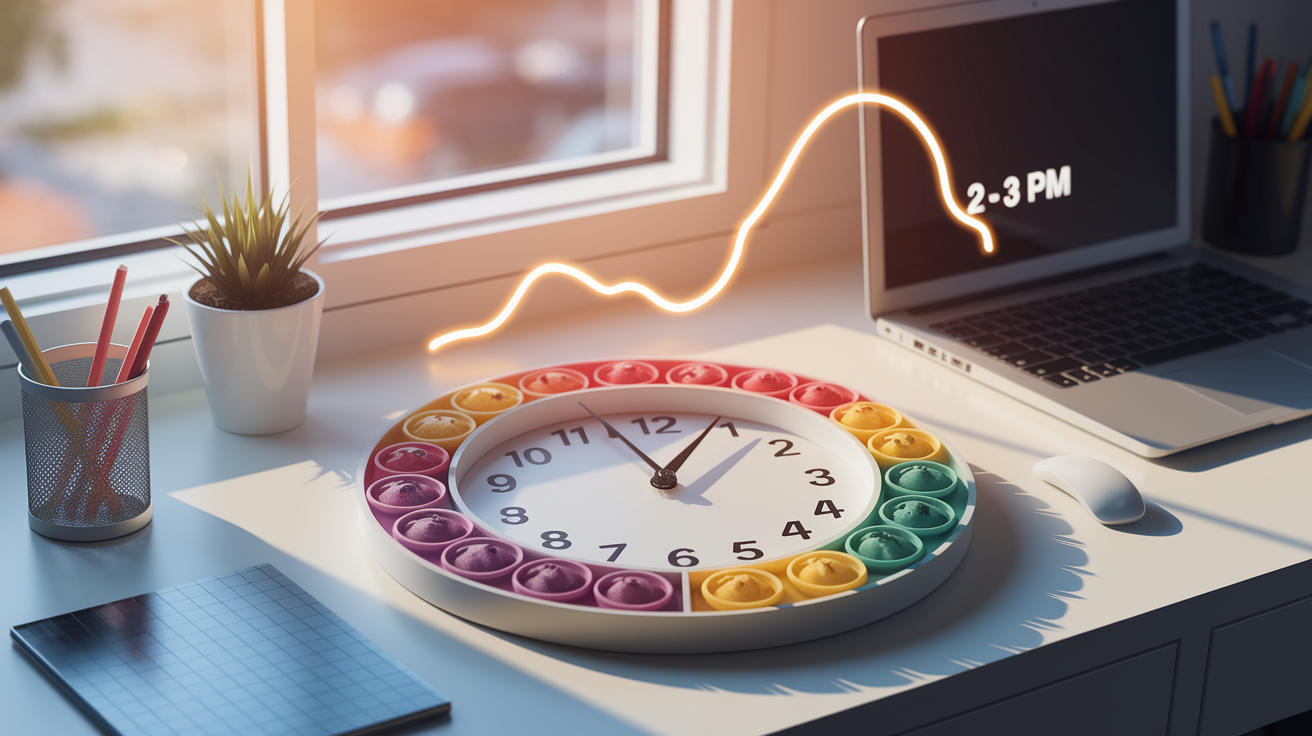
Your body runs on a 24 hour internal clock, and somewhere between 2 and 3 PM that clock naturally dips. Stack a blood sugar swing on top of that and you’ve got brain fog, irritability, and the sudden urge to demolish the snack drawer. High glycemic carbs at lunch spike your glucose fast, insulin rushes in to clear it out, and 60 to 180 minutes later you’re left foggy and craving something sweet.
Eating every 3 to 4 hours smooths things out. Three balanced meals plus one or two planned snacks keep glucose steady and stop cortisol from spiking when your body thinks fuel is running low. Consistent spacing also keeps ghrelin, the hunger hormone, from surging mid afternoon and pushing you toward quick fix carbs that just restart the whole cycle.
Each meal and snack should combine carbohydrates, protein, and healthy fats. Carbs give your brain quick glucose, protein slows digestion and keeps you full, and fats stretch energy over the next few hours. That’s what stops the sharp rise and crash pattern.
Here’s the timing framework that targets the afternoon slump:
-
Breakfast within 1 hour of waking, ideally within 30 to 60 minutes, to anchor your circadian rhythm and stabilize morning cortisol.
-
Mid morning snack around 10 to 11 AM if breakfast was early or light, keeping the gap under 4 hours.
-
Lunch between 12 and 1 PM to fuel the busiest part of your workday and prevent a long stretch into the afternoon.
-
Afternoon snack at 3 to 4 PM. This is your direct defense against the 2 to 3 PM crash, timed to catch the glucose dip.
-
Maximum gap between eating stays below 5 hours to avoid reactive hunger, irritability, and that shaky feeling that means your blood sugar dropped too far.
Optimal Breakfast Timing and Composition for Stable Midday Energy
Eating breakfast within the first hour after you wake does more than fill your stomach. It signals your liver to stop releasing stored glucose, tells cortisol to ease off its morning surge, and sets a steady rhythm for the rest of the day. Skip breakfast or wait three hours and your body treats the delay as stress, which can amplify the mid afternoon dip hours later.
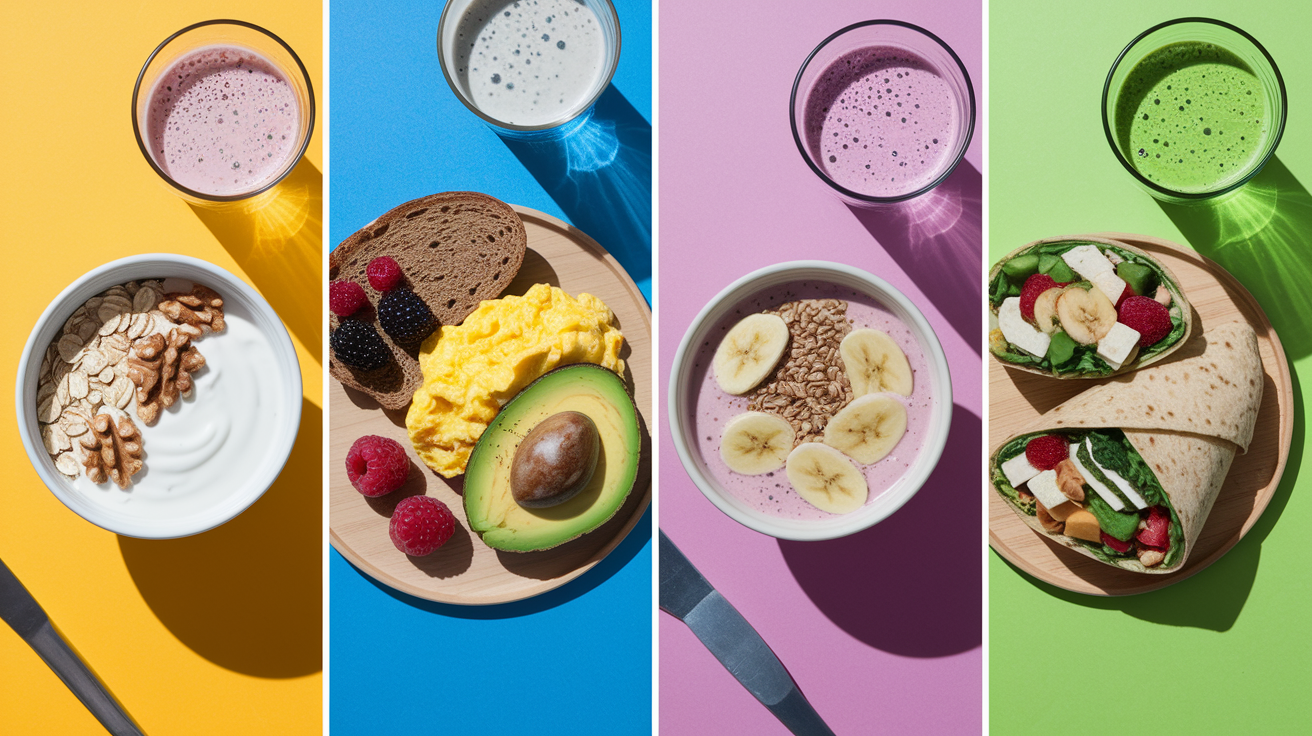
A balanced breakfast needs 20 to 30 grams of protein, a portion of low glycemic carbs like steel cut oats or whole grain bread, and a serving of healthy fat from nuts, seeds, or avocado. That combination keeps glucose stable through the morning and reduces the chance of a dip right before lunch, when a lot of people reach for a muffin or second coffee that only sets up a worse crash by 2 PM. Skipping breakfast or going carb only leaves you running on fumes by late morning. And fumes don’t carry you through the afternoon.
Here are four balanced breakfast options with the macronutrient anchors that prevent slumps:
-
Steel cut oats (½ cup dry) with plain Greek yogurt (170 g) and chopped walnuts (1 tbsp): slow digesting carbs, around 15 to 20 g protein, omega 3 fats.
-
2 large eggs scrambled with 1 slice whole grain toast, ½ medium avocado, and a handful of berries: roughly 14 g protein, fiber, healthy fats, low GI carbs.
-
Smoothie with unsweetened almond milk (1 cup), protein powder (20 g protein), frozen spinach (1 cup), ½ banana, 1 tbsp almond butter: portable, balanced macros, quick.
-
Whole grain wrap with scrambled tofu (100 g), sautéed vegetables, and a drizzle of olive oil: plant based protein, fiber, sustained energy.
Ideal Lunch Scheduling and Low Glycemic Plate Structure to Maintain Afternoon Alertness
Plan to eat lunch about 4 to 5 hours after breakfast, landing somewhere in the 12 to 1 PM window for most people. That timing keeps you from going too long without fuel and positions lunch early enough that a 3 PM snack can bridge the gap to dinner without a slump in between. Skip lunch or push it past 2 PM and you create a gap that’s too wide. Your glucose will drop before you can stabilize it.
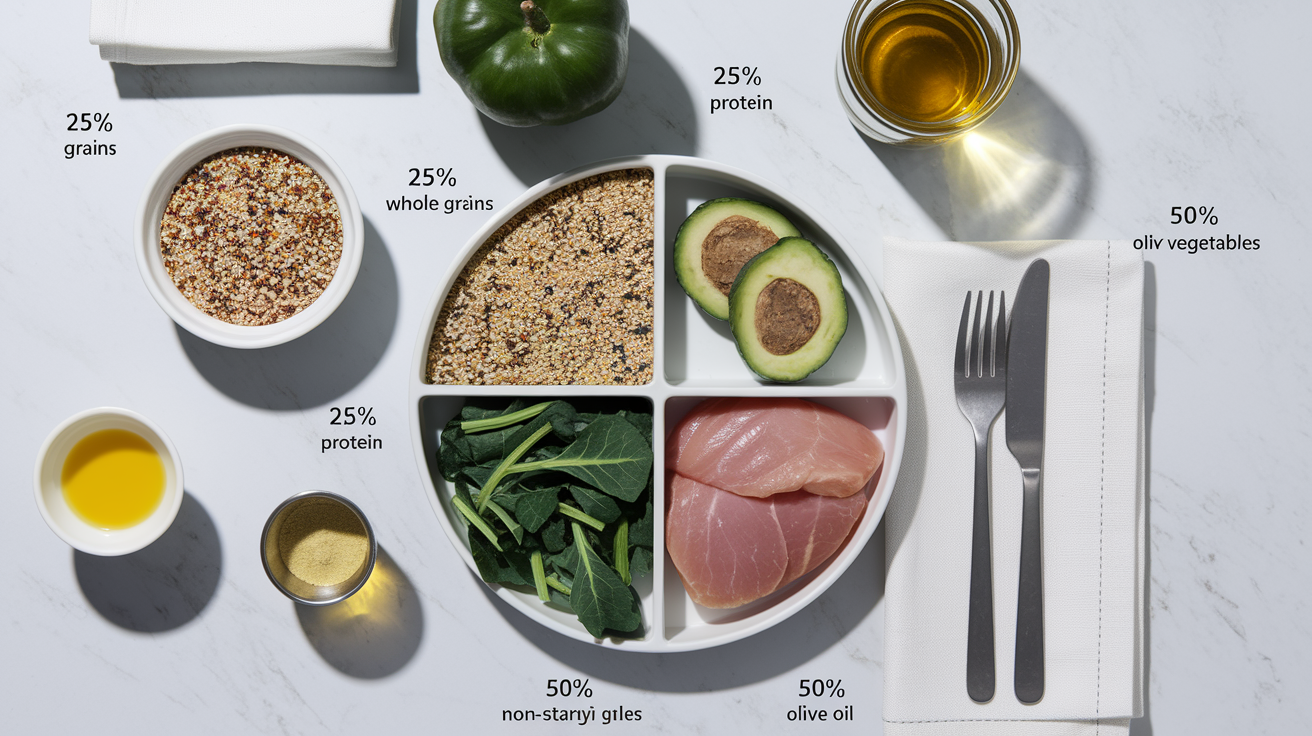
Build your lunch plate with roughly 25% whole grains or other low glycemic carbs, 25% protein (aim for 20 to 30 grams), and 50% non starchy vegetables, then add about a tablespoon of healthy fat from olive oil, nuts, or avocado. Low glycemic carbs like quinoa, barley, legumes, or sweet potato release glucose slowly, so your blood sugar rises gently and stays elevated longer instead of spiking and crashing. Studies from 2011 to 2021 consistently show that high glycemic lunches (white bread, white rice, pastries, sugary drinks) drive post meal sleepiness and worsen the 2 to 3 PM fatigue window.
Oversized or very heavy lunches, especially those loaded with refined carbs and saturated fats, increase post meal drowsiness because digestion pulls blood and energy toward your gut. A moderate portion with balanced macros keeps your brain fueled without overwhelming your system.
| Lunch Component | Role in Preventing Slump |
|---|---|
| Whole grains or legumes (½ to 1 cup cooked) | Slow glucose release, sustained fuel, fiber to stabilize insulin response |
| Lean protein (3 to 4 oz / 85 to 113 g) | Prolongs satiety, slows carbohydrate digestion, supports focus and muscle maintenance |
| Non starchy vegetables (1 to 2 cups) | Adds fiber, B vitamins, magnesium, and volume without spiking glucose |
Strategic Snack Timing and Pairings to Prevent the 2 to 3 PM Energy Dip
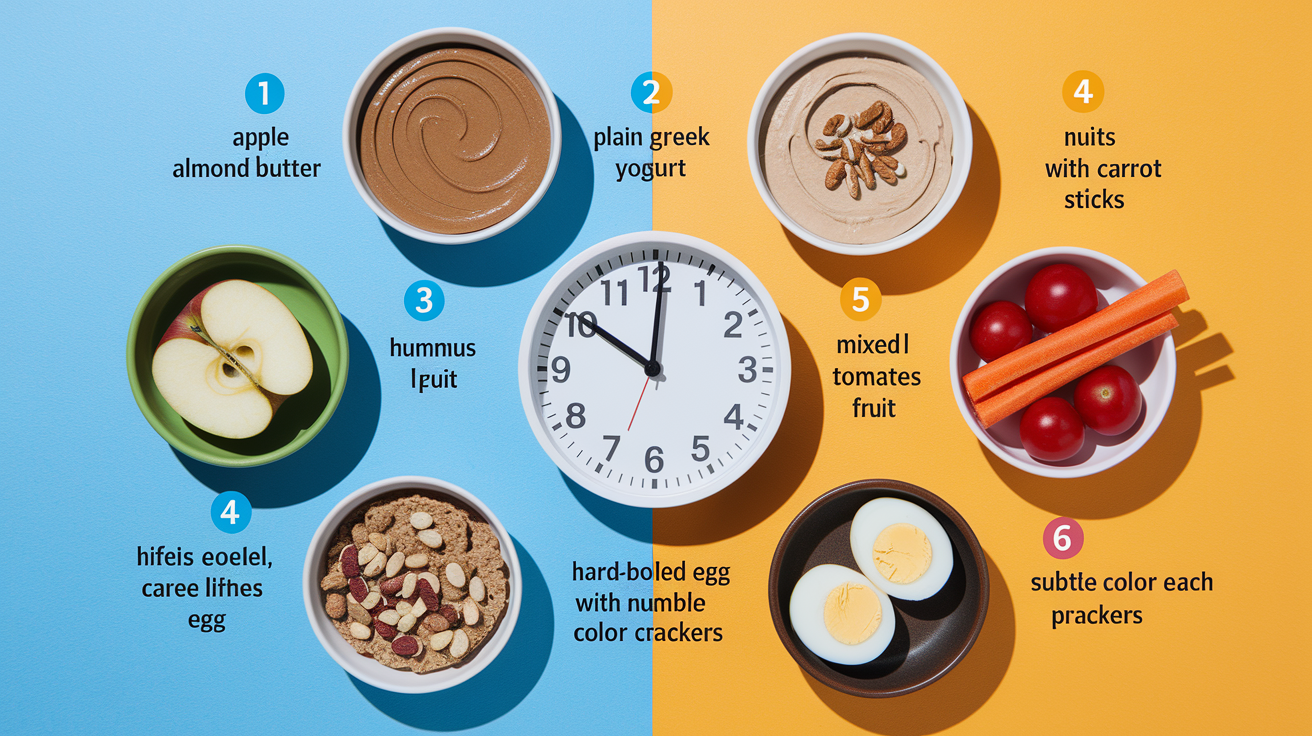
A well timed snack isn’t grazing. It’s a planned mini meal that prevents your blood sugar from bottoming out. Schedule a mid morning snack around 10 to 11 AM if breakfast was light or early, and always plan an afternoon snack for the 3 to 4 PM window. These snacks keep the interval between eating under 5 hours and head off the cortisol and ghrelin spikes that trigger irritability, cravings, shaky hands, and that foggy feeling that makes even simple tasks feel hard.
Effective snacks land in the 150 to 250 calorie range and deliver 6 to 12 grams of protein plus 3 to 6 grams of fiber. That pairing slows digestion just enough to keep glucose steady for the next two to three hours. Snacks that are only carbohydrate (crackers, pretzels, fruit alone) can cause a smaller version of the same spike and crash cycle you’re trying to avoid. Protein and fiber smooth the curve.
Here are six snack pairings that fit the formula:
-
1 medium apple with 1 tablespoon almond butter: around 180 kcal, fiber from the apple, protein and fat from the nut butter.
-
Plain Greek yogurt (150 g) and 10 g mixed nuts: 180 to 220 kcal, high protein, satisfying texture.
-
Hummus (2 to 3 tablespoons) with carrot sticks or bell pepper strips: 120 to 150 kcal, plant protein, fiber, easy to prep and pack.
-
1 oz (28 g) mixed nuts and 1 small piece of fruit: around 200 kcal, portable, no refrigeration needed.
-
Hard boiled egg with whole grain crackers (5 to 6 crackers): around 150 kcal, quick protein, low GI carbs.
-
Cottage cheese (½ cup) with cherry tomatoes or cucumber slices: 100 to 130 kcal, high protein, hydrating vegetables.
Blood Sugar Management and Glycemic Index Strategies to Reduce Slump Risk
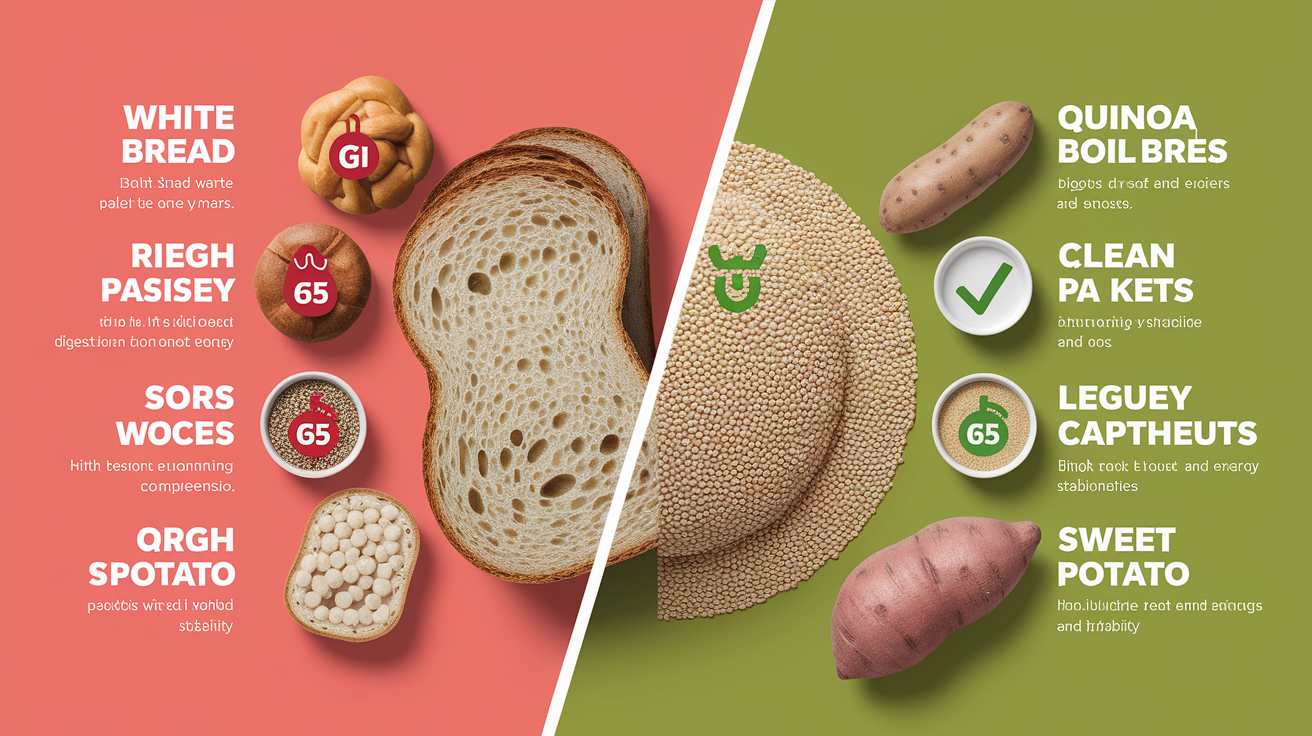
When you eat a high glycemic index food (white bread, pastries, sugary cereal, or sweetened drinks), your blood glucose shoots up fast. Your pancreas responds by releasing a wave of insulin to pull that sugar into your cells, and within one to three hours your glucose level can drop below where it started, especially if the meal was mostly refined carbs without protein or fat to slow things down. That drop is what triggers the fatigue, cravings, and mental fog at 2 or 3 PM.
Low glycemic foods release glucose gradually. Legumes, whole grains like quinoa and barley, most fruits, and non starchy vegetables all have a GI below 55, and their fiber content slows digestion and supports a healthier gut microbiome. Peer reviewed studies published between 2011 and 2021 confirm that people who eat high GI lunches report more post meal sleepiness and perform worse on afternoon cognitive tasks than those who choose low GI meals with balanced macros.
Swapping refined carbs for whole grain or legume based options is one of the simplest, highest impact changes you can make to your meal timing strategy. Your energy stays more even, your cravings decrease, and you’re less likely to need a sugar hit to get through the afternoon.
Switch to these low GI staples:
-
Quinoa instead of white rice. Complete protein, fiber, minerals, GI around 53.
-
Buckwheat or barley instead of instant oatmeal or white pasta. Nutty flavor, chewy texture, GI in the 35 to 50 range.
-
Legumes (lentils, chickpeas, black beans) as a carb base. High fiber, plant protein, extremely low GI (most under 35).
-
Sweet potato instead of white potato. More fiber, vitamins A and C, GI around 44 for boiled sweet potato versus 78 for russet.
Hydration and Caffeine Timing to Support Afternoon Focus

Dehydration as mild as 2% of body weight can impair concentration, mood, and reaction time, and most people don’t notice they’re under hydrated until fatigue has already set in. Aim for 1.5 to 2 liters of water spread across the day, with intentional checkpoints: 250 to 350 ml mid morning, another 250 to 350 ml with or right after lunch, and steady sips through the afternoon. Herbal teas and decaffeinated drinks count toward that total, but sugary or caffeinated beverages don’t hydrate as effectively and can add to glucose swings.
Caffeine can sharpen focus and mask tiredness, but it doesn’t stabilize blood sugar, and it stays active in your system for hours. If you drink coffee or strong tea to power through the 2 PM slump, you risk disrupting deep sleep that night, which will worsen tomorrow’s fatigue and make the next afternoon even harder. Use caffeine strategically (after breakfast but ideally before 2 PM) and keep single servings moderate, around 50 to 100 mg if you’re sensitive or concerned about sleep. Water, a short walk, and a balanced snack are more reliable tools for afternoon energy than another cup of coffee.
Circadian Rhythm, Sleep Quality, and Their Influence on Midday Energy Patterns
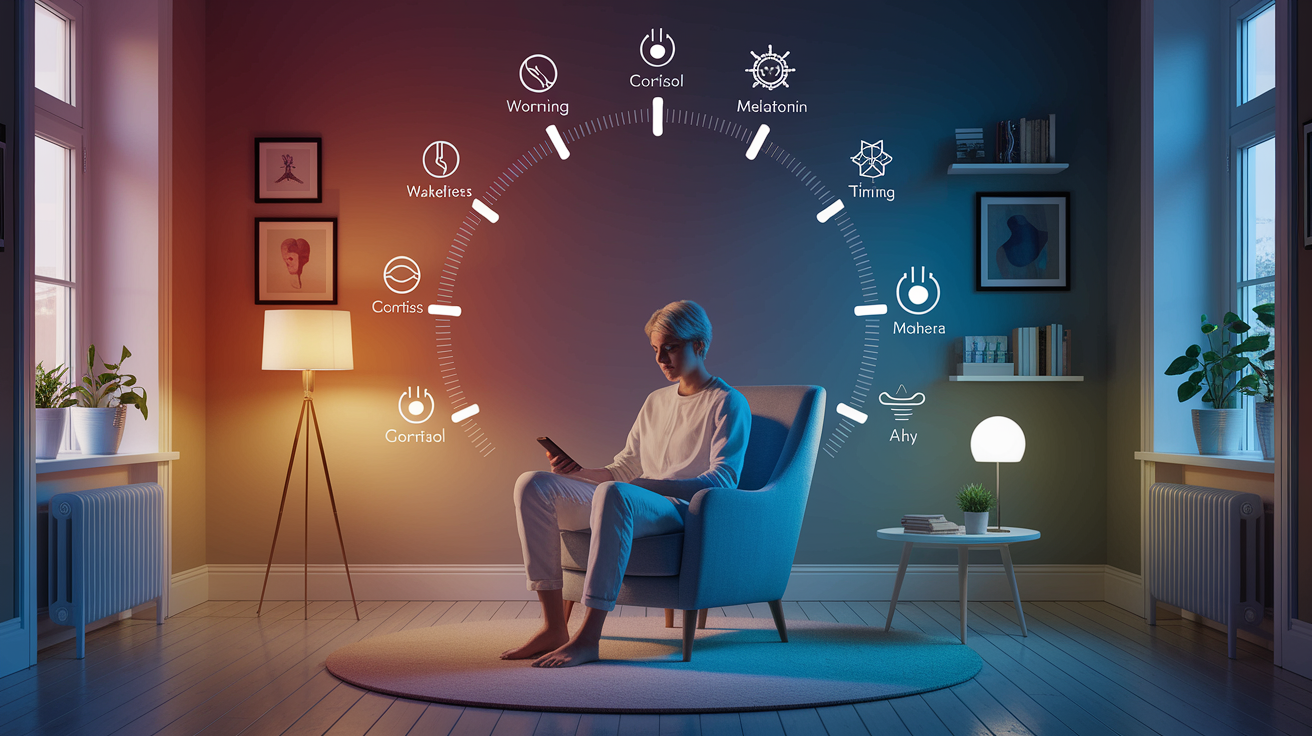
Your circadian rhythm naturally dips in the early afternoon as part of a 24 hour cycle that governs alertness, body temperature, and hormone release. That dip is normal, but poor sleep makes it much worse. When you’re short on sleep, your body’s glucose regulation becomes less efficient, hunger hormones like ghrelin rise, and you crave quick carbs to compensate for low energy. The result is bigger blood sugar swings and a more pronounced slump.
Eating more of your daily calories earlier in the day (larger breakfast and lunch, lighter dinner) aligns better with your body’s insulin sensitivity, which is highest in the morning and declines through the evening. Late, heavy dinners can impair overnight glucose tolerance and disrupt sleep quality, setting you up for next day fatigue and cravings. Regular meal timing, especially breakfast within an hour of waking, helps anchor your circadian rhythm and makes the afternoon dip less extreme.
Practical circadian aligned strategies:
-
Stick to consistent wake and sleep times (even on weekends) to stabilize cortisol and melatonin rhythms, which directly affect midday energy.
-
Front load calories. Aim for breakfast and lunch to account for 60 to 70% of daily intake, leaving dinner lighter and earlier (ideally before 8 PM).
-
Use a 10 to 20 minute power nap only if you’re genuinely sleep deprived and can nap before 3 PM. Later naps can interfere with nighttime sleep and worsen the cycle.
Workplace Meal Scheduling Tactics for Preventing Midday Fatigue
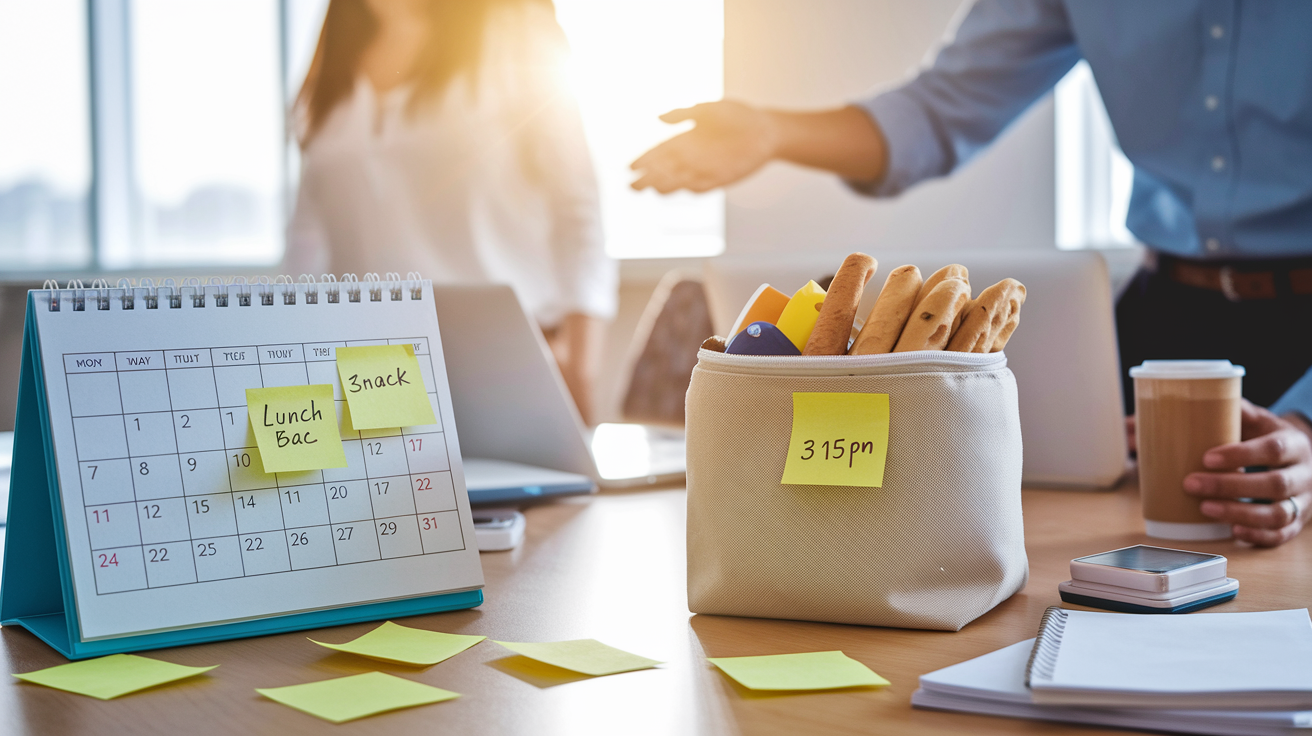
Busy work schedules, back to back meetings, and unpredictable demands make it easy to skip meals or push them later and later, but that inconsistency is one of the biggest drivers of afternoon crashes. Blocking 10 to 15 minutes on your calendar for lunch and a 5 minute window for an afternoon snack protects those intervals the same way you’d protect a meeting. Eating at your desk is fine as long as you actually stop and eat rather than mindlessly grazing while typing.
If your schedule is genuinely unpredictable (shift work, client facing roles, on call responsibilities), keep portable protein rich snacks in your bag, car, or locker. Cheese sticks, nut butter packets, protein bars with simple ingredients, roasted chickpeas, or small portions of trail mix can be eaten in under two minutes and prevent the glucose drop that ruins focus and mood. A five to ten minute walk after lunch, even just a lap around the building or a few flights of stairs, increases glucose uptake in muscles and raises alertness without requiring a full workout.
Four workplace friendly meal timing tactics:
-
Set two daily phone alarms, one for lunch (12:30 PM) and one for your afternoon snack (3:15 PM) so you don’t rely on hunger cues that often arrive too late.
-
Prep “snack packs” on Sunday. Portion out nuts, cut vegetables, hard boiled eggs, or yogurt cups into grab and go containers for the week.
-
Use meeting gaps strategically. If you have a 15 minute break between calls, use 10 minutes to eat a planned snack rather than scrolling or catching up on email.
-
Communicate your meal boundaries. Let coworkers or managers know you take a short lunch break. Most workplaces respect consistent, reasonable boundaries once they’re set.
Meal Prep and Consistency Tools for Maintaining Optimal Meal Timing
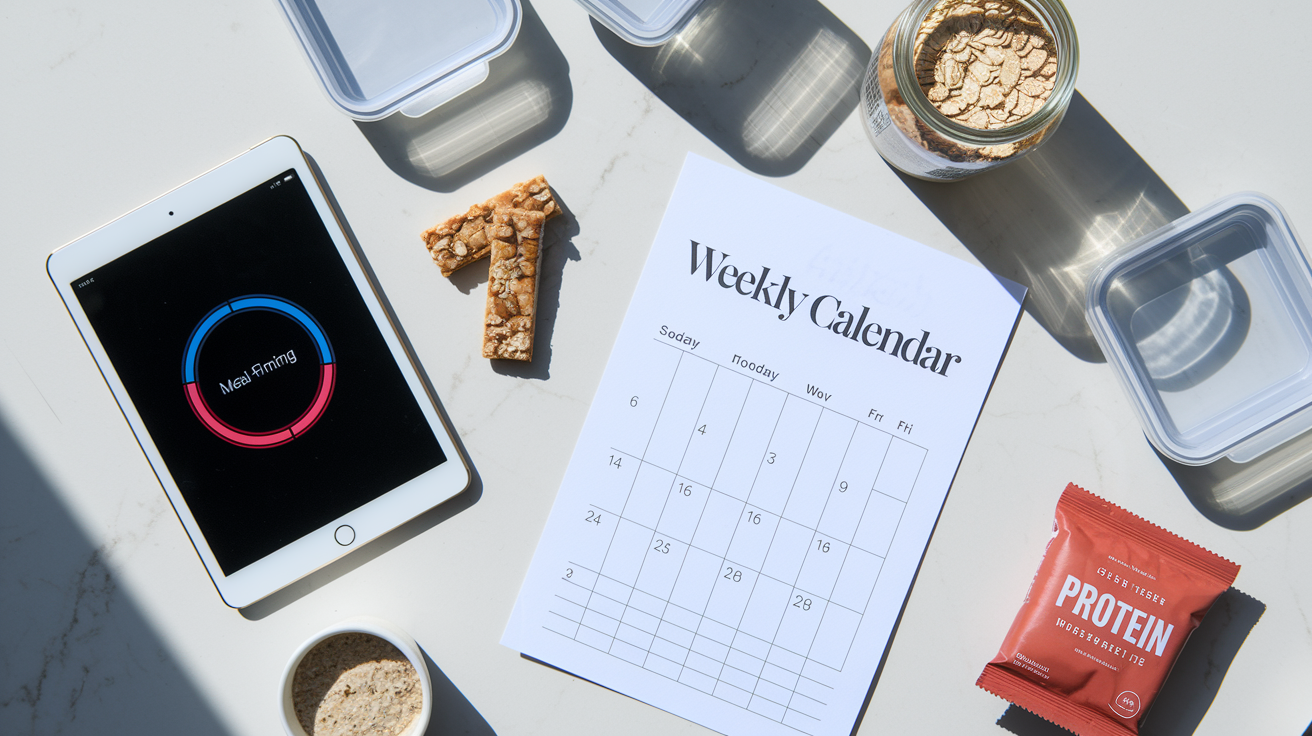
Consistency is easier when the decision making is done in advance. Spending about 30 minutes two or three times a week to wash and chop vegetables, cook a batch of quinoa or hard boil eggs, and portion snacks into containers removes the friction that leads to skipped meals or convenience food crashes. Non perishable snacks (nuts, dried chickpeas, individual nut butter packets, shelf stable protein bars) give you a fallback option when fresh food isn’t available, and they’re especially useful for people with unpredictable schedules.
Tracking your hunger level, energy, and mood for one week can help you fine tune timing. You might notice that a 10 AM snack prevents a lunch binge, or that pushing lunch to 1 PM leaves you dragging by 3 PM no matter what you eat. That feedback is more useful than any generic schedule because it’s based on your actual patterns, and small adjustments (eating breakfast 15 minutes earlier, or moving your afternoon snack to 3:30 instead of 4) can make a noticeable difference.
Three practical tools to support meal timing consistency:
-
Meal planning apps like Mealime or Paprika that generate grocery lists and prep schedules based on your chosen recipes and eating windows.
-
Calendar blocking in Google Calendar or Outlook to reserve 10 to 15 minute slots for meals and snacks, with notifications 5 minutes before each block.
-
Simple habit tracker (paper checklist, phone note, or app like Streaks) to log each planned meal and snack for one week, making patterns and gaps visible at a glance.
Final Words
Start by spacing meals every 3 to 4 hours: breakfast within one hour, a mid-morning snack (10–11 AM), lunch around noon, and an afternoon snack at 3–4 PM. That keeps blood sugar steady and cuts the 2–3 PM crash.
Pair carbs with protein and healthy fats, choose low-GI options, sip water through the morning, and time caffeine before about 2 PM.
Try these meal timing to avoid afternoon slump tips for a few days and you’ll likely feel steadier energy. Small, consistent moves add up.
FAQ
Q: What to eat to avoid an afternoon crash? / How to avoid the 2pm crash?
A: To avoid an afternoon or 2pm crash, eat balanced meals with protein, fiber, and healthy fats, choose low‑GI carbs, have a mid‑morning and 3–4pm snack, and drink water.
Q: What is the 3 3 3 rule for eating?
A: The 3 3 3 rule for eating means spacing food roughly every 3 hours: aim for three balanced meals plus two to three protein‑rich snacks to keep blood sugar and energy steady.
Q: What is the 5 4 3 2 1 eating rule?
A: The 5‑4‑3‑2‑1 eating rule is a simple plate guide: 5 portions vegetables/fruit, 4 servings whole grains, 3 protein portions, 2 healthy fats, and 1 small treat to support steady energy.