
What if your bloating, random fatigue, and off digestion are actually signs of repair—if you know what to watch for?
This post breaks down the clear, realistic signs your gut is starting to heal: what appears first, what comes next, and the deeper shifts that follow.
You’ll learn simple, day-to-day markers like less bloating, steadier bowel movements, higher energy, and calmer skin, plus a short timeline so you can track real progress.
No extremes—just practical signs to watch this week, this month, and beyond, and the next best steps to keep moving forward.
Clear Early Signs of Gut Healing You Can Track Right Now
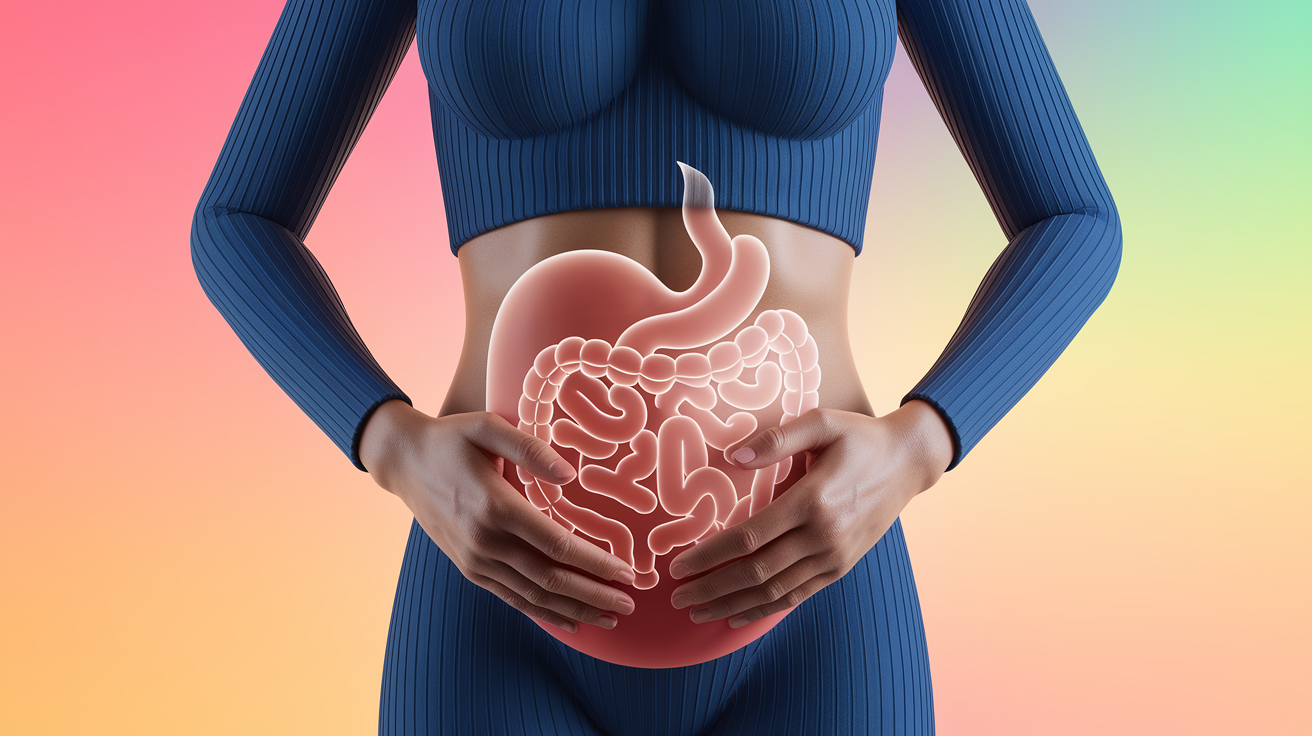
The first improvements usually show up within days to four weeks of making gut-supportive changes. These early markers are subtle but consistent. Small shifts in how your digestion behaves day to day that add up to a clear pattern of improvement.
-
Reduced bloating – Your stomach feels flatter after meals, especially by evening. Less puffiness around your midsection, less clothing tightness after lunch.
-
Less gas – Fewer episodes of trapped gas, burping, or flatulence throughout the day.
-
More predictable bowel movements – You start going at roughly the same time each day, without the urgent rushes or long gaps.
-
Improved stool form – Less constipation, less loose stool. You’re landing closer to a smooth, easy to pass consistency most days.
-
Fewer post meal symptoms – That heavy, sluggish feeling after eating starts to fade. You’re not dealing with cramping, nausea, or immediate bathroom trips as often.
-
More complete digestive “finish” – Bowel movements feel complete. You’re not left feeling like there’s more that didn’t come out.
These early signs reflect the first layer of healing: improved motility (how food moves through you), less fermentation from imbalanced bacteria, and the beginning stages of microbiome stabilization. Your gut’s learning to process food more efficiently again. And the swelling and gas production that come from inflamed, irritated tissue are starting to settle.
Mid Stage Gut Healing Signs That Show Deeper Recovery

After about four to twelve weeks of consistent gut-supportive habits, you’ll start to see improvements that go beyond digestion. This is the phase where your body begins to use the nutrients it’s absorbing more effectively, and systemic inflammation starts to drop.
Mid stage signs include:
Higher energy levels – Less of that 3 pm crash. You feel steadier throughout the day and don’t need constant caffeine or sugar hits to keep going.
Clearer skin – Fewer breakouts, less redness, less eczema or rashes. Your skin looks calmer and less inflamed.
Fewer food sensitivities – Foods that used to trigger bloating, headaches, or brain fog are becoming easier to tolerate. You’re reacting to fewer things.
Better mood – Less anxiety, fewer mood swings, improved focus. You feel more like yourself mentally.
Improved appetite cues – Your hunger and fullness signals are more reliable. You’re not ravenous one hour and totally uninterested in food the next.
These improvements tie back to two major systems that depend on gut health. First, about 70 percent of your immune system lives in your gastrointestinal tract. As your gut lining heals and inflammation decreases, your immune response calms down. Fewer false alarms, less systemic reactivity. Second, your gut produces precursors for neurotransmitters like serotonin and dopamine. Better gut function means better raw material for stable mood and mental clarity.
Late Signs of Gut Healing That Indicate Structural Repair
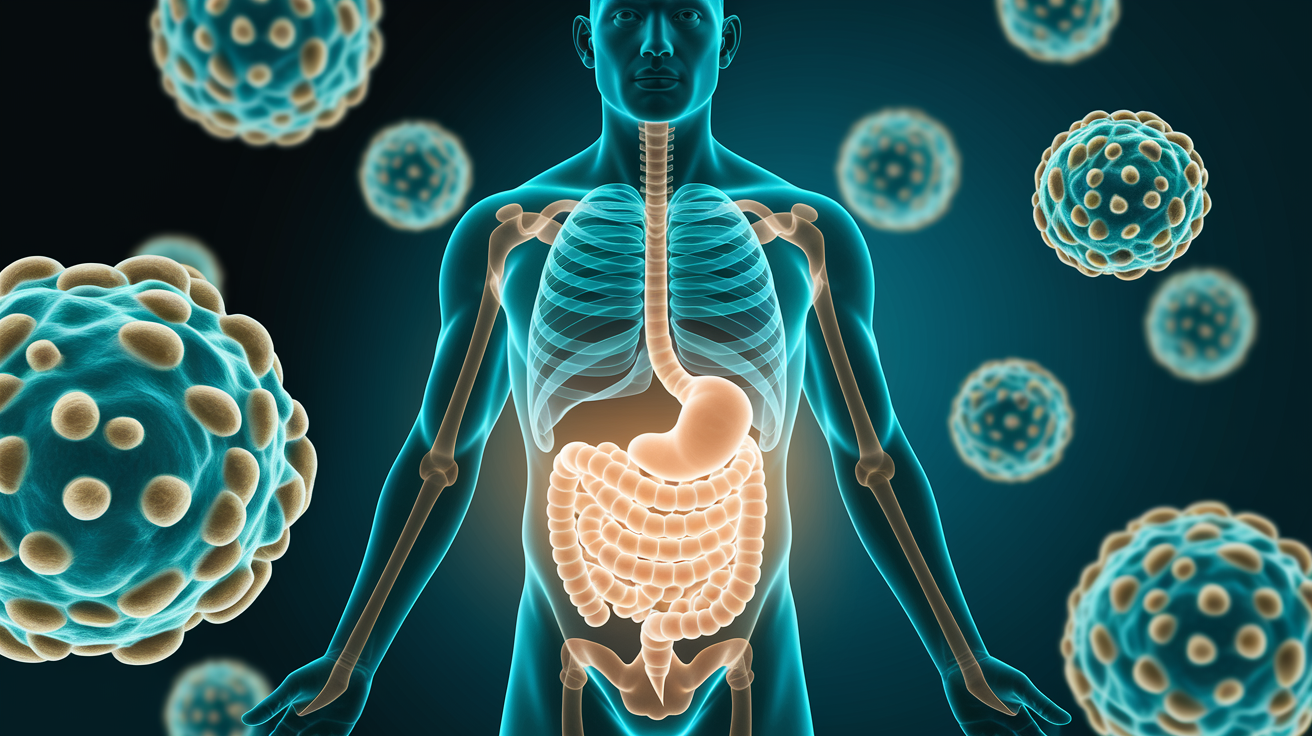
Late stage improvements (the kind you see after three to six months or more) are the markers of deep, structural repair. This is when the actual barrier function of your intestinal lining has strengthened. Your body’s no longer in constant low grade inflammatory overdrive.
Late stage signs include:
Improved immune stability – You’re getting sick less often. Fewer colds, fewer infections, less time spent fighting off bugs. Your immune system’s better regulated and not overreacting or underperforming.
Reduced joint pain or autoimmune flares – If you have an autoimmune condition or chronic inflammatory symptoms, you may notice fewer flare ups, less pain, less stiffness. Some people see measurable drops in autoimmune antibody levels over time.
Better nutrient absorption and lab trends – Blood tests show rising iron, B12, or other nutrients that were previously low. Your body’s actually holding onto what you’re eating.
Skin and mood stabilization – The improvements you saw in the mid stage become your new baseline. Clear skin stays clear. Stable mood stays stable.
These changes reflect a tighter, more selective intestinal barrier. When the gut lining is “leaky” (when tight junctions between cells are compromised), partially digested food, bacteria, and toxins slip into the bloodstream and trigger chronic immune activation. As those junctions seal back up, fewer foreign particles escape, inflammation drops, and your body can redirect energy from constant defense mode into repair, absorption, and normal function.
What a Gut Healing Timeline Typically Looks Like
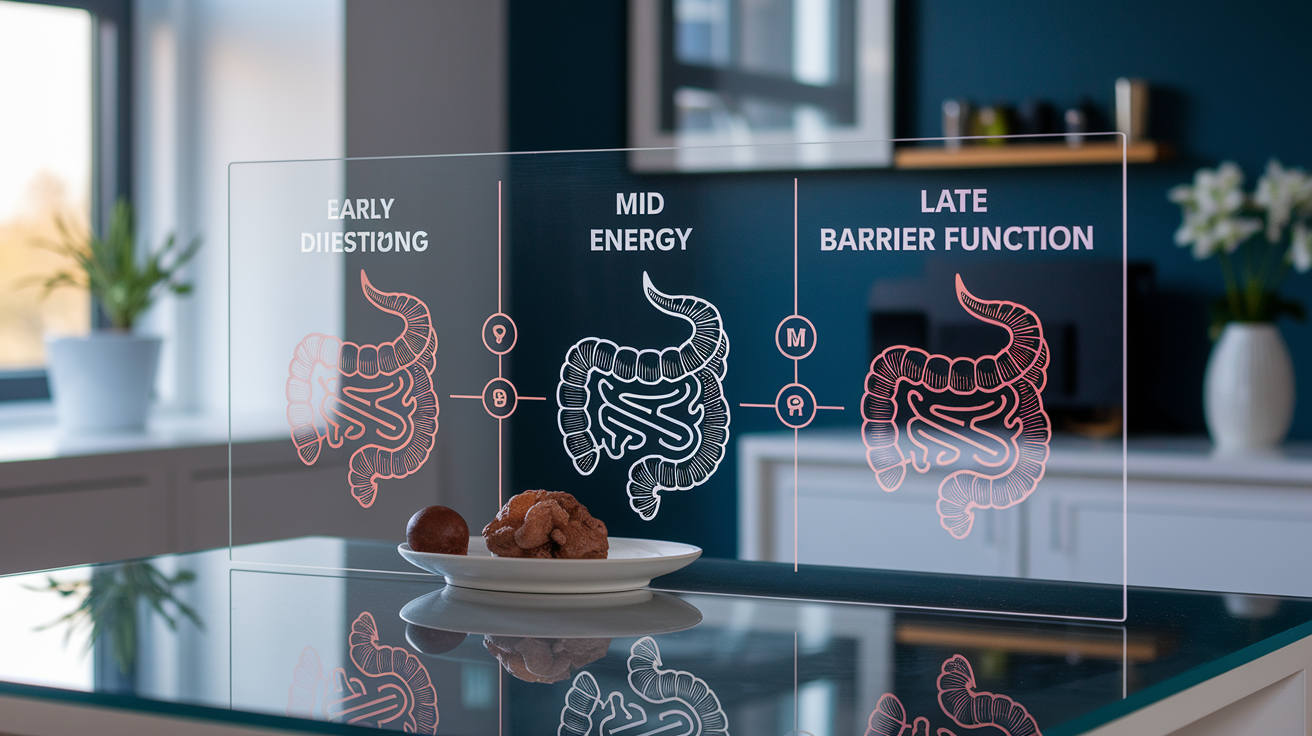
Gut healing doesn’t follow a straight line. Some people feel better in days. Others need months. The timeline depends on how long the damage has been building, what’s driving it, and how consistently you’re supporting recovery.
| Stage | Typical Duration | Expected Signs |
|---|---|---|
| Early | Days to 4 weeks | Less bloating and gas, more regular bowel movements, fewer post meal symptoms |
| Mid | 4–12 weeks | Increased energy, clearer skin, fewer food sensitivities, improved mood and focus |
| Late | 3–6+ months | Sustained immune resilience, reduced autoimmune activity, stable nutrient levels, long term skin and mood improvements |
Your progress will shift with life circumstances. Stress, travel, antibiotics, accidental exposures to trigger foods can temporarily reverse improvements. A rough week at work or a round of antibiotics for a sinus infection can set you back a few steps. That’s normal. Healing is about overall trend, not perfect daily consistency. If you’re seeing more good days than bad over the course of a month, you’re moving forward.
Nutrition Signs Your Gut Is Healing (and What They Mean)

One of the clearest signals that your gut’s repairing itself is how your relationship with food begins to change. You’ll notice shifts in what you can tolerate, what you crave, and how you feel after eating.
Specific nutrition related signs include:
Better tolerance to high fiber and prebiotic foods – Onions, garlic, asparagus, and other prebiotic rich vegetables used to cause gas and bloating. Now you can eat them without immediate discomfort.
Improved tolerance to fermented foods – Sauerkraut, kimchi, and yogurt feel supportive instead of triggering. Your gut can handle the live bacteria without flaring up.
Reduced sugar cravings – You’re not constantly thinking about sweets or needing dessert after every meal. The pull toward processed, refined foods is weaker.
More stable appetite – You’re hungry at regular times, full after reasonable portions, and not swinging between ravenous and nauseous.
Better post meal digestion – Meals sit well. You’re not left feeling heavy, gassy, or uncomfortable an hour later.
These shifts happen because your microbiome is rebalancing. Healthier bacteria thrive on fiber and whole foods. They produce metabolites that support satiety and stable blood sugar. Pathogenic or imbalanced microbes often drive cravings for sugar and processed foods because that’s what they feed on. As the beneficial strains take over, your taste preferences and tolerance naturally shift toward the foods that support continued healing.
Microbiome Signs Your Gut Is Healing
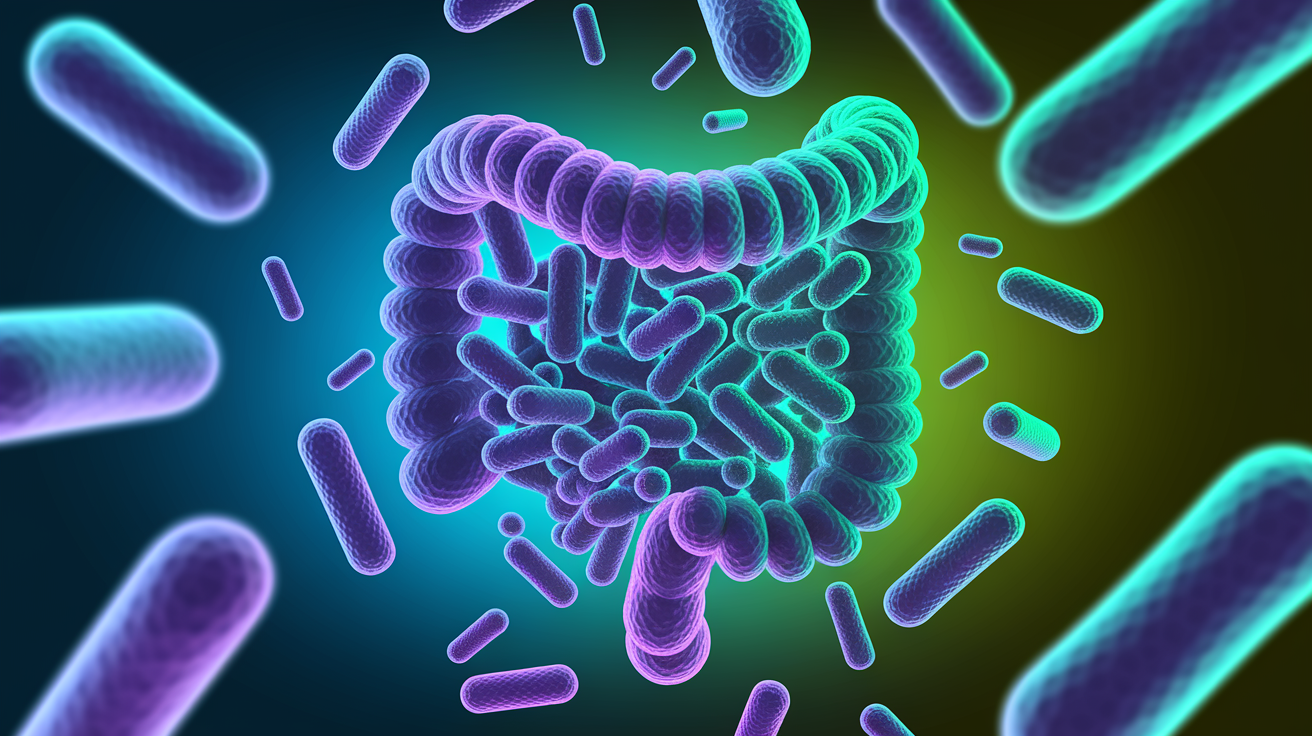
When your gut microbiome begins to recover, the changes happen at a microbial level before you feel them physically. Improved diversity and better metabolic output from your gut bacteria are foundational to every other sign of healing.
Healthy gut bacteria produce short chain fatty acids (SCFAs), especially butyrate, when they ferment fiber. Butyrate is the primary fuel for the cells lining your colon. It reduces inflammation, strengthens the gut barrier, and regulates immune function. As your microbiome heals, SCFA production rises, and you’ll see downstream improvements in digestion, immunity, and mood.
How Microbial Diversity Reflects Healing
A diverse microbiome (one with many different species of bacteria) is more resilient and better at breaking down a wide range of foods. Low diversity is linked to higher inflammation, poorer nutrient absorption, and increased susceptibility to infections. As diversity increases, your gut becomes better equipped to handle dietary variation, stress, and environmental exposures without flaring up.
The improvement in your microbiome shows up indirectly: fewer SIBO symptoms, less IBS flare ups, better tolerance to foods you used to avoid, and a general sense that your digestion is more forgiving. If you’ve had stool testing done, you may see measurable increases in beneficial strains and reductions in pathogenic overgrowth.
Sleep, Stress, and Mood Signals of Gut Healing

Your gut and your brain are in constant communication through the vagus nerve and microbial metabolites that cross into circulation. When your gut heals, the quality of that communication improves. And you feel it in your sleep, your stress response, and your mental clarity.
Mid stage gut healing often brings:
Less brain fog – You can focus, remember details, and think clearly without that constant mental haze.
Reduced anxiety – Your baseline stress level drops. You’re less reactive, less on edge, less prone to spiraling thoughts.
More stable energy – No more roller coaster of wired then crashed. Your energy feels even throughout the day.
Fewer nighttime wakings – You sleep more deeply and wake up less during the night. Your cortisol and melatonin rhythms are better regulated.
These improvements are tied to better vagal tone, the strength and responsiveness of the vagus nerve, which controls digestion, heart rate, and the body’s relaxation response. A simple daily habit that supports this system is taking three to four slow breaths before each meal. This stimulates the vagus nerve, improves digestive enzyme release, and signals your body to shift into a calm, parasympathetic state that’s better suited for digestion and repair.
How to Track the Signs Your Gut Is Healing
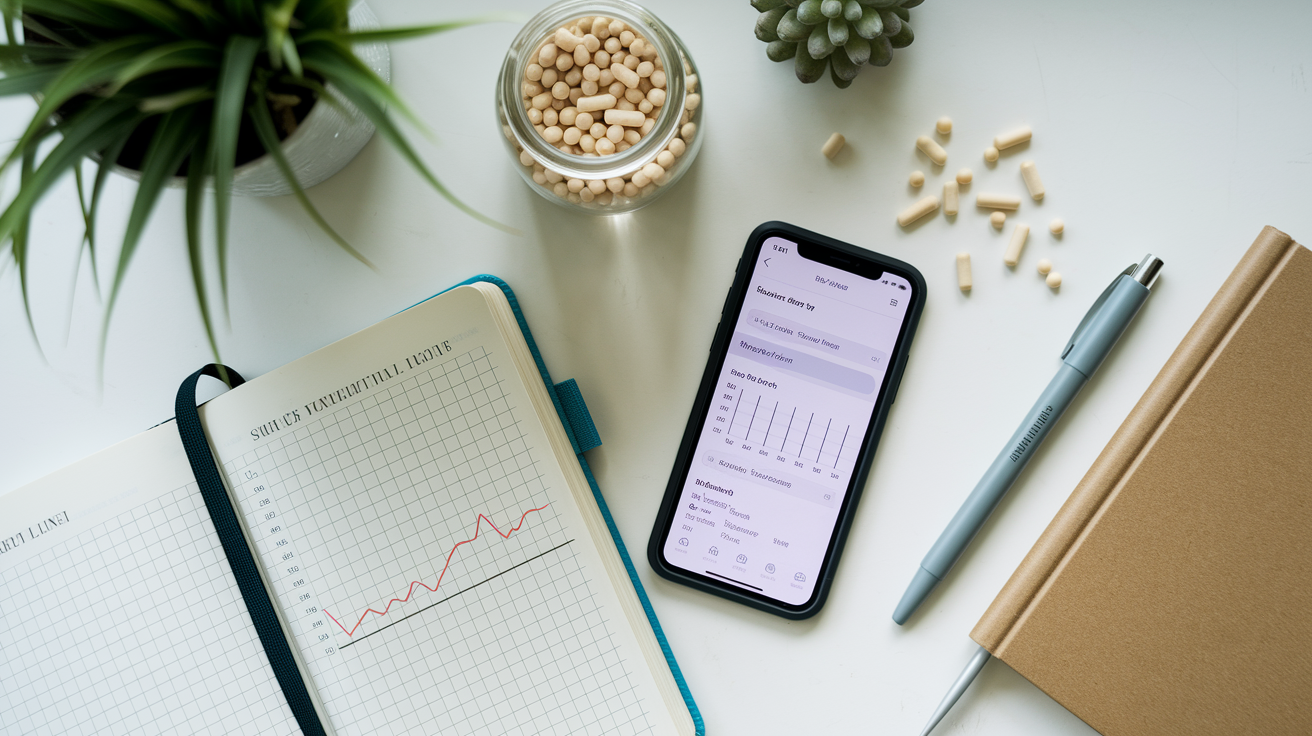
Tracking your progress gives you objective proof that the changes you’re making are working. Symptoms can fluctuate day to day, but patterns over weeks reveal the real trend.
Keep a symptom log – Write down daily notes on bloating, stool consistency, energy, mood, and skin. Rate severity on a simple 1 to 5 scale.
Use a food diary – Track what you eat and how you feel 1 to 3 hours later. This helps you identify supportive foods and lingering triggers.
Get stool testing – A comprehensive stool analysis maps your microbiome, reveals pathogenic overgrowth, and shows SCFA levels and other functional markers.
Check nutrient blood panels – Test for common deficiencies tied to poor absorption: iron, B12, vitamin D, zinc. Retest after a few months to see if levels are rising.
Review trends, not individual days – Look at weekly and monthly patterns. Are you having more good days this month than last month? That’s progress.
Professionals often use a structured 60 minute intake visit to gather detailed symptom histories, review labs, and map out individualized testing and intervention plans. If you’re working with a provider, bring your logs and test results to those appointments.
When Gut Healing Isn’t Happening (Red Flags to Watch)
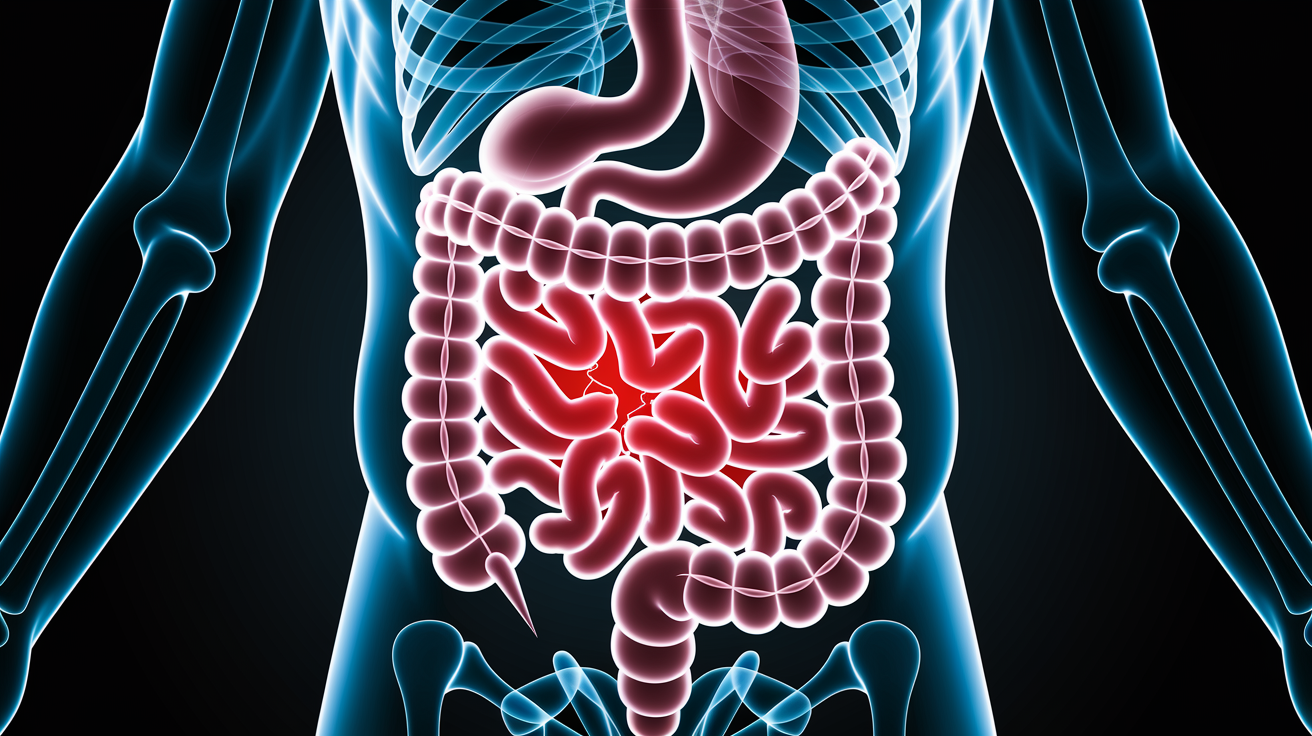
Sometimes symptoms don’t improve. Or they get worse. That’s a signal to dig deeper, not push harder with the same approach.
Seek medical evaluation promptly if you experience:
Worsening IBS or SIBO symptoms – Increased bloating, pain, diarrhea, or constipation that doesn’t respond to diet changes or probiotics.
Persistent reflux – Heartburn or regurgitation that continues or worsens despite removing trigger foods and supporting digestion.
Unchanging bowel issues – No improvement in regularity, stool form, or frequency after 8 to 12 weeks of consistent effort.
Systemic symptoms – Severe abdominal pain, blood in stool, fever of 38°C (100.4°F) or higher, major unintentional weight loss, or signs of infection.
Unresolved symptoms may point to underlying infections (like Candida, parasites, or bacterial overgrowth), undiagnosed food intolerances, structural issues, or other gastrointestinal conditions that need targeted treatment. Stalled healing isn’t a personal failure. It’s information that your gut needs a different level of support or investigation.
Long Term Maintenance Once You See Signs Your Gut Is Healing

Healing your gut is one thing. Keeping it healed requires ongoing intention, especially around the foods and habits that either support or disrupt your microbiome.
Focus on winter friendly, gut supportive staples: bone broth simmered with garlic, ginger, and turmeric; roasted root vegetables with olive oil or ghee; fermented foods like sauerkraut and kimchi; and regular servings of prebiotic fiber from onions, garlic, and asparagus. Avoid the two biggest gut disruptors: refined sugars and artificial sweeteners. Both feed pathogenic bacteria and destabilize blood sugar, which undermines the progress you’ve made.
Simple daily habits for long term maintenance:
Take 3 to 4 slow breaths before meals to activate your parasympathetic nervous system and improve digestion.
Eat fiber consistently to keep beneficial bacteria fed and SCFA production steady.
Include fermented foods regularly to maintain microbial diversity.
Watch for relapse triggers. Antibiotics wipe out beneficial bacteria along with pathogens. If you need them, plan for probiotic and prebiotic support during and after. Stress, even short term, can shift gut motility and microbiome balance. Accidental gluten exposure (if you’re sensitive) can trigger zonulin release and temporarily open tight junctions again. If you notice a setback, don’t panic. Return to your baseline supportive habits and give your gut a few days to a few weeks to resettle.
Final Words
Spot the small wins: less bloating and gas, steadier bowel habits, then energy lifts and clearer skin, and finally stronger immunity and better nutrient labs. These are the practical stages we covered.
Keep a simple log—note meals, symptoms, and a weekly trend check. Expect ups and downs; healing often takes days to months.
Watching for signs your gut is healing helps you stay patient and practical. You’re on a real path forward—keep the small, steady steps.
FAQ
Q: What are the 4 stages of gut healing?
A: The four stages of gut healing are acute response (immediate symptom changes), early repair (days–4 weeks), mid recovery (4–12 weeks with systemic gains), and late structural repair/maintenance (3–6+ months).
Q: How long does it take for the gut to heal?
A: Gut healing usually starts within days with early wins by 1–4 weeks, shows clearer mid-stage improvements by 4–12 weeks, and often needs 3–6+ months for deeper structural repair, varying by person.
Q: What does it feel like when your gut is healing?
A: When your gut is healing you may feel less bloating and gas, more regular bowel movements with better stool form, fewer post-meal symptoms, and gradually improved energy and mental clarity.
Q: What are the 5 warning signs of a leaky gut?
A: Five warning signs that suggest increased intestinal permeability are persistent bloating or gas, new or worsening food sensitivities, chronic fatigue, recurring skin rashes or acne, and joint pain or unexplained inflammation.