

What if “just tired” is actually your adrenals asking for help?
The adrenal fatigue symptom assessment below is a 20‑question, six‑area checklist that helps you spot the warning signs—energy dips, sleep troubles, brain fog, mood swings, salt cravings, and dizziness.
It’s quick: rate each item 0–3, add section scores, then total.
You’ll get a clear score plus a map of where your body is struggling most.
Use it to pick one small change to try this week or to know when to see a clinician.
Comprehensive Adrenal Symptom Self‑Assessment (Full Checklist + Scoring Tool)
This assessment uses 20 questions split across six different symptom areas. You’ll rate each one from 0 to 3, where 0 is never, 1 is sometimes, 2 is often, and 3 is always. Your total will land somewhere between 0 and 60. Each area also gets its own score out of 10. Grab a pen and write down your rating for every question, then add everything up at the end.
The six areas track Energy & Daily Function (questions 1–4), Sleep & Restoration (5–8), Cognitive Fog & Memory (9–12), Stress Tolerance & Mood (13–15), Salt Cravings, Dizziness, BP/Orthostatic Symptoms (16–18), and GI, Food Sensitivities & Recovery (19–20). A high score in just one section can tell you where your body’s struggling most, even if your overall number looks moderate.
Jot down your answers and total each section first. Then combine them for your final number. Severity breaks down like this: 0–15 is unlikely, 16–30 is mild, 31–45 is moderate, and 46–60 is severe. This setup gives you both a big picture view and a breakdown you can track over time.
- Persistent daytime fatigue despite getting 7+ hours of sleep
- Needing caffeine or sugar to feel functional in the morning
- Energy crashes in the mid‑afternoon that make basic tasks feel overwhelming
- Feeling physically drained by routine activities that used to feel manageable
- Trouble falling asleep even when you’re exhausted
- Waking up multiple times during the night or waking unrefreshed
- Relying on sleep aids (melatonin, medication, or alcohol) to fall asleep
- Needing significantly more sleep than you used to without feeling restored
- Brain fog or difficulty concentrating on simple tasks
- Memory lapses, especially with recent events or conversations
- Trouble finding words mid‑sentence or mental sluggishness
- Feeling mentally “wired but tired” at night but unable to think clearly during the day
- Routine stressors (minor deadlines, traffic, household tasks) feel overwhelming
- Irritability, mood swings, or increased anxiety with no clear trigger
- Reduced motivation or feelings of hopelessness that weren’t present before
- Strong cravings for salty foods or adding extra salt to meals
- Dizziness or lightheadedness when standing up quickly
- Low blood pressure readings or feeling faint in hot environments
- Digestive issues like bloating, nausea, or irregular bowel movements
- Increased sensitivity to certain foods or slower recovery from minor illnesses
Understanding Adrenal Function & Stress Response Patterns

Your adrenal glands sit on top of your kidneys. They make cortisol, the hormone that helps you handle stress and keeps energy steady through the day. When things are working right, cortisol peaks in the morning to wake you up, drops gradually through the afternoon, and hits its lowest point at night so you can sleep. Chronic stress can mess with this rhythm. It can flatten the curve or flip it completely, leaving you exhausted in the morning and wired at night.
The HPA axis (hypothalamic‑pituitary‑adrenal system) runs this cortisol cycle by sending signals from your brain down to your adrenals. When stress doesn’t let up, the communication can get sloppy. Some people pump out too much cortisol early on. Others eventually make less than they need after months or years of demand. Both patterns show up as fatigue, mood shifts, and trouble bouncing back from everyday stuff.
Morning cortisol should be at its highest within the first hour after you wake. It naturally drops by half or more from morning to evening. Prolonged stress flattens this daily rhythm, leaving you with steady low levels or erratic spikes. Poor sleep makes the HPA axis worse, creating a feedback loop. What you eat, your caffeine habits, and how much water you drink all shape how your adrenals respond to stress.
Exhaustion Patterns & Daily Energy Mapping for Assessment Accuracy

Track your energy at four points each day: first thing in the morning, mid‑morning, mid‑afternoon, and evening. If you’re consistently low in the morning even after seven or more hours of sleep, your cortisol probably isn’t peaking when it should. A sharp crash around 2 or 3 pm usually points to blood sugar issues layered on top of adrenal stress, especially if you need snacks or caffeine to push through.
Evening energy that feels artificially high is another common pattern. You’re restless or mentally busy but physically tired. This mismatch between your brain and body typically means cortisol is staying elevated too late or adrenaline is filling in for low cortisol reserves. Mapping these daily trends before you take the assessment helps you answer questions more accurately. It also shows you which section scores matter most for your specific experience.
Core Red‑Flag Symptoms That Increase Likelihood of Adrenal Dysfunction
Some symptoms carry more weight when you’re reading your results because they point straight to cortisol or electrolyte imbalances. If several of these land as “often” or “always” on your scorecard, they raise concern even if your total sits in the mild or moderate range.
Strong salt cravings or routinely adding extra salt to meals. Low aldosterone (another adrenal hormone) can reduce your body’s ability to hang onto sodium, which drives the craving.
Postural dizziness or lightheadedness when standing quickly. This orthostatic symptom suggests blood pressure regulation is off, often tied to low cortisol or dehydration.
Excessive daytime sleepiness despite 7+ hours of sleep. When rest doesn’t restore you, it’s a sign cortisol rhythm or sleep architecture is disrupted.
Difficulty recovering from stress that used to feel manageable. A blunted stress response is one of the hallmark signs your adrenal output isn’t meeting demand.
Brain fog that worsens under pressure or when meals are skipped. Cortisol helps stabilize blood sugar and brain fuel. When it’s low or mistimed, cognitive function drops fast.
Needing caffeine or sugar just to feel baseline functional. Relying on stimulants to make up for low energy is a red flag that your natural cortisol wake‑up signal is weak.
How to Interpret Your Adrenal Fatigue Symptom Assessment Score
Your total score gives a general sense of symptom load, but the section breakdown tells you where to focus. A score of 0–15 suggests adrenal stuff probably isn’t driving what you’re feeling. You might still have fatigue or mood changes, but they’re likely coming from sleep habits, nutrient gaps, or other health factors that don’t involve cortisol rhythm.
Scores between 16 and 30 fall into the mild range. You’re noticing patterns that mess with daily life, but they’re not constant or severe. This is where lifestyle tweaks usually make a difference within a few weeks. Consistent meal timing, cutting caffeine after noon, adding a short walk, tightening up sleep hygiene. If your section scores are uneven, start with the highest one first.
A score of 31–45 means moderate symptoms affecting your function across multiple areas. At this level, it’s worth getting baseline labs and working with a provider who understands cortisol testing and HPA health. Scores of 46–60 are severe and need prompt medical evaluation, especially if you’re also dealing with unexplained weight loss, fainting, very low blood pressure, or thoughts of self‑harm.
0–15 (Unlikely): Minimal adrenal symptom burden. Focus on general wellness habits and rule out other causes of fatigue.
16–30 (Mild): Noticeable symptoms with room for improvement through sleep, nutrition, and stress management before pursuing labs.
31–45 (Moderate): Symptoms are impacting daily life. Recommend medical evaluation, baseline labs, and cortisol rhythm testing.
46–60 (Severe): Significant symptom load across multiple areas. Seek prompt assessment and consider same‑day evaluation if red flags are present.
Baseline Lab Tests and Medical Evaluation to Rule Out Other Causes
Testing helps separate adrenal patterns from thyroid dysfunction, anemia, blood sugar problems, and other conditions that look similar on a symptom list. A morning serum cortisol gives a snapshot of your adrenal output when cortisol should be highest. A 24‑hour salivary cortisol profile tracks the rhythm across the day. If your morning level is borderline or your salivary curve is flat, an ACTH stimulation test can show whether your adrenals still have the reserve to respond to a hormonal signal.
Thyroid labs (TSH, free T4, free T3) are necessary because low thyroid and low cortisol create overlapping fatigue, brain fog, and mood symptoms. A complete metabolic panel checks electrolytes, kidney function, and liver enzymes. Fasting glucose or HbA1c rules out blood sugar dysregulation that can mimic energy crashes. A complete blood count screens for anemia and immune system issues that also cause chronic tiredness.
| Test | Purpose |
|---|---|
| Morning serum cortisol | Measures peak cortisol output when it should be highest (within 1 hour of waking) |
| 24‑hour or multi‑timepoint salivary cortisol | Tracks cortisol rhythm across the day to identify flat, reversed, or erratic patterns |
| ACTH stimulation test | Evaluates adrenal reserve and response capacity; used when serum cortisol is borderline low |
| TSH, free T4, free T3 | Rules out hypothyroidism or thyroid‑adrenal overlap that produces similar fatigue and cognitive symptoms |
| Complete blood count (CBC) | Screens for anemia, infection, or immune dysfunction contributing to exhaustion |
| Comprehensive metabolic panel (CMP) | Checks electrolytes (sodium, potassium), kidney/liver function, and overall metabolic health |
| Fasting glucose / HbA1c | Identifies blood‑sugar dysregulation or prediabetes that cause energy crashes and brain fog |
| DHEA‑S (optional) | Another adrenal hormone; low levels may indicate reduced adrenal output alongside cortisol changes |
| Vitamin D, B12, ferritin (optional) | Common nutrient deficiencies that overlap with adrenal‑fatigue symptoms |
| Food‑sensitivity panel (optional) | Identifies dietary triggers that may worsen inflammation, GI symptoms, and stress load |
Conditions That Mimic Adrenal Fatigue & How to Distinguish Them
Hypothyroidism is the most common overlap. Both cause morning exhaustion, weight changes, brain fog, and cold sensitivity. The key difference is that thyroid dysfunction usually comes with extra signs like dry skin, hair thinning, constipation, and a slowed heart rate. Adrenal patterns lean toward salt cravings, low blood pressure, and dizziness. Many people have both at once, which is why thyroid labs are part of the baseline workup.
Long COVID has become another frequent mimic. Post‑viral fatigue, exercise intolerance, and cognitive issues can look identical to adrenal symptoms. But long COVID often includes new‑onset shortness of breath, chest tightness, or sensory changes that aren’t typical in pure adrenal cases. Menopause symptoms overlap heavily too. In practice settings, about 65% of women showing up with suspected adrenal issues also report significant menopausal symptoms like hot flashes, night sweats, and mood swings. That makes it hard to separate hormone driven fatigue from adrenal rhythm changes.
Chronic fatigue syndrome, anemia, sleep apnea, and depression all produce exhaustion, low motivation, and cognitive fog. Anemia usually shows up on a CBC. Sleep apnea gets confirmed with a sleep study. Depression often includes persistent low mood or loss of interest that doesn’t fluctuate with stress or meal timing the way adrenal symptoms do. The assessment score helps, but labs and a detailed timeline of when symptoms started and what makes them better or worse are what clarify the picture.
Hypothyroidism: Dry skin, constipation, slow heart rate, and weight gain are more prominent than salt cravings or dizziness.
Long COVID: New‑onset respiratory or sensory symptoms post‑infection. Fatigue often worsens dramatically after mild exertion.
Menopause: Hot flashes, night sweats, irregular periods. Women make up roughly 80% of adrenal‑fatigue assessment cases.
Anemia: Pale skin, shortness of breath on exertion, abnormal CBC with low hemoglobin or ferritin.
Sleep apnea: Loud snoring, witnessed breathing pauses, severe morning headaches.
Depression: Persistent low mood, loss of interest in activities, difficulty feeling pleasure even when stressors are absent.
Lifestyle Factors That Influence Symptom Scores

Caffeine dependence is one of the biggest score drivers. If you need coffee to wake up, another cup mid‑morning, and an afternoon pick‑me‑up just to stay alert, you’re masking low cortisol output with stimulants. That pattern pushes your Energy and Cognitive section scores higher. It also makes it harder to tell whether your natural rhythm is actually flat or if you’re just running on caffeine instead of hormones.
Inconsistent meal timing and high refined sugar intake create blood sugar swings that look a lot like cortisol crashes. Skipping breakfast or eating a carb‑heavy lunch with no protein sets you up for a 2 pm slump. That then gets recorded as an adrenal symptom even though it’s partly a fueling issue. Poor hydration, especially if you’re also craving salt, compounds the problem by lowering blood volume and worsening dizziness. Disrupted sleep, whether from stress, screen time, or irregular schedules, flattens your cortisol curve on its own and raises scores across every section. Small, consistent changes to these habits can drop your total score by 5 to 10 points in a matter of weeks. That’s why lifestyle context matters as much as the score itself.
Recovery Timeline & Practical Next Steps After Your Assessment
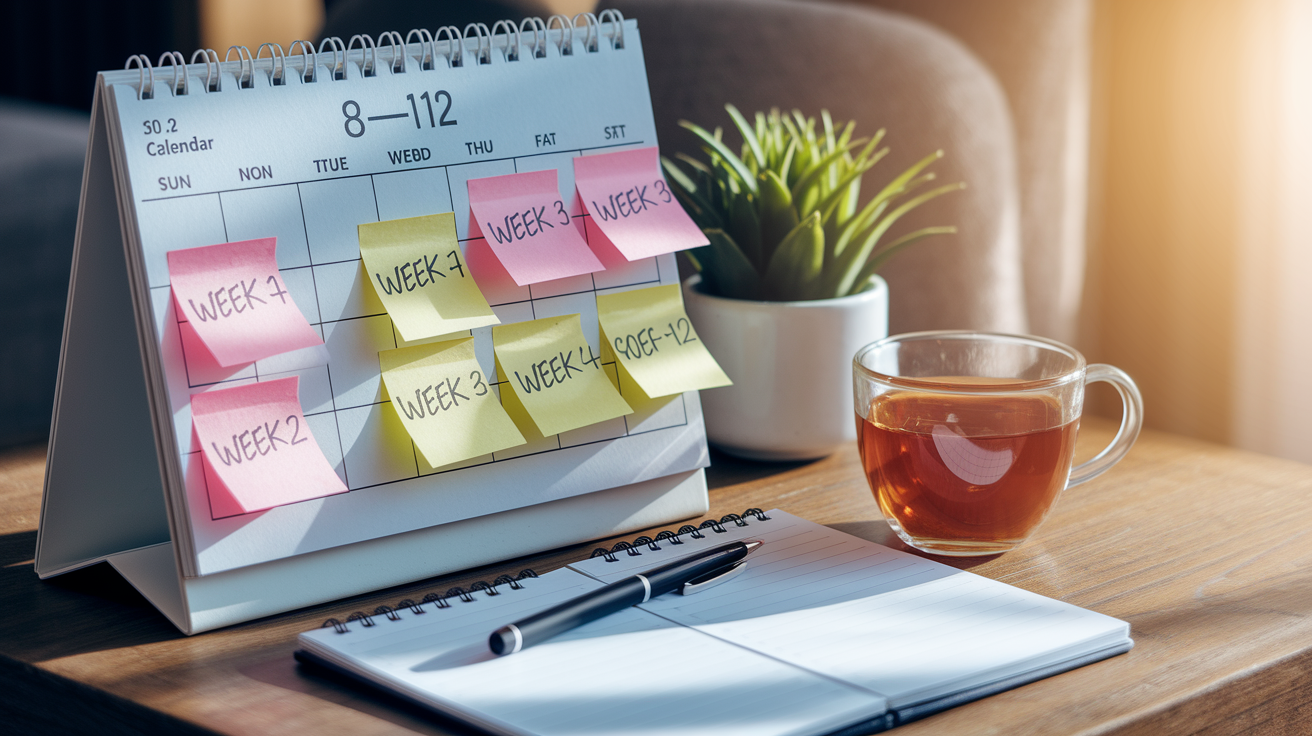
If your score falls into the mild range, start with the basics. Aim for three balanced meals a day with protein and fiber at each one. Cut caffeine after noon. Protect seven to eight hours of sleep in a dark, cool room. Track your energy and mood for two weeks using the same 0–3 scale from the assessment. If you see improvement, keep going. If scores stay flat or climb, that’s your signal to get labs and talk to a provider.
Moderate and severe scores need medical evaluation sooner. Bring your completed scorecard, including section breakdowns, to your appointment. Thousands of people have used similar tools to start the conversation with their doctor. Having concrete numbers makes it easier to explain what you’re experiencing day to day. Women make up about 80% of people seeking assessment for these symptoms. So if you’re female and also dealing with cycle changes or menopausal signs, mention that overlap.
Week 1–2: Get meal timing consistent, reduce caffeine, and start a simple sleep routine. Note any shifts in morning energy or afternoon crashes.
Week 3–4: Add gentle movement like a 10–15 minute walk after lunch to support blood sugar stability and stress processing.
Week 4–6: Repeat the assessment and compare section scores. If improvements are minimal, schedule labs (morning cortisol, salivary profile, thyroid panel, CBC, CMP).
Week 8–12: Review lab results with a provider. Adjust what you’re doing based on findings (may include targeted supplements, medication, or referral to endocrinology or functional medicine).
Ongoing: Recheck scores every 8–12 weeks. Track objective markers like weight, blood pressure, sleep quality, and lab values to monitor long‑term trends and catch flare‑ups early.
Printable Scorecard & Clinician Discussion Prompts

Use this format to organize your results for a medical appointment. Write your total score, list each section score out of 10, and note which red‑flag symptoms you rated as “often” or “always.” Include the date you completed the assessment so your provider can track changes if you repeat it later. Suggest the baseline lab panel (morning serum cortisol, salivary cortisol profile, TSH/free T4/free T3, CBC, CMP, fasting glucose or HbA1c) and ask whether an ACTH stimulation test or DHEA‑S level would add useful information based on your history.
Total Score: [0–60] and severity category (unlikely / mild / moderate / severe)
Section Scores: Energy __/10, Sleep __/10, Cognitive __/10, Stress & Mood __/10, Salt/BP __/10, GI/Food __/10
Red‑Flag Symptoms Present: List any core items scored 2 or 3 (postural dizziness, strong salt cravings, excessive daytime sleepiness despite adequate sleep, poor stress recovery)
Suggested Lab Tests: Morning serum cortisol, 24‑hr or multi‑timepoint salivary cortisol, ACTH stim if indicated, TSH/free T4/free T3, CBC, CMP, fasting glucose/HbA1c, optional DHEA‑S and nutrient panels
Current Medications & Supplements: Include anything that might influence cortisol, blood pressure, or energy (steroids, birth control, thyroid meds, adaptogens, stimulants)
Specialist Referral Options if Needed: Endocrinologist for hormone evaluation, functional or integrative medicine for root‑cause workup, sleep medicine if sleep apnea is suspected, mental health provider if mood symptoms are prominent
Final Words
Start with the 20-question checklist: rate each item 0–3, add the totals, and note domain scores. Use the severity bands to see if your score is unlikely, mild, moderate, or severe.
Use energy mapping and red-flag signs to see where you fit, then consider baseline labs and bring the printable scorecard to your clinician. Try small habit wins: sleep timing, steady meals, hydration, and short movement.
Repeat the assessment in 4–12 weeks, track small wins, and use the adrenal fatigue symptom assessment as a guide for conversations with your provider. You’ll get clearer signals and a practical path forward.
FAQ
Q: What is the 20-question adrenal symptom assessment and how is it scored?
A: The 20-question adrenal symptom assessment is a checklist scored 0–3 per item (0 never, 3 always), totals 0–60. Higher totals mean more severe symptoms and signal need for follow-up.
Q: How are the assessment questions grouped into domains?
A: The assessment groups questions into six domains: Energy (1–4), Sleep (5–8), Cognitive (9–12), Stress & Mood (13–15), Salt/BP symptoms (16–18), and GI/Food sensitivities (19–20).
Q: What do the total score ranges mean for severity?
A: The total score ranges mean: 0–15 unlikely, 16–30 mild, 31–45 moderate, 46–60 severe. Use these bands to decide whether to track, change habits, or seek medical care.
Q: How should I interpret domain sub-scores?
A: Domain sub-scores (each 0–10) show which symptom areas drive your total. High domain scores point to specific targets like sleep or salt-craving issues to address first.
Q: Which symptoms are considered red flags that raise concern?
A: Red flags include postural dizziness, strong salt cravings, excessive daytime sleepiness despite 7+ hours, poor stress recovery, persistent brain fog, and new fainting or severe weakness.
Q: When should I see a clinician after taking the quiz?
A: You should see a clinician if your score is moderate or severe, red-flag symptoms appear, symptoms worsen quickly, or everyday function is affected despite basic habit changes.
Q: What baseline lab tests are usually recommended to rule out other causes?
A: Baseline tests often include CBC, CMP, TSH, free T4, free T3, AM cortisol, multi-timepoint salivary cortisol or 24-hour, ACTH stimulation, fasting glucose/HbA1c, and electrolytes.
Q: How can I tell adrenal-related symptoms from things like thyroid issues or long COVID?
A: Adrenal-related symptoms often combine salt cravings, postural dizziness, and poor stress recovery. Compare timing, pattern, and labs; overlapping conditions like thyroid or long COVID need targeted tests and a clinician’s view.
Q: How do daily energy patterns affect my assessment score?
A: Daily energy patterns like waking tired after enough sleep, mid-afternoon crashes, or trouble winding down usually raise scores and point to circadian or stress-related rhythm disruption.
Q: How do lifestyle habits influence my symptom scores?
A: Lifestyle habits—caffeine reliance, refined sugar, dehydration, skipped meals, and poor sleep—often raise symptom scores. Small consistent changes can lower scores and improve energy and recovery.
Q: What are practical next steps and a realistic recovery timeline after taking the quiz?
A: Practical next steps: track domain scores, fix one habit, repeat assessment in 4–12 weeks. Many see gradual improvement over weeks to months; persistent severe scores need medical evaluation sooner.
Q: How should I use a printable scorecard when talking with a clinician?
A: A printable scorecard should show total score, domain subscores, symptom list, and suggested tests. Bring it to appointments to speed diagnosis and guide which specialists to consult.