

What if four counts could quiet your racing heart in 16 seconds?
Box breathing is a simple pattern: inhale, hold, exhale, hold, each for the same count.
It can slow your breathing, calm your nervous system, and pull you out of a spiraling thought loop fast.
Try one full 4-4-4-4 cycle now: breathe in for four, hold for four, breathe out for four, hold for four.
This post shows why it often works, easy tweaks if you feel lightheaded, and a short practice you can use anywhere.
How to Practice the Box Breathing Technique for Immediate Anxiety Relief

Box breathing is built on four equal phases: inhale, hold, exhale, hold. All performed for the same count. The most common pattern is 4-4-4-4. Breathe in for four seconds, hold for four, breathe out for four, and hold for four. The equal counts create a square or “box” shape when traced visually. That balance slows your breathing to a steady pace and signals your body that there’s no immediate danger. One full cycle takes 16 seconds. Because the pattern’s simple and predictable, your mind has something concrete to follow. This helps pull your attention away from anxious thoughts.
In the moment, box breathing shifts your nervous system out of fight or flight. You can use it sitting at your desk, standing in a crowded room, or waiting in line. The counting anchors your focus. The controlled holds give your body time to register calm. Unlike some exercises that ask you to breathe faster, box breathing deliberately slows everything down. It’s useful when stress starts to build or your chest feels tight.
Step by step instructions:
- Exhale fully. Empty your lungs completely to reset your breathing baseline.
- Inhale through your nose for a count of four, noticing your lungs and belly expand.
- Hold that breath for a count of four, keeping your shoulders relaxed.
- Exhale slowly through your mouth for a count of four, letting all the air release.
- Hold empty for a count of four, without tensing or rushing.
- Repeat the four step cycle five times, or set a timer for five minutes and continue until it ends.
For beginners, five cycles is a good starting point. Just over a minute. If four seconds feels uncomfortable, drop to three. You never need to strain. If holding empty makes you feel panicky, skip that phase and use 4-0-4-0 instead. The idea is to build the skill gradually, like strengthening a muscle.
Why Box Breathing Helps Reduce Anxiety
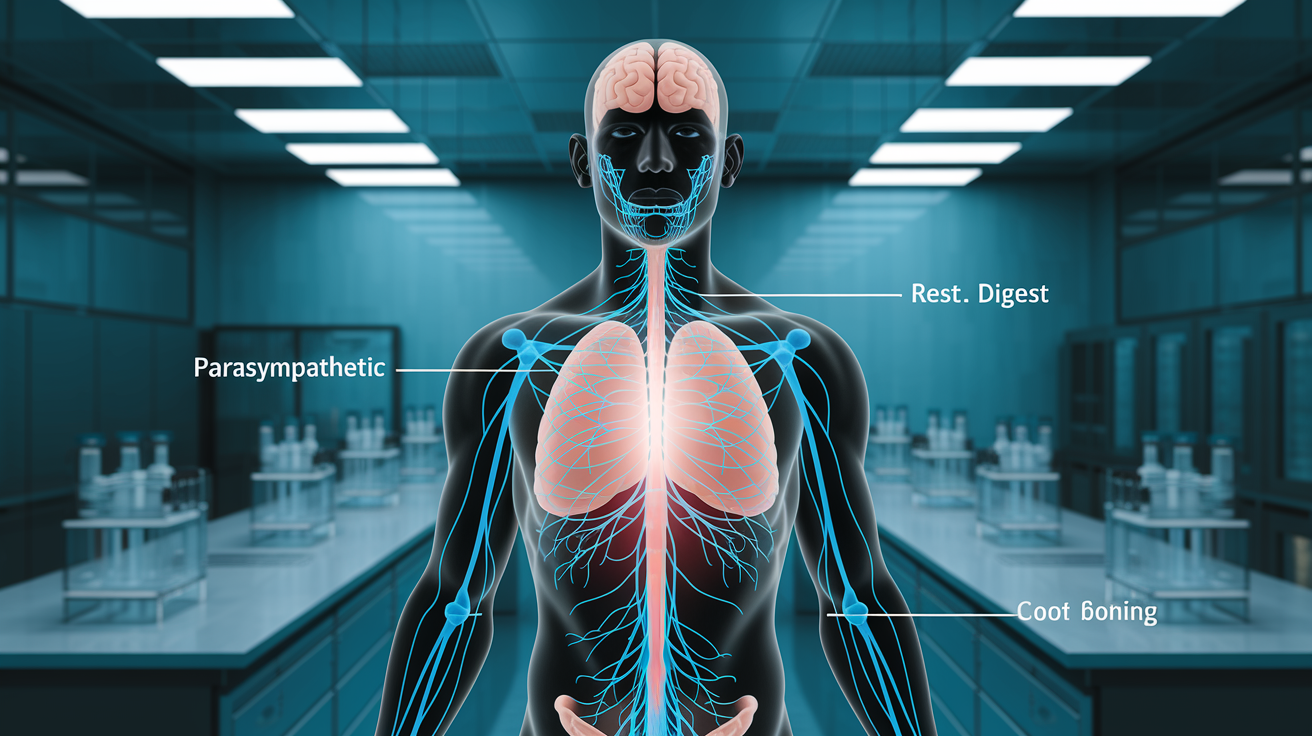
Box breathing activates the parasympathetic nervous system, the branch responsible for rest and recovery. When you breathe slowly and hold at specific intervals, your vagus nerve signals your brain that you’re safe. This counteracts the sympathetic nervous system, the “fight or flight” mode, and reduces the release of stress hormones like cortisol. That shift from high alert to calm happens in the body first. Then the mind follows. Research calls this a “bottom up” approach because the physical change leads the emotional one.
The technique also improves heart rate variability, a marker of how well your nervous system adapts to stress. Higher variability means your body can switch gears more easily between alert and relaxed states. A 2020 systematic review published in the International Journal of Yoga (13(2):99-110) found that controlled breathing techniques improved autonomic balance and reduced anxiety symptoms across multiple studies. A randomized controlled trial in Frontiers in Psychiatry (2020;11:467) and an exploratory crossover study in Complementary Medicine Research (2022;29(2):120-126) both documented measurable reductions in stress and improvements in emotional regulation following regular breathwork practice. The consistent message across the evidence is that structured breathing, especially patterns with equal holds, calms the nervous system in ways people can feel within minutes.
When you count and focus on breath sensations, you interrupt the cycle of racing thoughts. Anxiety often feeds on mental loops. “What if this happens?” “Why did I say that?” Box breathing forces your attention onto a simple, repeating task. That shift reduces cognitive overload and gives your prefrontal cortex, the part of the brain involved in planning and regulation, a chance to re-engage. The result is clearer thinking and a quieter inner voice.
Box Breathing Step by Step Variations and Timing Options

Not everyone feels comfortable with a four second hold right away. If you’ve been breathing shallowly due to anxiety or if you’re new to breathwork, shorter counts give you a gentler entry point. Starting with three seconds per phase, 3-3-3-3, keeps the pattern equal while reducing the physical demand. As your lung capacity and comfort grow, you can extend to four or even five seconds. Some practitioners prefer a longer exhale to emphasize the calming effect. A 4-4-6-4 pattern (inhale four, hold four, exhale six, hold four) tilts the balance toward parasympathetic activation because the longer out breath signals safety more strongly.
You can also experiment with session length. A single minute of box breathing delivers a noticeable shift. Five to ten minutes builds a deeper sense of calm. Setting a five minute timer frees you from tracking rounds and lets you settle into the rhythm. If you’re practicing while waiting for an appointment or during a work break, even 30 seconds (two or three full cycles) can bring your heart rate down and clear your head.
Common timing variations:
- 3-3-3-3: Easier starting point for beginners or when stressed and short of breath.
- 4-4-6-4: Extended exhale to boost relaxation. Useful before sleep.
- Five minute timer: Lets you practice without counting rounds. Roughly 15 to 18 cycles.
- Guided audio or visual timer: Apps or videos that cue each phase so you stay on track.
- Short bursts: Two to three cycles for quick relief when you can’t step away for long.
When to Use Box Breathing for Anxiety and Stressful Moments

Box breathing fits into everyday life without requiring privacy or equipment. You can practice it while sitting in a meeting, standing in a checkout line, or waiting for a flight to board. It works just as well during acute anxiety spikes, like the moment before a presentation or when you notice your chest tightening during an argument. The portability and simplicity mean you can reach for it whenever stress starts to climb.
People also use box breathing as a preventive tool. A few minutes in the morning sets a calmer baseline for the day. Practicing before bed helps quiet the mind and makes it easier to fall asleep. Over time, the technique becomes a familiar anchor. Something you can return to when life feels unpredictable or overwhelming.
Common scenarios where box breathing helps:
- Pre presentation or performance: Calms nerves and steadies your voice.
- Panic spikes or sudden worry: Interrupts the escalation before it peaks.
- Exam or test anxiety: Sharpens focus and reduces mental static.
- Workplace tension or difficult conversations: Gives you a moment to regulate before responding.
- Before sleep or during nighttime waking: Signals your body that it’s time to wind down.
- While traveling or in crowded spaces: Reduces overstimulation and grounds your attention.
Beginner Tips and Common Mistakes When Learning Box Breathing
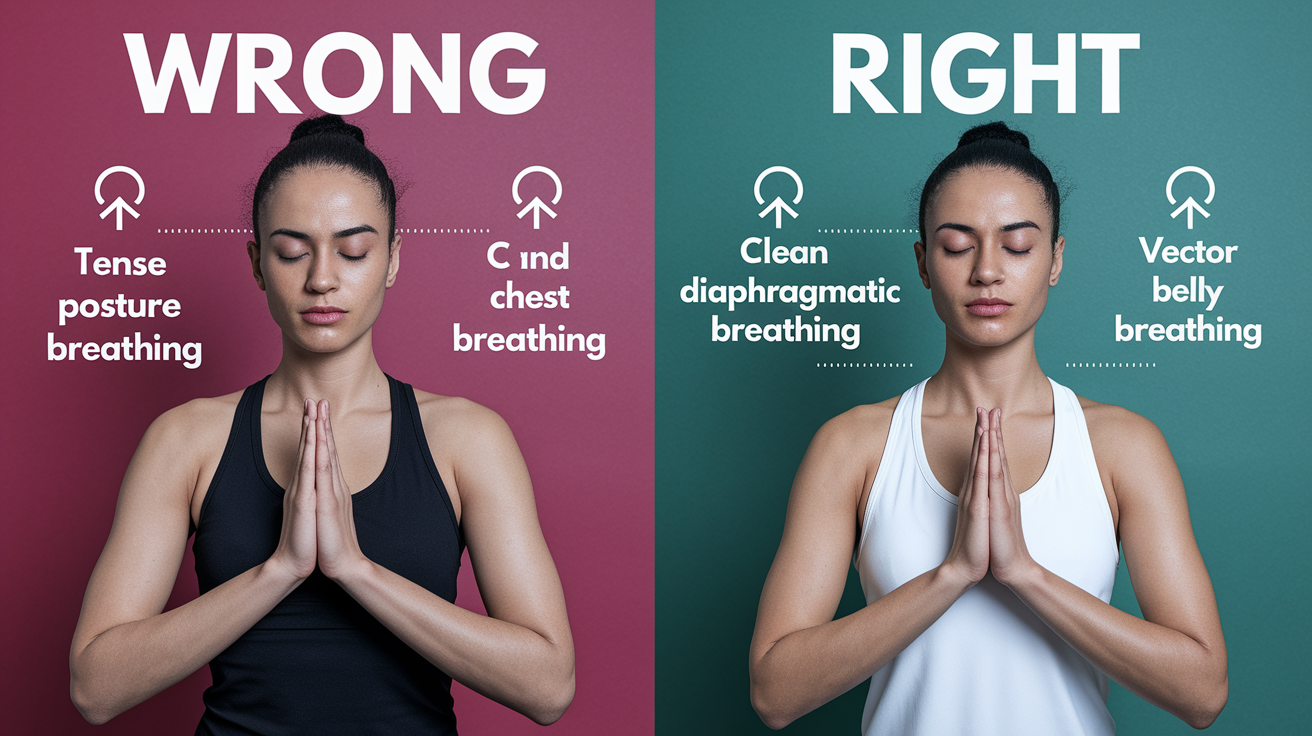
Start in a comfortable seated position with your back supported. You don’t need to sit cross legged or hold perfect posture. Just avoid slumping so much that your lungs feel compressed. Close your eyes if it helps you focus, but it’s not required. The key is to breathe from your diaphragm, letting your belly expand on the inhale rather than lifting your shoulders. That deeper breathing engages the vagus nerve more effectively and feels more natural once you get used to it.
Use a timer or a simple visual guide. Some people trace an imaginary box in the air or follow an animated square on their phone. This keeps the counts even and removes the mental effort of tracking time. If you feel lightheaded or anxious during a hold, drop to a shorter count or skip the hold altogether. The technique should never cause pain or panic. Think of it as a gentle recalibration, not a test of endurance.
Practice at least once a day when you’re relatively calm so your body learns the pattern. That way, when anxiety hits, the rhythm feels familiar instead of foreign. Consistency matters more than duration. Two minutes every morning builds the skill faster than one long session once a week.
Mistakes to avoid:
- Forcing a deep inhale or exhale beyond comfort: This can trigger more anxiety instead of relieving it.
- Holding your breath until you feel dizzy or panicked: Shorten the count or eliminate holds temporarily.
- Breathing only into your chest: Focus on belly expansion to engage the diaphragm.
- Practicing while already hyperventilating: Slow your breathing first with gentle exhales, then start the box pattern.
- Expecting instant perfection: Like any skill, box breathing improves with repetition and patience.
Evidence and Studies Supporting Box Breathing for Anxiety
A systematic review published in May 2020 in the International Journal of Yoga examined multiple controlled breathing techniques and their effects on stress and autonomic regulation. The review (13(2):99-110, doi:10.4103/ijoy.IJOY3719, PMID: 32669763) concluded that structured breathwork, including equal ratio patterns like box breathing, improved markers of parasympathetic activity and reduced subjective anxiety across diverse populations. The authors noted that these techniques are low cost, accessible, and can be taught quickly. This makes them practical tools for everyday stress management.
Two randomized controlled trials add further support. A 2020 study in Frontiers in Psychiatry (11:467, doi:10.3389/fpsyt.2020.00467, PMID: 32528330) found that participants who practiced controlled breathing showed significant reductions in perceived stress and improvements in emotional regulation compared to a control group. A 2022 exploratory crossover trial in Complementary Medicine Research (29(2):120-126, doi:10.1159/000519715, PMID: 34784592) reported measurable changes in heart rate variability and self-reported calm following just a few weeks of regular breathwork practice. The consistent finding across these studies is that rhythmic, equal phase breathing engages physiological calming mechanisms that translate into real relief.
The research supports what practitioners have known for years. Slowing your breath and holding at controlled intervals tells your body it’s safe. That signal cascades through the nervous system, lowering heart rate, easing muscle tension, and quieting anxious thoughts. Box breathing isn’t a placebo. It produces measurable shifts in the stress response that show up in both lab data and daily life.
Integrating Box Breathing With Mindfulness and Other Calming Techniques
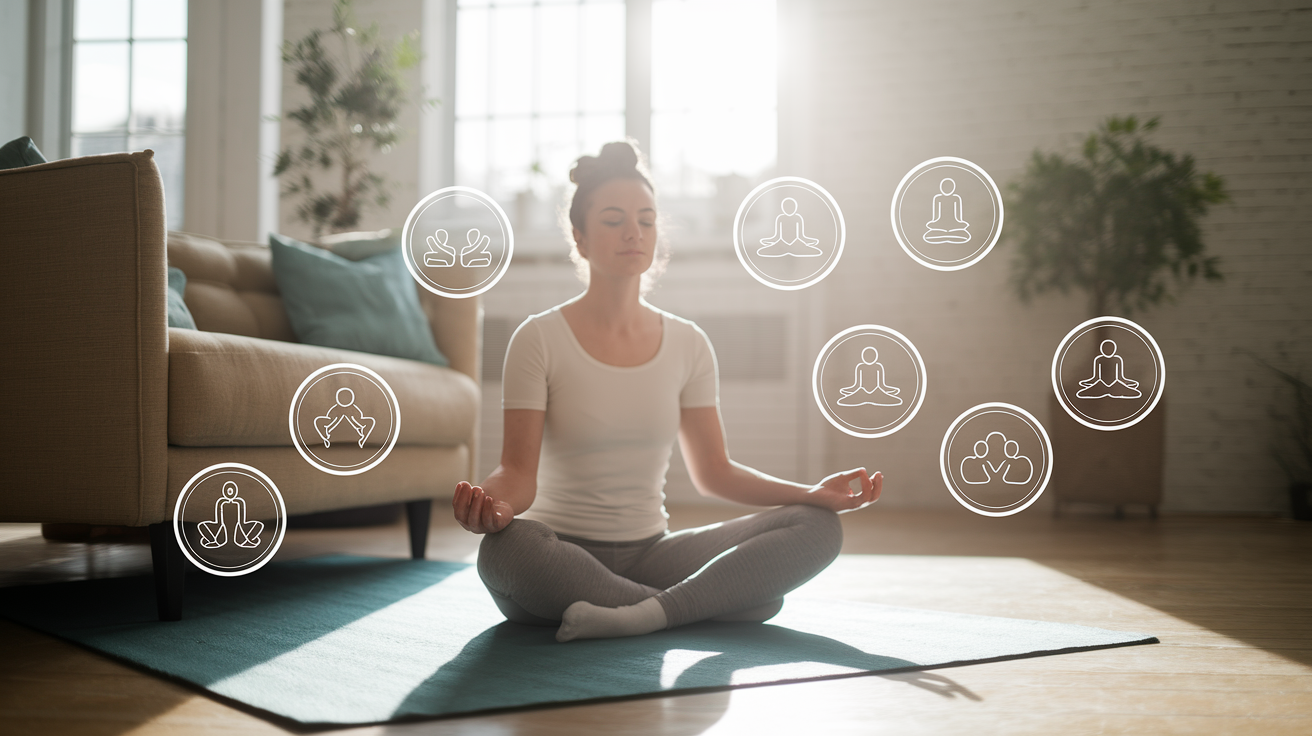
Box breathing pairs naturally with mindfulness meditation. After settling into the 4-4-4-4 rhythm, you can expand your awareness to notice sounds, body sensations, or the quality of your thoughts without judging them. The steady breath anchors your attention while the mindful observation deepens your sense of presence. This combination strengthens the mind body connection and makes it easier to catch anxiety early, before it spirals.
You can also layer box breathing with progressive muscle relaxation. Start with a few breathing cycles to calm your nervous system, then slowly tense and release muscle groups from your toes to your shoulders. The breathing keeps you grounded while the muscle work releases physical tension. Guided visualization is another good match. Imagine tracing a glowing square in your mind as you breathe, or picture calm scenes unfolding in rhythm with each phase.
Complementary practices to try:
- Mindfulness meditation: Use box breathing as the anchor, then expand awareness to thoughts and sensations.
- Progressive muscle relaxation: Begin with three to five breathing cycles, then systematically tense and release muscle groups.
- Guided visualization: Pair the 4-4-4-4 pattern with mental imagery (waves, light, or peaceful landscapes) to deepen relaxation.
Final Words
Try one 4-4-4-4 cycle now: inhale 4 seconds, hold 4, exhale 4, hold 4. Notice your shoulders drop and your breath slow.
This piece walked you through the step-by-step pattern, why equal counts help, timing options, real-life uses, beginner tips, and the research behind it.
A simple starter plan is 5 cycles (about 1–2 minutes) and build to 5 minutes as feels right.
Keep the box breathing technique for anxiety handy—short bursts before a meeting or during a panic spike can calm you. Small practice adds up.
FAQ
Q: Does box breathing work for anxiety?
A: Box breathing can help reduce anxiety by activating the body’s relaxation response, slowing breath, lowering heart rate, and calming the mind. Try 4-4-4-4 cycles for a few minutes to feel calmer.
Q: What is the 3 3 3 rule for anxiety?
A: The 3-3-3 rule for anxiety is a grounding trick: name three things you can see, three you can hear, then move three parts of your body to bring attention back to the present.
Q: What is air hunger anxiety?
A: Air hunger anxiety is the intense, uncomfortable feeling that you can’t get enough air, like shortness, tight chest, or urge to gasp, often caused by rapid breathing, panic, or respiratory issues.
Q: Why do navy SEALs do box breathing?
A: Navy SEALs do box breathing to stay calm and focused under pressure; the equal counts steady breathing, regulate the nervous system, lower heart rate, and help clear thinking during high-stress moments.