
Think yoga will make your knee pain worse?
You’re not alone — but done right, a few simple poses can actually ease swelling, reduce stiffness, and stop that twinge when you stand up.
If you want moves you can try today without making things worse, this guide lays out eight knee-friendly yoga poses, clear alignment cues, and easy modifications.
You’ll get immediate relief tips plus short practices to build strength and take pressure off the joint over time.
Key Knee-Friendly Yoga Poses for Immediate Pain Relief
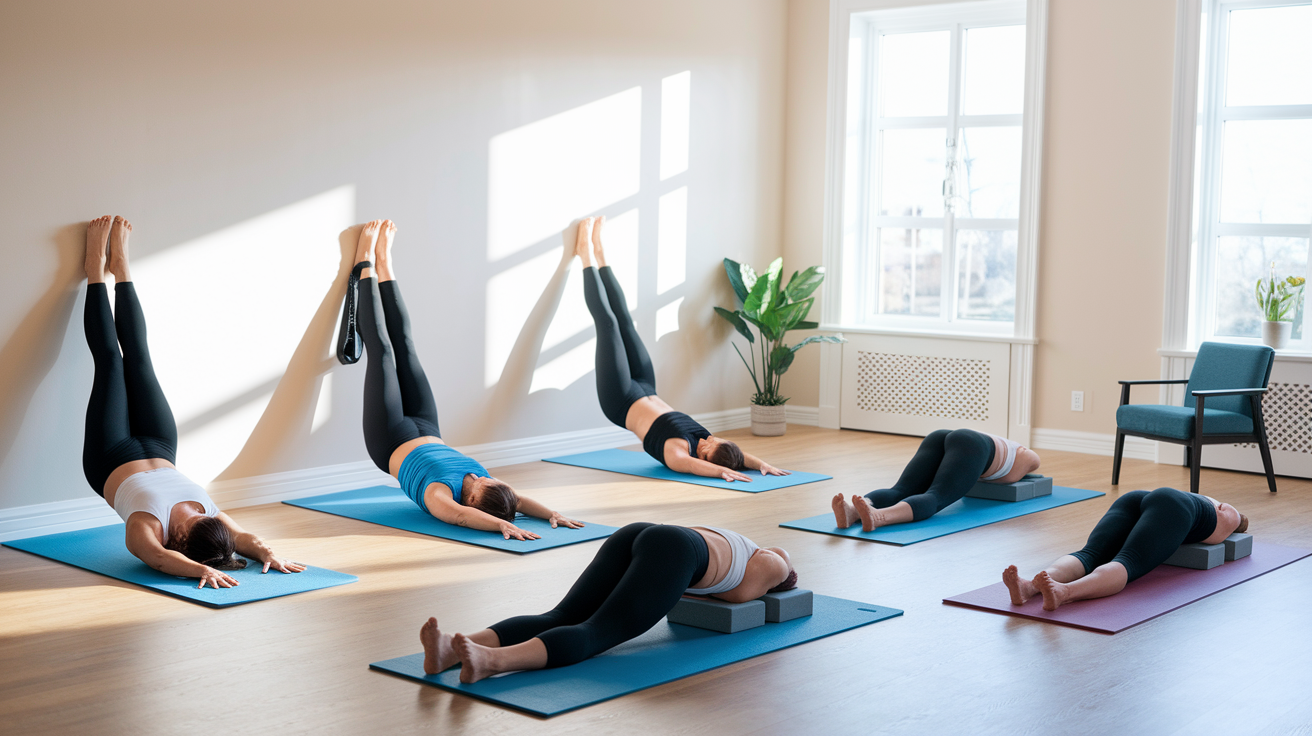
If you’re dealing with knee discomfort, you want poses you can try today without making things worse. The best options build strength without overloading the joint, stretch surrounding tissues to reduce strain, and can be modified when sensitivity is high. Physical therapists and yoga instructors usually recommend a handful of beginner-friendly poses that work for most people dealing with non-acute knee issues.
Research shows yoga reduces joint pain and stiffness while improving mobility in older adults. Many of these benefits come from just a few core poses done consistently. The key is holding each pose long enough to create change, about 30 to 60 seconds if your pain is mild, or just 10 to 20 seconds if you’re having a flare. Use props to stay comfortable.
Here are eight knee-friendly poses that offer immediate relief and long-term benefit:
- Legs-Up-the-Wall reduces swelling and decompresses the joint by reversing fluid buildup
- Supported Bridge Pose strengthens glutes and quadriceps while reducing load on the knee during standing activities
- Child’s Pose gently stretches the thighs and shins without weight on the knees
- Figure Four (on back) improves hip mobility and strengthens hip joint, which takes pressure off the knee
- Reclined Hamstring Stretch with Strap releases tight hamstrings that pull on the back of the knee
- Standing Calf Stretch with Block or Wall improves ankle mobility to reduce compensatory stress through the knee
- Chair-Assisted Warrior I or Low Lunge builds hip and glute strength without deep knee flexion
- Supine Quad Activation with Strap gently engages the quadriceps to stabilize the kneecap
Alignment Techniques in Yoga That Protect the Knee Joint
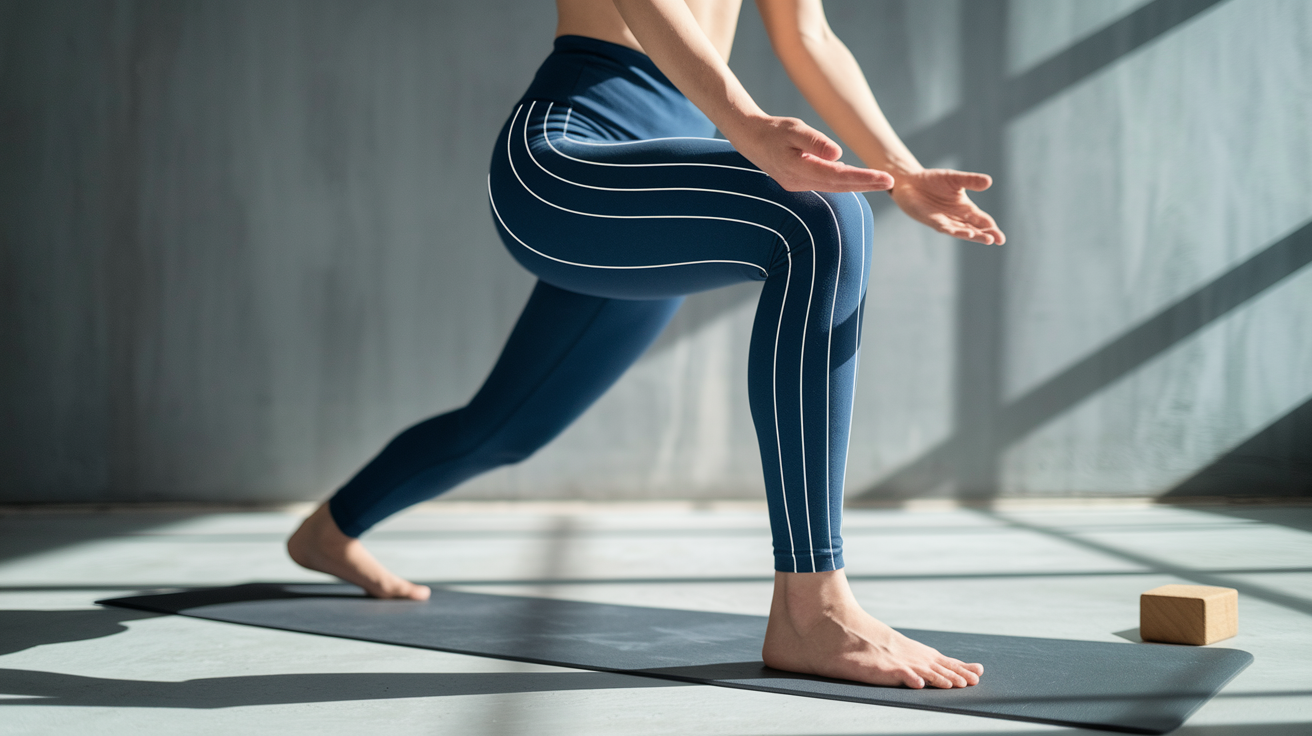
Alignment is everything when you’re working with knee pain. Poor alignment, especially letting your knee drift inward or travel too far over your toes, puts uneven pressure on the joint and can make pain worse over time. But a few simple cues can protect your knee in almost every pose.
The most important alignment rule is keeping your knee tracking over your second and third toe, especially in standing poses. This keeps the joint stacked properly and prevents the inward collapse (called knee valgus) that strains the ligaments and irritates the kneecap. You also want to root your weight evenly through the ball and heel of your foot and actively lift your arch to engage the muscles of your lower leg. That activation travels all the way up and stabilizes the knee from below.
Using a yoga block between your thighs in poses like Bridge or standing postures helps activate the inner thigh muscles and reminds your knees to resist drifting inward. If you’re kneeling, always pad your knees with a folded blanket or yoga pad to reduce direct pressure on the kneecap.
Knee-Over-Ankle Guidance
In standing poses like Warrior II, Chair Pose, and High Lunge, the front knee should stay directly over the ankle, not pushing past it toward your toes. This alignment keeps the shin perpendicular to the floor and distributes force evenly through the leg instead of dumping it into the front of the knee joint. If your knee travels too far forward, you’re putting extra pressure on the patella and increasing strain on the patellar tendon. If you notice your knee creeping forward, shorten your stance or bring your torso more upright to shift weight back into your heel.
Strength-Building Poses for Better Knee Stability
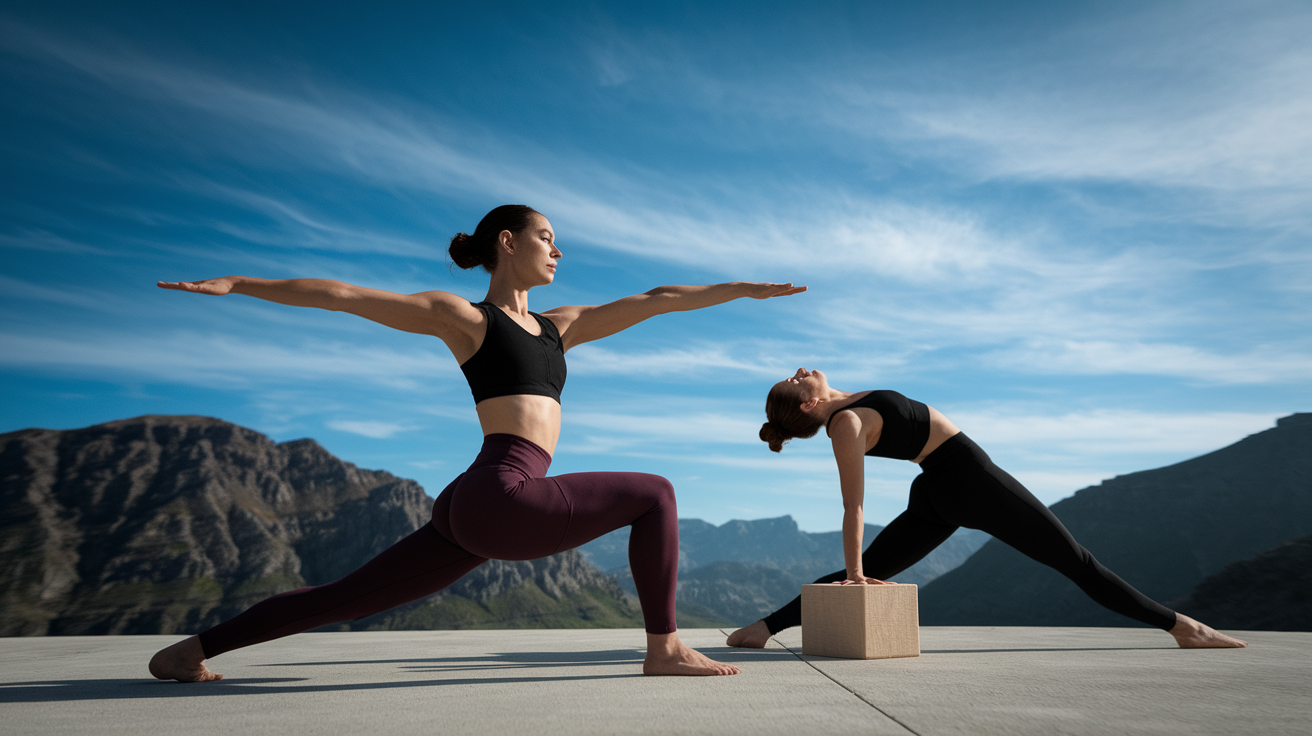
Strengthening the muscles around your knee, especially your quadriceps, glutes, and hamstrings, takes load off the joint itself and helps it move more smoothly. Weak quads can’t stabilize the kneecap. Weak glutes mean your hip drops inward, which torques the knee. Yoga offers plenty of poses that build this kind of functional strength without the impact of jumping or running.
Chair Pose, Warrior II, and Goddess Pose all challenge your legs to hold weight with your knees bent, which trains the muscles to support the joint under load. Bridge Pose is one of the best for targeting the back of the body. Your hamstrings and glutes do most of the work, and you can use a simple test to check alignment: if you can graze your heels with your fingertips while your hips are lifted, your knees are stacked over your ankles. Try repeating the lift two or three times to build strength. Half Moon and High Lunge add a balance challenge, which forces your body to recruit stabilizing muscles on one leg at a time. That’s a skill that protects your knee when you walk, climb stairs, or stand on uneven ground.
| Pose | Primary Strength Benefit |
|---|---|
| Chair Pose | Builds quadriceps and core endurance to support the front of the knee |
| Warrior II | Strengthens hip abductors and glutes to prevent inward knee collapse |
| Goddess Pose | Trains bilateral knee control and inner thigh activation |
| Bridge Pose | Targets hamstrings and glutes to offload the knee during standing |
| High Lunge | Builds single-leg stability and hip flexor strength |
| Half Moon | Improves balance and lateral hip strength on one leg |
Safe Yoga Modifications for Sensitive or Injured Knees
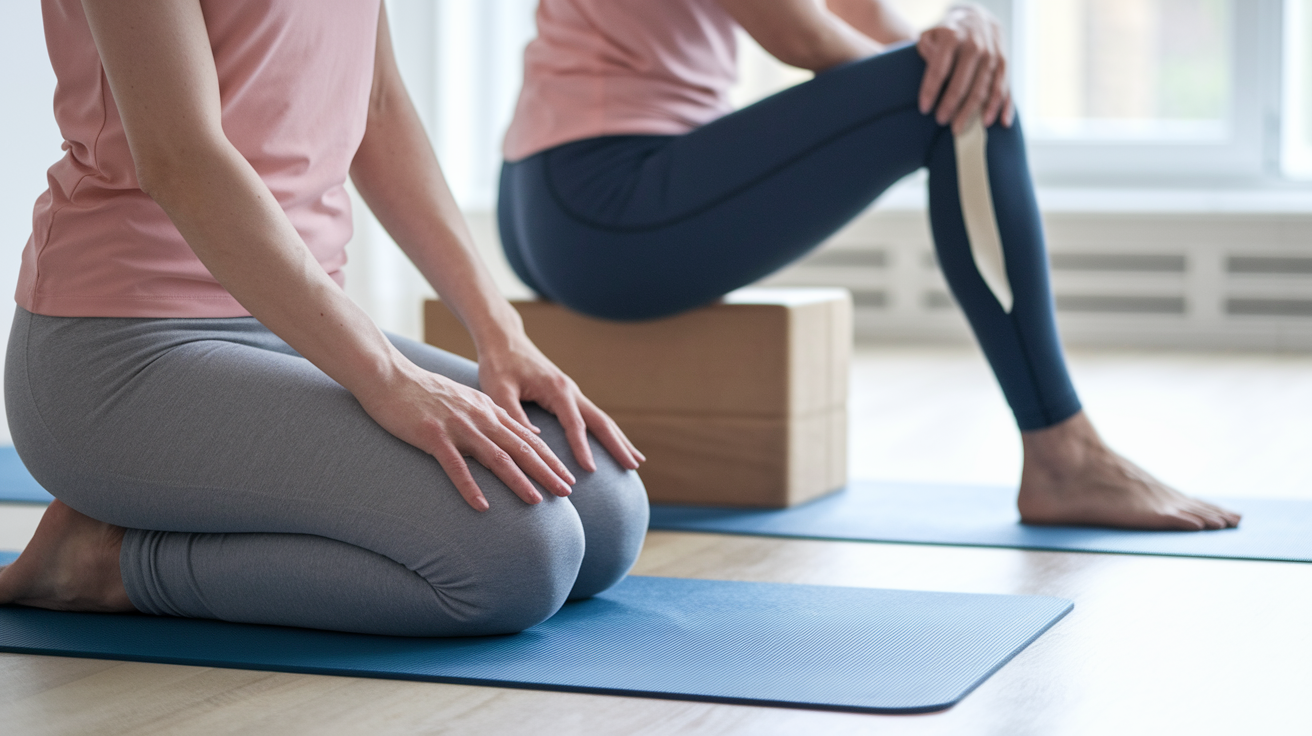
When your knees are sensitive, props and modifications aren’t optional. They’re how you stay safe and keep practicing. The goal is to reduce the range of motion and support your joints so you can build strength without triggering pain. For moderate discomfort, try reducing how far you bend by about 25 to 50 percent. If you’re in a flare or dealing with severe pain, stick to passive, supported poses and hold them for just 10 to 20 seconds.
Here are six modifications that make poses easier on your knees:
- Use a folded blanket or extra yoga pad under your knees in any kneeling position (Child’s Pose, tabletop, low lunge)
- Place a block under your sit bones in deep squats like Garland Pose so you don’t have to drop as far
- Rest your hand on a chair or yoga block in Extended Side Angle or Triangle to limit how much you load the front knee
- Squeeze a block between your thighs in Bridge or standing poses to engage your inner thighs and prevent knee drift
- Use a strap under the arch of your foot in Reclined Hamstring Stretch if you can’t reach your leg comfortably
- Substitute Chair-Assisted Warrior or Low Lunge (hands on a chair seat) if balance or range of motion is limited
If you’re recovering from surgery or a recent injury, keep things gentle. Limit yourself to supine poses like Supported Bridge (with a block under your sacrum, not your knees) and Legs-Up-the-Wall until a physical therapist or clinician clears you for loaded knee flexion.
Yoga Stretches That Reduce Knee Tension and Improve Mobility
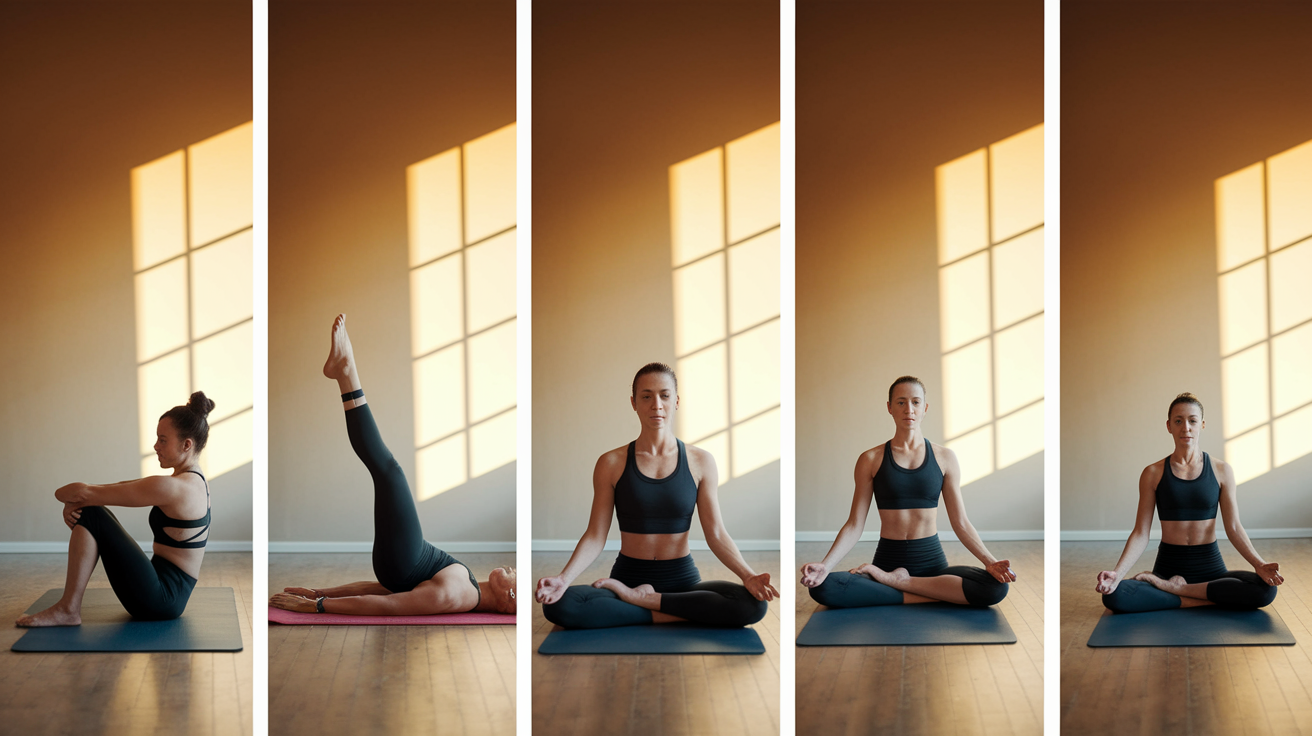
Tight muscles around your knee can pull the joint out of alignment and create friction where there shouldn’t be any. Stretching your hamstrings, hip flexors, calves, and IT band helps the knee move more freely and reduces compensatory stress. The beauty of yoga is that these stretches are built into poses you’re already doing. You just need to hold them long enough to feel a shift.
Hamstring tightness is one of the most common contributors to knee discomfort. When the back of your thigh is tight, it pulls on the back of your knee and limits how smoothly your leg can straighten. A Reclined Hamstring Stretch with a strap lets you gently lengthen the muscle without putting weight on the joint. Fire Log Pose opens your hips, which reduces rotational stress through the knee. If it feels like too much, slide a block under each knee for support.
Here are five stretches that directly reduce knee tension:
- Reclined Hamstring Stretch with strap (targets back of knee and calf)
- Fire Log Pose (opens outer hips and reduces knee rotation)
- Standing Calf Stretch at a wall or with a block (improves ankle dorsiflexion to reduce compensatory knee bend)
- Half-Kneeling Hip Flexor Stretch with bolster under knee (releases front of hip, reduces pull on knee from tight psoas)
- Child’s Pose (gently stretches thighs, shins, and ankles while decompressing the knee joint)
Poses and Movements to Avoid When Dealing With Knee Pain
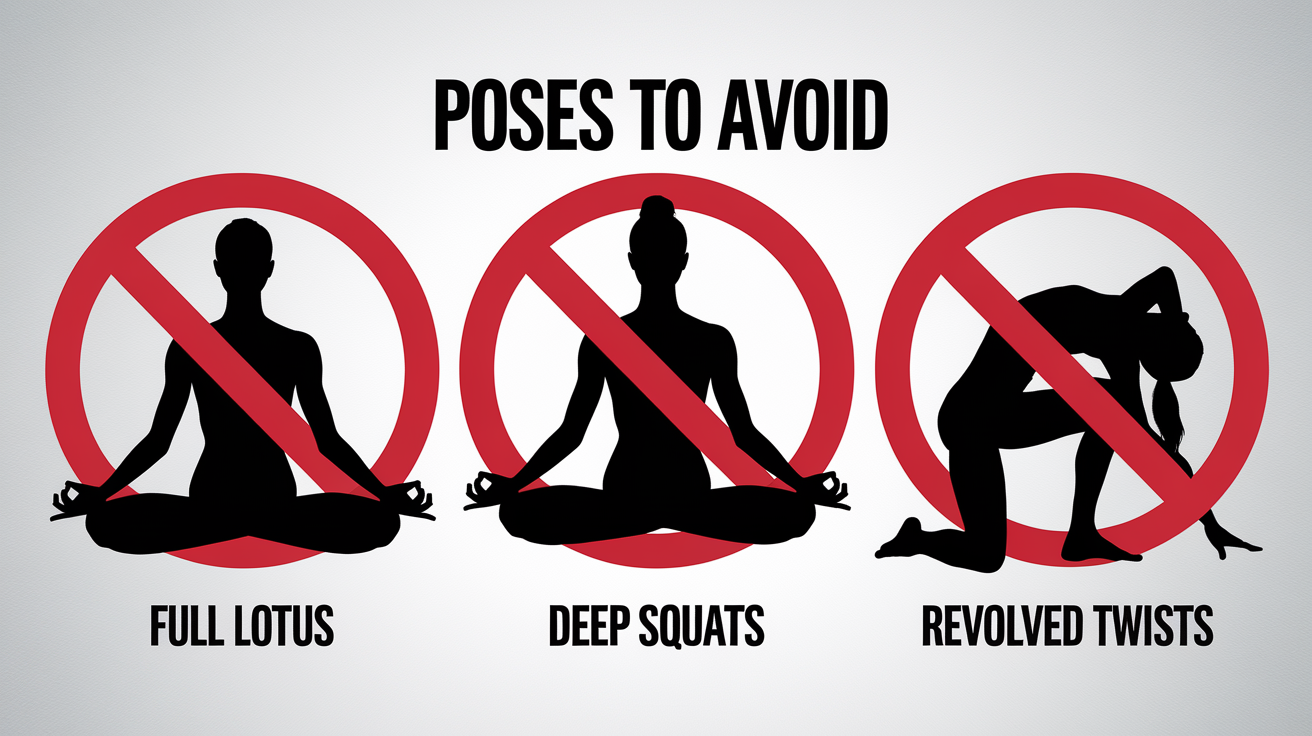
Some yoga poses load the knee in ways that can make pain worse, especially if you’re already dealing with inflammation or a structural issue. Deep knee flexion under body weight, twisting motions that torque the joint, and full weight on your shins can all aggravate sensitive knees. It’s not that these poses are bad. They’re just not the right choice when your knee is asking for rest.
Avoid full Lotus (Padmasana), deep squats like Malasana if you’re loading your body weight into the bottom position, kneeling poses where your full weight presses into your shins without padding, and revolved or twisted lunges that put rotational force through a bent knee. If you’ve had knee surgery, steer clear of loaded knee flexion for at least six weeks unless your physical therapist or surgeon has cleared you. Even after that window, ease back in with modifications and stop if you feel sharp pain, swelling, or instability. The key is to listen to your body and choose poses that feel like a stretch or gentle effort, not a strain.
A Sample Knee-Friendly Yoga Sequence You Can Follow at Home
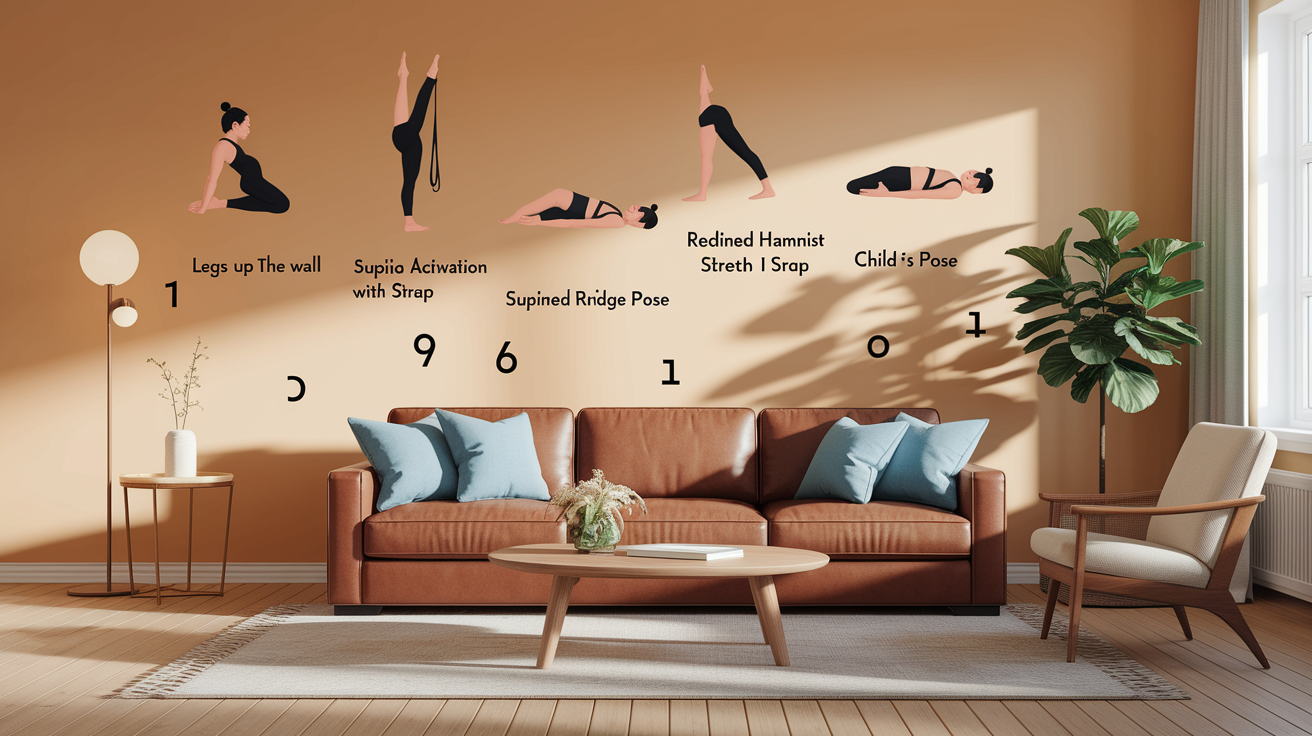
You don’t need a long session to see benefits. Ten to 20 minutes of targeted yoga can reduce stiffness, improve range of motion, and build strength around your knees. Aim to practice this sequence three to five times per week, holding each pose for 30 to 60 seconds if your pain is mild or 20 seconds if you’re in a flare. Repeat each pose two or three times if you can, and always warm up with a few minutes of gentle movement. Ankle circles, slow knee bends while holding a chair, or a short walk all work before you start.
Here’s a simple six-step sequence you can do at home:
- Legs-Up-the-Wall, 2 to 5 minutes. Use a folded blanket under your lower back if you feel any strain.
- Supine Quad Activation with Strap, 30 seconds per leg, 2 repetitions. Press your heel gently into the strap to engage your quad.
- Reclined Hamstring Stretch with Strap, 30 to 60 seconds per leg. Focus on steady breathing and a gentle pull.
- Supported Bridge Pose, hold for 30 seconds, lower with control, repeat 2 to 3 times. Option to place a block between your thighs.
- Chair-Assisted Warrior I or Low Lunge, 30 seconds per side. Hands resting on chair seat, knee stays over ankle.
- Child’s Pose, 1 to 2 minutes. Use a blanket under your knees if needed, let your hips sink toward your heels.
When to Stop Yoga and Seek Medical Help for Knee Pain

Yoga is a tool for managing mild to moderate knee discomfort, not a replacement for medical evaluation when something is seriously wrong. If you feel sharp pain during a pose, stop immediately. Sharp pain is your body’s alarm system, and pushing through it can turn a minor issue into a bigger one. You should also stop if you notice new swelling, your knee feels unstable or like it might give way, or you experience numbness, tingling, or locking (where your knee gets stuck and won’t straighten or bend).
If your knee pain lasts more than six weeks despite consistent yoga practice and other conservative care like rest, ice, and strengthening exercises, it’s time to see a physical therapist or orthopedic clinician. Sudden swelling combined with fever, redness, or warmth can signal an infection or acute inflammatory reaction and needs same-day medical attention. Post-surgery or post-injury, always get clearance from your healthcare provider before resuming loaded knee exercises. Your timeline matters, and moving too fast can delay healing.
Final Words
Start with gentle moves—Legs-Up-the-Wall, Child’s Pose, Figure Four, and Supported Bridge—to relieve swelling and calm the joint. We also covered strength builders like Chair and Warrior II, plus alignment tips to keep your knee stacked over the ankle.
You learned safe modifications, mobility stretches, a short home sequence, and red flags that mean stop and get help. Try the routine with props and shorter holds at first.
Use this guide to try the best yoga poses for knee pain and feel steadier day by day — you’ve got this.
FAQ
Q: Which yoga is best for knee pain?
A: The best yoga for knee pain is gentle, low-impact practice using poses like Legs-Up-the-Wall, Child’s Pose, Figure Four, and Supported Bridge to reduce load, ease stiffness, and improve mobility.
Q: What is the #1 mistake that makes bad knees worse?
A: The #1 mistake that makes bad knees worse is letting the knee collapse inward or push well past the ankle during bends, which increases joint strain instead of strengthening surrounding muscles.
Q: Should you do yoga if your knee hurts?
A: You should do yoga if your knee hurts only with gentle, modified poses and limited range of motion; avoid sharp pain, prefer supine or supported poses, and stop if symptoms worsen.
Q: What yoga poses to avoid for bad knees?
A: Yoga poses to avoid for bad knees include full Lotus, deep loaded squats (Malasana), full-weight kneeling, and twisting moves that torque the knee, since they raise compression and rotational stress.