
What if sleep supplements are a band-aid for a daytime problem?
If you’re scrolling late, wired from afternoon caffeine, or waking up groggy, you’re not imagining it, and mixed daily signals often block sleep.
Small, consistent habits, with steady bed and wake times, dimming lights before night, cooling the room, timing meals and caffeine, and short wind-down routines, give your brain the clear cues it needs to fall and stay asleep.
These changes can help you sleep deeper and wake up more rested, no pills required.
Here’s a simple, realistic plan to try tonight and build over the week.
Immediate Natural Steps to Improve Sleep
Your body knows how to sleep well without pills or powders. It just needs the right conditions and cues.
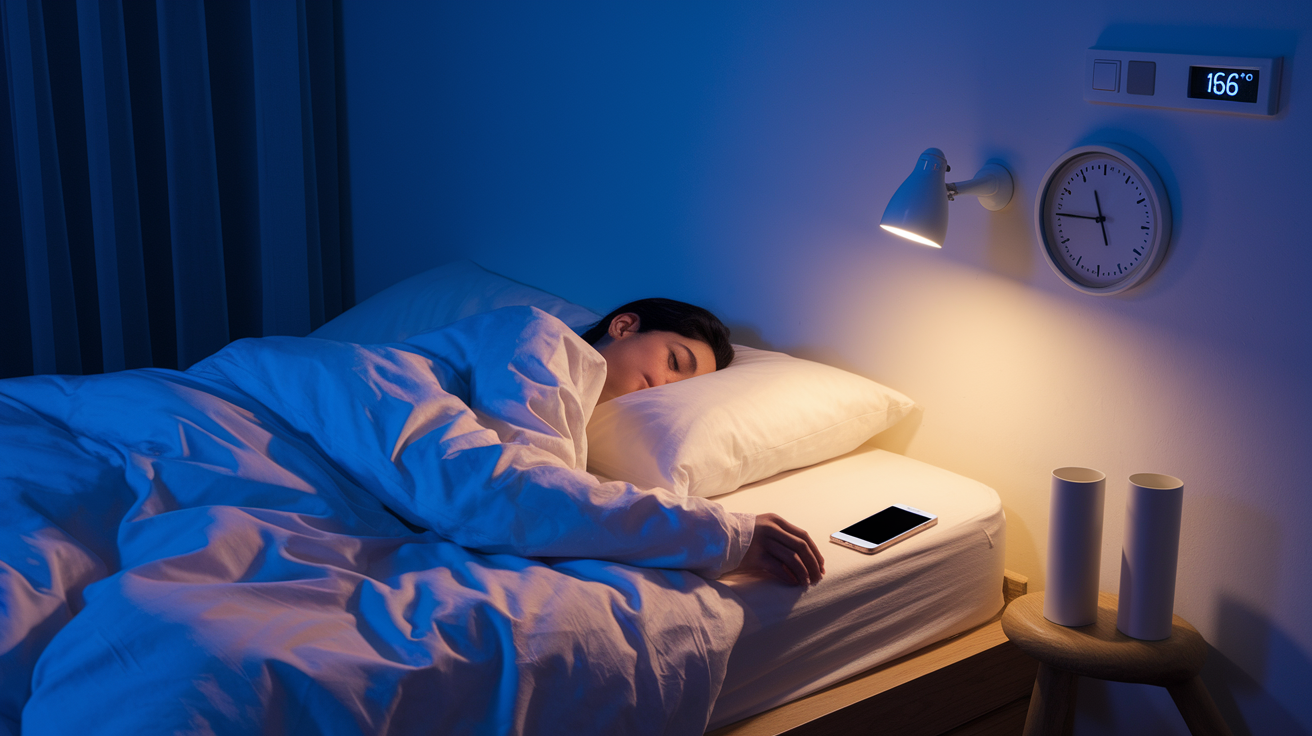
Most sleep problems? They start with mixed signals. You’re in bed at 11 PM scrolling on a bright screen. Or you’re wired from late afternoon coffee. Or your bedroom feels like a sauna. These aren’t mysteries. They’re fixable habits that confuse your circadian rhythm and keep your brain from downshifting into rest mode.
The fastest wins come from resetting a handful of daily behaviors. Small changes stack up when you give your nervous system what it actually needs to settle down.
Here’s what works right away:
Go to bed and wake up at the same time every day. Even on weekends. Consistency anchors your circadian clock and makes falling asleep feel natural instead of forced.
Dim the lights two hours before bed. Lower lighting tells your brain to start making melatonin, the hormone that triggers sleepiness.
Cut blue light exposure after sunset. Put phones, tablets, and laptops away at least one hour before bed. Blue wavelengths suppress melatonin production more than any other color of light.
Cool your bedroom to about 60–67°F (15–19°C). Your core body temperature has to drop to fall asleep, and a cooler room helps that happen faster.
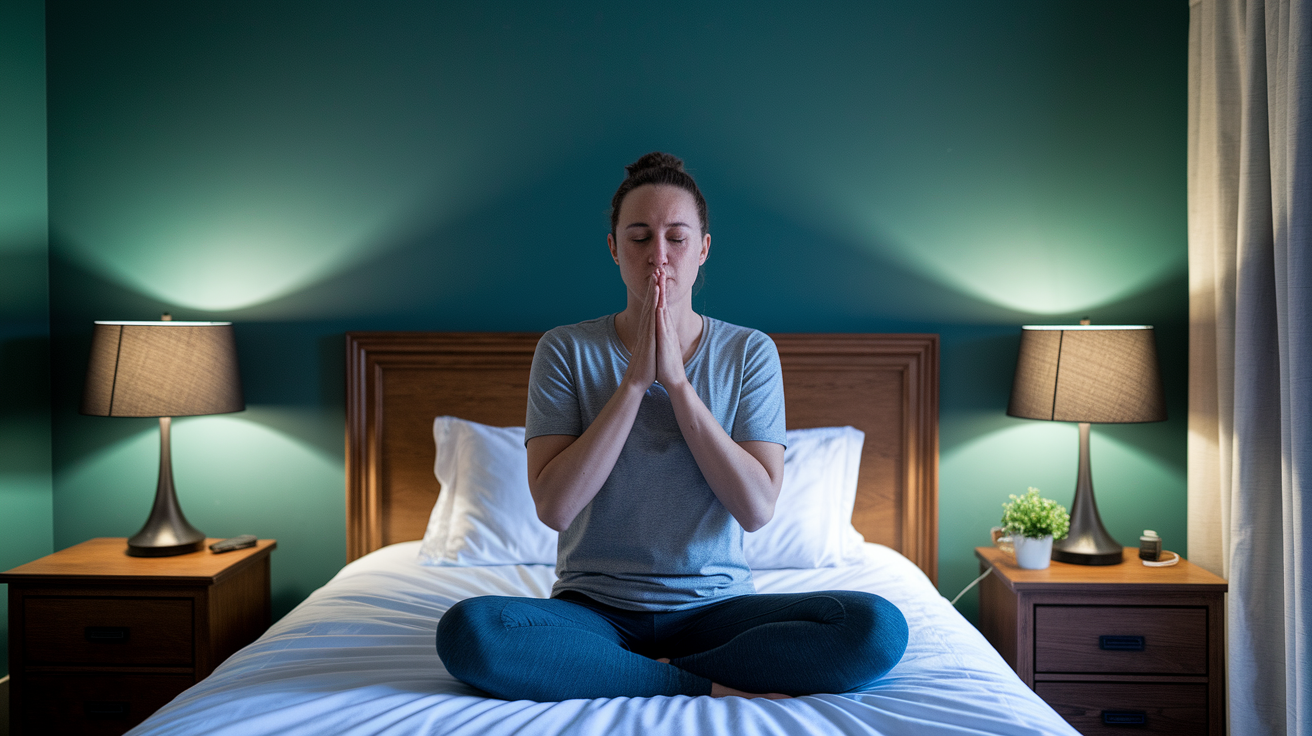
Do five minutes of light stretching or deep breathing before bed. Gentle movement and slow diaphragmatic breathing activate your parasympathetic (“rest and digest”) nervous system.
Stop caffeine after 2 PM. Caffeine has a half life of about five hours, so a 3 PM coffee can still be circulating in your system at bedtime.
Reserve your bed for sleep and sex only. Working, scrolling, or watching TV in bed teaches your brain that the bed is for alertness, not rest.
These steps work because they align your environment and habits with how your brain naturally prepares for sleep. When the sun sets, your suprachiasmatic nucleus (the tiny cluster of cells in your brain that runs your circadian clock) expects dimmer light, cooler air, and less stimulation. Bright screens, caffeine, and irregular schedules all jam that signal. Remove the interference, and sleep stops feeling like a negotiation.
Foundational Sleep Hygiene Practices

Sleep hygiene isn’t a buzzword. It’s the name for the daily routines that either invite sleep or repel it.
The single most powerful habit? Timing. When you sleep and wake at the same hour every day, your body starts to anticipate the shift. Your core temperature drops on schedule, melatonin rises predictably, and cortisol (your wake up hormone) surges at the right time in the morning. Irregular schedules, staying up late on Friday, sleeping in on Sunday, scramble that rhythm and make Monday morning feel like jet lag.
What you do during the day matters just as much as what you do at night. If you nap for an hour at 4 PM, you reduce your sleep pressure. That’s the biological drive to sleep that builds up the longer you’re awake. Short naps (20–30 minutes) earlier in the day won’t wreck your night, but long or late naps can. Morning sunlight exposure also sets the tone. Fifteen to thirty minutes of outdoor light early in the day helps your brain mark “daytime” clearly, which makes “nighttime” easier to recognize later.
Pre sleep routines signal transition. Your brain likes patterns. A consistent wind down ritual (reading a paper book, taking a warm bath, doing a few minutes of gentle stretching) tells your nervous system that it’s safe to let go. Without that cue, you might lie down exhausted but still mentally revving. The routine doesn’t have to be elaborate. It just has to be the same most nights.
Optimizing the Bedroom Environment for Better Sleep
Your bedroom should feel like a sleep lab designed for one thing: deep, uninterrupted rest.
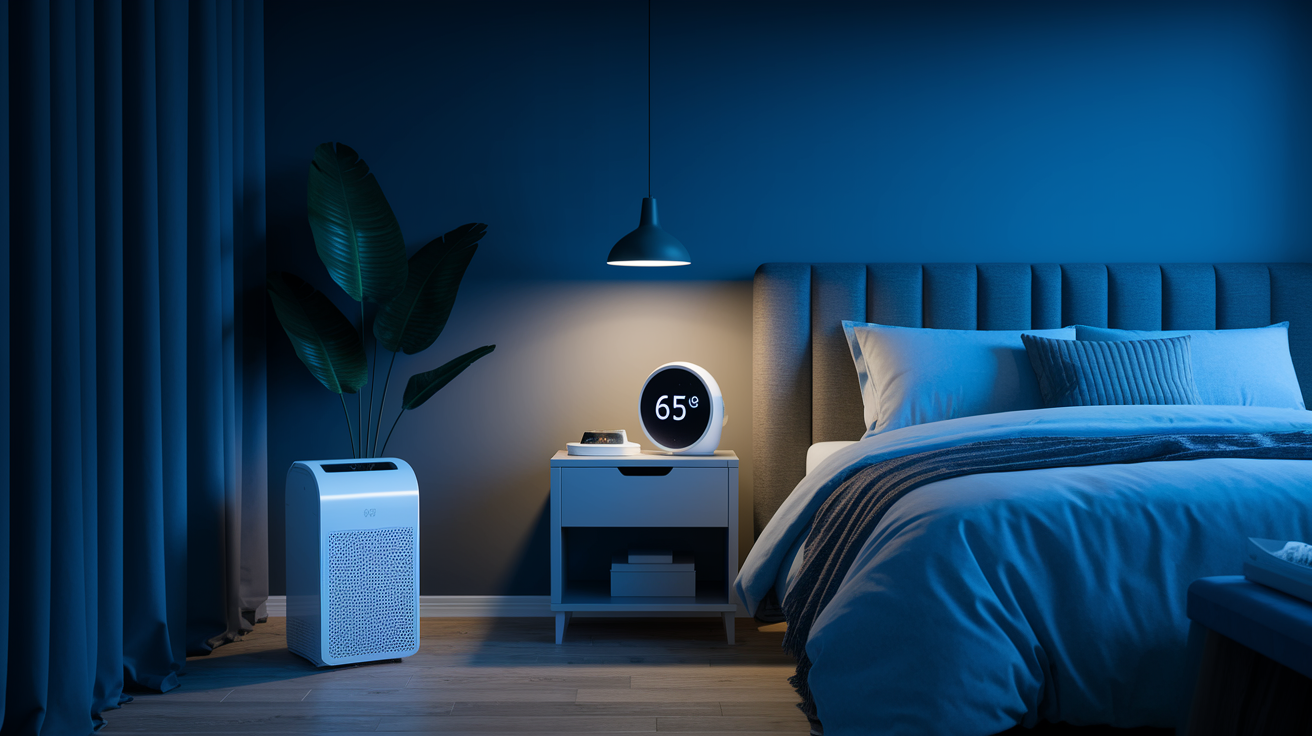
Temperature is the easiest lever to adjust and one of the most effective. Your body needs to shed about one degree Celsius from its core to fall asleep, and a cooler room makes that happen faster. Most people sleep best when the bedroom is around 65°F (18°C), though anywhere in the 60–67°F range works. If you wake up sweating or kick off blankets all night, your room is too warm.
Light is the second variable. Even small amounts of ambient light (streetlights through a curtain, the glow from a charging phone) can suppress melatonin production and fragment sleep cycles. Blackout curtains, an eye mask, or simply facing your alarm clock away from your pillow can make a measurable difference. Your retinas have photoreceptors that send light signals straight to your circadian clock, so total darkness isn’t just about comfort. It’s about biochemistry.
Noise and air quality round out the picture. Chronic noise (traffic, a snoring partner, neighbors) raises cortisol and keeps you cycling through lighter sleep stages instead of sinking into deep sleep. White noise machines, earplugs, or a fan can buffer disruptive sounds. Air quality also matters. Stuffy, stale air with high CO₂ or allergens can make you feel restless even if you don’t consciously notice it. Crack a window if it’s safe and quiet, or run a small air purifier. Your mattress and pillow should support neutral spinal alignment. Medium firm mattresses tend to work for most people, and a pillow that keeps your neck in line with your spine reduces middle of the night wake ups from discomfort.
Natural Stress and Mind Body Techniques to Improve Sleep

Stress doesn’t just keep you up. It actively blocks the neurochemical shift your brain needs to fall asleep. When cortisol is high and your sympathetic nervous system is stuck in “on,” melatonin production stays suppressed and your heart rate stays elevated.
Relaxation techniques work by flipping that switch. They activate the parasympathetic nervous system (the branch responsible for rest, digestion, and recovery) and lower the physiological markers of stress. You don’t need to meditate for an hour. Even five to ten minutes of intentional downregulation can drop your heart rate, slow your breathing, and quiet the mental chatter that keeps you staring at the ceiling.
Here are five techniques with proven effects on sleep onset:
Diaphragmatic breathing. Breathe in slowly through your nose for four counts, let your belly (not your chest) rise, then exhale through your mouth for six counts. Repeat for three to five minutes. Longer exhales engage the vagus nerve and signal safety to your brain.
Progressive muscle relaxation. Starting at your toes, tense each muscle group for five seconds, then release. Move up through calves, thighs, glutes, abdomen, chest, arms, and face. The contrast between tension and release trains your body to recognize what “relaxed” actually feels like.
Guided imagery. Picture a calm, detailed scene. A quiet beach, a forest path, a cozy room. Engage all your senses: the sound of waves, the smell of pine, the warmth of a blanket. This occupies your mind and interrupts the stress thought loop.
Mindfulness meditation. Sit or lie down, close your eyes, and notice your breath without trying to change it. When your mind wanders (it will), gently bring attention back to the sensation of breathing. Even beginners see sleep improvements within a week or two of nightly practice.
Body scan. Mentally “scan” from head to toe, noticing any tension, tingling, or heaviness without judgment. This builds awareness and often reveals where you’re holding stress (jaw, shoulders, lower back) so you can consciously soften those areas.
Diet, Hydration, and Timing for Natural Sleep Support
What you eat, when you eat it, and how much you drink all influence how quickly you fall asleep and how deeply you stay asleep.
Caffeine is the most obvious disruptor. It blocks adenosine receptors in your brain. Adenosine is the chemical that builds up all day and makes you feel sleepy. Even if you don’t feel wired, caffeine consumed six to eight hours before bed can reduce total sleep time by nearly an hour and lower sleep efficiency by around 7%. That means no coffee, black tea, energy drinks, or even dark chocolate after mid afternoon if you want to protect your sleep window.
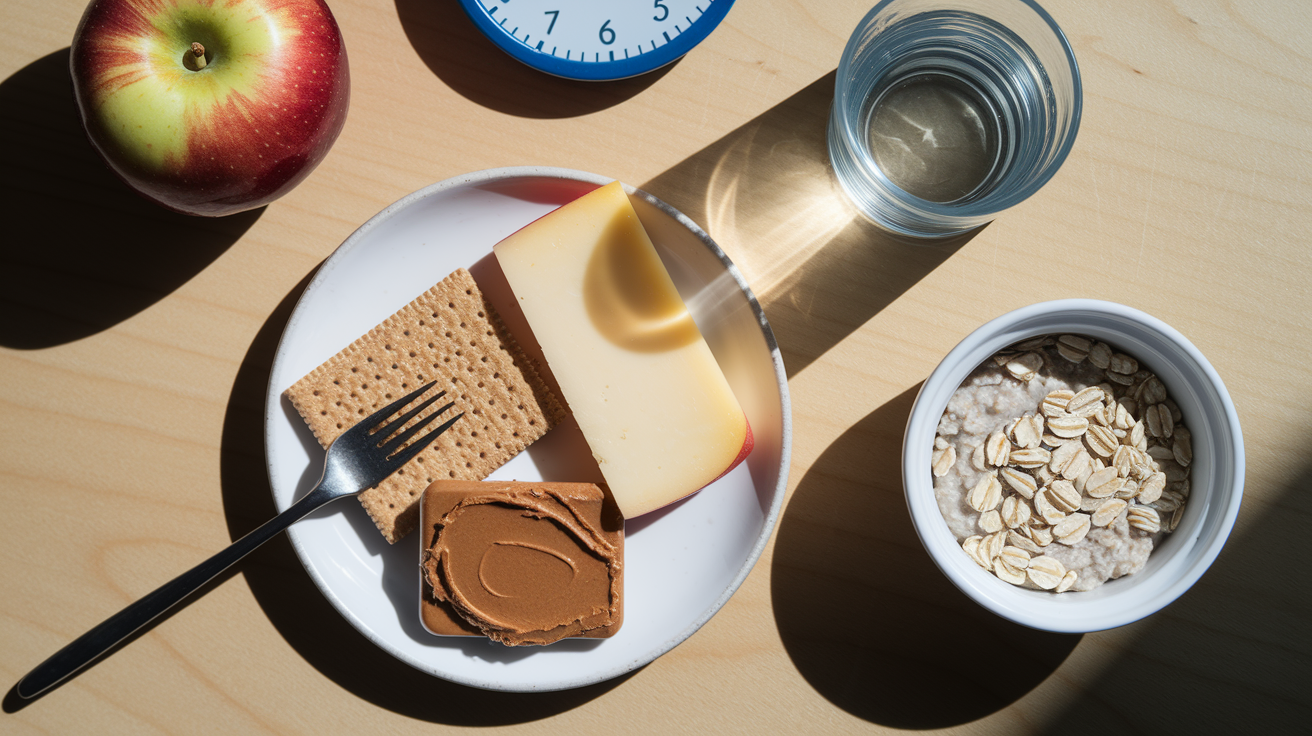
Heavy meals close to bedtime create a different problem. Digestion requires blood flow and metabolic activity, which keeps your core temperature elevated and your body in a semi alert state. Finish dinner at least two to three hours before bed. If you’re genuinely hungry later, choose a small snack that combines a bit of protein with complex carbs. An apple with a slice of cheese, a few whole wheat crackers with almond butter, or a small bowl of oatmeal. These options stabilize blood sugar without overloading your digestive system. High carb or high sugar snacks right before bed can spike and crash your glucose, which may wake you up in the middle of the night as your body tries to rebalance.
Alcohol is tricky. It might make you drowsy at first, but it disrupts your sleep architecture later in the night. Alcohol suppresses REM sleep (the stage tied to memory consolidation and emotional processing), worsens snoring and sleep apnea, and increases the likelihood of middle of the night awakenings. It also interferes with melatonin production. If you drink, finish at least three hours before bed and keep it moderate. Late night fluids in general, even water, can lead to nocturia (waking up to pee), so taper your intake one to two hours before sleep and use the bathroom right before you lie down.
The Role of Exercise Timing in Natural Sleep Quality

Regular physical activity is one of the most reliable non drug sleep enhancers, but timing and intensity matter.
Exercise improves sleep by increasing sleep pressure (the biological drive to sleep), enhancing melatonin secretion, lowering anxiety, and stabilizing your circadian rhythm. People who meet the recommended 150 minutes per week of moderate activity (brisk walking, cycling, swimming) fall asleep faster and spend more time in deep sleep than sedentary individuals. Morning or early afternoon workouts also expose you to daylight, which reinforces your body’s internal clock and makes it easier to wind down at night.
The catch is late day intensity. Vigorous exercise (interval training, heavy lifting, competitive sports) raises core body temperature, spikes cortisol and adrenaline, and increases heart rate for hours afterward. For some people, a hard workout within one to two hours of bedtime delays sleep onset and makes it harder to relax. If you exercise in the evening, here’s how to protect your sleep:
Finish vigorous exercise at least two to three hours before bed. This gives your body time to cool down and your stress hormones time to drop.
Try gentle movement closer to bedtime. Yoga, stretching, or a slow walk won’t interfere with sleep and may actually help you transition into rest mode.
Pay attention to your own response. Some people tolerate evening workouts just fine. Others lie awake feeling wired. Test your timing and adjust based on how you actually feel, not just what the studies say.
Start tonight: pick one small change, like a consistent bedtime or dimming lights two hours before bed.
We covered immediate steps, sleep hygiene, bedroom tweaks, mind-body relaxation, meal and caffeine timing, and exercise timing that helps sleep.
Those changes align your body clock, cool and darken the room, and calm your nervous system so you fall asleep faster and sleep deeper.
Try a few of these tips over the next week, and you’ll likely notice better nights. This is a simple plan for how to improve sleep quality naturally without supplements, one steady habit at a time. You’ve got this.
FAQ
Q: What is the 10 3 2 1 rule for sleep?
A: The 10-3-2-1 rule for sleep is a simple evening timeline: 10 hours—limit alcohol; 3 hours—finish heavy meals; 2 hours—stop caffeine; 1 hour—power down screens and relax.
Q: How to get 100% sleep quality?
A: Getting 100% sleep quality isn’t realistic; focus on reliable habits instead: regular sleep/wake times, a cool dark bedroom, limited late caffeine, a calming wind-down, and stress management to improve rest.
Q: What is the most natural thing to help you sleep?
A: The most natural thing to help you sleep is a consistent sleep schedule plus a calm pre-sleep routine, because steady timing and relaxation cue your body to wind down and fall asleep easier.
Q: What is the best sleep aid for dementia patients?
A: The best sleep aid for dementia patients is tailored non-drug care—consistent schedule, bright daytime light, quiet comfortable bedroom, and calming evening routines; discuss any medication options with the patient’s clinician.