

Think drinking water will make your belly puffier? That’s a common belief, but it’s usually backwards.
For most everyday bloating, the tight, puffy feeling after a salty meal or when you’re constipated, steady water usually helps.
It helps your body flush extra salt, softens stool, and keeps food moving, so you often feel less swollen within hours to a day when you start drinking regularly.
This post shows when water is a quick fix, when it won’t be enough, and a simple 3-day plan to try.
How Water Intake Reduces Bloating Quickly

Yes, drinking water helps with bloating in most situations.
When you’re hydrated, your body can flush out extra sodium that causes fluid retention and that puffy feeling in your abdomen. Water also keeps food moving through your digestive tract, which cuts down on that backed up sensation you get with bloating. Skip fluids for too long and your digestion slows. You’ll probably notice more gas and discomfort after eating.
Dehydration can actually cause bloating. Your body hangs onto whatever water it’s got left, creating the exact swelling you’re trying to avoid. Drinking enough water (at least eight 8 ounce glasses daily, so 64 ounces total) helps your system reset and let go of stored fluid. Hot day or heavy sweating? You’ll need more.
Water works best when bloating comes from:
Constipation. Fluid softens stool and gets things moving.
High sodium meals. Water dilutes salt and tells your kidneys to release extra fluid.
Dehydration. Rehydrating stops the conservation mode that puffs you up.
Mild post meal fullness. Sipping water before or during eating can ease that stretched, heavy feeling.
Mild gas buildup. Better digestion means less fermentation and fewer trapped air pockets.
If dehydration’s causing your bloating, you might feel better within a few hours as your fluid levels rebalance. Constipation related bloating usually eases within a day or two once you combine hydration with fiber and movement. The key is consistency. One glass won’t undo days of under drinking, but steady intake throughout the day makes a real difference.
Understanding Bloating and Its Common Triggers

Bloating is that tight, swollen feeling in your belly. It’s often described as fullness or pressure even when you haven’t eaten much. It’s one of the most common digestive complaints. Usually not serious, but uncomfortable enough to mess with your day. Most bloating comes from a mix of gas, fluid shifts, and how fast (or slow) food moves through your system.
The usual suspects? Meals high in salt, fat, or certain types of fiber that your gut can’t break down easily. Stress, lack of movement, even sitting for long stretches can slow digestion and trap gas. Digestive conditions like irritable bowel syndrome and constipation are frequent contributors. So is bacterial overgrowth in the small intestine when your gut microbes get out of balance.
There are two types of abdominal distention worth knowing about. Continuous distention means your belly stays swollen all the time. That’s often a sign of something structural like an enlarged organ, a tumor, or fluid buildup that needs medical evaluation. Intermittent distention comes and goes, usually connected to meals, gas, or shifts in how much water your intestines are holding. This second type is the one you can often manage with diet, hydration, and lifestyle changes.
Most everyday bloating falls into the intermittent category. If your belly feels worse after certain foods, gets better overnight, or changes with your cycle or stress level, you’re probably dealing with gas or fluid related bloating rather than a structural issue.
How Drinking Water Interacts With Digestive Physiology

Hydration plays a direct role in how efficiently your digestive system breaks down food and moves it along. Water helps dissolve nutrients so your intestines can absorb them. It keeps the lining of your gastrointestinal tract moist enough to push food through smoothly. When you’re well hydrated, gastric emptying (the process of moving food from your stomach into your small intestine) happens at a steady pace. That reduces the heavy, stalled feeling after a meal.
Dehydration slows everything down. Your body pulls water from your colon to compensate, which hardens stool and makes bowel movements less frequent. Slower transit time means food sits in your gut longer, giving bacteria more time to ferment it and produce gas. That’s why skipping water for a day or two often leads to both constipation and the bloated, gassy discomfort that comes with it.
Here’s how hydration reduces bloating at a physiological level.
Adequate fluids help your stomach release food into the intestines at a normal rate, preventing that prolonged fullness. Water mixes with fiber to create bulk that’s easy to pass, relieving constipation related bloating. Dissolved nutrients move through the intestinal wall more efficiently, reducing undigested material that ferments into gas. The muscular contractions that push food through your intestines work best when tissue is hydrated. Fluid intake helps regulate sodium and potassium, preventing the shifts that cause water retention. And faster digestion means less opportunity for bacteria to break down food into gas producing byproducts.
These processes are interconnected. When digestion slows, undigested carbohydrates reach your colon and get fermented by bacteria, creating hydrogen, methane, and carbon dioxide. Those are the gases that cause bloating and cramping. Keeping hydrated shortens that window and limits how much gas builds up in the first place.
When Drinking Water Helps Bloating vs When It Doesn’t
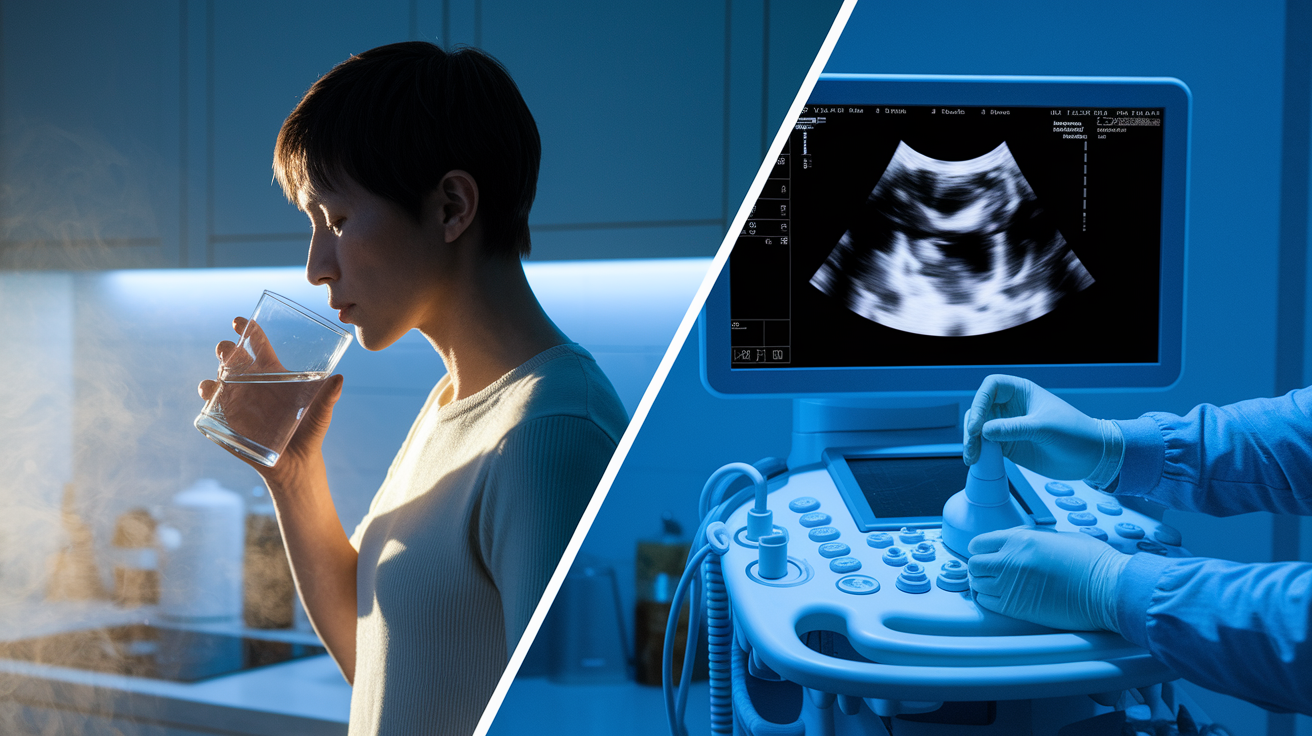
Water is reliable for certain types of bloating, but it’s not a cure all.
Situations Where Water Usually Helps
| Cause of Bloating | Why Water Helps |
|---|---|
| Constipation | Softens stool and supports bowel movements, reducing backed up gas and pressure |
| High sodium meals | Dilutes sodium concentration and signals kidneys to release retained fluid |
| Dehydration | Reverses the body’s fluid conservation mode that causes abdominal puffiness |
| Mild post meal fullness | Aids digestion and gastric emptying, easing the heavy, stretched sensation |
| Mild gas buildup | Improves transit time, reducing fermentation and trapped air pockets |
Situations Where Water Does Not Help
If your bloating is caused by something structural (an enlarged organ, a tumor, or chronic fluid accumulation in the abdomen), drinking more water won’t resolve it. May even make swelling worse. These conditions require medical evaluation and targeted treatment, not increased hydration.
Severe electrolyte imbalances, like very low potassium, can drive sodium retention and fluid buildup even when you’re drinking plenty of water. In these cases, rebalancing minerals through diet or supplementation is necessary before hydration alone can reduce bloating. Conditions like heart failure, kidney disease, or liver cirrhosis also require careful fluid management under a healthcare provider’s guidance.
Irritable bowel syndrome and food intolerances (like lactose or fructose intolerance) aren’t fixed by hydration, though staying well hydrated can ease some symptoms by supporting overall digestion. If bloating is tied to specific foods or ongoing digestive sensitivity, identifying and avoiding triggers is more effective than increasing water intake.
Daily Hydration Targets for Reducing Bloating

A good starting point is the common guideline of eight 8 ounce glasses per day, which totals 64 ounces. That baseline works for many people under normal conditions. But your actual needs depend on activity level, climate, and whether you’re losing extra fluid through sweating or illness.
For more specific guidance, aim for around 2.7 liters (about 91 ounces) per day if you’re female and 3.7 liters (about 125 ounces) if you’re male. Those numbers include all fluids, not just plain water, but also the water you get from food, tea, broth, and other beverages. If you’re dealing with constipation related bloating, push toward the higher end of that range (at least 2 liters of plain water daily) and pair it with 25 to 30 grams of fiber.
Timing makes a difference too. Here’s how to spread your intake.
Start your day with one cup (8 ounces) as soon as you wake up to jumpstart digestion. Drink 1 to 2 cups about 30 minutes before meals to support gastric emptying and reduce post meal fullness. Sip small amounts during meals instead of gulping large volumes, which can dilute digestive enzymes. Keep a steady rhythm between meals rather than trying to catch up all at once in the evening.
About 20% of your daily water intake typically comes from food. Fruits, vegetables, soups, and yogurt all contribute. If your diet’s heavy on whole foods with high water content, you may not need to drink quite as much plain water to hit your total fluid target.
Best Water Types and Drinks for Bloating Relief
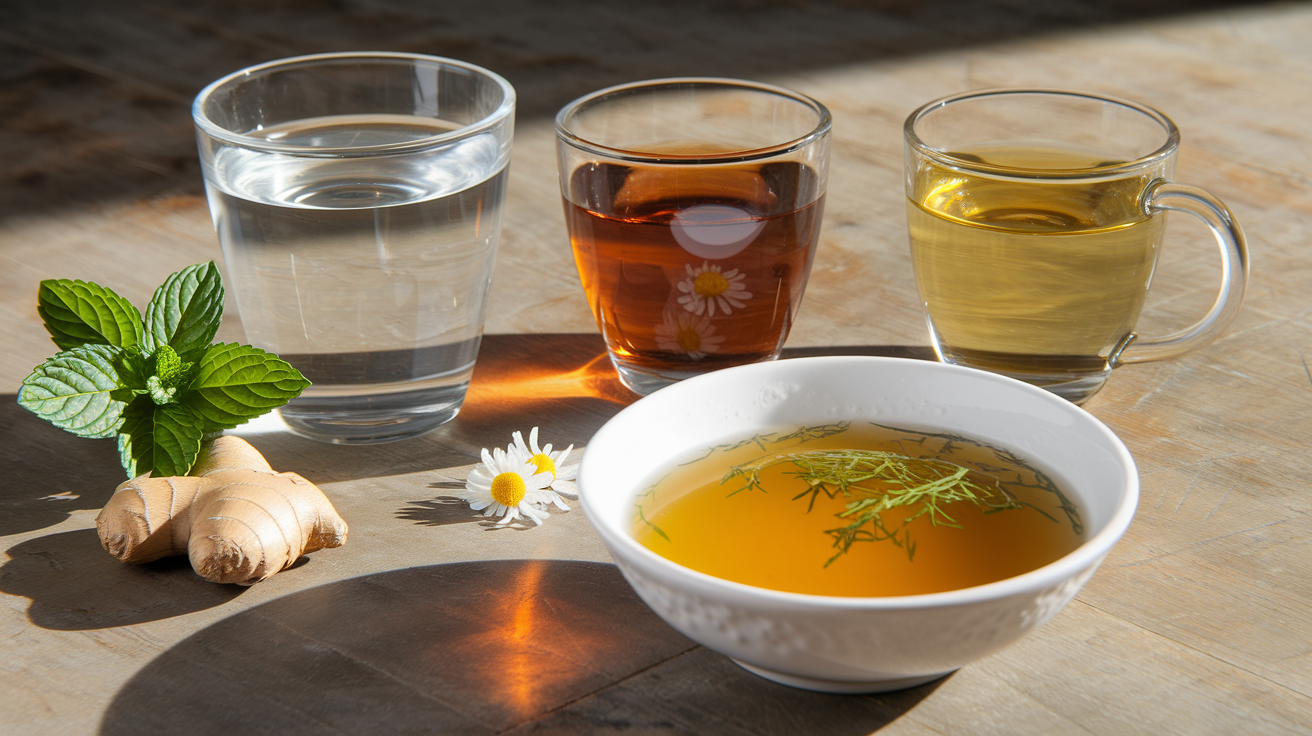
Plain water at room temperature or slightly warm is your simplest, most effective option. Warm water can feel especially soothing if you’re dealing with sluggish digestion or cramping. It may help relax the muscles in your gastrointestinal tract and encourage movement. Cold water works fine too, though some people find it less comfortable when they’re already bloated.
If plain water feels boring or you want added digestive benefits, try these options.
Peppermint tea. 1 to 2 cups after meals can reduce gas and cramping. Ginger tea helps stimulate digestion and ease nausea related bloating. Chamomile tea is gentle and calming for stress related digestive upset. Fennel tea’s traditionally used to relieve trapped gas. Low sodium vegetable broth is hydrating and easy on the stomach, especially if you’re not hungry. Water with a squeeze of lemon adds flavor without sugar or carbonation.
Avoid carbonated drinks (sodas, sparkling water, and beer) when you’re bloated. The carbon dioxide in these beverages adds gas to your system, which can increase belching and that tight, stretched feeling. Sugary drinks and fruit juices high in fructose can also worsen bloating by feeding bacteria in your gut and triggering fermentation. Artificial sweeteners, especially sugar alcohols like sorbitol and xylitol, are common culprits too.
Lifestyle and Dietary Habits That Enhance Water’s Anti Bloating Effect

Drinking more water works best when you pair it with a few supportive habits. Eating smaller, more frequent meals instead of large ones reduces the load on your digestive system at any given time. Makes it easier for your body to process food without producing excess gas. Chewing slowly and thoroughly also helps. When you rush through meals, you swallow more air, which adds to bloating.
Lowering your sodium intake to under 2,300 milligrams per day prevents the salt driven water retention that puffs up your belly after salty meals. Regular movement (even 20 to 30 minutes of walking each day) improves gut motility and helps trapped gas move through your system. Stress management matters too. Chronic stress can slow digestion and worsen bloating over time.
Here are five practical habits to build around your hydration routine.
Combine increased water with 25 to 30 grams of fiber daily to relieve constipation without making bloating worse. Move your body after meals. A short walk can help food move along and reduce post meal fullness. Limit processed foods high in salt and sugar to avoid triggering fluid retention and fermentation. Drink consistently throughout the day rather than chugging large amounts at once. Track your fluid intake for a few days to see if you’re actually meeting your target or falling short.
One common mistake? Increasing fiber without increasing water at the same time. Fiber needs fluid to do its job. Without enough water, high fiber foods can sit in your gut and cause more bloating instead of less. If you’re adding beans, whole grains, or raw vegetables to your diet, make sure you’re drinking enough to keep things moving.
When Bloating Signals Something More Serious

Most bloating is tied to diet, hydration, and lifestyle. But sometimes it’s a sign of a medical condition that needs attention. Continuous abdominal distention that doesn’t come and go with meals or time of day can point to an enlarged organ, fluid buildup in the abdomen (called ascites), or a growth that requires imaging and professional evaluation.
Certain patterns are red flags. If your bloating is new, severe, and persistent (especially if it’s paired with other symptoms), don’t wait to see if water helps. Structural causes and serious digestive or systemic conditions need early diagnosis and treatment. Increasing fluids won’t resolve them.
Seek medical care if you notice any of the following.
Severe abdominal pain that doesn’t ease with rest or position changes. Rapid weight gain, more than 2.3 kilograms (about 5 pounds) in one week without an obvious cause. Persistent vomiting or inability to keep food and fluids down. Blood in your stool or black, tarry stools. Fever alongside bloating, especially with abdominal tenderness.
These symptoms can indicate conditions like bowel obstruction, infection, inflammatory bowel disease, liver or kidney disease, or heart failure. All of which require professional management. Drinking more water won’t fix these issues and may even complicate fluid balance if your body isn’t processing fluids normally.
Final Words
Start sipping water regularly: it often eases bloating from dehydration, salty meals, mild post‑meal fullness, and constipation.
We covered what bloating feels like, when water helps versus when it won’t, how much to drink, the best drinks to try, and simple habits that boost hydration’s effect.
If you’re asking “does drinking water help with bloating”, the short answer is yes for many common causes — you may notice relief within hours to a day. Try steady sips and small changes this week. You’ll likely feel better.
FAQ
Q: Can you flush out bloating with water?
A: Flushing out bloating with water is often possible. Drinking steady water helps flush extra sodium, eases digestion, and can reduce mild fluid-related belly puffiness within hours for many people.
Q: What reduces bloating fast?
A: Reducing bloating fast usually means sipping warm water or herbal tea, moving gently, cutting salty or carbonated drinks, and trying peppermint or ginger for quick gas and tightness relief.
Q: How much water should I drink a day to reduce bloating?
A: To reduce bloating, aim for a starting target of about eight 8-ounce glasses (64 oz, roughly 2 L) daily; many women do well near 2.7 L and men near 3.7 L.
Q: What can I drink to get rid of bloating fast?
A: To get rid of bloating fast, try warm or room-temperature water, peppermint or ginger tea, and mineral water; avoid sugary, carbonated, or artificially sweetened drinks that can make bloating worse.