

Feeling wiped out no matter how much you sleep?
That constant tiredness, brain fog, or shortness of breath can be a hidden sign of low iron, and this checklist walks you through the ten most common fatigue clues so you can rate severity, track days per week, note duration, and mark how much it interrupts your life.
Use two weeks of entries to turn vague symptoms into clear data to bring to your doctor and decide whether a blood test is needed.
Comprehensive Iron Deficiency Fatigue Checklist for Immediate Self‑Assessment
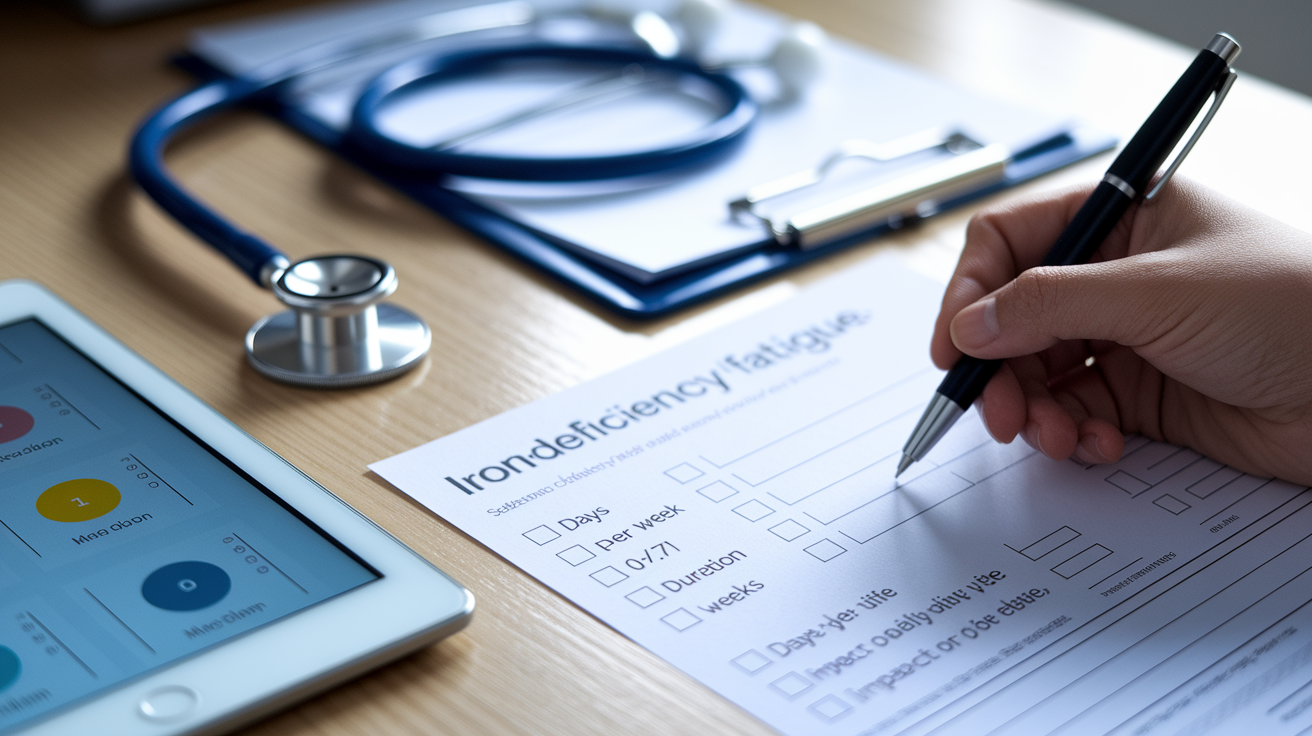
This checklist gives you a fast way to log the warning signs that show up when your body can’t make enough healthy red blood cells. You’ll rate each symptom for severity (0 means none, 10 means unbearable), mark how many days per week you notice it, record how many weeks it’s been happening, and score how much it messes with your daily life (0 means no impact, 3 means severe, you can’t work or take care of yourself). Print it, fill it out once a day for two weeks, then bring your summary to your doctor so the visit stays focused.
Read through the ten signs below and check the ones you’ve noticed in the past month. If you’re ticking three or more boxes and those symptoms stick around longer than two weeks, that’s your signal to book a blood test.
- Persistent fatigue or exhaustion – You feel tired even after a full night’s sleep, and ordinary tasks like walking to your car or folding laundry leave you winded.
- Generalized weakness – Your muscles feel like they have no stamina. Climbing stairs or carrying groceries gets harder week by week.
- Brain fog or difficulty concentrating – You read the same paragraph three times, forget why you opened the fridge, or lose your train of thought mid‑sentence.
- Shortness of breath – You’re breathless after one flight of stairs or a few minutes of light activity that used to feel easy.
- Frequent headaches – You get headaches that didn’t happen this often before, especially in the afternoon or after mild exertion.
- Dizziness or lightheadedness – Standing up too fast makes the room spin, and you sometimes feel faint.
- Cold hands and feet – Your fingers and toes stay icy even when the room is warm, and you need extra layers everyone else skips.
- Brittle nails and thinning hair – Your nails break at the slightest bump, and you’re pulling more hair out of the shower drain than usual, well beyond the normal hundred strands a day.
- Restless leg syndrome – You feel a crawling or tingling in your calves at night, and you have to move your legs to get relief, which wrecks your sleep.
- Pica (cravings for non‑food items) – You chew ice by the cupful, or you get the urge to eat dirt, chalk, or paper. Strange cravings that signal severe iron shortage.
Once you’ve checked your symptoms, fill in a quick tracker for each one. Write down your severity (on that 0 to 10 scale), count the days per week it shows up (0 to 7), note how many weeks you’ve had it, and rate the impact on your daily routine (0 to 3). Two weeks of data gives your clinician enough pattern to order the right tests and skip the guesswork.
Iron Deficiency Fatigue Signs Explained in Detail
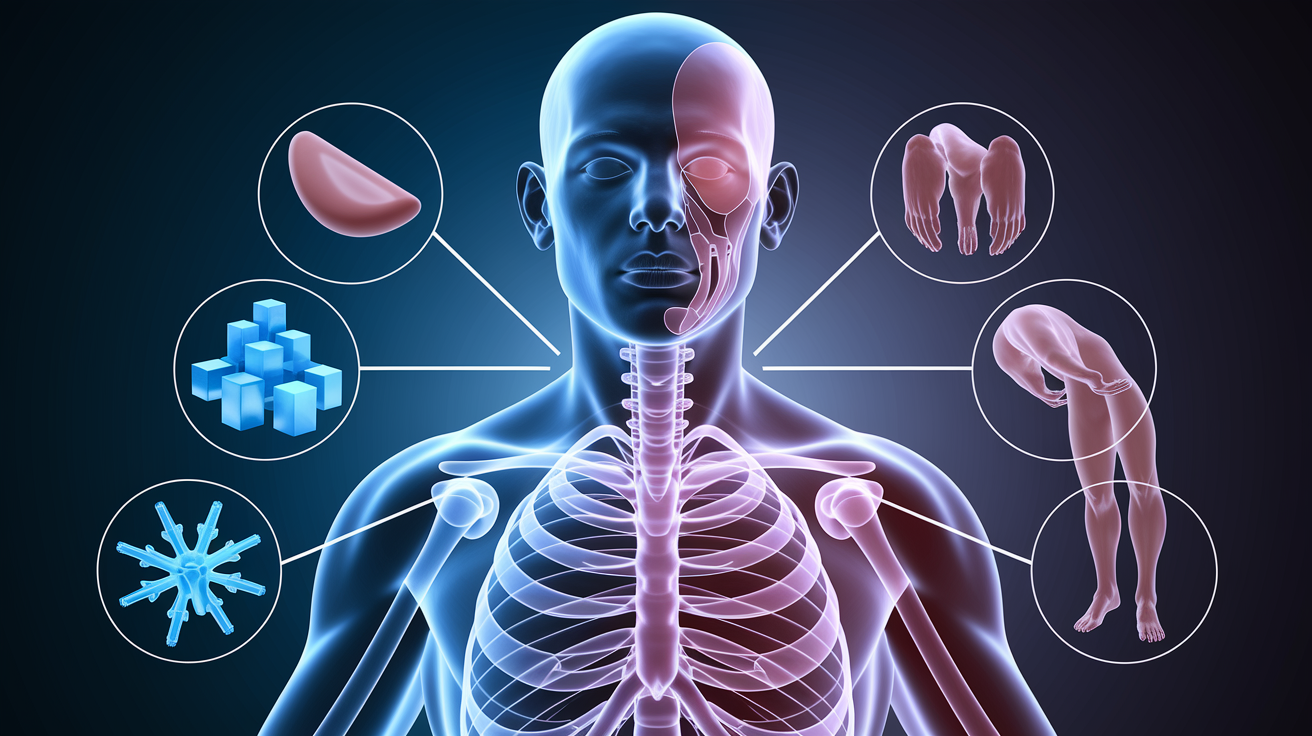
Iron is the raw material your bone marrow uses to build hemoglobin, the protein inside red blood cells that grabs oxygen in your lungs and carries it to every tissue in your body. When your iron stores run low, your marrow can’t make enough hemoglobin, so each red cell carries less oxygen. That shortage hits high demand organs first. Your brain and muscles feel it as fatigue, brain fog, and weakness because they’re running on a leaner oxygen supply. The tiredness doesn’t lift after a nap or a weekend off. It’s chronic and cumulative, building week by week as your iron reserves empty out.
Pale skin, gums, tongue, and the inside lining of your lower eyelids all reflect the same problem. Less hemoglobin means less of the bright red pigment that gives blood its color, so your complexion and mucous membranes look washed out. If you pull down your lower eyelid and see pale pink instead of deep salmon red, that’s a visible clue your red cell count has dropped. Shortness of breath and a rapid heartbeat during light exertion, like walking up one flight of stairs, happen because your heart tries to compensate for low oxygen delivery by pumping faster and harder. Your body is doing extra work to move the smaller oxygen cargo it has left.
Hair loss and brittle nails show up because your body rations resources. When iron is scarce, it prioritizes vital organs (heart, brain, kidneys) and diverts iron away from less critical tissues like hair follicles and nail beds. Pica, the craving for ice, dirt, or paper, is one of the most specific signs of severe anemia. Researchers aren’t entirely sure why it happens, but it often resolves completely once iron levels normalize. Restless legs at night are linked to low brain iron, which disrupts dopamine pathways that regulate movement and sensation. About 15 percent of people with restless leg syndrome have underlying iron deficiency.
Tracking Iron Deficiency Fatigue Severity and Frequency

Use a simple scale and a short tracking period to turn vague symptoms into concrete data your doctor can act on. Rate each symptom from 0 (not present) to 10 (the worst you can imagine), count how many days per week you experience it (0 to 7), note how many weeks it’s persisted, and assign an impact score. 0 means it doesn’t interfere with your day, 1 is mild bother, 2 is moderate (you skip activities or need extra breaks), and 3 is severe (you can’t work or manage daily tasks). Two weeks of daily tracking is usually enough to spot patterns and show whether symptoms are constant, worsening, or tied to specific triggers like skipped meals or heavy periods.
The table below gives you a template to print and fill in. Add your own severity number, tally the days per week, write how many weeks each symptom has been going on, and circle the impact level. Bring the completed grid to your appointment so your clinician sees the full picture at a glance.
| Symptom | Severity (0–10) | Days per Week (0–7) | Duration (Weeks) | Impact on Daily Life (0–3) |
|---|---|---|---|---|
| Fatigue / Exhaustion | ||||
| Weakness / Low Stamina | ||||
| Shortness of Breath | ||||
| Brain Fog / Poor Concentration | ||||
| Dizziness / Lightheadedness | ||||
| Cold Hands and Feet |
When Fatigue and Iron Deficiency Symptoms Need Medical Evaluation
Book an appointment with your primary care doctor if your fatigue has lasted more than two weeks, if your average severity score sits at 7 or higher, or if symptoms are forcing you to skip work, cancel plans, or lean on others for help with routine tasks. Those thresholds suggest your body isn’t managing on its own, and a blood test can confirm whether low iron is the culprit or point to another cause that needs attention.
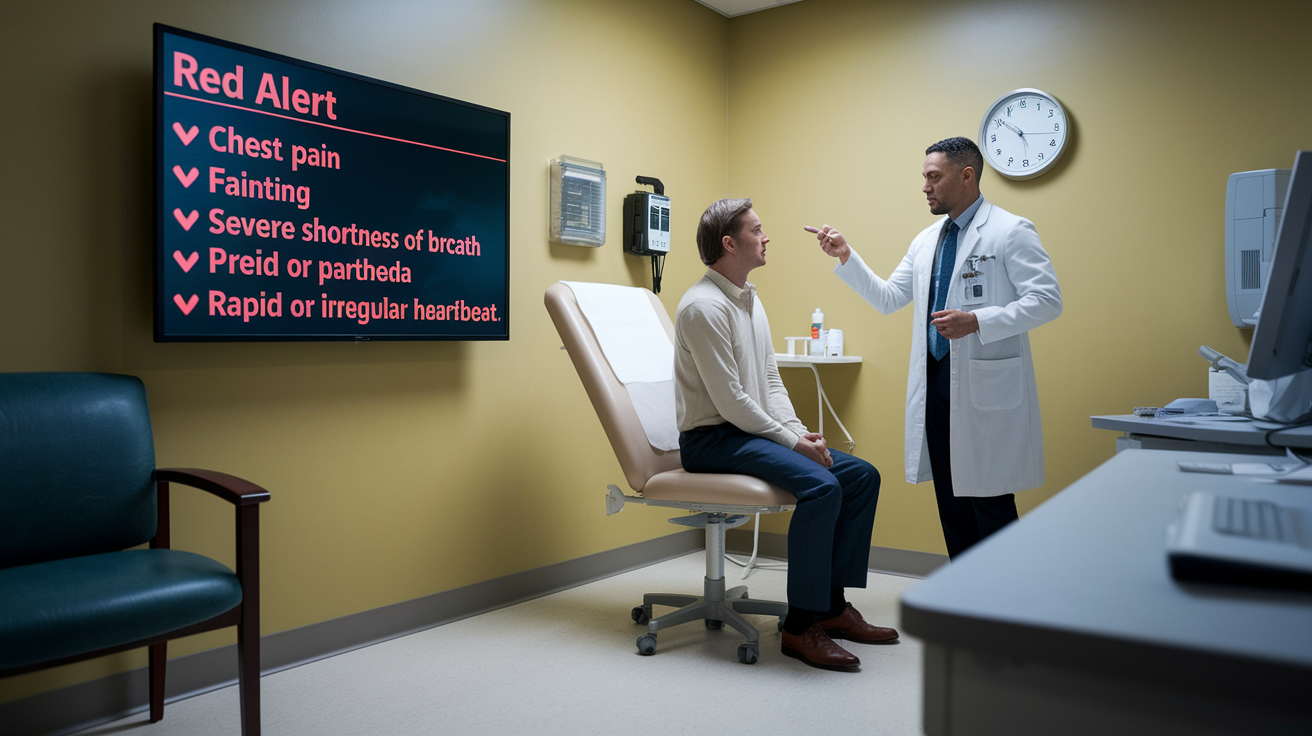
Some warning signs mean you should seek same day or emergency care instead of waiting for a routine visit.
- Chest pain or pressure – New or worsening discomfort in your chest, especially with exertion.
- Fainting or near fainting – You’ve blacked out or come very close, even for a few seconds.
- Severe shortness of breath at rest – You’re breathless sitting still, not just climbing stairs.
- Rapid or irregular heartbeat – Your pulse races, skips, or feels chaotic without an obvious trigger like caffeine or stress.
- Heavy or uncontrolled bleeding – Menstrual bleeding that soaks through a pad or tampon every hour, or any other persistent blood loss.
- Sudden confusion or weakness on one side – These can signal a stroke or other acute event, not just anemia.
Once you’re in front of a clinician, expect them to order a few straightforward blood tests. A complete blood count to measure your hemoglobin and red cell numbers, a serum ferritin test to check your iron stores, iron studies to look at how much iron is circulating and how well your body is using it, and sometimes a reticulocyte count to see if your bone marrow is trying to ramp up new red cell production. Bring your two week symptom tracker so the doctor sees exactly what you’ve been dealing with and can match the lab results to your daily experience.
Key Diagnostic Tests for Iron Deficiency and Fatigue
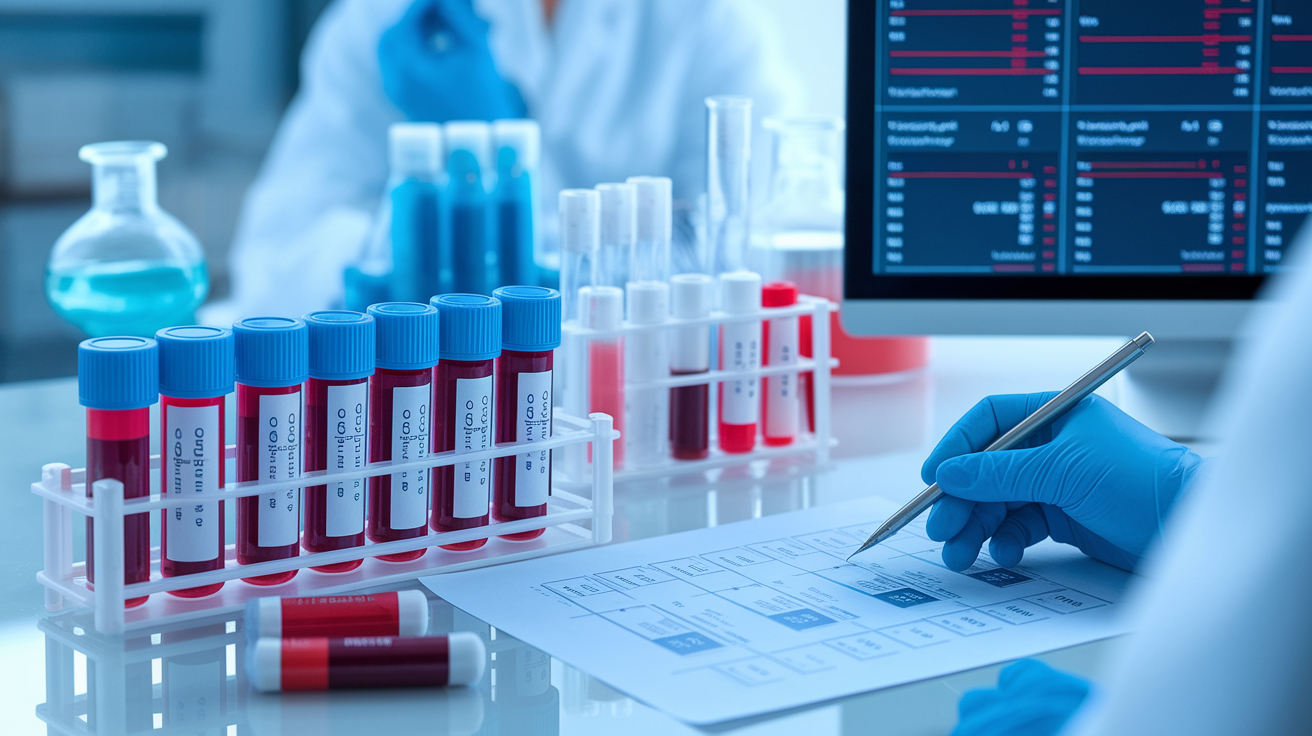
A complete blood count is usually the first test your doctor will order. It measures your hemoglobin level (the oxygen carrying protein in red cells), your red blood cell count, and related numbers like hematocrit and mean corpuscular volume. Low hemoglobin and a low red cell count confirm anemia, and a small mean corpuscular volume tells the lab your red cells are smaller than normal, a classic sign of iron deficiency.
Serum ferritin measures how much iron your body has in storage, mostly in your liver and bone marrow. Ferritin is one of the most sensitive early markers. It drops before your hemoglobin falls, so a low ferritin (typically below 15 to 30 nanograms per milliliter, depending on the lab) strongly suggests your iron reserves are nearly empty. If ferritin is low, your doctor has clear evidence even if your hemoglobin hasn’t crashed yet.
Iron studies give a more detailed look at how iron is moving through your bloodstream. The panel usually includes serum iron (the amount of iron floating in your blood right now), total iron binding capacity (how much space your blood has to carry iron), and transferrin saturation (the percentage of that space currently filled). In iron deficiency, serum iron is low, total iron binding capacity is high (your body is trying to capture every bit of iron it can find), and transferrin saturation drops below about 20 percent.
A reticulocyte count tells your doctor how fast your bone marrow is making brand new red cells. Reticulocytes are immature red cells that still have a little RNA inside. A low or normal reticulocyte count in the face of anemia means your marrow isn’t ramping up production the way it should, which fits with iron deficiency because the marrow doesn’t have enough raw material to work with. A high reticulocyte count would suggest your marrow is working hard, pointing to blood loss or hemolysis instead.
Treatment Options for Low Iron and Fatigue Relief
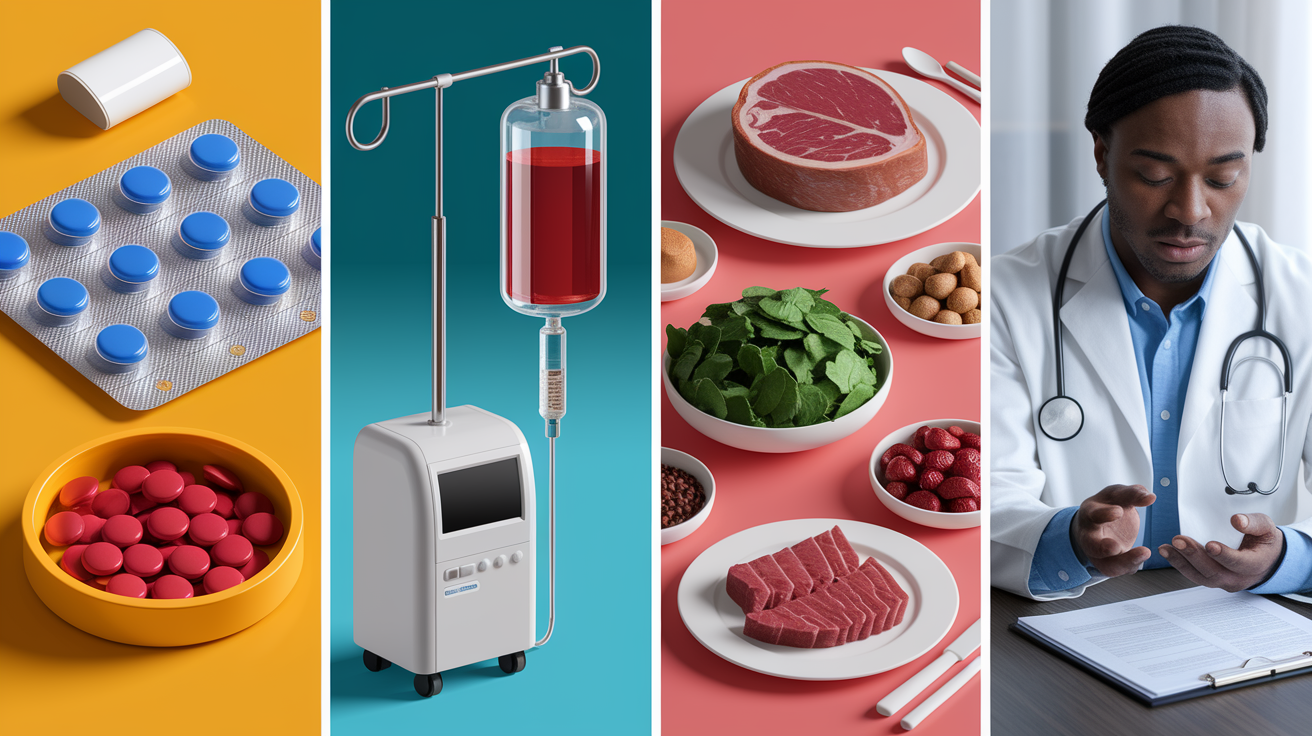
Oral iron supplements are the first line treatment for most people with confirmed iron deficiency. Your doctor will typically prescribe ferrous sulfate, ferrous gluconate, or ferrous fumarate tablets, usually taken once or twice a day on an empty stomach to maximize absorption. It can take several weeks (often eight to twelve) before your hemoglobin climbs back into the normal range, and a few months before your ferritin stores fully refill. You’ll feel less tired as your levels rise, but the recovery is gradual, not overnight.
Intravenous iron is reserved for cases where oral supplements don’t work, cause intolerable side effects, or when you need faster correction. For example, if you’re severely anemic before surgery or if you have a gut condition that blocks iron absorption. An IV infusion delivers iron directly into your bloodstream, bypassing your digestive tract. One or two infusion sessions can restore your iron stores in a matter of weeks instead of months, and many people notice a boost in energy within days.
- Oral ferrous sulfate or ferrous gluconate tablets – Standard first choice, taken daily for two to three months.
- Liquid iron supplements – Easier to swallow for some. Can stain teeth, so use a straw.
- Intravenous iron infusions – Faster correction for severe deficiency or malabsorption, given in a clinic or infusion center.
- Dietary modification – Increase intake of red meat, poultry, leafy greens, legumes, and fortified cereals.
- Treating the underlying cause – Investigate and manage heavy periods, gastrointestinal bleeding, or conditions like celiac disease that block absorption.
Common side effects of oral iron include constipation, nausea, stomach cramps, and black or dark stools (which are harmless but can be alarming if you’re not expecting them). Taking your tablet with a small amount of food can ease nausea, though it slightly reduces absorption. If side effects are severe, ask your doctor about switching formulations, lowering the dose, or moving to an every other day schedule, which recent research suggests can be just as effective and gentler on your gut.
Iron Rich Diet Ideas to Support Fatigue Recovery
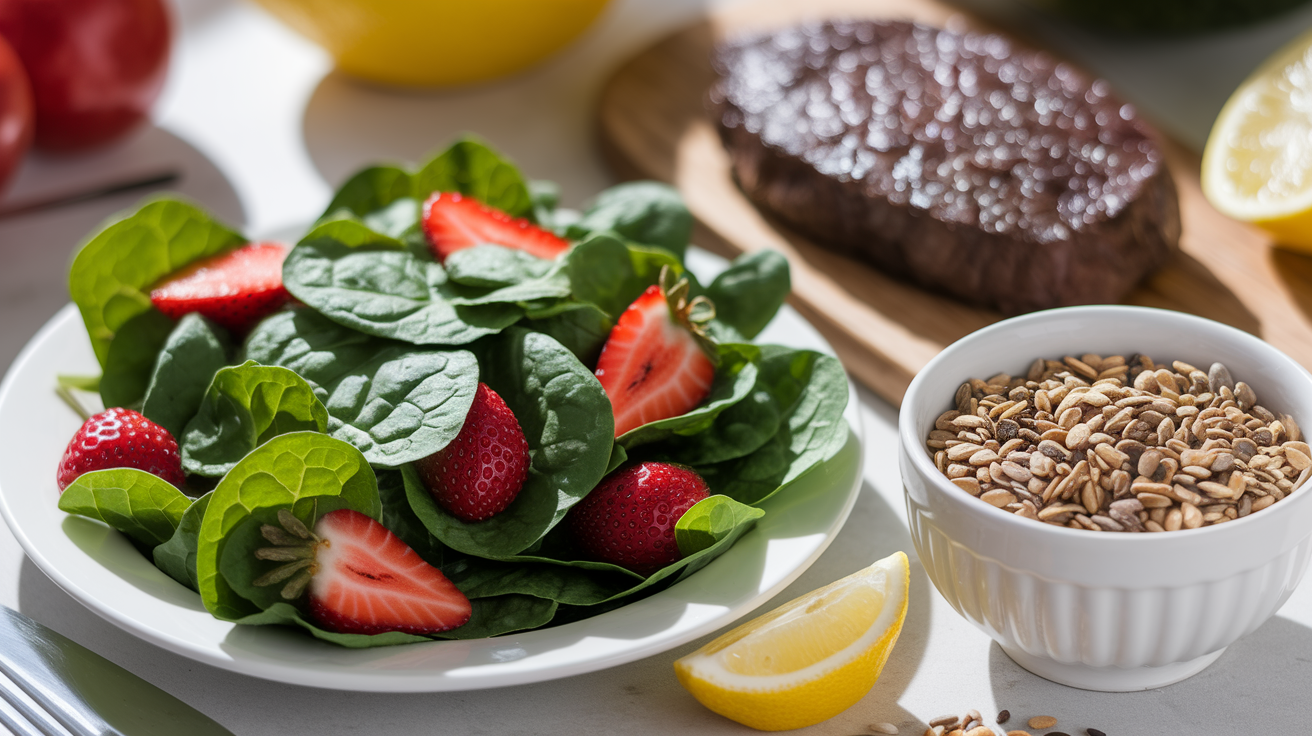
Food can’t replace supplements if your iron stores are truly depleted, but it plays a big role in maintaining healthy levels once you’ve corrected the deficiency and in preventing it from coming back. Heme iron (the kind found in animal foods) is absorbed two to three times more efficiently than non heme iron from plants, so red meat, poultry, and fish are the most reliable dietary sources. A three ounce serving of beef or lamb gives you about 2 to 3 milligrams of highly absorbable iron.
Non heme iron from plants requires a little help to get absorbed. Pairing iron rich vegetables, beans, or fortified grains with vitamin C (from citrus, bell peppers, tomatoes, or strawberries) can double or triple the amount of iron your gut takes in. For example, a spinach salad with sliced strawberries and a squeeze of lemon juice, or a bowl of fortified cereal with orange slices on the side, turns a moderate iron meal into a much better one.
- Lean red meat (beef, lamb) – 2 to 3 mg heme iron per 3 oz serving.
- Chicken and turkey – 1 to 2 mg heme iron per serving. Dark meat has slightly more than white.
- Leafy greens (spinach, kale, Swiss chard) – 2 to 4 mg non heme iron per cooked cup.
- Legumes (lentils, chickpeas, black beans) – 3 to 4 mg non heme iron per cooked cup.
- Fortified breakfast cereals – Many brands add 100 percent of the daily value (about 18 mg) per serving. Check the label.
- Pumpkin seeds and cashews – 2 to 4 mg non heme iron per quarter cup serving. Easy to toss into salads or snack on.
Preventing Iron Deficiency and Recurrent Fatigue
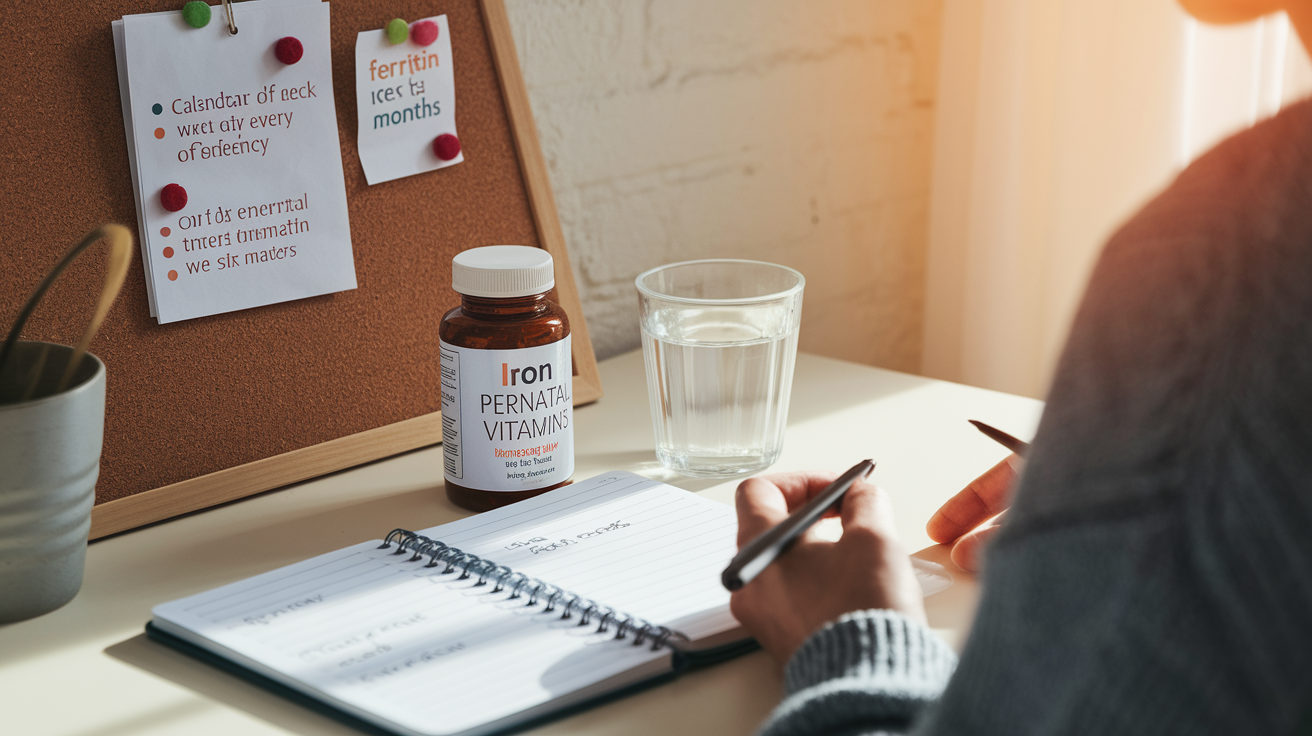
Women of childbearing age are at higher risk because monthly menstrual bleeding removes iron faster than diet can replace it, especially if periods are heavy. Pregnancy triples iron demand to support the growing baby and placenta, so prenatal vitamins with 27 milligrams of iron are standard. Vegetarians and vegans rely entirely on non heme iron, which means they need to be more deliberate about pairing plant sources with vitamin C and eating iron rich foods at every meal. Athletes (especially endurance runners) lose small amounts of iron through sweat, foot strike hemolysis (red cells breaking from repeated impact), and gastrointestinal microbleeding during long training sessions, so they often need higher intake to stay in balance.
Chronic conditions can quietly drain or block iron over time. Inflammatory bowel disease, celiac disease, and gastric bypass surgery all interfere with absorption in the small intestine. Chronic kidney disease reduces production of erythropoietin, the hormone that tells your marrow to make red cells, so even adequate iron may not get used efficiently. If you fall into any of these groups, talk to your doctor about routine ferritin checks (once or twice a year is a good baseline) and consider a daily multivitamin with iron or a standalone supplement if your diet alone isn’t keeping your levels steady. Catching a dip early means you can top up your stores with a few weeks of tablets instead of waiting until fatigue becomes severe enough to disrupt your life.
Final Words
Start with the checklist: rate each symptom for severity (0–10), how many days per week it shows up, and how long it’s been going on. That gives a clear snapshot and a place to start.
We explained why the signs happen, how to track them, when to seek medical tests, treatment options, simple iron-rich food ideas, and ways to prevent recurrence.
Use the iron deficiency fatigue symptoms checklist to guide your next 3 to 7 days: track, try one food or bedtime tweak, and seek care if red flags appear. Small steps add up. You can improve.
FAQ
Q: What does low iron fatigue feel like?
A: Low iron fatigue feels like constant tiredness, heavy legs, brain fog, and getting winded with small efforts. Common signs include pale skin, shortness of breath, dizziness, headaches, cold hands, brittle nails, restless legs, pica; chest pain or fainting are red flags.
Q: What do you crave when your iron is low?
A: When iron is low you may crave nonfood items like ice, dirt, or clay (pica), and sometimes strong cravings for red meat or oddly salty or metallic tastes.