

Can drinking water cure a headache? Some people swear it will, but the truth is simpler.
If your head feels dull, heavy, or you’re lightheaded with a dry mouth, water can ease the pain because dehydration shrinks brain tissue and lowers blood flow.
Rehydrating often brings relief within an hour or two.
But water won’t reliably fix migraines, tension headaches, or other causes.
The short version: drink first if you think you’re dehydrated, and try other strategies if the pain doesn’t lift.
How Hydration Affects Headache Relief
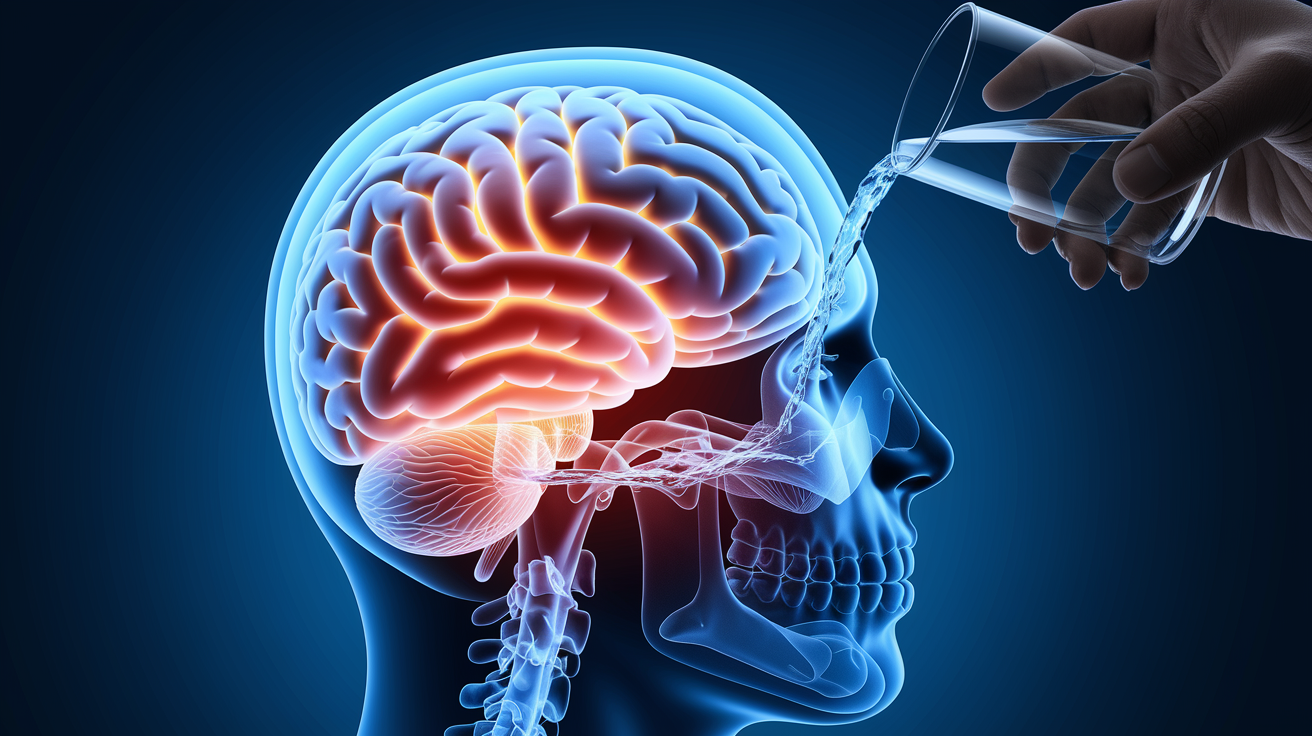
Drinking water can cure a headache when dehydration’s what’s driving it. When your body loses more fluid than you’re taking in, blood volume drops a bit, which means less oxygen and fewer nutrients make it to your brain. Dehydration can also cause brain tissue to shrink temporarily, pulling away from your skull and triggering pain receptors in the meninges (the protective membranes wrapped around your brain). Rehydrating reverses this. Fluid returns, blood volume increases, and brain tissue expands back to normal, relieving pressure and pain.
How fast you feel better depends on how dehydrated you are and how quickly you rehydrate. Many people notice some improvement within 30 to 90 minutes after drinking water. Meaningful relief often shows up within 1 to 3 hours. If you don’t feel better after 3 hours of steady rehydration, dehydration probably wasn’t the main problem. The severity of fluid loss, your size, and whether you’re also replacing electrolytes all influence recovery speed.
Water won’t reliably cure headaches that have other root causes. Migraines typically feature pulsating or throbbing pain on one side of your head, often with nausea, vomiting, and sensitivity to light or sound. These respond better to migraine-specific medications and trigger management than to water alone. Tension-type headaches feel like a tight band or steady pressure around your head and usually come from muscle tension, stress, or poor posture rather than fluid loss. Cluster headaches (severe, short bursts of pain around one eye) require targeted medical treatment. If your headache doesn’t match the pattern of a dehydration headache, water won’t be your fix.
Why Dehydration Triggers Headaches

When you lose fluid faster than you replace it, your blood volume decreases. Your body pulls water from tissues to keep essential systems running. The brain is about 75% water, so even a small drop in hydration can cause it to shrink slightly. This temporary contraction tugs on pain-sensitive structures inside your skull, especially the meninges, and signals pain.
Dehydration also disrupts your electrolyte balance. Sodium, potassium, and magnesium help regulate nerve signals and muscle contractions. When these minerals drop out of balance, nerves misfire more easily and muscles (including those around your head and neck) can tense up, adding to the headache.
Rehydrating reverses the process. As you drink water and restore electrolytes, blood volume climbs back up, oxygen delivery improves, and brain tissue rehydrates and expands to its normal volume. The tug on pain receptors eases, nerve signals stabilize, and the headache typically fades within an hour or two. That’s why a dehydration headache often responds well to steady fluid intake. You’re literally giving your brain the resources it needs to return to normal function.
How Much Water to Drink for Potential Relief
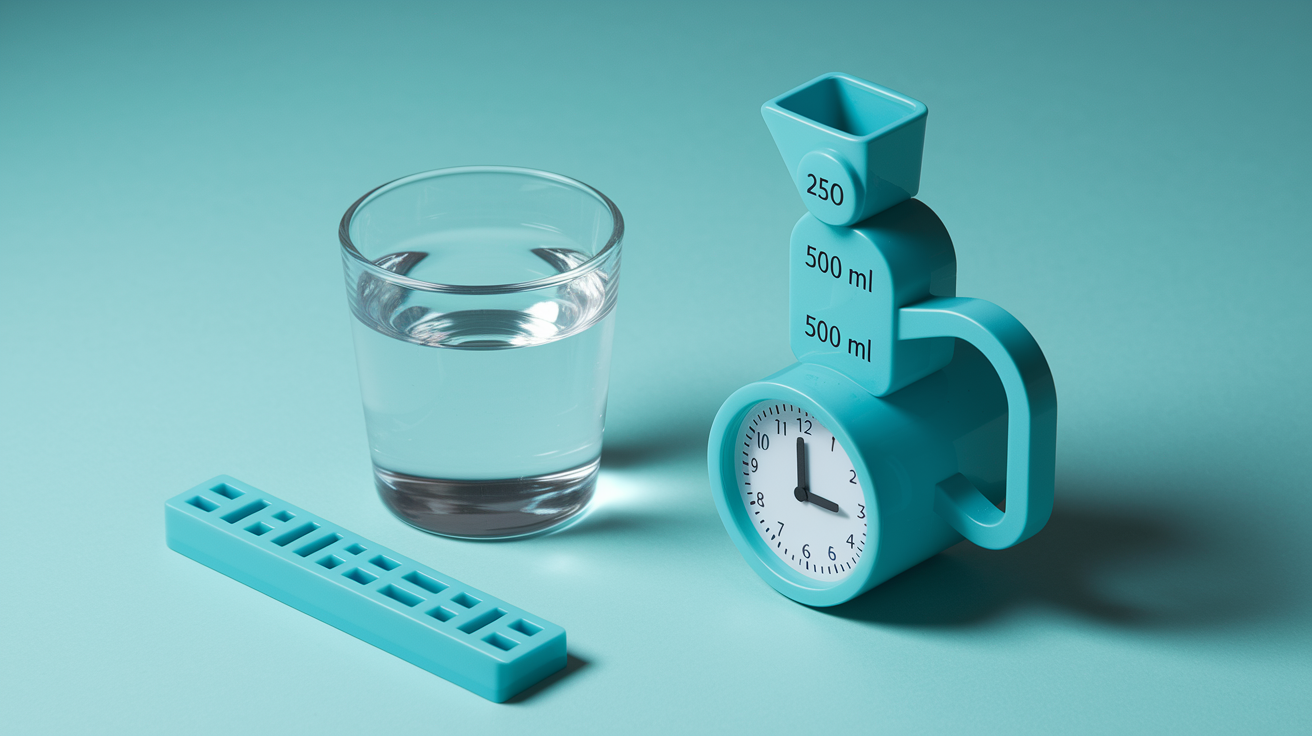
The amount of water you need depends on how dehydrated you are, your body size, and what caused the fluid loss in the first place. Starting with the right amount speeds up relief and prevents drinking too little or overdoing it.
For a suspected dehydration headache, try these steps:
Drink about 500 mL (roughly 17 ounces, or just over 2 cups) fairly quickly when you first notice the headache and dehydration signs. Follow with another 250 to 500 mL every 15 to 30 minutes over the next hour if you’re still thirsty or your headache hasn’t improved. If you lost fluid from vomiting, diarrhea, heavy sweating, or alcohol, choose water with electrolytes or an oral rehydration solution and aim for 500 to 1,000 mL with electrolytes in the first hour.
General daily targets for total water intake (from drinks and food): about 2.7 liters (roughly 11 cups) for women and 3.7 liters (roughly 15 cups) for men.
Don’t chug several liters in a very short window without replacing electrolytes. Drinking extreme amounts too fast can dilute your blood sodium and cause hyponatremia, a rare but serious condition. If you have heart failure, kidney disease, or take medications that affect fluid balance, follow your doctor’s guidance on how much to drink.
Signs Your Headache Is Caused by Dehydration
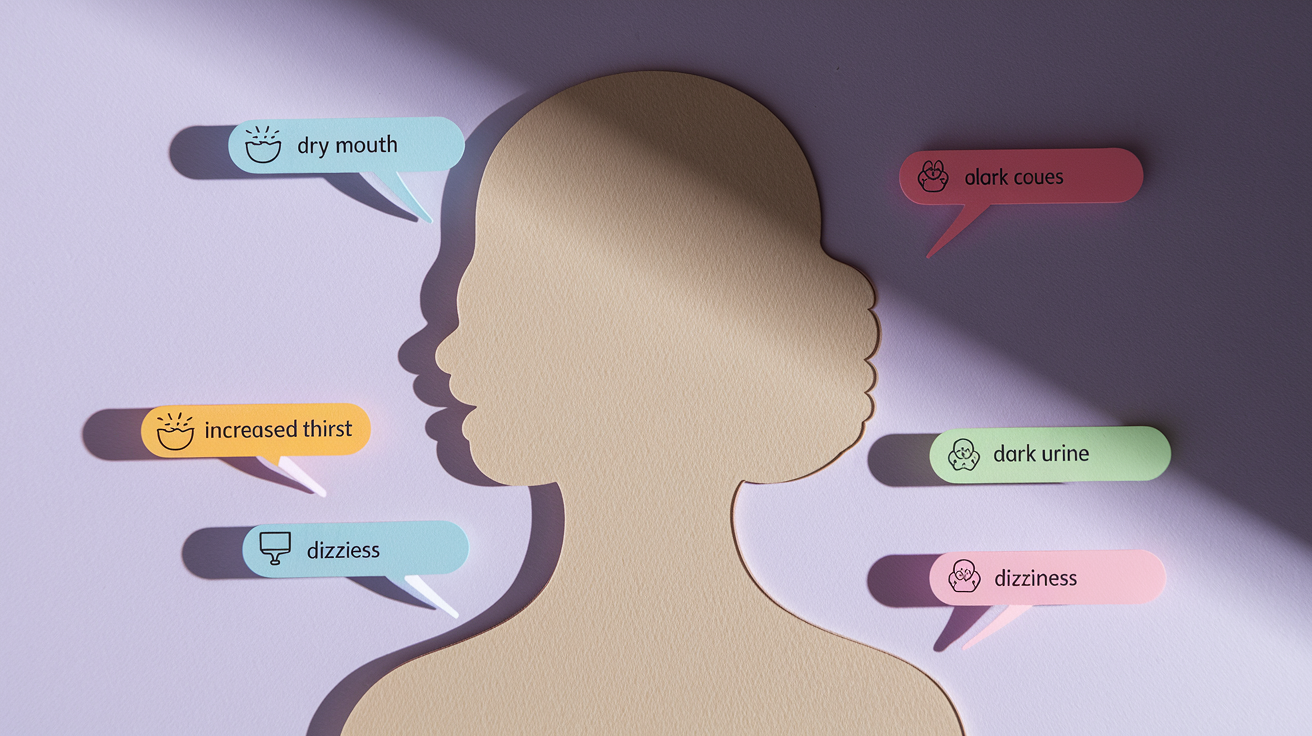
Dehydration headaches often come with other body signals that point to fluid loss. You’ll usually notice a dry mouth or sticky feeling in your mouth, increased thirst, and darker yellow urine than usual. Lightheadedness or dizziness when you stand up is common, and you may feel more tired or sluggish than normal. The headache itself tends to be a dull, steady ache rather than throbbing, and it often gets worse when you bend over or move your head quickly.
These symptoms cluster together because they all stem from the same problem. Not enough fluid in your system. If you felt fine earlier in the day, skipped water during a workout or a long meeting, and then developed a headache along with dry mouth and fatigue, dehydration’s the likely culprit. The headache may feel like it’s all over your head or concentrated at the front or back, and it usually eases when you lie down and start sipping water. Tracking these patterns helps you recognize dehydration headaches quickly so you can rehydrate before the pain gets worse.
What to Do If Water Doesn’t Help
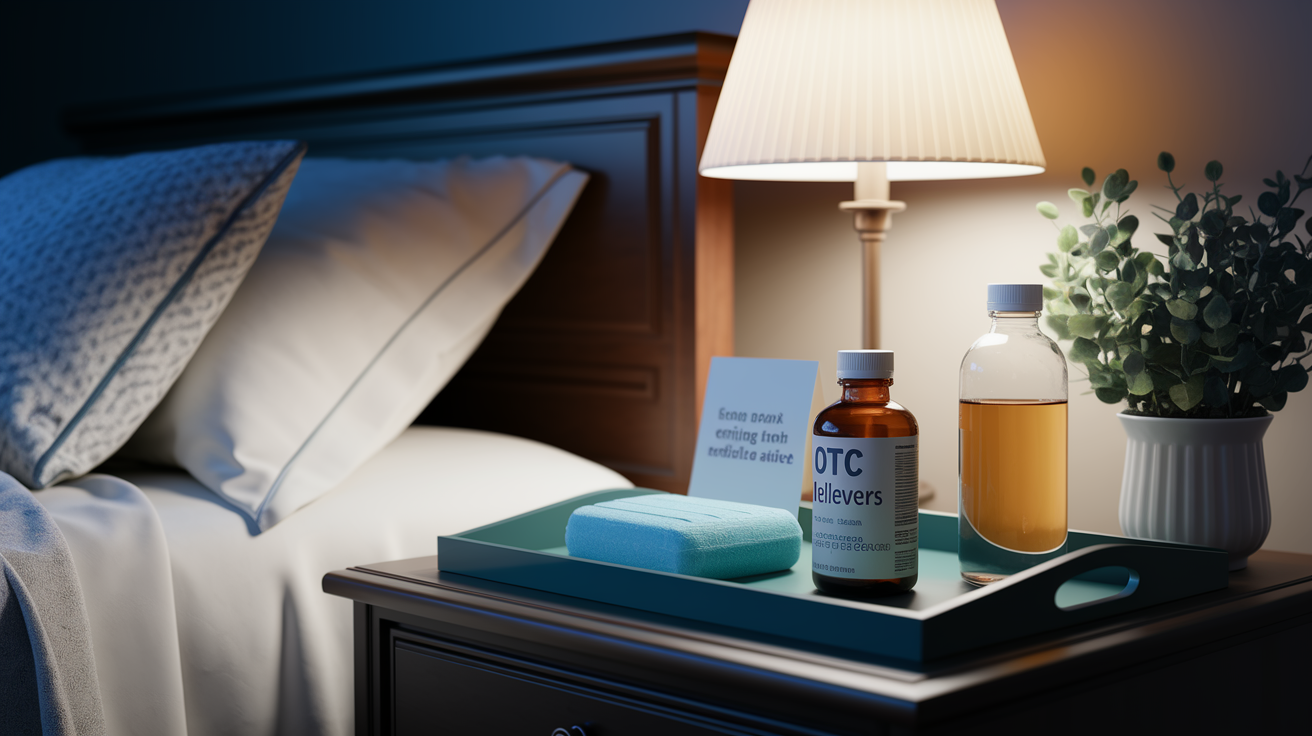
If you’ve been drinking water steadily for a few hours and your headache hasn’t improved, dehydration probably wasn’t the main cause. That means you need a different approach to get relief.
Options for Non‑Dehydration Headache Relief
Over-the-counter pain relievers are often the next step. Acetaminophen (commonly 500 to 1,000 mg every 4 to 6 hours as needed, with a typical daily limit around 3,000 mg for conservative use) or ibuprofen (200 to 400 mg every 4 to 6 hours, with an OTC max usually around 1,200 mg per day) can reduce pain from tension headaches and some migraines. Always follow the label and check for any contraindications with your health conditions or other medications.
Rest in a quiet, dark room can lower sensory overload, especially if light or noise makes the pain worse. A cool compress on your forehead or a warm one on the back of your neck can ease muscle tension. Some people find that a small amount of caffeine (around 50 to 200 mg, roughly the amount in a cup of coffee) boosts the effectiveness of pain relievers and provides faster relief, but avoid making caffeine a daily fix or you risk rebound headaches.
If headaches keep coming back, don’t respond to simple remedies, or show up with new patterns (such as only affecting one side of your head, causing nausea, or triggering sensitivity to light), it’s time to see a healthcare provider. Recurrent migraines and chronic tension headaches often need a diagnosis and a tailored treatment plan that may include prescription medications, lifestyle adjustments, or physical therapy.
Don’t wait if your headache is sudden and severe (“worst headache of your life”), comes with fever and neck stiffness, causes slurred speech or weakness, or follows a head injury. Those are red flags that need urgent medical attention.
Final Words
If your head’s pounding and you reach for water, this article explains why: mild fluid loss can tug on pain receptors and losing electrolytes adds to the pain, while rehydration helps restore balance.
Water can ease dehydration headaches in about 30 minutes to 3 hours. Try 2–3 cups first and watch for dry mouth, dark urine, or dizziness as signs it might be dehydration.
If water doesn’t help, try rest, a compress, or OTC options and see a provider for severe pain. If you’re asking can drinking water cure a headache, the short answer is sometimes — it helps when dehydration is the cause. Small, steady sips make a difference.
FAQ
Q: Will drinking water get rid of my headache?
A: Drinking water can get rid of a headache if it’s caused by dehydration, but it often won’t help migraines or tension headaches. Try 2–3 cups and watch for improvement over a few hours.
Q: What gets rid of a headache fast? / What drink gets rid of headaches fast?
A: A fast headache fix depends on the cause. For dehydration, water helps; small amounts of caffeine, over-the-counter pain relievers, rest, or a cold/warm compress can work quickly for other types.
Q: How long does it take for water to cure a headache?
A: Water can ease a dehydration headache in about 30 minutes to 3 hours, depending on how much fluid you lost. Headaches from migraines or tension usually won’t respond to water.