

What if your 9 pm ice cream run isn’t about willpower but a trained habit and a tired brain? That late-night sweet urge usually shows up from blood sugar swings, boredom, stress, or poor sleep—not real hunger. The good news: you can break the loop with simple, natural steps that work tonight—small swaps, quick distractions, smarter meal timing, and tiny sleep or stress fixes. Read on for immediate tricks, easy snack swaps, and a three to seven day plan to stop sugar cravings in the evening naturally.
Immediate Strategies to Reduce Evening Sugar Cravings Right Now

Here’s how to stop tonight’s sugar cravings immediately.
Most evening sugar cravings show up around the same time. Usually when you’re winding down after dinner or settling in front of the TV. That 9 pm urge isn’t random. It’s boredom, habit, and conditioned expectation all mixed together. Your brain expects a reward because you’ve trained it to expect one at that hour. It’s not true hunger most of the time. “Before I even realized I was full, I’d finish an entire pint of ice cream while scrolling my phone, completely on autopilot.”
Quick tactics work because they interrupt that automatic habit loop and create a pause. Instead of going straight from craving to eating, you insert a tiny friction point that lets your prefrontal cortex catch up. These tactics also reduce perceived hunger by filling your stomach with water, occupying your mouth, or shifting your attention just long enough for the craving wave to pass.
Drink 8 to 16 ounces of water immediately. Fill a large glass and finish it before you reach for food. Aim for about 8 glasses total per day to stay ahead of dehydration driven cravings.
Sip a cup of hot herbal tea. Choose peppermint, chamomile, or cinnamon. The warmth and slow sipping take time, and peppermint can reduce sweet cravings.
Brush your teeth. The fresh minty taste makes sweets less appealing and sends a psychological “kitchen is closed” signal.
Chew sugar free gum. It keeps your mouth busy and can satisfy the urge to chew without calories.
Take a 5 to 10 minute walk. Step outside or walk around your home. Movement shifts your attention and often dissolves the craving.
Use the 10 minute delay technique. Tell yourself you can have the snack in 10 minutes. Set a timer. Most cravings fade or weaken before the timer goes off.
Cravings are temporary sensations that peak and then fade, usually within 10 to 15 minutes. You don’t need to fight them forever. You just need to ride out the wave with one or two strategic interruptions.
Why Evening Sugar Cravings Happen: Nutrition, Hormones, and Habit Patterns
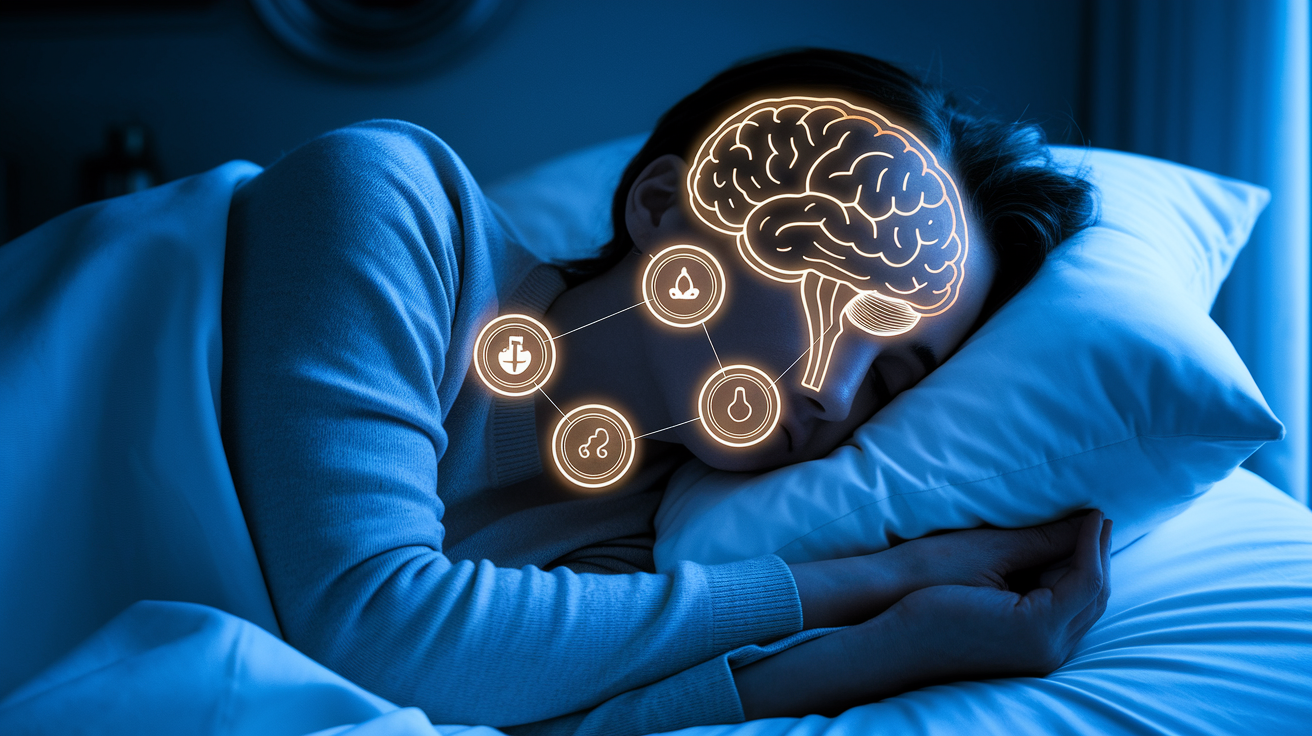
Evening sugar cravings are driven by blood sugar fluctuations, stress hormones, sleep deprivation, and learned habits. Understanding why they happen makes them easier to stop.
When you eat simple carbs or skip meals during the day, your blood sugar spikes and then crashes. That crash triggers insulin to drop glucose levels quickly, and your body interprets the dip as an urgent need for quick energy. Preferably sugar. The cycle repeats every time you reach for cookies or candy to fix the slump. Your brain learns to expect that reward, and the craving becomes a conditioned response. It’s not a lack of willpower. It’s insulin and glucose doing their jobs in a pattern you’ve accidentally trained.
Stress raises cortisol, especially in the evening after a long day. Elevated cortisol alters how your body handles glucose and increases appetite for high energy foods. At the same time, poor sleep or chronic sleep deprivation increases ghrelin, the hunger hormone, and activates reward pathways in your brain that make sweets especially appealing. When you’re tired, your body craves fast fuel to compensate for low energy reserves.
Habit conditioning plays a huge role. Many people report cravings around 9 pm during TV time, not because their body needs calories at that hour, but because the couch and screen routine has become paired with snacking. The environment itself becomes a trigger. The good news is that habits can be reshaped with consistent, small changes to your routine and meal structure. It’s also worth noting that the real driver of weight or health outcomes is your total daily calorie balance, not the specific hour you eat. So the goal is to reduce excess nighttime intake, not shame yourself for eating after dark.
Structuring Meals to Prevent Late Night Sugar Cravings

Balanced meals with protein, fiber, and healthy fats stabilize blood sugar and keep you satisfied for hours. When you eat every meal with intention, you reduce the late night hunger that drives sugar cravings.
Protein slows digestion and keeps you full. Fiber does the same and also prevents the blood sugar spikes that lead to crashes. Healthy fats add satiety and help you absorb nutrients. When any of these are missing, your body compensates later. Often at night, when willpower is lowest. Frontloading protein earlier in the day is especially effective. Eating a solid protein portion at breakfast and lunch reduces carb cravings in the evening because you’re not underfueled. Aim to eat every 4 hours or so. Skipping lunch or waiting too long between meals sets you up for overeating after dinner.
Plan a small, balanced snack about 1 hour after dinner instead of waiting until you’re ravenous at 9 pm. That planned snack should include protein or fat plus a small amount of natural sweetness or crunch. It’s not about adding calories. It’s about distributing them intentionally so you’re not white knuckling cravings all evening.
| Meal Component | How It Reduces Cravings |
|---|---|
| Protein (lean meat, fish, eggs, Greek yogurt, beans) | Slows digestion, increases satiety hormones, stabilizes blood sugar for 3 to 4 hours |
| Fiber (vegetables, whole grains, lentils, fruit) | Adds bulk, slows glucose absorption, prevents insulin spikes and crashes |
| Healthy Fats (nuts, seeds, avocado, olive oil) | Triggers fullness signals, provides steady energy, keeps meals satisfying |
| Complex Carbs (barley, brown rice, whole grain bread) | Releases energy slowly, avoids the sugar rollercoaster that drives evening hunger |
| Balanced Timing (meals every ~4 hours) | Prevents underfueling during the day, which reduces compensatory overeating at night |
Healthy Nighttime Snack Ideas That Satisfy Sugar Cravings Without the Crash
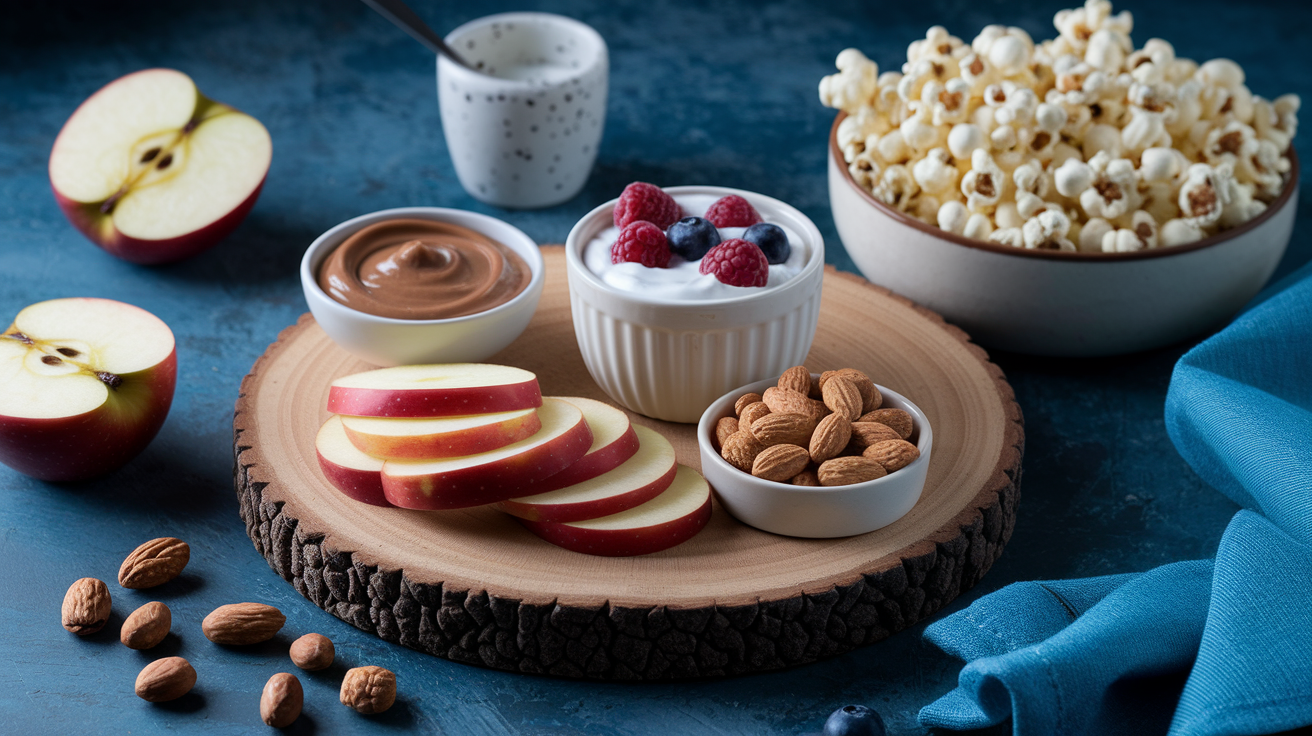
When you need something sweet or crunchy at night, choosing snacks that pair protein, fiber, or fat with natural sweetness keeps you satisfied without spiking blood sugar. Portion control is key. These snacks work because they’re small, balanced, and filling.
The strategy is simple. Combine a little natural sugar from fruit with a source of protein or fat to slow absorption. Or choose high volume, low calorie options that give you the sensory satisfaction of eating without the calorie load of candy or ice cream. Each of these snacks takes a few minutes to prepare and can replace the grab and go reflex that usually leads to a sugar binge.
1 to 2 cups air popped popcorn lightly seasoned with chili powder, cayenne, or a sprinkle of Parmesan. High volume, low calorie, and crunchy.
1/2 cup plain Greek yogurt with a handful of fresh berries. The protein keeps you full, and the berries add natural sweetness.
1 small apple sliced with 1 tablespoon peanut butter or almond butter. Fiber from the apple plus fat from the nut butter blunts cravings.
About 1/4 cup of nuts. Almonds, pecans, walnuts, or pistachios. Nutrient dense and filling, but watch portions because they’re calorie rich.
A few whole grain crackers with 1 slice of cheese cut into squares, optionally with apple slices. The combo of carb, protein, and fat feels like a treat.
1/2 serving pretzels with 1 to 2 tablespoons hummus plus a handful of baby carrots. Crunch, protein, and a little salt.
Banana “nice cream.” Freeze banana slices, then blend with a splash of skim or almond milk and 1 teaspoon vanilla. It tastes like soft serve ice cream with fewer calories and no added sugar.
These portions are intentionally small. The goal is satisfaction, not a second dinner. When you pair a little natural sweetness with protein or fat, your body registers fullness faster and the craving fades.
Stress, Emotion, and Sleep: Hidden Drivers Behind Nighttime Sugar Cravings
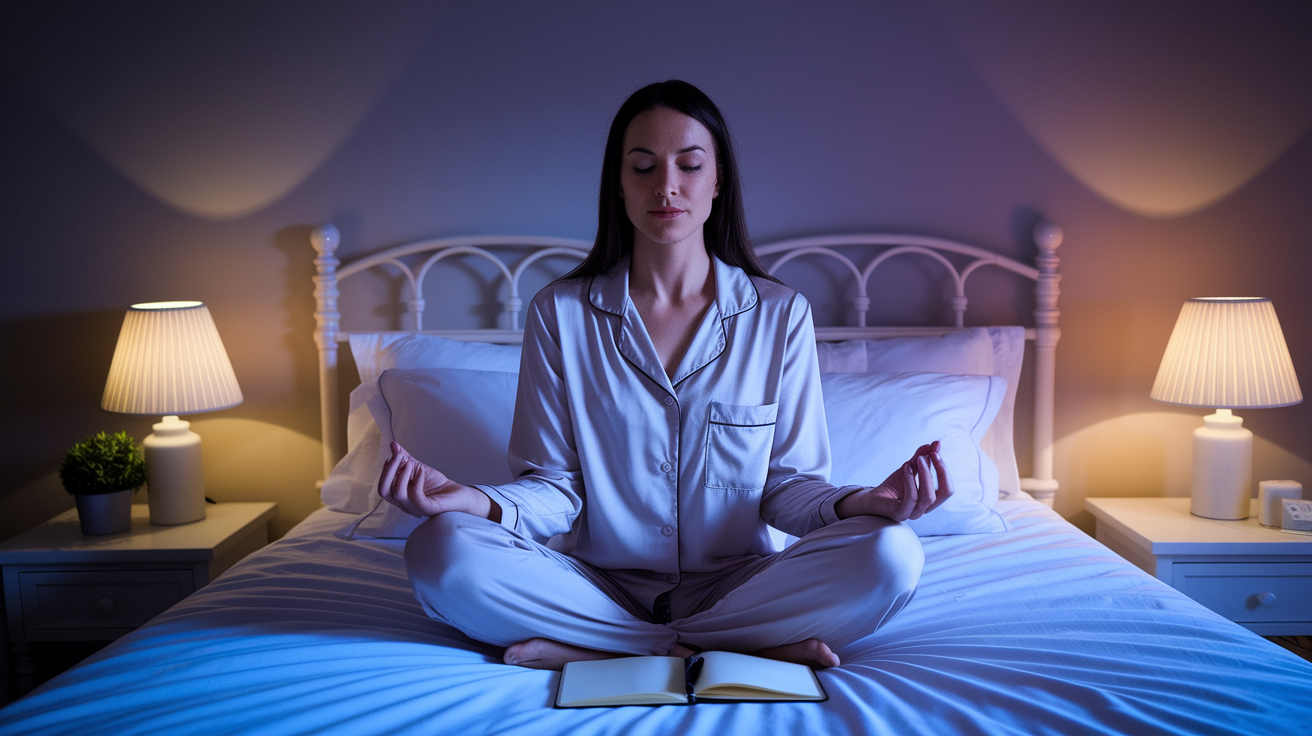
Poor sleep and high stress are two of the biggest reasons sugar cravings spike at night. When you’re exhausted or emotionally drained, your brain seeks quick energy and comfort. Usually in the form of sweets.
Sleep deprivation increases ghrelin and decreases leptin, the hormone that signals fullness. That hormonal shift makes you hungrier all day, but especially at night when fatigue is highest. At the same time, lack of sleep activates reward pathways in the brain that make high sugar, high fat foods more appealing. You’re not imagining it. Sleep deprived brains crave junk food more intensely. Aim for 7 to 8 hours of sleep per night. If falling asleep is hard, try guided sleep meditation or a consistent wind down routine that starts 30 minutes before bed.
Chronic stress raises cortisol, which increases appetite and alters how your body processes glucose and insulin. Elevated cortisol also shifts preference toward calorie dense comfort foods. Emotional eating is common at night because that’s when you finally sit down, exhale, and feel the accumulated stress of the day. Food becomes a reward or a coping mechanism instead of fuel. The fix isn’t to eliminate stress. It’s to add non food stress outlets that interrupt the automatic reach for sugar.
Journaling for 5 to 10 minutes. Write down what happened today and how you’re feeling. It helps you process emotions without eating through them.
5 to 15 minutes of meditation or deep breathing. Even short sessions lower cortisol and give your nervous system a reset.
A warm bath or shower. The sensory shift can replace the comfort you’d normally get from food.
A hands on hobby like knitting, drawing, or puzzles. Keeping your hands busy interrupts the snacking reflex and gives your mind something to focus on besides cravings.
Cravings driven by stress or exhaustion aren’t a moral failing. They’re physiological. Managing the root cause, sleep and stress, reduces the intensity and frequency of nighttime sugar urges.
Behavioral & Environmental Tactics to Break Evening Snacking Habits

Changing your environment and routines makes it easier to avoid sugar without relying on willpower alone. When high sugar foods are out of sight and your habits are intentionally redirected, cravings lose their automatic pull.
Keep a food journal to document what you eat, when you eat it, and what you were doing or feeling at the time. Patterns emerge fast. You might notice that cravings hit hardest on nights you skip lunch, or that boredom is the real trigger, not hunger. Once you see the pattern, you can intervene earlier in the chain. Writing it down also creates accountability and helps you spot small wins over time.
Planned meal and snack structures prevent the “I’ll just see what’s in the pantry” spiral. When you know you’re eating a balanced snack at 8 pm, you’re less likely to graze mindlessly at 9:30. Regularity trains your body to expect food at predictable times, which smooths out hunger and reduces impulsive eating.
Out of Sight Control Strategies
Remove high sugar snacks from the house entirely, or at minimum, store them out of immediate view. Visual cues trigger cravings even when you’re not hungry. If cookies are on the counter, you’ll think about cookies. If they’re in an opaque container on a high shelf, the thought doesn’t cross your mind as often. Keep healthy snacks within easy reach instead. Cut up vegetables, fruit, a small bowl of nuts. Make the default choice the healthy choice by designing your environment to support it.
Routine Replacement and Habit Disruption
Substitute the snacking ritual with a non food activity that fills the same emotional or sensory need. If you snack during TV time, replace it with a mug of herbal tea, a 10 minute walk around the block, or a simple hobby that keeps your hands busy. The goal is to interrupt the conditioned loop: couch plus TV plus 9 pm equals snack. When you insert a new behavior consistently, the old habit weakens. It takes time. Expect a few weeks of conscious redirection before it feels automatic. But documented recovery from nighttime snacking is possible when you combine environmental changes with routine replacement and a written plan.
Supplement & Hydration Support for Reducing Sugar Cravings Safely

Hydration is one of the simplest and most effective ways to reduce sugar cravings. Dehydration can mimic hunger signals, and many people reach for snacks when they’re actually thirsty.
Drink water throughout the day and aim for about 8 glasses total. Before you eat a snack at night, drink 8 to 16 ounces of water and wait 10 minutes. Often the craving fades or shrinks because your stomach registers fullness. Herbal tea works even better in the evening because it’s warm, slow to sip, and can feel like a treat. Peppermint, chamomile, and cinnamon teas are especially helpful. They satisfy the ritual of having something flavorful without adding sugar or calories.
Certain supplements may support blood sugar regulation and reduce cravings, but they should be used carefully and ideally under professional guidance. Magnesium supports insulin function and stress response. Chromium may help stabilize blood sugar. Vitamin D deficiency has been linked to increased sugar cravings in some research. If you suspect a deficiency or want to explore supplementation, talk to a healthcare provider first. Supplements are tools, not shortcuts, and they work best when combined with balanced meals, hydration, and consistent routines.
Drink 8 to 16 ounces of water before reaching for a snack.
Sip herbal tea (peppermint, chamomile, cinnamon) to occupy your mouth and add warmth without calories.
Aim for roughly 8 glasses of water per day to stay ahead of dehydration driven hunger signals.
Building a Long Term Plan to Reduce Evening Sugar Cravings for Good

Sustainable change happens through small, repeated habits, not drastic overhauls. The goal is gradual sugar reduction paired with consistent routines that make healthy choices easier over time.
Start by writing a specific plan. Identify your top two craving triggers. Common ones include skipping lunch, high stress, poor sleep, and boredom at 9 pm. Then write down one action for each. For example: “If I’m tempted to snack during TV time, I’ll drink herbal tea and take a 5 minute walk first.” Written plans work because they move decisions out of the moment when willpower is lowest. Track your progress in a food journal. Note what you ate, when, and how you felt. Also note wins: nights you successfully delayed or replaced a craving, meals that kept you full, or weeks when cravings were less intense. Measurable goals keep you motivated and help you spot what’s working.
Expect setbacks. Breaking a nighttime snacking habit can take weeks or even months, especially if it’s been reinforced for years. A rough night or a week of stress driven sugar binges doesn’t erase progress. Treat relapses as data. What triggered it, and what can you adjust next time. The long term strategy is consistency, not perfection. Gradually reduce added sugar instead of trying to eliminate it overnight. Budget small treats into your plan so you don’t feel deprived. Moderation fosters sustainable habits, and sustainable habits are the ones that actually stick.
Habit stacking works well for evening routines. Attach a new anti craving behavior to an existing habit. For example: “After I finish dinner, I’ll brush my teeth and then drink a cup of herbal tea.” The existing habit (dinner) becomes the cue for the new one. Over time, the sequence becomes automatic and requires less conscious effort.
Write a specific plan that names your triggers and your responses.
Track progress and wins in a food journal to stay accountable and spot patterns.
Use gradual sugar reduction and moderation instead of all or nothing rules.
Stack new habits onto existing routines to make them stick faster.
Cravings aren’t moral failings. They’re physiological and behavioral patterns that respond to structured, consistent strategies. Small, persistent changes yield measurable improvements, and most people see a noticeable reduction in evening sugar cravings within 2 to 4 weeks of applying these tactics daily.
Final Words
Take action tonight: try one quick tactic, drink 8 to 16 oz water, brush your teeth, chew gum, or wait 10 minutes and notice cravings fade fast.
This post covered what triggers evening cravings, like blood sugar dips, stress, tiredness, and habit, and gave meal structure tips, portioned snack ideas, sleep and stress tools, hydration notes, and a simple long-term plan.
Start small: pick one swap, track it for a week, and be kind to yourself. This is a clear, doable guide to how to stop sugar cravings in the evening and get steadier nights.
FAQ
Q: Which deficiency causes sugar cravings?
A: A magnesium deficiency often causes sugar cravings. Low magnesium can make you reach for quick carbs because it helps regulate blood sugar and mood; try balanced meals and check with your provider if cravings persist.
Q: Does methadone make you crave sugar?
A: Methadone can make you crave sugar for some people by altering appetite and reward pathways. If cravings increase, tell your prescriber and try protein-rich snacks, steady meals, and extra hydration.
Q: What are the 5 signs you’re eating too much sugar?
A: Five signs you’re eating too much sugar are energy crashes, frequent cravings, weight gain or a puffy belly, increased thirst or dental issues, and mood swings or trouble sleeping.
Q: How to reduce sugar cravings before bed?
A: To reduce sugar cravings before bed, drink 8–16 oz water, sip herbal tea, brush your teeth or chew gum, take a short walk, and wait 10–15 minutes to see if the urge fades.