

Tired of trendy fixes that leave you wired, hungry, or burned out?
You’re not imagining it — the wellness world is noisy and full of good-sounding claims.
But a handful of practices actually move the needle.
Resistance training, short bursts of intense cardio, better sleep habits, plant-forward eating, time-restricted meals, and simple mindfulness routines have repeated, measurable benefits in real studies.
They don’t require extreme programs or big budgets.
This post shows which trends are backed by evidence and how to start one small, practical step today.
Evidence-Backed Wellness Trends That Deliver Real Results
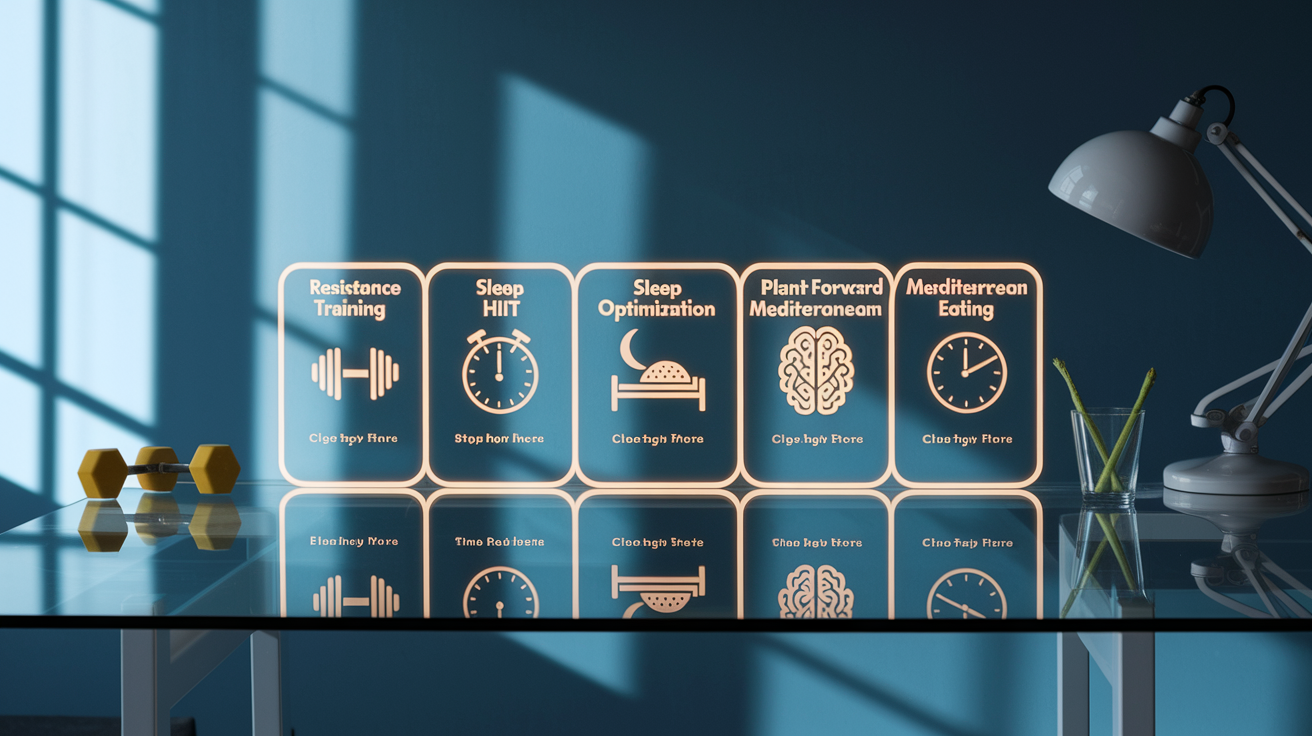
The wellness industry’s loud. Really loud. And separating what actually works from what just sounds good in a headline? That’s harder than it should be.
But here’s the thing. A few practices have been tested repeatedly in randomized controlled trials, large studies, and meta-analyses over the past decade. They show up again and again with measurable improvements: better strength, healthier metabolism, deeper sleep, stronger stress resilience, real shifts in long-term health markers.
What makes these different? They’re consistent across studies. The biological mechanisms make sense. You can track the results at home or with basic lab work. And they don’t ask you to blow up your life, join an expensive program, or believe in overnight transformation.
Resistance training builds muscle mass, raises your resting metabolic rate, improves glucose control through progressive overload of major muscle groups.
High-Intensity Interval Training (HIIT) gives you cardiovascular and metabolic benefits in 30 to 70% less time than traditional moderate-intensity exercise.
Sleep optimization (including CBT-I) improves sleep efficiency and produces measurable drops in blood pressure, inflammation, and weight gain risk.
Plant-forward and Mediterranean-style diets reduce major cardiovascular events by 20 to 30% in high-adherence groups and support modest, sustainable weight loss.
Time-restricted eating produces 3 to 7% body weight loss over 3 to 6 months when total calorie intake naturally decreases within the eating window.
Mindfulness and brief behavioral therapies reduce validated anxiety and stress scores by 20 to 40% after 8 weeks of consistent practice.
These stand out because they address multiple dimensions at once. Physical, metabolic, mental, emotional. You don’t have to overhaul everything in one week. Each can be scaled to fit different schedules, budgets, and starting points. And all have been tested in populations that look like yours.
The Science Behind Why These Trends Work

Understanding the “why” helps you stick with it when motivation dips.
Resistance training works because lifting progressively heavier loads triggers muscle protein synthesis and neuromuscular adaptation. Studies show beginners can gain 1 to 3 kg of lean mass and increase strength by 5 to 15% within 8 to 12 weeks when training 2 to 3 times per week. The metabolic benefit lasts. More muscle mass means higher resting energy expenditure even on rest days.
High-fiber diets reduce metabolic disease risk through several pathways. Fiber slows glucose absorption. It feeds beneficial gut bacteria that produce short-chain fatty acids. It increases satiety, which helps regulate calorie intake. Research links fiber intake at recommended levels (25 g/day for women, 38 g/day for men) to a 10 to 20% reduction in risk for type 2 diabetes and cardiovascular disease.
Mindfulness-based stress reduction lowers circulating cortisol by about 15% in controlled trials. Lower chronic cortisol translates to better sleep, less inflammation, improved immune function.
Time-restricted eating appears to work primarily by reducing total calorie intake and aligning eating patterns with circadian biology. When you compress your eating window to 8 to 10 hours, most people naturally eat less without deliberate restriction. Some studies also show modest improvements in fasting insulin and inflammatory markers, though the effect size is smaller than the weight loss itself would predict.
| Trend | Key Mechanism | Research Insight |
|---|---|---|
| Resistance Training | Muscle protein synthesis and neuromuscular adaptation | Meta-analyses show 1 to 3 kg lean mass gain and 5 to 15% strength increase in 8 to 12 weeks for beginners |
| HIIT | Improves VO₂max and insulin sensitivity in less time | VO₂max increases of 7 to 15% and modest fat loss over 6 to 12 weeks in multiple RCTs |
| Sleep Optimization (CBT-I) | Behavioral restructuring of sleep schedule and bed-time associations | First-line treatment for chronic insomnia; improves sleep efficiency and reduces inflammatory markers |
| Mediterranean Diet | Anti-inflammatory fats, fiber, and polyphenols reduce oxidative stress | 20 to 30% reduction in major cardiovascular events in large prevention trials with high adherence |
| Mindfulness (MBSR) | Reduces cortisol, modulates amygdala reactivity, enhances prefrontal regulation | 8-week programs reduce anxiety/depression scores by 20 to 40% on validated scales |
Expert Insights on What Truly Works in Wellness
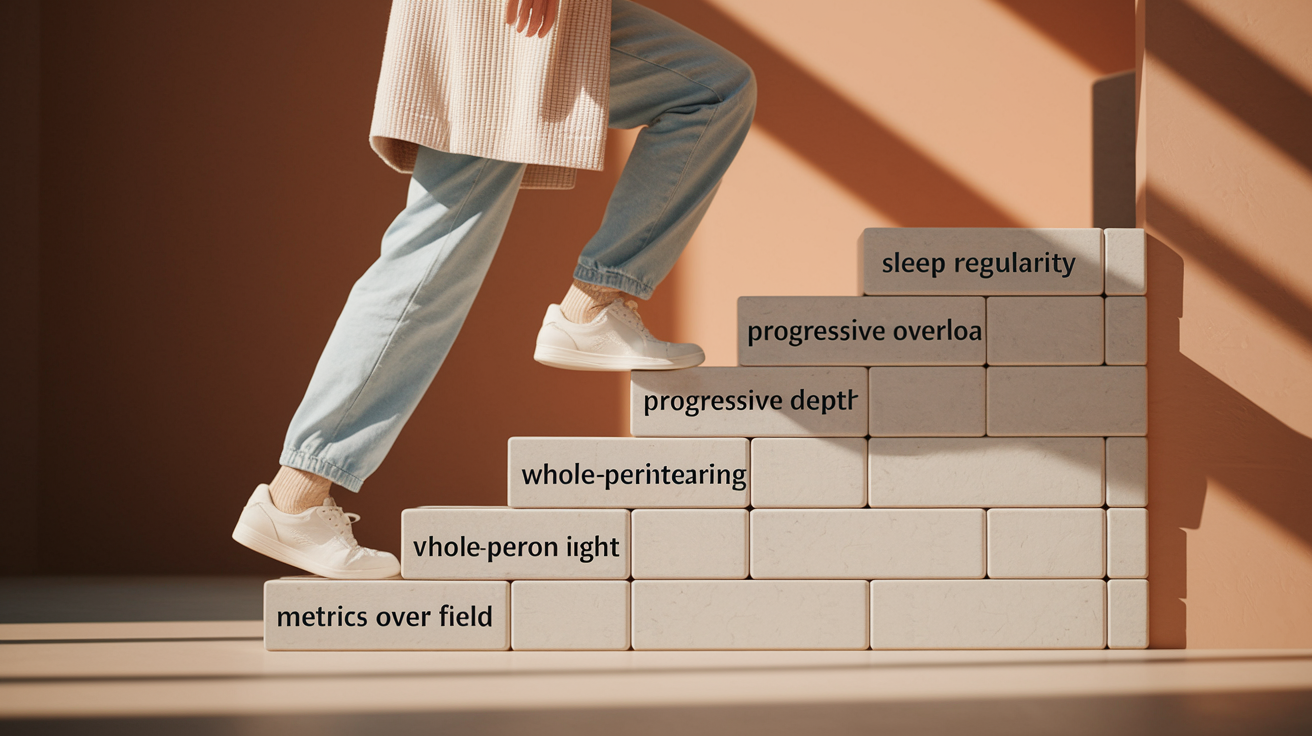
Registered dietitians, exercise physiologists, and behavioral medicine specialists emphasize one thing above all else: sustainability beats intensity.
A practice you can maintain three days a week for a year will always outperform a protocol you burn out on in three weeks. The most successful wellness strategies are built on habit stacking. You add one small, evidence-backed behavior to an existing routine rather than overhauling everything at once.
Professionals also stress the importance of progressive improvements. In strength training, this means gradually increasing the weight, reps, or sets. In nutrition, it might mean swapping one refined carb for a whole grain each week. In sleep, it’s about fixing your wake time first, then slowly dialing in your bedtime. Small, measurable steps accumulate into major health gains without triggering the all-or-nothing thinking that derails most wellness efforts.
Another consistent theme? The value of personalized approaches within evidence-based frameworks. What works for a 25-year-old training for a marathon will differ from what works for a 55-year-old managing prediabetes. But the underlying principles stay the same. Progressive overload, adequate protein and fiber, sleep consistency, stress management. Professionals encourage working with a dietitian or exercise physiologist when layering multiple interventions or managing chronic conditions.
Sleep regularity. Go to bed and wake up at the same time every day, even on weekends, to stabilize your circadian rhythm.
Progressive overload. Gradually increase the challenge in any practice (heavier weights, longer fasting window, more fiber) rather than jumping to extremes.
Whole-person integration. Address physical activity, nutrition, sleep, and stress management together rather than optimizing one in isolation.
Metrics over feelings. Track objective measures (reps lifted, hours slept, waist circumference) because subjective impressions can be misleading, especially in the first few weeks.
How to Incorporate These Trends into Daily Life

The gap between knowing what works and actually doing it? That’s implementation.
Behavioral science shows that habits formed through small, repeated actions over 30 to 60 days have a much higher success rate than dramatic lifestyle overhauls. The key is to pair a new behavior with an existing cue, something you already do every day without thinking.
Start by choosing one trend and one micro-habit. If you want to add resistance training, the first step isn’t joining a gym. It’s doing five bodyweight squats every morning right after you brush your teeth. That’s your cue. After two weeks, add a second movement. After a month, you’ve built the consistency to layer in a structured program. The same logic applies to time-restricted eating. Start by moving breakfast 30 minutes later, not by jumping straight into a 16-hour fast.
Another practical tactic? Reduce decision fatigue. Prep your gym clothes the night before. Keep a bowl of washed vegetables in the fridge so adding fiber to lunch requires zero extra thought. Use a simple checklist or app to track your target behaviors, but keep the list short. Three daily actions maximum. When you complete them, you’re done. No guilt about what you didn’t do.
Expect the first two weeks to feel effortful. Your brain is building new neural pathways, and that takes energy. By week three, the behavior starts to feel more automatic. By week six, it’s woven into your routine. If you miss a day, restart the next morning without spiraling into “I’ve already failed” thinking. Consistency over time beats perfection on any single day.
Pick one evidence-backed trend from the list above and define the smallest possible version of it you can start today.
Attach it to an existing daily cue. After your morning coffee, during your lunch break, right before bed.
Track completion with a simple check. Use a calendar, app, or piece of paper. The act of marking it done reinforces the habit loop.
Increase the challenge gradually. Add reps, extend your fasting window by 15 minutes, swap one more meal to a plant-forward plate.
Review progress every two weeks using one or two objective metrics (weight lifted, sleep duration, waist measurement) and adjust your approach based on what’s working.
Cost vs. Benefit: Which Trends Are Worth the Investment?
Some of the highest-return wellness practices cost nearly nothing.
Bodyweight resistance training requires no equipment. Push-ups, squats, lunges, and planks deliver measurable strength and metabolic benefits for free. A basic resistance band set costs $15 to $30 and opens up dozens of effective exercises. Even a full home dumbbell setup can be assembled for $100 to $400, and that’s a one-time expense with years of use.
Mindfulness practice and sleep optimization are similarly low-cost. Free apps and YouTube channels offer high-quality guided sessions, and cognitive behavioral therapy for insomnia (CBT-I) is available through low-cost online programs or covered by many insurance plans. Time-restricted eating is purely behavioral. It costs nothing and may even reduce your food spending if you’re eating fewer meals or snacks. The trends that deliver the most bang per dollar are the ones that rely on behavior change and consistency rather than products.
| Trend | Cost Level | Main Benefit |
|---|---|---|
| Resistance Training (bodyweight or basic equipment) | $0 to $400 one-time | Muscle gain, metabolic rate increase, improved glucose control |
| Sleep Optimization / CBT-I | $0 to $400 (online programs or apps) | Better sleep efficiency, lower blood pressure, reduced inflammation |
| Plant-Forward Diet | $0 to $50/week (may be cost-neutral vs. processed foods) | 20 to 30% lower cardiovascular risk, modest sustainable weight loss |
| Time-Restricted Eating | $0 (behavioral change) | 3 to 7% body weight loss, improved fasting insulin in some studies |
| Mindfulness / Meditation | $0 to $300 (apps or 8-week courses) | 20 to 40% reduction in stress/anxiety scores after 8 weeks |
Debunking Myths Surrounding Popular Wellness Trends
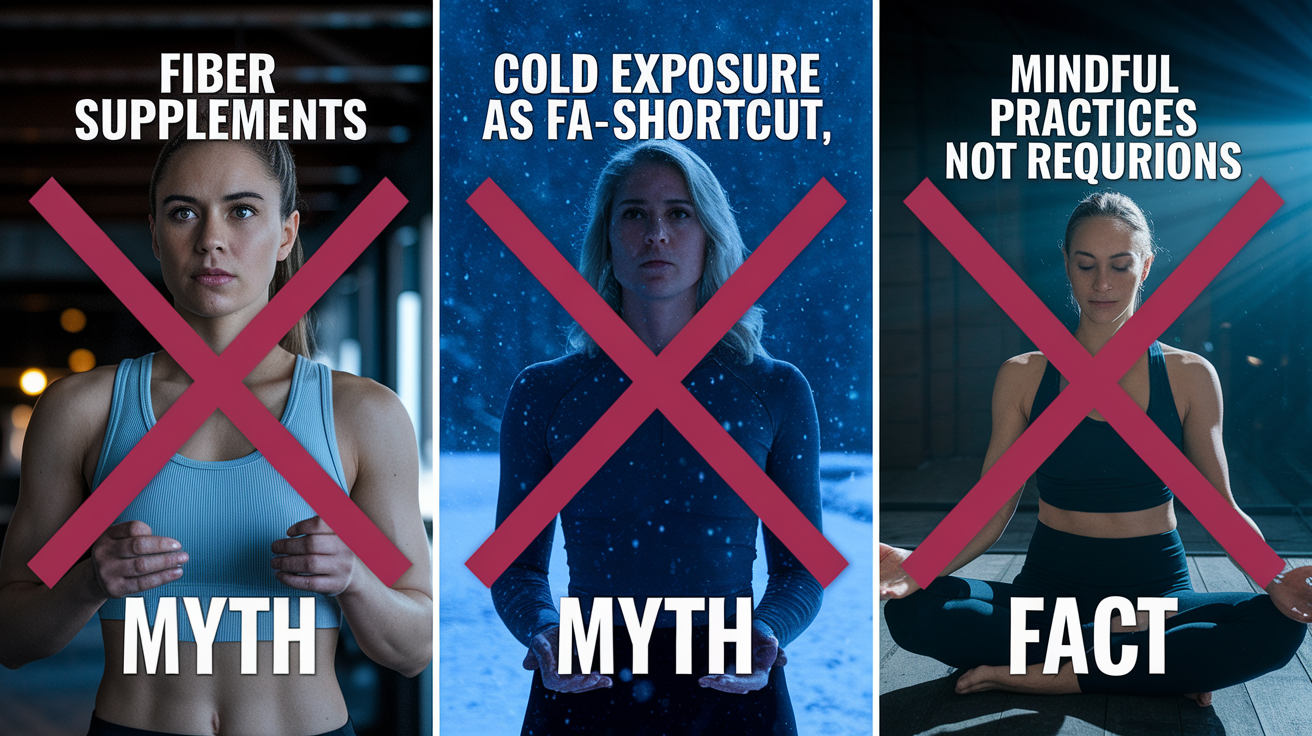
One persistent myth? Supplements can replace whole-food fiber. They can’t.
Fiber supplements provide isolated types of fiber (usually soluble), but whole plant foods deliver a mix of soluble and insoluble fiber along with vitamins, minerals, and polyphenols that work together. Studies show the cardiovascular and metabolic benefits of high-fiber diets come from the complete package, not a powder in a glass of water.
Another common misconception is that cold exposure (ice baths or cold showers) burns large amounts of fat. The reality is more modest. Cold exposure can activate brown adipose tissue and may slightly increase calorie expenditure, but the effect is small (estimated at 50 to 200 extra calories per session in some studies) and doesn’t replace the need for a structured exercise and nutrition plan. Cold exposure is better framed as a tool for mental resilience and recovery support, not a fat-loss shortcut.
People also believe mindfulness requires long, daily meditation sessions to be effective. Research shows that even 10 minutes of daily practice produces measurable reductions in stress and anxiety. The key is consistency, not duration. A brief, daily session beats an occasional hour-long sit. Start small, track how you feel, and expand from there if it fits your life.
Supplements don’t replace dietary fiber. Whole foods deliver fiber plus micronutrients and polyphenols that isolated supplements can’t replicate.
Cold exposure doesn’t burn significant fat. It may slightly increase calorie burn, but the effect is small and shouldn’t replace exercise or nutrition changes.
Mindfulness doesn’t require long sessions. Even 10 minutes daily produces measurable stress reduction. Consistency matters more than duration.
Time-restricted eating doesn’t work independently of calories. Most of the weight-loss benefit comes from eating less overall when your eating window shrinks, not from metabolic magic.
Final Words
Start with one small shift: pick one habit from the list—strength training, circadian sleep tweaks, mindfulness, more fiber, or cold showers—and try it for a week.
We covered the why (the science), practical steps, expert tips, cost trade-offs, and common myths so you can skip the guesswork.
Stick with one change, track a tiny win, and add another after a few weeks. These wellness trends that actually work are doable and research-backed—pick one, start today, and you’ll likely feel steadier soon.
FAQ
Q: What are the biggest wellness trends? / What is the new wellness trend? / What are the upcoming wellness trends in 2026?
A: The biggest, newest, and upcoming 2026 wellness trends are strength training for longevity, circadian-based sleep optimization, brief daily mindfulness, higher-fiber eating for metabolic health, cold exposure, and habit-focused routines.
Q: What are the 5 C’s of wellness?
A: The 5 C’s of wellness are social connection, physical conditioning, calm (stress management), cognitive care, and consistent self-care — five practical areas to balance healthy daily habits.