

Tired of the 2 p.m. zombie slump?
You’re not imagining it, that heavy, foggy feeling after lunch is real and common.
The good news: you can fix the afternoon energy crash after lunch naturally, without more coffee or complicated diets.
This post shows fast, easy moves you can do right now, plus simple lunch and snack swaps to keep your energy steady.
You’ll also get a short, doable 3 to 7 day plan and small habit swaps that actually stick.
Immediate Fixes for a Post‑Lunch Energy Crash
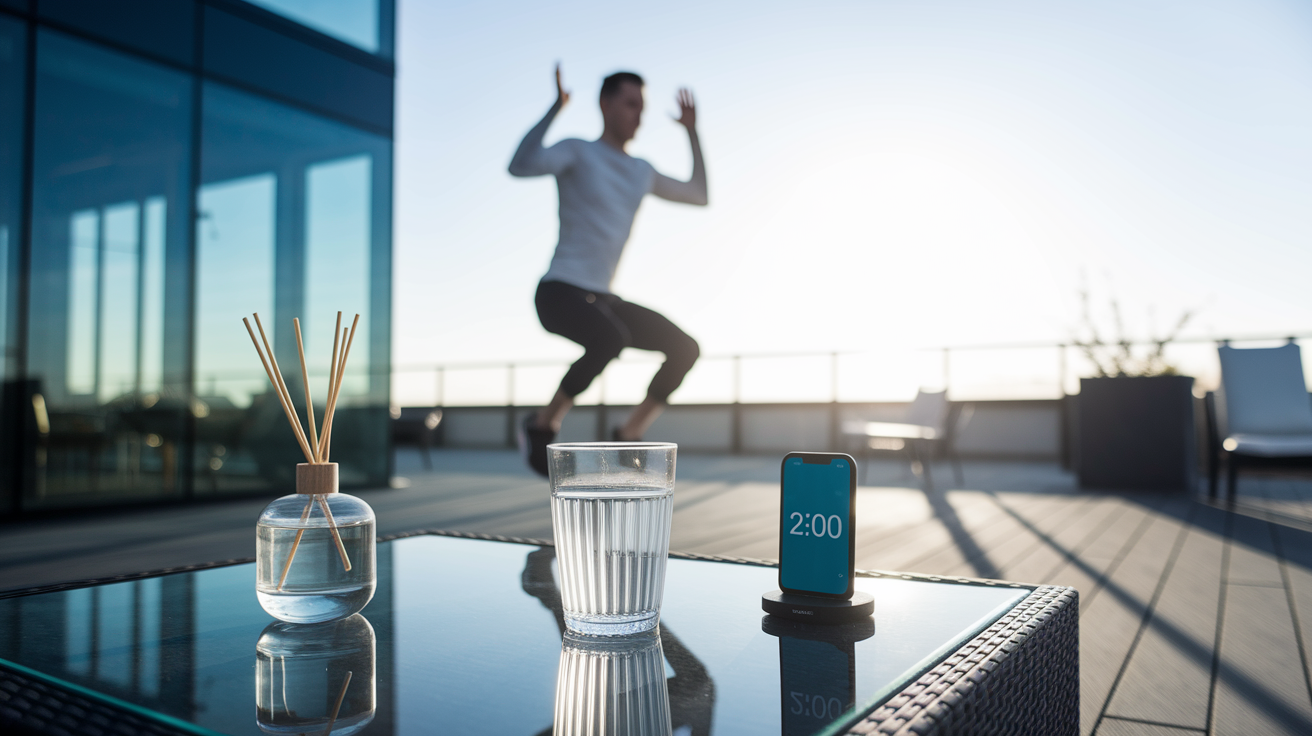
When the slump hits at 2 p.m., you need fast relief. Here’s what works right now:
Drink a tall glass of water immediately. Dehydration slows your focus and makes you feel more tired.
Step outside for five minutes. Natural light and fresh air wake your brain.
Do ten jumping jacks or squats. Quick movement gets blood flowing fast.
Inhale peppermint or citrus essential oil. These scents boost alertness in seconds.
Set a timer and nap for fifteen minutes. Short rest without grogginess.
Try the 4‑4‑4 breathing pattern. Inhale for four seconds, hold for four, exhale for four. Repeat for one to two minutes.
Eat a protein and fiber snack. Apple with peanut butter or hummus with veggies stabilizes your blood sugar.
Turn on upbeat music. A fast playlist raises your mood and focus instantly.
Your body’s internal clock creates a natural dip in alertness between one and three p.m., right when melatonin starts to rise. Layer a high carb lunch on top of that circadian dip and your blood sugar spikes, then crashes hard. You’re left foggy and drained.
These quick fixes work because they address the immediate triggers. Water reverses dehydration. Movement and light counteract the circadian slump. Deep breathing lowers stress hormones. A stabilizing snack keeps your glucose steady. A short nap resets your brain without interfering with tonight’s sleep. You’re not solving the root causes yet, but you’re buying yourself enough alertness to finish the afternoon without nodding off at your desk.
Understanding the Causes Behind Your Afternoon Energy Crash
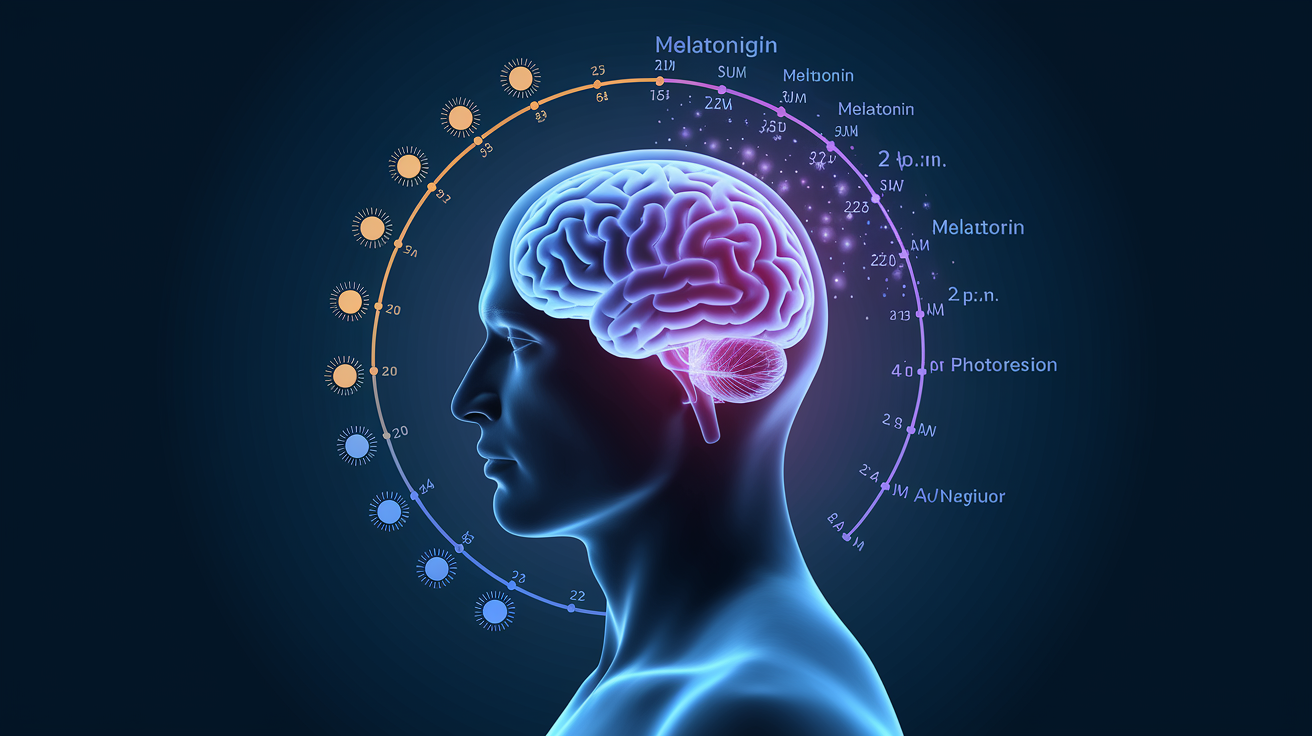
The midday crash isn’t just in your head. Your circadian rhythm, the 24 hour internal clock running behind the scenes, creates a predictable energy dip most afternoons. For most people, that dip lands between one and three p.m., often peaking right around two. During this window, your body releases a small wave of melatonin and your core temperature drops slightly. Both of which make you feel sleepy even if you slept well the night before.
Blood sugar swings make that natural dip worse. When you eat a lunch heavy in simple carbohydrates (white bread, pasta, sugary snacks), your blood glucose climbs fast. Your pancreas responds by releasing insulin to bring the sugar down. If your meal lacked fiber, protein or fat to slow digestion, the insulin can overshoot and drop your blood sugar too low. That triggers fatigue, brain fog and cravings for more quick carbs. This spike and crash pattern is especially common after large, carb focused meals.
Sleep quality, hydration and activity level all stack on top of the circadian and blood sugar effects. If you’re running on six hours of broken sleep, your body accumulates “sleep debt” across the day. The afternoon is when that debt hits hardest. Dehydration (even losing just one to two percent of your body weight in fluids) impairs concentration and makes you feel sluggish. Sitting for hours without a break reduces circulation and oxygen delivery to your brain. And certain medications (antihistamines, some antidepressants, blood pressure drugs) can add drowsiness on top of everything else.
Lunch Structures That Prevent Midday Energy Dips
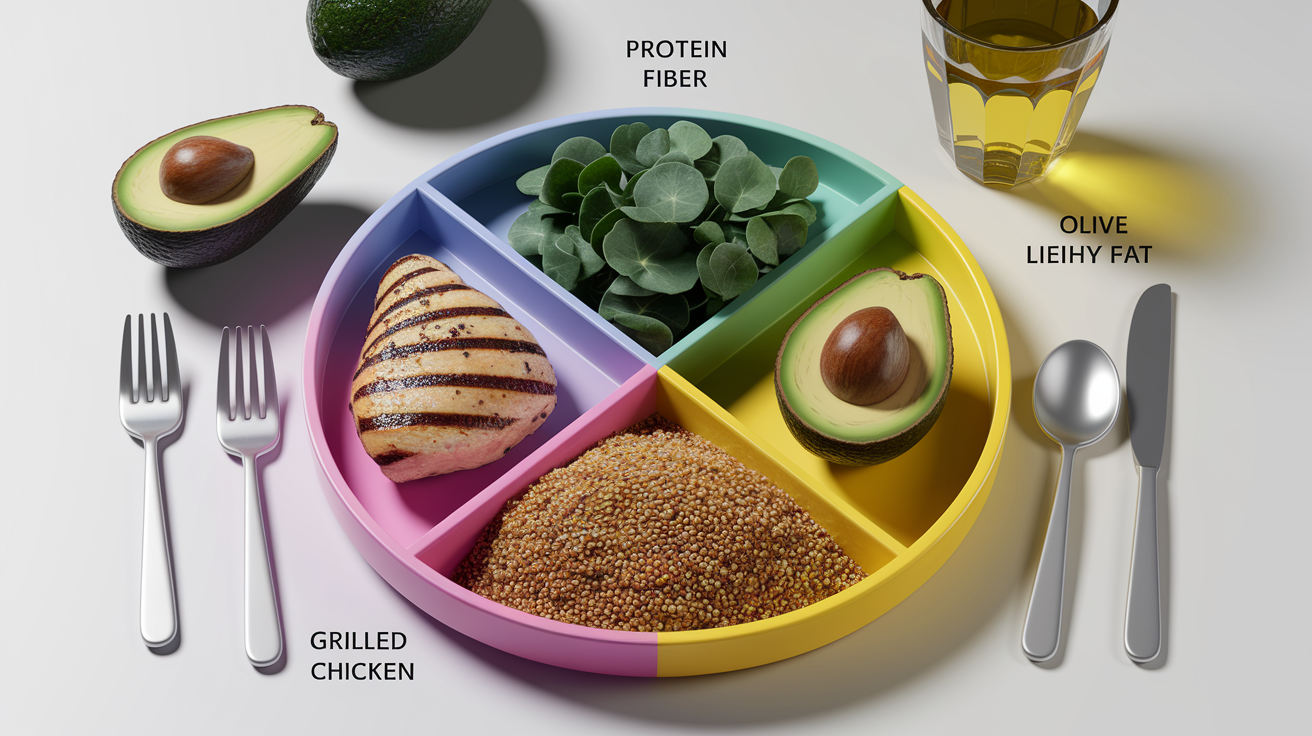
The best defense against a post lunch crash is a plate that keeps your blood sugar stable for hours. That means combining three things: lean protein, fiber rich carbohydrates and a source of healthy fat. Protein slows digestion and keeps you full. Fiber does the same and prevents glucose from spiking. Healthy fats add satiety and provide slow burning fuel. When you put all three on one plate, your blood sugar rises gently and stays steady instead of rocketing up and crashing down.
Think of lunch as an assembly. Start with a palm sized portion of protein (chicken, turkey, tofu, beans, eggs), add a fist sized serving of non starchy vegetables or leafy greens for fiber and volume, include a modest portion of complex carbs (quinoa, brown rice, whole wheat bread, sweet potato), and finish with a small amount of fat (avocado, olive oil, nuts, seeds). This structure keeps insulin from spiking and prevents the afternoon fog.
Here are six low glycemic lunch ideas that follow that pattern:
Mixed green salad with grilled chicken, cherry tomatoes, cucumbers, chickpeas and olive oil vinaigrette
Vegetable and lentil soup with a small whole wheat roll
Tuna salad made with Greek yogurt, served on whole grain bread with carrot sticks
Veggie omelet with spinach, peppers and feta, plus a slice of whole wheat toast
Chicken and hummus wrap in a whole wheat tortilla with shredded lettuce and bell peppers
Quinoa bowl with roasted vegetables, black beans and a drizzle of tahini
Foods to minimize at lunch if you want to stay alert:
White bread, bagels and pastries
Plain pasta or white rice without protein or vegetables
Sugary desserts and candy
Large portions of fried foods that sit heavy in your stomach
Smart Snacking to Prevent or Stop an Afternoon Crash

If you feel the slump creeping in around two or three p.m., a small, balanced snack can stop the crash before it gets worse. The key is to eat before you’re starving and before your focus falls off a cliff. Waiting until you’re desperate usually leads to grabbing the nearest candy bar, which only restarts the spike and crash cycle.
Aim for snacks that pair a carbohydrate with protein, fiber or fat. Here are seven options that work:
One medium apple with one to two tablespoons of peanut or almond butter
Carrot sticks, bell pepper slices or celery with two to three tablespoons of hummus
One small container (about 150 grams) of plain Greek yogurt with a handful of fresh berries
A small handful (about one quarter cup) of mixed nuts or trail mix
One hard boiled egg plus one piece of fruit
Whole grain crackers with a slice of cheese or a tablespoon of nut butter
One to two squares of dark chocolate (70 percent cacao or higher) with a few almonds
Keep portions reasonable. A snack should be 150 to 250 calories. Enough to stabilize your blood sugar without weighing you down or ruining your appetite for dinner. If you’re eating just to have something to do or because you’re bored, pause and drink a glass of water first. Real hunger and low blood sugar feel different from stress eating or habit snacking.
Hydration Strategies to Reduce Afternoon Fatigue

Even mild dehydration makes your brain work harder. When you lose just one to two percent of your body’s water, your ability to concentrate drops, your reaction time slows and you feel more tired. Most people don’t notice thirst until they’re already a little dehydrated, so waiting until you feel thirsty isn’t a great strategy.
Your body uses water for nearly every function, including delivering oxygen and nutrients to your brain. When fluid levels drop, blood volume decreases slightly. That means less oxygen reaches your cells. It shows up as sluggishness, difficulty focusing and that heavy, foggy feeling that often gets mistaken for needing caffeine or sugar.
Here are four simple hydration habits that keep your energy steady:
Keep a water bottle at your desk and sip throughout the morning and afternoon, aiming for at least eight ounces every hour or two.
Drink a full glass of water as soon as you wake up to replace overnight fluid loss.
If plain water feels boring, add a slice of lemon, cucumber or a few fresh mint leaves for flavor without added sugar.
Consider herbal teas (peppermint, ginger, green tea) as part of your fluid intake. They count toward hydration and offer gentle alertness benefits.
Movement Habits That Boost Post Lunch Alertness

Sitting still for hours after lunch makes the energy dip worse. When you stay seated, your circulation slows, less oxygen reaches your brain, and your body interprets the inactivity as a signal to rest. Movement, even in very short bursts, reverses that signal and tells your nervous system to stay alert.
Mini Movement Bursts That Work Fast
You don’t need a full workout to shake off the slump. Small, frequent movement breaks are often more effective than one long session later in the day. Try these:
Stand up and stretch your arms overhead, roll your shoulders back and take three deep breaths every hour.
Walk outside for five minutes after lunch. The combination of fresh air, daylight and gentle exercise is more powerful than any single fix alone.
Do ten squats, ten jumping jacks or march in place for one minute at your desk.
If you can’t leave your workspace, stand while you take a phone call or review notes.
Set a timer on your phone to remind you to move every sixty minutes.
Movement increases your heart rate slightly, which boosts blood flow and oxygen delivery. It also raises endorphins, the body’s natural mood and energy chemicals. Outdoor movement adds another layer of benefit because natural light helps suppress melatonin, the hormone that makes you sleepy. Even on a cloudy day, outdoor light is significantly brighter than indoor office lighting, and that brightness nudges your circadian system toward alertness. If you can’t get outside, turning on bright overhead lights or sitting near a window helps too.
Caffeine Timing and Alternatives to Prevent Crashes
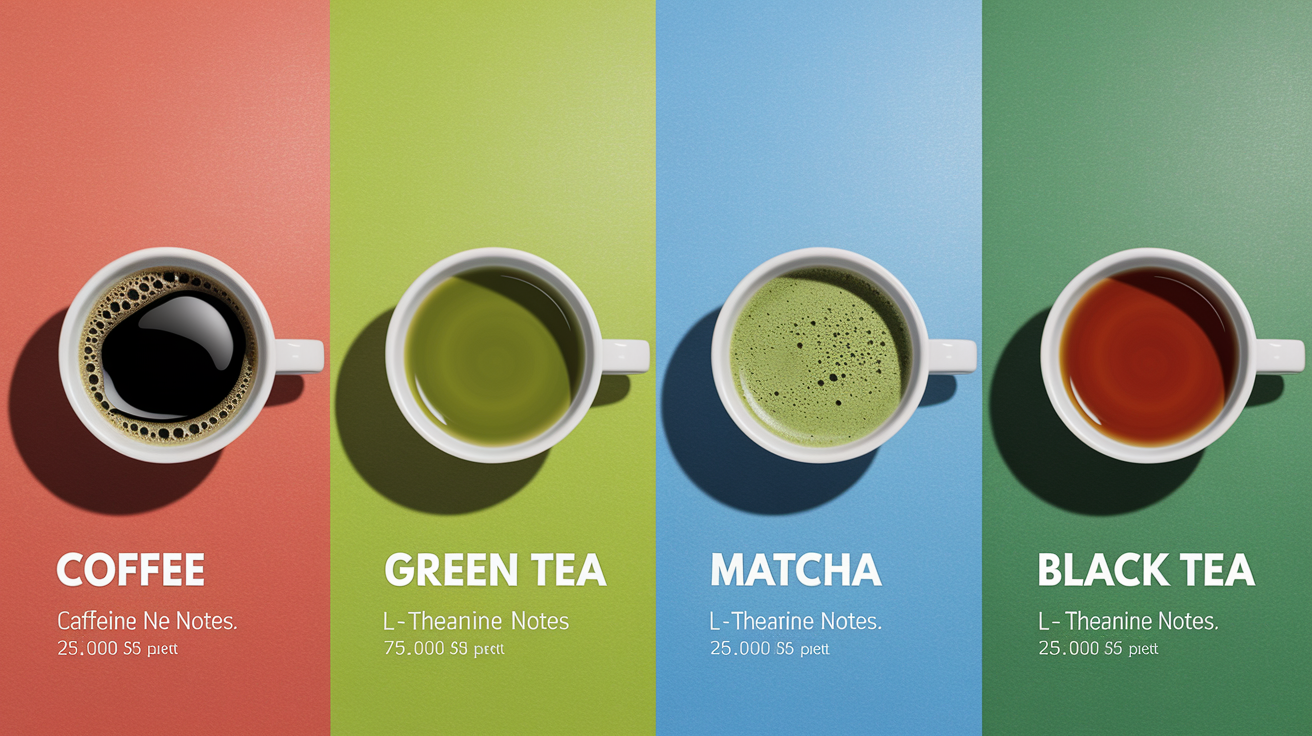
Caffeine can help or hurt your afternoon energy, depending on when and how much you use. A large cup of coffee first thing in the morning might feel necessary, but if you drink it on an empty stomach or rely on it to replace sleep, you’re likely to hit a hard crash by midday when the caffeine wears off. Your body also builds tolerance over time, so the same dose that used to perk you up stops working as well. You end up needing more to feel the same effect.
The better strategy is to space smaller amounts of caffeine across the morning and stop completely by two p.m. Late afternoon caffeine can interfere with your ability to fall asleep that night, which makes tomorrow’s fatigue worse and traps you in a cycle. If you do want a gentle lift after lunch, consider switching to green tea or matcha instead of coffee. Both contain less caffeine but also provide L‑theanine, an amino acid that promotes calm focus without jitters.
Here’s a quick comparison of common caffeine sources and their effects:
Coffee (8 oz): ~95 mg caffeine. Fast energy spike, can cause jitters and mid afternoon crash if consumed in large amounts early.
Green tea (8 oz): ~25–50 mg caffeine plus L‑theanine. Smoother, steadier alertness with less risk of a crash.
Matcha (1 tsp powder in 8 oz water): ~70 mg caffeine plus L‑theanine. Longer lasting energy, less jittery than coffee.
Black tea (8 oz): ~40–70 mg caffeine. Moderate boost, gentler than coffee but stronger than green tea.
If you’re relying on caffeine to mask poor sleep or skipped meals, the fix is to address the root cause. Better sleep hygiene, balanced meals, regular hydration. Rather than adding more caffeine.
Power Nap Guidelines for Correct Afternoon Recharge
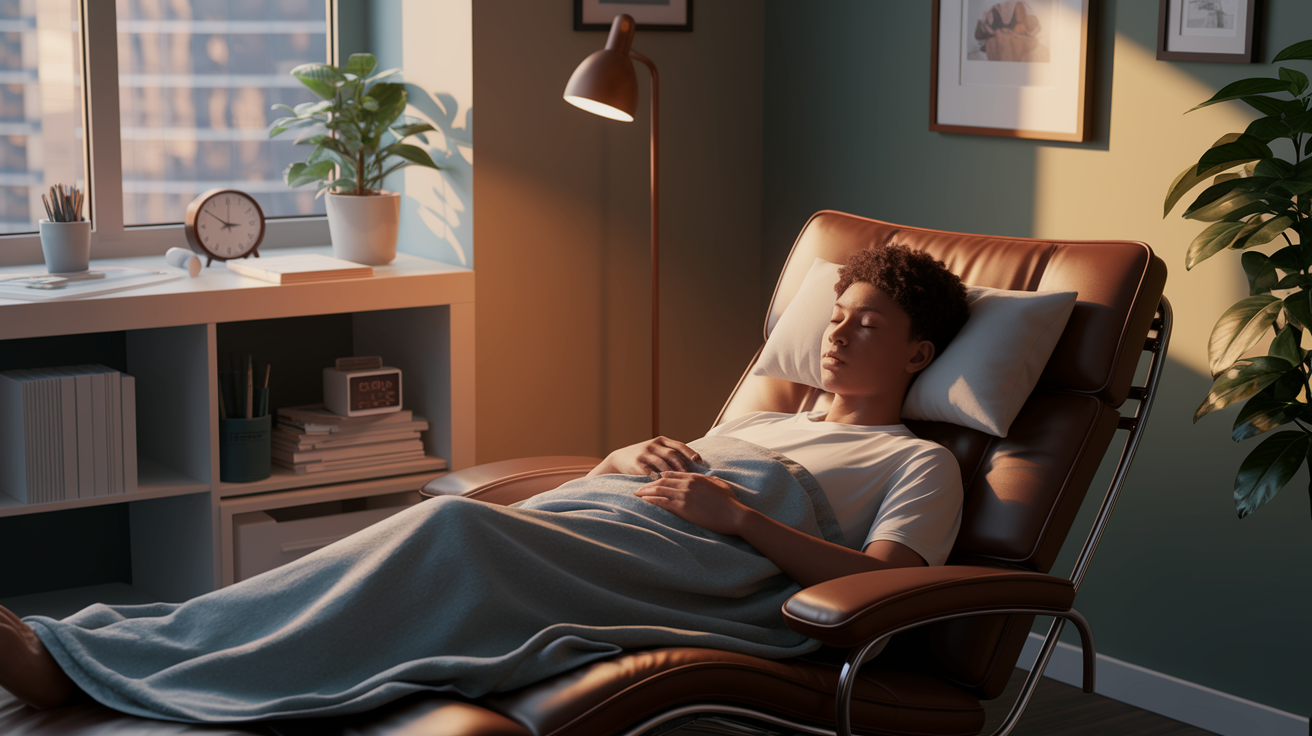
A short nap can reset your brain and restore focus without making you groggy or wrecking your nighttime sleep. The key is keeping it brief. Research shows that naps of ten to twenty minutes improve alertness, mood and performance without causing “sleep inertia,” the heavy, disoriented feeling you get when you wake from deep sleep.
Set an alarm and stick to it. If you nap longer than thirty minutes, you risk entering slow wave sleep, which is harder to wake from and leaves you feeling worse for the first fifteen to thirty minutes after you get up. Longer naps can also reduce your sleep drive at bedtime, making it harder to fall asleep that night. The sweet spot is fifteen to twenty minutes. Long enough to feel refreshed, short enough to avoid grogginess or interference with your evening routine. If possible, nap before three p.m. so it doesn’t push your bedtime later.
When Your Afternoon Crash Signals a Possible Underlying Issue

Most afternoon slumps are lifestyle driven and improve with better sleep, balanced meals and regular movement. But if you’re doing all the right things and still feeling intensely sleepy every afternoon (the kind of sleepiness where you’re nodding off during meetings or struggling to keep your eyes open while sitting still), it’s worth checking with a doctor.
Persistent daytime sleepiness can be a sign of a medical issue that needs treatment. It’s also important to distinguish between fatigue and sleepiness. Fatigue means you feel low on energy but you’re not at risk of falling asleep. It can come from stress, overtraining or depression. Sleepiness means you could actually doze off if you had the chance, which suggests your body isn’t getting enough quality sleep or there’s a physiological issue interfering with rest.
| Possible Cause | Typical Symptom Pattern |
|---|---|
| Iron deficiency (anemia) | Constant tiredness, pale skin, difficulty concentrating, especially common in women with heavy periods |
| Thyroid dysfunction (hypothyroidism) | Fatigue, weight gain, feeling cold, brain fog, sluggish digestion |
| Sleep apnea | Daytime sleepiness despite “sleeping” 7–9 hours, loud snoring, waking with headaches or dry mouth |
| Medication side effects | Drowsiness that started after beginning antihistamines, blood pressure meds, antidepressants or other prescriptions |
If you’re experiencing severe or persistent afternoon sleepiness along with other symptoms (unexplained weight changes, mood shifts, headaches, shortness of breath), ask your doctor about blood tests to check iron, thyroid function and blood sugar levels. A sleep study may also be helpful if snoring or breathing pauses during sleep are part of the picture.
A Simple One Day Plan to Prevent Afternoon Energy Crashes
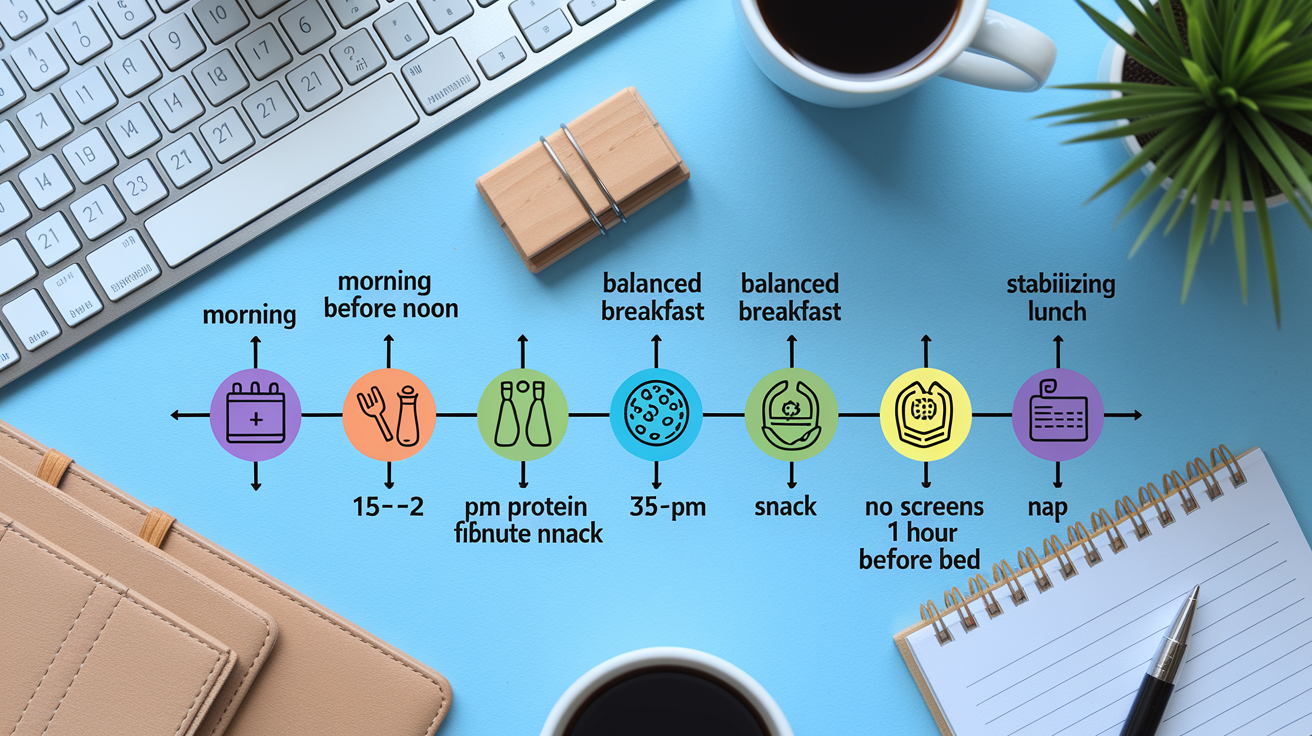
If you want to test whether small changes can make a real difference, try this one day plan. It combines the most effective fixes into a realistic schedule you can start tomorrow.
Morning caffeine only before noon. Have your coffee or tea with breakfast or mid morning, then switch to water or herbal tea for the rest of the day.
Hydrate consistently. Drink a glass of water when you wake up, keep a bottle at your desk and sip every hour, aiming for at least 64 ounces total by bedtime.
Eat a balanced breakfast within an hour of waking. Include protein, fiber and a healthy fat. Example: Greek yogurt with berries and a handful of nuts, or a veggie omelet with whole wheat toast.
Build a stabilizing lunch. Aim for a palm sized portion of lean protein, a fist of vegetables or greens, a modest serving of complex carbs and a small source of fat. Example: mixed salad with grilled chicken, quinoa, avocado and olive oil dressing.
Take a 5 to 10 minute walk outside between one and two p.m. Exposure to daylight and gentle movement will help counteract the circadian dip.
Eat a protein and fiber snack around three p.m. if needed. Apple with peanut butter, hummus with veggies or a small yogurt with berries.
If you’re still drowsy, set a timer and nap for fifteen to twenty minutes. Keep it short to avoid grogginess and protect your nighttime sleep.
Put devices away at least one hour before bed. Aim for a consistent bedtime that gives you seven to nine hours of sleep, and use the hour before bed for reading, light stretching or a relaxing routine instead of screens.
Final Words
At 2 p.m. and dragging? You’ve got quick fixes, the main causes, better lunch ideas, smart snacks, hydration tips, movement bursts, caffeine timing, nap rules, and a simple one-day plan.
Most of it comes down to a natural circadian dip plus blood-sugar swings after meals.
Try one small thing today: sip water, eat a protein snack, and walk five minutes.
Small steps help you learn how to fix afternoon energy crash after lunch. You’ve got this.
FAQ
Q: Why do I crash in the afternoon after lunch and why does my energy plummet in the afternoon?
A: An afternoon crash or energy plummet after lunch happens because your body hits a natural circadian dip and may also react to a blood‑sugar spike‑and‑crash, dehydration, long sitting, caffeine comedown, or poor sleep.
Q: How can I get rid of tiredness after lunch or deal with an afternoon energy slump?
A: To get rid of tiredness after lunch or handle an afternoon slump, sip water, step outside for light and a short walk, eat a protein-plus-fiber snack, or take a brief 10–20 minute nap.