
What if eight hours in bed still leaves you exhausted?
Waking up dragging, foggy, and hitting snooze despite a full night is more common than you think.
Getting eight hours isn’t the same as getting deep, restorative sleep, and light or broken sleep, late caffeine or alcohol, stress, hidden conditions like sleep apnea or low iron, and a misaligned body clock can all steal the benefits.
This post explains the main reasons and offers simple, small steps you can try tonight to wake up feeling more like yourself.
Key Reasons You Still Feel Tired After 8 Hours of Sleep
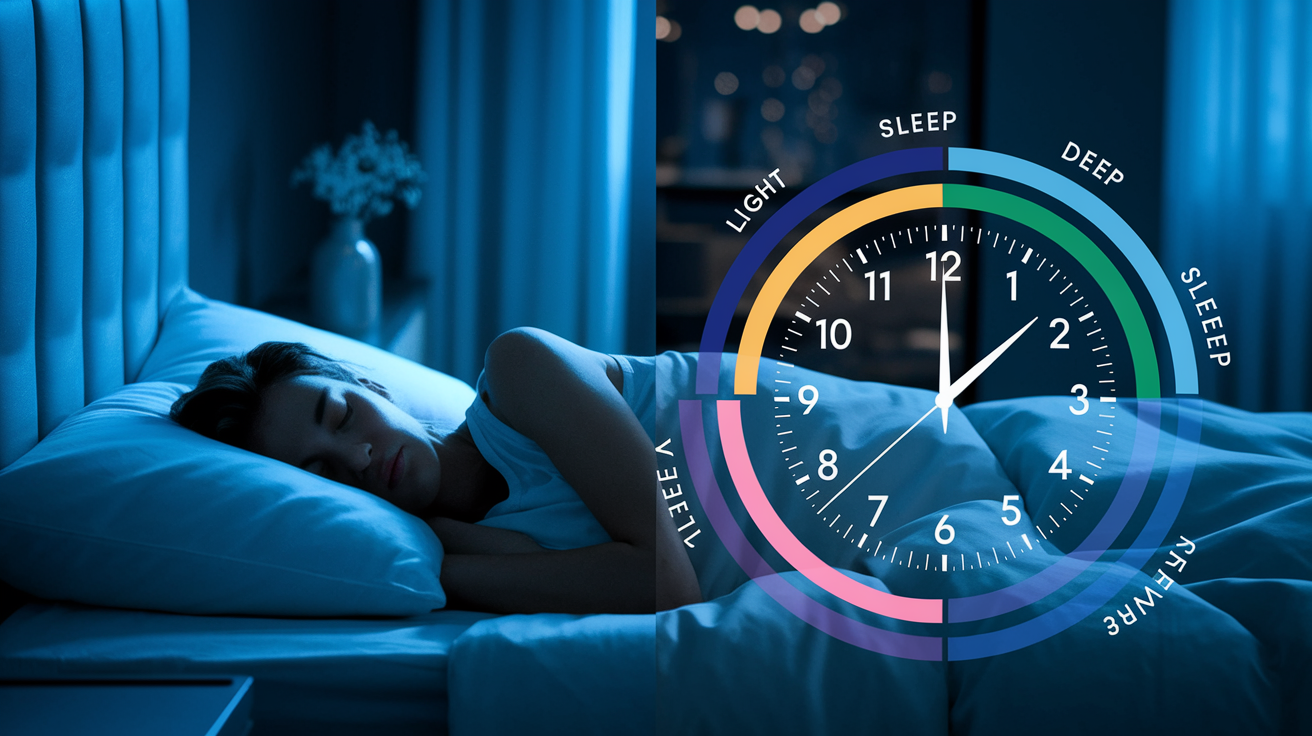
Getting eight hours in bed doesn’t automatically mean you got eight hours of restorative sleep. Sleep quantity and sleep quality are two separate things. You can lie in bed for a full night and still wake up exhausted if your sleep was fragmented, shallow, or constantly interrupted. Your body cycles through different stages of sleep throughout the night, including light sleep, deep sleep, and REM sleep. If something disrupts these cycles or prevents you from spending enough time in the deeper, more restorative stages, you won’t feel rested no matter how long you stayed in bed.
Lifestyle habits and your sleep environment play a huge role in how well you actually sleep. Late caffeine intake can reduce the amount of deep sleep you get even if you manage to fall asleep. Alcohol might help you drift off faster, but it typically fragments your sleep a few hours later. A bedroom that’s too warm, too bright, or too noisy can cause micro-awakenings you don’t fully remember but that still pull you out of deeper sleep stages. Using your phone or laptop in bed trains your brain to associate your bed with activity instead of rest, making it harder to feel genuinely sleepy when you lie down.
Medical conditions can also be the hidden driver behind persistent morning fatigue. Anemia reduces the oxygen your blood can carry, leaving you tired even after a full night. Thyroid problems slow down your metabolism and energy production. Low iron levels are often linked to restless legs syndrome, which causes uncomfortable leg sensations at night and prevents uninterrupted sleep. Hormonal shifts during your menstrual cycle, pregnancy, or menopause can all interfere with sleep quality in ways that don’t show up on the clock.
Here are five major reasons people wake up tired despite spending enough time in bed:
- Sleep fragmentation from environmental noise, discomfort, or unrecognized awakenings
- Undiagnosed sleep disorders like sleep apnea or restless legs syndrome
- Lifestyle habits such as late caffeine, alcohol close to bedtime, or inconsistent sleep schedules
- Chronic stress and anxiety that prevent deep, restorative sleep
- Underlying medical conditions including anemia, thyroid imbalance, or vitamin deficiencies
Sleep Disorders That Disrupt Restorative Sleep
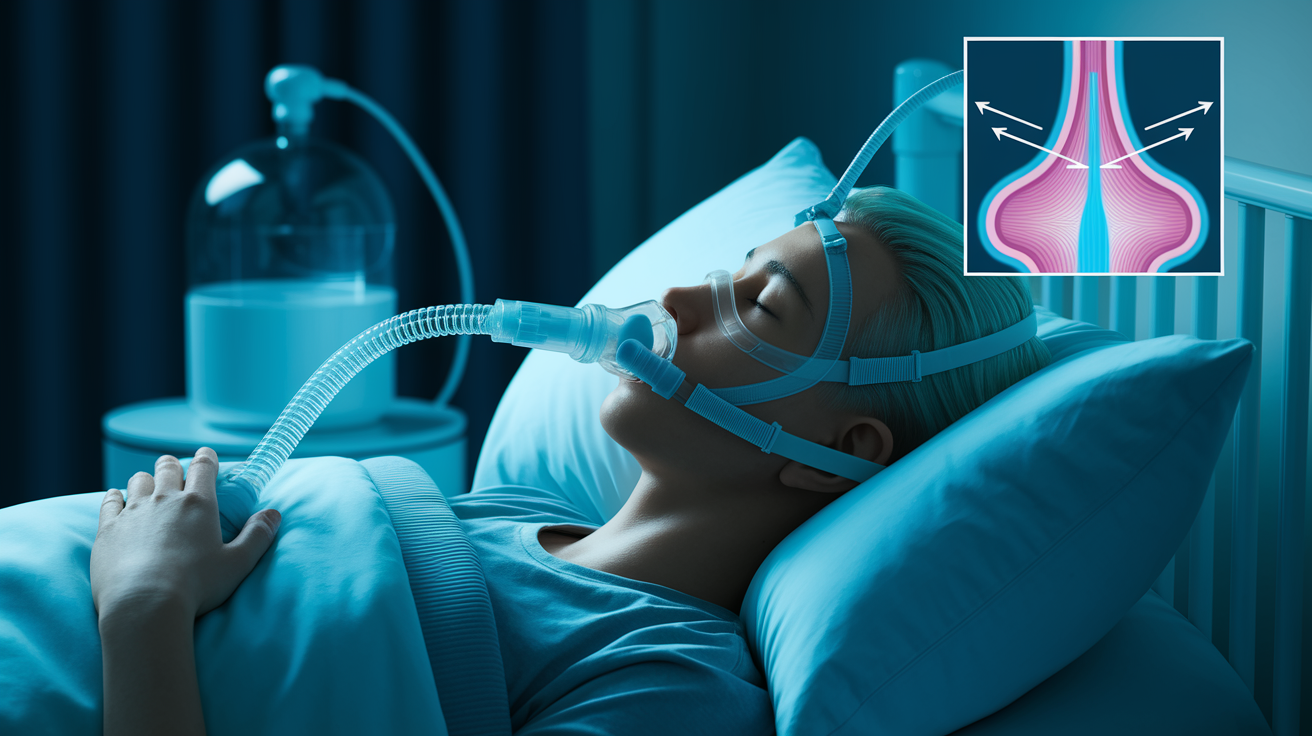
Sleep disorders reduce sleep efficiency, which is the percentage of time you spend actually asleep versus the total time you’re in bed. Even if you’re lying down for eight hours, a sleep disorder can fragment your night into dozens of brief awakenings or prevent you from reaching the deeper stages your body needs to recover. You might not remember waking up, but your sleep tracker or a bed partner might notice the constant movement, snoring, or breathing interruptions that keep pulling you out of restorative sleep.
Sleep apnea is one of the most common culprits. It causes repeated pauses in breathing throughout the night, often dozens or even hundreds of times. Each pause triggers a micro-awakening as your brain briefly rouses you to restart breathing. An apnea-hypopnea index of five or more events per hour suggests sleep apnea. Fifteen or more is considered moderate, and thirty or more is severe. You might notice loud snoring, gasping or choking sounds during the night, morning headaches, or pronounced daytime sleepiness. Because your oxygen levels drop repeatedly, your body never settles into the deep, uninterrupted sleep it needs.
Insomnia makes it hard to fall asleep or stay asleep, and restless legs syndrome causes uncomfortable sensations in your legs that are only relieved by movement. If it takes you more than thirty minutes to fall asleep most nights, or if you wake up frequently and struggle to get back to sleep, insomnia is likely reducing your total sleep time and quality. Restless legs syndrome often worsens at night and can be linked to low iron levels. The constant need to move your legs fragments your sleep and prevents you from staying in deeper stages long enough to feel restored.
Hypersomnia and circadian rhythm disorders also cause persistent tiredness. Hypersomnia means you feel excessively sleepy even after long sleep, sometimes ten or more hours a night. Circadian rhythm disorders, like delayed sleep phase disorder or shift work disorder, misalign your internal biological clock with your actual schedule. You might be in bed for eight hours, but your body’s natural sleep-wake cycle is telling it to be awake, so the sleep you do get is lighter and less restorative.
| Disorder | Primary Impact on Rest |
|---|---|
| Sleep apnea | Repeated breathing pauses cause oxygen drops and constant micro-awakenings |
| Insomnia | Difficulty falling or staying asleep reduces total restorative sleep time |
| Restless legs syndrome | Nighttime leg discomfort and movement fragment sleep and prevent deep stages |
| Hypersomnia | Excessive sleepiness persists despite extended time in bed |
Lifestyle Habits That Lead to Morning Fatigue
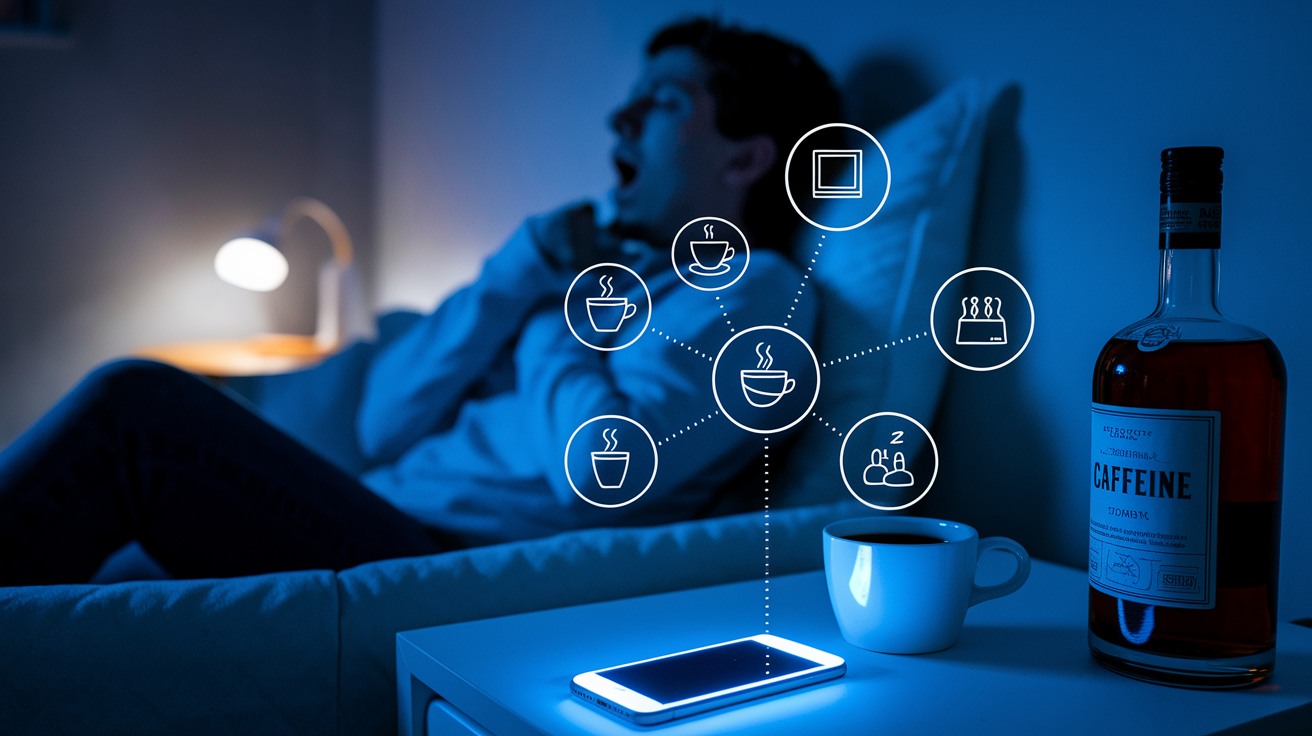
What you do in the hours before bed directly affects how well you sleep. Blue light from screens suppresses melatonin, the hormone that signals your body it’s time to sleep. Caffeine has a half-life of about five to six hours, which means drinking coffee or tea even in the late afternoon can still be in your system at bedtime, reducing the amount of deep sleep you get. Large meals close to bedtime activate your digestive system and can cause discomfort that pulls you out of deeper sleep. All of these habits chip away at sleep quality without necessarily making it obvious that you’re sleeping poorly.
Stress and overstimulation before bed keep your mind and body in a heightened state that’s incompatible with deep sleep. When you’re anxious or mentally wired, your cortisol levels stay elevated and your heart rate remains higher than it should be for restful sleep. Even if you manage to fall asleep, your sleep will be lighter and more fragmented. Scrolling through work emails, watching intense shows, or replaying stressful thoughts right before bed all train your nervous system to stay alert when it should be winding down.
Consistent routines help your body anticipate sleep and shift into rest mode more smoothly. Going to bed and waking up at wildly different times, even just on weekends, disrupts your circadian rhythm and makes it harder to fall asleep and wake up feeling refreshed. Your body relies on predictable timing to regulate melatonin and cortisol, so irregular schedules leave you fighting your own biology.
Common lifestyle habits that cause morning tiredness:
- Drinking caffeine within six hours of bedtime
- Using screens or bright lights in the hour before sleep
- Consuming alcohol within two to three hours of bedtime
- Eating large or heavy meals late in the evening
- Exercising intensely within one to two hours of trying to sleep
- Maintaining an inconsistent sleep schedule, especially on weekends
Medical Conditions That Cause Tiredness Despite Full Sleep

Metabolic and hormonal disorders can quietly drain your energy even when your sleep duration looks fine. Hypothyroidism slows down almost every process in your body, including how efficiently you produce and use energy. You might sleep a full eight hours but still wake up feeling sluggish, cold, and mentally foggy because your thyroid isn’t signaling your cells to work at normal speed. Similarly, hormonal changes during your menstrual cycle, pregnancy, or menopause can disrupt sleep quality and reduce how rested you feel, even if you’re spending enough time in bed.
Nutrient deficiencies are another common but often overlooked cause of persistent fatigue. Iron-deficiency anemia means your blood can’t carry enough oxygen to your tissues, leaving you tired no matter how much you sleep. Low ferritin levels, even before full anemia develops, are linked to restless legs syndrome and can fragment your sleep throughout the night. Deficiencies in vitamin D, B12, or magnesium also interfere with energy production and nervous system function, making it harder for your body to recover during sleep.
Chronic conditions like depression, anxiety, heart disease, or chronic fatigue syndrome can all create a mismatch between how long you sleep and how rested you feel. Depression and anxiety often cause restless, unrefreshing sleep and leave you mentally exhausted during the day. Heart conditions can reduce circulation and oxygen delivery, and chronic fatigue syndrome disrupts the body’s ability to recover normally after sleep. If you’ve been waking up tired for weeks despite good sleep habits and adequate time in bed, it’s worth checking in with a clinician to rule out these underlying issues. Bloodwork can identify thyroid problems, anemia, and vitamin deficiencies. A sleep study can catch apnea or other disorders. And a thorough health review can spot patterns suggesting a chronic condition.
Circadian Rhythm Disruptions and Their Impact on Morning Energy
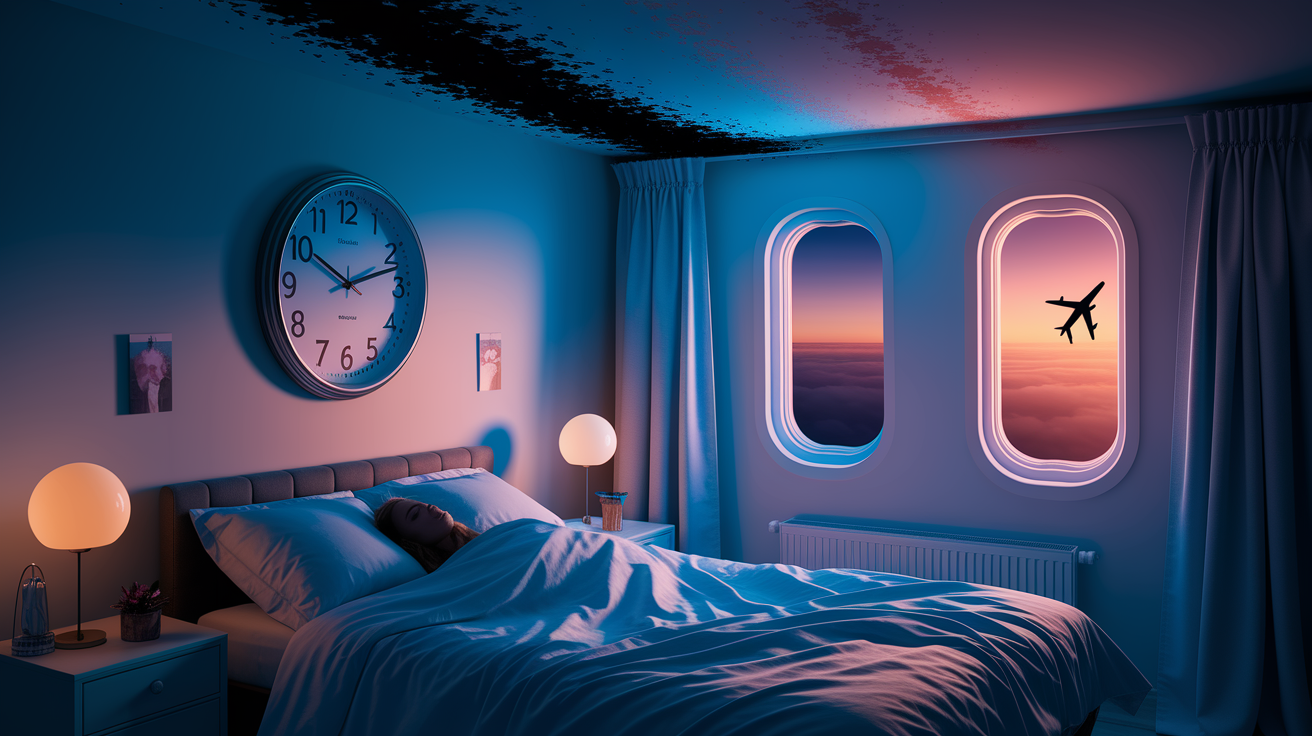
Your circadian rhythm is your body’s internal twenty-four-hour clock that regulates when you feel alert and when you feel sleepy. It controls the release of hormones like melatonin and cortisol, influences your body temperature, and determines the timing and depth of your sleep stages. When this rhythm is aligned with your actual schedule, you naturally feel sleepy at night and alert in the morning. When it’s misaligned, you can spend eight hours in bed but still wake up exhausted because your body wasn’t primed for deep, restorative sleep during those hours.
Misalignment reduces the time you spend in REM and deep sleep, the stages that are most restorative. If your circadian rhythm is telling your brain it’s the middle of the day while you’re trying to sleep, your sleep will be lighter and more fragmented. You might fall asleep eventually, but you’ll spend more time in stage one and stage two light sleep and less time in the deeper stages that leave you feeling truly rested. This is why people with delayed sleep phase disorder, who naturally feel alert late into the night, often feel terrible when forced to wake up early even after a full night in bed.
Shift work and jet lag create persistent circadian disruption. Shift workers who sleep during the day are fighting against their biology. Daylight and environmental noise make it harder to stay asleep, and their internal clock keeps signaling wakefulness. Jet lag temporarily shifts your biological timing so that your body expects to be asleep when you’re trying to be awake, and vice versa. Both conditions leave you with poor sleep quality and chronic tiredness that doesn’t resolve just by spending more time in bed. The solution usually requires gradually shifting your schedule, using bright light exposure strategically, and maintaining consistency even on days off.
Practical Steps to Improve How Rested You Feel
Optimizing sleep hygiene improves sleep quality by removing common barriers to deep, restorative sleep. Sleep hygiene isn’t about perfection. It’s about creating conditions that make it easier for your body to do what it’s designed to do. Small, consistent changes to your environment and pre-bed routine can add up to noticeably better mornings. Most people see improvement within a few days to a week once they address the habits that were quietly fragmenting their sleep.
Your environment and timing influence how much deep sleep you get. Keep your bedroom cool, ideally between sixty and sixty-seven degrees Fahrenheit, because a slight drop in body temperature helps trigger sleep. Make the room as dark as possible. Even small amounts of light can suppress melatonin and cause brief awakenings you don’t remember. Reduce noise or use a white noise machine to mask disruptive sounds. Go to bed and wake up at the same time every day, including weekends, to keep your circadian rhythm stable. Expose yourself to bright natural light in the morning to reinforce your wake signal, and dim the lights in the evening to let melatonin rise naturally.
Diet and caffeine habits matter more than most people realize. Avoid caffeine after mid-afternoon, as it can stay in your system for five to six hours and reduce deep sleep even if you fall asleep on time. If you drink alcohol, finish at least two to three hours before bed. Alcohol might help you fall asleep faster, but it fragments sleep later in the night and reduces REM sleep. Avoid large or heavy meals close to bedtime, as active digestion can interfere with falling and staying asleep. Stay hydrated during the day, but limit fluids in the hour before bed to reduce middle-of-the-night bathroom trips.
Professional help is recommended if sleep hygiene changes don’t improve how you feel within two to three weeks, or if you notice red flags like loud snoring, gasping during sleep, excessive daytime sleepiness, or other symptoms suggesting a sleep disorder or medical condition. A sleep study can diagnose apnea or movement disorders, and bloodwork can identify thyroid problems, anemia, or vitamin deficiencies. Cognitive behavioral therapy for insomnia has strong evidence for treating chronic sleep issues, and treatments like CPAP therapy for sleep apnea or iron supplementation for low ferritin can make a dramatic difference.
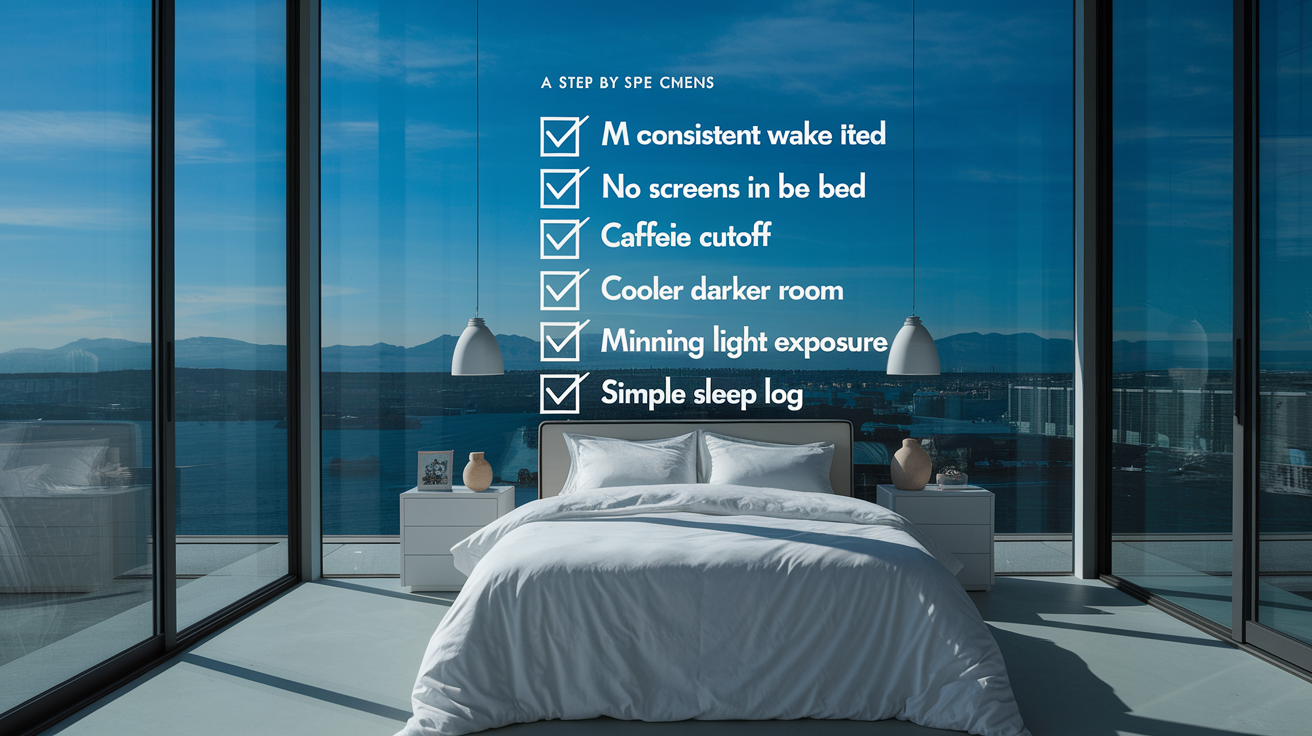
Six steps you can implement immediately to feel more rested:
- Set a consistent wake time and stick to it every day, even on weekends, to stabilize your circadian rhythm.
- Stop using screens at least one hour before bed, and avoid doing anything in bed except sleep.
- Cut off caffeine at least six hours before bedtime, and finish any alcohol two to three hours before you plan to sleep.
- Make your bedroom cooler, darker, and quieter. Use blackout curtains, earplugs, or a white noise machine if needed.
- Get bright natural light exposure within an hour of waking up to reinforce your body’s wake signal.
- Keep a simple sleep log for one to two weeks, noting bedtime, wake time, and how rested you feel, to spot patterns and share with a clinician if needed.
Final Words
You now know the main reasons you still feel tired after 8 hours of sleep: fragmented sleep, sleep disorders, lifestyle habits that cut deep sleep, circadian mismatch, and medical issues like anemia or thyroid imbalance.
Small, focused changes—consistent bedtimes, less evening caffeine and screens, a cooler, darker room, and checking key nutrients—can boost how rested you feel in days.
If you’re still wondering why do i wake up tired even after 8 hours, keep a simple sleep log and check in with your clinician; most people improve with a few steady steps.
FAQ
Q: Why do I sleep 8 hours but still wake up tired?
A: Sleeping eight hours but still waking up tired often means sleep quality, not quantity, is poor—sleep fragmentation, wrong timing, untreated sleep disorders, late caffeine, stress, or medical issues can cause it.
Q: What is the 10 5 3 2 1 rule for sleep?
A: The 10 5 3 2 1 rule for sleep is a wind-down guide that staggers cutoffs before bed—gradually stop stimulating foods, caffeine, alcohol, intense activity, and screens to help your body relax.
Q: What deficiencies cause fatigue?
A: Deficiencies that cause fatigue include low iron (anemia), low vitamin B12, low vitamin D, and low magnesium or other electrolytes, which reduce energy production and oxygen delivery, making you feel tired.
Q: Is sleep apnea making me tired?
A: Sleep apnea can make you tired by causing repeated breathing pauses that fragment sleep and lower oxygen levels, so you miss deep restorative stages and wake up unrefreshed.