

Think skipping lunch is harmless? Think again.
If you get a headache when you don’t eat, low blood sugar is often the main reason.
Your brain needs a steady stream of glucose, and when levels fall your body dumps out stress hormones that change blood flow and cause pain.
Dehydration and skipping your usual coffee can make it worse.
This post shows how falling glucose, hormones, fluids, and caffeine stack up, offers quick fixes to stop the ache fast, and gives a simple 3-day plan to prevent repeat headaches.
Key Reasons You Get Headaches When You Don’t Eat (Immediate Explanation)
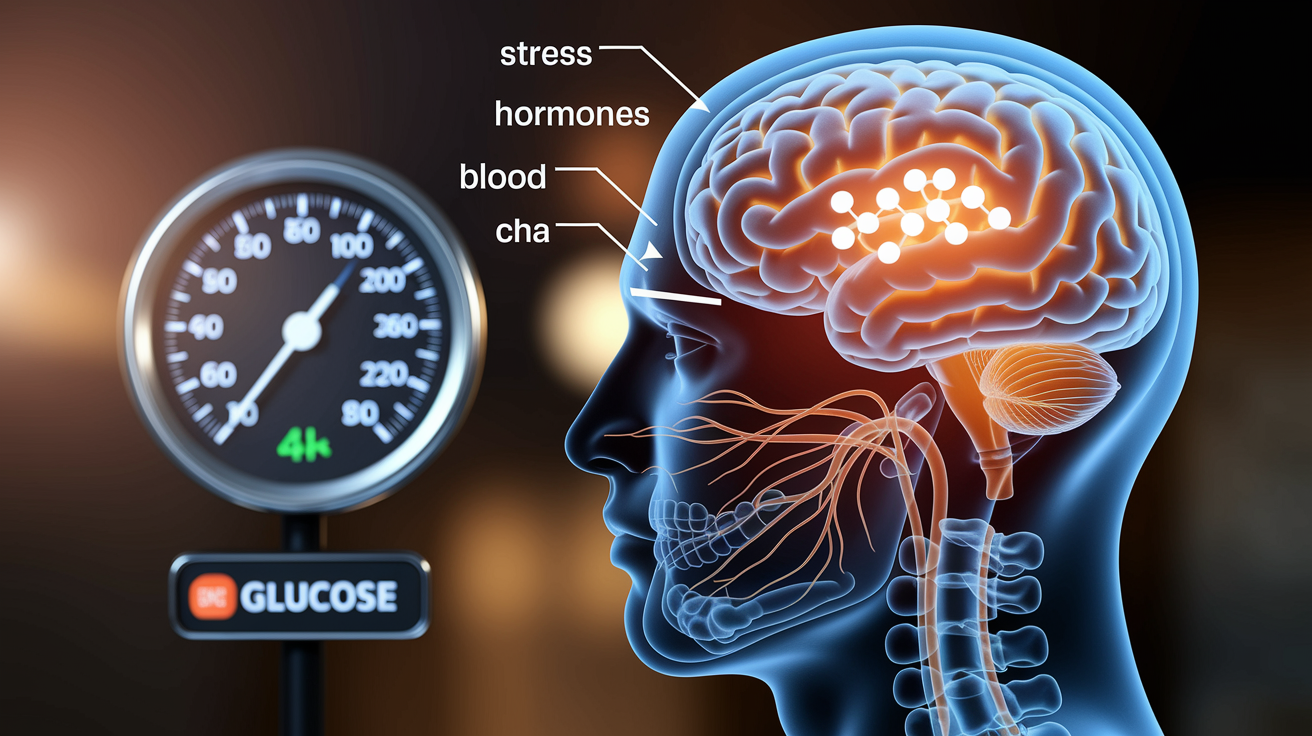
Skip a meal and a headache shows up? Low blood sugar is usually the culprit. Your brain runs on glucose and can’t store fuel the way muscles do. When blood glucose drops below around 70 mg/dL, your body dumps out stress hormones to push it back up. Those hormones mess with blood flow in your brain and trigger pain. Missing a meal also means you’re probably missing fluids, which shrinks blood volume and can make your head hurt. And if you normally grab coffee with breakfast and skip it, you’re stacking caffeine withdrawal on top of everything else. That causes blood vessels to dilate and brings on a dull, throbbing ache.
Around 15 to 30 percent of people who get migraines say missed meals trigger them. For others, it’s more of a generalized dull pressure that creeps in a few hours after the last bite. Timing depends on how much fuel you stored from your previous meal and how active you’ve been since, but most people notice hunger headaches somewhere between 2 and 6 hours after eating.
Falling glucose, rising stress hormones, dehydration, sudden caffeine changes. Each one can lower your headache threshold on its own. Stack them together and the effect gets stronger. Once you know which pieces are at work, you can stop the headache before it builds.
The most common triggers:
- Hypoglycemia – Blood glucose below 70 mg/dL starves the brain and signals distress.
- Stress hormone release – Cortisol, adrenaline, and glucagon spike to raise blood sugar but also mess with blood vessel tone and neurotransmitter levels.
- Dehydration – Skipping meals often means skipping fluids, which reduces blood volume and tugs on pain-sensitive tissues around the brain.
- Caffeine withdrawal – Missing your usual caffeinated drink changes adenosine receptors and causes vasodilation.
- Neurovascular changes – Shifts in serotonin and other signaling molecules can trigger the migraine cascade if you’re susceptible.
Biological Mechanisms Behind Hunger Headaches
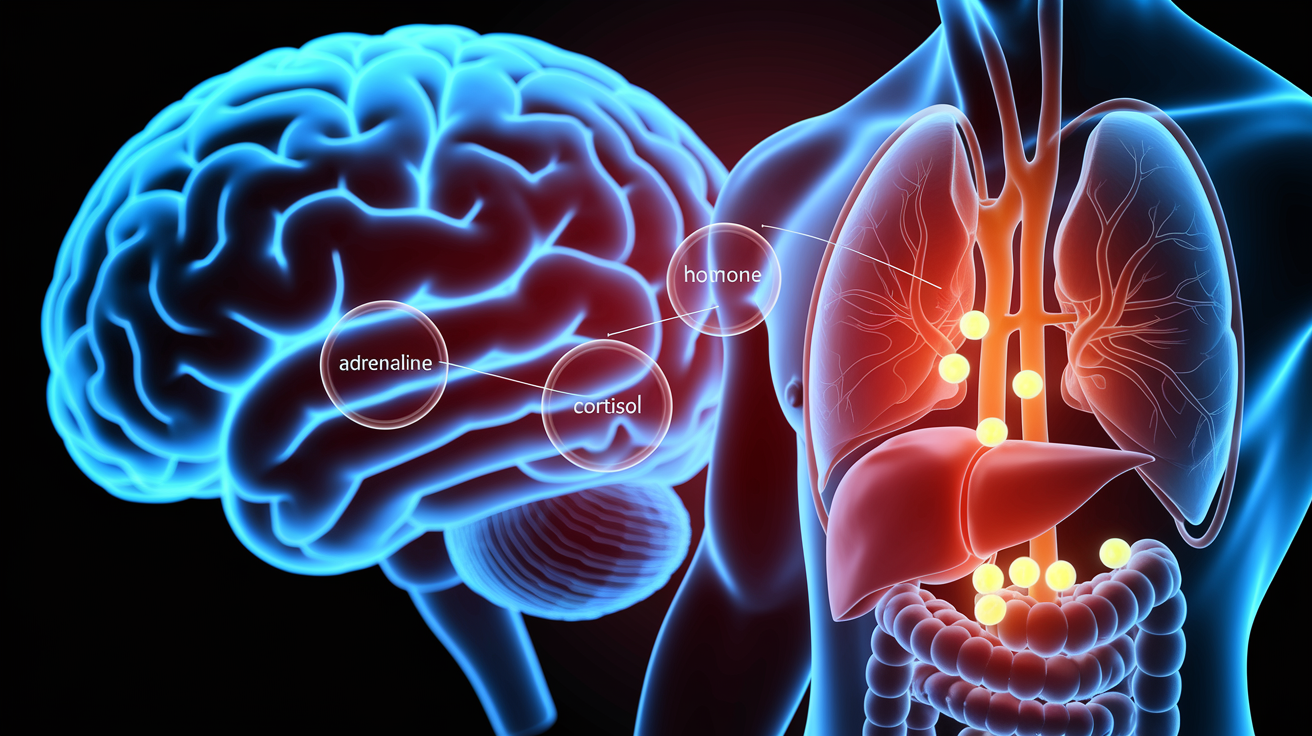
Your brain uses about 20 percent of your body’s total glucose even though it’s only around 2 percent of your body weight. It can’t make or store glucose, so it depends on a continuous supply from your bloodstream. Skip a meal and blood glucose starts to fall. Sensors in your liver and pancreas pick up the drop and send signals to release counter-regulatory hormones: glucagon, growth hormone, cortisol, and adrenaline. Their job is to pull stored glucose out of your liver and raise your blood sugar back to a safe range. That works, but the hormones themselves have side effects that contribute to headaches.
Adrenaline and cortisol change the tone of blood vessels. Some constrict, others dilate. They also shift neurotransmitter activity, especially serotonin, which plays a central role in migraine pathways. At the same time, low glucose makes neurons more excitable. In people prone to migraines, this combination can set off cortical spreading depression, the wave of nerve activity that triggers the visual aura and pain of a migraine attack. Even if you don’t get classic migraines, the vascular and neuronal changes from stress hormones and low fuel can produce a steady, dull headache that feels like pressure across your forehead or temples.
Glycogen Depletion and Stress Hormone Response
When you first skip a meal, your liver breaks down stored glycogen to release glucose into your blood. Most people have enough glycogen to maintain blood sugar for about 6 to 12 hours without eating. That window shrinks if you’ve been active or if your last meal was high in refined carbs that caused a quick insulin spike followed by a fast drop. Once glycogen runs low, your liver switches to making glucose from amino acids and other non-carb sources through gluconeogenesis. That process is slower and less efficient. During the lag, your blood sugar can dip below 70 mg/dL.
The moment glucose falls into the hypoglycemic range, your adrenal glands release adrenaline. You feel this as shakiness, sweating, a rapid heartbeat, and sometimes anxiety or irritability. Adrenaline also causes your blood vessels to constrict in some areas and dilate in others. That uneven vascular response directly triggers headache pain. Cortisol rises more gradually and helps sustain the counter-regulatory response, but elevated cortisol over several hours can worsen inflammation and vascular instability, deepening the headache. The neuronal side of the problem comes from reduced glucose delivery to brain cells. When neurons don’t have enough fuel, their electrical activity becomes erratic. That hyperexcitability can initiate the same pathways that cause migraines, even in people who don’t have a formal migraine diagnosis.
Hunger Headache Timeline and Early Warning Signs
Most people start to feel the first signs of a hunger headache about 4 to 6 hours after their last meal. If you have low glycogen stores because you ate a very light breakfast or a meal heavy in simple sugars, the timeline can compress to 2 to 4 hours. The headache usually begins as a mild pressure or dull ache, often across the forehead or at the temples. It builds gradually over the next hour or two if you don’t eat.
Caffeine withdrawal headaches follow a different clock. They typically start 12 to 24 hours after your last dose, peak somewhere between 20 and 51 hours, and can last 2 to 9 days if you don’t taper your intake. If you normally drink coffee with breakfast and skip both the meal and the coffee, you might start with a hypoglycemia headache in the morning and layer a caffeine withdrawal headache on top of it by the afternoon.
Six common early warning signs that a hunger headache is starting:
- Noticeable hunger or an empty, gnawing feeling in your stomach
- Shakiness or a slight tremor in your hands
- Sweating that seems out of proportion to the temperature
- Nausea or a queasy sensation
- Difficulty concentrating or feeling mentally foggy
- Blurred vision or slight lightheadedness when you stand up
Other Causes of Headaches When You Don’t Eat (Beyond Blood Sugar)
Dehydration is one of the most overlooked contributors to headaches when you skip meals. When you don’t eat, you often don’t drink either, especially if your usual meal routine includes a glass of water, juice, or milk. Even mild dehydration reduces your blood volume, which lowers the amount of oxygen reaching your brain. It also causes the brain to pull slightly away from the skull, tugging on pain-sensitive membranes called meninges. That mechanical pull can trigger a dull, persistent headache that gets worse when you move your head or stand up quickly.
Hormonal shifts beyond the classic stress response also play a role. Ghrelin, the hormone that makes you feel hungry, rises sharply when you haven’t eaten for several hours. Some research suggests that elevated ghrelin might influence headache pathways directly, though the exact mechanism isn’t fully understood yet. Leptin, which signals fullness, drops when you fast. Low leptin has been linked to changes in pain perception and inflammation. Together, these hormone changes can lower your headache threshold even if your blood sugar hasn’t dropped into the hypoglycemic range.
Caffeine withdrawal deserves special attention because it’s so common and so predictable. Caffeine blocks adenosine receptors in your brain. Adenosine normally causes blood vessels to dilate, but when caffeine is present it prevents that dilation. When you suddenly stop caffeine, adenosine floods the receptors all at once and causes a rebound vasodilation. That rapid widening of blood vessels is what produces the throbbing, pressure-like headache that peaks a day or two after you stop. If you usually drink caffeinated beverages with meals, skipping the meal means skipping the caffeine, and the withdrawal headache can start within hours.
Four contributing factors beyond low blood sugar:
- Reduced fluid intake – Missing meals often means missing hydration, which lowers blood volume and cerebral perfusion.
- Ghrelin elevation – Rising hunger hormones might directly affect headache pathways and pain sensitivity.
- Caffeine cessation – Skipping your usual coffee or tea triggers adenosine-driven vasodilation and rebound headaches.
- Electrolyte shifts – Low sodium or potassium from inadequate food and fluid can worsen vascular and neuronal instability.
Foods and Snacks That Stop Hunger Headaches Fast
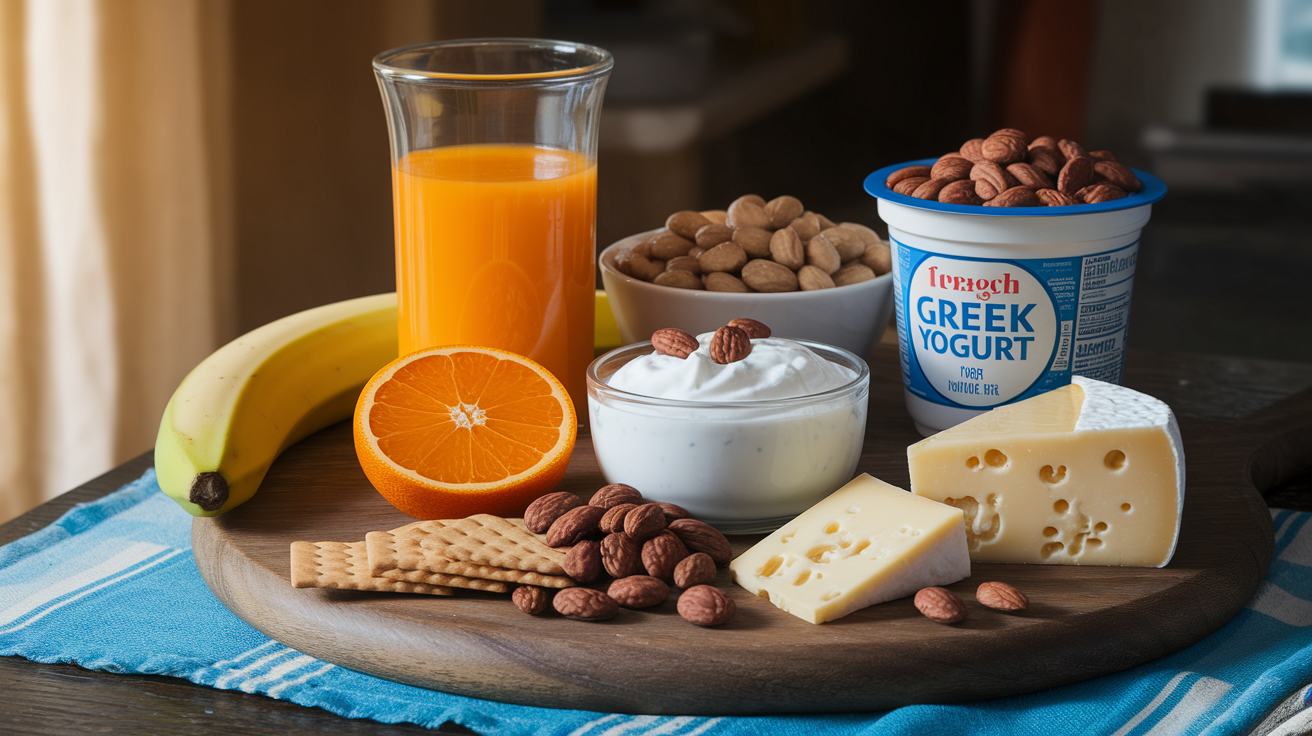
When a hunger headache starts, the fastest way to stop it is to raise your blood sugar with 15 to 20 grams of fast-acting carbohydrate. That’s about 4 ounces (120 mL) of fruit juice, 3 to 4 glucose tablets, or 1 tablespoon of honey or table sugar. These options hit your bloodstream within 10 to 15 minutes and give your brain the glucose it needs to quiet the stress response and vascular changes. Don’t rely on chocolate or candy bars because the fat in them slows absorption and delays relief.
Once the immediate headache starts to ease, follow up within 30 to 60 minutes with a balanced snack that includes protein and fiber. This keeps your blood sugar stable and prevents a second crash. If you only eat the quick carbs and stop there, your insulin will spike, your blood sugar will drop again, and the headache will come back. The protein and healthy fat in a balanced snack slow digestion and give you a steady release of glucose over the next few hours.
Fast-Acting Carbs for Quick Relief
For the first 15 to 20 grams of carbohydrate, choose options that don’t require digestion of complex starches or breakdown of fiber. Pure glucose is ideal, which is why people with diabetes carry glucose tablets. If you don’t have tablets, small amounts of natural sugar work just as well. Half a banana provides about 15 grams of carbohydrate and is easy to carry. A small apple has slightly more, around 20 grams, but takes a few minutes longer to digest because of the fiber. Four ounces of orange juice or apple juice gives you exactly the right amount and is absorbed quickly because the sugar is already dissolved.
Once you’ve taken the fast carbs, wait 15 minutes and check how you feel. If the shakiness and nausea are gone and the headache is starting to fade, move on to a balanced snack. If symptoms haven’t improved, take another 15 grams and wait another 15 minutes before eating more.
Eight snack options with quantities to prevent the next headache:
- 1 small apple plus 1 to 2 tablespoons of peanut or almond butter (about 5 to 7 grams of protein)
- 6 to 8 whole-grain crackers with 1 ounce (28 grams) of cheese (about 6 to 8 grams of protein)
- Greek yogurt, 150 to 200 grams, plain or low-sugar (about 12 to 18 grams of protein)
- 1 hard-boiled egg with a handful of baby carrots or cherry tomatoes (about 6 grams of protein)
- A small handful (about 1 ounce) of mixed nuts and 1 small piece of fruit
- Half a turkey or chicken sandwich on whole-grain bread (about 10 to 15 grams of protein)
- Hummus (about 2 tablespoons) with sliced bell pepper or cucumber
- A protein smoothie made with 1 scoop of protein powder, half a banana, and unsweetened almond milk (about 20 grams of protein)
Meal Timing Tips to Prevent Headaches From Skipping Meals
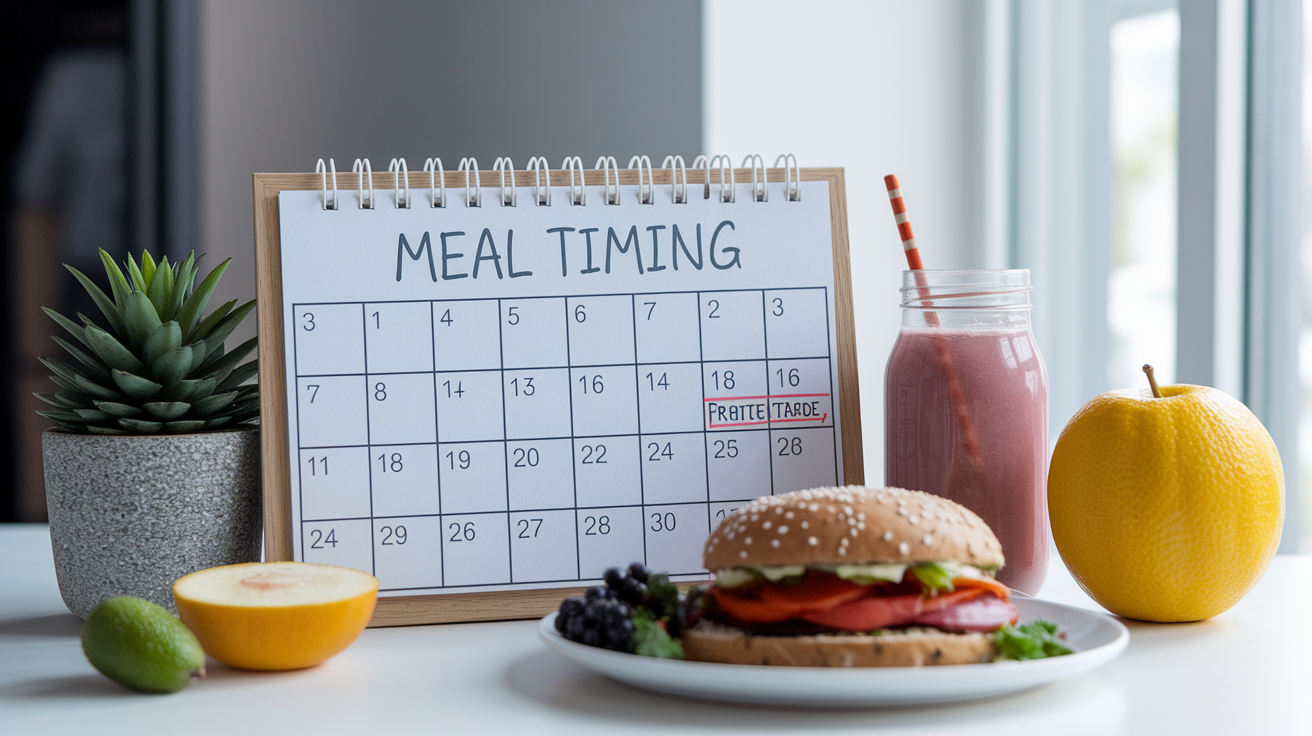
The simplest way to avoid hunger headaches is to eat at regular intervals that match your body’s fuel needs. For most people, that means a meal or snack every 3 to 4 hours during waking hours. If you’re prone to headaches, don’t let more than 6 to 8 hours pass without food during the day, and try to keep your overnight fast under 12 hours. Going longer than that increases the chance that your blood sugar will drop into the hypoglycemic range, especially if you’ve been active or if your last meal was light on protein and fat.
Protein is the key to stable blood sugar because it digests slowly and doesn’t cause the insulin spikes that refined carbs do. At each main meal, shoot for 20 to 30 grams of protein. That could be 3 to 4 ounces of chicken, fish, or tofu, two eggs, or a large serving of Greek yogurt. At snacks, target 10 to 15 grams of protein, which is enough to slow digestion and keep glucose steady for a few hours. Pair the protein with a source of fiber or healthy fat so you get a gradual release of energy instead of a quick spike and crash.
If you know you have a busy day ahead with unpredictable meal times, plan your breakfast carefully. Eating a protein-rich breakfast within 2 hours of waking sets a stable baseline for the day and reduces the chance of a mid-morning headache. Skipping breakfast and pushing your first meal to lunchtime leaves you running on stored glycogen all morning. For many people, that’s enough to trigger a headache by noon.
| Time of Day | Ideal Meal or Snack Strategy | Protein and Carb Targets |
|---|---|---|
| Within 2 hours of waking | Breakfast with protein, complex carbs, and healthy fat | 20–30 g protein, 30–40 g complex carbs |
| 3–4 hours after breakfast | Mid-morning snack if lunch will be late | 10–15 g protein, 15–20 g carbs |
| Midday (lunch) | Balanced meal with protein, vegetables, whole grains | 20–30 g protein, 40–50 g complex carbs |
| 3–4 hours after lunch | Afternoon snack to bridge to dinner | 10–15 g protein, 15–20 g carbs |
| Evening (dinner) | Protein, fiber, healthy fat to sustain overnight | 20–30 g protein, 30–40 g complex carbs |
Hydration and Caffeine Strategies for Hunger Headache Prevention

Staying hydrated is just as important as eating on time because even mild dehydration can turn a mild dip in blood sugar into a full headache. Shoot for about 1.5 to 2 liters of water per day, adjusting up if you’re active, in a hot climate, or sweating heavily. When you first notice the early signs of a headache, drink 200 to 300 mL (about 6 to 10 ounces) of water right away. That small amount can improve blood volume and cerebral perfusion enough to take the edge off the pain while you get food.
If you tend to lose a lot of fluid through sweat or if you’re not eating much salt, consider adding electrolytes to your water. Sodium, potassium, and magnesium help your cells hold onto water and maintain normal nerve and muscle function. You don’t need a fancy sports drink. A pinch of sea salt in your water or a low-sugar electrolyte powder works just as well and doesn’t add the refined sugars that can worsen blood glucose swings.
Caffeine is trickier because it can both help and hurt. A small, consistent dose of caffeine each day is usually fine and might even prevent headaches in some people. The problem comes when you stop suddenly or when you’re inconsistent. If you normally drink coffee with breakfast and skip it one day, the withdrawal headache can start by mid-afternoon and layer on top of any hunger headache you already have. If you want to reduce your caffeine intake, taper gradually over several days instead of quitting cold. Drop your intake by about a quarter every few days until you’re at your target level.
Four hydration and caffeine tactics to prevent headaches:
- Drink 200 to 300 mL of water at the first sign of a headache, before or alongside food.
- Keep your daily fluid intake around 1.5 to 2 liters, adjusting for activity and climate.
- Add a pinch of salt or electrolyte powder to your water if you sweat heavily or eat a low-sodium diet.
- Taper caffeine slowly if you plan to cut back, reducing intake by about 25 percent every few days to avoid withdrawal headaches.
When Hunger Headaches Signal a More Serious Issue

Occasional hunger headaches that go away when you eat are common and not a cause for concern. But if you’re getting frequent headaches even when you’re eating regularly, or if your blood sugar is dropping into the hypoglycemic range (below 70 mg/dL) without a clear reason, talk to a doctor. Recurrent hypoglycemia can be a sign of insulin resistance, prediabetes, or in rare cases a hormone imbalance or tumor that affects glucose regulation. Persistent headaches that don’t respond to food and hydration might point to migraine disorder, a structural problem in the brain, or another neurologic condition that needs evaluation.
If you have diabetes or take medication that lowers blood sugar, even mild symptoms of hypoglycemia should be monitored closely. Blood glucose below 54 mg/dL is considered clinically significant. Repeated episodes at that level increase your risk of severe hypoglycemia, which can cause confusion, seizures, or loss of consciousness. People with reactive hypoglycemia, where blood sugar drops sharply 2 to 3 hours after eating, may also need testing to check insulin levels, cortisol, and thyroid function. A continuous glucose monitor or regular fingerstick checks can help you and your doctor see patterns and adjust your diet or medication.
Red Flag Symptoms Requiring Medical Evaluation
Seek medical care right away if you experience fainting, seizures, or confusion along with a headache and low blood sugar. These are signs that your brain isn’t getting enough glucose, and they require immediate treatment. Also see a doctor if you develop a new, severe headache that’s different from any you’ve had before, especially if it comes on suddenly or is accompanied by vision changes, weakness, numbness, or difficulty speaking. Those symptoms can indicate a stroke, bleeding in the brain, or another emergency.
Other warning signs that warrant a doctor visit include headaches that are getting worse over time despite regular eating, headaches that wake you up at night, unexplained weight loss or gain, excessive thirst, or frequent urination. These can be signs of diabetes, thyroid disorders, or hormonal imbalances that affect how your body uses glucose. Keeping a headache and food diary that tracks what you eat, when you eat, your hydration, caffeine intake, and when headaches occur can give your doctor valuable information to guide testing and diagnosis. Simple tests like fasting blood glucose, HbA1c, insulin levels, and cortisol can help identify metabolic problems. A referral to a neurologist or endocrinologist might be needed if initial testing doesn’t find a clear cause.
Practical Solutions for Different Lifestyles to Prevent Hunger Headaches

Everyone’s schedule is different. The strategies that work for someone with a predictable desk job won’t always fit someone who travels for work, trains for a sport, or has irregular hours. The core principles are the same: eat every 3 to 4 hours, prioritize protein and fiber, stay hydrated. But how you apply them depends on your day-to-day routine and the challenges you face.
For Busy Professionals
If you work long hours at a desk or spend your day in back-to-back meetings, it’s easy to look up at 3 pm and realize you skipped lunch. Set a recurring reminder on your phone or calendar to eat every 3 to 4 hours. Treat it like any other appointment. Stock your desk or bag with non-perishable snacks that don’t need refrigeration: mixed nuts, low-sugar protein bars, single-serve packets of nut butter, or shelf-stable protein shakes. On Sunday or your day off, spend 30 minutes prepping simple meals you can grab in the morning. Hard-boiled eggs, overnight oats, chopped vegetables with hummus, or grilled chicken portions you can reheat quickly.
When you know a busy week is coming, front-load your breakfast with extra protein and fat so you have a longer buffer before the first hunger signals hit. A two-egg omelet with vegetables and a slice of whole-grain toast will carry you further than a bowl of cereal or a pastry. If you’re stuck in a meeting and can’t step out to eat, keep glucose tablets or a small juice box in your bag so you can take 15 grams of fast carbs discreetly if you start to feel shaky or foggy.
For Athletes
Exercise burns through glycogen faster than almost any other activity. Intense workouts can drop your blood sugar quickly, especially if you train fasted or first thing in the morning. Plan to eat a small meal with carbohydrates and protein 1 to 2 hours before a hard workout. Something like a banana with a tablespoon of almond butter or a slice of toast with an egg gives you enough fuel to sustain performance without feeling too full. If you’re doing a long endurance session, carry quick carbs with you (dates, glucose gels, or even a small sports drink) and take them every 45 to 60 minutes to keep your blood sugar stable.
After your workout, eat a combination of protein and carbohydrate within 30 minutes. This window is when your muscles are most efficient at restoring glycogen, and it also prevents the post-exercise blood sugar dip that can trigger a headache an hour or two later. A protein shake with a piece of fruit, Greek yogurt with granola, or a turkey sandwich all work well. If you’re training twice a day or doing very high-intensity work, consider checking your blood glucose with a fingerstick meter before and after workouts so you can see how your body responds and adjust your fueling strategy.
For Travelers
Travel disrupts meal timing more than almost anything else. You’re in airports with limited healthy options, crossing time zones, skipping meals because you’re rushing to catch a flight, or eating at odd hours because of meetings in a new city. Best defense? Pack portable, nutrient-dense snacks that can substitute for a meal if you need them to. Protein bars, trail mix, single-serve nut-butter packets, and shelf-stable jerky all travel well and don’t require refrigeration. Tuck a few in your carry-on and your checked bag.
On the plane, drink extra water because cabin air is extremely dry and dehydration makes hunger headaches worse. Avoid relying on the snack cart. Airline snacks are usually high in refined carbs and low in protein, and they’ll spike your blood sugar and leave you crashing an hour later. If you’re changing time zones, try to eat at the local meal times as soon as you arrive, even if you’re not hungry, to help reset your circadian rhythm and keep your blood sugar steady. And if you’re jet-lagged and tempted to skip breakfast because you’re still on your home time zone, resist. Eating a protein-rich breakfast within 2 hours of waking in the new time zone is one of the fastest ways to adjust and prevent the headaches that come with irregular eating and poor sleep.
Final Words
When a headache hits after skipping a meal, it’s usually low blood sugar, stress hormones, dehydration, or caffeine withdrawal. That’s the quick why.
You learned the timeline and warning signs, how stress hormones can trigger pain, quick fixes (15–20 g fast carbs then protein), meal timing every 3–4 hours, and simple hydration and caffeine tips.
If you’re still asking why do i get headaches when i don’t eat, try timed snacks, carry a portable option, and track symptoms for a few days—most people see steady improvement.
FAQ
Q: How to get rid of a fasting headache?
A: A fasting headache can be eased by hydrating, taking 15–20 g quick carbs like juice or glucose tablets, then eating a protein snack, resting, and using an over-the-counter pain reliever if needed.
Q: How can I prevent hunger headaches?
A: You can prevent hunger headaches by eating every 3–4 hours, choosing balanced meals with protein, fiber and healthy fat, staying hydrated, carrying small snacks, and tapering caffeine rather than skipping it.
Q: Why do I get a headache when I skip meals?
A: You get a headache when you skip meals because falling blood sugar triggers stress hormones, brain fuel shortage, and sometimes dehydration or caffeine withdrawal, which cause vascular and nerve changes that produce head pain.
Q: Where are hunger headaches located?
A: Hunger headaches are usually felt across the forehead, temples, or as a general, dull-to-throbbing ache around the whole head, though location can vary by person.