
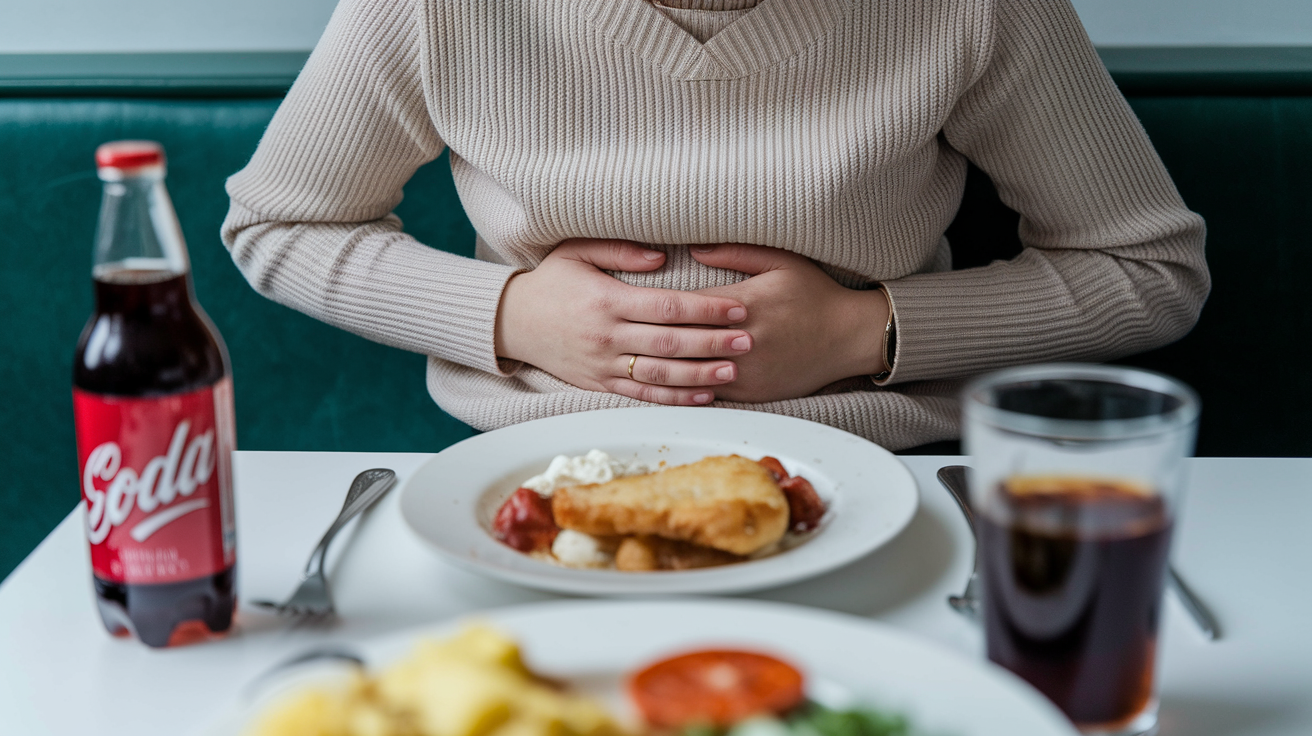
Feeling bloated after every meal doesn’t always mean your food is the problem.
About 20 to 30 percent of people deal with regular bloating, and if you have IBS that jumps to nearly 96 percent.
That tight, full, gassy feeling can come from daily foods, rushed eating, or an undiagnosed gut issue — often a mix of all three.
In this post I’ll name the common triggers, suggest simple swaps and day-to-day habits to try, and explain when to get checked by a pro.
You’ll get small steps to try this week so meals stop stealing your comfort.
Understanding Constant Post‑Meal Bloating and What It Means
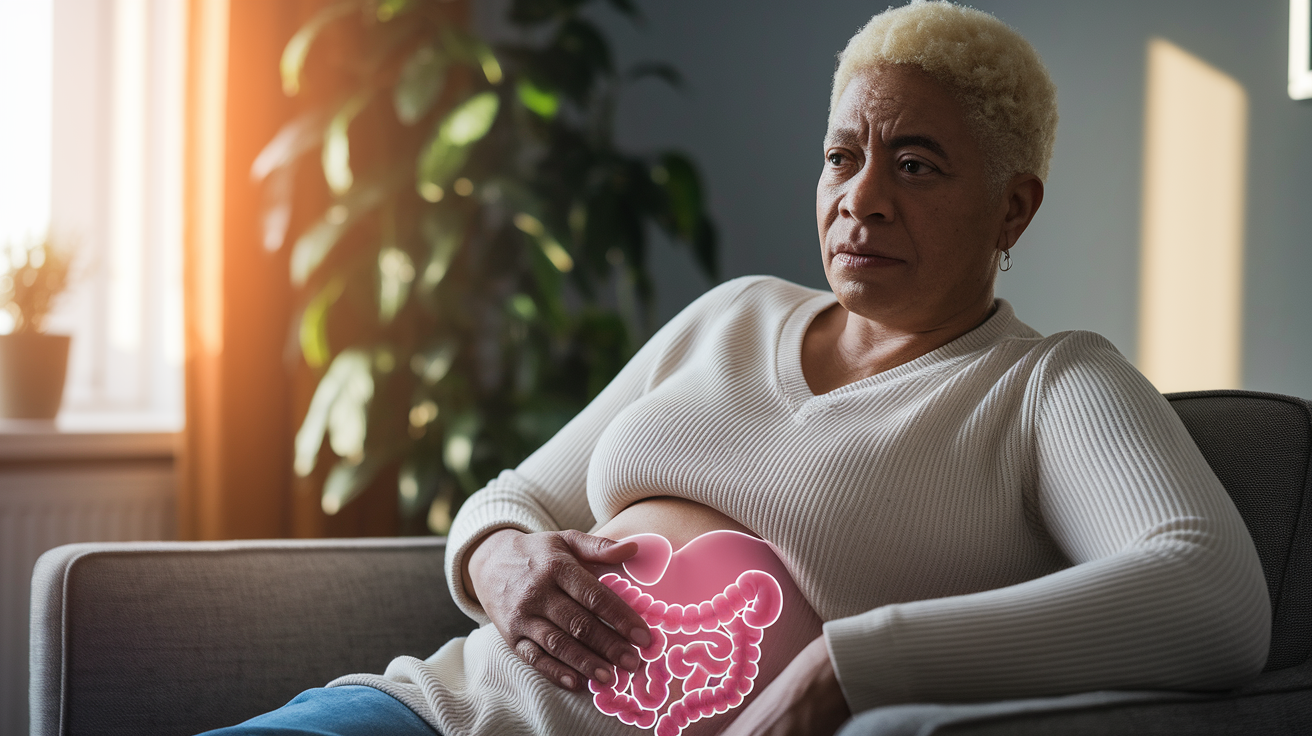
Bloating after meals is that pressure, fullness, or swelling sensation in your stomach that leaves you feeling uncomfortably stuffed or tight. It’s not rare. Roughly 20 to 30 percent of people deal with bloating regularly, and if you’ve got irritable bowel syndrome, the number jumps to nearly 96 percent. This is one of the most common digestive complaints people bring to their doctors, and it can affect how you eat, what you wear, and how you feel every day.
The main reasons bloating happens after you eat are pretty straightforward. Swallowed air is one. When you eat or drink quickly, you take in extra air that stays trapped in your gut. Fermentation is another. Bacteria in your intestines break down undigested food (especially carbohydrates and fiber), and that process releases gas. Delayed stomach emptying means food sits longer in your stomach than it should, creating a heavy, full sensation. Fluid retention can also play a role, especially if you’ve had a salty meal or you’re in the week before your period.
Here are the five signs that what you’re feeling is bloating:
Feeling unusually full, even after a normal sized meal. Stomach discomfort or pain that wasn’t there before eating. Rumbling or gurgling noises from your belly. Visible belly expansion, your pants feel tighter or your stomach looks rounder. Increased gas passing, more than your usual pattern.
When bloating shows up after every meal, it usually means you have a consistent trigger. That could be a food you eat daily, a habit like eating too fast, a digestive condition that slows things down, or a combination of all three. The pattern is the clue. It’s telling you something about how your body is handling what and how you’re eating.
Common Food Triggers Behind Bloating After Meals

Undigested carbohydrates and fiber are often at the center of post meal bloating. When your small intestine can’t fully break down certain sugars or fibers, they travel into your colon, where bacteria ferment them. That fermentation is normal, but it produces gas. Sometimes a lot of it. Foods high in fiber are healthy, but if you suddenly eat more than your gut is used to, the bacteria ramp up their activity and the gas production spikes. The result? A tight, swollen belly and the urge to pass gas.
FODMAPs, lactose, fructose, and sugar alcohols are specific types of carbohydrates that frequently cause trouble. FODMAPs (fermentable oligo, di, monosaccharides, and polyols) are in foods like onions, garlic, apples, and wheat. Lactose is the sugar in milk and dairy products. If your body doesn’t make enough lactase enzyme, it can’t digest lactose, so bacteria do it for you and create gas. Fructose, the sugar in fruit and high fructose corn syrup, can overwhelm your intestine if you eat too much at once. Sugar alcohols like sorbitol, mannitol, and xylitol are in sugar free gum and candies, and they pull water into your gut and ferment easily, leading to bloating and loose stools.
| Food Category | Example Trigger Foods | Why It Causes Bloating |
|---|---|---|
| Cruciferous Vegetables | Broccoli, cabbage, Brussels sprouts, cauliflower | High fiber and sulfur compounds ferment in the colon, producing gas |
| Legumes | Black beans, navy beans, pinto beans, lentils | Contain oligosaccharides that humans can’t digest; bacteria ferment them and release gas |
| Dairy Products | Milk, cheese, ice cream, yogurt | Lactose is hard to digest if you lack enough lactase enzyme; undigested lactose ferments |
| Carbonated Drinks | Soda, sparkling water, fizzy fruit drinks | Release carbon dioxide gas directly into your stomach and intestines |
| Sugar-Free Products | Gum, candies, protein bars with mannitol, sorbitol, xylitol | Sugar alcohols are poorly absorbed; they draw water into the gut and ferment, causing gas and bloating |
Eating Habits That Increase Bloating After Every Meal
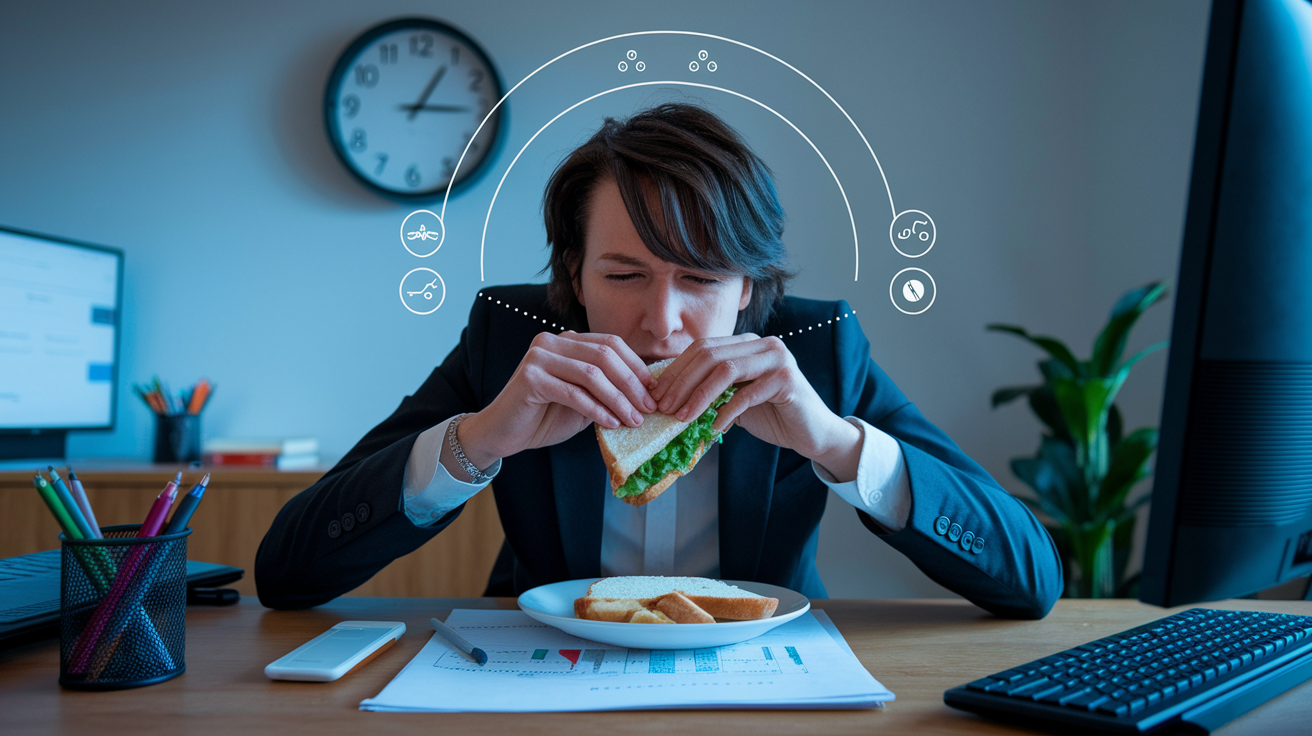
Aerophagia is the medical term for swallowing air, and it happens more than you’d think. When you eat quickly, drink through a straw, chew gum, suck on hard candy, or talk while chewing, you pull extra air into your stomach. That air has to go somewhere. It either comes back up as a burp or travels down into your intestines, where it contributes to that tight, gassy feeling. Fast eating also means you’re swallowing larger pieces of food that take longer to break down, so your stomach works harder and stays fuller longer.
Portion sizes matter more than most people realize. Your empty stomach is roughly the size of your fist. When you eat a meal that’s two or three times that volume, your stomach stretches to hold it all. That physical stretching creates pressure and discomfort. On top of that, large meals overwhelm your digestive system. Your stomach and intestines can only process so much at once, so when you overload them, food sits and ferments, producing extra gas.
Meal spacing also plays a role. If you eat again before your stomach has emptied from the last meal (usually about three to four hours), you’re stacking food on top of food. Your brain needs around 20 minutes to register fullness, so if you eat quickly and don’t pause, you often eat past the point of comfortable satisfaction and land in stuffed, bloated territory.
Here are four behavioral habits that frequently cause bloating.
Eating in less than 10 minutes. Rushing through meals increases swallowed air and reduces chewing. Using straws or drinking from bottles with narrow openings. Chewing gum or sucking on mints throughout the day. Eating while distracted (talking, scrolling, watching TV) so you don’t notice portion size or fullness cues.
Digestive Conditions That Can Cause Bloated Feelings After Meals
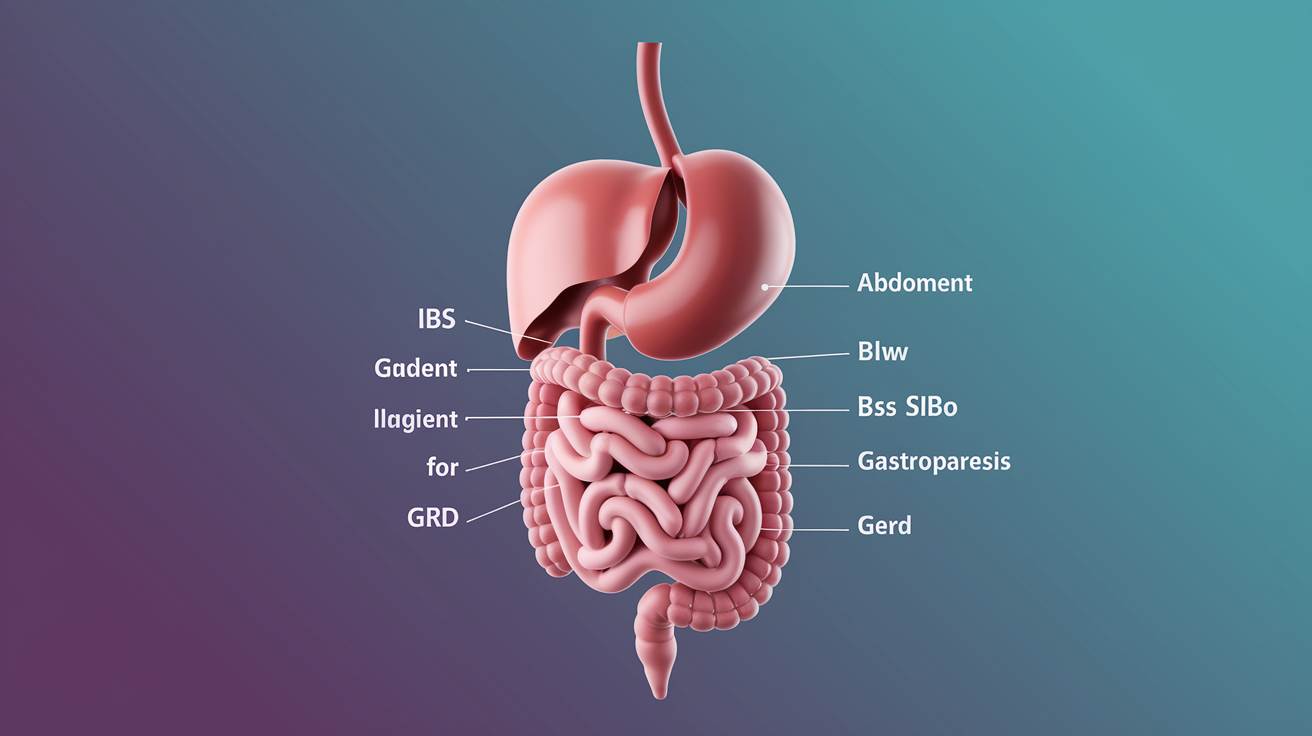
If bloating happens after every meal no matter what you eat or how carefully you eat it, an underlying digestive condition may be the reason. These conditions change how your gut moves, absorbs, or responds to food, so even a small, simple meal can leave you feeling uncomfortably full and gassy. Recognizing the pattern and getting the right diagnosis can make a big difference in how you manage symptoms day to day.
IBS and Visceral Sensitivity
Irritable bowel syndrome is one of the most common reasons for chronic post meal bloating. Up to 96 percent of people with IBS report bloating as a regular symptom. In IBS, your gut is more sensitive than usual. Normal amounts of gas or stretching that wouldn’t bother most people trigger pain, fullness, and visible distention. The muscles in your intestines may also contract in an uncoordinated way, trapping gas in certain spots instead of moving it along smoothly.
SIBO and Excess Gas Production
Small intestinal bacterial overgrowth means bacteria that belong in your colon have migrated up into your small intestine. When you eat carbohydrates, those bacteria ferment them right there in the small intestine, producing gas much earlier in the digestive process. That leads to bloating within 30 minutes to an hour after eating, along with diarrhea, cramping, and sometimes unintentional weight loss because nutrients aren’t absorbed properly.
Gastroparesis and Delayed Emptying
Gastroparesis is a condition where your stomach empties more slowly than it should. Food sits in your stomach for hours instead of moving into your small intestine, so you feel full and bloated long after a meal. You may also feel nauseated, have little appetite, and occasionally vomit if food backs up. Diabetes, certain medications, and nerve damage can all cause gastroparesis.
Reflux, Celiac Disease, and Inflammatory Disorders
Acid reflux (GERD) can cause bloating because stomach acid irritates your esophagus and you swallow more air when you burp frequently. Celiac disease is an autoimmune condition triggered by gluten. Even small amounts damage your small intestine, leading to malabsorption, gas, and bloating. Inflammatory bowel diseases like Crohn’s disease and ulcerative colitis cause chronic inflammation that disrupts normal digestion and motility, leading to persistent bloating, pain, and changes in bowel habits.
When bloating happens daily, doesn’t improve with simple diet changes, or comes with other symptoms like diarrhea, constipation, unintended weight loss, or fatigue, it’s a sign that a medical cause should be ruled out or managed with targeted treatment.
Hormonal, Stress Related, and Lifestyle Contributors to Persistent Bloating
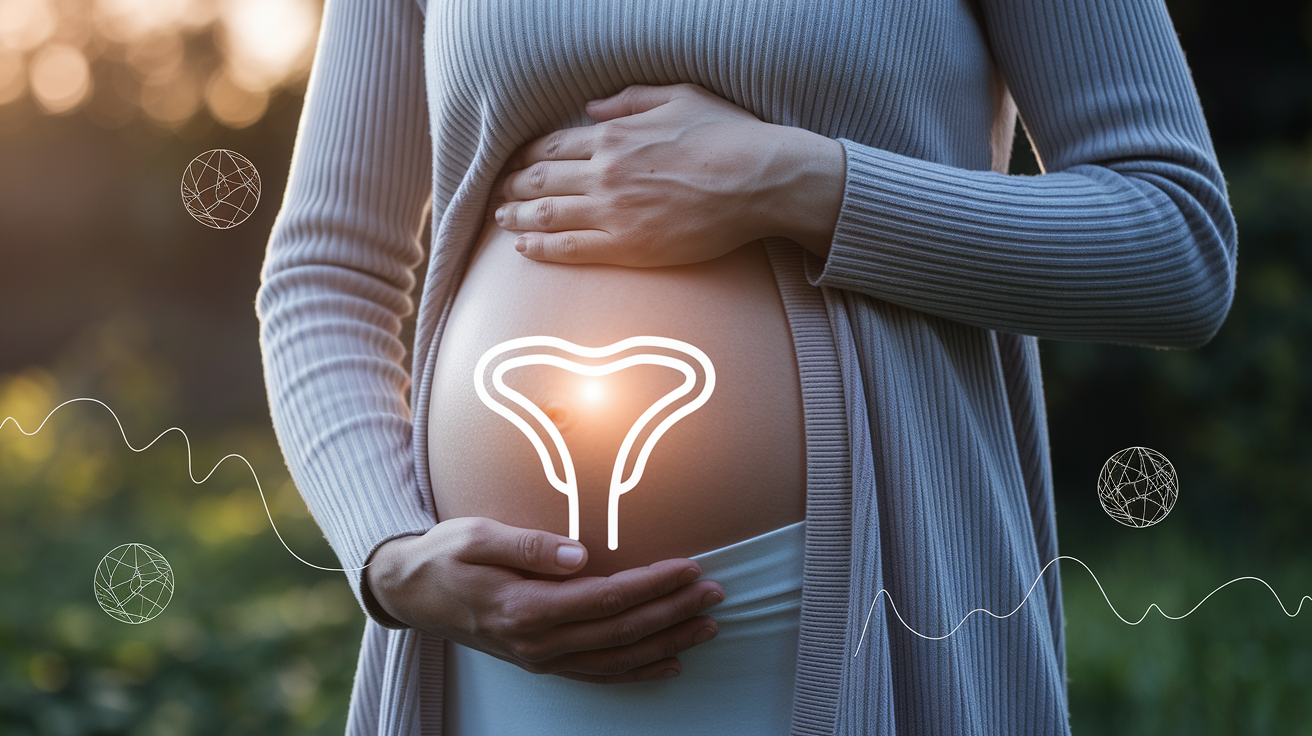
Hormones and stress affect digestion more than most people expect. In the week or so before menstruation, many women retain extra fluid because of shifts in estrogen and progesterone. That fluid doesn’t just show up in your hands or feet. It also collects in your abdomen, making you feel puffy and bloated even if you haven’t changed what you’re eating. Weight gain can reduce the amount of room in your abdomen, so your stomach and intestines have less space to expand comfortably after meals. Stress and anxiety trigger your body’s fight or flight response, which slows digestion and changes how your gut muscles contract. That can trap gas, delay stomach emptying, and leave you feeling uncomfortably full.
Physical activity, or the lack of it, also plays a role. Movement helps stimulate your intestines to push food and gas along. When you sit for long stretches, especially right after eating, everything slows down. A short walk after meals can make a noticeable difference in how quickly gas moves through and how full you feel.
Here are four lifestyle factors that increase bloating risk.
Sitting for most of the day without breaks for movement. High stress or anxiety that keeps your nervous system in overdrive. Hormonal fluctuations in the days before menstruation. Recent weight gain that reduces abdominal space and increases pressure on the stomach.
Remedies and Relief Strategies for Post Meal Bloating

When bloating hits after a meal, small actions can bring relief within 10 to 30 minutes. Movement is one of the most effective strategies. A 10 to 15 minute walk helps stimulate your digestive muscles and moves trapped gas through your intestines so it can pass naturally. Heat also works well. A heating pad on your belly or a warm bath relaxes the smooth muscles in your gut, easing cramping and making it easier for gas to shift.
Natural and over the counter approaches can help depending on the cause. Ginger has been shown in research to reduce excessive gas and promote stomach emptying. Try fresh ginger tea by steeping a few slices in hot water for five minutes. Peppermint tea relaxes intestinal muscles, but skip it if you have acid reflux because it can make that worse. Simethicone (Gas-X) breaks up gas bubbles in your stomach and intestines, making them easier to pass. Digestive enzyme supplements taken just before meals can help if you struggle with certain foods like dairy or beans, though they work best when matched to your specific trigger. Probiotics may reduce bloating over time by balancing gut bacteria and lowering inflammation, but the effect is gradual and varies by strain.
Here are seven quick relief steps to try right after a bloating episode.
Walk slowly for 10 to 15 minutes to stimulate gas movement. Apply a heating pad to your abdomen for 15 to 20 minutes. Sip plain water slowly. Avoid gulping or adding ice. Lie on your left side to help gas move toward the exit. Gently massage your belly in a clockwise circle to encourage motility. Try peppermint or ginger tea if you don’t have reflux. Take simethicone if gas bubbles are the main issue.
| Remedy | When It Helps | Notes |
|---|---|---|
| Simethicone (Gas-X) | When bloating is from gas bubbles in the stomach or intestines | Works quickly (30–60 minutes); safe for most people; follow package instructions |
| Digestive Enzymes | If you have trouble digesting lactose, beans, or high fiber foods | Take just before eating the trigger food; effectiveness varies by enzyme type |
| Peppermint Tea | For cramping and trapped gas, especially with IBS | Avoid if you have acid reflux—it can relax the valve between stomach and esophagus |
| Probiotics | For ongoing bloating related to gut bacteria imbalance or mild inflammation | Effect builds over weeks; consult a provider for strain selection |
Long Term Eating Strategies to Reduce Bloating After Meals
Meal structure and timing are the foundation for reducing post meal bloating over the long run. Eating smaller, more frequent meals (four to five times a day instead of three large ones) keeps your stomach from stretching too much at once and reduces the fermentation load in your intestines. Space meals about three to four hours apart so your stomach has time to empty before the next round. Finish dinner at least two to three hours before bed. Lying down with a full stomach slows digestion and increases the chance of reflux and bloating overnight.
Food preparation techniques can make a big difference in how much gas a food produces. Soaking dried beans overnight and rinsing them before cooking reduces the oligosaccharides that cause gas. Steaming or roasting vegetables breaks down some of the tough fibers, making them easier to digest than raw versions. Choosing fermented dairy like yogurt or kefir instead of regular milk gives you probiotics and less lactose, so you may tolerate it better. Chew each bite 20 to 30 times. This breaks food into smaller pieces, mixes it thoroughly with saliva, and signals your stomach to prepare for digestion.
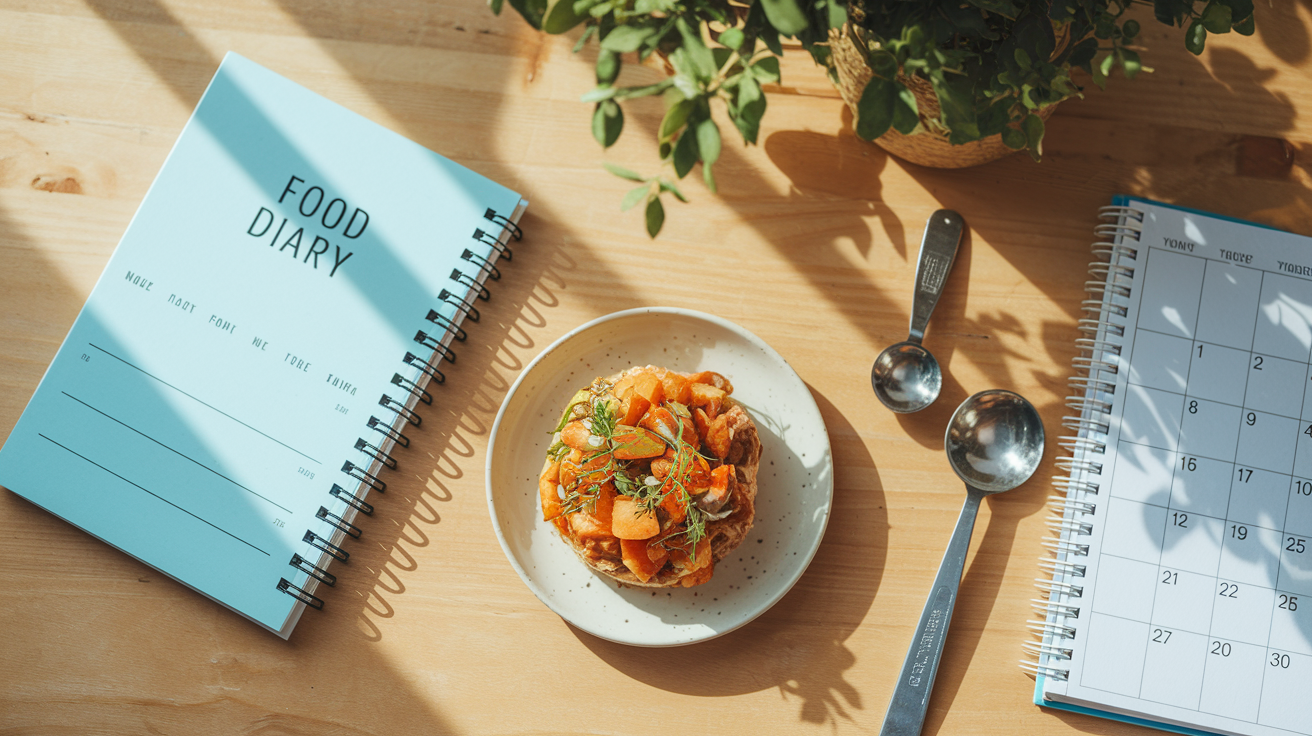
A food diary and elimination diet are practical tools for pinpointing your specific triggers. Track everything you eat and drink for two to four weeks, along with portion sizes, meal times, and bloating severity. Patterns usually emerge. Maybe bloating is worse on days you have wheat at lunch, or after meals with onions, or when you eat quickly at your desk. Once you see a pattern, try eliminating the suspected food for two weeks and then reintroduce it to see if symptoms return. This trial and error approach is often more useful than a single test because food intolerances don’t always show up on standard allergy panels.
Here are five long term habit changes that can reduce post meal bloating.
Switch to smaller plates and stop eating when you’re comfortably satisfied, not stuffed. Chew thoroughly and put your fork down between bites to slow your pace. Prep gas producing foods (soak beans, steam vegetables) to improve digestibility. Keep a detailed food and symptom journal for at least two weeks to identify triggers. Gradually increase fiber intake if you’re adding more whole grains or vegetables. Go slow to let your gut adjust.
When Persistent Bloating After Every Meal Needs Medical Evaluation
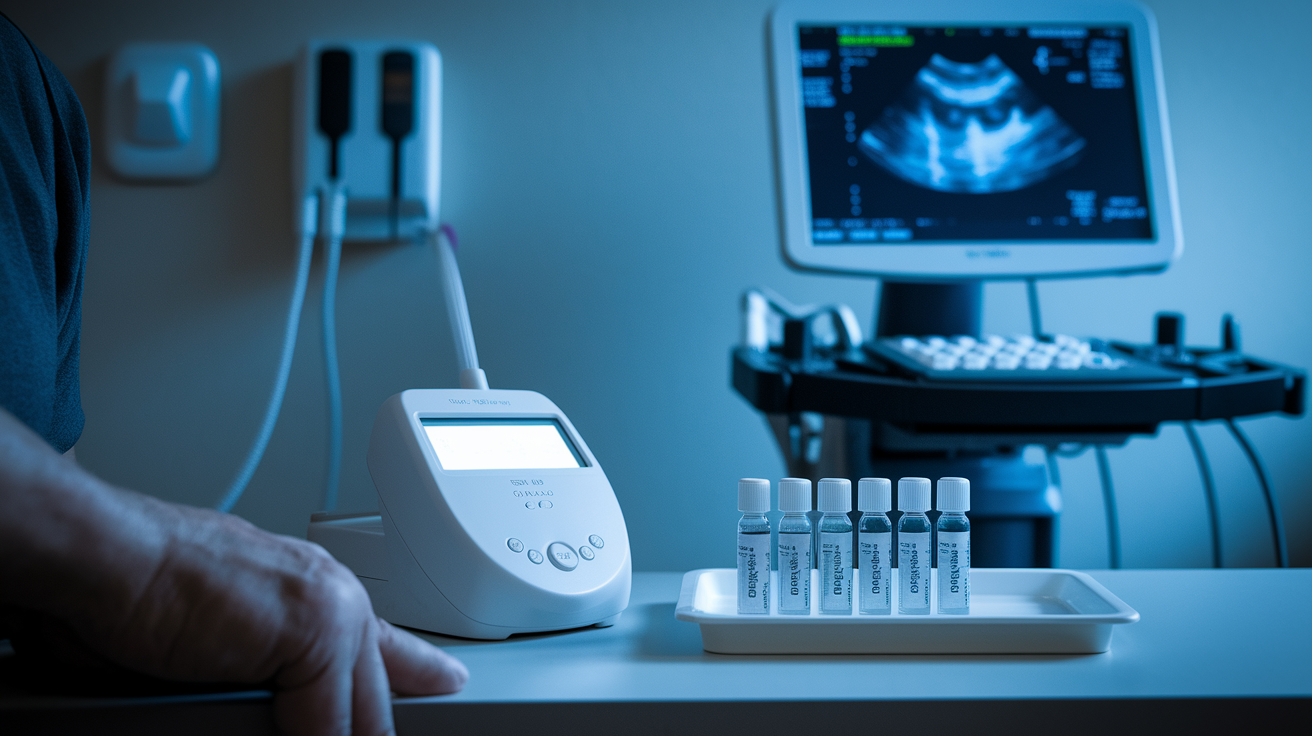
Bloating that doesn’t improve with diet and habit changes, or that interferes with your daily life, deserves medical evaluation. If you’ve tried eliminating common triggers, eating more slowly, and spacing your meals but you still feel bloated after every meal, your body may be signaling a digestive condition that needs diagnosis and treatment. Persistent bloating can also be a sign of something more serious, especially when it comes with other symptoms like pain, weight loss, or changes in your bowel habits.
Diagnostic testing helps identify the root cause. A hydrogen breath test can diagnose lactose intolerance, fructose malabsorption, or small intestinal bacterial overgrowth (SIBO) by measuring the gases your gut bacteria produce after you consume specific sugars. Stool tests can check for infections, inflammation markers, or malabsorption issues. Blood tests can screen for celiac disease. Imaging like an abdominal ultrasound or CT scan can rule out structural problems, blockages, or masses. If initial testing points to a complex condition like gastroparesis, inflammatory bowel disease, or chronic SIBO, your primary care provider may refer you to a gastroenterologist for specialized care and treatment.
Here are five red flags that mean you should see a doctor.
Bloating that persists for weeks despite dietary and habit changes. Severe abdominal pain that doesn’t ease with gas relief measures. Unintended weight loss over a few weeks or months. Blood in your stool, whether bright red or dark and tarry. Persistent changes in bowel habits, new constipation, diarrhea, or alternating between both, lasting more than a few days.
Final Words
You might feel pressure, fullness, gurgling, visible belly expansion, or extra gas after eating. This post explains common drivers: swallowed air, fermenting carbs, slow emptying, food triggers, habits, and digestive conditions. It also covers quick relief and when to see a doctor.
Try one small change: eat slower, skip carbonation, walk 10 minutes after meals, or test one food at a time. Keep a simple two-week food diary.
If you still wonder why do i feel bloated after every meal, start with the diary and one habit change. Small wins add up, and you can feel better.
FAQ
Q: How do I stop bloating after every meal?
A: To stop bloating after every meal, find your triggers and tweak habits: eat slowly, smaller portions, skip fizzy drinks and obvious trigger foods, walk 10–15 minutes after eating, and try a short food diary.
Q: Is it normal to feel bloated every day?
A: Feeling bloated every day is common—around 20–30% of people and up to 96% with IBS—but it isn’t ideal; persistent daily bloating often points to consistent triggers or an underlying digestive issue.
Q: What illnesses cause constant bloating?
A: Illnesses that cause constant bloating include IBS, small intestinal bacterial overgrowth (SIBO), gastroparesis, celiac disease, and inflammatory bowel conditions, which slow emptying, increase fermentation, or cause gut inflammation.