

You might be eating carbs at the wrong time, and that could be why your energy crashes midday or your workouts feel flat.
Knowing when to eat carbs for energy, not just how much, decides if carbs give steady fuel or a quick spike.
This post gives simple, practical timing tips — what to eat in the morning to refuel your brain, what and when to eat before and after workouts, how to space carbs to avoid the 3 pm slump, and easy swaps you can try this week.
Best Times to Eat Carbs for All‑Day Energy

Your body runs on glucose, and carbs are the main way you get it. When you eat them matters more than you’d think. It affects whether your energy feels steady or shaky, how you perform at the gym, and how long you can actually focus at your desk.
Eating carbs in the morning restocks liver glycogen that got used overnight while you slept. Your brain and organs were still running. A breakfast with 30–50 grams of complex carbs (think a cup of cooked oats or two slices of whole grain toast) helps you feel alert and sets a stable baseline. Skip breakfast or wait too long? You’ll probably notice brain fog or an energy dip by mid-morning. About 30–60 minutes before a workout, a smaller dose of fast digesting carbs delivers quick glucose to your muscles without weighing you down. A banana, a couple of dates, maybe a slice of white bread with honey. After exercise, eating carbs again within an hour refills muscle glycogen and pairs well with protein to help repair tissue and reduce soreness.
Midday carb intake matters too. If you’ve got a lunch meeting or an afternoon shift, pairing complex carbs with protein and a bit of fat keeps blood sugar from spiking and crashing. That midday stability prevents the 3 pm slump that sends people hunting for candy or extra coffee. For evening meals, moderate portions of whole grains or starchy vegetables supply enough energy for daily activity without loading calories late in the day, which can mess with sleep or fat burning overnight.
Quick timing rules to follow:
- Eat 30–50 g complex carbs within an hour of waking to fuel your brain and restore liver glycogen.
- Take 30–60 g fast carbs 30–60 minutes before intense workouts for immediate energy.
- Consume carbs plus protein within an hour after exercise to restock glycogen and support recovery.
- Space meals every 3–4 hours with 30–60 g carbs per main meal to avoid mid-afternoon energy dips.
How the Body Breaks Down Carbs for Energy
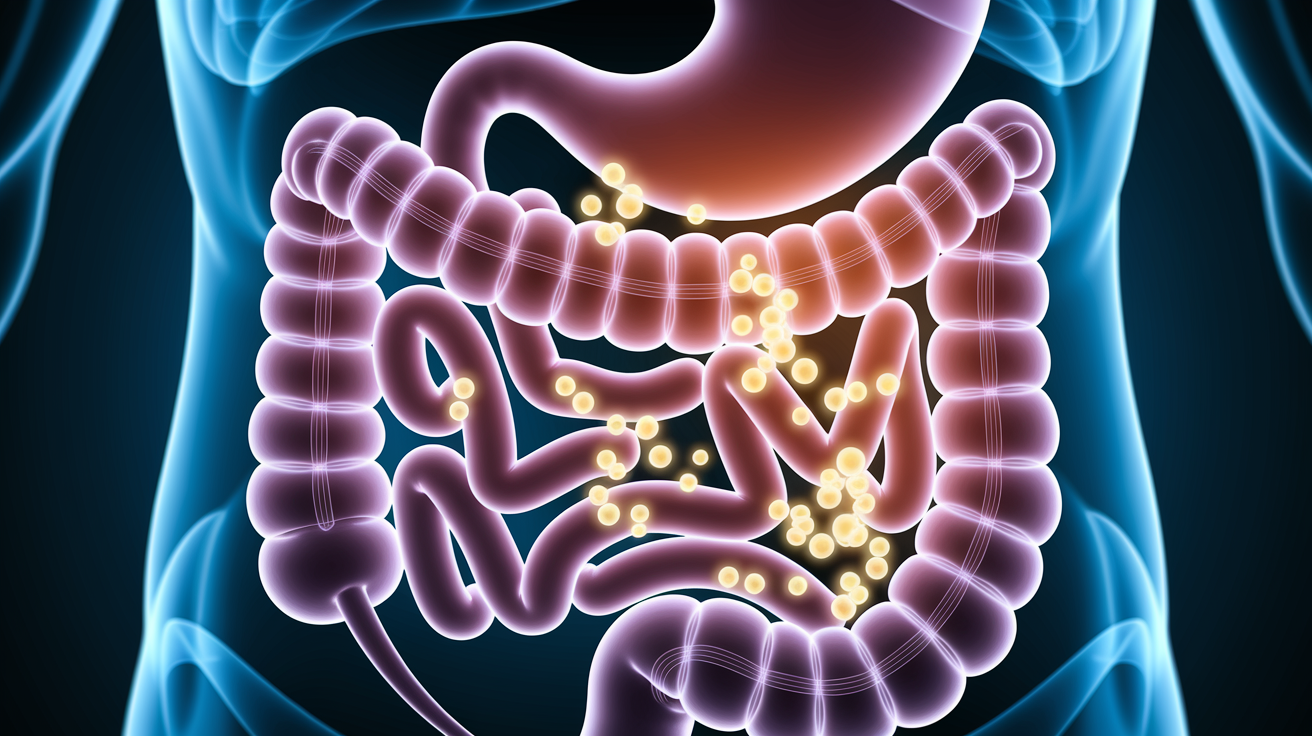
Carb digestion starts the moment you chew. Saliva contains an enzyme that begins breaking down starches into smaller sugar molecules. Once you swallow, your stomach churns the food, and the real work happens in the small intestine. Enzymes there continue chopping carbs into single sugar units, mostly glucose. Those glucose molecules pass through the intestinal wall into your bloodstream, raising blood sugar and signaling your pancreas to release insulin. Insulin acts like a key, unlocking cells so glucose can move in and be used for energy right away.
Not all the glucose you absorb gets burned immediately. When your muscles and liver have enough fuel on hand, they package extra glucose into a stored form called glycogen. Your muscles hold the largest glycogen reserve and use it during exercise or any sustained physical effort. Your liver stores a smaller amount that it releases into the blood between meals to keep your brain and organs running smoothly. This storage system is why eating carbs at strategic times (like after a workout when glycogen is depleted) helps you recover faster and feel less tired the next day.
If glycogen stores in muscle and liver are full and you keep eating more carbs than your body needs, the excess can be converted into fat for long term storage. That’s one reason total carb intake and timing both matter. Eating carbs when your body’s primed to use or store them as glycogen (morning, pre workout, post workout) means less chance of overflow into fat and more chance of stable, available energy when you need it.
Simple vs. Complex Carbs and Their Energy Effects
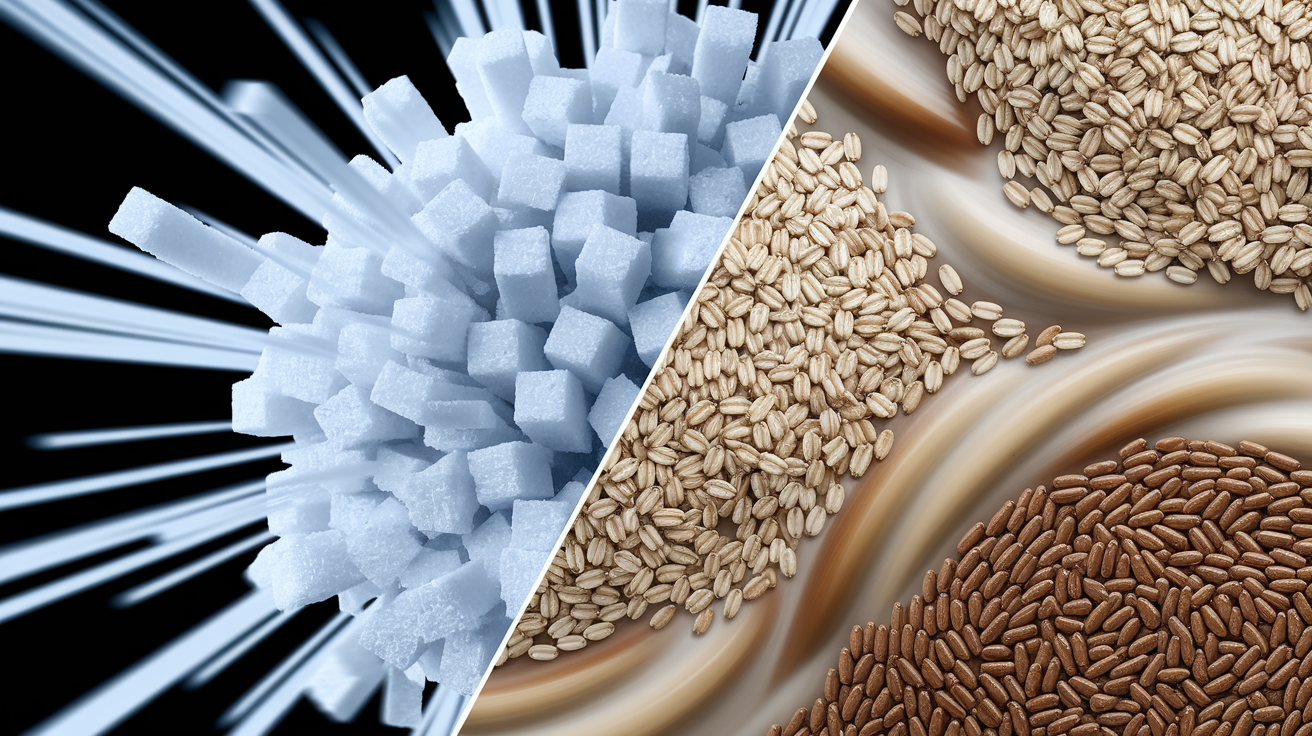
Simple carbs are made of one or two sugar molecules, so your body breaks them down fast. Table sugar, honey, fruit juice, white bread. When you eat them, blood glucose rises within 15–30 minutes, giving you a quick burst of energy. That speed’s helpful if you’re about to start a hard workout or if your blood sugar’s dipped and you need a fast lift. The downside? The energy doesn’t last long. Blood sugar can drop again within an hour or two, leaving you hungry, irritable, or foggy. Especially if you didn’t pair the simple carbs with protein or fat.
Complex carbs contain three or more sugar molecules linked together in longer chains, which take more time and effort for your digestive enzymes to break apart. Oats, brown rice, quinoa, sweet potatoes, legumes, whole grain bread. Because digestion is slower, glucose enters your bloodstream gradually over a few hours, keeping blood sugar more stable and preventing sharp crashes. You also tend to feel fuller longer, since many complex carbs come with fiber that adds bulk and slows stomach emptying.
The glycemic index (GI) is a scale that ranks how quickly a carb food raises blood sugar compared to pure glucose. High GI foods (white bread, candy, sports gels) spike blood sugar fast. Low GI foods (steel cut oats, lentils, most fruits) release glucose slowly. For everyday energy and focus, low to moderate GI complex carbs are the better choice. Save high GI simple carbs for the 30–60 minutes before or during intense exercise, or right after a workout when your muscles are ready to soak up glucose quickly.
Energy differences between simple and complex carbs:
- Simple carbs digest in 15–60 minutes and provide a quick energy spike. Useful before or during workouts but can cause crashes if eaten alone.
- Complex carbs digest over 2–4 hours, delivering steady energy and better satiety throughout the day.
- High GI foods (simple carbs, refined grains) are best timed around exercise when rapid glucose delivery improves performance.
- Low GI foods (whole grains, legumes, most vegetables) work well for breakfast, lunch, and snacks to maintain stable blood sugar and focus.
- Pairing carbs with protein or fat slows digestion and reduces the chance of energy crashes, regardless of carb type.
Carb Timing for Different Lifestyles

Athletes training once or twice a day need planned carb timing to fuel performance and recover between sessions. A common target is 5–10 grams of carbs per kilogram of body weight per day, spread across meals and timed around workouts. Eating a larger meal with 1–2 g/kg of complex carbs about 2–4 hours before training loads muscle glycogen without causing stomach upset. Then, 30–60 minutes before the session, a small dose of simple carbs (a banana, a sports gel, or a few dates) tops off blood glucose. After training, consuming 1.0–1.2 g/kg of carbs per hour for the first few hours accelerates glycogen repletion, especially if another session’s scheduled the same day or the next morning.
People focused on weight management often do best when they prioritize complex carbs earlier in the day. A breakfast with 30–50 grams of whole grains or starchy vegetables and a similar lunch keep energy steady and reduce the urge to snack on sweets mid afternoon. Some research suggests that eating more carbs at dinner can improve satiety overnight, but other studies show no fat loss advantage to late day carb intake. The key is total daily carb and calorie balance. If evening carb heavy meals lead to overeating or interfere with sleep quality, shift more carbs to morning and midday and keep dinner moderate with plenty of fiber and protein.
Active workers (delivery drivers, nurses, retail staff) burn energy throughout the day and benefit from spacing carbs across breakfast, lunch, and a mid afternoon snack. Aim for 30–60 grams of complex carbs per main meal and 15–30 grams in a snack if the gap between meals stretches past four hours. Pairing each carb serving with 15–30 grams of protein and a bit of healthy fat stabilizes blood sugar and prevents the crashes that make long shifts feel even harder.
Sedentary adults working desk jobs or spending most of the day sitting need fewer total carbs but still benefit from thoughtful timing. A moderate breakfast with 30–45 grams of complex carbs supports morning focus. Lunch with a similar amount plus plenty of vegetables and lean protein prevents afternoon drowsiness. If activity levels are low, keep dinner carbs modest (around 30–40 grams) and choose fiber rich options like a small sweet potato or a half cup of quinoa. This pattern provides enough glucose for brain function and daily tasks without excess that the body would store as fat.
Practical Carb‑Rich Foods for Steady Energy
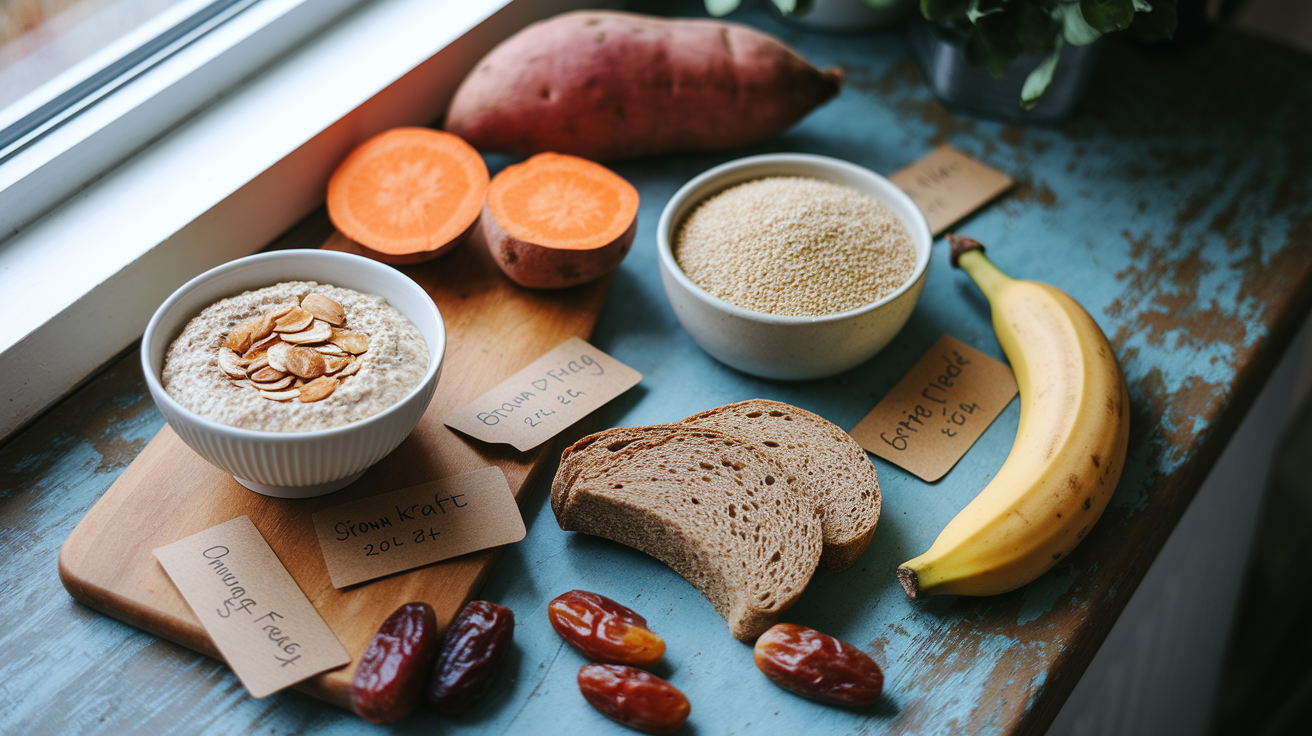
Whole grains, starchy vegetables, fruits, and legumes offer fiber, vitamins, and minerals alongside their carbs, making them the go to choices for steady energy throughout the day. Foods like oats, brown rice, quinoa, sweet potatoes, lentils, chickpeas, and whole grain bread digest slowly, release glucose gradually, and keep you full longer than refined or processed carbs. These are the carbs to build breakfast, lunch, and recovery meals around when you want energy that lasts hours instead of minutes.
Slow release complex carbs for sustained energy:
- 1 cup cooked oatmeal (≈ 27 g carbs)
- 1 cup cooked brown rice (≈ 45 g carbs)
- 1 medium baked sweet potato (≈ 23 g carbs)
- 1 cup cooked quinoa (≈ 39 g carbs)
- 2 slices whole grain bread (≈ 30 g carbs)
Fast release simple carbs for quick pre or during workout fuel:
- 1 medium banana (≈ 27 g carbs)
- 2 Medjool dates (≈ 35 g carbs)
- 1 slice white bread with 1 tsp honey (≈ 20 g carbs)
When choosing carbs, match the food to the timing goal. If you’re eating 2–4 hours before a workout or starting your day, reach for the slow release options. If you need energy in the next 30–60 minutes or you’re mid workout, grab the fast release picks. Pairing any carb with a palm sized serving of protein and a small amount of fat (a tablespoon of nut butter, a handful of nuts, or a bit of olive oil) smooths out blood sugar swings and keeps energy more predictable from one meal to the next.
Final Words
In the action, you got clear timing: morning to top up after sleep, midday for steady focus, carbs 30–60 minutes before a workout for fuel, and post‑workout to help recovery.
You also saw why glucose and glycogen matter, how simple vs. complex carbs affect spikes, and real food swaps that fit busy days.
Try one small change this week—swap white toast for oats or eat a banana before exercise—and notice how your energy shifts.
Keep testing when to eat carbs for energy; small tweaks often make days feel steadier and more doable.
FAQ
Q: What is the 3 3 3 rule for eating?
A: The 3 3 3 rule for eating suggests spacing meals and snacks roughly every three hours—three meals plus snacks—to keep blood sugar steady and prevent big energy dips and overeating.
Q: When should I eat carbs for energy?
A: You should eat carbs for energy in the morning, 30–60 minutes before workouts for quick fuel, right after exercise for recovery, and at midday to avoid afternoon slumps; choose complex carbs for steadier release.
Q: What is the 50/30/20 rule for carbs? What is the 5 to 1 rule for carbs?
A: The 50/30/20 rule for carbs aims for about 50% of daily calories from carbs (with 30% fat, 20% protein). The 5:1 rule is a post-workout carb-to-protein ratio—about five parts carbs to one part protein—for faster glycogen recovery.