

What if your endless tiredness is actually a liver problem?
Fatigue shows up in 50 to 80 percent of people with chronic liver disease.
But this is not the usual “I need a nap” tiredness.
It’s deeper, lasts weeks or months, and doesn’t get better with sleep.
That distinction matters.
In this post you’ll learn the key signs that point to liver involvement, like deep exhaustion, daytime sleepiness, muscle weakness, brain fog and other red flags, so you can spot trouble early and know the right next steps.
Key Fatigue Indicators That Suggest Liver Disease Involvement

Fatigue shows up in somewhere between 50 and 80 percent of people dealing with chronic liver disease. But this isn’t your standard “I need a nap” tiredness. It’s different. Deeper. More relentless.
Liver-related fatigue sticks around for weeks or months. It doesn’t care how much sleep you got last night or whether you took the weekend off. You’ll notice it first in small ways. Maybe you’re sitting down more during the day. Or you can’t quite finish tasks that used to feel automatic. Then it spreads. Work gets harder. Household stuff piles up. Social plans start feeling impossible.
Here’s what sets liver fatigue apart: normal tiredness responds to rest. You sleep well, take it easy for a bit, and your energy comes back. Liver fatigue doesn’t work that way. You rest, and you’re still exhausted. Sometimes you feel worse after doing almost nothing. People describe it as bone-deep. Heavy. Often paired with weak muscles, trouble thinking clearly, and a whole-body sensation of being weighed down.
When that kind of exhaustion shows up alongside yellowing skin or eyes, very dark urine, pale stools, a swollen belly, random bruises, or mental fog, you’re looking at something more serious than burnout.
Six core signs that point toward liver involvement:
- Persistent, crushing exhaustion that goes on for weeks or months and doesn’t lift with sleep or rest
- Constant daytime sleepiness or needing to nap all the time, even if you slept fine the night before
- Generalized muscle weakness that makes walking or climbing stairs feel way harder than it should
- Brain fog and slowed thinking, trouble focusing, or losing track of conversations
- Low tolerance for effort where even small tasks leave you wiped out for hours or days
- Overall malaise paired with jaundice, dark urine, or belly discomfort
Physiological Links Between Liver Dysfunction and Fatigue Symptoms
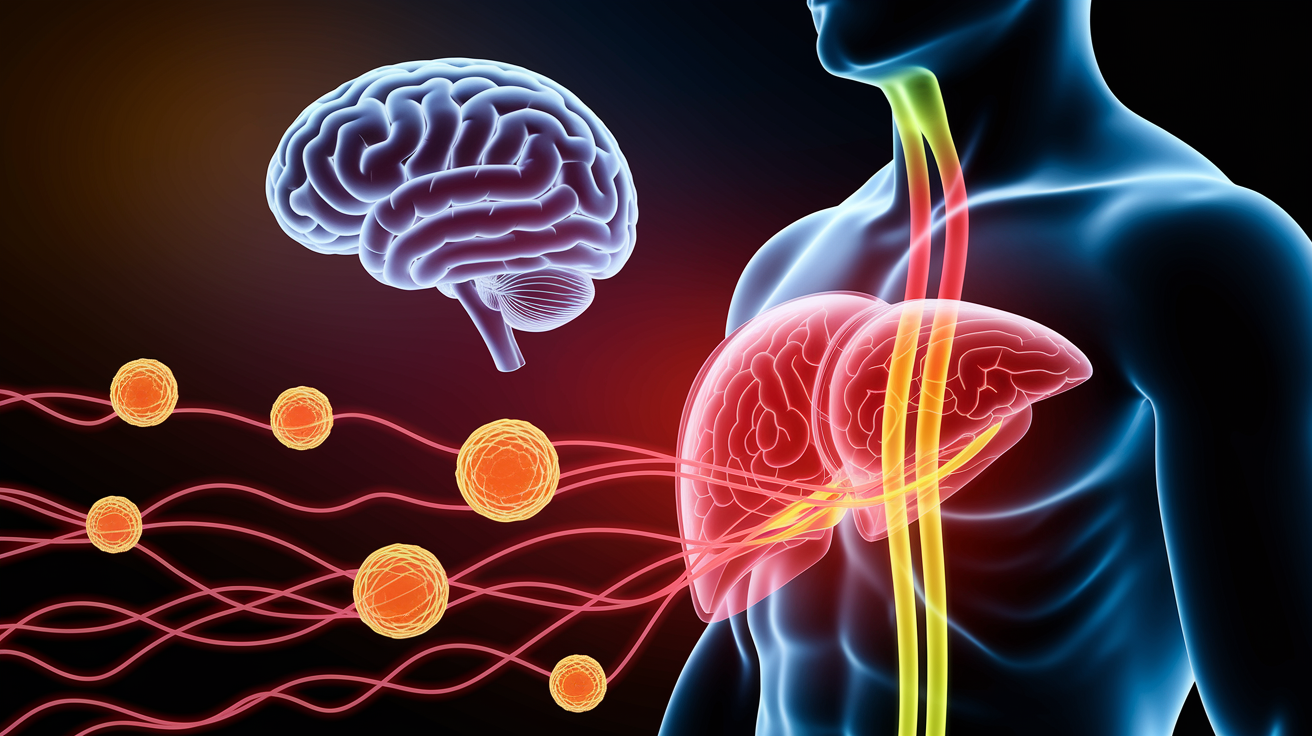
Liver-related fatigue isn’t just about feeling tired. It’s your body struggling with energy production, storage, and cleanup all at once.
Your liver handles glucose regulation and stores glycogen. When it’s not working right, your blood sugar gets unstable. Energy dips unpredictably. You run out of steam without warning. At the same time, the liver loses its ability to clear out metabolic waste. Toxins like ammonia build up in your blood and reach your brain. They mess with neurotransmitters, slow your thinking, and create this deep mental fog. Ammonia levels above 45 micromoles per liter often line up with worse fatigue and early signs of hepatic encephalopathy.
Then there’s chronic inflammation. Liver disease triggers the release of inflammatory molecules like interleukin-6 and tumor necrosis factor-alpha into your bloodstream. These travel everywhere, including your brain. They change how your central nervous system functions, leading to what researchers call central fatigue. It’s not that your muscles are too weak to move. It’s that your brain has lost the drive to start or sustain activity. You feel unmotivated, foggy, disconnected.
Nutrition and circulation add more problems. As liver function drops, protein synthesis falls. Albumin levels dip below 3.5 grams per deciliter. That leads to fluid retention, poor muscle nutrition, and more fatigue. Clotting factors decline too. INR values climb above 1.3 to 1.5, signaling poor synthetic function and overall metabolic strain. Many people also develop anemia from poor nutrient absorption, chronic bleeding from varices, or bone marrow issues. Lower hemoglobin means less oxygen getting to your tissues, which translates directly into less stamina and more exhaustion.
Distinguishing Liver-Related Fatigue From Ordinary Tiredness

Liver fatigue has a specific signature. It persists for weeks or months without much variation. It doesn’t get better with rest or lifestyle tweaks that normally restore energy. It often gets worse over time. No amount of sleep helps. Even light tasks drain you for hours or days afterward. Cognitive symptoms show up too. Difficulty concentrating, slow responses, memory lapses. That combination rarely happens with simple sleep deprivation or stress.
Ordinary tiredness is different. It has a clear cause and a predictable fix. Late night, stressful week, recent illness. You rest, sleep better, ease up on demands, and you bounce back. People with everyday fatigue usually feel refreshed in the morning after solid sleep. They can finish normal activities without needing days to recover.
| Symptom Feature | Liver-Related Pattern | Ordinary Tiredness Pattern |
|---|---|---|
| Duration | Weeks to months, persistent or getting worse | Days to a week, goes away with rest |
| Response to Sleep | Doesn’t improve, stays severe | Gets noticeably better after good sleep |
| Cognitive Symptoms | Brain fog, slow thinking, confusion | Minimal or none; you’re alert if rested |
| Post-Exertional Recovery | Takes days to recover from small effort | Energy comes back within hours |
Additional Symptoms That Strengthen Suspicion of Liver-Related Fatigue

When persistent fatigue pairs with other physical signs, liver dysfunction becomes much more likely.
Jaundice is one of the clearest indicators. Your skin and the whites of your eyes turn yellow. That signals elevated bilirubin, usually above 2 to 3 milligrams per deciliter. It means your liver isn’t processing bile pigments properly. Dark urine (deep amber to brown) and pale, clay-colored stools often show up with jaundice. Both point to problems with bile flow. Belly bloating, discomfort in the right upper part of your abdomen, or visible swelling from fluid buildup (ascites) are common too. These symptoms suggest your liver is struggling with both metabolic and synthetic tasks.
Skin changes add more clues. Intense itching without a rash happens a lot in cholestatic liver diseases. It can wreck your sleep, making fatigue even worse. Easy bruising, small spider-like blood vessels on your skin, and bleeding that takes forever to stop all reflect clotting problems tied to reduced production of clotting factors in your liver. Losing weight without trying, losing your appetite, and visible muscle wasting signal advancing malnutrition and metabolic failure. Cognitive shifts like irritability, memory trouble, slow responses, or confusion may point to early hepatic encephalopathy, especially when ammonia levels rise.
Symptoms that often show up with liver-related fatigue:
- Jaundice (yellowing of skin and eyes)
- Dark urine and pale or clay-colored stools
- Persistent or severe itching, especially without a rash
- Easy bruising, bleeding, or visible spider angiomas
- Belly swelling (ascites) or ongoing bloating
- Loss of appetite and unintended weight loss
- Muscle wasting and noticeable weakness
- Cognitive changes like confusion, irritability, or slowed thinking
Red-Flag Fatigue Patterns That Require Prompt Medical Evaluation

Some combinations of fatigue and other symptoms signal advanced liver trouble or acute complications. They need urgent medical attention.
Rapidly worsening fatigue paired with increasing jaundice, especially when the yellowing gets visibly worse over days, suggests acute liver injury or decompensation. Marked confusion, disorientation, personality changes, or episodes where you’re hard to wake up point to hepatic encephalopathy. That’s a serious neurological complication caused by toxin buildup. These cognitive shifts can escalate fast.
Gastrointestinal bleeding is another critical warning. Vomiting blood or passing black, tarry stools indicates possible bleeding from esophageal or gastric varices. That’s a life-threatening complication of portal hypertension. Rapid belly swelling, severe belly pain, or shortness of breath that gets worse when you lie flat may signal sudden fluid accumulation or spontaneous bacterial peritonitis. Fever combined with jaundice or belly pain raises concern for infection of the bile ducts (cholangitis) or infected ascites. Rapid, unexplained weight loss (more than 5 percent of body weight over one to three months) combined with severe weakness suggests accelerated muscle breakdown and metabolic crisis.
Red flags that need immediate medical evaluation:
- Progressive confusion, disorientation, or stupor suggesting hepatic encephalopathy
- Vomiting blood or passing black, tarry stools (possible variceal bleeding)
- Rapidly increasing jaundice over days
- Sudden, severe belly pain or fast-developing belly swelling
- Fever with jaundice or right upper belly pain
- Severe daytime sleepiness with frequent sleep attacks or impaired consciousness
Diagnostic Indicators and Tests Used to Evaluate Liver-Related Fatigue
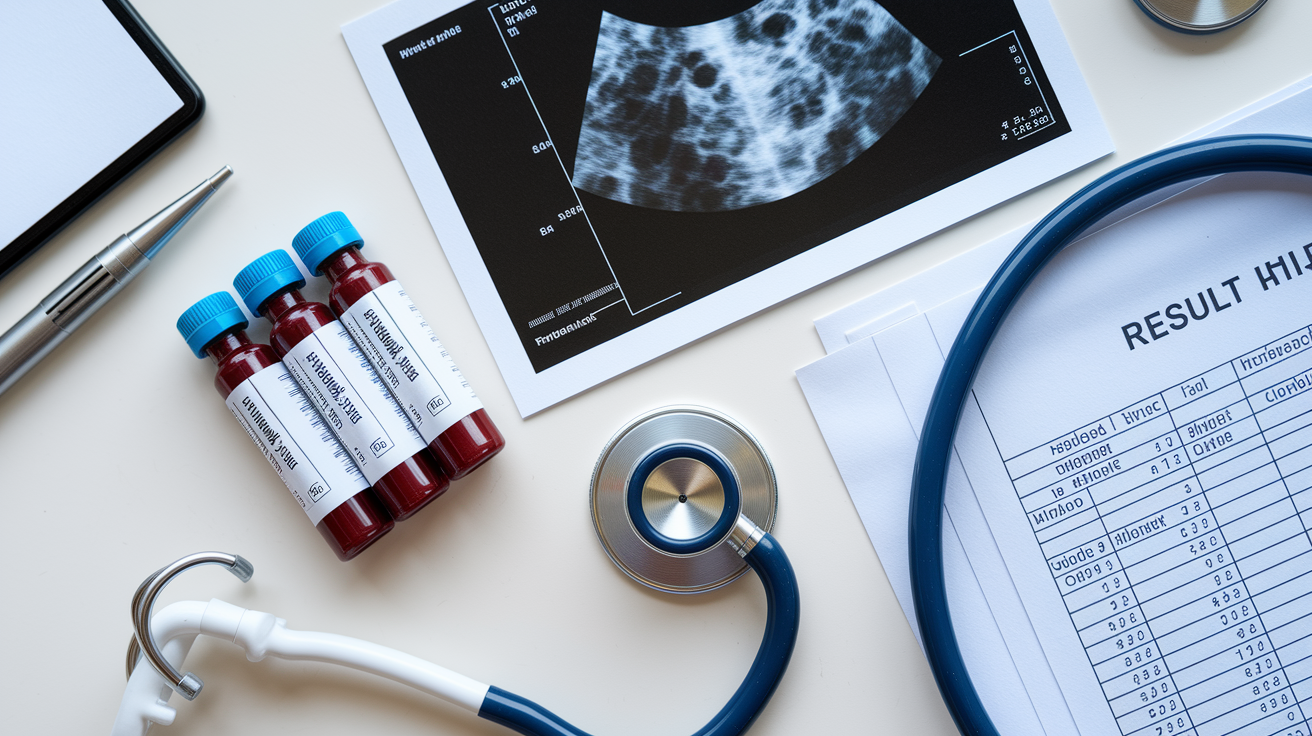
When liver-related fatigue is suspected, a structured set of blood tests, imaging studies, and clinical scores helps clarify the severity and cause of liver dysfunction.
Blood tests form the foundation. Liver function tests measure enzymes like alanine aminotransferase (ALT), aspartate aminotransferase (AST), alkaline phosphatase (ALP), and gamma-glutamyl transferase (GGT). Elevated ALT and AST suggest hepatocyte injury. Elevated ALP and GGT point to cholestasis or bile duct blockage. Total and direct bilirubin levels quantify how badly bile processing is failing. Levels above 2 to 3 milligrams per deciliter often go hand in hand with visible jaundice and worsening fatigue.
Markers of synthetic function matter just as much. Serum albumin below 3.5 grams per deciliter indicates reduced protein production. A prolonged international normalized ratio (INR) above 1.3 to 1.5 signals impaired clotting factor synthesis. A complete blood count often shows anemia and thrombocytopenia (platelet count below 150,000 per microliter), both common in chronic liver disease and portal hypertension. Serum ammonia levels, when elevated above 45 micromoles per liter, help confirm hepatic encephalopathy. Additional tests include viral hepatitis panels (hepatitis B and C serology), iron studies to check for hemochromatosis, autoimmune markers, and thyroid function tests to rule out overlapping causes of fatigue.
Imaging studies like abdominal ultrasound are typically first-line tools. They assess liver structure, detect fatty infiltration, measure spleen size, and identify ascites or cirrhosis. CT or MRI scans provide more detailed evaluation of liver architecture, vascular changes, and tumor screening. Clinical severity scores like the Model for End-Stage Liver Disease (MELD) and Child-Pugh classification integrate lab values and clinical findings to quantify prognosis and guide treatment decisions.
| Test | What It Checks | Typical Abnormal Findings |
|---|---|---|
| Liver enzymes (ALT, AST, ALP, GGT) | Hepatocyte injury and bile flow | Elevated ALT/AST (hepatocellular injury); elevated ALP/GGT (cholestasis) |
| Total and direct bilirubin | Bile processing and excretion | Above 2–3 mg/dL, often with jaundice |
| Albumin and INR | Liver synthetic function | Albumin <3.5 g/dL; INR >1.3–1.5 |
| Complete blood count (CBC) | Anemia, platelet count | Low hemoglobin; platelets <150,000/µL |
| Serum ammonia | Toxin accumulation, encephalopathy risk | Above 45 µmol/L |
| Abdominal ultrasound | Liver structure, ascites, portal flow | Fatty liver, nodularity, ascites, splenomegaly |
Conditions and Comorbidities That Can Worsen Liver-Related Fatigue
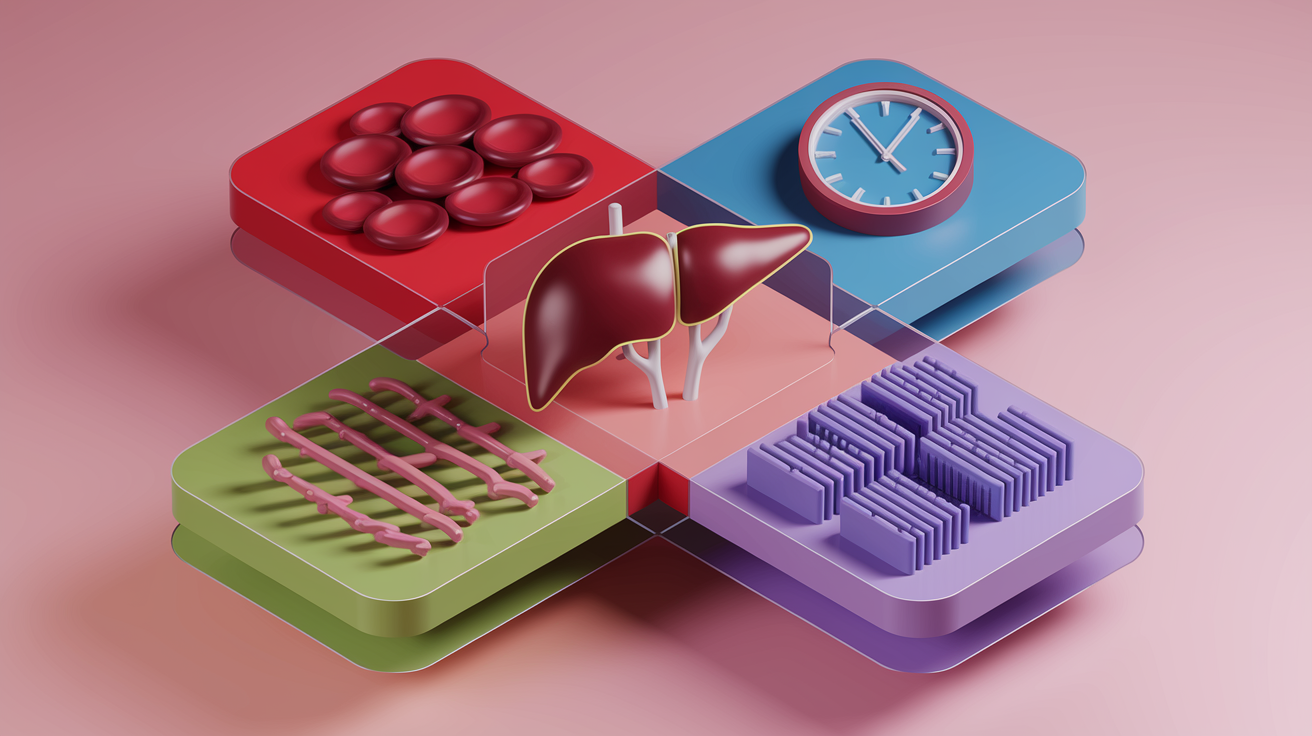
Liver-related fatigue rarely exists on its own. Multiple overlapping conditions amplify exhaustion and complicate the picture.
Anemia is one of the most common contributors. It can come from poor absorption of iron and B vitamins, chronic blood loss from varices, or bone marrow suppression in advanced liver disease. When hemoglobin drops, oxygen delivery to tissues declines. Fatigue worsens even if liver function stays stable. Treating anemia (iron supplements, B12 injections, managing bleeding sources) often improves energy noticeably.
Depression and anxiety are prevalent in people living with chronic liver disease. They’re driven by the stress of managing a serious illness, uncertainty about what’s next, and the direct effects of inflammatory molecules on brain chemistry. These mood disorders intensify how fatigued you feel. They reduce motivation and disrupt sleep. Addressing mental health through counseling, cognitive-behavioral therapy, or medication can significantly reduce the burden of fatigue. Thyroid dysfunction, particularly hypothyroidism, mimics and compounds hepatic fatigue. Screening thyroid-stimulating hormone (TSH) and free T4 is a simple step that can reveal a treatable cause of exhaustion.
Sleep disturbances are especially common in liver disease. Circadian rhythm disruption, itching that keeps you awake, and sleep apnea all worsen daytime fatigue. Sarcopenia (progressive loss of muscle mass and strength) develops frequently in cirrhosis and nonalcoholic fatty liver disease. It’s driven by poor protein synthesis, malnutrition, and reduced physical activity. Muscle wasting reduces what you can do and increases how fatigued you feel. Insulin resistance, a hallmark of nonalcoholic fatty liver disease, impairs cellular glucose uptake and energy production. Dehydration and electrolyte imbalances, often from diuretic use or poor fluid intake, add another layer of metabolic stress.
Tracking and Monitoring Fatigue in the Context of Liver Disease

Structured tracking helps patients and clinicians spot patterns, measure severity, and figure out if interventions are working.
Fatigue diaries (simple daily logs that record energy levels, sleep quality, and activity tolerance) can reveal trends that are easy to miss during occasional clinic visits. Recording fatigue on a numerical scale (for example, 0 to 10, with 10 being completely debilitating) at consistent times each day helps quantify changes over weeks or months. You might also note specific activities that trigger worse fatigue or periods of relative improvement, building a clearer picture of your functional limits.
Validated patient-reported outcome tools like the Fatigue Severity Scale or the Chronic Liver Disease Questionnaire provide standardized ways to measure fatigue impact on daily life. These ask about physical, emotional, and social aspects of fatigue. They can be repeated at intervals to track disease progression or response to treatment. Functional tests like the 6-minute walk test offer an objective measure of exercise tolerance and can correlate with fatigue severity. Monitoring blood markers (bilirubin, albumin, INR, platelet count, hemoglobin, ammonia) alongside symptom scores helps clinicians determine whether worsening fatigue reflects advancing liver disease, a treatable comorbidity, or both.
Common tools for monitoring fatigue in liver disease:
- Daily fatigue diaries with numerical severity ratings and activity logs
- Validated questionnaires such as the Fatigue Severity Scale or Chronic Liver Disease Questionnaire
- Functional capacity tests like the 6-minute walk test
- Serial blood tests tracking bilirubin, albumin, INR, ammonia, and hemoglobin to correlate lab trends with symptom changes
Lifestyle Factors and Daily Habits That Influence Liver-Related Fatigue

Lifestyle changes can’t reverse advanced liver disease. But they can meaningfully reduce how severe your fatigue feels and improve daily function.
Sleep hygiene is foundational. Keep a regular bedtime and wake time, even on weekends. That helps stabilize circadian rhythms disrupted by liver disease. Wind down before bed without screens, heavy meals, or stimulating activities. Your body will get the signal to prepare for rest. Avoid caffeine-containing drinks like coffee, tea, and soda in the afternoon and evening. Skip alcohol and tobacco. Both stress your liver further and mess with sleep quality.
Nutrition plays a direct role in energy availability. A balanced diet with adequate protein supports muscle maintenance and repair, especially important given the high risk of sarcopenia in liver disease. Including fruits, vegetables, and whole grains provides steady glucose and essential micronutrients. Avoiding foods high in refined sugar, saturated fat, and sodium helps manage insulin resistance, fluid retention, and metabolic strain. Hydration is equally critical. Drink water throughout the day to support blood volume and kidney function. Limit caffeinated beverages to reduce dehydration risk. For people with ascites or edema, fluid intake may need individualized guidance from a healthcare provider.
Physical activity, when tailored to what you can handle, improves both sleep quality and daytime energy. Low-impact exercises like walking, swimming, stationary biking, yoga, and Tai Chi can build endurance without overwhelming fatigued muscles. The key is consistency and timing. Exercise more than two hours before bedtime to avoid messing with sleep onset. Pacing strategies help you avoid post-exertional crashes. Break tasks into smaller chunks. Alternate activity with rest. Prioritize essential activities. That conserves energy and reduces the frustration of incomplete days.
Five practical strategies to manage liver-related fatigue:
- Stick to a consistent sleep schedule with a regular bedtime and wake time; wind down without screens, caffeine, alcohol, or tobacco in the evening.
- Eat a balanced diet with adequate protein, fruits, vegetables, and whole grains; limit high-fat, high-sugar, and high-sodium foods.
- Stay hydrated with water throughout the day; limit caffeinated drinks that can dehydrate you.
- Incorporate regular, low-impact exercise like walking, swimming, yoga, or Tai Chi, finishing sessions more than two hours before bed.
- Use pacing and energy conservation by breaking tasks into smaller steps, alternating activity with rest, and prioritizing the most important activities each day.
Final Words
You’ve learned major signs: persistent exhaustion, daytime sleepiness, muscle weakness, slow thinking, low effort tolerance, and fatigue with jaundice or dark urine.
We explained why the liver causes fatigue (toxin buildup, poor energy use, inflammation), how to tell it from ordinary tiredness, and which findings and tests matter.
Try simple tracking and small daily changes—sleep, hydrate, balanced meals, gentle movement—and tell your clinician about red flags. Keep an eye on liver disease fatigue indicators; one small step can help.
FAQ
Q: What does liver fatigue feel like?
A: Liver-related fatigue feels like a persistent, heavy exhaustion that doesn’t improve with sleep, often with muscle weakness, brain fog, daytime sleepiness, and quick tiring after small effort.
Q: What is a powerful habit to protect your liver?
A: A powerful habit to protect your liver is keeping a healthy weight with regular moderate activity and a balanced plate—lean protein, whole grains, vegetables—and limiting alcohol to reduce long-term strain.
Q: What fruit is good for the liver?
A: A fruit good for the liver is berries, like blueberries or strawberries, because their antioxidants may lower inflammation; try a small bowl daily or add them to yogurt.
Q: What are the symptoms of a diseased liver?
A: Symptoms of a diseased liver are persistent fatigue, yellowing skin or eyes (jaundice), dark urine, pale stools, belly swelling, itching, easy bruising, poor appetite, unexplained weight loss, or confusion.