

What if your company wellness program is mostly theater, looks good but doesn’t move the needle?
Most fail because they start with classes and gadgets instead of real data.
Start differently: pull health and absence data, ask employees what blocks healthy choices, use local low-cost resources, pick one or two priorities, and get leaders on board.
This guide gives step-by-step actions you can take in the first week to build a program people actually use and that ties to business goals.
Immediate Steps to Launch a Corporate Wellness Program Effectively

Start with data, not ideas. Most workplace wellness programs crash because they schedule yoga classes before understanding what’s actually breaking down. Before you order fitness trackers or book a meditation instructor, figure out where you are right now. Pull your healthcare claims from the past year. Look at absence patterns and injury logs. Get baseline blood pressure readings. Run a quick survey asking employees to rate their stress and job satisfaction. These aren’t busywork metrics. They’re your starting line, and they show which health problems cost the most.
Next, ask what’s in the way. Survey your team with open questions: What makes eating well during work hours nearly impossible? What stops you from moving? What would actually help? You’re listening for the friction hiding in plain sight—a break room stocked only with vending machine junk, no safe place to walk at lunch, schedules that push exercise to 7 pm when everyone’s fried. The answers tell you what people will use versus what sounds good on paper.
Map what’s already free or cheap in your area. Community walking trails, health department nutrition classes, local clinic speakers. These can get your program moving without blowing your budget. Lunch-N-Learn sessions on blood pressure or healthy eating create early momentum for almost nothing. Education builds the foundation, and that foundation doesn’t have to cost much.
Six steps to get your corporate wellness program started:
- Assess current health and cost patterns – Pull healthcare claims, absence records, and injury logs from the past 12 months.
- Survey employees about barriers and preferences – Ask what prevents healthy eating, movement, and stress management.
- Establish baseline health metrics – Collect blood pressure readings, measure stress through anonymous ratings, ask employees to self-report happiness or job satisfaction.
- Review free or low-cost community resources – Find local walking paths, health education programs, screenings, free speakers.
- Secure early permissions and strategic alignment – Brief leadership on business goals the program supports, like cutting sick days or improving retention.
- Select one or two early priorities – Pick the most common barriers from your survey and start there.
Fifty-three percent of workplaces offered some form of health promotion or wellness programming as of 2020, but many struggled with low uptake and unclear results. A strong start changes that. When you establish measurable baselines and gather real employee input, you build something people actually use. Research from the European Society of Cardiology found that just 15 minutes of daily exercise is associated with a 22 percent lower risk of death. Small, accessible changes create real results. The goal right now isn’t perfection. Document, ask, and map. That’s your starting line.
Building Corporate Wellness Program Goals, Objectives and a Clear Strategy
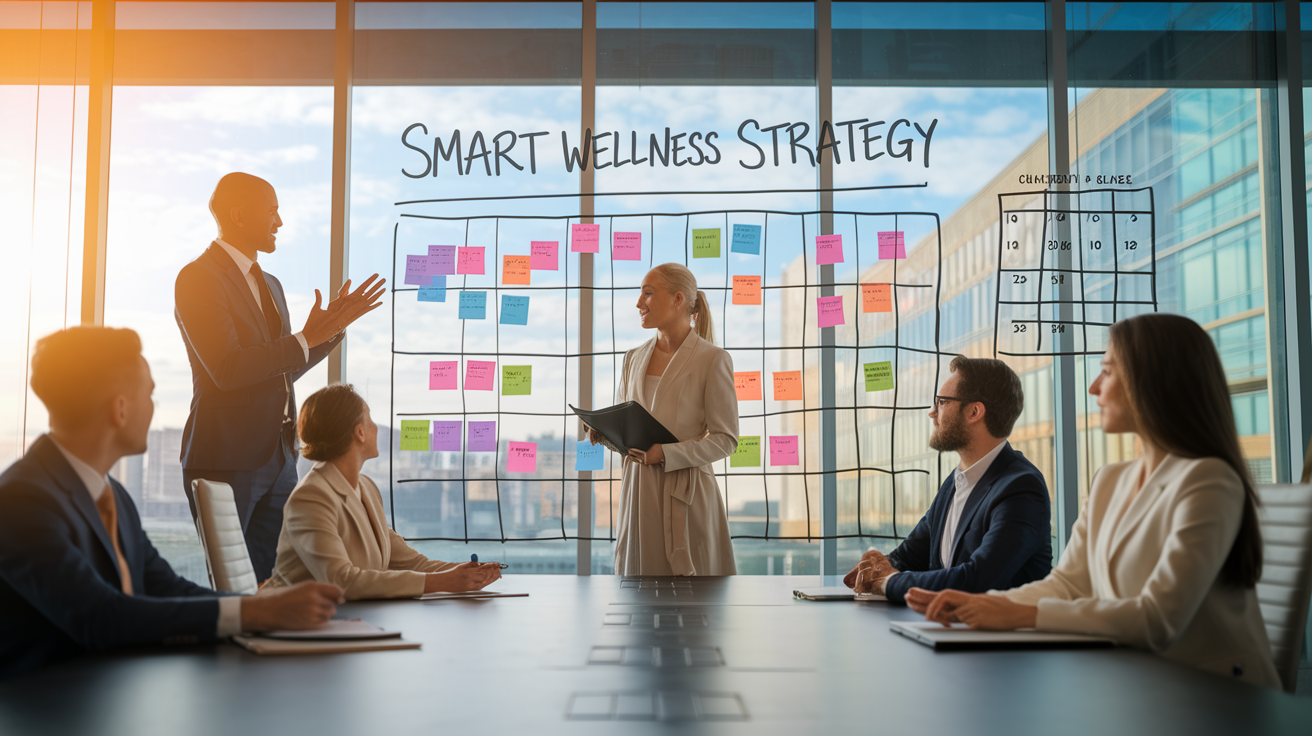
Without clear goals, even generous wellness budgets turn into scattered perks with no payoff. Define what you want the program to accomplish and tie it to business outcomes: fewer sick days, lower blood pressure trends, improved satisfaction scores, reduced turnover. Write goals that name a specific metric, a timeline, and a realistic target. “Reduce average employee blood pressure readings by 5 mm Hg within 12 months through bi-weekly screenings and lunch education sessions” gives you something concrete to track. Break each big goal into short-term milestones so you can adjust quickly when something isn’t working.
Put together a wellness committee with cross-sectional employee representation to keep strategy grounded in real needs and give the program ongoing oversight. Choose people from different departments, shifts, and roles who can relay preferences back to HR and motivate their colleagues to show up. The committee monitors what’s working, flags what’s not, and ensures the program evolves instead of staying frozen around one launch plan.
Four strategic priority categories to guide your wellness program:
- Physical health initiatives – Reduce cardiovascular risk, improve mobility, and prevent injury through movement programs, screenings, and ergonomic support.
- Mental and emotional wellbeing – Address stress, burnout, and work-life balance with meditation options, counseling access, and workload management training.
- Nutrition and healthy eating support – Improve food access and education through healthier cafeteria options, cooking demos, and resources on managing blood sugar or cholesterol.
- Culture and community-building activities – Strengthen team bonds and create social support around wellness through group challenges, walking clubs, and seasonal wellness events.
A clear strategy balances all four categories instead of leaning too hard on fitness challenges or cookie-cutter approaches. Each priority should include a timeline, a method for tracking progress, and a named leader or committee member responsible for updates. When wellness goals align with what employees say they need and what the business measures, you build a program that works for everyone involved.
Securing Leadership Buy-In and Governance for a Corporate Wellness Program

Without visible leadership support, wellness programs feel optional and employees assume they’re not truly valued. Start by aligning wellness goals with the strategic priorities executives already care about: talent retention, productivity, healthcare cost control, building a reputation as a great place to work. When leaders see wellness as a business investment rather than a perk, approval becomes easier. Present the baseline data you gathered—absenteeism rates, injury trends, rising insurance premiums—and show how a structured program addresses those costs with measurable milestones. Frame it as risk reduction and long-term value.
Once you secure approval, formalize governance so the program doesn’t drift after launch. Assign accountability clearly: one executive sponsor who champions the program at senior levels, an HR lead who manages logistics and vendor coordination, a wellness committee that represents employees and monitors engagement. Regular reporting cycles keep the program visible. Quarterly updates to leadership on participation rates, early health metrics, and employee feedback show progress and justify continued investment. Governance also protects privacy and ensures compliance, topics that matter to legal and finance teams as much as to HR.
How Leaders Influence Participation
Published research found that 68 percent of employees avoided using wellness programs because they were too complex or poorly communicated. Leadership cuts through that avoidance by modeling the behaviors the program promotes. When a manager joins the lunchtime walking club, attends a Lunch-N-Learn on blood pressure management, or shares results from their own biometric screening, participation stops feeling awkward or risky. Employees take cues from what leaders do.
Leaders also play a critical communication role. They endorse the program in team meetings, explain why wellness matters to the organization, and give employees permission to use wellness time during the workday. That visible endorsement signals that participation won’t hurt someone’s standing or workload. The wellness committee ensures accountability by reviewing participation data, gathering employee suggestions, and bringing concerns or wins back to leadership. Together, leadership visibility and structured governance create a program that feels supported, safe, and worth the effort.
Budget Planning and Resource Allocation for Corporate Wellness Programs
Most corporate wellness programs require some financial commitment, but the size depends on how many employees you’re serving, which services you prioritize, and whether you build in-house or outsource. Vendor packages for turnkey wellness solutions typically range from $6,000 to $50,000 depending on features like biometric screenings, digital platforms, coaching hours, and incentive administration. Smaller organizations can start with a modest budget focused on one or two high-impact activities and scale over time as participation grows and ROI becomes clearer.
Break your budget into specific line items so you can track spending and adjust as the program evolves. Common cost categories include gym equipment or fitness space setup, contracts with personal trainers or wellness coaches, participation incentives like gift cards or HSA contributions, digital platforms for tracking and engagement, educational webinars or guest speakers, and on-site services such as massage therapy or nursing support. Small business owners may also qualify for tax incentives tied to wellness program implementation, which can offset early costs. Align budget decisions with your goals: if reducing cardiovascular risk is the top priority, invest more in screenings and blood pressure monitoring than in expensive meditation apps or high-end fitness equipment.
| Budget Line Item | Typical Use | Estimated Cost Range |
|---|---|---|
| Biometric screenings and lab work | Annual health checks, blood pressure monitoring, cholesterol and glucose testing | $50–$150 per employee per year |
| Fitness equipment or gym access | On-site fitness center equipment, subsidized gym memberships, walking path installation | $2,000–$20,000 one-time or annually |
| Coaching and education programs | Personal health coaching, Lunch-N-Learns, webinars, smoking cessation support | $1,500–$10,000 per year |
| Incentives and rewards | Gift cards, HSA contributions, prize raffles, paid wellness hours | $25–$200 per participating employee |
| Digital platforms and tracking tools | Wellness apps, step challenge software, health data dashboards, wearable device integrations | $1,000–$15,000 per year |
Budget planning also includes forecasting the cost of time. Employee hours spent in wellness activities during work hours, HR coordination time, and leadership oversight. Factor those costs into your ROI calculation. A program that saves $2,200 per participant in reduced insurance claims over nine months, as one weight-loss intervention study demonstrated, pays for itself even with moderate upfront investment. Start with a realistic budget tied to measurable goals, track spending closely, and adjust allocations based on what drives participation and improves health outcomes.
Designing the Corporate Wellness Program Structure and Components
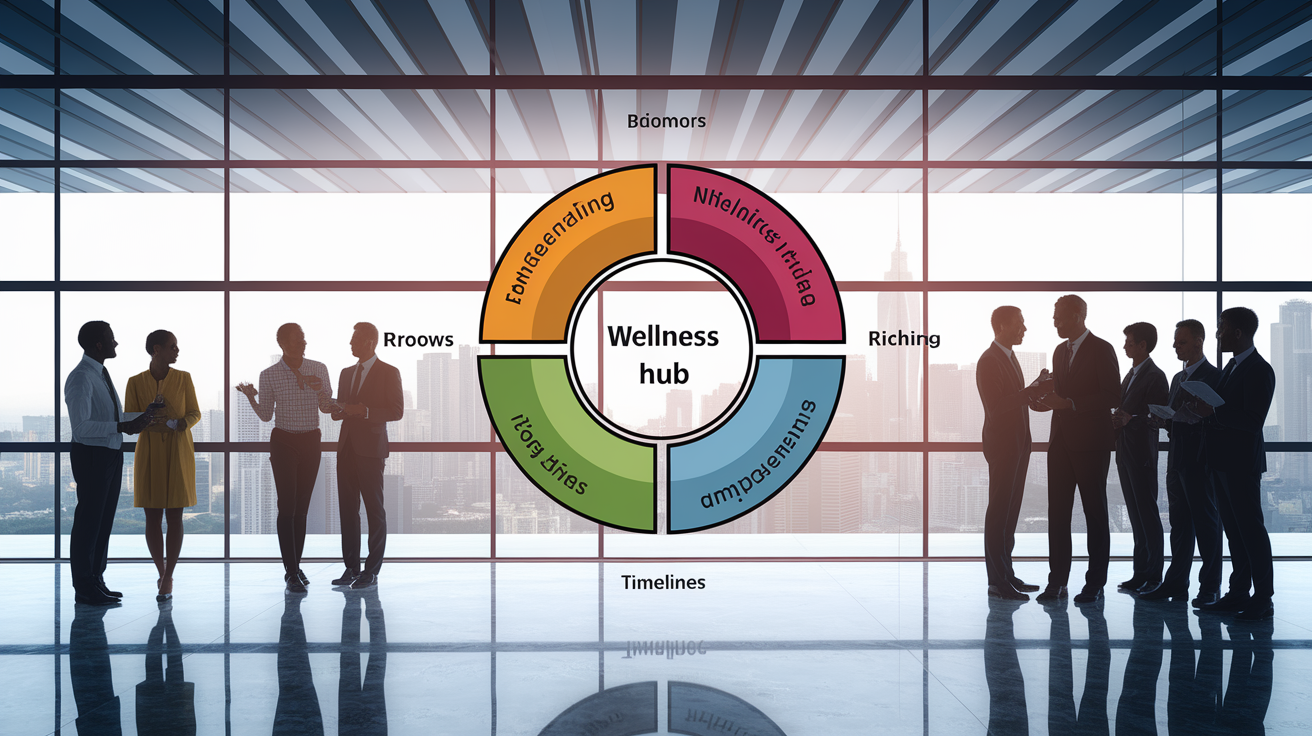
A well-designed corporate wellness program addresses the full range of factors that influence how employees feel and function each day. Physical health, mental resilience, nutrition, workplace culture. They all affect energy, focus, and long-term health outcomes. Programs that focus only on fitness challenges or only on mental health miss the chance to support the interconnected systems that drive wellbeing. Structure your program around multiple components so employees can engage in the areas that matter most to them, whether that’s managing blood pressure, reducing stress, eating better during the workday, or building social connections.
The most effective programs make participation easy and offer activities at multiple times throughout the day. Onsite options remove barriers like commute time or gym membership costs, while offsite and digital alternatives give flexibility to remote workers or employees with unpredictable schedules. Offering both structure and choice increases uptake. Balance high-touch services like one-on-one coaching with scalable group activities like walking clubs or monthly newsletters, and create regular touchpoints that keep wellness visible without overwhelming schedules.
Build your program with components that match the specific health barriers you identified during your needs assessment. If your employee survey revealed high stress and poor sleep, prioritize mental health support and sleep education before investing in a disc golf course. If the baseline data showed rising blood pressure trends and low physical activity, start with movement programs and cardiovascular screenings. Tailor the mix to your organization’s actual needs.
Physical Health Components
Physical health programming should reduce cardiovascular risk, improve mobility, and make movement accessible throughout the workday. Onsite fitness classes like Zumba, step aerobics, or yoga give employees a structured way to stay active without leaving the building. Walking clubs that meet once or twice weekly encourage regular physical activity and build social support at the same time. Install well-lit, safe walking paths mapped at one mile around your building perimeter so employees can move during breaks or lunch without planning a separate outing.
Biometric screenings and regular health monitoring create accountability and catch early warning signs. Bi-weekly blood pressure tests provide regular touchpoints and help employees track their numbers over time. Annual health screenings that include height, weight, BMI, and comprehensive blood tests give a full picture of cardiovascular and metabolic health. Pair those screenings with education so employees understand what the numbers mean and what to do next.
Physical health support also includes injury prevention and ergonomic improvements. Sit/stand desks promote standing throughout the day to improve circulation and reduce the strain of prolonged sitting. On-site personal trainers or contracted physical therapists can teach proper form, assess movement patterns, and help employees recover from minor injuries before they become chronic. Small interventions like providing free basketballs at hoops installed in parking lots, or offering disc golf facilities with weekly group practice, turn breaks into opportunities for movement.
Mental and Emotional Health Components
Mental and emotional health support addresses stress, burnout, work-life balance, and the capacity to manage setbacks. Group meditation sessions held onsite once per week give employees a structured way to practice stress management without needing prior experience or special equipment. Create a dedicated meditation room with calming seating, bean bag chairs, guided meditation recordings, and simple tools like adult coloring books to make the space welcoming and easy to use during a break.
One-on-one health coaching extends mental health support beyond group activities. Coaches help employees set realistic goals, identify stress triggers, and build habits that support emotional resilience. Quarterly check-ins allow coaches to track progress, adjust strategies, and provide accountability without micromanaging. Coaching works best when it’s assigned at the start of the year and follows a consistent cadence so employees know when support is available.
Wellness or relaxation areas create physical space for decompression during the workday. These areas should include comfortable seating, recreational options like ping pong tables or hammocks, and a quiet atmosphere separate from high-traffic work zones. Even a small room with a door that closes can give employees permission to step away and reset. Mental health programming also includes education and access to external resources like employee assistance programs or telehealth counseling when issues escalate beyond workplace support.
Nutrition and Healthy Eating Components
Nutrition support starts with improving the food environment at work so healthy choices become the default instead of an extra effort. Healthier cafeteria and break room options eliminate the need for employees to seek outside fast food during lunch. Stock break rooms with fresh fruit, nuts, yogurt, and whole-grain snacks instead of only chips and candy. Seasonal onsite farmers markets bring fresh local produce directly to employees and make it easy to shop for vegetables, greens, and seasonal fruit without a separate grocery trip.
Education helps employees understand how food choices affect energy, blood pressure, cholesterol, and long-term health. Lunch-N-Learn sessions should cover practical topics like blood pressure management through sodium reduction, triglyceride management with balanced meals, improving HDL cholesterol, reducing LDL cholesterol, and building meals that stabilize blood sugar. Keep the sessions short, action-focused, and tied to measurable outcomes. Distribute simple handouts or recipes employees can use the same week.
Nutrition counseling and weight-loss support groups provide more personalized help for employees managing chronic conditions or working toward specific health goals. Weekly weight-loss groups create peer accountability and encourage healthy eating, physical activity, and gradual sustainable progress. A health library with free borrowing privileges should include books on healthy cooking, meal planning, stress management, and specific conditions like high blood pressure or prediabetes. Pair nutrition programming with biometric screenings so employees can see how dietary changes affect their lab results and blood pressure trends over time.
Community-Building and Culture Components
Workplace wellness thrives when it builds connection and creates shared goals. Walking or running clubs meeting once or twice weekly turn solo exercise into a social activity and give employees a reason to show up consistently. Company teams for 5K races, local walk or run events, or American Heart Association Heart Walk activities build camaraderie and give employees a concrete goal to train toward together. These group activities reduce isolation, especially in larger organizations or remote-heavy teams.
Private Facebook groups or internal communication channels let employees share healthy cooking ideas, post photos of nutritious meals, celebrate physical activity milestones, and ask questions in a low-pressure environment. Monthly wellness newsletters keep upcoming events and health tips visible and create a regular drumbeat of wellness communication. Designate February as a focus month for heart-themed fundraising and heart-healthy activities tied to American Heart Month, or create seasonal campaigns around other health observances to maintain engagement year-round.
Wellness champions or ambassadors spread enthusiasm and model participation. These employees volunteer to promote wellness activities, share their own progress, and help colleagues navigate program offerings. They serve as peer connectors between the wellness committee and the broader team. Culture-building components also include recognition. Leaderboards for step challenges, shout-outs in newsletters for participation milestones, or small rewards for consistent engagement. When wellness becomes part of how the organization celebrates effort and progress, it shifts from a checkbox program to a core part of workplace identity.
Choosing Vendors, Digital Platforms and Onsite/Virtual Service Providers

Selecting the right vendors and digital tools determines whether your wellness program runs smoothly or becomes a logistical burden. Turnkey wellness providers bundle multiple services into a single package with predictable pricing and streamlined implementation. These vendors work well for organizations that want to launch quickly without building every component from scratch. A benefits broker can help you benchmark options, identify vendors already approved by your insurance carrier, and negotiate pricing based on employee headcount and feature set.
Digital wellness platforms integrate with health trackers and allow employees to log steps, sleep consistency, weekly workouts, and participation in challenges or coaching sessions. Look for platforms that sync with popular wearables like Fitbit, Apple Watch, or Garmin, and that offer both mobile apps and web dashboards so employees can engage however they prefer. The platform should support points-based reward systems, leaderboards, and automated reminders without requiring constant manual updates from HR. Integration with your HRIS or benefits system simplifies enrollment, reduces duplicate data entry, and makes it easier to tie wellness participation to incentives like HSA contributions or gift card distribution.
Five criteria for evaluating wellness vendors and platforms:
- Customization and flexibility – Can the vendor adapt programming to your specific health priorities, workforce demographics, and budget, or is it a one-size-fits-all package?
- Data privacy and compliance – Does the platform meet HIPAA requirements for handling health information, and does the vendor provide clear policies on data storage, access, and sharing?
- Ease of use and adoption support – Is the interface simple enough that employees will actually use it, and does the vendor offer onboarding materials, tutorial videos, or live training sessions?
- Reporting and analytics capabilities – Can you pull participation rates, completion metrics, biometric trends, and engagement data in formats that are easy to share with leadership and the wellness committee?
- Cost transparency and contract terms – Are all fees clearly outlined, including setup costs, per-employee charges, add-on features, and renewal terms, so you can budget accurately and avoid surprise expenses?
For smaller organizations or those piloting wellness on a limited budget, free or low-cost apps like Strava, Google Fit, or MyFitnessPal paired with manual tracking spreadsheets can provide a starting point. You can also contract directly with local providers for on-site services without committing to a large vendor platform. Partial reimbursement programs that cover a portion of employees’ own wearable device purchases give flexibility without locking you into a single technology. As the program grows and participation stabilizes, you can upgrade to more robust platforms with better integration and automation. Start with vendors and tools that solve your immediate needs, track what works, and scale strategically.
Communication Planning and Employee Engagement Strategies for Corporate Wellness

Even the best-designed wellness program fails if employees don’t know it exists or don’t understand how to participate. A clear communication plan ensures the program launches with momentum and stays visible throughout the year. Start with a kickoff announcement that includes the program’s purpose, the leadership endorsement, a simple overview of available activities, and instructions for signing up or getting started. Use multiple channels to reach employees where they already pay attention. Repeat key messages frequently in the first month so the program becomes familiar instead of feeling like a one-time event.
Make participation easy by removing logistical friction. Offer wellness activities at multiple times throughout the day so different shifts and schedules can participate. Provide both onsite and offsite options, including virtual webinars and app-based challenges, so remote employees and field workers aren’t excluded. The simpler the steps to join, the higher the uptake. “Show up to the conference room at noon on Wednesdays for a 20-minute guided meditation” is easier to act on than “Register online, download an app, sync your device, and check your dashboard for instructions.”
Engagement improves when wellness feels rewarding and social instead of like another task. Points-based reward systems let employees earn incentives by participating in activities like blood pressure checks, step challenges, Lunch-N-Learns, or coaching sessions. Leaderboards for team-based challenges create friendly competition and give people a reason to check in regularly. Monthly wellness newsletters keep upcoming events, health tips, and participation milestones visible and celebrate employees who hit goals or try something new. Seasonal campaigns tied to themes like American Heart Month in February or a summer hydration challenge add variety and give the program a rhythm that feels fresh.
Five proven engagement tactics to boost participation:
- Launch with a high-visibility kickoff event – Host a wellness fair, bring in guest speakers, offer free biometric screenings, and distribute sign-up materials in one concentrated push to create early momentum.
- Use simple gamification mechanics – Award points for daily steps, sleep consistency, challenge completion, or attending education sessions, and let employees redeem points for tangible rewards.
- Create peer accountability through teams or buddies – Pair employees as accountability partners or form small teams for walking clubs, weight-loss groups, or fitness challenges so participation becomes a social commitment.
- Offer immediate, low-barrier entry activities – Start with something anyone can do today, like a 10-minute group walk at lunch or a single educational email on managing stress, so participation feels achievable from day one.
- Recognize and celebrate progress publicly – Feature participant stories in newsletters, post leaderboard results, and give shout-outs in team meetings to normalize participation and make wellness visible across the organization.
Consistent communication and well-designed engagement mechanics turn a program from something HR announces into something employees talk about, participate in, and invite their colleagues to join. Track which messages and tactics drive the highest sign-ups and adjust your communication calendar based on what resonates. Engagement is built through repetition, ease, rewards, and social proof.
Legal, Privacy and Compliance Essentials for Corporate Wellness Programs

Corporate wellness programs handle sensitive health information and must comply with federal privacy and anti-discrimination laws. The Health Insurance Portability and Accountability Act of 1996, commonly known as HIPAA, governs how you collect, store, and share employee health data. Any program that involves biometric screenings, health assessments, medical questionnaires, or lab results must protect that information with the same safeguards required for medical records. Employees must give written consent before participating in any health data collection, and that data cannot be shared with managers, HR staff unrelated to wellness administration, or third parties without explicit permission. Vendors handling health information must also be HIPAA-compliant and sign Business Associate Agreements that outline their data protection responsibilities.
Equal Employment Opportunity Commission guidelines require that wellness programs remain voluntary and accessible. You cannot penalize employees who choose not to participate, and participation cannot be a condition of employment or advancement. Programs must also comply with the Americans with Disabilities Act by offering reasonable accommodations so employees with disabilities, chronic conditions, or physical limitations can participate meaningfully. For example, if your program includes a fitness challenge, offer alternatives like chair exercises, swimming, or step goals adjusted for mobility aids. Screenings and health data collection carry legal liability if mishandled, so many organizations choose to outsource high-risk elements like biometric testing and lab work to third-party vendors with dedicated compliance teams.
Confidentiality and Data Safeguards
Protect employee privacy by separating wellness participation data from performance records and limiting access to only those who need it for program administration. Store health information in secure systems with password protection, encryption, and audit trails that track who accessed what data and when. Employees should be able to view their own results through a private portal and choose whether to share progress with coaches, wellness committee members, or peer groups.
Set clear policies on what data you collect, how long you keep it, and when it gets deleted. Aggregate and anonymize data before sharing participation trends or health metrics with leadership so no individual can be identified. For example, report “42 percent of employees lowered their blood pressure over six months” instead of naming individuals or departments with specific results. Written confidentiality policies should be included in program materials, and employees should know who to contact if they have privacy concerns or want their data removed. Strong data safeguards build trust and protect your organization from legal risk while ensuring employees feel safe engaging with wellness programming.
Measuring Corporate Wellness Program Success Through KPIs and ROI
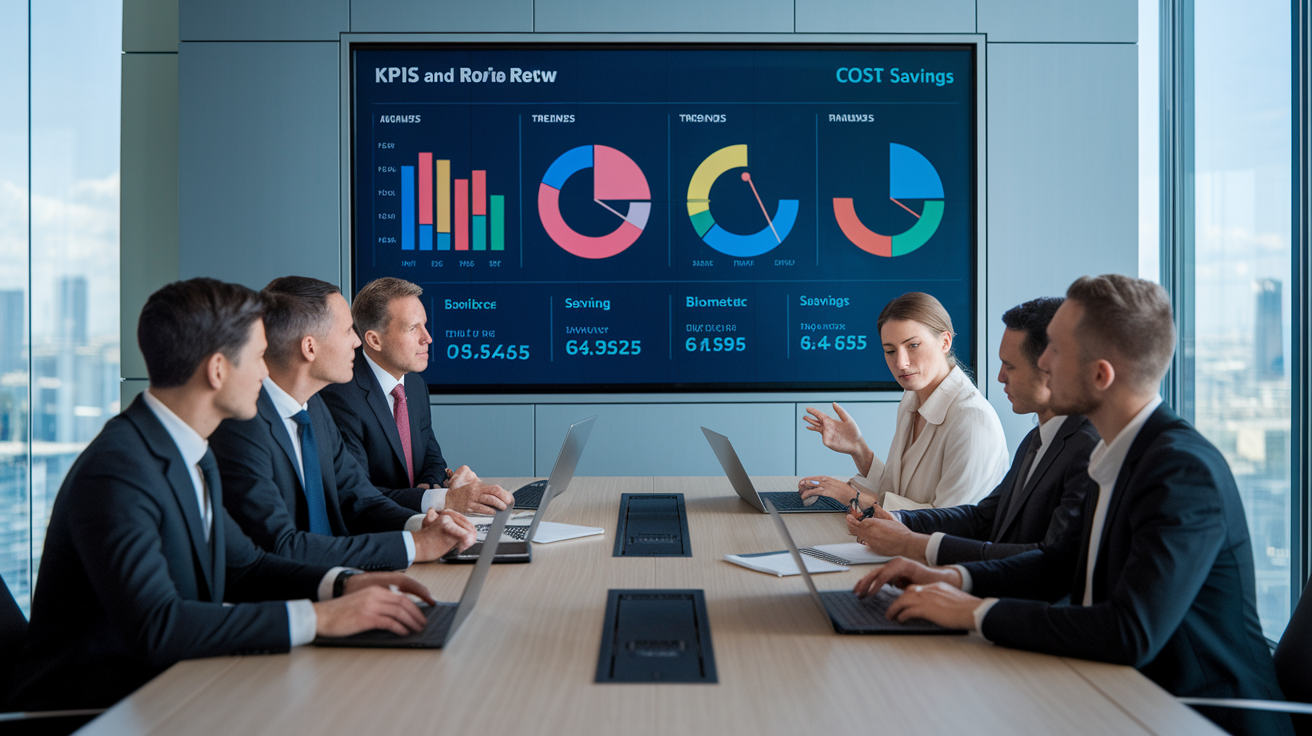
Without clear metrics, it’s impossible to know whether your wellness program is improving health, boosting engagement, or delivering financial value. Establish key performance indicators tied to your original program goals before you launch, and track them consistently so you can measure change over time. Common KPIs include enrollment rate, which tells you what percentage of eligible employees signed up, completion rate for specific activities like coaching sessions or challenges, employee satisfaction measured through pulse surveys or annual feedback, and participation trends tracked by activity type, department, or time of year. These process metrics show whether employees are engaging with the program, but they don’t prove health outcomes or cost savings.
Health outcome KPIs connect program participation to measurable changes in employee wellbeing. Track biometric trends year over year. Average blood pressure readings, cholesterol levels, BMI distribution, blood sugar markers, and any lab values tied to chronic disease risk. Monitor step counts, sleep consistency data from wearables, and participation in physical activity challenges to measure behavior change. Self-reported metrics like stress levels, energy ratings, and quality-of-life scores gathered through short surveys add context to the clinical data and help you understand how employees feel, not just how their numbers look.
Financial ROI metrics show whether the program reduces costs or improves business outcomes. Calculate absenteeism reduction by comparing sick days used before and after program launch. Measure presenteeism through self-reported focus ratings or output tracking if feasible. Analyze healthcare cost trends by reviewing annual claims data for categories like emergency room visits, chronic disease management, and preventable conditions. One study of a weight-loss intervention found a reduction of approximately $2,200 in insurance costs per participant, and those savings appeared within nine months of program start. ROI timelines vary by intervention type, but most programs show measurable behavior change within six to twelve months if participation is consistent.
| KPI | What It Measures | Example Data Source |
|---|---|---|
| Enrollment rate | Percentage of eligible employees who sign up for the program | Wellness platform registration data, HR enrollment records |
| Activity completion rate | How many participants finish challenges, coaching sessions, or educational programs | Digital platform logs, attendance sheets, coach reports |
| Biometric trend analysis | Year-over-year changes in blood pressure, cholesterol, BMI, blood sugar, or other lab markers | Annual health screenings, on-site nurse records, lab vendor reports |
| Absenteeism reduction | Decrease in sick days, short-term leave, or unplanned absences | Payroll records, time-tracking systems, HR absence reports |
| Employee satisfaction scores | Self-reported wellness program satisfaction, workplace happiness, or stress levels | Pulse surveys, annual engagement surveys, post-event feedback forms |
| Healthcare cost trend | Changes in insurance claims costs, emergency visits, or chronic disease management expenses | Insurance carrier reports, benefits broker analytics, claims summaries |
Track KPIs quarterly and share results with leadership and the wellness committee so you can adjust tactics mid-year instead of waiting for an annual review. If participation drops after the first month, investigate communication gaps or scheduling conflicts. If biometric trends aren’t improving, revisit whether your activities match the health risks your baseline data identified. Measuring success through clear, consistent metrics turns wellness from a feel-good initiative into a strategic program with demonstrable value.
Scaling and Sustaining Your Corporate Wellness Program Long-Term
Early momentum is exciting, but long-term success requires continuous improvement and adaptation. As participation grows, gather ongoing feedback through quarterly pulse surveys, informal check-ins with wellness champions, and post-activity evaluations. Ask employees what’s working, what feels repetitive, and what barriers still prevent them from participating. Use that feedback to simplify confusing elements, add new activities that match evolving interests, and retire programs that no one uses. Remember that 68 percent of employees avoid wellness programs they find too complex. Iterative simplification boosts long-term engagement more than adding features.
Scale strategically by expanding successful activities before launching entirely new ones. If your walking club has a waitlist, add a second meeting time or a virtual option for remote employees. If biometric screenings see high turnout, increase frequency from annual to semi-annual or add follow-up coaching for employees with elevated results. Scaling what already works reduces risk and ensures new investment goes toward proven engagement drivers. As your program matures, integrate wellness into other HR initiatives. Onboarding materials for new hires, manager training on supporting employee wellbeing, exit interviews that ask whether wellness programming influenced retention.
Four sustainable long-term practices to maintain momentum:
- Run seasonal campaigns tied to health observances – Use months like American Heart Month in February or Mental Health Awareness Month in May to refresh programming, introduce themed challenges, and keep wellness visible without repeating the same messaging year-round.
- Rotate leadership and committee roles annually – Bring in new wellness champions and committee members each year to prevent burnout, introduce fresh perspectives, and spread ownership across more employees.
- Automate routine communications and tracking – Use your digital platform to send automatic reminders, post leaderboard updates, and distribute monthly newsletters so the program runs consistently without constant manual effort from HR.
- Celebrate small wins and long-term participants – Recognize employees who hit participation milestones, maintain healthy habits over multiple quarters, or recruit colleagues to join, and use those stories to reinforce that sustained effort matters more than perfection.
Sustainability also means budgeting for the long haul. Build wellness into your annual operating budget as a recurring line item. Plan for vendor renewals, equipment replacement, and gradual expansion of services as the program proves ROI. Review cost-per-participant annually and adjust spending toward the activities that deliver the highest engagement and health impact. A program that starts small, listens to employees, measures outcomes, and evolves based on data will outlast flashy launches that fade after the first year.
Corporate Wellness Ideas and Examples to Inspire Your Program
Designing a corporate wellness program from scratch can feel overwhelming, but borrowing proven ideas gives you a practical starting point. The best programs mix high-touch services with scalable group activities and create options that fit different schedules, interests, and health goals. Use the examples below to spark ideas for your own organization, and adapt them based on the barriers and preferences you heard during your needs assessment.
Physical health activities work well when they’re easy to access and fit into the workday. Onsite fitness classes like Zumba, step aerobics, or yoga remove the friction of commuting to a gym and give employees a structured way to move. Walking or running clubs that meet once or twice a week build accountability and turn solo exercise into a social activity. Installing a well-lit, safe walking path mapped at one mile around your building perimeter makes it simple for employees to get steps during lunch or breaks. For smaller budgets or creative engagement, add basketball hoops in parking lots with free basketballs available before work, after work, and during breaks, or set up a disc golf course on company grounds with weekly group practice and coaching.
Ten high-impact wellness program ideas to consider:
- Bi-weekly blood pressure testing onsite – Regular monitoring creates health accountability and catches early warning signs of cardiovascular risk.
- Annual biometric health screenings with incentives – Offer free screenings that measure height, weight, BMI, cholesterol, blood sugar, and other lab markers, and reward employees who participate or improve their results year over year.
- Weekly chair massages from a licensed therapist – A 15-minute massage during the workday reduces stress, improves mood, and gives employees something to look forward to.
- Weight-loss support groups meeting weekly – Peer-led or coach-facilitated groups promote healthy eating, physical activity, and gradual sustainable progress.
- Meditation room with calming seating and guided recordings – Create a quiet space with bean bag chairs, soft lighting, adult coloring books, and audio guides so employees can decompress during breaks.
- Seasonal onsite farmers markets – Bring fresh local produce directly to employees once a week during growing season to make healthy eating more convenient.
- Healthier cafeteria and break room options – Stock fresh fruit, nuts, yogurt, whole-grain snacks, and balanced meals so employees don’t need to leave for fast food.
- Smoking cessation programs with free coaching and nicotine replacement therapy reimbursement – Support employees trying to quit with evidence-based resources, accountability check-ins, and financial help for patches, gum, or prescriptions.
- Company teams for 5K races and charity walks – Register a team for local running events or American Heart Association Heart Walk activities to build camaraderie and give employees a shared fitness goal.
- Health library with free borrowing privileges – Curate books and resources on healthy cooking, nutrition, stress management, blood pressure control, and chronic disease prevention that employees can borrow and use at home.
Final Words
Start by doing the work that actually moves things: run a quick needs assessment, collect a few baseline numbers, and ask employees what gets in the way of healthy habits.
Pick one or two clear goals, get a leader to back them, and choose easy, low-cost activities you can run this month.
If you follow these steps — assess, plan, test, repeat — you’ll see what works. Use this short approach as your guide for how to start a corporate wellness program and build momentum. You’ve got this.
FAQ
Q: How to create a corporate wellness program?
A: To create a corporate wellness program, start with a needs assessment and baseline metrics, survey employees for barriers and wants, map resources, secure leadership support, pick a small pilot and measure early results.
Q: What are the 7 and 5 pillars of wellness?
A: The 7 and 5 pillars of wellness are frameworks for whole-person health; a common 7‑pillar list is physical, emotional, social, intellectual, occupational, environmental and spiritual, while a 5‑pillar model often groups physical, mental/emotional, social, occupational and environmental.
Q: What is the average cost of a corporate wellness program?
A: The average cost of a corporate wellness program varies, but vendor packages commonly range from about $6,000 to $50,000 a year, depending on features, number of services and company size.