

Counting steps alone won’t show real progress, but a few simple measures will.
In this post you’ll learn clear, practical ways to track wellness across four areas: physical, mental, emotional, and daily habits.
We’ll walk through setting a two-week baseline, choosing three to five key measures (KPIs) like sleep hours, mood rating, water, and steps, and picking easy tools so tracking doesn’t feel like extra work.
By the end you’ll have a short 3–7 day plan to spot real change and test one small habit at a time.
Core Methods for Quantifying Wellness Progress

Measuring wellness starts with picking clear indicators across the areas that shape how you feel. Most real progress shows up in physical health, mental state, emotional balance, and the small daily choices that add up. Choosing one or two metrics per category gives you a realistic picture without making tracking feel like extra work.
Your baseline is just where you’re starting. Before measuring improvement, you need to know what normal looks like right now. Spend a week or two capturing your initial metrics without changing anything. Log your usual sleep hours, typical daily steps, midday energy level, and how often you feel stressed versus calm. Write it down or use an app. This snapshot becomes the reference point you’ll compare against later.
The goal is to pick KPIs that reflect actual life, not some perfect ideal. You’re not chasing flawless data. You want patterns that help you connect what you do with how you feel.
12 practical KPIs across four wellness areas:
- Physical: Resting heart rate (bpm), nightly sleep average (hours), daily steps, weekly workouts
- Mental: Stress level (1–10), focus quality during work, mental fog versus clarity
- Emotional: End-of-day mood (1–10), days feeling content versus irritable, gratitude or frustration moments
- Lifestyle: Water intake (glasses daily), balanced meals per day, pre-bed screen time (minutes), outdoor time
Pick three to five of these. Track them for two weeks. That’s your baseline, and it’s enough to start noticing what changes when you adjust one thing at a time.
Objective Wellness Metrics and How to Track Them
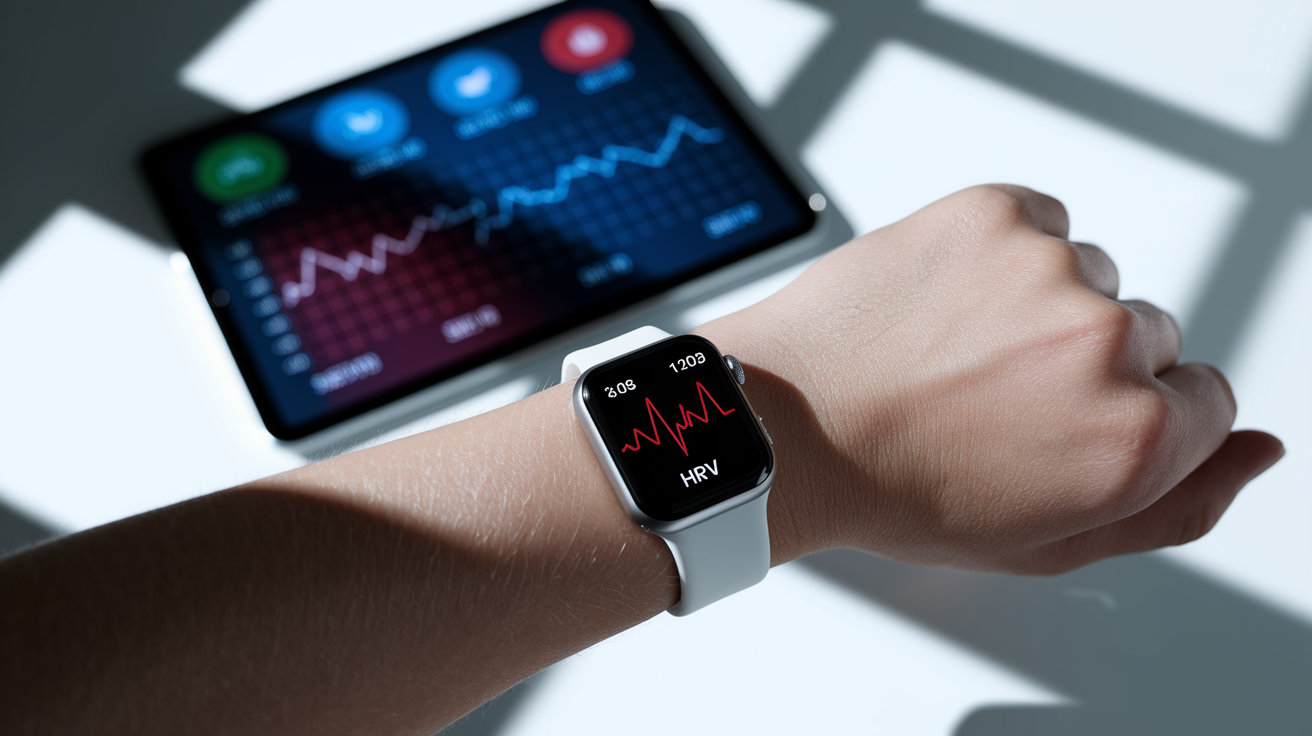
Objective metrics are numbers your body generates without asking how you feel. They’re measurable, repeatable, harder to argue with. Sleep duration, heart rate, steps, and biomarkers like blood pressure or glucose give you a factual record of what’s happening physically and how your habits are landing.
Sleep is one of the clearest indicators. Track total nightly hours, time to fall asleep, and wake-ups. Wearables log this passively. Most adults need seven to nine hours, but consistency beats hitting a perfect number occasionally. Averaging six hours weekdays and crashing for ten on weekends tells you something about cumulative fatigue and recovery debt.
Activity data goes beyond formal exercise. Daily steps, active minutes, movement frequency throughout the day all matter. A baseline of 3,000 steps signals mostly sedentary. Moving that to 7,000 or higher often brings noticeable energy and mood shifts. Track whether you’re hitting 150 weekly minutes of moderate activity and note how high-movement days feel versus low ones.
Cardiovascular markers include resting heart rate, heart rate variability, blood pressure. Resting heart rate tends to drop as fitness improves. A five to ten beat decrease over a few months is solid progress. Heart rate variability reflects nervous system resilience. Higher HRV usually means better recovery and stress tolerance. Blood pressure and weight are slower indicators, but sustained drops in systolic pressure or five percent weight changes can mark real metabolic and cardiovascular improvements. Other biomarkers like fasting glucose, cholesterol panels, inflammation markers such as CRP require lab work, but annual or twice-yearly checks let you track longer trends tied to diet, activity, stress.
Using Subjective Data to Measure Wellbeing

Numbers don’t capture everything. How you feel waking up, your 3 p.m. energy level, whether your mind feels calm or cluttered are subjective, but they matter just as much as step counts. Subjective data fills the space between metrics and lived experience.
Mood tracking is straightforward. Rate your overall mood daily on a 1–10 scale. Over a month, patterns emerge. Certain days or situations consistently drag your score down, others lift it. Perceived stress works the same way. A daily or weekly stress rating helps you notice whether stress is rising, holding steady, or easing. Emotional wellbeing logs go further. Note moments of frustration, gratitude, joy, exhaustion in a sentence or two. These short entries often reveal connections numbers alone miss.
Validated questionnaires add structure. Tools like life satisfaction surveys or the ONS4 (four questions covering life satisfaction, purpose, happiness, anxiety on 0–10 scales) take two minutes and give you comparable data over time. Mental wellbeing scales like WEMWBS (14 items) or SWEMWBS (7 items) produce a single score you can track monthly or quarterly to see mental health trends. Clinical screens like PHQ-9 for depression and GAD-7 for anxiety are free, quick, widely used. High or rising scores signal it’s time to get professional support.
Six subjective tools to use daily or weekly:
- Daily mood rating (1–10)
- Weekly perceived stress (1–10)
- Weekly life satisfaction score (0–10, same question each time)
- Short wellbeing journal entry (2–3 sentences on energy, mood, notable moments)
- Monthly SWEMWBS or ONS4 questionnaire
- Biweekly reflection: “What drained me this week? What recharged me?”
Tools for Tracking Wellness Data

You don’t need a complicated setup. The right tool is the one you’ll use more than once. Most people do well with a mix: something passive for objective data, something quick for daily check-ins, something reflective for the bigger picture.
Habit tracking apps let you log metrics like water, sleep quality, mood, movement in a few taps. Many sync with wearables or send daily reminders. The good ones show simple graphs so you can spot trends without spreadsheets. Wearables (fitness trackers, smartwatches, smart rings) capture sleep, heart rate, steps, sometimes heart rate variability or blood oxygen automatically. They remove manual logging friction, though you still need to review data regularly for it to be useful.
Journals work if you prefer writing things down. A wellness journal doesn’t need to be fancy. A notebook with daily entries (sleep hours, energy, mood, one sentence about the day) creates a record you can flip through to see patterns. Hybrid systems pair a wearable for passive biometrics with a journal or app for subjective notes. Your watch logs sleep and steps. Each morning you jot how rested you feel and rate stress. That pairing connects objective numbers to lived experience.
| Tool Type | Key Features | Ideal For |
|---|---|---|
| Mobile apps | Manual logging, reminders, trend graphs, goal tracking | People wanting flexibility who don’t mind a few daily taps |
| Wearables | Automatic biometric capture (sleep, HR, steps, HRV), passive tracking | Anyone wanting objective data without daily effort |
| Journals | Reflective writing, mood notes, context around numbers | People who process best by writing and reviewing narrative entries |
| Hybrid systems | Wearable plus app or journal; combines passive metrics with subjective input | Users wanting both hard data and personal context in one workflow |
Strategies for Monitoring Wellness Progress Over Time

Tracking matters only if you review it. Weekly and monthly check-ins turn raw numbers and notes into insights you can act on. Without regular reviews, you’re just collecting unused information.
Set a recurring weekly review. Sunday evening or Monday morning works for many. Spend ten minutes on the past seven days. Compare average sleep, steps, mood ratings, stress levels to the week before. Notice what went well, what didn’t. Three nights of poor sleep in a row? Look for patterns. Late caffeine, screen time before bed, stressful project. Consistently higher mood scores? Check what you did differently. More outdoor time, better meal timing, calmer work week.
Monthly reviews zoom out. Calculate monthly averages for key metrics and compare to baseline or the previous month. A monthly review is also good for checking subjective tools like SWEMWBS or life satisfaction scores. If a metric improved 5 to 10 percent or more, that’s real progress. If something stayed flat or worsened, it signals time to adjust. Set one or two small targets for the next month based on what you learned.
Five steps to interpret and adjust based on ongoing data:
- Gather your data from the past week or month. Pull numbers from your app, wearable, or journal.
- Calculate simple averages for each KPI (total sleep hours divided by seven, average daily steps, median mood rating).
- Compare to baseline or previous period. Note whether each metric went up, down, or stayed the same.
- Look for correlations. Did better sleep align with higher energy ratings? Did skipped meals match low afternoon mood?
- Pick one small adjustment to test next review period. Earlier bedtime, daily walk, five-minute morning routine. Track whether it shifts numbers in the direction you want.
Interpreting Patterns and Making Adjustments

Wellness data gets useful when you can read the story. A single bad night or low mood day doesn’t mean much. Three weeks of declining sleep quality or a month of rising stress scores points to something needing attention. Interpretation is spotting consistent trends and connecting them to what’s actually happening.
Ask what changed. If resting heart rate climbed five beats over two months, check the timeline. New job, less exercise, extra afternoon coffee? If mood ratings dropped from a 7 average to a 5, check activity and sleep data from the same stretch. Often one slip (less movement, worse sleep, skipped meals) cascades into others. The reverse is also true. Improving one metric often lifts others. Better sleep usually brings better mood and more energy for movement. More daily steps can improve sleep quality and lower perceived stress.
When you identify a pattern, adjust one variable and give it two to four weeks to show results. If sleep’s the issue, try moving bedtime earlier by 30 minutes and track whether total hours and morning energy improve. If stress scores are high, test a short daily walk or five minutes of breathing exercises and watch for a shift in weekly stress rating. Small, targeted changes are easier to maintain and measure. If the adjustment works, the data confirms it. If not, you know to try something else without wasting months on a strategy that isn’t helping.
Real-World Examples of Tracking Wellness Improvement

A teacher tracked sleep for a month and noticed she averaged 6.2 hours nightly during the week, then slept 9 hours on weekends. Her midweek energy ratings hovered around 4 out of 10, and she needed afternoon caffeine to stay alert. She moved weeknight bedtime 45 minutes earlier. After three weeks, average sleep rose to 7.1 hours, energy ratings climbed to 6 or 7, and she stopped needing 3 p.m. coffee. The data confirmed what she suspected. Chronic sleep debt was driving fatigue.
A project manager used daily stress ratings and weekly mood scores to track mental state during a high-pressure quarter. His stress scores sat at 7 or 8 most days, mood average was 5. He added a 20-minute lunch walk and blocked the first 30 minutes of his morning for focused work instead of meetings. Over six weeks, stress scores dropped to 5 or 6, mood average rose to 7. The walk gave him a mental reset. Protected morning time reduced the feeling of being constantly reactive.
A writer wanted more physical activity but hated the gym. She started tracking daily steps with a simple app goal of 5,000. Her baseline was 2,800. She parked farther from her office, took a ten-minute walk after dinner, stood during phone calls. Within two months, her average hit 7,200 steps, resting heart rate dropped from 78 to 72 bpm, and she felt noticeably more energized and less stiff by workday’s end. Small, consistent movement added up to measurable cardiovascular and energy improvements without a formal workout plan.
Final Words
Start by choosing 4–8 KPIs and collect a 7–14 day baseline so you know what to track. Mix objective markers (sleep, steps, heart rate) with simple subjective checks (mood, stress).
Use easy tools—phone apps, a wearable, or a short journal—and do weekly reviews to spot trends. Adjust one habit at a time and watch small changes add up.
Use this approach to learn how to measure wellness improvement and keep building on steady wins.
FAQ
Q: What are the 5 C’s of wellness?
A: The 5 C’s of wellness are connection, curiosity, choice, challenge, and consistency, key habits that support social, mental, and physical wellbeing by encouraging relationships, learning, intentional action, safe growth, and steady routines.
Q: How can you measure wellness and the effectiveness of a wellness program?
A: Measuring wellness and program effectiveness involves tracking objective KPIs (sleep, steps, vitals), subjective scores (mood, stress, life satisfaction), participation and goal progress, plus baseline comparisons over weeks to months.
Q: What are the 7 pillars of wellness?
A: The 7 pillars of wellness are physical, emotional, social, intellectual, occupational, spiritual, and environmental wellness, each area helping balance daily energy, coping, purpose, and safe surroundings for overall wellbeing.