
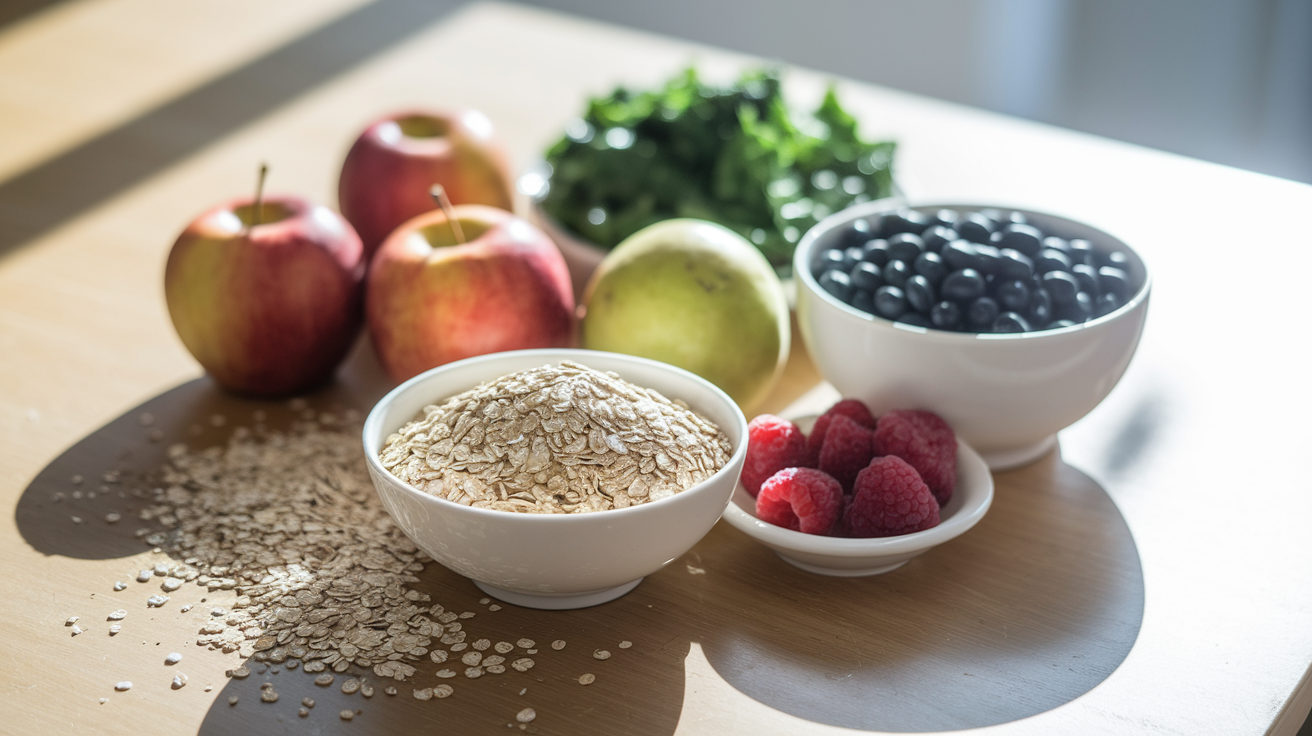
What if the missing piece to calmer digestion isn’t a pill but the right kinds of fiber?
If you’re dealing with bloating, irregular stools, or that 3 p.m. energy crash, you’re not imagining it.
Most people only eat 10 to 15 grams of fiber a day—far below the 21 to 38 grams that help your gut thrive.
This post explains which fibers actually transform digestion—soluble, insoluble, prebiotic, and resistant starch—and gives simple foods and swaps you can try this week.
Top Fiber Types That Best Support Gut Health
Soluble fiber stands out as the most powerful option for gut health because it feeds beneficial bacteria and creates compounds that directly nourish your intestinal lining. When soluble fiber reaches your colon, bacteria ferment it into short-chain fatty acids, especially butyrate, which fuel the cells lining your gut and calm inflammation. This process explains why people eating more soluble fiber usually report fewer digestive problems and more regular bowel movements.
Insoluble fiber works differently but matters just as much. It stays mostly intact as it moves through your system, soaking up water and adding bulk to stool. Think of it as a gentle broom sweeping through your digestive tract. Prebiotic fiber, a special category of soluble fiber, meets four strict criteria: it resists digestion in your stomach and small intestine, gets fermented by gut microbes, stimulates the growth and activity of beneficial bacteria, and creates measurable health benefits. Resistant starch behaves like soluble fiber even though it starts as a starch. It dramatically increases butyrate production when you cook and then cool foods like potatoes or rice.
Most Americans get only 10 to 15 grams of fiber daily. That’s far short of the recommended 21 to 25 grams for women and 30 to 38 grams for men. The gap matters because your gut microbiome depends on steady fiber intake to maintain diversity and produce the compounds that keep your digestive system running smoothly.
Best fiber types for gut health:
• Psyllium husk: 70% soluble and 30% insoluble, supports both regularity and blood sugar balance
• Inulin: highly prebiotic, increases bifidobacteria, found in chicory root and Jerusalem artichoke
• Beta-glucan: from oats and barley, forms thick gel and significantly boosts beneficial bacteria
• Resistant starch: forms when you cook then cool potatoes or rice, creates high butyrate levels
• Pectin: from apples and citrus, ferments slowly and supports diverse microbe populations
• FOS and GOS: targeted prebiotics that feed specific helpful strains
• Partially hydrolyzed guar gum: well tolerated, less likely to cause gas than other fermentable fibers
Soluble Fiber Types That Improve Gut Function and Microbiome Balance

Soluble fiber dissolves in water to form a gel that slows digestion, helps you feel full longer, and creates the perfect environment for beneficial bacteria to thrive. As bacteria ferment soluble fiber, they produce short-chain fatty acids including butyrate, acetate, and propionate. Butyrate matters especially because it serves as the primary fuel source for the cells lining your colon. It’s been directly linked to reduced gut inflammation and improved intestinal barrier function. This process explains why diets rich in soluble fiber correlate with better digestive comfort and more balanced gut microbiome populations.
The best food sources include black beans, lima beans, kidney beans, flaxseeds, sunflower seeds, apricots, apples, guavas, pears, figs, avocado, carrots, Brussels sprouts, and cabbage. A practical tip that makes these foods easier to digest: soak beans, grains, and seeds for several hours before cooking. Soaking reduces compounds called anti-nutrients that can interfere with digestion and mineral absorption, making the fiber more accessible to your gut bacteria.
Top soluble fibers for gut health:
• Pectin: abundant in apples, pears, and citrus fruits, forms thick gel
• Beta-glucan: from oats and barley, clinically shown to increase beneficial bacteria
• Inulin: chicory root, Jerusalem artichoke, onions, garlic
• Guar gum: derived from guar beans, effective even in small amounts
• Psyllium: primarily soluble, creates bulk and feeds microbiome simultaneously
Insoluble Fiber for Regularity and Healthy Digestive Transit

Insoluble fiber doesn’t dissolve in water. Instead, it moves through your digestive system largely intact, absorbing fluid along the way and adding bulk to your stool. This bulk helps food and waste move more quickly through your intestines, which prevents constipation and reduces the time potentially harmful substances spend in contact with your intestinal walls.
Most whole plant foods contain both soluble and insoluble fiber in varying ratios. Fruits, vegetables, nuts, seeds, and whole grains all provide insoluble fiber alongside their soluble fiber content. The two types work together. Soluble fiber feeds your microbiome and produces beneficial compounds, while insoluble fiber keeps everything moving at a healthy pace. You need both for optimal digestive function, which is why whole food sources beat isolated fiber supplements in most cases.
Prebiotic Fiber and Its Role in Supporting Beneficial Gut Bacteria

Prebiotic fiber represents a specialized category defined by specific criteria established through microbiome research. To qualify as a prebiotic, a fiber must resist digestion in your stomach and small intestine, be fermentable by gut bacteria, selectively stimulate the growth or activity of beneficial microbes (especially bifidobacteria and lactobacilli), and produce measurable health benefits for you as the host. Not all fiber meets these requirements. That’s what makes true prebiotic fiber particularly valuable for rebuilding and maintaining a healthy gut microbiome.
The highest prebiotic foods include chicory root, dandelion greens, Jerusalem artichoke, konjac root, burdock root, flaxseeds, yacon root, jicama root, and wheat bran. More commonly available prebiotic sources include onions, garlic, oatmeal, asparagus, barley, and apples eaten with their skins. Adding just one or two of these foods to your daily meals can meaningfully shift your microbiome composition within a few weeks, increasing populations of bacteria associated with better metabolic health and reduced inflammation.
How Prebiotics Feed Gut Bacteria
When prebiotic fiber reaches your colon undigested, specific bacterial strains break it down through fermentation. This process produces short-chain fatty acids (primarily butyrate, acetate, and propionate) that lower the pH of your colon, creating an environment where beneficial bacteria thrive and harmful strains struggle. At the same time, these fatty acids get absorbed into your bloodstream and influence metabolism, immune function, and even appetite regulation throughout your body. The bacteria that ferment prebiotics also multiply, increasing overall microbiome diversity, which serves as one of the strongest markers of gut health.
• Inulin: ferments quickly, increases bifidobacteria significantly within 2 weeks
• Fructooligosaccharides (FOS): shorter chains than inulin, often better tolerated
• Galactooligosaccharides (GOS): supports beneficial bacteria without excessive gas for many people
• Xylooligosaccharides: reduces harmful bacteria while increasing beneficial strains
• Arabinoxylans: from wheat and oat bran, produces butyrate and improves stool consistency
Resistant Starch and Its Unique Benefits for Gut Health

Resistant starch is a type of starch that resists digestion in your small intestine and reaches your colon intact, where it behaves like soluble fiber. What makes resistant starch especially interesting is that you can create it through a simple process called retrogradation. When you cook starchy foods like potatoes or rice and then cool them in the refrigerator, the starch molecules rearrange into a structure your digestive enzymes can’t easily break down. This cooled, resistant starch then travels to your colon, where bacteria ferment it into high levels of butyrate.
The butyrate produced from resistant starch fermentation has been shown to improve colon cell health, reduce inflammation, and support the integrity of your intestinal barrier. Some research suggests resistant starch may be one of the most efficient ways to boost butyrate production compared to other fiber types. This makes it particularly valuable if you’re dealing with gut inflammation or working to rebuild your microbiome after antibiotics or dietary changes.
Common sources of resistant starch:
• Cooked and cooled potatoes (potato salad, leftover roasted potatoes)
• Cooked and cooled rice (fried rice made from day-old rice)
• Green (unripe) bananas and plantains
• Cooked and cooled pasta
Ranking the Best Food Sources of Fiber for Gut Health
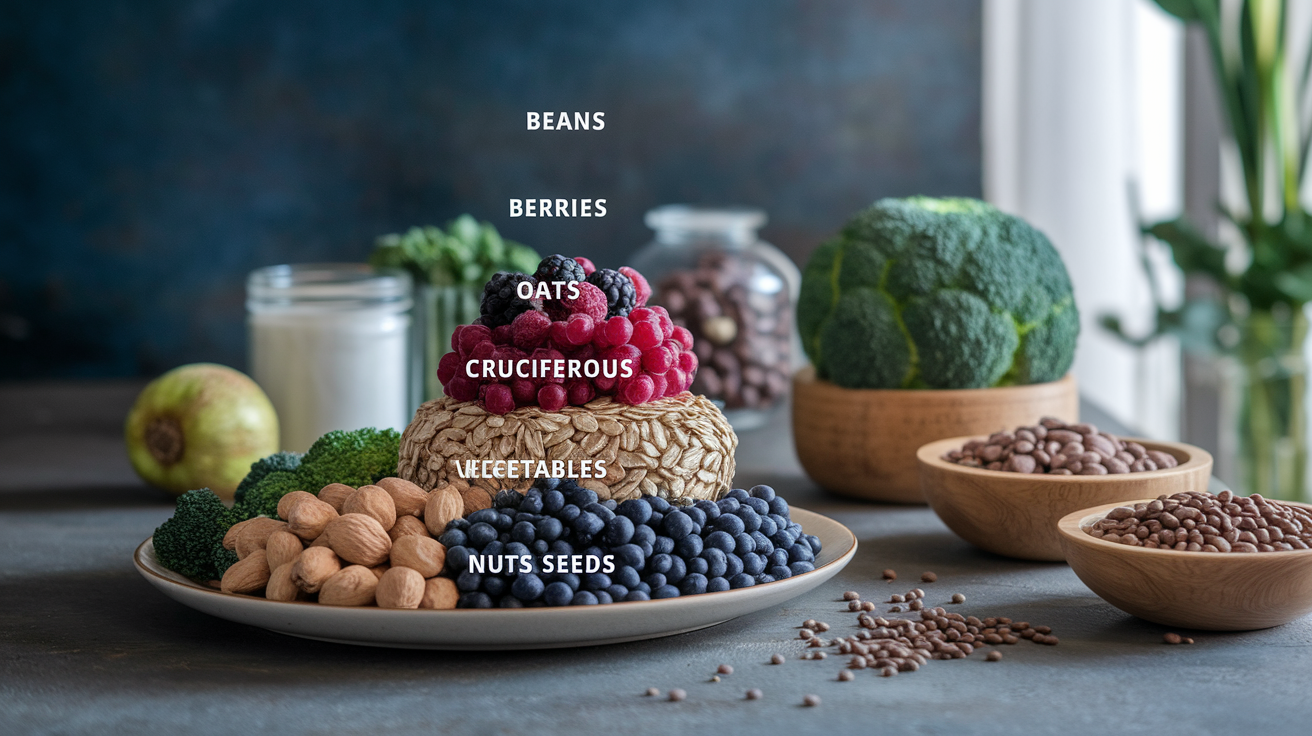
Whole food sources deliver fiber alongside vitamins, minerals, polyphenols, and other compounds that work together to support your microbiome. A black bean, for example, provides not just soluble and insoluble fiber but also resistant starch, B vitamins, minerals, and plant compounds that beneficial bacteria use as building blocks. This combination explains why fiber-rich whole foods consistently outperform isolated fiber supplements in research on gut health and microbiome diversity.
Legumes stand at the top of the fiber-rich food list. One cup of cooked black beans delivers about 15 grams of fiber, including high amounts of resistant starch and prebiotic fiber. Lentils, chickpeas, split peas, and kidney beans offer similar benefits. Cruciferous vegetables like broccoli, Brussels sprouts, and cabbage provide both soluble and insoluble fiber plus sulfur compounds that support beneficial bacteria. Berries, especially raspberries and blackberries, pack impressive fiber into small servings, along with polyphenols that act as prebiotics.
Whole grains contribute significant fiber when you choose intact forms. Steel-cut oats, barley, quinoa, and whole wheat provide beta-glucan and arabinoxylans that specifically increase beneficial bacteria populations. Nuts and seeds, particularly almonds, chia seeds, flaxseeds, and sunflower seeds, combine fiber with healthy fats and protein, slowing digestion and feeding your microbiome over several hours rather than all at once.
| Food Category | Notable Fibers | Gut Benefit |
|---|---|---|
| Legumes (beans, lentils, chickpeas) | Soluble fiber, resistant starch, prebiotics | High butyrate production, feeds diverse bacteria, improves regularity |
| Cruciferous vegetables (broccoli, Brussels sprouts, cabbage) | Soluble and insoluble fiber, sulfur compounds | Supports beneficial bacteria, speeds transit, reduces inflammation |
| Berries (raspberries, blackberries, strawberries) | Pectin, insoluble fiber, polyphenols | Increases microbiome diversity, antioxidant support for gut lining |
| Whole grains (oats, barley, quinoa) | Beta-glucan, arabinoxylans, resistant starch | Boosts bifidobacteria, improves stool consistency, lowers gut pH |
| Allium vegetables (onions, garlic, leeks) | Inulin, FOS | Strong prebiotic effect, increases beneficial strains rapidly |
| Nuts and seeds (almonds, chia, flax) | Soluble fiber, lignans, omega-3 fats | Slow fermentation, supports anti-inflammatory bacteria, improves satiety |
Comparing Popular Fiber Supplements for Gut Support
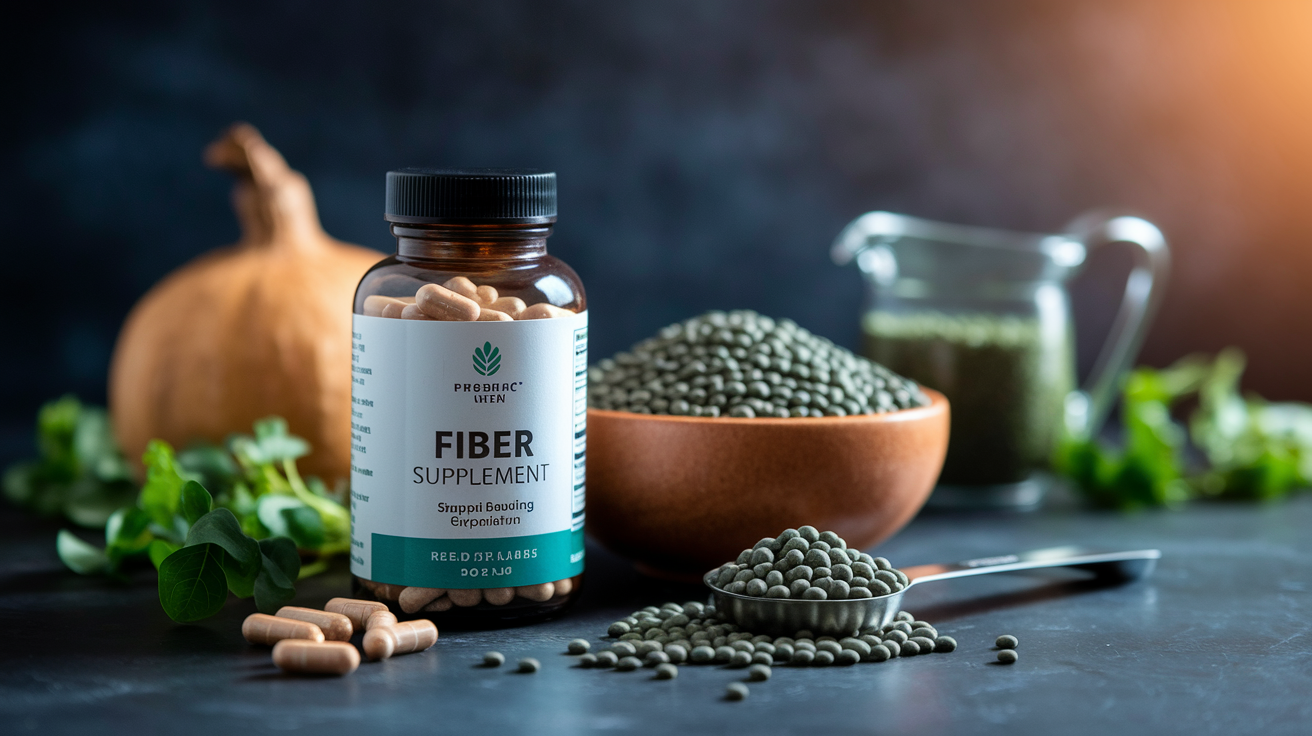
Fiber supplements can help bridge the gap when whole food intake falls short, but they vary widely in how they work and which digestive issues they address best. Psyllium husk, composed of about 70% soluble and 30% insoluble fiber, normalizes stool consistency in both constipation and diarrhea conditions. Research shows it improves blood sugar regulation in people with type 2 diabetes and provides symptom relief for irritable bowel syndrome. Psyllium ferments moderately, producing some short-chain fatty acids without excessive gas for most people.
Methylcellulose stands out as a 100% soluble but nonfermentable fiber. Because gut bacteria can’t break it down, it creates bulk and holds water without producing gas. This makes it a good choice if you experience significant bloating when you try other fiber supplements. Wheat dextrin dissolves easily in both hot and cold liquids, stays clear in solution, and provides about 3 grams of soluble fiber per 2-teaspoon serving. It ferments slowly, reducing the sudden gas and cramping that can occur with more rapidly fermented fibers.
Inulin and other prebiotic fiber supplements target microbiome composition specifically. They increase populations of bifidobacteria and lactobacilli within days to weeks. Inulin does ferment readily, which means it can cause gas and bloating when you first start taking it. Starting with a small dose (2 to 3 grams daily) and increasing gradually usually solves this problem. Partially hydrolyzed guar gum represents a middle ground. It ferments and feeds beneficial bacteria but tends to produce less gas than inulin.
Common fiber supplement types:
• Psyllium husk: best all-around choice for regularity and microbiome support
• Methylcellulose: ideal if you need bulk without fermentation or gas
• Wheat dextrin: dissolves invisibly in beverages, gradual fermentation
• Inulin: strongest prebiotic effect, start low to avoid initial gas
• Partially hydrolyzed guar gum: fermentable but well tolerated, good for IBS
Recommended Daily Fiber Intake and How to Increase It Safely
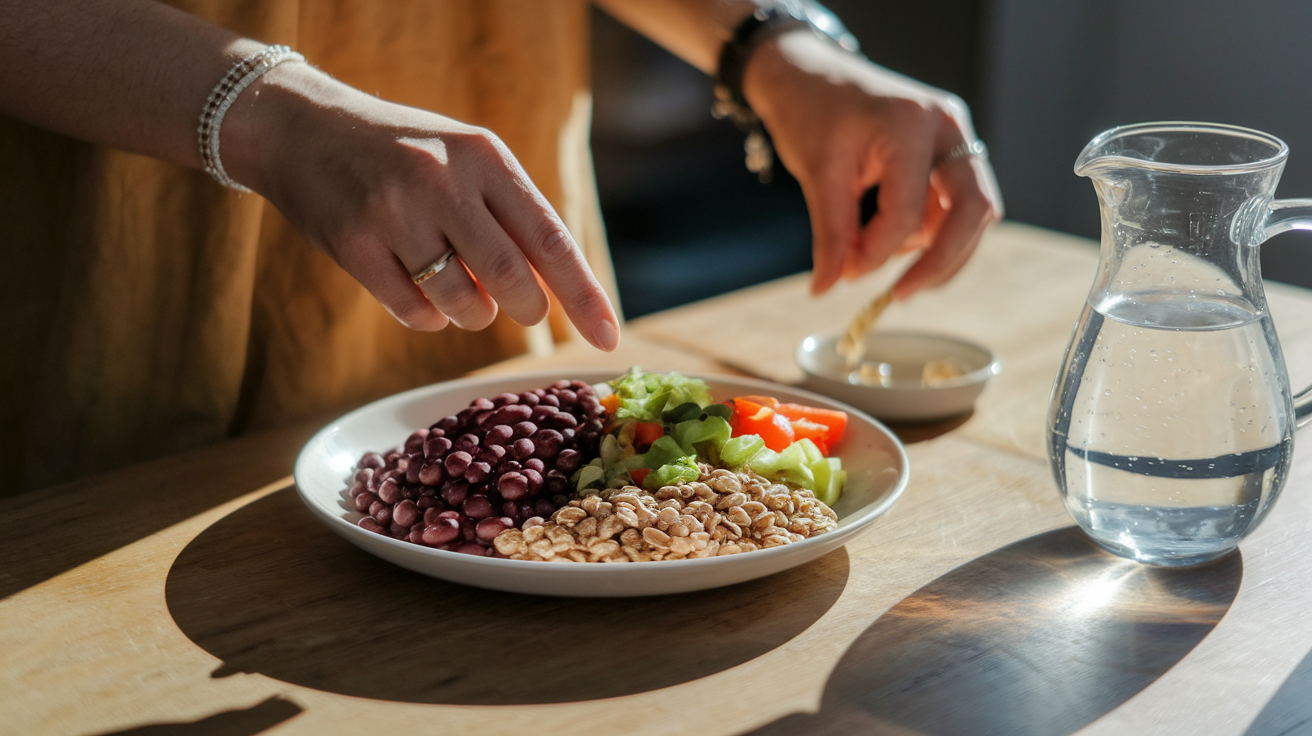
Women between ages 19 and 30 should aim for about 28 grams of fiber daily, while men in the same age group need approximately 34 grams. These numbers drop slightly with age but remain substantial. Women over 50 need at least 21 grams, and men need 30 grams. The reality is that 90% of women and 97% of men don’t meet these targets, with average intake hovering around 10 to 15 grams per day. This gap matters because every additional 8 grams of fiber per day has been associated with reduced risks of heart disease, type 2 diabetes, and colorectal issues in long-term studies dating back to the 1990s and 2000s.
Increasing fiber intake too quickly causes bloating, cramping, and diarrhea because your gut bacteria need time to adjust and multiply. A gradual approach works better. Hydration matters just as much. Fiber absorbs water as it moves through your system. Without enough fluid, added fiber can slow transit and worsen constipation rather than help it. A practical guideline is about 0.5 fluid ounce per pound of body weight. For example, if you weigh 150 pounds, aim for about 75 ounces of water daily, adjusted up when you exercise or live in a hot climate.
How to increase fiber safely over 2 to 3 weeks:
- Start by adding 5 grams of fiber per day for one week (one serving of beans or berries)
- Track how you feel. Watch for bloating, changes in stool, energy shifts
- Add another 5 grams in week two (a serving of oats or an extra vegetable)
- Increase your water intake by 8 to 16 ounces for every 5 grams of fiber you add
- If you experience gas or discomfort, hold at your current level for a few more days before increasing
- Continue gradually until you reach your daily target, prioritizing whole foods over supplements when possible
Fiber Sensitivity, IBS, FODMAPs, and Special Considerations
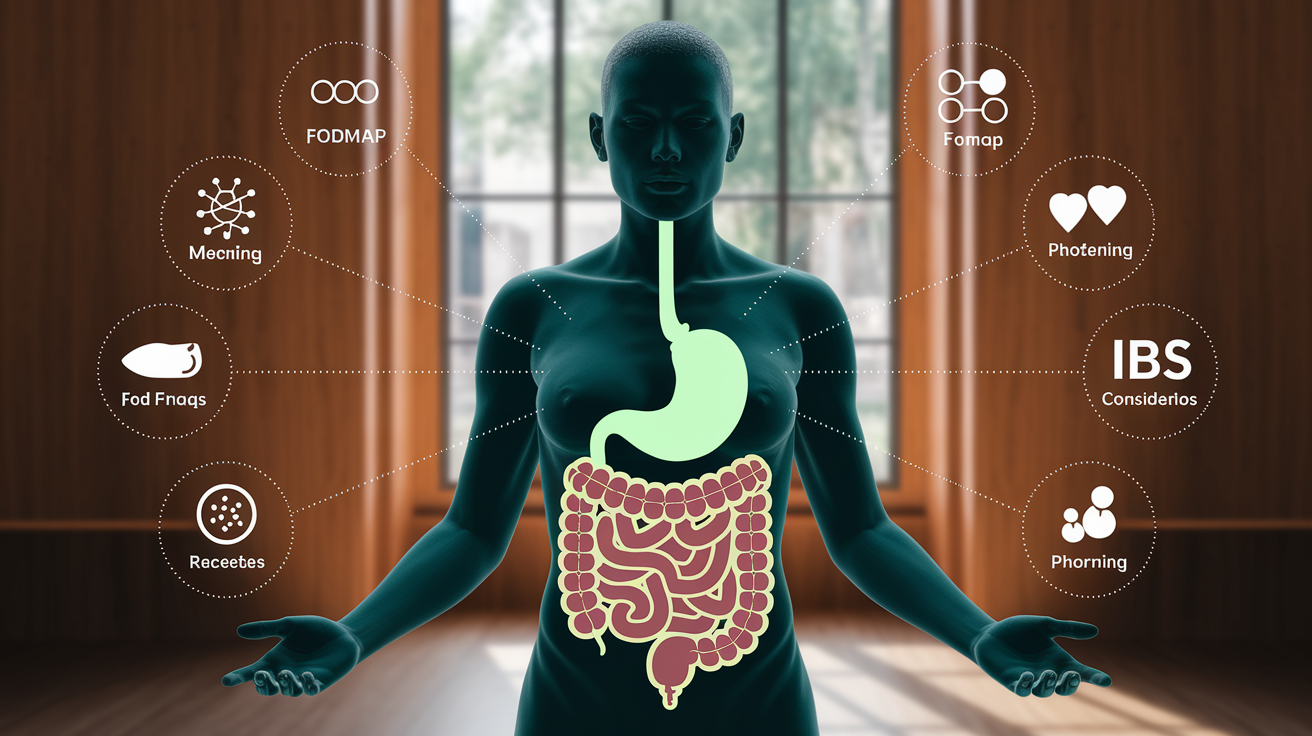
About 1 in 7 adults experience irritable bowel syndrome, and fiber recommendations for IBS differ from general guidance. Insoluble fiber can worsen symptoms like cramping, urgency, and diarrhea in some people with IBS, especially those with diarrhea symptoms. Soluble fiber and resistant starch tend to be better tolerated because they form gel, slow transit moderately, and produce beneficial short-chain fatty acids without adding aggressive bulk. Clinical guidance often suggests emphasizing soluble fiber sources like oats, psyllium, chia seeds, and cooked-then-cooled potatoes while reducing wheat bran, raw cruciferous vegetables, and other high-insoluble-fiber foods during flare-ups.
FODMAPs (fermentable oligosaccharides, disaccharides, monosaccharides, and polyols) are short-chain carbohydrates that resist digestion in the small intestine and can trigger IBS symptoms. Many high-fiber prebiotic foods, including onions, garlic, beans, and certain fruits, are also high in FODMAPs. This creates a challenge. The fibers that best feed your microbiome may temporarily worsen symptoms. Low-FODMAP diets developed at Monash University help identify personal triggers and have shown consistent symptom reduction in research. The approach involves temporarily removing high-FODMAP foods, then systematically reintroducing them to find your individual tolerance levels.
If you have SIBO (small intestinal bacterial overgrowth), highly fermentable fibers can worsen bloating and discomfort because bacteria are fermenting fiber in the wrong location (your small intestine instead of your colon). Working with a healthcare provider to address the overgrowth first usually allows you to reintroduce prebiotic and fermentable fibers later. Conditions like Crohn’s disease, diverticular disease, or a history of bowel obstruction also require individualized fiber recommendations and medical guidance before making significant dietary changes.
Tips for Reducing Gas When Increasing Fiber
Start with a low dose of any new fiber source and increase it slowly over several weeks. Your gut bacteria populations will shift and adapt, reducing gas production over time. Cooking vegetables thoroughly breaks down some of the fiber structures and makes them easier to digest initially. You can gradually add more raw vegetables as your system adjusts. Soaking beans, grains, and seeds for at least 4 hours (or overnight) before cooking reduces compounds that contribute to gas and improves overall digestibility. Spreading fiber intake across multiple small meals rather than eating large amounts at once gives your digestive system more manageable portions to process and reduces the sudden fermentation that causes bloating.
Final Words
You’re already in the action, trying beans, oats, and a bit of psyllium to ease bloating and get regular.
This post ranked fiber types—soluble, insoluble, prebiotic, resistant starch—gave food-first picks, compared supplements, and covered safe increases and IBS tips.
Next step: add one small swap today, like a bowl of oats or a spoon of ground flax, and sip a little more water.
Keep this up for a week and notice changes. Small, steady moves toward the best fiber for gut health really add up.
FAQ
Q: What are the best fiber supplements to lower cholesterol?
A: The best fiber supplements to lower cholesterol are psyllium, oat beta-glucan, pectin, and partially hydrolyzed guar gum; they form a gel that helps remove cholesterol and can lower LDL when used consistently.
Q: How can I hit 30g of fiber a day?
A: You can hit 30g of fiber a day by adding a fiber-rich breakfast (oats + berries), a bean-based lunch, whole-grain snacks, and fruit or raw veggies; aim to spread intake across meals.
Q: Can soluble fiber help regulate blood sugar?
A: Soluble fiber can help regulate blood sugar by slowing carbohydrate absorption and blunting glucose spikes after meals; oats, beans, and fruits with skin support steadier energy and insulin response.
Q: What does a gut microbiome want you to eat every day?
A: A gut microbiome wants you to eat every day a variety of plant fibers (fruits, veg, whole grains), prebiotic foods like onions and garlic, fermented foods, and some resistant starch to feed beneficial bacteria.