

What if tracking your wellness is the thing stressing you out?
You’re not imagining it—people try to track everything and then give up.
Tracking can actually help when it’s small and focused.
This post shows a simple way to make tracking useful: get a real baseline, pick three to five metrics that affect your energy and mood, use a tool you’ll actually open, and follow a short three-to-seven day starter plan to spot patterns and make tiny, practical changes.
No perfection. Just progress.
How to Start Tracking Your Health (The Quick-Start Guide)
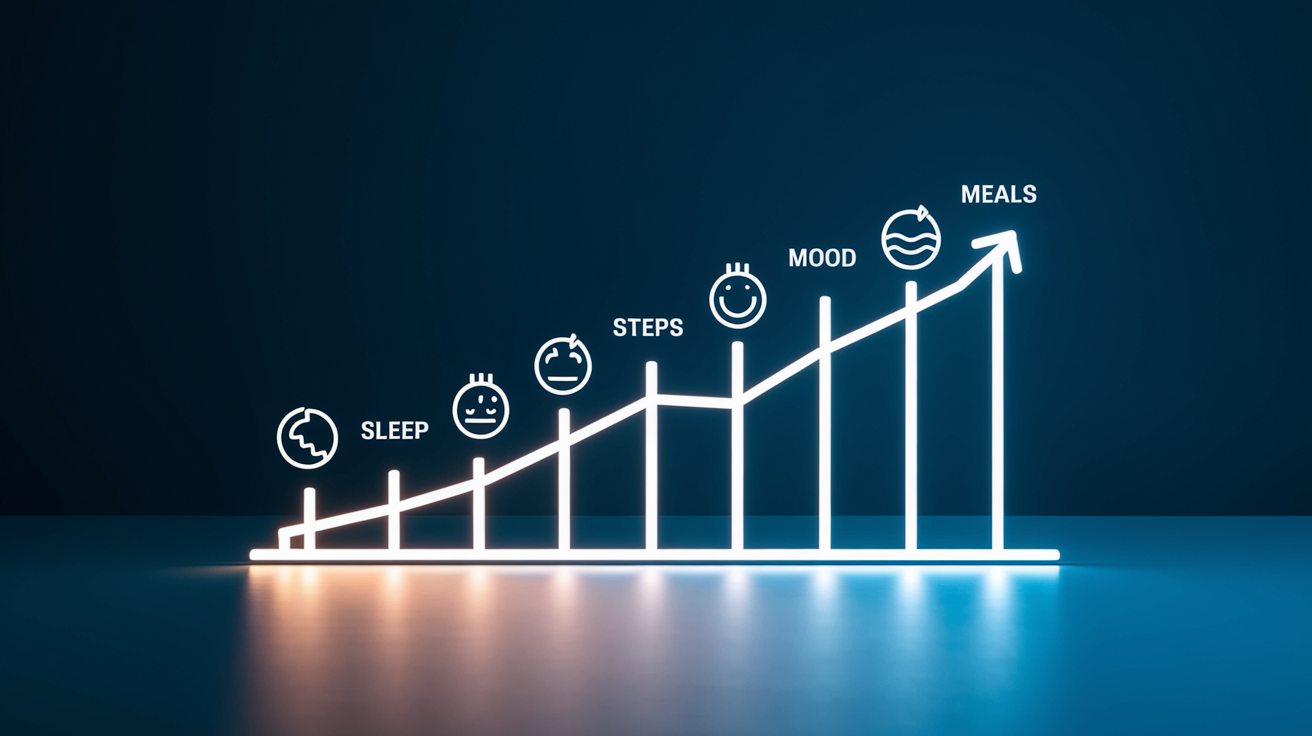
You need a baseline. It’s the only way to know if anything you’re doing actually matters. Without one, you’re just writing numbers down and hoping they mean something. Your baseline answers one question: What does a regular week look like right now? Sleep, energy, mood, movement, food. Once you’ve got that, changes become obvious.
Pick three to five things to track. Not ten, not everything you can think of. Choose what actually affects how you feel. Maybe it’s steps or workouts. Sleep hours or how often you wake up at 3 am staring at the ceiling. A quick mood score each night. Water intake. Meals or portion sizes. Focus on what moves the needle for your energy and how you get through the day.
Here’s how to start:
-
Log for one to two weeks without changing anything. Just record what’s already happening. This is your real baseline, not the version of yourself you wish existed.
-
Stick to three to five metrics. Tie them to what you’re actually trying to fix. Sleep duration, daily steps, mood rating, water, workout time. That’s plenty.
-
Pick something you’ll actually use. An app, a notebook, a spreadsheet. Doesn’t matter which one as long as you open it every day.
-
Track at the same time daily. Right when you wake up or before bed. Attach it to something you already do so you don’t forget.
-
Write down today’s numbers. Open the thing. Record the date, your metrics, maybe a sentence about how you felt. Done.
Keep it simple early on. You’re aiming for consistency, not perfection. Miss a day? Fine. Pick it up tomorrow. If you log five out of seven days during your first month, you’ll see patterns. That’s enough.
Methods for Tracking Physical Fitness Metrics
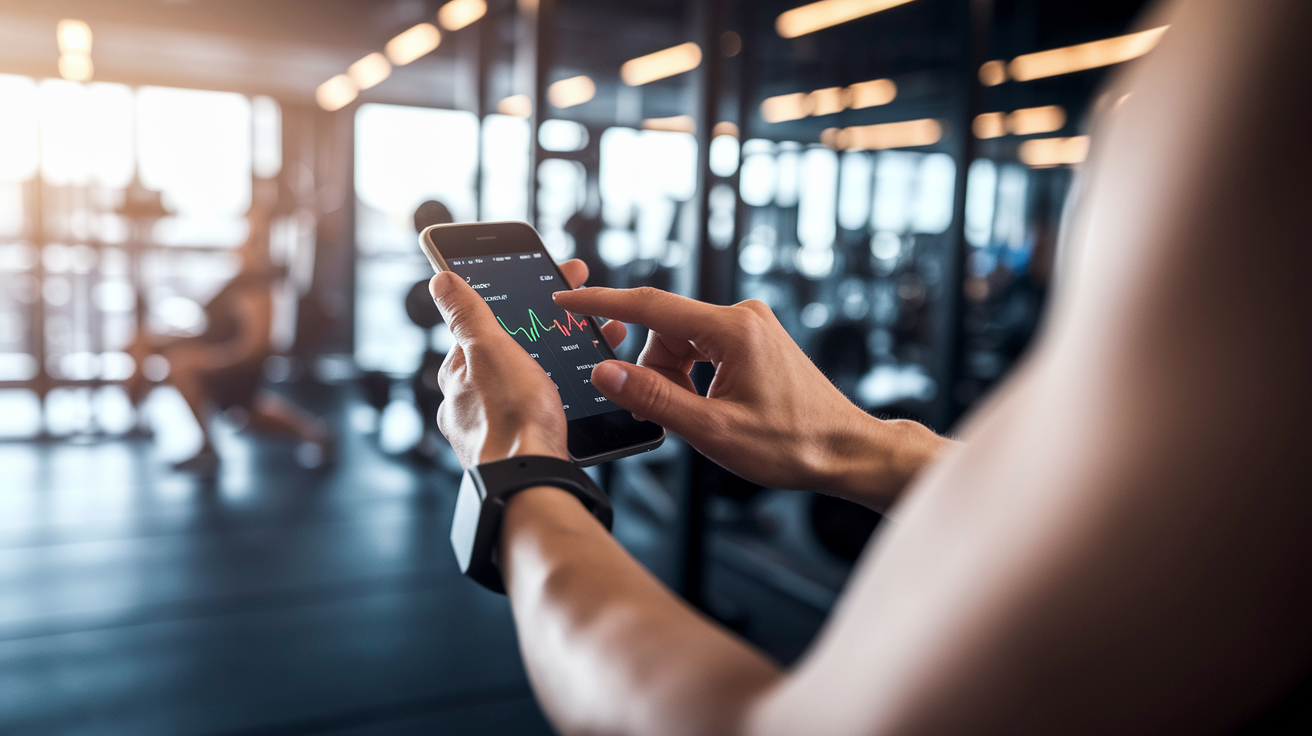
Fitness tracking is about measuring what you’re building. Strength shows up in the weight you lift, the reps you finish, the sets you complete. Endurance is how long you can keep moving without stopping. Mobility improves slowly, but if you track how far you can stretch or how a movement feels, you’ll catch those gains. Pick markers that match the kind of fitness you’re working on.
You can use workout apps, a fitness tracker, or just a notebook. Most apps let you log exercises, weights, reps, duration in seconds. Wearables track heart rate, steps, calories automatically. If you’d rather write it down, make columns for date, exercise, load, reps, total time. Takes two minutes after a workout and you control what goes in.
Four things worth tracking:
- Reps and sets. Write them down so you know when it’s time to add weight or volume.
- Workout duration. Total minutes per session. Tells you if you’re staying consistent and hitting your weekly targets.
- Heart rate. Average or peak during cardio. Shows intensity and how you’re recovering over time.
- Weekly totals. Add up your minutes or steps at the end of each week. Compare it to your baseline and your goal.
Approaches for Monitoring Mental and Emotional Wellness

Mental and emotional tracking usually starts with a journal or a rating scale. You could write a few sentences about your day. What felt hard, what went smoothly, how you handled stress. Or just rate mood, energy, stress on a 1 to 10 scale at the same time every day. “Mood was a 6. Energy was a 4. Stress was an 8.” After a few weeks, you’ll see patterns. Which days feel worst, which activities lift you up, how sleep or water affects your mood.
Spotting trends in stress, energy, focus helps you connect habits to how you feel. If your energy tanks every Tuesday and you realize that’s when you skip lunch or stay up late Monday night, you’ve found something useful. If stress climbs during weeks when you don’t move, that matters. You can test small changes—ten-minute walk at lunch, five minutes of breathing before bed—and watch your ratings shift.
Tracking emotional triggers adds another layer. Log your mood and what happened right before it changed. An argument, a skipped meal, a work deadline, a canceled plan. You’ll start to see which situations consistently affect you. That awareness helps you prepare, set boundaries, adjust your environment. You’re not trying to eliminate stress or negative feelings. You’re learning what reliably moves the needle so you can respond instead of react.
How to Log Nutrition Habits Effectively

Nutrition tracking works better when it’s about noticing patterns instead of counting every calorie. Start with portion sizes, meal timing, hydration. Log what you ate and roughly when. “Eggs and toast at 7. Apple and almonds at 11. Sandwich and water at 1.” No weighing, no macro math. Just enough to spot habits like skipping breakfast, going too long between meals, forgetting water until afternoon. You’ll see which eating rhythms give you steady energy and which leave you hungry or tired an hour later.
Connecting energy levels to diet is one of the most practical things food logging does. If your 3 pm crash happens on days when lunch was all carbs and no protein or fat, you’ve learned something. If you feel bloated after certain meals, write it down next to what you ate. Test whether it’s the portion, a specific food, or the timing. You’re not diagnosing anything or building a perfect plan. You’re gathering clues about what helps your body feel steady.
Daily summaries keep this manageable. At the end of each day, jot down your main meals, snacks, water, and a quick note on energy or digestion. That’s enough to spot patterns without spending fifteen minutes entering ingredients into an app.
Tracking Sleep Quality and Recovery

Sleep tracking starts with the basics. How many hours, what time you went to bed, what time you woke up. Consistency matters more than perfection. If you’re in bed at 10 most nights but 1 am on weekends, that inconsistency shows up in your energy and mood. Track interruptions too. How many times you woke up, how long it took to fall asleep, whether you felt rested in the morning. You’re looking for patterns that explain why some mornings are harder.
Recovery indicators tell you how well your body’s bouncing back from activity, stress, daily life. Morning energy is straightforward—rate how you feel when you wake up, 1 to 10. Readiness might include motivation to move, muscle soreness, mental clarity in the first hour. If your readiness score stays low even after decent sleep, it might signal that stress, nutrition, or overtraining needs attention. These markers help you decide when to push and when to rest.
Three sleep markers to log:
- Sleep duration. Total hours from lights out to wake up. Aim for seven to nine most nights.
- Sleep consistency. How much your bedtime and wake time vary across the week. Smaller gaps usually mean better rest.
- Morning energy rating. Quick 1 to 10 score when you wake up. Tells you how restorative your sleep actually felt.
Recommended Tools and Systems for Wellness Tracking
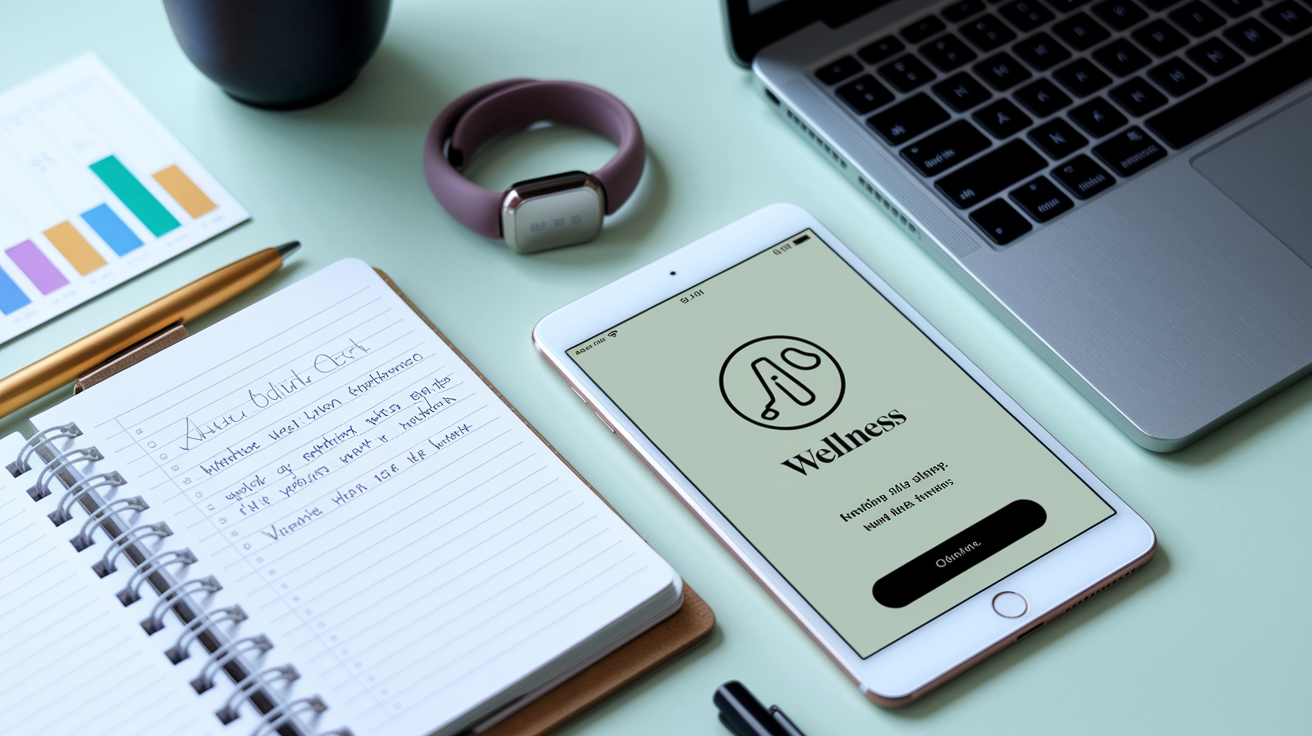
Analog tools like notebooks, habit grids, printable trackers give you full control and zero screen time. A simple notebook works for daily logs. One page per day with sections for sleep, mood, meals, movement, notes. Habit grids are boxes where each box is a day. You fill one in when you complete a habit like drinking enough water or stretching for ten minutes. These take about two minutes per day and never need charging, syncing, updates. They’re useful if staring at your phone first thing in the morning or before bed messes with your routine.
Digital methods like apps and wearables automate most of the tracking. Fitness apps log workouts, steps, heart rate with minimal input. Sleep trackers estimate duration and quality overnight. Mood and habit apps let you tap a rating or check a box in seconds. The downside is digital tools can feel overwhelming when they send notifications, show too many metrics at once, or make you navigate multiple screens. Choose apps that let you customize what you see and turn off unnecessary alerts. Wearables are helpful if you want continuous data without manual logging, but they’re not required. Most people get useful insights from one or two simple apps and a notebook.
Pick a tool based on your lifestyle and goals. Tracking three simple things like sleep hours, daily steps, mood? A notebook or single habit app is enough. Want detailed fitness data like heart rate zones, workout load, recovery scores? A wearable or dedicated training app makes sense. Monitoring multiple categories and want everything in one place? A spreadsheet or all-in-one wellness app can centralize it. Start with the simplest option that covers your priority metrics. Add tools only if you need more detail or automation.
| Tool Type | Best For | Complexity Level |
|---|---|---|
| Paper journal or habit grid | Quick daily logs, minimal tech, full control | Low |
| Single-purpose app (sleep, mood, nutrition) | Tracking one or two metrics with reminders | Low to Medium |
| Fitness wearable (watch or ring) | Continuous activity, heart rate, and sleep data | Medium |
| Spreadsheet or all-in-one wellness app | Centralizing multiple metrics, custom charts | Medium to High |
How to Interpret Wellness Progress Over Time

Short-term trends show up in daily or weekly data. Your step count this week versus last week. Your mood ratings over the past five days. These snapshots are useful for noticing immediate patterns, like lower energy on days you skip breakfast or better sleep on nights you put your phone away an hour early. But short-term data is noisy. One rough day or a weekend that breaks your routine doesn’t mean your plan isn’t working. Look for clusters of similar days instead of reacting to single outliers.
Long-term trend recognition takes at least four to eight weeks of consistent tracking. That’s when you’ll see if changes you’ve made—adding a morning walk, drinking more water, going to bed earlier—are actually shifting your baseline. Review your logs every thirty days. Calculate the average of your tracked metrics for the past month and compare it to your baseline or the previous month. A meaningful change might look like average nightly sleep rising from six to seven hours, weekly workout minutes climbing from sixty to ninety, or median mood score moving from a five to a seven. Set milestones tied to these thirty-day reviews. Small, specific targets like “average 8,000 steps per day this month” or “log mood at 7 or higher on at least twenty days.”
Four common signs of progress:
- Mood stability improves. Fewer extreme lows, more consistent ratings in the 6 to 8 range instead of swinging between 3 and 9.
- Stamina increases. Workouts feel less exhausting, you recover faster, or you can sustain activity longer without fatigue.
- Sleep regularity gets better. Bedtime and wake time vary by less than an hour across the week, and you wake feeling rested more often.
- Stress triggers shrink. Situations that used to spike your stress rating now have a smaller impact, or you notice fewer high-stress days overall.
Normal fluctuations are part of tracking. Your weight might shift by one to three pounds day to day because of water, meals, digestion. Your mood might dip during a stressful work week or around your cycle. Your sleep might suffer when traveling or during a family event. These short-term changes don’t erase progress. What matters is the overall direction when you smooth the data over weeks and months. If the trend line is moving the way you want, even slowly, you’re on track.
Staying Consistent Without Burnout

Build wellness tracking into routines you already follow. Anchor it to an existing habit. Log your sleep and mood right after brushing your teeth in the morning. Record your meals and movement while your coffee brews. Keep the logging process short, ideally under two minutes. If tracking starts to feel like a chore that takes ten minutes and interrupts your day, simplify what you’re measuring or switch to a faster method like checkbox habit apps instead of detailed journals. The goal is to make tracking so automatic you do it without deciding whether you feel like it.
Don’t overtrack. Limit yourself to three to seven metrics that directly inform your next steps. Tracking fifteen different things might feel thorough, but it increases the chance you’ll skip days or quit. Keep goals realistic. Aim for five out of seven tracked days per week instead of perfect daily logs. Miss a day? Pick up the next day without guilt or backfilling. Progress comes from consistency over months, not from never missing a single entry. When tracking starts to increase anxiety or feels obsessive, scale back to weekly summaries or focus only on behavior-based metrics like “Did I move my body today?” instead of outcome metrics like weight or body fat percentage. The data should make your wellness easier to manage, not harder.
Final Words
You now have a clear, practical way to start: set a baseline, pick a few metrics, choose a simple tool, and do short daily check-ins. We walked through fitness, mood, sleep, nutrition, and tools so you can log without overthinking.
Try the five-step quick-start, review trends every 30 days, and scale what helps you feel better. Keep tracking small and steady — that’s the win.
Pick one metric and record it tonight. That tiny habit is how to track wellness progress and build momentum.
FAQ
Q: What is the 3-3-3 rule at the gym and for weight loss?
A: The 3-3-3 rule at the gym and for weight loss commonly means three sets of three reps for strength; alternately, it’s used as three short, intense three-minute bursts to boost calorie burn.
Q: What is the 5-3-1 rule?
A: The 5-3-1 rule is a simple strength cycle where weeks focus on 5, then 3, then 1 reps at increasing weight, helping you build strength steadily while limiting burnout.
Q: How do you prefer to track your wellness progress?
A: I prefer to track my wellness progress with a short daily check-in: one mood rating, steps or workout time, sleep hours, water cups, and a simple food or energy note.