

Waking up bloated before you’ve even had breakfast isn’t just annoying — it’s a clue your gut kept working while you slept.
Your digestion slows at night, so last night’s meal can ferment, make gas, and sit in your intestines.
Hormones, swallowed air, sleep position, late dinners, and conditions like constipation or SIBO can all add to that puffy, tight feeling.
This post breaks down the most common triggers and gives simple, doable steps you can try tonight and over the next week to wake up less swollen.
Key Reasons You May Wake Up Bloated

Waking up bloated before you’ve even eaten anything? It’s frustrating. And confusing.
Here’s what’s actually happening: your digestive system doesn’t clock out at night. It keeps working through yesterday’s meals, just slower. Gut motility drops when you sleep, so food lingers longer in your intestines. That gives bacteria more time to break things down and create gas. If you had a late dinner, something high in fiber or sodium, or a carb-heavy meal, that gas builds up overnight. You wake up puffy, tight, uncomfortable.
You haven’t eaten, but your body’s still processing what you did eat.
Hormones are part of this too. Cortisol spikes in the morning to wake you up, but it can also make your body hold onto water and slow down digestion temporarily. That contributes to the swollen feeling. Estrogen and progesterone add another layer, especially for women. When these hormones fluctuate during your cycle or perimenopause, digestion slows and fluid retention goes up. A lot of women notice bloating gets worse right before their period, and that puffiness can stick around into the morning.
Then there’s trapped gas. You’re lying flat for hours, which makes it harder for gas to move through your intestines and leave your body. Air you swallowed during the day, plus gases from fermenting food, get stuck in your colon. If you breathe through your mouth at night or ate gassy foods before bed (beans, broccoli, soda), you’re setting yourself up for a bloated belly first thing in the morning.
Digestive System Factors That Contribute to Morning Bloating

Your gut slows way down when you sleep. The contractions that push food and gas through your intestines, called gut motility, drop off at night. Food sits longer in your stomach and small intestine. Bacteria have more time to ferment carbs and make gas. Big dinner? Carb-heavy meal? That fermentation keeps going while you’re asleep, and the gas piles up.
Lying flat changes how gas moves too. When you’re upright, gravity helps. Gas travels down and out. But horizontal for seven or eight hours? Pockets of gas settle in your intestines. You wake up feeling stretched, even though you didn’t eat.
And swallowed air doesn’t help. You take in small amounts of air all day when you eat, drink, chew gum, talk. If you’re a mouth breather at night (from congestion, sleep apnea, or just habit), you’re swallowing even more. That air gets trapped in your digestive tract until morning. Mix it with overnight fermentation, and you’ve got bloating before breakfast.
Gut Bacteria and Fermentation Processes

Your gut bacteria don’t take the night off. Trillions of them keep breaking down carbs your body couldn’t fully digest: fiber, resistant starches, certain sugars. They produce gases while they work, mainly hydrogen and methane. That’s fermentation. It’s normal. But it creates extra gas when you eat certain foods or your bacteria are out of balance.
Had a lot of high fiber foods, beans, or cruciferous veggies for dinner? Your gut bacteria have plenty to work with overnight. The result is more gas by morning.
When gut bacteria are out of balance, fermentation ramps up. Conditions like SIBO (small intestinal bacterial overgrowth) or IMO (intestinal methanogen overgrowth) mean too many bacteria or methane-producing microbes in the wrong places. They ferment food earlier in digestion and produce larger amounts of gas. You might notice bloating that starts overnight and peaks in the morning, often before you’ve eaten. Gas builds while you sleep, and your slowed gut can’t clear it quickly.
Hormone-Related Causes of Morning Bloating

Cortisol peaks early in the morning, usually around 8 a.m. It’s part of your wake-up routine. But it also slows gut motility and makes your body hold onto water. Both of those cause bloating. If you’re chronically stressed, cortisol can stay high even at night, making the effect worse. Stressful weeks? Your morning bloating probably gets worse too.
Estrogen and progesterone mess with digestion and fluid balance. In the days before your period, when both hormones are elevated, your body retains more water and your gut slows down. Bloating becomes more likely, and it carries over into morning. Women in perimenopause or menopause deal with unpredictable hormone swings that make bloating more frequent, sometimes regardless of what they ate.
Other hormonal imbalances can interfere with digestion too. PCOS, thyroid issues, adrenal fatigue. When your thyroid is underactive, everything slows, including how food and gas move through your intestines. That leads to chronic constipation and persistent morning bloating that doesn’t respond to simple diet tweaks.
Constipation, IBS, and SIBO as Contributors
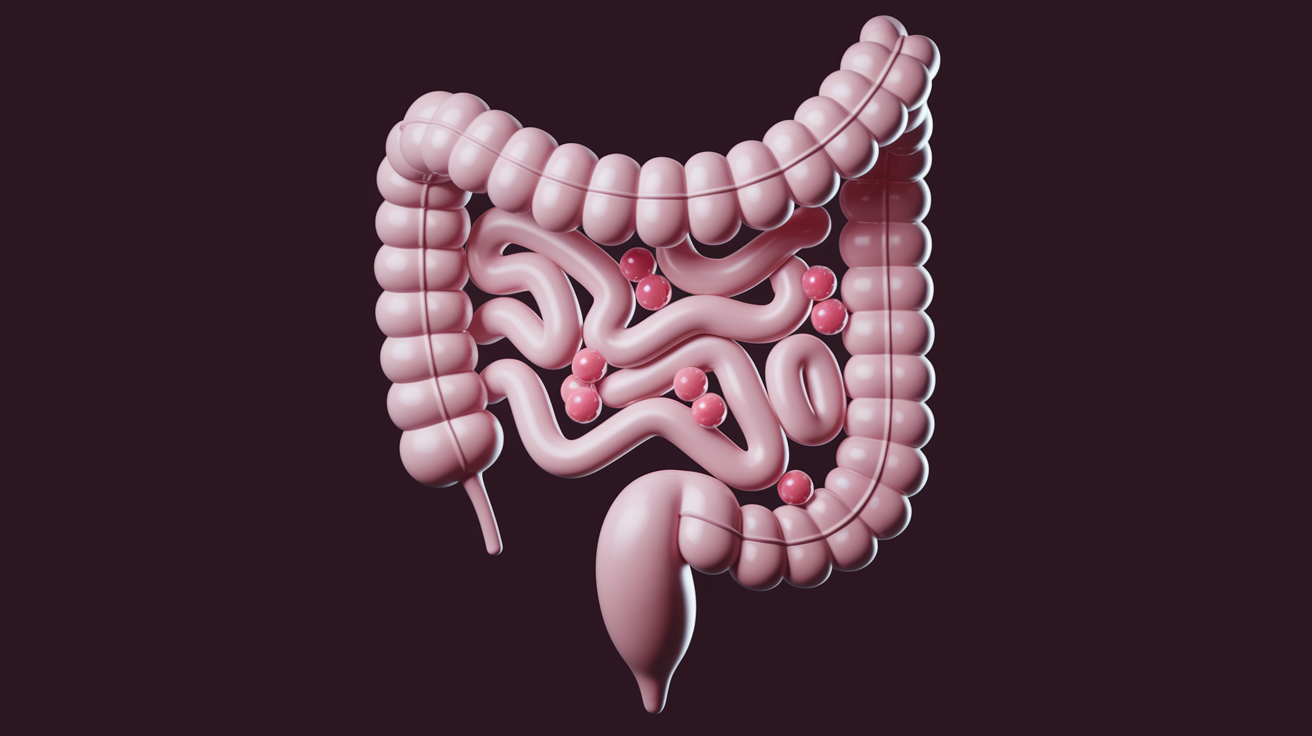
Constipation is one of the most common reasons you wake up bloated. When stool moves slowly through your colon, it creates a backup that traps gas. Your belly feels tight and swollen. This is especially noticeable in the morning because you’ve been lying down all night and the gas hasn’t had a chance to move. If you’re only going every few days, or your stools are hard to pass, constipation’s playing a role. Increasing fiber too fast can make it worse. Your gut bacteria ferment the extra fiber and produce more gas before your system adjusts.
IBS makes your gut more sensitive to normal amounts of gas and stool. Even without a large buildup, your intestines react as if there is one, sending pain and bloating signals. People with IBS often notice symptoms are worse in the morning or right after waking. Changes in gut motility overnight, plus heightened gut-brain sensitivity, are part of it. Stress and anxiety, which can spike in the morning, intensify IBS symptoms even more.
SIBO happens when bacteria that normally live in your colon move up into your small intestine. These bacteria ferment food way earlier in digestion, creating gas in a part of your gut that isn’t built for it. The result? Rapid, uncomfortable bloating that can start overnight and peak before breakfast. SIBO often causes other symptoms too: abdominal pain, diarrhea, or constipation. Standard bloating remedies don’t touch it. If your morning bloating is persistent and paired with these other issues, talk to a healthcare provider about testing for SIBO.
Food Intolerances and Dietary Triggers

Certain foods create gas that lingers into the next morning, especially if your body struggles to digest them. Lactose intolerance means your small intestine can’t break down the sugar in milk. It travels to your colon where bacteria ferment it and produce gas. Ice cream, cheese, or a latte the night before? You might wake up bloated even though you ate hours ago.
Common dietary triggers that cause delayed or overnight bloating:
- High-FODMAP foods like onions, garlic, apples, and wheat
- Beans and legumes with complex sugars that ferment slowly
- Cruciferous vegetables: broccoli, cauliflower, Brussels sprouts
- Artificial sweeteners like aspartame and sucralose in sugar-free products
- High-sodium snacks like chips, popcorn, or soy sauce that cause water retention
Gluten sensitivity or celiac disease can trigger bloating that shows up the next morning. Even without celiac, some people have non-celiac gluten sensitivity. Eating wheat or related grains causes inflammation and slowed digestion. Bloating from these foods can take several hours to fully develop. You might not feel it until you wake up. Carb-heavy dinner? Especially one that combines gluten and lactose, like pasta with cream sauce? That’s a recipe for morning bloating.
Sleep Position and Nighttime Habits

How you sleep affects how gas moves through your digestive system. Lying flat on your back can trap gas in pockets along your intestines, especially in the curves of your colon. Your body has a harder time moving gas out naturally. You wake up feeling bloated and uncomfortable. Some people find sleeping on their left side helps gas move more easily toward the exit, since that position aligns with the natural path of your colon. Try different positions. Even slightly elevating your head and torso can sometimes reduce morning bloating.
Late-night eating is another big contributor. When you eat within two to three hours of bedtime, your body’s still digesting when you lie down. This slows gastric emptying. Food sits in your stomach and small intestine longer than it would if you were upright. More fermentation, more gas production, greater chance of waking up bloated. If you routinely snack late or eat big dinners close to bedtime, shift your last meal earlier by even an hour or two. It can make a noticeable difference.
Stress and the Gut-Brain Connection

Your gut and brain talk constantly through the gut-brain axis. Stress messes with that communication. When you’re stressed, your body releases cortisol and adrenaline, shifting your nervous system into fight or flight mode. Digestion slows. Gut motility drops. Sensitivity to gas and bloating increases. If you go to bed anxious or replaying the day, your digestive system may stay in this slower, more reactive state overnight. Morning bloating becomes more likely.
Chronic stress also changes the balance of bacteria in your gut. More fermentation, more gas. People under long-term stress often notice unpredictable digestion: constipation one week, loose stools the next, bloating that comes and goes without a clear pattern. Morning bloating can be one of the first signs that stress is affecting your gut, especially if you don’t have obvious dietary or medical causes. Simple stress-reduction practices before bed can help. Deep breathing, gentle stretching, journaling. These calm your nervous system and support better digestion overnight.
Effective Remedies for Morning Bloating

Small changes can make a big difference in how you feel when you wake up. Adjust when and how you eat. Pay attention to the foods that trigger bloating for you. These aren’t drastic overhauls. They’re about making digestion work a little easier overnight.
- Finish your last meal or snack at least two to three hours before bedtime so your stomach has time to empty.
- Drink six to eight cups of water throughout the day, but taper off in the evening to avoid waking up with fluid retention.
- Chew your food slowly and thoroughly to reduce air swallowing and improve digestion.
- Add probiotic-rich foods like yogurt, kefir, sauerkraut, or kimchi to your daily routine for a balanced gut microbiome.
- Introduce fiber gradually if you’re increasing intake. Aim for 25 to 30 grams per day from varied sources to avoid overwhelming your gut bacteria.
- Take a short walk after dinner to help move gas through your intestines and support digestion before lying down.
- Avoid carbonated drinks, artificial sweeteners, and high-sodium snacks in the evening. They all contribute to gas and water retention overnight.
If you suspect a food intolerance, keep a simple food and symptom log for a week or two. Note what you ate for dinner and how you felt the next morning. Patterns usually become clear quickly. You can test your suspicions by removing one potential trigger at a time. A low-FODMAP diet, guided by a dietitian, can help identify specific carbs your gut struggles to digest. Over-the-counter options like peppermint oil capsules or a gentle magnesium-based laxative can provide short-term relief if constipation’s part of the problem. But they’re not long-term solutions. Focus on the root causes for lasting improvement.
When Morning Bloating May Indicate a Medical Issue

Most morning bloating is harmless and fixable with lifestyle changes. But sometimes it’s a sign of something that needs medical attention. If your bloating is severe, persistent despite self-care, or comes with other symptoms, see a healthcare provider. Conditions like celiac disease, inflammatory bowel disease, SIBO, ovarian cysts, or even certain cancers can present with bloating as an early symptom. Don’t wait if something feels off. Early evaluation and diagnosis make treatment much more effective.
Watch for these warning signs that warrant a visit to your doctor:
- Unintentional weight loss or loss of appetite alongside bloating
- Severe or worsening abdominal pain that doesn’t ease after a bowel movement
- Blood in your stool, whether bright red or dark and tar-like
- Persistent bloating that lasts for weeks despite dietary changes and remedies
- Sudden, new bloating that feels different from anything you’ve experienced before
Your provider may recommend tests like a hydrogen breath test to check for SIBO or lactose intolerance, an elimination diet to identify food triggers, or blood work and imaging to rule out structural or inflammatory conditions. If you have a history of reproductive health issues like PCOS or endometriosis, mention your morning bloating. Hormonal and structural factors from these conditions can contribute. Getting the right diagnosis means you can move toward targeted treatment, whether that’s antibiotics for SIBO, a low-FODMAP plan for IBS, or hormone support for underlying imbalances.
Final Words
In the action you saw the main reasons you wake up bloated: slow overnight digestion, gas that gets trapped, hormone shifts, and food triggers.
We also covered gut bacteria, sleep position, stress, and conditions like constipation or IBS — plus simple fixes: tweak late meals, sip water on waking, move a bit after you get up, and track foods.
If you’re still wondering what causes bloating in the morning before eating, try one small change this week and watch for progress. If it stays or gets worse, check in with a healthcare provider. You can get better, one step at a time.
FAQ
Q: How to get rid of morning bloat?
A: To get rid of morning bloat, try eating dinner earlier, avoid gas-prone foods at night, drink water, take a short walk after waking, and consider a probiotic or simethicone for extra relief.
Q: What organ failure causes bloating?
A: Organ failure that can cause bloating includes liver failure, kidney failure, and heart failure, because each can lead to fluid buildup or poor fluid clearance in the belly area.
Q: What can be mistaken for bloating?
A: Things that can be mistaken for bloating include fluid in the belly (ascites), weight gain, constipation, pregnancy, menstrual swelling, or a hernia causing visible fullness.
Q: When should I worry about morning bloating?
A: You should worry about morning bloating if it’s sudden, severe, lasts days, comes with pain, fever, unexplained weight loss, blood, or trouble passing stool or gas, and see a clinician promptly.