
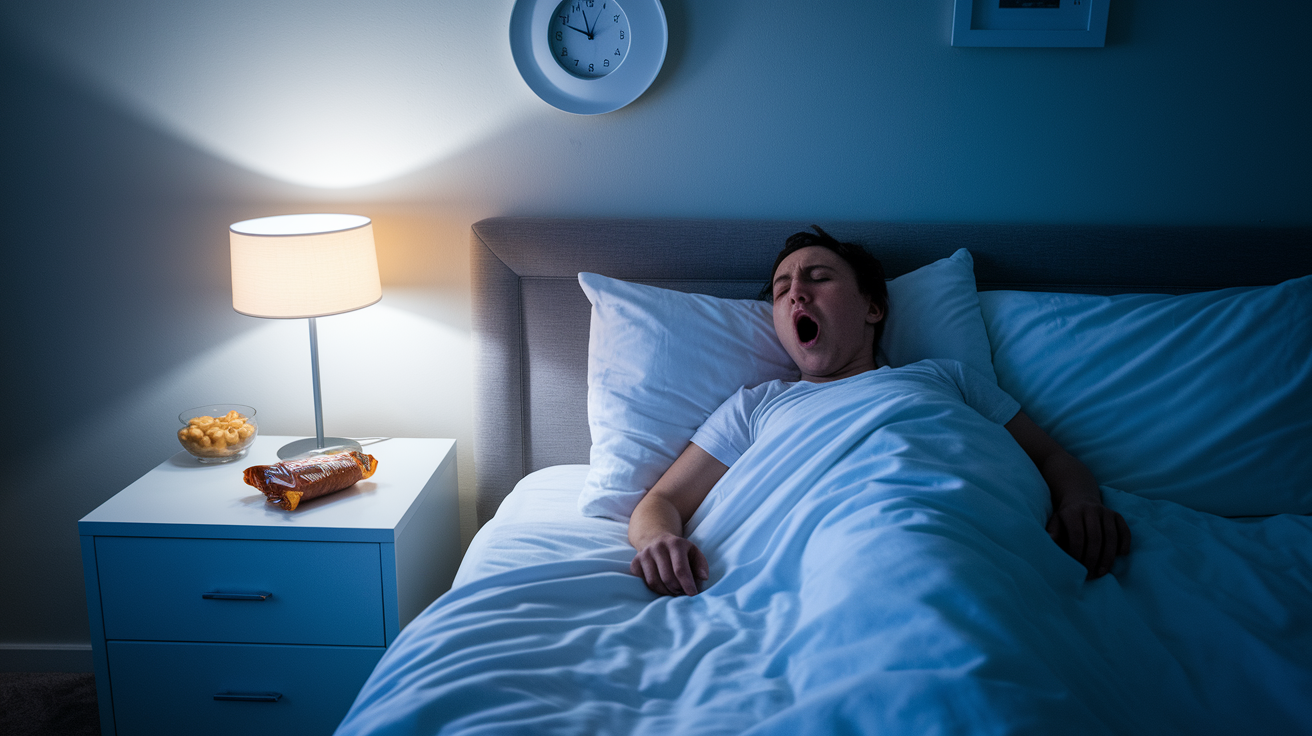
Ever eaten late and wondered why you sleep poorly afterward?
Eating close to bedtime kicks your body into digestion mode, raises core temperature, and confuses your internal clock, so you fall asleep later and wake more at night.
That mix of active gut, higher insulin, and delayed melatonin (your sleep hormone) shaves off deep and REM sleep, leaving you feeling unrested even after a full night.
This post explains the science behind those signals, the internal clock mismatch, digestive activity, and hormonal shifts, and gives simple timing and food tips you can try tonight to protect your sleep.
Core Reasons Late Eating Disrupts Sleep
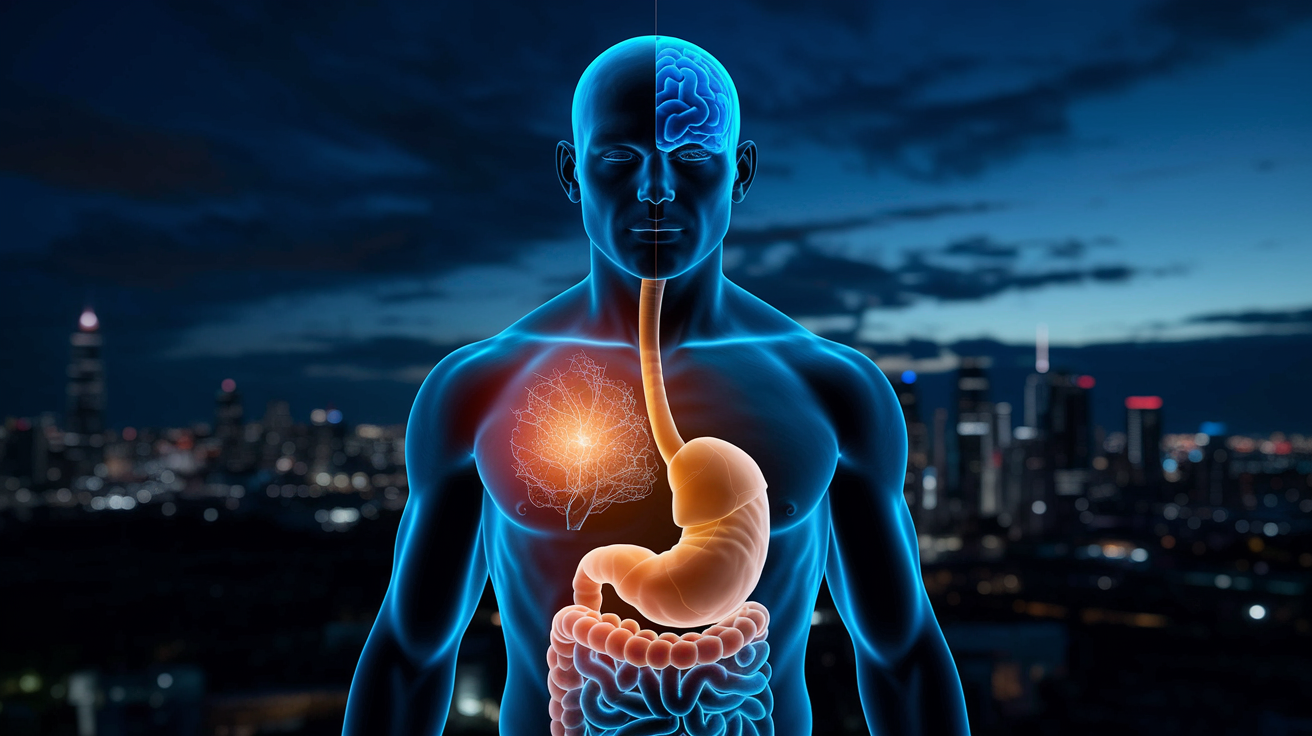
Eating late at night messes with sleep because it forces your body into digestion mode right when it expects to wind down. When you eat close to bedtime, your digestive system kicks into gear, your core temperature climbs instead of dropping like it should, and your internal clock gets confused about whether you’re supposed to sleep or stay awake. These competing signals break up the shift into deep sleep and drag down overall sleep quality.
Your body runs on circadian rhythm, a tightly coordinated 24‑hour cycle that manages metabolism, hormone release, and digestion. Nighttime eating throws off the peripheral clocks in your liver, gut, and fat tissue, pulling them out of sync with your brain’s central sleep clock. This misalignment dulls the natural rise in melatonin (the hormone that makes you sleepy) and can push back your ability to fall asleep by 30 to 60 minutes or more, depending on how much you ate.
Active digestion also keeps your gut, heart rate, and nervous system more alert than they should be at bedtime. Processing food demands blood flow, enzyme activity, and muscle contractions in your stomach and intestines. All of that creates enough internal noise to block the calm state your body needs for solid sleep. You end up with lighter sleep, more middle‑of‑the‑night wake‑ups, and less time in the restorative slow‑wave and REM stages.
Four main ways late eating wrecks sleep:
- Circadian misalignment – Food at night shifts metabolic clocks away from sleep rhythms
- Elevated core temperature – Digestion raises body heat when falling asleep depends on a natural temperature drop
- Increased gut activity – Stomach and intestinal movement keeps the nervous system in a semi‑alert state
- Metabolic interference – Insulin and glucose swings compete with melatonin pathways and overnight repair
How Circadian Rhythms Respond to Late‑Night Meals

Your circadian system reads food as a daytime signal. When you eat, insulin gets released, glucose enters your bloodstream, and digestive organs wake up. These are all processes your brain links to wakefulness and energy use. Eating during your biological night (the hours when melatonin should be rising and core temperature should be falling) sends your body mixed messages. Peripheral clocks in organs like the liver and pancreas take cues partly from meal timing, not just light. So late meals can delay or desync those clocks even when your central brain clock still expects sleep.
This mismatch has real consequences. People who eat large meals within two hours of bedtime show delayed melatonin onset and lower melatonin levels. The hormone that helps you feel drowsy shows up later and weaker. Meanwhile, cortisol and insulin stay higher than they would after an earlier dinner, keeping metabolic activity going when it should be slowing down. Over time, regular late eating can shift your entire sleep‑wake pattern later, making it harder to fall asleep at a consistent hour and cutting into total sleep time. The body’s natural nighttime metabolic slowdown (when digestion eases, energy redirects to cellular repair, and insulin sensitivity normally improves) gets disrupted. You’re stuck between active metabolism and the need for rest.
Digestive Activity and Its Impact on Sleep Depth
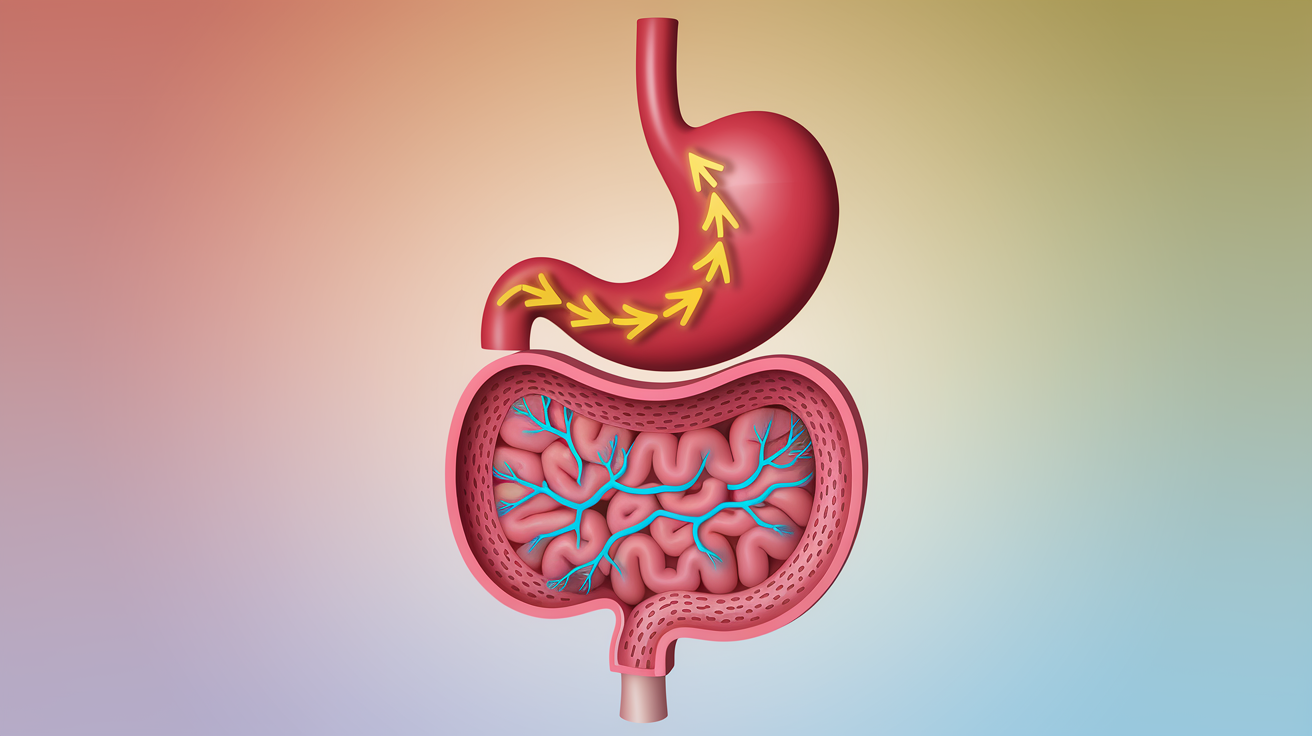
Heavy digestion fires up the enteric nervous system and pushes blood flow to the stomach and intestines, keeping your autonomic nervous system in a more wakeful state. Lying down soon after eating also makes it easier for stomach acid and partially digested food to move up into your esophagus, which triggers reflux, heartburn, or that bloated uncomfortable feeling that can wake you multiple times. Even if you don’t feel obvious pain, the background work of breaking down food (peristaltic waves, enzyme secretion, nutrient absorption) creates enough internal activity to block the deep, uninterrupted sleep your body needs.
Late meals also delay REM sleep, the stage where vivid dreaming and memory consolidation happen. Research shows that eating within an hour of bedtime cuts total REM time and creates more fragmented sleep patterns. The more calories and fat in the meal, the longer gastric emptying takes, which stretches the window of digestive interference. For a lot of people, this means waking up feeling unrested even after a full night in bed, because sleep structure was constantly interrupted by low‑level digestive signals.
Main digestive stresses from late meals:
- Increased reflux and heartburn risk when lying flat with a full stomach
- Elevated gut motility and enzyme activity that keep the nervous system aroused
- Delayed gastric emptying from high‑fat or large meals, prolonging digestive interference
Metabolic and Hormonal Responses to Eating Late
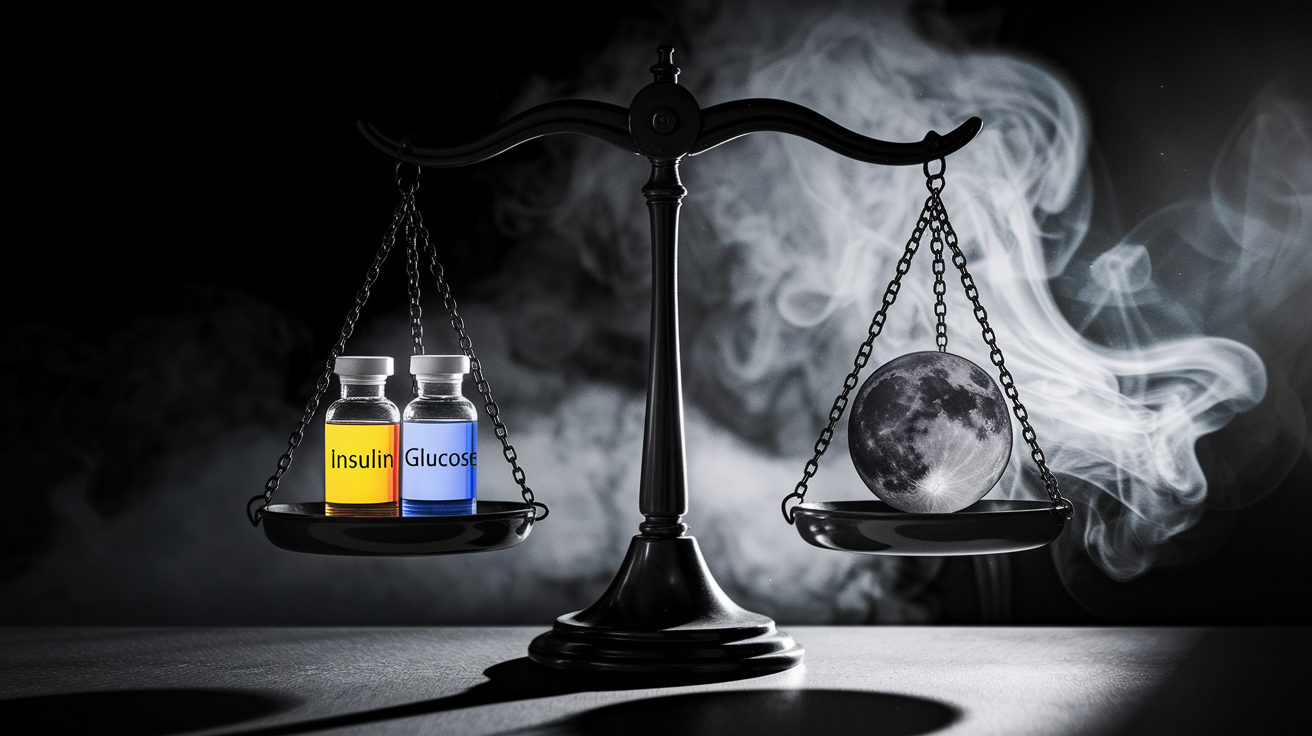
When you eat late, your pancreas releases insulin to handle incoming glucose, but insulin sensitivity is naturally lower at night compared to morning. This means your body has to pump out more insulin to get the same blood‑sugar control, and that elevated insulin can directly suppress melatonin production in the pineal gland. The relationship between insulin and melatonin runs both ways: melatonin also influences insulin secretion, so when melatonin timing gets disrupted by late eating, glucose regulation becomes less efficient. The result is a metabolic tug‑of‑war that leaves both sleep hormones and blood‑sugar control compromised.
Late‑night glucose spikes and subsequent drops can also wake you up. If you eat a high‑sugar snack or carb‑heavy meal right before bed, blood sugar may surge and then crash a few hours later, triggering a stress response that pulls you out of deep sleep. Your body releases cortisol and adrenaline to counteract the low glucose, which increases heart rate and alertness. This pattern is especially common after eating sweets, refined carbs, or sugary drinks close to bedtime.
Beyond glucose and insulin, late eating interferes with overnight repair. Growth hormone, which supports tissue repair and fat metabolism, is normally released during deep sleep. High insulin levels from a recent meal blunt growth hormone secretion, reducing the restorative quality of your sleep. Over weeks and months, this metabolic disruption can contribute to weight gain, increased fat storage, and a higher risk of insulin resistance. Poor sleep worsens metabolic health and metabolic dysfunction further degrades sleep quality.
Foods Most Likely to Disrupt Sleep When Eaten Late
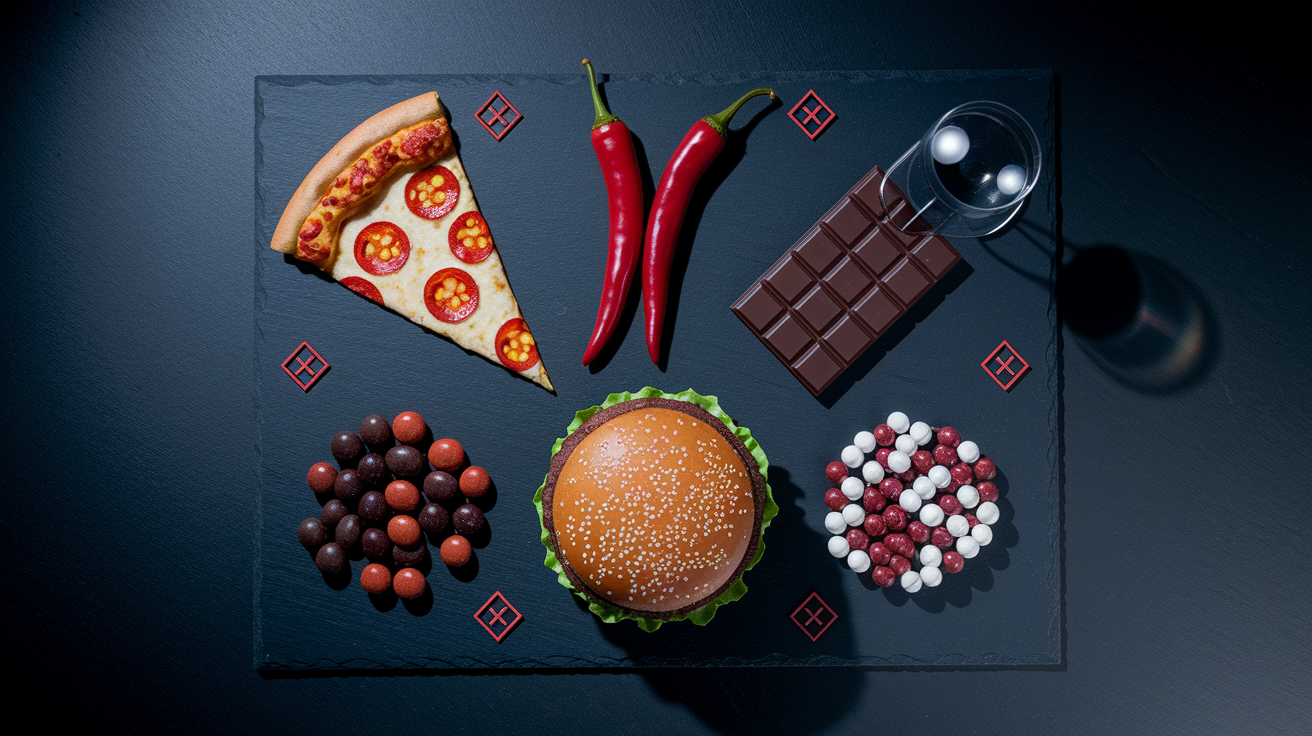
Certain foods are especially problematic close to bedtime because of how they affect digestion, body temperature, and nervous system activity. Fat‑heavy meals slow gastric emptying a lot, keeping your digestive system active for hours and increasing reflux risk. Spicy foods can irritate the esophagus and stomach lining, triggering heartburn and discomfort that makes staying asleep hard. High‑sugar snacks cause rapid glucose swings that lead to middle‑of‑the‑night wakefulness when blood sugar drops.
Caffeine is obvious, but a lot of people forget that chocolate, certain teas, and some medications contain enough caffeine to delay sleep onset by blocking adenosine receptors in the brain. Alcohol might make you feel drowsy initially, but it fragments sleep later in the night by interfering with REM cycles and increasing the likelihood of waking up to use the bathroom or because of dehydration. Even moderate amounts of alcohol consumed within two hours of bedtime reduce overall sleep quality.
Six food types to avoid late at night and how each disrupts sleep:
- High‑fat meals (pizza, fried foods, creamy sauces): Slow digestion, increase reflux, delay sleep onset
- Spicy dishes (hot sauce, chili, heavily seasoned foods): Irritate the esophagus, raise body temperature, trigger heartburn
- Sugar‑dense snacks (cookies, candy, sweetened cereals): Cause glucose spikes and crashes that wake you up
- Caffeine sources (coffee, energy drinks, chocolate, black tea): Block sleep signals in the brain for 5 to 6 hours
- Alcohol (wine, beer, cocktails): Fragments REM sleep, increases nighttime awakenings, causes dehydration
- Large portions of any food: Overload the digestive system, elevate metabolic activity, keep core temperature high
Best Timing Guidelines for Evening Meals
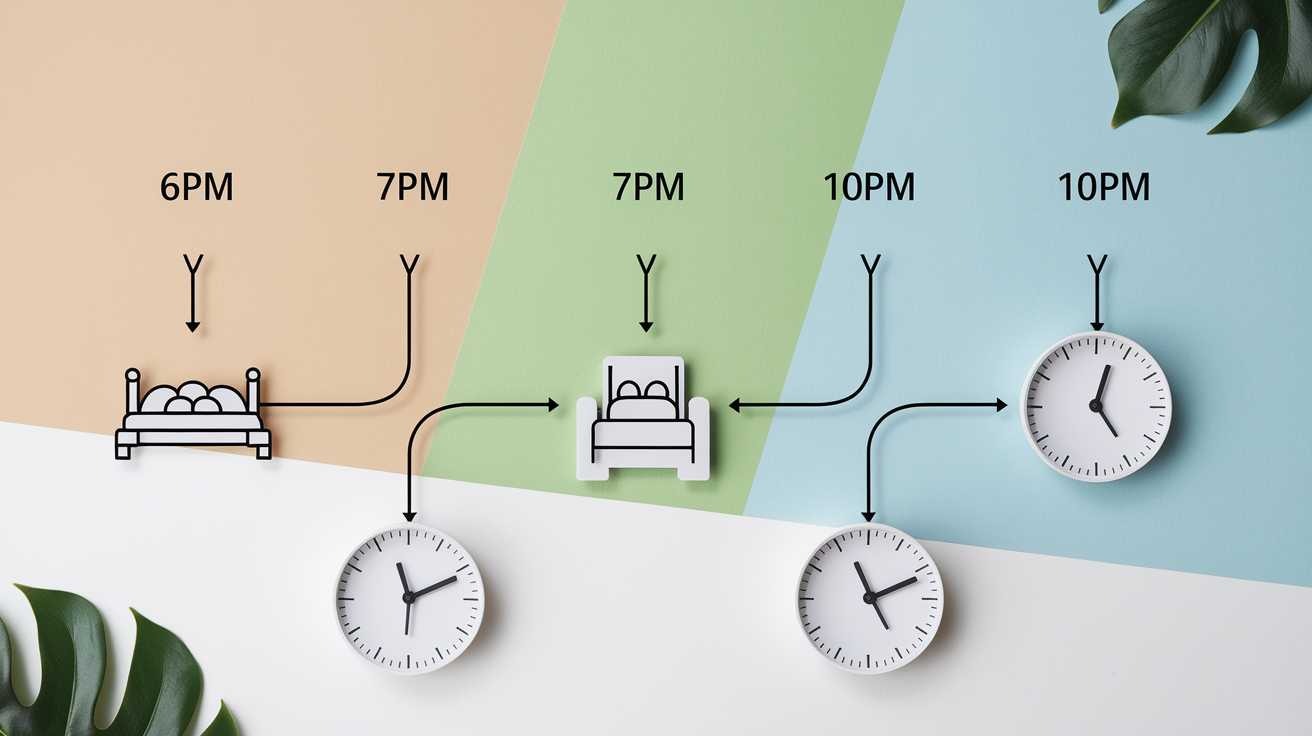
Research consistently points to a 2 to 4 hour window between your last substantial meal and the time you lie down to sleep. This buffer gives your stomach enough time to move most of the food into the small intestine, reducing the mechanical pressure and acid exposure that trigger reflux. It also allows your body to process the initial insulin response and begin the natural drop in core temperature that supports sleep onset. If you normally go to bed at 10 p.m., aim to finish dinner by 7 or 8 p.m. at the latest.
For people who need a small snack closer to bedtime, keeping it under 200 to 250 calories and focusing on easily digestible combinations (like a piece of fruit with a small handful of nuts or plain yogurt with a few berries) minimizes digestive load while preventing the hunger that can also disrupt sleep. The key is portion control and composition: prioritize protein or healthy fat paired with a bit of fiber, and avoid the high‑sugar or high‑fat options that extend digestion time or cause glucose swings.
| Cutoff Window | Supporting Benefit |
|---|---|
| 2 to 3 hours before bed | Allows gastric emptying, reduces reflux risk, supports melatonin release |
| 3 to 4 hours before bed | Completes most digestion, lowers core temperature, aligns circadian clocks |
| 10 to 12 hour overnight fast | Maximizes metabolic rest, enhances sleep quality, supports next‑day insulin sensitivity |
Actionable Strategies for Improving Nighttime Eating Habits
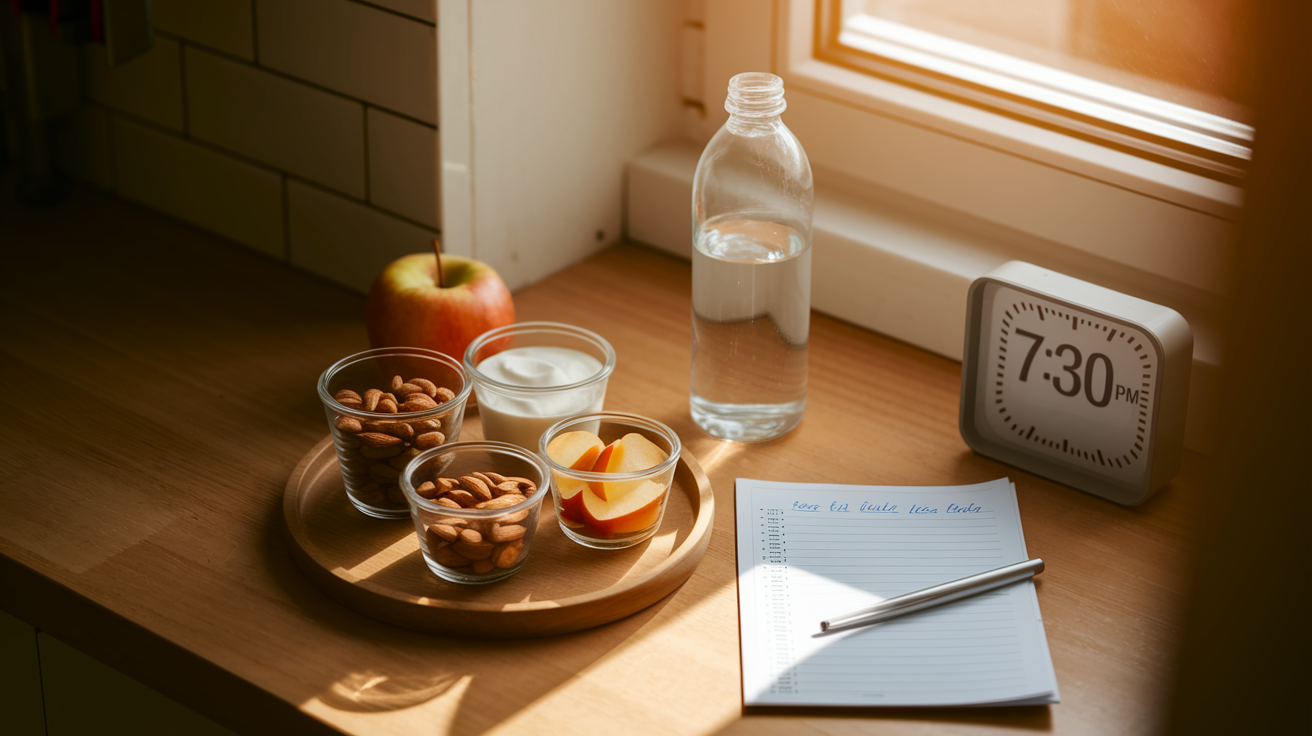
Small, gradual shifts in meal timing and food choices make a bigger difference than trying to overhaul your entire routine overnight. Start by moving dinner 30 minutes earlier each week until you reach a consistent 2 to 3 hour gap before bedtime. Plan a light snack option in advance so you’re not tempted to grab whatever’s easiest when hunger hits late. Staying hydrated throughout the day reduces the urge to drink large amounts of water right before bed, which can cause nighttime bathroom trips that fragment sleep.
Five practical steps to reduce late‑night eating disruption:
- Set a meal cutoff time. Choose a specific hour (for example, 7:30 p.m. if you sleep at 10:30 p.m.) and treat it as a routine boundary, not a strict rule you’ll break and feel guilty about.
- Pre‑portion a small snack. If you know you’ll want something later, measure out 1 serving of plain yogurt, 1 apple with 1 tablespoon nut butter, or a small handful of almonds so you’re not eating from a large container.
- Adjust caffeine timing. Stop all caffeine (coffee, tea, soda, chocolate) at least 6 hours before bedtime. If you’re sensitive, push it to 8 hours.
- Hydrate earlier. Drink most of your water before 6 or 7 p.m., then sip small amounts as needed to avoid waking up thirsty or needing the bathroom.
- Track meal‑to‑bed timing for 3 nights. Notice how you feel and sleep when you eat at different times. Use that information to find the window that works best for your schedule and body.
Consistency matters more than perfection. You’re building a rhythm your body can predict, which strengthens circadian alignment and makes it easier to fall asleep and stay asleep over time. If one night you eat later than planned, just return to your usual schedule the next day without overthinking it. The goal is a sustainable pattern, not a rigid set of rules that adds stress to your evenings.
Final Words
If your nights feel restless after late meals, the why is clear: eating late shifts your circadian rhythm, revs digestion, raises core temperature, and throws off insulin and melatonin timing.
We also covered which foods stir problems, how a 2–4 hour buffer helps, and small swaps and routines you can try tonight.
If you’re wondering why does eating late affect sleep quality, remember food acts like a wake signal. Try one simple change this week — it often leads to calmer, deeper sleep.
FAQ
Q: Why does eating late disrupt sleep, and do you sleep better if you don’t eat late?
A: Eating late disrupts sleep because it shifts your circadian clock, ramps digestion, raises core body temperature, and alters glucose and insulin, and yes, stopping meals earlier often improves sleep onset and depth.
Q: What is the 3:2:1 rule for sleeping?
A: The 3:2:1 rule for sleeping is a simple guideline: stop eating about 3 hours before bed, avoid stimulating substances roughly 2 hours before, and start a 1-hour wind-down routine.
Q: What is the 30/30 rule for insomnia?
A: The 30/30 rule for insomnia is: if you can’t fall asleep within 30 minutes, get out of bed, do a calm activity for up to 30 minutes, then return to bed and try again.