
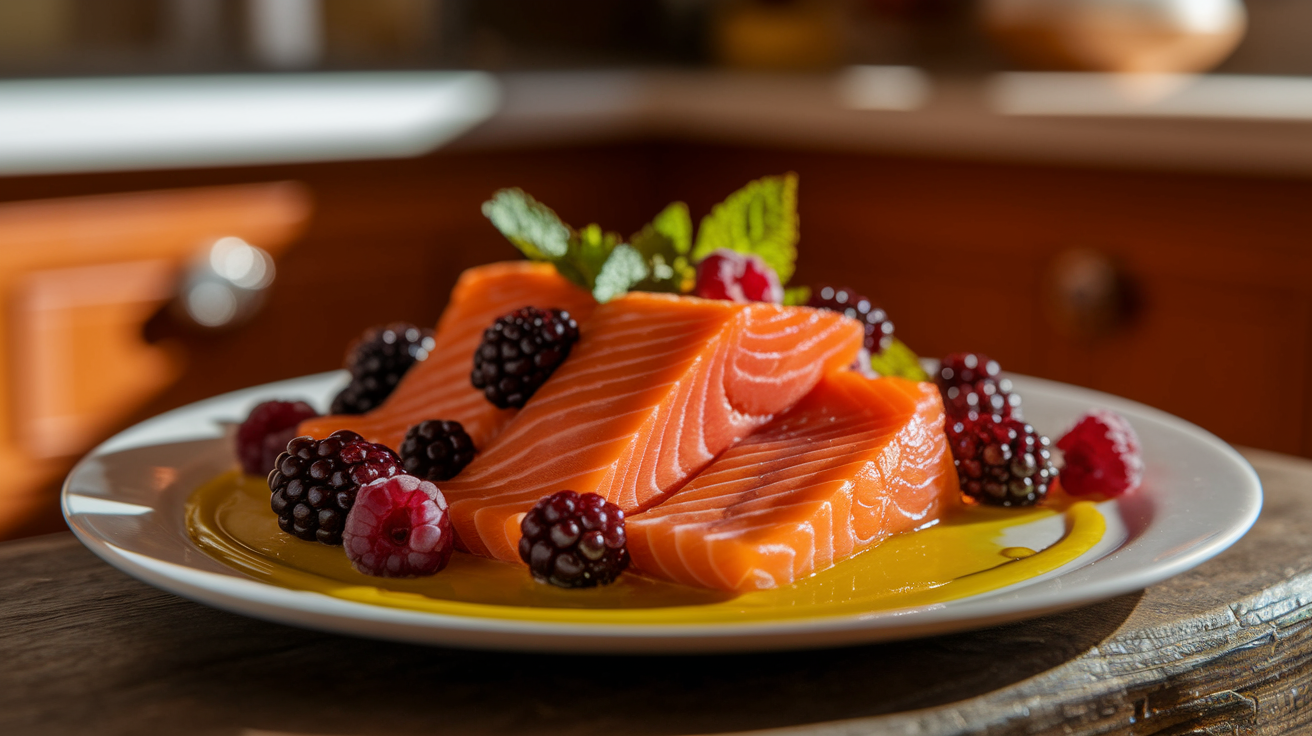
What if the food on your plate is quietly keeping you sore, puffy, or foggy?
You’re not imagining it—what you eat can turn low-level inflammation up or down.
The good news: common, everyday foods can calm that simmer and help you feel better without weird shopping lists.
This post cuts through the noise and gives a simple, practical list of foods that reduce inflammation fast, why they work, and easy swaps you can try in the next week.
Key Anti-Inflammatory Foods That Reduce Inflammation Quickly
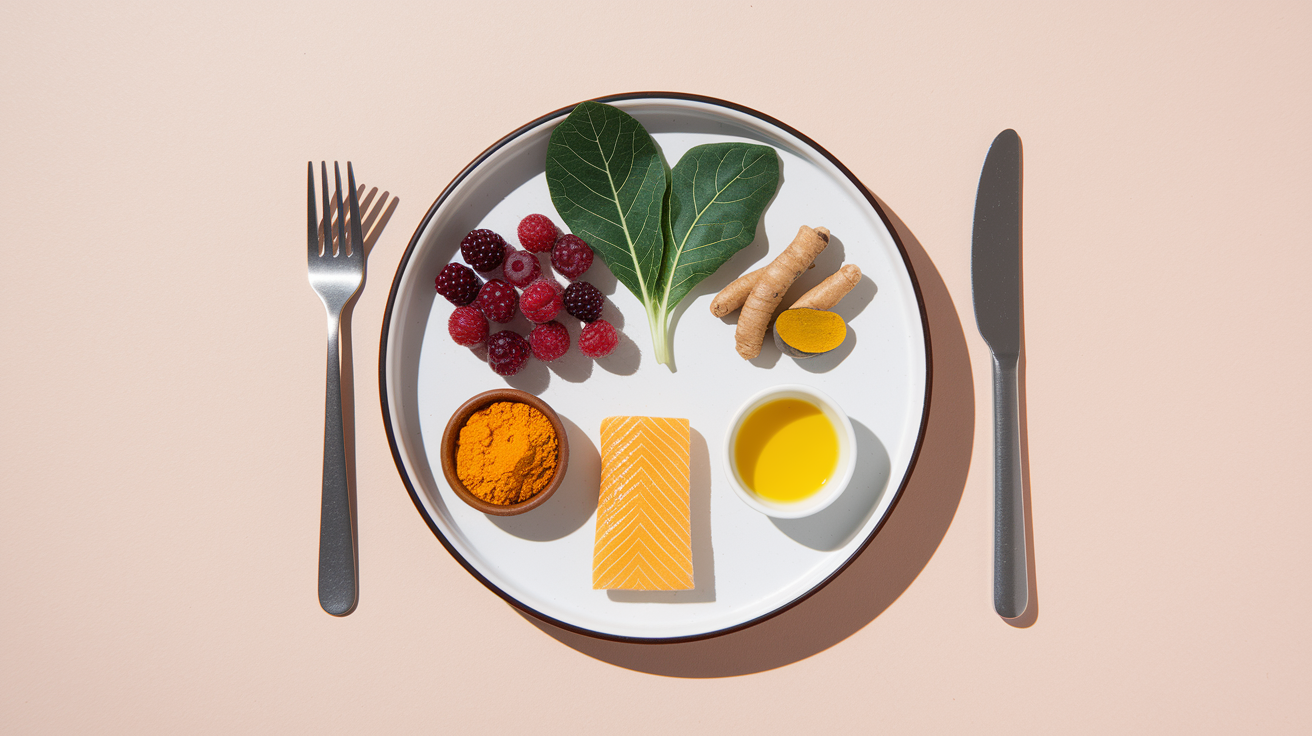
What you eat shapes how much inflammation sits in your body. Some foods keep immune responses simmering in the background. Others calm those pathways and help you reset. Your plate makes that call a few times every day.
The foods with the strongest anti-inflammatory track record share a few things: they’re whole, minimally processed, and packed with compounds your body uses to quiet overactive immune signals. You don’t need to hunt down trendy superfoods. Most are in the produce aisle or freezer section right now.
Here’s what the top players are doing in your body:
- Berries (blueberries, strawberries, cherries) contain anthocyanins that lower inflammatory markers like CRP
- Fatty fish (salmon, mackerel, sardines, tuna) supply omega‑3s (EPA and DHA) that convert into anti-inflammatory messengers called resolvins
- Extra virgin olive oil provides oleocanthal, a compound that works like ibuprofen in calming inflammation
- Turmeric delivers curcumin, one of the most potent natural anti-inflammatory compounds studied
- Leafy greens (spinach, kale, collards) offer vitamin K and polyphenols that reduce cytokine activity
- Broccoli and cruciferous vegetables contain sulforaphane, which blocks inflammatory pathways at the genetic level
- Nuts (walnuts, almonds) are rich in unsaturated fats and vitamin E that support lower inflammation
- Green tea is loaded with EGCG, a polyphenol that cuts down production of inflammatory cytokines
- Grapes have resveratrol, shown to lower IL‑6, a key inflammation gene marker
- Tomatoes (especially cooked) deliver lycopene that becomes more bioavailable when heated with a healthy fat like olive oil
- Dark chocolate (≥70% cocoa) contains flavanols that improve vascular function and may reduce arterial stiffness
- Avocados were linked to reductions in IL‑1β and CRP in a 12‑week study of adults with higher body weight
How Omega-3 Rich Foods Help the Body Reduce Inflammation
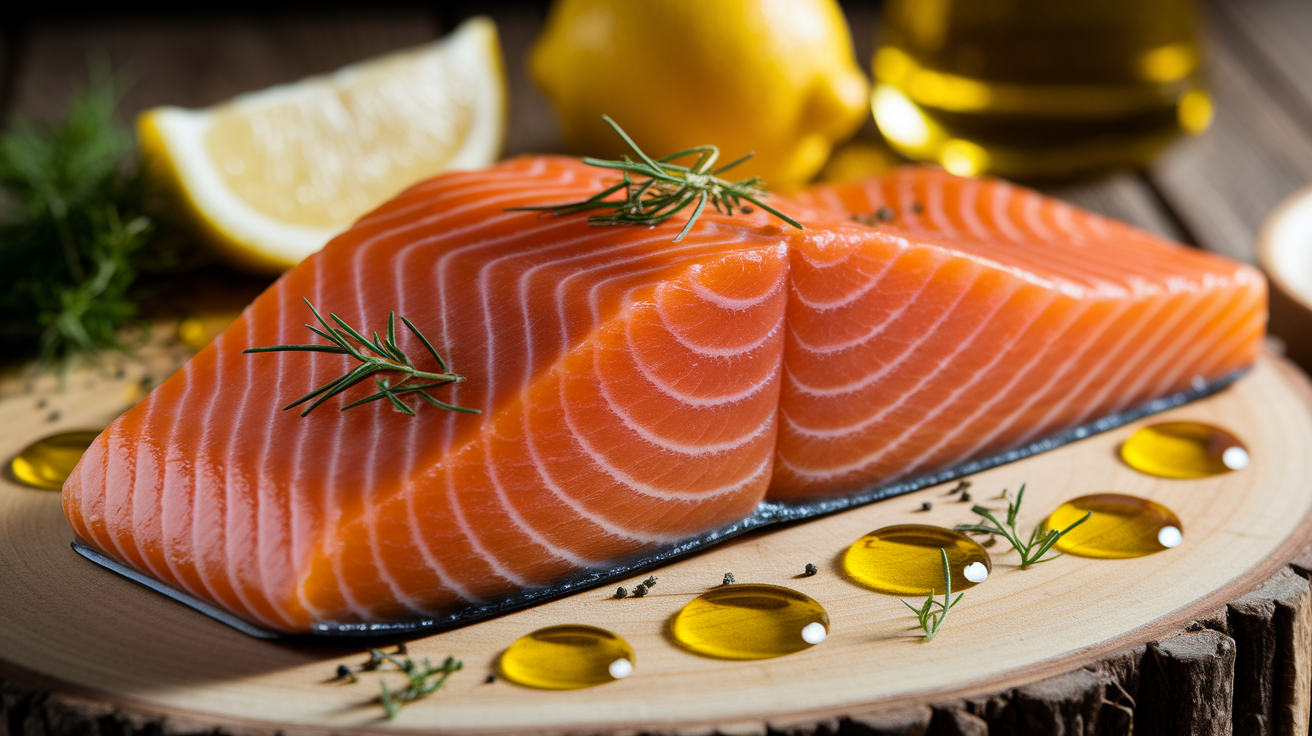
Omega‑3 fatty acids, specifically EPA and DHA, are among the most studied nutrients for inflammation control. When you eat fatty fish, your body breaks down these fats and converts them into specialized lipid mediators with names like resolvins and protectins. Those compounds turn down inflammatory signals and help damaged tissue repair itself without prolonged immune activation.
Not every study shows dramatic drops in CRP or other markers. One trial in people with irregular heartbeat saw no change. But most research links regular EPA and DHA intake to lower inflammation overall. The effect seems strongest when fish replaces processed or red meat rather than just being added on top of an inflammatory baseline diet.
Here are the top omega‑3 sources to rotate through your week:
- Salmon (wild‑caught or farmed)
- Mackerel (Atlantic or Pacific)
- Sardines (canned or fresh)
- Anchovies (whole or as paste)
- Tuna (fresh steaks or canned light varieties)
Plant-Based Foods That Reduce Inflammation Through Antioxidants and Polyphenols
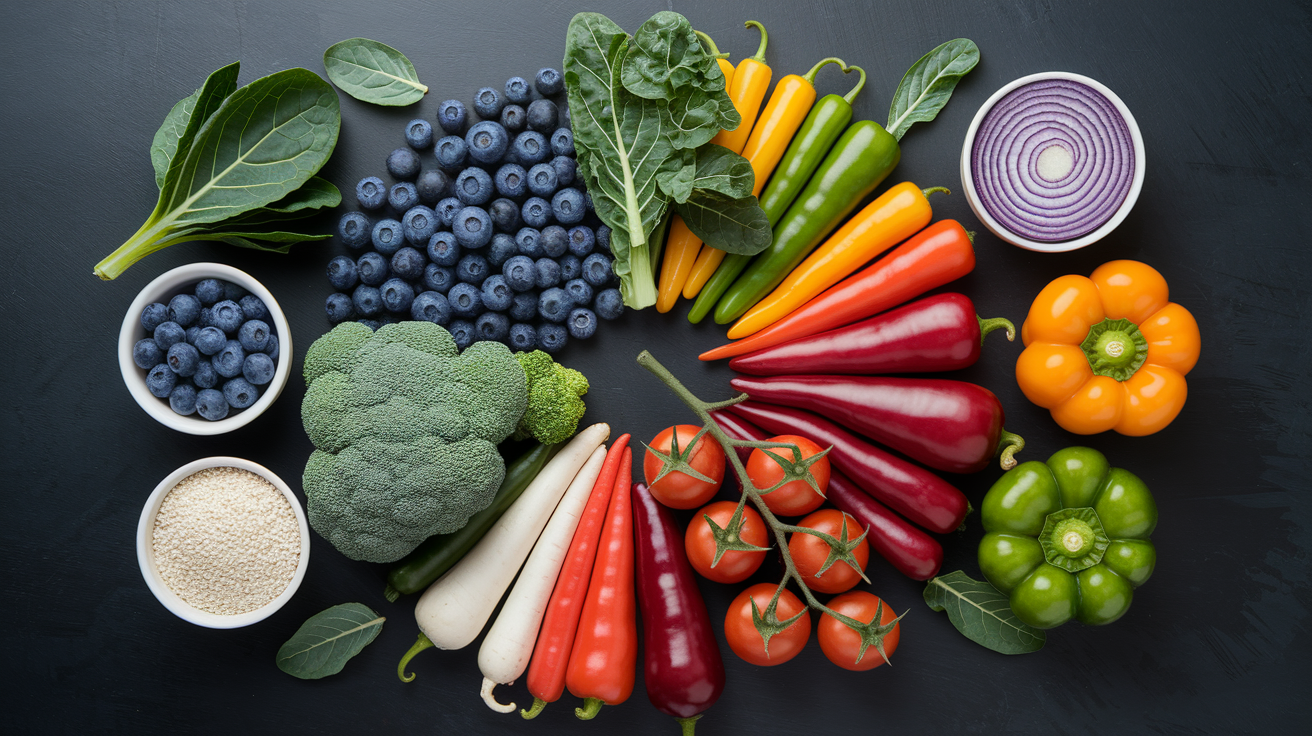
Colorful fruits and vegetables are biochemical toolkits. The pigments, polyphenols, and phytochemicals that give plants their hues also act as antioxidants in your body, mopping up reactive molecules that would otherwise trigger inflammatory cascades.
Leafy greens like spinach, kale, and collards deliver vitamin K alongside polyphenols that calm immune overreactions. Cruciferous vegetables (broccoli, cauliflower, Brussels sprouts) contain sulforaphane, a sulfur compound that reduces cytokine production and blocks a master inflammation switch called NF‑κB.
Berries are packed with anthocyanins, pigments linked to lower CRP in multiple studies. One trial using tart cherry juice found that 16 ounces daily for 12 weeks produced a significant drop in CRP among older adults. Blueberries, strawberries, cherries. They all count.
Mushrooms offer a different angle: they contain selenium and phenols that support immune regulation. Tomatoes bring lycopene to the table, an antioxidant that becomes much more absorbable when you cook tomatoes with a healthy fat. Say, sautéing them in olive oil or roasting them on a sheet pan.
| Food | Key Compound | Effect on Inflammation |
|---|---|---|
| Blueberries | Anthocyanins | Lower CRP and oxidative stress markers |
| Broccoli | Sulforaphane | Reduces cytokines and NF‑κB activity |
| Spinach | Vitamin K, polyphenols | Supports immune balance and vascular health |
| Tomatoes (cooked) | Lycopene | Antioxidant that lowers lipid peroxidation |
Anti-Inflammatory Herbs, Spices, and Teas That Support Lower Inflammation
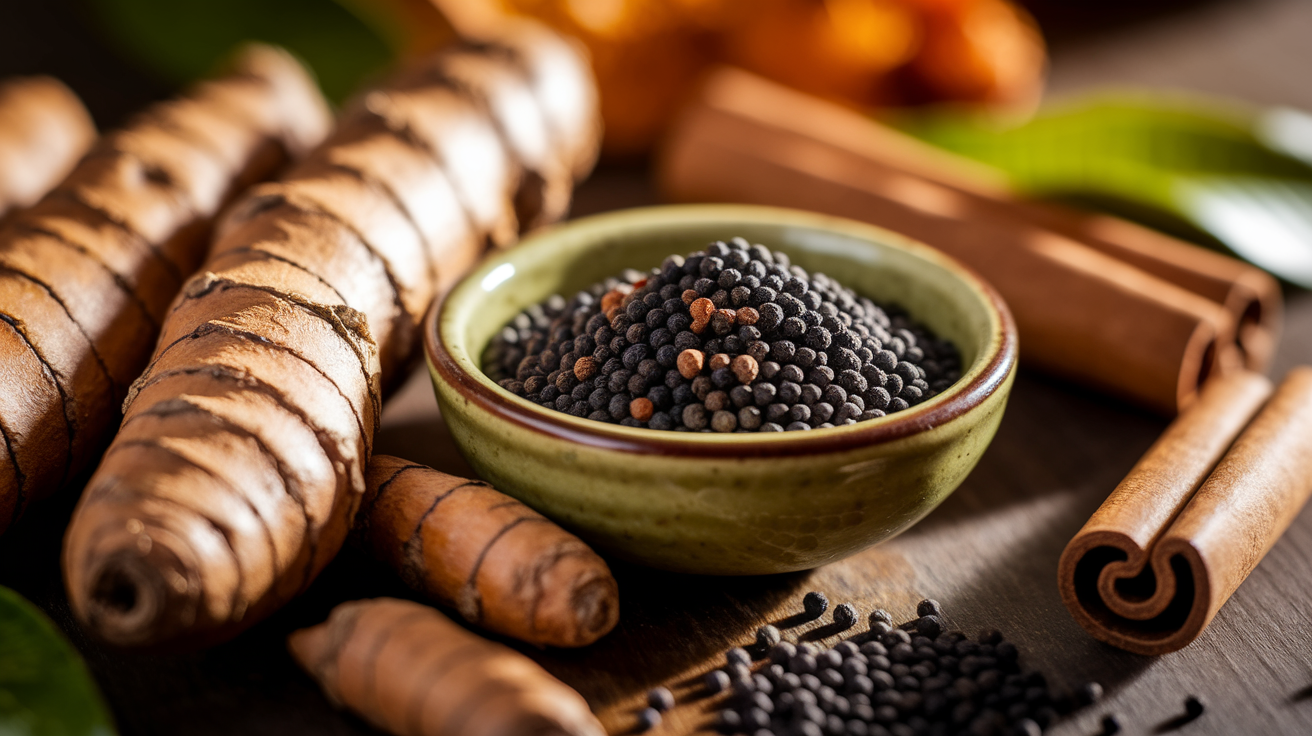
Herbs and spices do more than flavor your food. They pack concentrated doses of bioactive compounds that directly influence inflammatory pathways. Green tea stands out for its EGCG content, a polyphenol that reduces production of pro-inflammatory cytokines and protects cells from oxidative damage. Coffee, when consumed at moderate levels (around 3 to 5 cups per day), provides polyphenols that may offer protection against chronic inflammation. Individual tolerance varies though.
Turmeric is the most researched anti-inflammatory spice. Its active compound, curcumin, has been shown in controlled trials to lower CRP when taken at doses around 1,000 milligrams per day. The catch? Your body doesn’t absorb curcumin well on its own. Pair it with black pepper (which contains piperine), and absorption can increase by roughly 2,000 percent. That’s the difference between a little benefit and a measurable shift in inflammatory markers.
How to Use Turmeric Effectively
Add a half teaspoon of ground turmeric to soups, stews, or roasted vegetables along with a few turns of the pepper grinder. Making a smoothie? Toss in turmeric powder with a pinch of black pepper and a source of fat (like nut butter or avocado) to further boost absorption.
Turmeric lattes are another simple daily option. Warm milk (dairy or non‑dairy) whisked with turmeric, cinnamon, a touch of honey, and black pepper. For targeted support, standardized curcumin supplements (often combined with piperine) can help you reach the 1‑gram threshold used in studies. But start with food‑based sources and consult a healthcare provider before adding concentrated doses.
Healthy Fats and Oils That Lower Inflammation Naturally
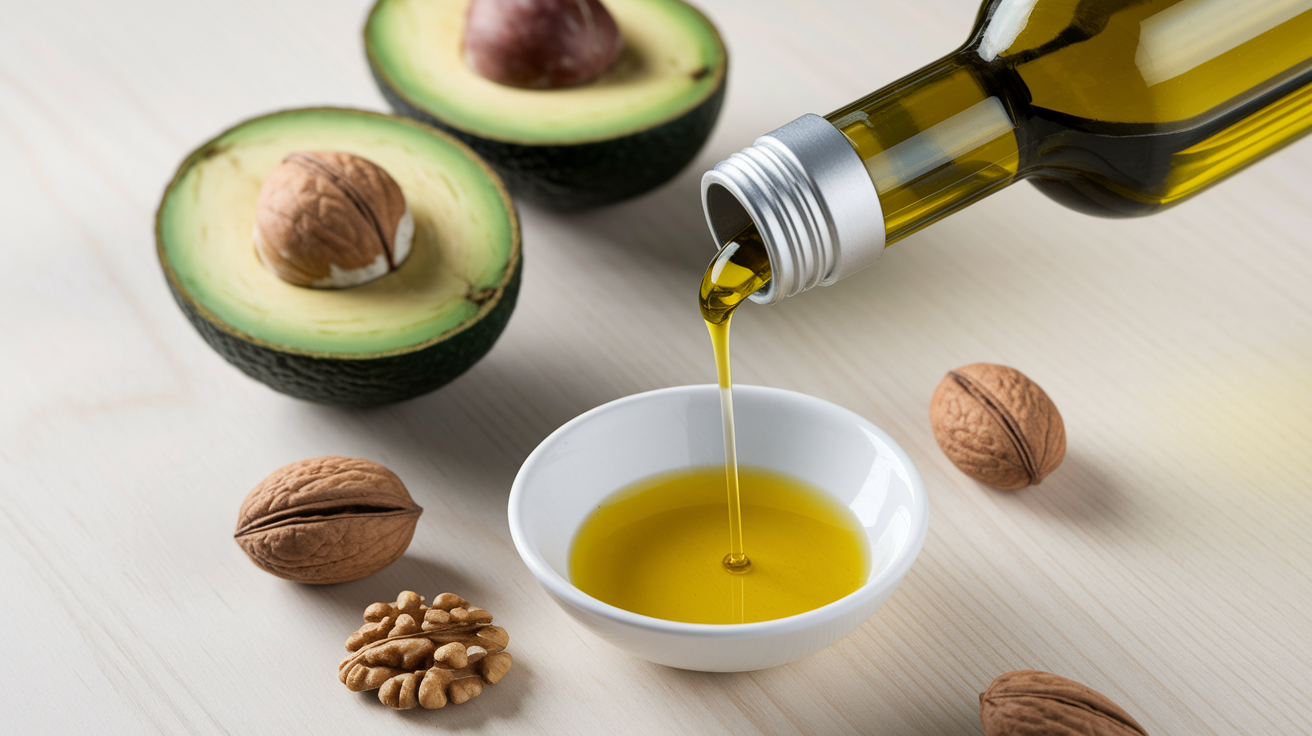
Not all fats fuel inflammation. Some actively put the brakes on it. Extra virgin olive oil is the standout here. It contains oleocanthal, a compound that mimics the anti-inflammatory action of ibuprofen by inhibiting the same enzymes. This isn’t about mega‑dosing oil. It’s about making olive oil your go‑to for dressings, low‑heat sautéing, and finishing dishes instead of reaching for butter or margarine.
Avocados bring monounsaturated fats, fiber, and a range of antioxidants (carotenoids, tocopherols) that work together to lower inflammation. In one 12‑week study involving 51 adults with excess weight, those who ate avocado daily saw reductions in both IL‑1β and CRP, two markers closely tied to chronic disease risk. Swap mayo or cheese for mashed avocado, or add slices to salads and grain bowls.
Here are four practical fat swaps that nudge inflammation down:
- Use extra virgin olive oil for salad dressings and drizzling over cooked vegetables instead of margarine or shortening.
- Top toast or sandwiches with avocado in place of butter or cream cheese.
- Snack on a small handful of unsalted nuts (almonds, walnuts) rather than chips or crackers.
- Choose fatty fish as your main protein a few times a week instead of red or processed meat.
Whole Grains, Legumes, Nuts, and Seeds That Reduce Inflammation Through Fiber
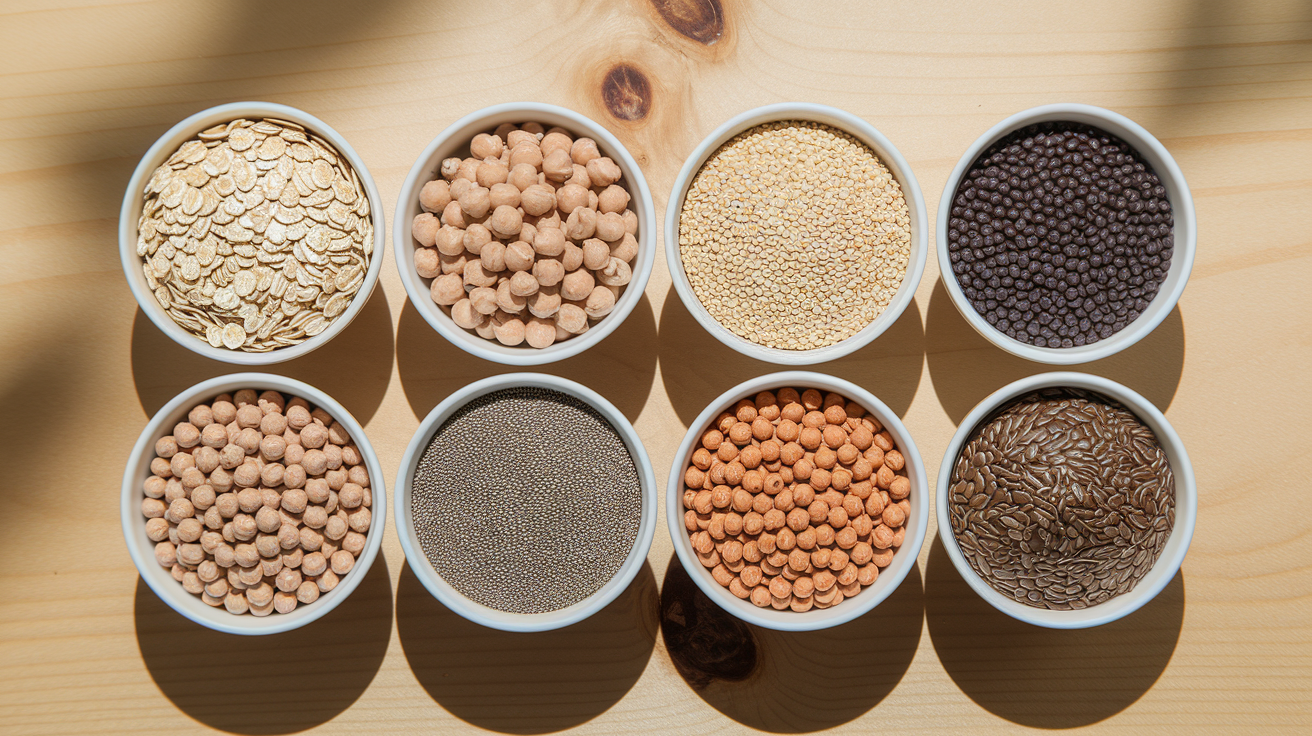
Fiber doesn’t just keep digestion moving. It directly influences inflammation by feeding the beneficial bacteria in your gut. Those bacteria ferment fiber into short‑chain fatty acids (like butyrate) that calm immune cells lining your intestinal wall and prevent inflammatory signals from spilling into your bloodstream.
Whole grains such as oats, brown rice, and whole wheat provide this kind of fiber, along with beta‑glucan in the case of oats, which has been linked to lower CRP in multiple studies. Legumes (beans, lentils, chickpeas) are fiber and antioxidant powerhouses. They’re also affordable, shelf‑stable, and incredibly versatile. A half‑cup of cooked lentils delivers about 8 grams of fiber and a dose of polyphenols that complement the anti-inflammatory work of other foods on your plate.
Nuts and seeds add another layer: walnuts and almonds are rich in unsaturated fats and vitamin E, while chia and flax seeds supply ALA, a plant‑based omega‑3 that your body can partially convert into the longer‑chain EPA.
The shift from refined grains (white bread, white rice, pastries) to whole grains is one of the simplest high‑impact swaps you can make. Refined grains spike blood sugar and trigger insulin surges that promote cytokine release. Whole grains smooth that curve and support steady energy without the inflammatory rebound.
| Food Category | Key Benefit | Example Foods |
|---|---|---|
| Whole Grains | Fiber (including beta‑glucan) supports gut health and lowers CRP | Oats, brown rice, quinoa, whole wheat |
| Legumes | High fiber and antioxidants reduce inflammatory markers | Lentils, black beans, chickpeas, split peas |
| Nuts & Seeds | Unsaturated fats, vitamin E, and plant omega‑3 (ALA) | Walnuts, almonds, chia seeds, flaxseeds |
Fermented Foods and Gut Health’s Role in Controlling Inflammation
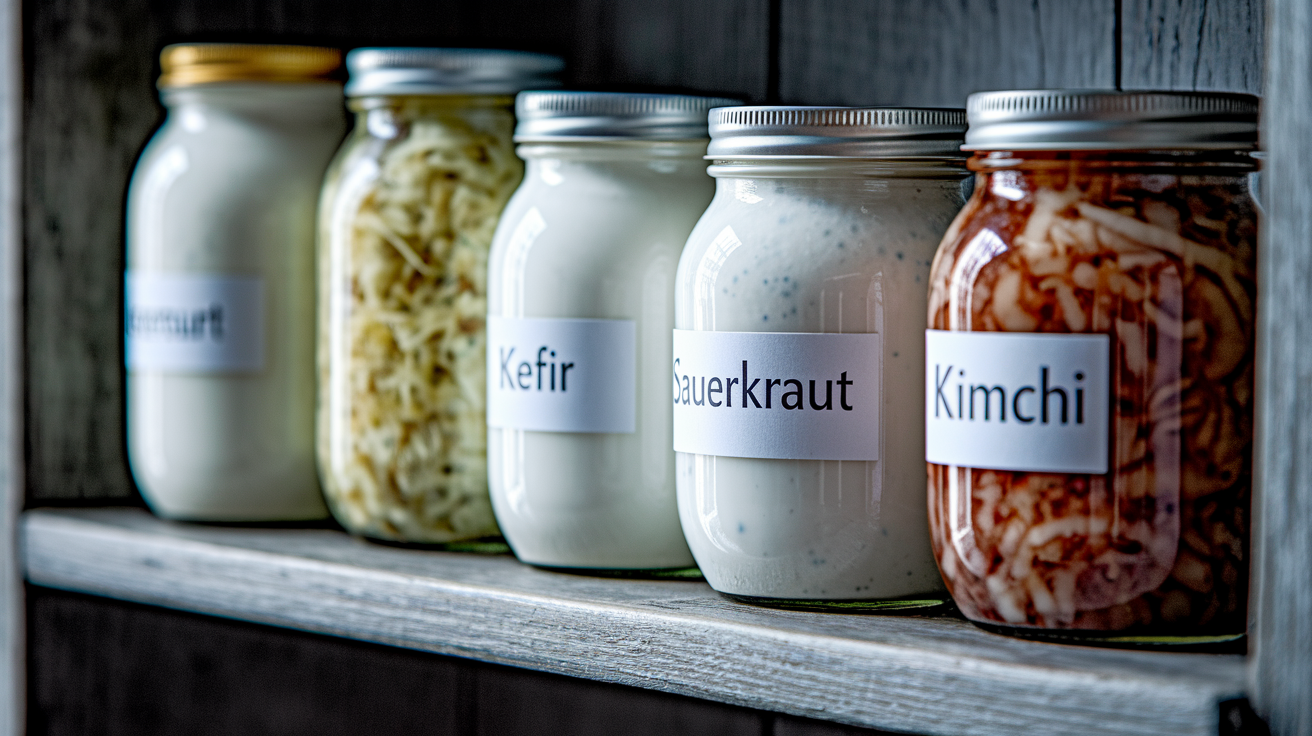
Your gut microbiome (the trillions of bacteria, fungi, and other microbes living in your intestines) plays a surprisingly direct role in how much inflammation your body experiences day to day. When that ecosystem is balanced and diverse, it helps train your immune system to respond appropriately rather than overreact. When it’s out of balance, say from a diet heavy in processed foods and low in fiber, inflammatory signals can leak through the gut lining and trigger chronic, low‑grade inflammation linked to type 2 diabetes, heart disease, and even depression and Alzheimer’s.
Fermented foods (yogurt, kefir, sauerkraut, kimchi) introduce live beneficial bacteria (probiotics) that help restore and maintain that microbial balance. Regular intake has been associated with lower levels of inflammatory cytokines and improved gut barrier function.
You don’t need huge servings. A few spoonfuls of sauerkraut on your lunch plate or a cup of plain yogurt with breakfast can make a difference over time.
Simple fermented options to rotate into your week:
- Plain yogurt (look for “live and active cultures” on the label)
- Kefir (a drinkable fermented milk with a wider range of probiotic strains than yogurt)
- Sauerkraut (raw or refrigerated varieties, not shelf‑stable canned)
- Kimchi (adds flavor and probiotics to grain bowls and stir‑fries)
Foods That Increase Inflammation and Should Be Limited or Avoided
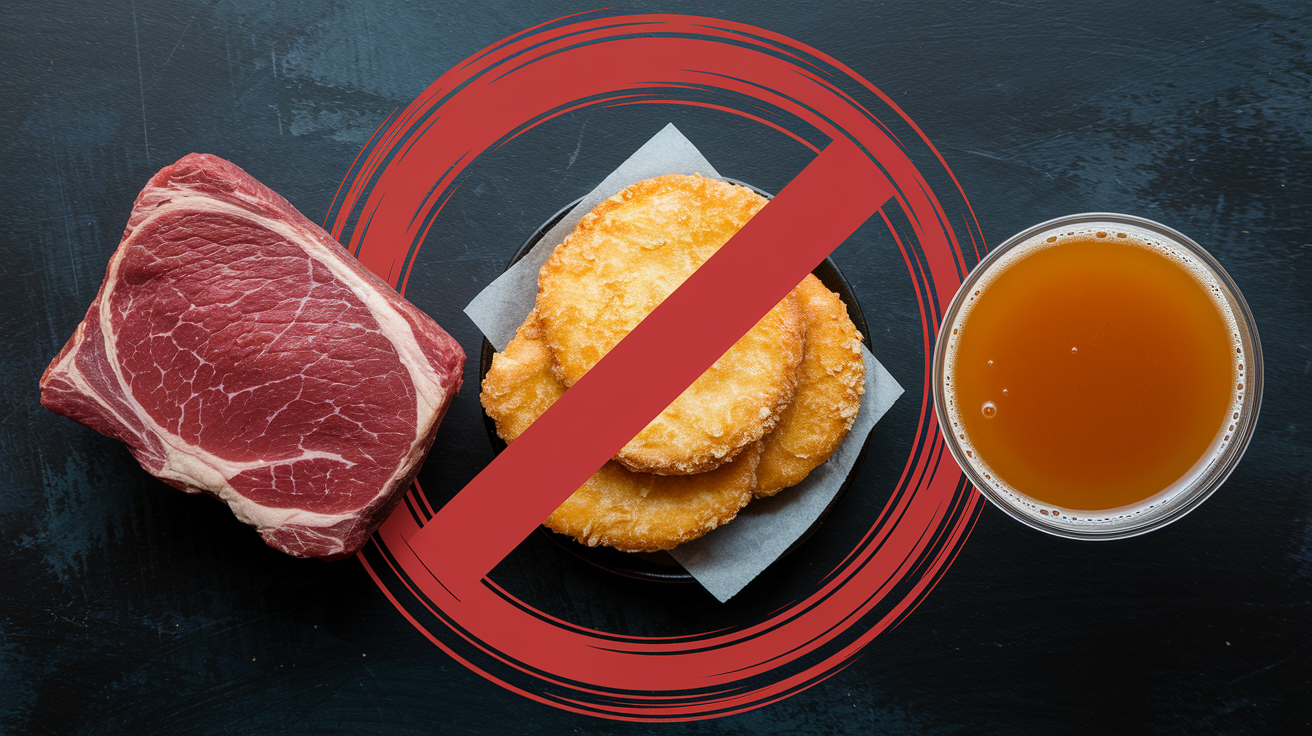
Just as some foods calm inflammation, others consistently fan the flames. These are the ones that show up again and again in studies linking diet to higher CRP, IL‑6, and other inflammatory markers. The associations hold even after researchers account for body weight, meaning the effect isn’t just about extra pounds.
Refined carbohydrates (white bread, pastries, crackers, white rice) spike blood sugar and insulin, which in turn promotes cytokine release. Fried foods (french fries, fried chicken, mozzarella sticks) are typically cooked in oils high in omega‑6 fatty acids. When omega‑6 intake far outpaces omega‑3 intake, the imbalance tilts your body toward a pro-inflammatory state.
Sugary drinks (soda, sweet tea, energy drinks) deliver a concentrated hit of added sugar without any fiber to slow absorption, leading to blood sugar swings and inflammatory responses. Red meat, especially high‑fat cuts like burgers and steaks, and processed meats (bacon, hot dogs, sausage) are rich in saturated fat, which can increase inflammatory markers when eaten frequently.
Trans fats, found in products labeled with “partially hydrogenated oils,” raise LDL cholesterol and directly promote inflammation. These are worth avoiding entirely. Even alcohol, which in very light amounts (less than one drink per day) may have some anti-inflammatory effects, becomes pro-inflammatory when consumption goes above that threshold.
The short list of foods and ingredients to pull back on:
- Refined carbohydrates (white bread, pastries, crackers, white rice)
- Fried foods (fries, fried chicken, chips)
- Sugary drinks (soda, sweetened iced tea, sports drinks)
- Red meat (burgers, steaks) and processed meats (bacon, hot dogs, sausage)
- Trans fats (anything with “partially hydrogenated oil” on the label)
- High‑saturated‑fat dairy (butter, whole milk, full‑fat cheese; opt for low‑fat versions if you include dairy)
- Excess alcohol (more than one drink per day)
- High‑omega‑6 vegetable oils in large amounts (corn, safflower, soybean oil used heavily in fried and processed foods)
Anti-Inflammatory Meal Ideas and Ways to Add These Foods Daily
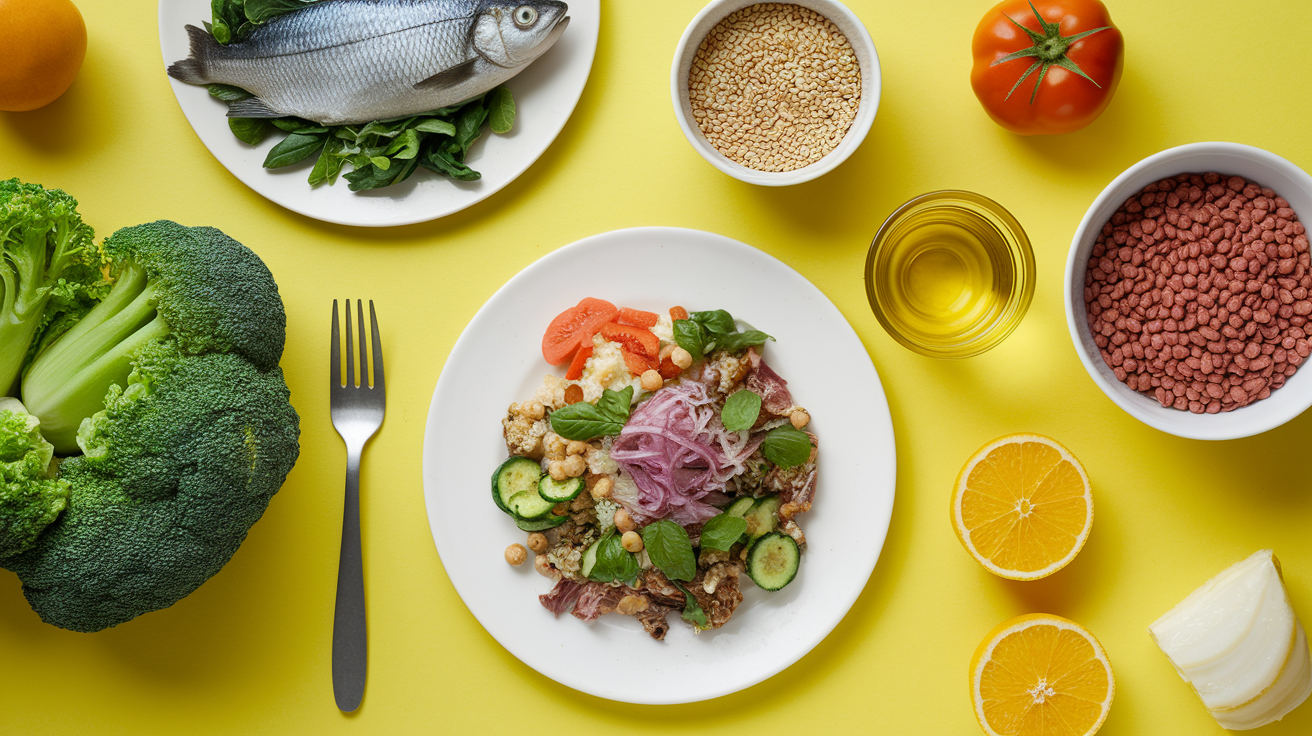
You don’t need a complicated meal plan to eat in a way that lowers inflammation. You just need a handful of flexible templates you can repeat and adapt. Think of building meals around a base of vegetables, a quality protein (especially fatty fish or legumes), a whole grain or starchy vegetable, and a drizzle of olive oil or a handful of nuts. That framework covers the anti-inflammatory essentials without requiring specialty ingredients or long prep times.
A simple breakfast might be a bowl of oatmeal topped with blueberries and a spoonful of almond butter. Lunch could be a big leafy green salad (spinach or mixed greens) dressed with olive oil and lemon, tossed with walnuts, cherry tomatoes, and grilled salmon or chickpeas.
Dinner? Roasted broccoli and sweet potato with a piece of baked mackerel or a tempeh stir‑fry, finished with a squeeze of lime and a sprinkle of turmeric and black pepper.
Smoothies are an easy way to pack in anti-inflammatory foods first thing in the morning. Blend a cup of spinach or kale with a handful of frozen berries, half a banana, a tablespoon of chia seeds, and a cup of unsweetened almond milk or low‑fat milk. Optional add‑ins: a quarter teaspoon of turmeric, a pinch of black pepper, or a small piece of fresh ginger.
For a warm anti-inflammatory drink, try this quick variation on hot chocolate: heat 1 cup of milk (dairy, oat, or almond), whisk in 1 tablespoon of unsweetened cocoa powder, add a dash of vanilla extract and a light drizzle of honey or maple syrup, then finish with a pinch of cinnamon and cayenne if you like a little heat.
Simple Daily Anti-Inflammatory Meal Framework
Here’s a repeatable structure you can use to build breakfast, lunch, and dinner without overthinking it:
- Start with vegetables or greens, aim for at least half your plate (spinach, kale, broccoli, peppers, tomatoes, mushrooms).
- Add a quality protein, fatty fish (salmon, sardines, mackerel), poultry, tofu, tempeh, or legumes (lentils, black beans, chickpeas).
- Include a whole grain or starchy vegetable, oats, brown rice, quinoa, sweet potato, or a slice of whole‑grain bread.
- Use olive oil as your main fat, drizzle it over salads, roasted vegetables, or cooked grains.
- Finish with a serving of fruit, nuts, or seeds, berries with breakfast, a handful of almonds as a snack, or a sprinkle of chia seeds on yogurt.
- Drink water, green tea, or coffee in moderation, stay hydrated and swap sugary drinks for unsweetened options.
Practical Tips for Reducing Inflammation Through Daily Eating Habits
Small, consistent changes tend to stick better than overnight overhauls. Start by swapping one or two inflammatory foods for anti-inflammatory alternatives each week. Replace your afternoon chips with a handful of walnuts, or swap white rice for brown rice at dinner.
Cook tomatoes with a drizzle of olive oil to boost lycopene absorption, and keep a pepper grinder next to your turmeric so you remember to add both when you’re seasoning soups or roasted vegetables.
Hydration matters too. Drink according to thirst, and if plain water feels boring, try sparkling water with a squeeze of lemon or lime instead of reaching for soda. When you’re choosing snacks, think fruit, nuts, or a small bowl of berries instead of cookies or crackers. These aren’t rigid rules. They’re gentle nudges that add up over weeks and months.
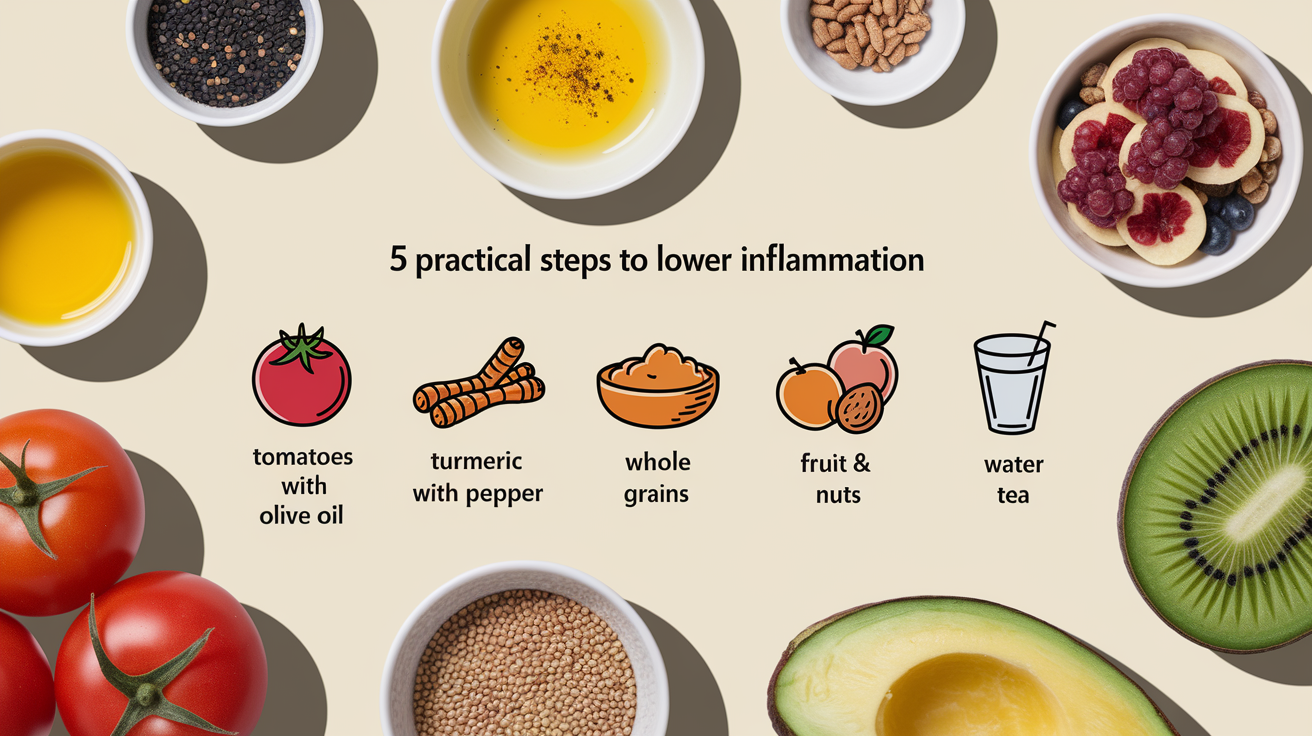
Five practical steps to lower inflammation starting this week:
- Cook tomatoes with olive oil, heat a can of diced tomatoes with garlic and a tablespoon of olive oil for a quick anti-inflammatory pasta sauce or soup base.
- Pair turmeric with black pepper, add both to scrambled eggs, roasted vegetables, or a lentil stew to maximize curcumin absorption.
- Swap refined grains for whole grains, choose oatmeal over sugary cereal, brown rice over white, and whole‑wheat bread over white bread.
- Snack on fruit and nuts, keep a bag of almonds and a bowl of apples or berries on your counter for easy, anti-inflammatory snack options.
- Move for 30 minutes most days and aim for 7 to 9 hours of sleep, exercise and sleep both independently lower inflammatory markers, and they work best when paired with the food changes above.
Final Words
Start by adding simple, reliable foods: berries, fatty fish, extra virgin olive oil, turmeric, leafy greens, nuts and seeds, whole grains, legumes and fermented foods. They bring antioxidants, omega-3s, fiber and compounds that can lower inflammatory markers and support your gut.
Limit refined carbs, fried and ultra-processed foods and keep alcohol moderate. Try one swap this week: berries for sweets or salmon for a red-meat meal.
If you’re wondering what foods reduce inflammation in the body, these choices and steady daily habits will move you toward less inflammation and more energy.
FAQ
Q: What is the strongest anti-inflammatory food?
A: The strongest anti-inflammatory food is not a single item; fatty fish (salmon, sardines) rich in omega‑3s and berries high in anthocyanins are among the most powerful choices for lowering inflammation.
Q: What is the fastest way to reduce inflammation in the body?
A: The fastest way to reduce inflammation in the body is to take one immediate step: eat a fatty fish or a berry-rich meal, drink water, skip sugary foods, and rest.
Q: What are the 5 classic signs of inflammation?
A: The 5 classic signs of inflammation are redness, heat, swelling, pain, and loss of function; these often show up locally after injury or during infection.
Q: What drinks reduce inflammation?
A: Drinks that reduce inflammation include green tea (EGCG), tart cherry juice (anthocyanins), water for hydration, moderate coffee (polyphenols), and smoothies made with berries and leafy greens.