
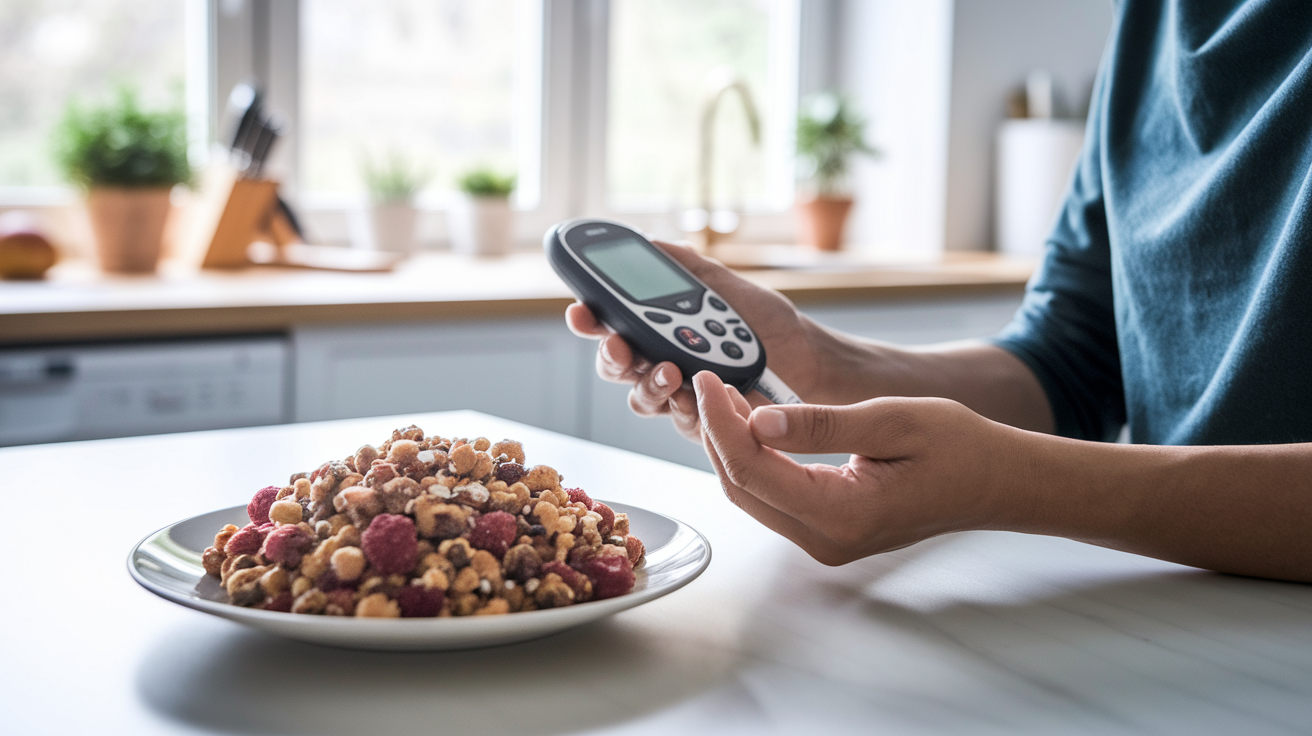
What if you could steady your blood sugar without medication or drastic diets?
You’re not imagining the afternoon crashes, constant thirst, or that wired-then-tired feeling.
This post explains how small changes to what you eat and how you move, sleep, and handle stress can bring blood sugar back into a healthier range.
You’ll get clear, doable steps—like pairing protein with carbs, adding soluble fiber, walking after meals, and improving sleep—so you start feeling steadier in days, not months.
Core Strategies for Stabilizing Blood Sugar Naturally
Your body regulates blood sugar through a balance between insulin release, how well your cells respond to it, and how fast glucose hits your bloodstream. When you’re eating mostly refined carbs and not moving much, the system gets overwhelmed. Insulin levels stay high, cells stop listening, and glucose lingers in your blood longer than it should. That’s where most early blood sugar problems start.
Simple daily strategies can restore this balance without medication. Increasing fiber slows digestion and glucose absorption, giving your pancreas time to release insulin steadily instead of in a rush. Pairing protein or healthy fat with carbs at every meal does the same thing. It buffers the glucose spike and keeps energy more level. Regular movement after eating pulls glucose out of your bloodstream and into muscle cells, where it’s burned for fuel or stored as glycogen. Hydration matters too. Water helps your kidneys clear excess glucose and supports every metabolic process, including insulin signaling.
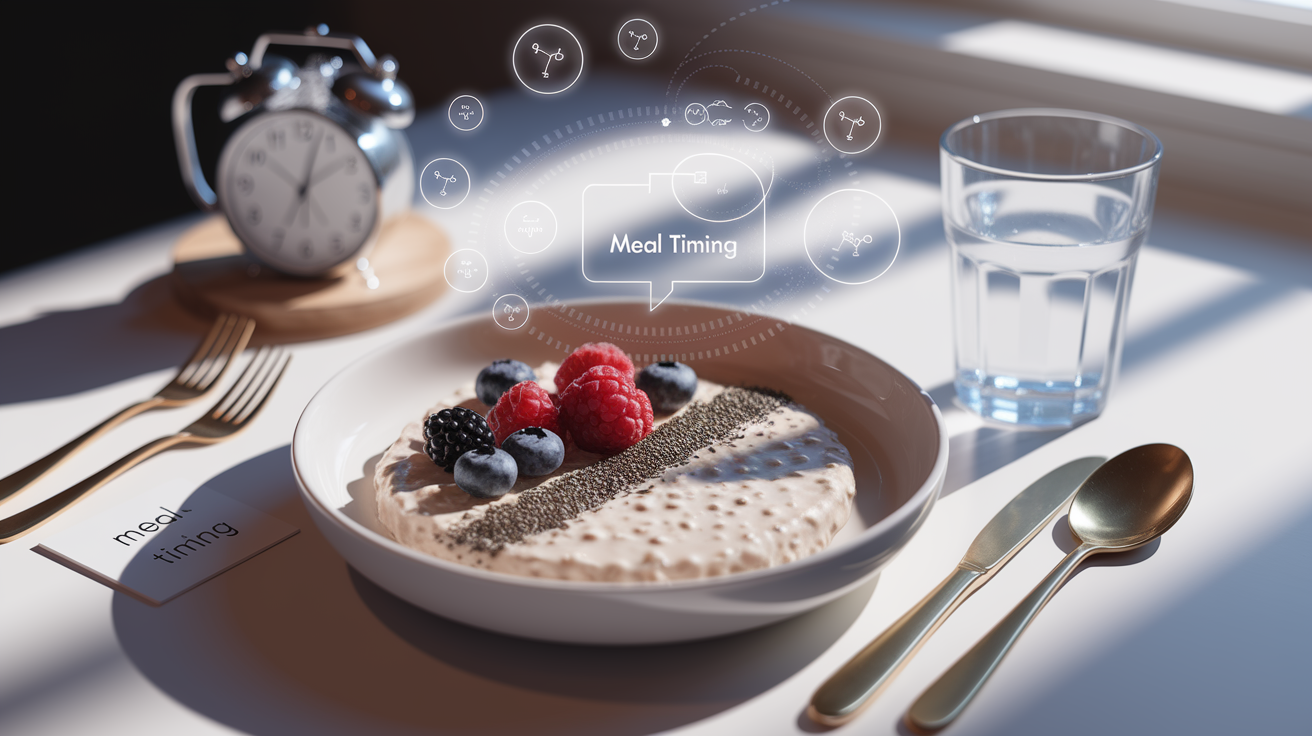
Meal consistency is another quiet hero. When you eat at roughly the same times each day, your body learns to anticipate digestion. That means more stable insulin release and better glucose handling. Skipping breakfast or going twelve hours between lunch and dinner sets you up for bigger swings when you finally do eat. The rhythm matters as much as the food itself.
Here are seven high-impact actions you can start today:
Add one to two tablespoons of soluble fiber to your morning routine, such as chia seeds in water or a bowl of oats. Include a palm-sized serving of protein at every meal. Eggs, chicken, fish, tofu, beans, or Greek yogurt all work. Take a ten to fifteen minute walk after lunch or dinner, even if it’s just around the block or your living room. Drink at least two liters of water throughout the day, not all at once.
Swap white bread, white rice, or sweetened cereal for whole grain versions that still have their fiber intact. Cut back on sugary drinks and juice. If you’re used to soda or energy drinks, start by halving your intake and replacing it with water or unsweetened tea. Eat on a schedule most days so your body can anticipate meals and manage insulin production more smoothly.
Nutritional Approaches That Improve Glucose Response
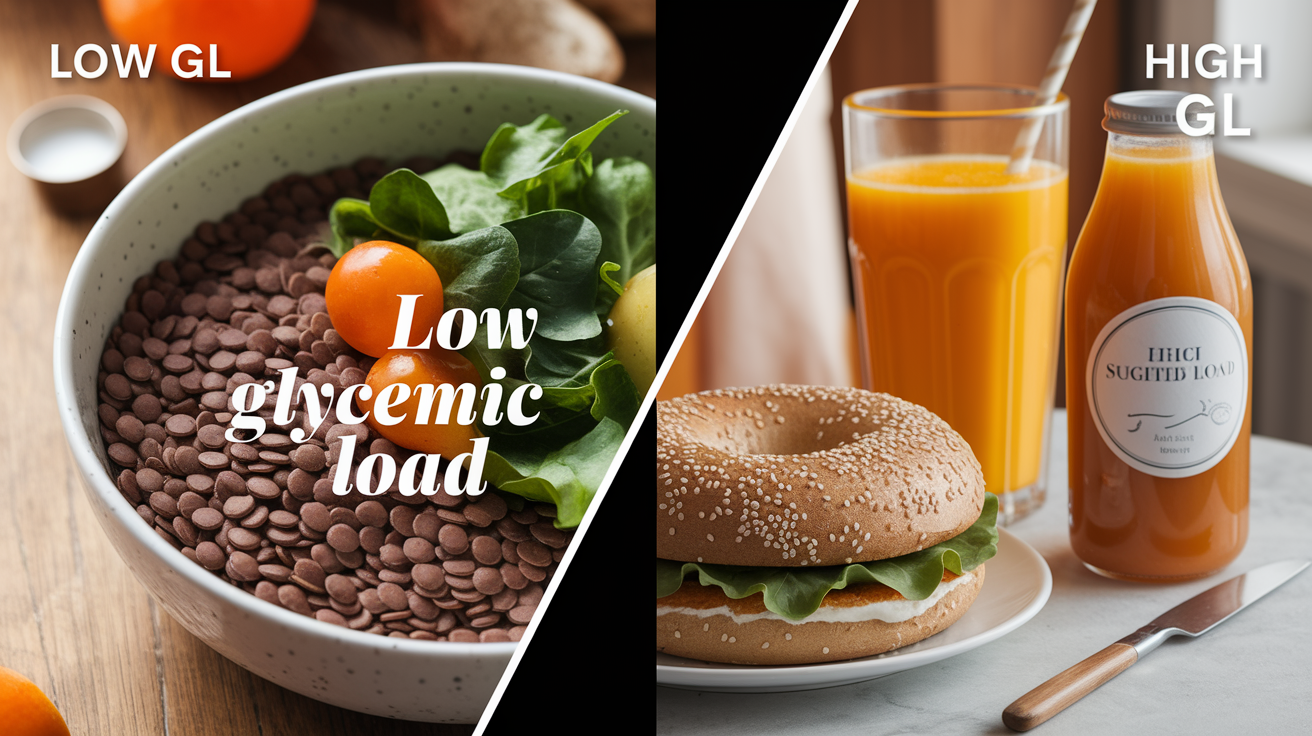
The glycemic load of a meal tells you how much and how fast your blood sugar is likely to rise. Foods with a low glycemic load release glucose slowly because they contain fiber, protein, fat, or resistant starches that take longer to break down. When you build meals around these foods, your pancreas doesn’t have to flood your system with insulin, and your cells stay more sensitive to the hormone over time.
A bowl of lentils and vegetables keeps you steady for hours. A bagel and orange juice can leave you hungry and tired by mid morning.
Nutrient synergy is the idea that foods work better together than alone. A baked sweet potato by itself will raise your blood sugar faster than a sweet potato topped with black beans and avocado. The fiber in the beans, the fat in the avocado, and the resistant starch in the potato’s skin all slow digestion. Adding a handful of greens on the side gives you magnesium and chromium, two minerals that support insulin function.
Real swaps that follow this logic: switching from instant oatmeal to steel cut oats with walnuts, or replacing pasta with chickpea noodles topped with olive oil and grilled chicken.
Fermented foods like sauerkraut, kimchi, plain yogurt, and kefir introduce beneficial bacteria that may improve how your gut processes glucose and communicates with your pancreas. Early research suggests a healthier microbiome can reduce inflammation and improve metabolic signaling, though the effects are modest compared to diet structure and movement. Still, a spoonful of kraut or a cup of unsweetened yogurt a few times a week is an easy add.
Six food groups to favor:
Legumes. Lentils, black beans, chickpeas, split peas. Nuts and seeds. Almonds, walnuts, flaxseeds, chia, sunflower seeds. Leafy greens and non-starchy vegetables. Spinach, kale, broccoli, zucchini, peppers. Fermented foods. Sauerkraut, kimchi, plain yogurt, kefir. Low glycemic fruits. Berries, apples, pears, cherries. Whole grains with intact fiber. Steel cut oats, quinoa, farro, brown rice, barley.
Daily Habits and Lifestyle Patterns That Support Glucose Stability

Sleep deprivation makes your cells more resistant to insulin within a single night. When you get less than seven hours, cortisol stays elevated, your hunger hormones get confused, and your body holds onto more glucose in your bloodstream instead of shuttling it into cells. Over time, short sleep becomes one of the strongest predictors of insulin resistance, even when diet stays the same. Aiming for seven to nine hours most nights isn’t about perfection. It’s about giving your metabolism a fair shot at doing its job.
Stress works the same way. When cortisol rises in response to deadlines, arguments, or worry, your liver releases stored glucose into your blood to prepare you for a physical threat. But if you’re sitting at a desk or lying awake at night, that glucose has nowhere to go. Chronic stress keeps this cycle running in the background, nudging your baseline blood sugar higher and wearing out your pancreas.
Managing stress doesn’t mean eliminating it. It means adding practices like slow breathing, short walks, journaling, or ten minutes of stretching so your nervous system gets a signal that the crisis has passed.
Movement frequency matters more than intensity for day to day glucose control. A fifteen minute walk after each meal can reduce post meal blood sugar spikes more reliably than one long workout at the end of the day. The act of contracting your leg muscles pulls glucose out of circulation and into muscle tissue, where it’s burned or stored. Even standing and doing light housework, stretching, or climbing a flight of stairs a few times helps. The goal is to interrupt long stretches of sitting, especially right after you eat.
Understanding Blood Sugar Patterns and Early Warning Signs

Most people don’t realize their blood sugar is starting to drift until they feel consistently off. Fatigue that doesn’t respond to more sleep. A nagging thirst even when you’re drinking water. Trips to the bathroom every couple of hours. Afternoon headaches. Brain fog that makes it hard to focus. These are your body’s early signals that glucose isn’t being managed well. You’re not imagining it, and it’s not just stress or getting older. It’s metabolic.
Energy dips about an hour or two after eating are another clue. If you feel wired right after a meal and then crash hard, that’s a blood sugar spike followed by a reactive drop. Your pancreas overshot the insulin release, and now your glucose has swung too low. This rollercoaster is common when meals are heavy in refined carbs and light on protein or fat. Noticing the pattern is the first step to smoothing it out.
Mild glucose instability often shows up years before a doctor flags your fasting glucose or A1C as high. You might feel shaky or irritable if you go too long without eating. Or you might notice that sugary snacks give you a quick lift followed by a hard slump. These daily cues reflect how flexible or rigid your metabolism has become. When your body can easily switch between burning glucose and fat for fuel, you feel steady. When it can’t, you feel the swings.
Tracking how you feel after meals for a few days can reveal more than any single lab test. If you’re tired, fuzzy, or craving sugar within two hours of eating, your meal probably spiked your blood sugar too high. If you’re steady and satisfied for three to four hours, that meal had a better balance.
Exercise Methods That Enhance Insulin Sensitivity

Walking is the simplest and most studied tool for blood sugar control. A ten minute walk right after a meal can lower your post meal glucose spike by 20 to 30 percent compared to sitting. The effect is immediate. Your muscles are pulling glucose out of your blood and using it for movement. You don’t need to break a sweat or change clothes. A lap around the block, a stroll through your building, or even marching in place while you do the dishes all count.
Strength training works differently but matters just as much. When you lift weights, do bodyweight squats, or use resistance bands, you create tiny tears in your muscle fibers. As they repair over the next day or two, those muscles become more sensitive to insulin and better at storing glucose as glycogen instead of leaving it in your bloodstream. You don’t need a gym. Two or three sessions a week of push-ups, lunges, and planks will shift your metabolism over time.
Interval training can improve insulin sensitivity faster than steady cardio. A few rounds of thirty seconds of faster walking or cycling followed by a minute or two of easy pace can make a noticeable difference in how your body handles glucose, even if the total workout is only fifteen minutes. The intensity signals your muscles to adapt quickly.
Yoga and stretching support glucose control too, especially when they lower stress and improve sleep quality.
Five evidence-supported exercise types:
Walking, especially after meals. Strength training with weights or bodyweight movements. Cycling or stationary biking. Yoga or stretching routines that reduce cortisol. Interval training with short bursts of higher effort.
How Meal Timing and Portion Structure Influence Blood Sugar
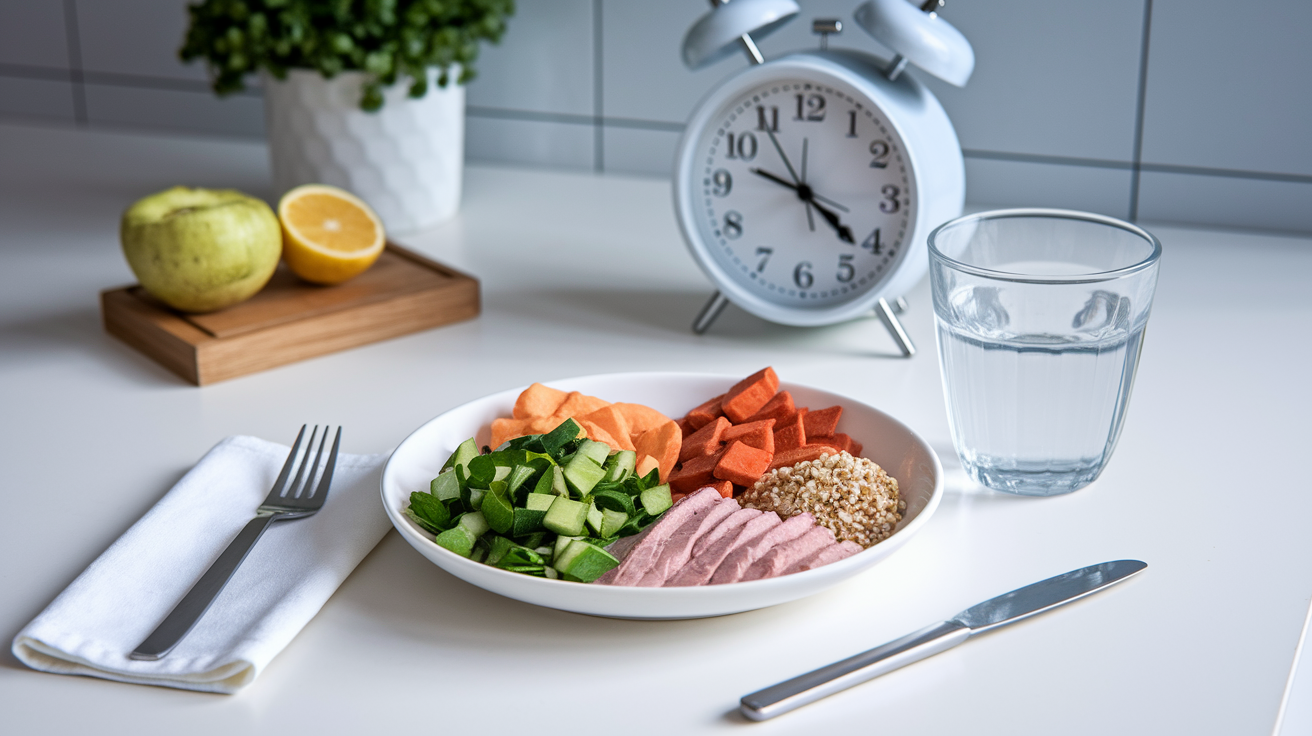
Eating at roughly the same times each day trains your body to release insulin on a predictable schedule. When meals are erratic, breakfast at 7 one day and noon the next, your pancreas has to guess. That guessing leads to bigger swings. Consistent timing also helps regulate hunger hormones, so you’re less likely to overeat or reach for quick sugar when a meal is delayed. You don’t need to be rigid, but a loose routine makes glucose control easier.
Balanced macronutrient plates reduce spikes by slowing digestion. A simple framework is to fill half your plate with non-starchy vegetables, a quarter with protein, and a quarter with a fiber-rich carb like sweet potato or quinoa. Add a thumb sized portion of healthy fat. Avocado, olive oil, nuts. You’ve built a meal that keeps blood sugar steady for hours. This structure works at home, at restaurants, and when you’re packing lunch.
Time-restricted eating, where you eat all your meals within a ten to twelve hour window, may improve morning fasting glucose for some people. The idea is that a longer overnight fast gives your liver and pancreas a break from processing food and allows insulin levels to drop fully. For example, finishing dinner by 7 p.m. and not eating again until 7 a.m.
If you try this, make sure your meals are still balanced and that you’re eating enough during the day. Skipping meals entirely or going too long without food can backfire and make blood sugar control harder.
Supplements Commonly Used to Support Glucose Balance
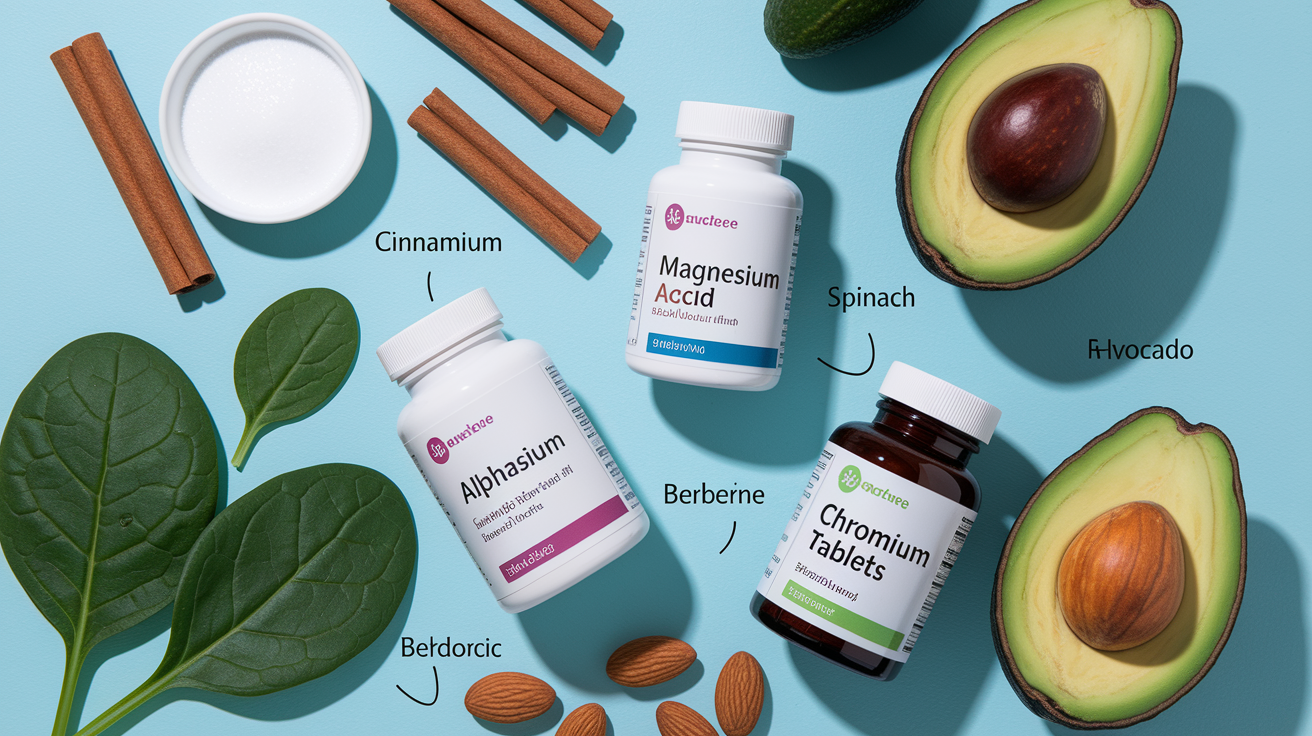
Cinnamon has been studied for its potential to lower fasting blood sugar, likely by improving how cells respond to insulin. The effect is modest. Don’t expect it to replace diet changes. But adding half a teaspoon to oatmeal, coffee, or yogurt is a low risk way to support your routine. Look for Ceylon cinnamon rather than cassia if you’re using it daily, since cassia contains higher levels of coumarin, a compound that can stress the liver in large amounts.
Magnesium is involved in over 300 enzymatic reactions, including those that help insulin bind to receptors on your cells. People with insulin resistance are often low in magnesium, and supplementation can improve glucose handling in those cases. You can also get magnesium from food. Spinach, almonds, black beans, avocado, and dark chocolate are all good sources. If you’re considering a supplement, magnesium glycinate is easier on digestion than other forms.
Alpha-lipoic acid is an antioxidant that may help improve how your muscles take up glucose and protect nerve cells from damage caused by high blood sugar. It’s been studied mostly in people with diabetes-related nerve pain, but some research suggests it can support overall glucose metabolism.
Berberine, a compound found in several plants, has shown insulin-sensitizing effects similar to some medications, though it can interact with other drugs and should only be used under supervision. Chromium picolinate is another supplement sometimes used to support insulin function, though evidence is mixed.
| Supplement | What Research Suggests | Common Dietary Sources |
|---|---|---|
| Cinnamon | May lower fasting glucose and improve insulin sensitivity | Ground cinnamon sticks, cinnamon tea |
| Magnesium | Supports insulin receptor function; deficiency linked to insulin resistance | Spinach, almonds, black beans, avocado, dark chocolate |
| Alpha-lipoic acid | Antioxidant that may improve glucose uptake and protect nerves | Red meat, organ meats, broccoli, spinach, tomatoes |
| Berberine | Can lower blood sugar and improve insulin sensitivity; may interact with medications | Barberry, goldenseal, Oregon grape (not common in food) |
| Chromium | May support insulin action; evidence is inconsistent | Broccoli, whole grains, beef, turkey, eggs |
Final Words
Start by using the practical steps above: balance meals with protein, fiber, and healthy fats, cut added sugars, take short walks after eating, and keep hydrated. These are the actions that lower spikes day to day.
You also saw which foods help, why sleep and stress matter, how to spot warning signs, timing and exercise tips, and basic supplements to discuss with a clinician. Keep it simple.
If you’re wondering how to balance blood sugar without medication, focus on consistent, small habits you can repeat. Small wins add up, you’ll improve over time.
FAQ
Q: What is the fastest way to lower blood sugar without medication?
A: The fastest way to lower blood sugar without medication is a 10–15 minute brisk walk after eating, drink water, and eat a small protein-plus-fiber snack while avoiding added sugars.
Q: Does vinegar and cinnamon lower blood sugar?
A: Vinegar and cinnamon can lower blood sugar modestly; vinegar may blunt post-meal spikes and cinnamon may help fasting levels, but effects are small and work best alongside healthy eating and movement.
Q: How to lower A1C naturally?
A: To lower A1C naturally focus on steady habits: eat fiber-rich whole foods, pair carbs with protein or healthy fats, move daily, prioritize sleep, cut added sugars, and track progress with your clinician.
Q: What food drastically lowers blood sugar?
A: No single food drastically lowers blood sugar; foods that help steady glucose include legumes, oats, chia, nuts, avocados, leafy greens, and meals that combine protein and healthy fats with carbs.