
Tired of your belly puffing up right before your period?
You’re not imagining it — shifts in estrogen and progesterone make your body hold water and slow digestion, so gas and swelling build up.
The good news: what you eat can help. Potassium-rich snacks, hydrating fruits, enzyme-packed fresh fruit, probiotic foods, and anti-inflammatory fats often ease hormonal bloating.
This post shows the everyday foods to try, a few simple swaps, and a short plan you can start two to three days before symptoms.
Key Foods that Reduce Hormonal Bloating Fast
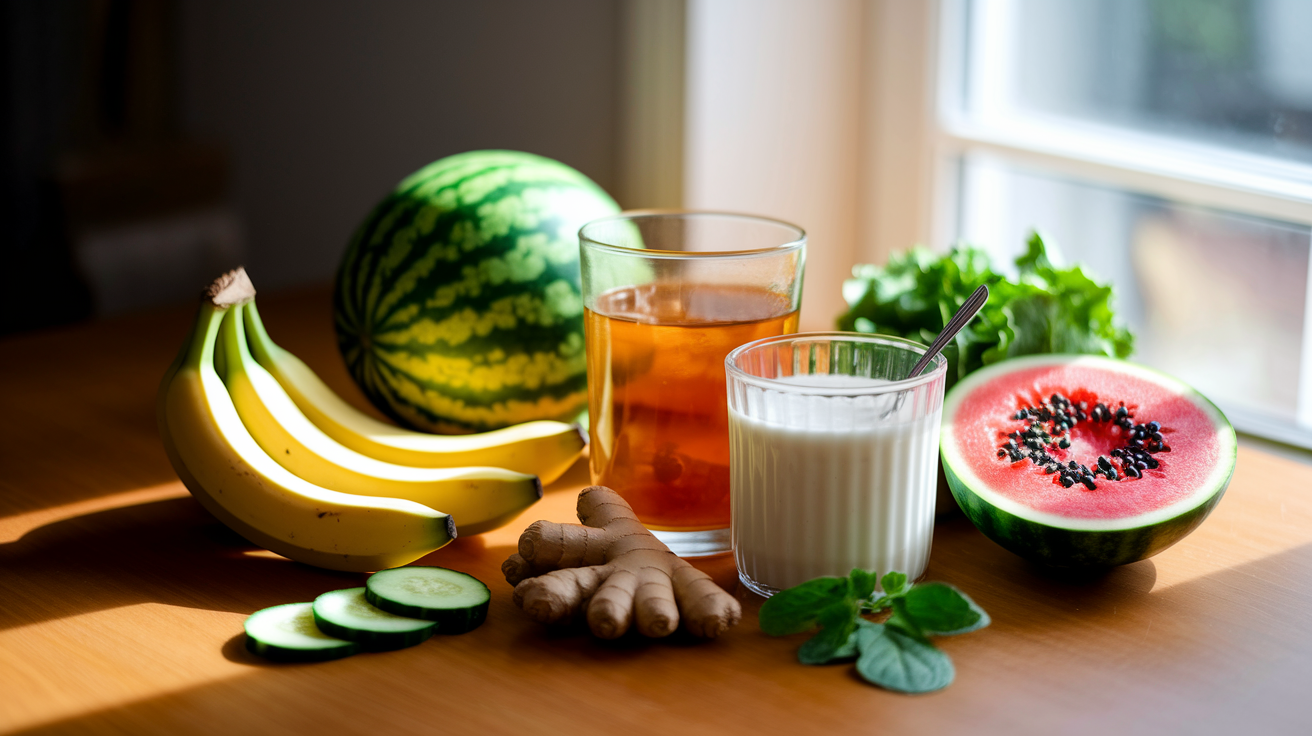
Hormonal bloating happens when estrogen and progesterone shifts cause your body to hang onto water and slow down digestion. After ovulation, progesterone climbs and your gut muscles relax. Food moves slower. Gas has more time to build. That’s why your stomach feels tight and swollen, especially before your period or during perimenopause.
Potassium-rich foods push your kidneys to dump extra sodium and water, which cuts down swelling. Hydrating foods like cucumber and watermelon keep fluid balance steady without triggering rebound retention. Foods with digestive enzymes break down protein and carbs more cleanly, so less sits around fermenting into gas. Probiotic foods strengthen your gut bacteria, which smooths out digestion and helps your body handle hormones better.
Start eating these two or three days before you expect bloating. If you track your cycle, that’s usually seven to ten days before your period. In perimenopause, when timing gets messy, just add these daily and look for patterns over a few weeks.
Foods that ease hormonal bloating:
- Bananas – loaded with potassium to balance sodium and reduce puffiness; grab one as a snack or slice into yogurt
- Cucumber – hydrating and calms inflammation; toss slices in salads or water
- Ginger tea – relaxes digestive muscles and settles inflammation; drink after meals to cut gas
- Papaya – has papain, an enzyme that breaks down protein and clears trapped gas; eat fresh or blend into smoothies
- Yogurt or kefir – packed with probiotics to support gut bacteria and digestion; aim for three-quarters to one cup daily
- Leafy greens – fiber and magnesium without too much fermentation; spinach, bok choy, or romaine work well in salads and stir-fries
- Watermelon – high water content plus a mild natural diuretic effect; perfect as a snack or after a workout
Why Hormonal Changes Impact Bloating and How Food Helps
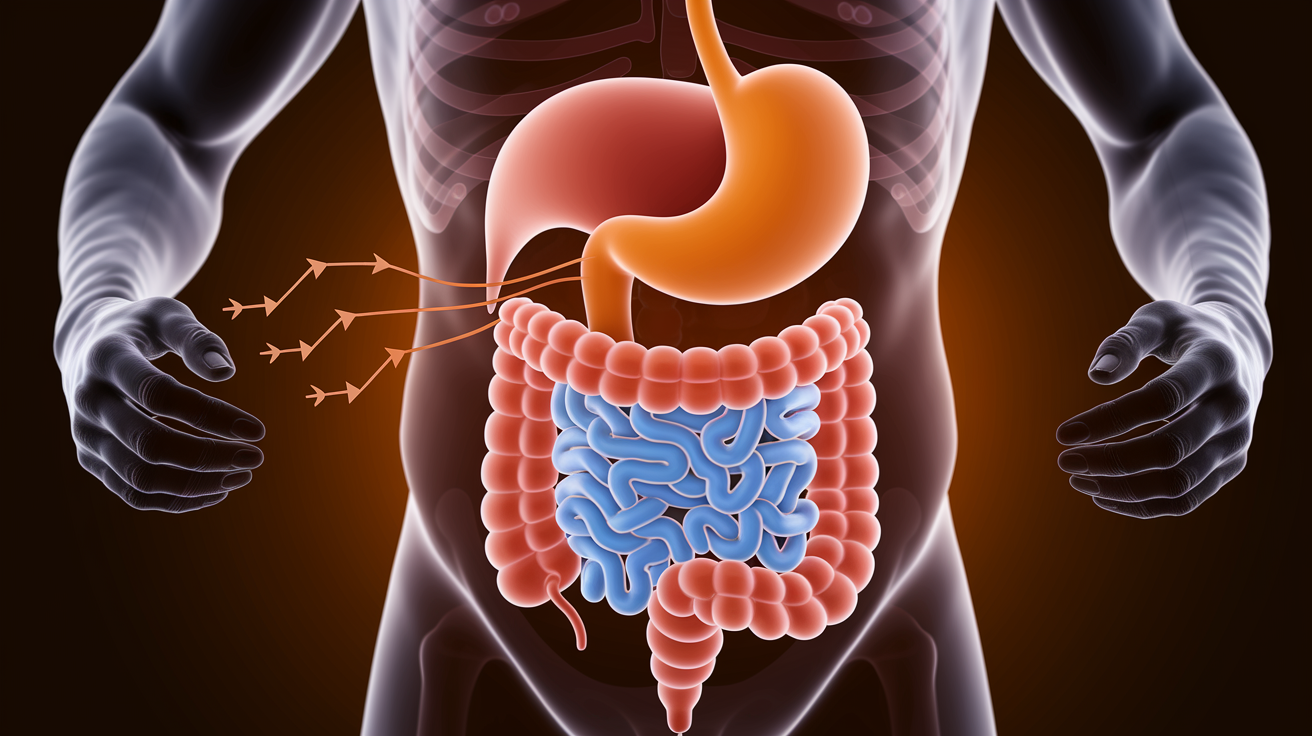
After ovulation, your body makes more progesterone to prep for a possible pregnancy. Progesterone slows the muscle contractions in your intestines. Food and gas move slower. That sluggish pace gives bacteria more time to ferment leftover fiber and carbs, creating extra gas and that stuffed, uncomfortable feeling. Around 70 percent of menstruating people deal with bloating at some point in their cycle. It’s tied to this progesterone surge in the second half.
Estrogen affects bloating differently. When estrogen runs higher than progesterone, or when it drops suddenly, your body grabs onto more water. You might see this as puffiness in your belly, hands, or ankles. During perimenopause, estrogen swings wildly week to week. Water retention gets unpredictable and often more obvious.
Your gut bacteria matter more than most people think. The bacterial balance in your intestines regulates digestion, immune function, and hormone breakdown. When estrogen shifts or drops, good bacteria can decline and gut lining inflammation can spike. That combo slows digestion even more and makes bloating worse. Foods that feed a healthy, diverse microbiome help dial down these symptoms over time.
Anti-Bloating Foods with Clear Roles in Hormonal Balance
Gut inflammation makes hormonal bloating worse. When your body’s running low-grade chronic inflammation, your intestines produce more fluid and your immune system treats normal digestion like a threat. You get swelling, cramping, and fullness that can hang on for hours or days.
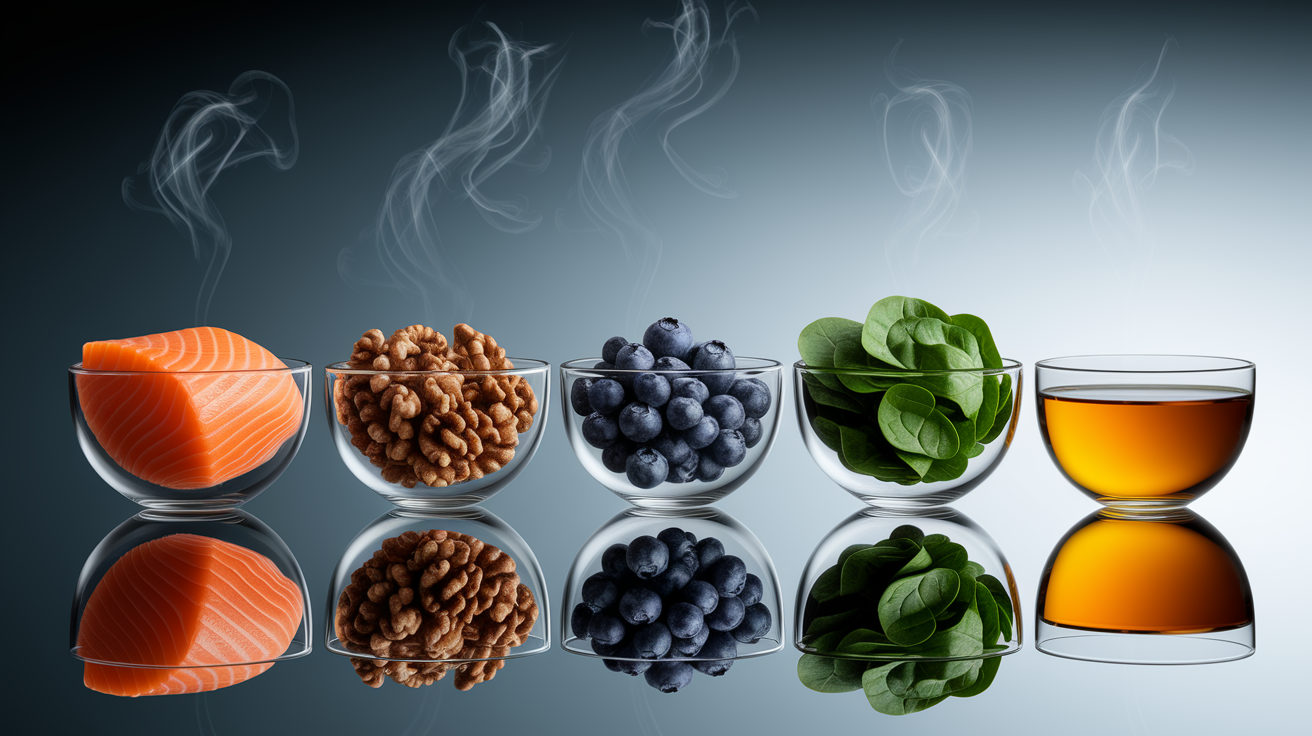
Omega-3 fatty acids tamp down inflammation everywhere, including your digestive tract. Salmon, sardines, walnuts, chia seeds, and flax seeds deliver these fats in forms your body uses immediately. Try for three to four ounces of fatty fish twice a week, or one tablespoon of ground flax or chia daily. Don’t eat fish? One ounce of walnuts a day does the job.
Dark leafy greens and berries bring antioxidants that lower oxidative stress and protect your gut lining. They also provide fiber that feeds good bacteria without creating too much gas. Green tea, especially warm between meals, gives you anti-inflammatory compounds called catechins that settle digestive discomfort. Unlike cruciferous vegetables that can bloat you in big portions, greens like spinach, romaine, and bok choy go easy on your gut and digest cleanly.
Anti-inflammatory foods to eat regularly:
- Salmon, mackerel, or sardines for omega-3s
- Walnuts, chia seeds, or ground flaxseed
- Blueberries, strawberries, or raspberries
- Spinach, kale, or Swiss chard
- Green tea, one to two cups daily
Natural Diuretics and Hydration Foods that Reduce Water Retention
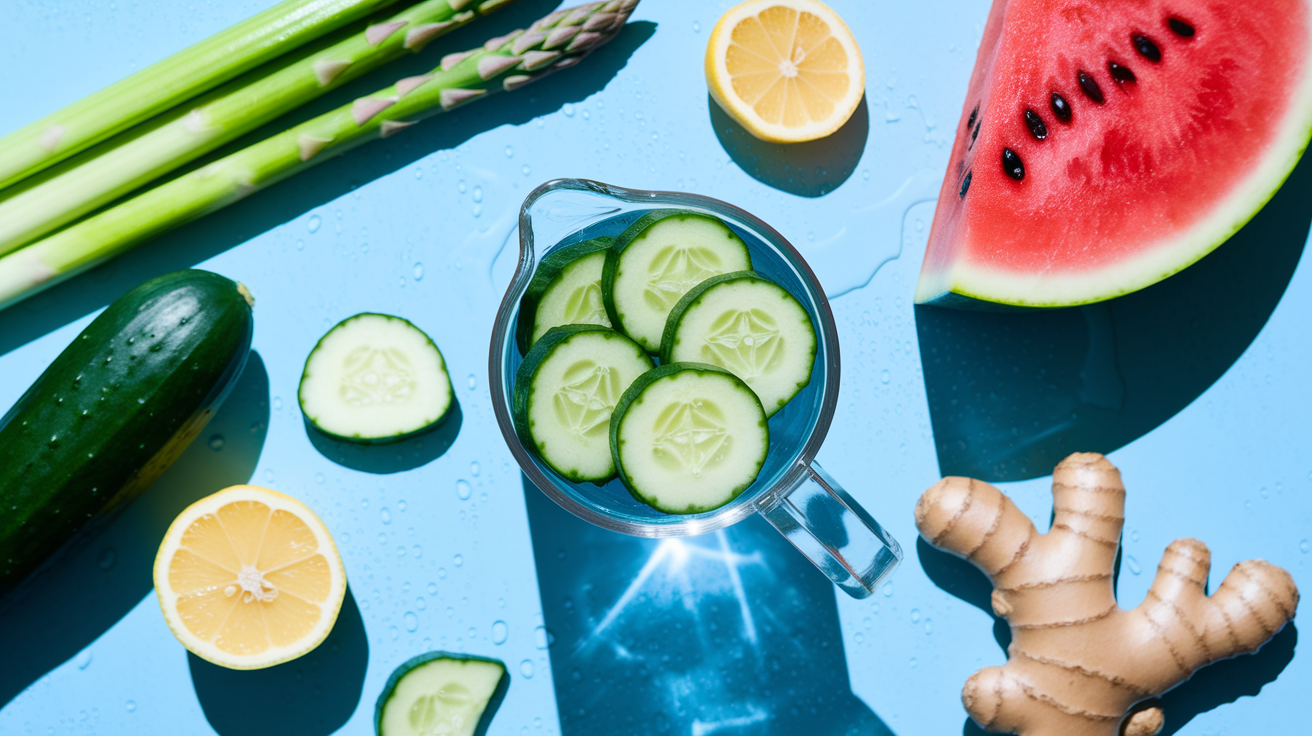
When your body senses you’re not drinking enough water, it holds onto every drop. That’s why cutting back on fluids can actually worsen water retention. You need steady hydration plus foods that help your kidneys release extra sodium and fluid.
Natural diuretics nudge your body to let go of trapped water without harsh medication effects. Cucumber, celery, asparagus, and watermelon all have mild diuretic properties and high water content. Lemon juice and ginger also support fluid balance and make plain water taste better, so you’ll actually drink enough. Aim for six to ten cups of fluid daily depending on how active you are. Include at least one cup of high-water vegetables or fruit at each meal.
| Food | Benefit |
|---|---|
| Cucumber | 95% water; mild diuretic; anti-inflammatory |
| Celery | Natural diuretic; provides fiber and potassium |
| Asparagus | Supports kidney function; rich in folate |
| Watermelon | Hydrating; contains amino acids that support circulation |
| Lemon juice | Encourages fluid movement; supports liver detox pathways |
Probiotic and Fermented Foods that Support Gut-Driven Hormonal Bloating
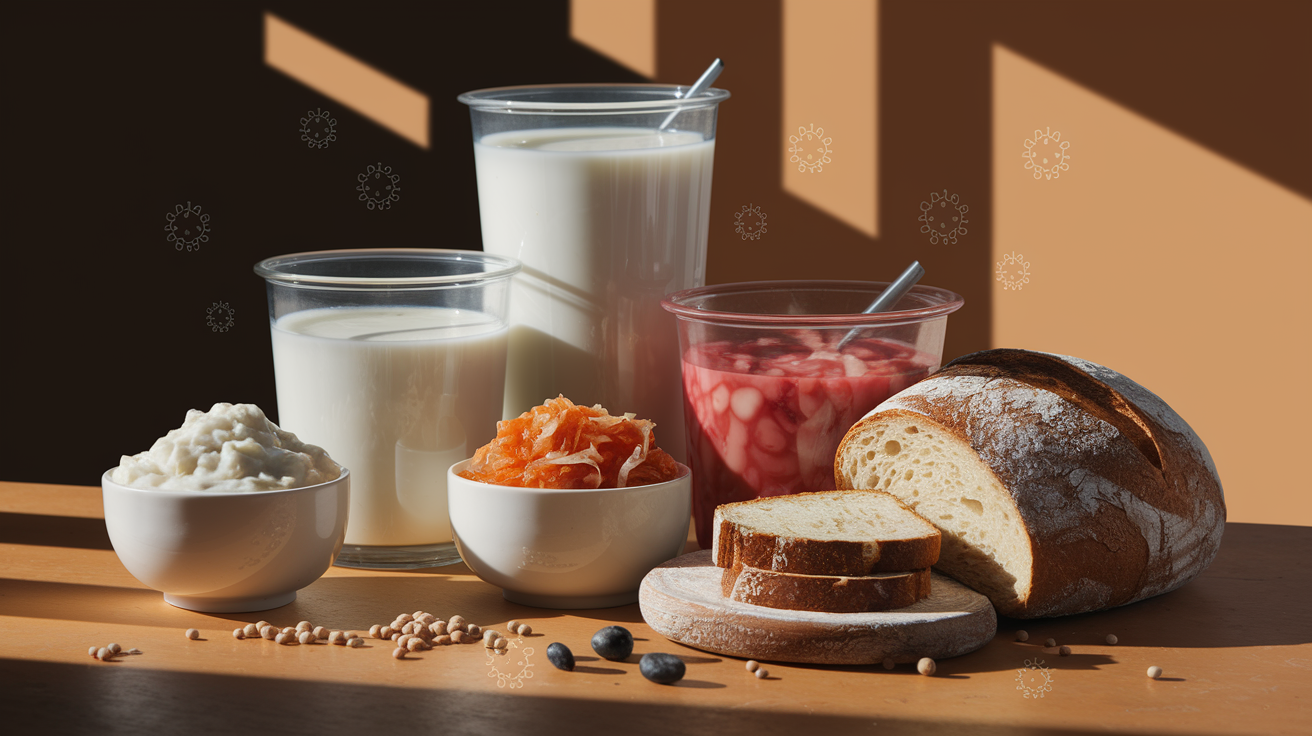
Your gut bacteria do more than digest food. They break down and recycle hormones like estrogen. A healthy microbiome can reduce hormonal swings and the bloating that tags along. When beneficial bacteria get outnumbered by less helpful strains, digestion slows, inflammation climbs, and you end up gassy and uncomfortable.
Probiotic-rich foods put live beneficial bacteria into your digestive system. Strains like Lactobacillus and Bifidobacterium improve your microbiome balance, reduce gut inflammation, and help your intestines process food more efficiently. Plain yogurt and kefir are easy daily picks. Shoot for three-quarters to one cup per day. Fermented vegetables like sauerkraut and kimchi give you probiotics plus fiber. Start with two to four tablespoons per day and increase slowly to avoid extra gas while your gut adjusts.
Estrogen shifts during perimenopause and the luteal phase can mess with gut flora. That’s why bloating often gets worse with age or at certain cycle points. Adding fermented foods consistently helps stabilize your microbiome over time. Sourdough bread is another option if you tolerate gluten. The fermentation process breaks down some harder-to-digest starches, making it gentler than regular bread.
Probiotic foods to include:
- Plain yogurt or kefir (three-quarters to one cup daily)
- Sauerkraut or kimchi (two to four tablespoons with meals)
- Sourdough bread (one to two slices)
- Miso or tempeh (one to two servings per week)
Digestive-Enzyme Foods to Reduce Gas During Hormonal Fluctuations
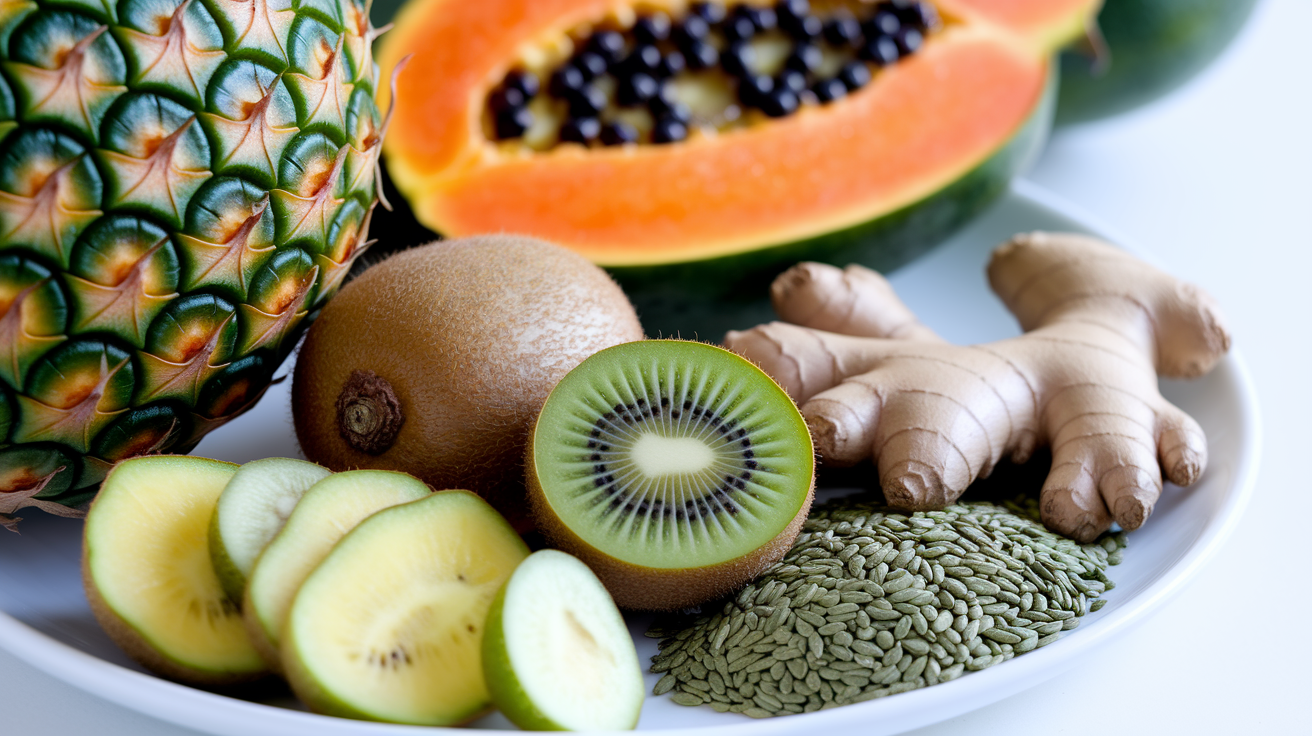
Digestive enzymes break down the proteins, fats, and carbs in your food so your intestines can absorb nutrients without leaving behind stuff that ferments into gas. When digestion slows during the second half of your cycle or in perimenopause, these enzymes become even more useful.
Papaya has papain, an enzyme that breaks down protein. Kiwi provides actinidin, which does the same thing. Pineapple has bromelain, another protein-digesting enzyme. Eating half a cup of fresh papaya or pineapple after a bigger meal can cut that heavy, bloated feeling. Ginger relaxes your digestive tract muscles, which helps food and gas move through smoother. Fennel seeds have been used for centuries to ease gas and cramping. Chew a few seeds after meals or steep them in hot water for a quick tea.
Enzyme-rich foods and how to use them:
- Fresh pineapple – eat half a cup after meals or blend into smoothies
- Ripe papaya – slice and eat fresh, or add to fruit salads
- Raw ginger – grate one to two teaspoons into tea or stir-fries
- Fennel seeds – chew a few seeds after eating, or brew as tea
Hormonal Bloating Trigger Foods to Limit or Avoid
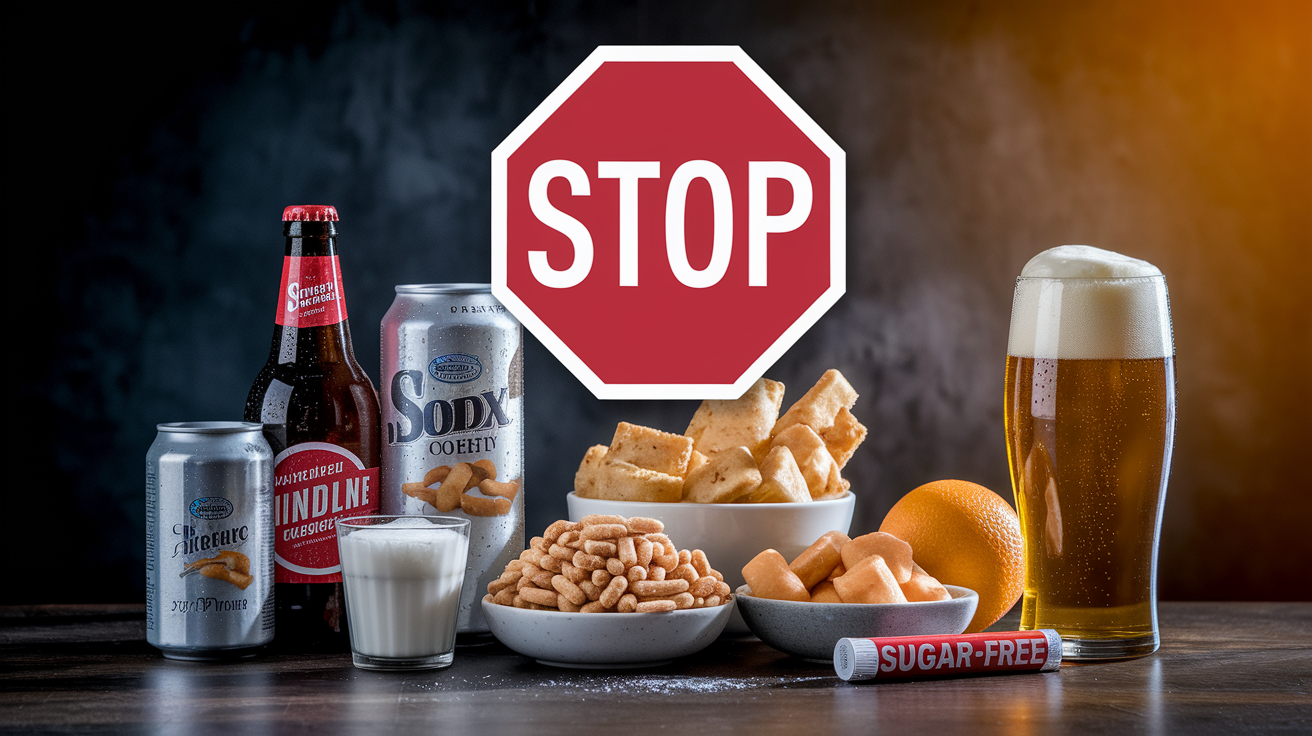
Some foods and drinks make bloating worse by adding air to your digestive system, boosting water retention, or fermenting fast in your gut. High-sodium foods are one of the biggest problems. Processed snacks, canned soups, deli meats, and restaurant meals often hide tons of salt that tells your kidneys to hold onto water. Cooking at home and controlling added salt helps reduce puffiness within a day or two.
Carbonated drinks dump gas bubbles straight into your stomach and intestines. Even sparkling water can leave you bloated, especially if you’re already prone to trapped gas. Alcohol, particularly beer, combines carbonation with sugars that ferment in your gut. Sugar alcohols like sorbitol and xylitol, found in sugar-free gum and candies, are poorly absorbed and can cause serious bloating and diarrhea in sensitive people.
Big servings of cruciferous vegetables like broccoli, cauliflower, Brussels sprouts, and kale contain raffinose, a carb that humans can’t fully digest. Bacteria in your colon ferment it, producing gas. Cooking these vegetables thoroughly breaks down some of the raffinose and makes them easier to tolerate. Lactose intolerance can also develop or worsen during perimenopause. If dairy suddenly starts causing bloating, try lactose-free or plant-based options for a few weeks and see if symptoms improve.
Common bloating triggers:
- High-sodium processed foods and restaurant meals
- Carbonated drinks, including sparkling water and soda
- Sugar alcohols (sorbitol, xylitol, mannitol)
- Alcohol, especially beer
- Large servings of raw cruciferous vegetables
- Sudden jumps in fiber intake
Sample Anti-Bloating Meals for Hormonal Symptom Relief

Turning these foods into actual meals makes it easier to stay consistent. Breakfast might be three-quarters to one cup of plain kefir or yogurt with half a cup of berries and one tablespoon of chia seeds. That combo gives you probiotics, antioxidants, fiber, and omega-3s in one bowl. Mid-morning, grab a banana or one ounce of walnuts to keep potassium levels steady and stop water retention from piling up.
For lunch, start with two cups of leafy greens, add three to four ounces of grilled salmon, half a cup of cooked quinoa, and two tablespoons of sauerkraut on the side. The greens provide fiber and magnesium, the salmon delivers omega-3s, the quinoa offers gentle whole-grain energy, and the sauerkraut feeds your gut bacteria. Afternoon is a good time for green tea and one ounce of dark chocolate with at least 70 percent cocoa. Both are anti-inflammatory and curb cravings without triggering bloating. Dinner could be three to four ounces of sardines or salmon, one cup of steamed bok choy, and half a cup of roasted potato. If you ate a heavier meal earlier, finish with half a cup of fresh pineapple to help digestion.
| Meal | Foods | Why It Helps |
|---|---|---|
| Breakfast | ¾–1 cup kefir, ½ cup berries, 1 tbsp chia seeds | Probiotics, antioxidants, omega-3s, gentle fiber |
| Lunch | 2 cups greens, 3–4 oz salmon, ½ cup quinoa, 2 tbsp sauerkraut | Anti-inflammatory fats, probiotics, balanced fiber, potassium |
| Snack | 1 cup green tea, 1 oz dark chocolate (70%) | Reduces inflammation, curbs sugar cravings |
| Dinner | 3–4 oz sardines, 1 cup bok choy, ½ cup roasted potato | Omega-3s, hydration, potassium, easy-to-digest carbs |
When to Adjust Diet Based on Menstrual Cycle Phases
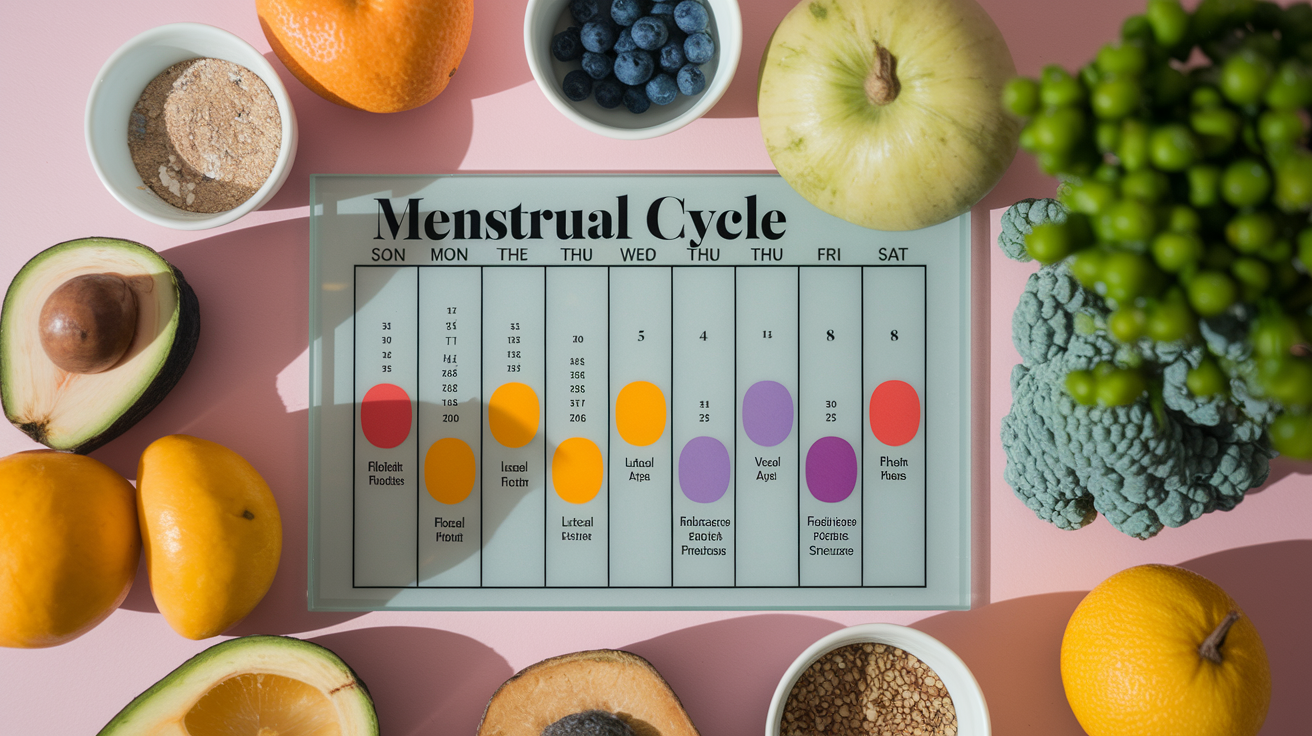
Your body’s needs shift throughout your cycle. Timing certain foods can make a real difference in how you feel. During the follicular phase, the first half of your cycle starting on day one of your period, estrogen is climbing and digestion tends to run smoother. This is when you can introduce new foods or bump up fiber gradually without worrying as much about bloating.
After ovulation, progesterone takes over and digestion slows. This is the luteal phase. Most people get bloating, cramping, and food sensitivities now. Two or three days before you expect symptoms, start adding potassium-rich foods like bananas, cooked spinach, and baked potatoes. Include hydrating vegetables like cucumber and bok choy at each meal. Keep fermented foods consistent, two to four tablespoons of sauerkraut or kimchi daily, so your gut bacteria stay balanced even as hormones shift.
In perimenopause, cycles get irregular and it’s harder to predict when bloating will show up. Best move is to include anti-bloating foods daily and track your symptoms over four to eight weeks. Look for patterns around stressful weeks, changes in sleep, or specific meals. If bloating spikes on days you skip lunch or drink less water, those are clues you can act on. Keeping a simple food and symptom diary for one or two cycles often reveals connections that aren’t obvious day to day.
Final Words
Reach for potassium-rich and water-heavy foods, probiotic choices, and enzyme-rich fruits to reduce swelling and trapped gas. These help balance fluids and speed digestion so you feel less puffy.
Add them 2–3 days before your period, keep sipping water, and ease up on salty or carbonated foods. Timing beats perfection.
If you’re asking what foods help with hormonal bloating, try banana, cucumber, yogurt or kefir, papaya, and ginger tea. Small swaps can make a real difference—you’re headed the right way.
FAQ
Q: What to eat to reduce hormonal bloating and how do I get rid of a hormonal bloated stomach?
A: To reduce hormonal bloating and ease a bloated stomach, eat potassium-rich, water-heavy, probiotic, and enzyme foods like bananas, cucumber, yogurt, papaya, and ginger tea.
Q: What fruit takes away gas?
A: Fruit that eases gas includes papaya, pineapple, kiwi, and banana; these provide digestive enzymes or gentle fiber that help break down food and reduce trapped gas.
Q: What to eat for a flat stomach in 3 days?
A: To work toward a flatter stomach in 3 days, focus on low-sodium meals with potassium-rich fruits, hydrating veggies, yogurt or kefir, enzyme fruits like papaya, and skip carbonated drinks.