
What if the thermostat is the missing piece in your fight with insomnia?
You’re not imagining it, bedroom temperature really changes how fast you fall asleep and how often you wake up.
Research shows most adults sleep best between 60 and 67°F, with 60–64°F often helping people who can’t fall asleep.
This post gives simple, science-backed steps—thermostat timing, bedding choices, and quick pre-sleep routines—to help your room match your body’s natural cool-down and make sleep easier.
Ideal Bedroom Temperature Range for Insomnia Relief
Research shows most adults sleep best when the bedroom sits between 60 and 67 degrees Fahrenheit (15.6 to 19.4°C). If you’re dealing with insomnia, aim for the lower end, around 60 to 64 degrees. Your body starts cooling down about two hours before you fall asleep, and a cooler room helps that natural drop happen on schedule. When your bedroom’s too warm, your core temperature stays elevated. That makes it harder to drift off and stay asleep through the night.
Overheating disrupts both REM sleep and deep sleep, the two stages that leave you feeling rested. Studies confirm even small changes matter. A one or two degree shift on your thermostat can influence how often you wake up during the night. Many people don’t realize their room temperature is part of the problem until they start tracking it.
Lower bedroom temperatures support better sleep quality by aligning with your circadian rhythm. When your environment stays cool, your body releases melatonin more easily, and heat loss through your hands and feet proceeds without interruption. That combination shortens sleep latency and reduces the number of times you stir awake.
Evidence based temperature targets for insomnia:
60 to 67°F (15.6 to 19.4°C) works for most adults. If you have chronic sleep onset insomnia, try 60 to 64°F (15.6 to 17.8°C). Small adjustments of 1 to 2°F let you personalize comfort. Cool the room 30 to 60 minutes before bed to support your body’s natural temperature drop. Maintain stable overnight temperature within about 1 to 2°F of your target.
How Sleep Temperature Affects Insomnia Through Thermoregulation

Your core body temperature averages around 98.6°F (37°C) during the day and fluctuates by about two degrees overnight. That swing isn’t random. It follows your circadian rhythm, dropping in the evening and reaching its lowest point a few hours after you fall asleep. The timing of that low point matters. Research from 1981 found that people who fell asleep shortly before their body hit minimum temperature slept longer and felt more rested. When sleep onset happens too far from that cool down window, insomnia symptoms often appear.
Heat loss happens through vasodilation, the widening of blood vessels near your skin. Your hands and feet warm up as blood flow increases, carrying heat away from your core. If your extremities stay cold, heat redistribution stalls, and you’re more likely to struggle with sleep onset insomnia. Melatonin production aligns with this nighttime cooling, reinforcing your body’s readiness for rest when the environment cooperates.
| Body Temp Change | Timing | Effect on Sleep |
|---|---|---|
| Core temperature drops ~2°F | Begins ~2 hours before sleep onset | Signals readiness for sleep; supports melatonin release |
| Peripheral vasodilation (warm hands/feet) | During evening cool down phase | Improves heat loss; shortens sleep latency |
| Core reaches minimum (~96–97°F) | 2–4 hours after sleep onset | Coincides with REM onset; sustained cooling supports deep sleep cycles |
Temperature Related Sleep Disruptions and Insomnia Symptoms
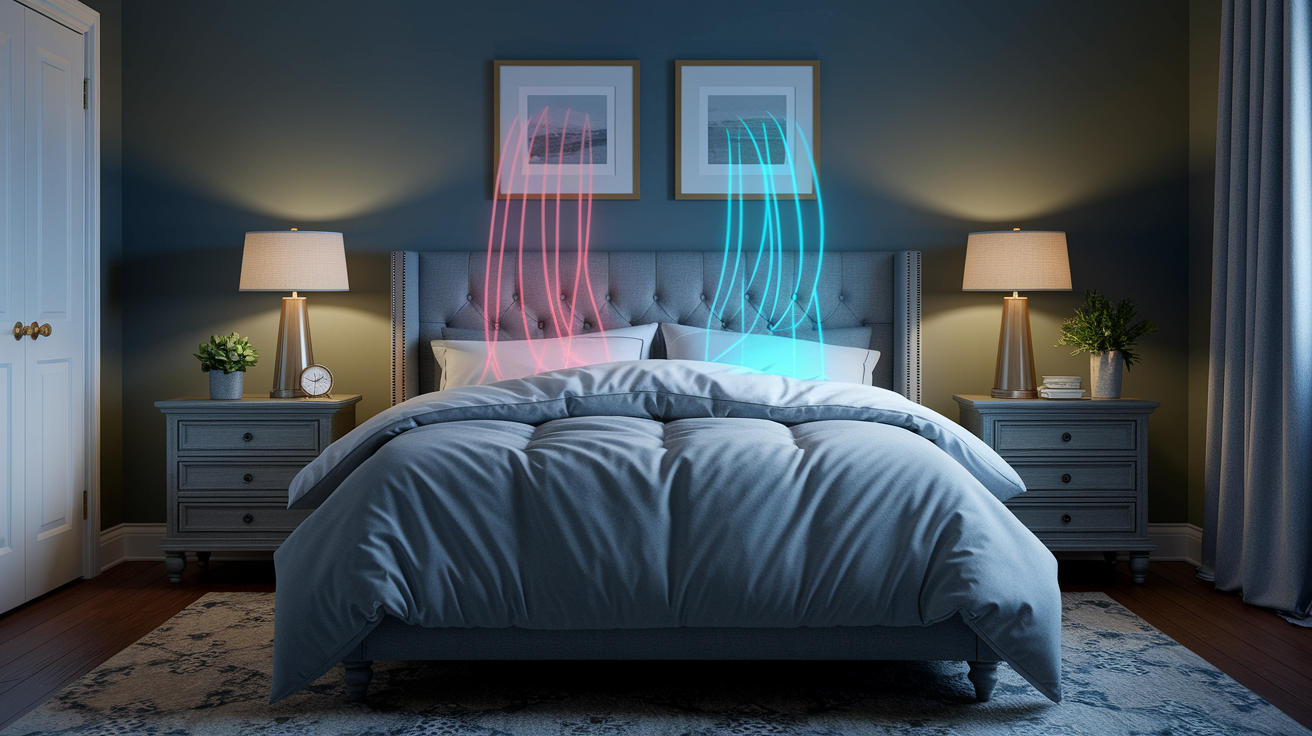
When your bedroom runs too hot, slow wave sleep and REM sleep both shrink. Your brain moves through lighter sleep stages instead, leaving you with fragmented rest and daytime fatigue. Overheating also raises the number of awakenings, especially in the second half of the night when REM cycles dominate.
During REM sleep, your body’s usual thermoregulation shuts down. You don’t sweat or shiver to adjust your temperature, so you become extra sensitive to the ambient conditions around you. A room that feels fine during deep sleep can wake you up once you hit REM if it’s even a few degrees too warm or too cold.
Excessively cold rooms create their own problems. When the temperature drops too low, your body diverts energy to staying warm, which can disturb REM and raise your blood pressure overnight. You might also wake up feeling stiff or groggy the next day. The sweet spot for insomnia relief sits in that 60 to 67 degree range, where your body can regulate heat without interference and your sleep cycles can unfold without temperature driven interruptions.
Practical Thermostat Settings and Room Adjustments for Better Sleep Temperature
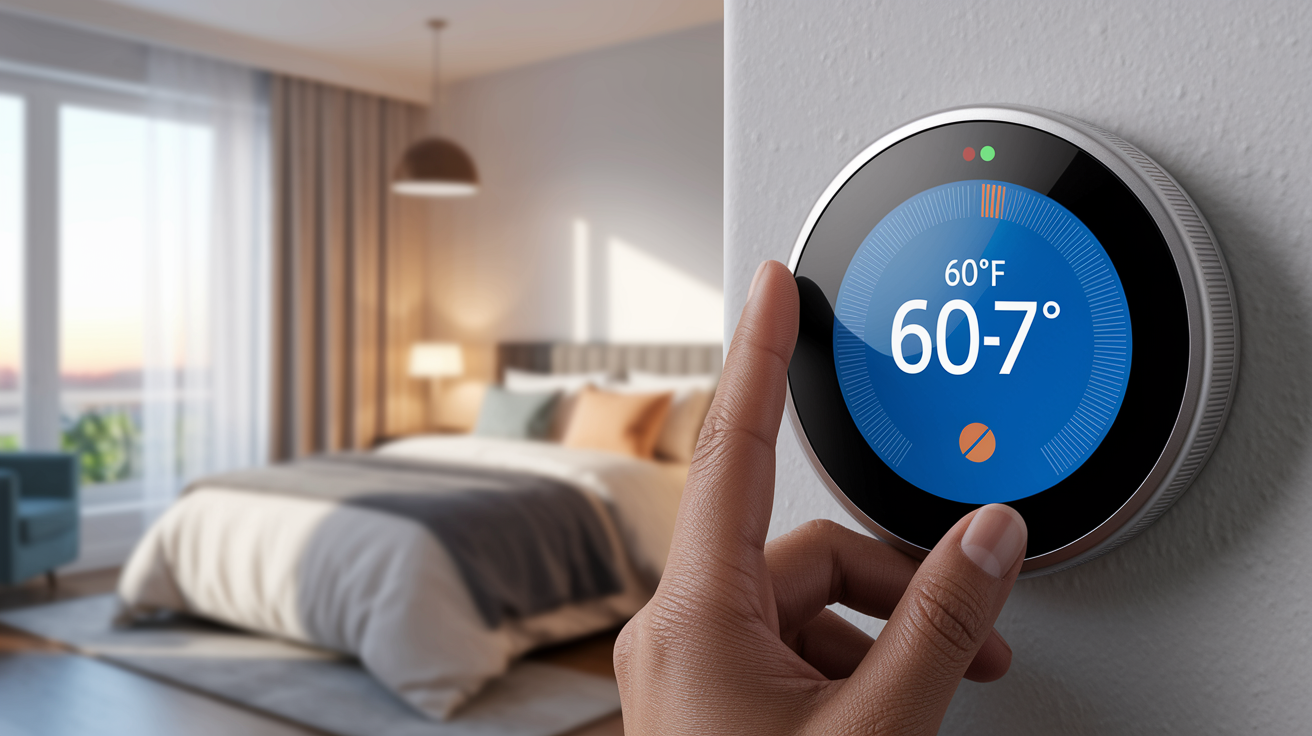
Start by lowering your thermostat about 30 to 60 minutes before you plan to get into bed. Giving the room time to cool helps your body recognize the environmental cue for sleep. If you wait until you’re already tired, the temperature may still be too high when you’re trying to fall asleep.
Use an indoor thermometer placed three to six feet above the floor, away from windows and vents, to verify your bedroom actually reaches your target range. Many people guess their room temperature and miss the mark by several degrees. Once you confirm the baseline, make small adjustments, one or two degrees at a time, across a few nights to find the setting that feels best.
Six steps to set up your thermostat for insomnia relief:
Lower the thermostat to 60 to 67°F (or 60 to 64°F if insomnia is chronic) before bedtime. Program a cooling schedule so the room starts cooling 30 to 60 minutes before your intended sleep time. Place a thermometer near your bed to measure actual overnight temperatures. Check for stability through the night. Aim for variation within about 1 to 2°F of your target. Adjust in 1°F increments if you wake too hot or too cold, and track results over three to five nights. Use a fan or open a window when safe to increase airflow and support even cooling.
Bedding and Fabrics That Support the Best Temperature for Insomnia

Breathable sheets make a real difference when you’re trying to stay within the ideal sleep temperature range. Cotton percale, linen, and TENCEL fabrics wick moisture away from your skin and allow heat to escape instead of trapping it under the covers. Memory foam mattresses and pillows often retain heat, so if you run warm at night, consider a cooling mattress pad or topper designed to pull heat away from your body.
Lightweight duvets with a tog rating around 4 to 7 work well in warmer months or if your room stays on the cooler end of the recommended range. In winter, layering a light blanket with a medium duvet lets you adjust insulation quickly if you wake up too warm during a REM cycle. The goal is to avoid heavy, heat trapping bedding that forces your body to work harder to stay cool.
Ideal bedding characteristics for temperature control:
Look for moisture wicking sheets like cotton percale, linen, or TENCEL. Choose lightweight, breathable duvets or layered blankets. Add a cooling mattress pad or ventilated topper if your mattress retains heat. Wear moisture wicking sleepwear or loose, breathable pajamas.
Pre Sleep Cooling Routines That Improve Sleep Temperature for Insomnia

A warm bath or shower taken about 60 to 90 minutes before bed can actually help you cool down faster. When you step out of the warm water, your body radiates heat to bring your core temperature back to normal. That post bath cool down mimics the natural drop your body needs for sleep onset. A 2019 meta analysis confirmed that pre bed heating routines reduce sleep latency and improve overall sleep quality.
Cold showers work differently. They can make you feel alert in the short term, which may interfere with winding down. If you prefer cooler water, try a lukewarm rinse instead of an ice cold blast. The key is triggering peripheral heat loss without spiking your alertness or causing shivering that raises your core temperature again.
Timing matters more than the exact water temperature. If you bathe too close to bedtime, your body may still be warm when you lie down. If you bathe too early, the cooling benefit fades before you’re ready to sleep. Aim for that 60 to 90 minute window and pair the routine with dim lighting and a consistent bedtime to reinforce your circadian rhythm.
Seasonal Adjustments to Maintain Optimal Sleep Temperature
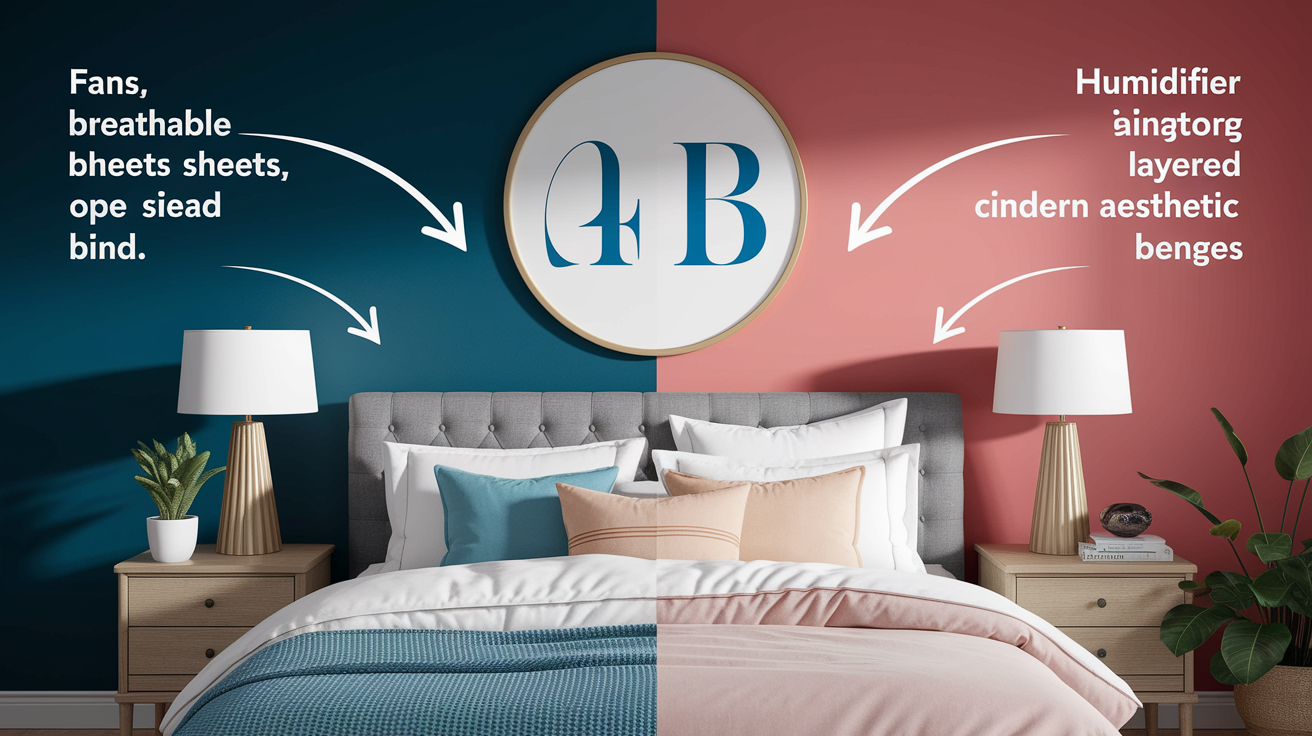
Summer heat can push bedroom temperatures above the ideal range, especially if you don’t have air conditioning. In hot months, many people keep their rooms between 67 and 72°F because that’s the coolest they can achieve with fans and open windows. Even at the higher end, using breathable bedding and increasing airflow helps. Close blinds during the day to block heat buildup, then open windows at night when outdoor temperatures drop.
Winter makes it easier to hit the 60 to 67 degree target, but dry indoor air can become uncomfortable. Use a humidifier to keep relative humidity between 40 and 60 percent, which supports thermal comfort without raising the temperature. Layer a light blanket over a medium duvet so you can peel off a layer if you wake up too warm during the night.
| Summer Tactics | Winter Tactics |
|---|---|
| Run fans or AC; aim for 60–67°F (may drift to 67–72°F) | Set thermostat to 60–67°F and use layered bedding |
| Use lightweight sheets and low tog duvet (~4–7 tog) | Choose breathable but insulating layers; avoid overheating |
| Close blinds during the day; open windows at night | Use a humidifier if air is very dry (target 40–60% humidity) |
| Cool the room 30–60 min before bed; monitor with thermometer | Cool the room 30–60 min before bed; add/remove blanket as needed |
Insomnia Specific Temperature Strategies Beyond the Bedroom
Temperature optimization helps many people fall asleep faster and wake less often, but it doesn’t always resolve chronic insomnia on its own. A consistent sleep schedule reinforces your circadian rhythm, which supports the nightly temperature drop your body needs. Going to bed and waking up at the same time every day, even on weekends, keeps that rhythm stable.
Light exposure also plays a role. Bright light in the morning signals your body to stop producing melatonin and start warming up. Dim lighting in the evening supports cooling and melatonin release. Limiting caffeine after early afternoon and avoiding alcohol close to bedtime reduces disruptions to both your core temperature and your sleep cycles.
If you’ve dialed in your bedroom temperature and still struggle, consider adding structured behavioral changes. Cognitive behavioral therapy for insomnia (CBT-I) is the first line treatment in clinical research and produces durable improvements in sleep latency, efficiency, and overall sleep quality. Stress management techniques and regular daytime movement also support better nighttime thermoregulation.
Supporting habits that improve insomnia when temperature alone isn’t enough:
Maintain a consistent sleep and wake time every day. Get bright light exposure within the first hour of waking. Limit caffeine intake after early afternoon. Avoid heavy meals and alcohol within two to three hours of bedtime. Use relaxation techniques or CBT-I if sleep problems persist.
Troubleshooting When Ideal Temperature Doesn’t Improve Insomnia

If you’ve set your thermostat to the recommended range and still can’t sleep, start by tracking your bedroom temperature and your nighttime awakenings for one to two weeks. Write down the room temperature when you go to bed and again if you wake during the night. Patterns often reveal issues you didn’t notice, like a thermostat that cycles too much or a mattress that traps heat even when the air feels cool.
Check other environmental factors that can override temperature benefits. Noise, light leaks, an uncomfortable mattress, or a pillow that doesn’t support your neck can all fragment sleep. Pain, nocturia, certain medications, and conditions like sleep apnea or restless legs syndrome also disrupt sleep independently of room temperature. If your insomnia persists for more than three months, happens three or more nights per week, and causes daytime impairment, it’s time to seek clinical evaluation.
Four troubleshooting steps for persistent insomnia:
Verify actual overnight temperature using a bedside thermometer. Confirm it stays within 60 to 67°F and remains stable (about 1 to 2°F variation). Track sleep and temperature for one to two weeks. Note any patterns between temperature shifts and awakenings. Reassess mattress, pillow, and bedding for heat retention. Swap memory foam for cooling alternatives if needed. Pursue clinical evaluation if problems continue despite environmental and behavioral adjustments. Consider a sleep study to rule out apnea, restless legs, or circadian rhythm disorders.
Final Words
Set your bedroom to about 60–67°F, aiming for 60–64°F if falling asleep is the main issue.
We covered why cooler rooms help (your body needs to lose heat so melatonin and sleep onset work), how to time a 30–60 minute pre-cool, pick breathable bedding, and use simple routines like a warm bath earlier in the evening.
Try small 1–2°F tweaks and track sleep for 1–2 weeks. Finding the best temperature for sleep insomnia is a practical step you can try tonight, and you may notice better sleep in a few nights.
FAQ
Q: What is the best temperature for insomnia?
A: The best temperature for insomnia is 60–67°F (15.6–19.4°C), with many people finding the lower end (60–64°F) helps the body cool and fall asleep faster.
Q: What is the 3:2:1 rule for sleeping?
A: The 3:2:1 rule for sleeping is a simple pre-bed routine: finish eating 3 hours before bed, stop vigorous exercise 2 hours before, and turn off screens 1 hour before sleep.
Q: Is 65 degrees too cold for sleep?
A: 65°F is not too cold for sleep for most adults; it sits well inside the 60–67°F recommended range and often supports faster sleep onset when paired with light bedding.
Q: What temperature do Japanese people sleep in?
A: Japanese people often sleep at warmer summer settings—commonly around 26–28°C (79–82°F) due to cultural and energy habits—but personal comfort varies and many prefer cooler rooms for better sleep.