
What if you could quiet a racing mind and calm a pounding heart with one simple pattern of breaths?
If you lie awake with thoughts that won’t stop or find yourself snapping at small things, this is for you.
The 4-7-8 method—inhale 4, hold 7, exhale 8—lengthens the out-breath to tell your body it’s safe.
That switch helps lower stress hormones, slow your heart, and make sleep easier.
This post shows the real benefits for stress and sleep and gives quick, practice-ready steps you can use tonight.
Key Benefits of the 4-7-8 Breathing Technique Explained
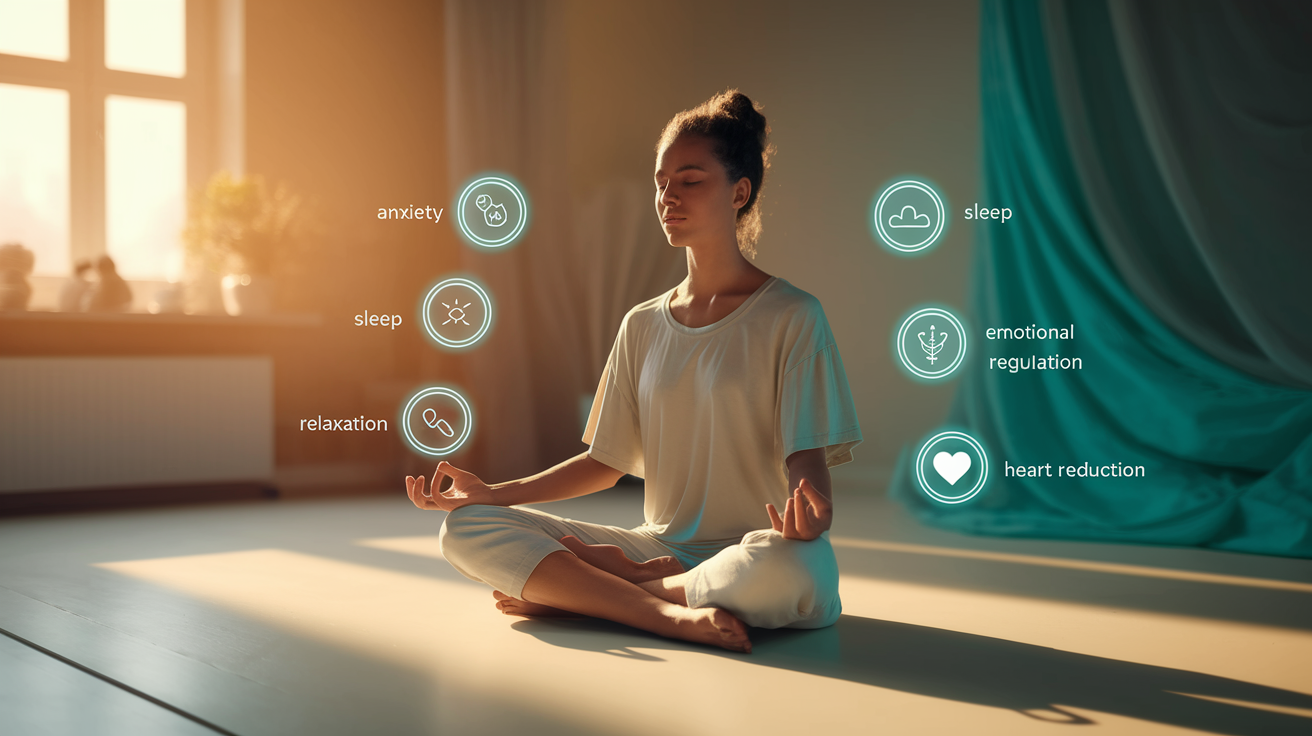
The 4-7-8 breathing method is a counts-based breathwork practice. You inhale through your nose for 4 counts, hold your breath for 7, and exhale through your mouth for 8. It’s built to shift your nervous system out of fight-or-flight mode and into a calmer state, fast. The extended exhale is the key. Spending twice as long breathing out as breathing in sends a signal to your body that you’re safe, which can help with everything from racing thoughts at bedtime to sudden bursts of irritation during the day.
The technique works by regulating cortisol, the hormone that drives your stress response. When cortisol surges happen too often, they can raise your heart rate, spike your blood pressure, and keep your mind wired even when your body needs rest. The 4-7-8 pattern activates your parasympathetic nervous system, the part responsible for “rest and digest.” This lowers your heart rate, deepens your breathing, and helps your body move out of high alert mode. Over time, that shift can prevent the long term wear and tear that comes from chronic stress.
People who use the method regularly notice real improvements in day to day life. Sleep gets easier. You fall asleep faster and wake up less during the night. Emotional reactions feel more manageable, anger doesn’t flare as quickly, and food cravings become less urgent. Some people also see their anxiety ease, especially the physical symptoms like tight chest or shallow breathing that show up during stress. The changes can be subtle at first, but they add up with consistent practice.
Core benefits of the 4-7-8 breathing method:
Anxiety relief. Activates the parasympathetic nervous system to reduce physical and mental signs of stress within a few breath cycles.
Sleep improvement. Slows heart rate and quiets racing thoughts, making it easier to fall asleep and stay asleep.
Relaxation response. Directly counteracts fight or flight activation by signaling safety to the nervous system.
Emotional regulation. Reduces cortisol driven reactivity, helping you respond calmly instead of reacting impulsively.
Heart rate reduction. The extended exhale slows your pulse and lowers blood pressure, creating a sense of physical calm.
Decreased racing thoughts. Gives your mind something simple to focus on, interrupting worry loops and mental spirals.
How the 4-7-8 Breathing Method Works in the Body
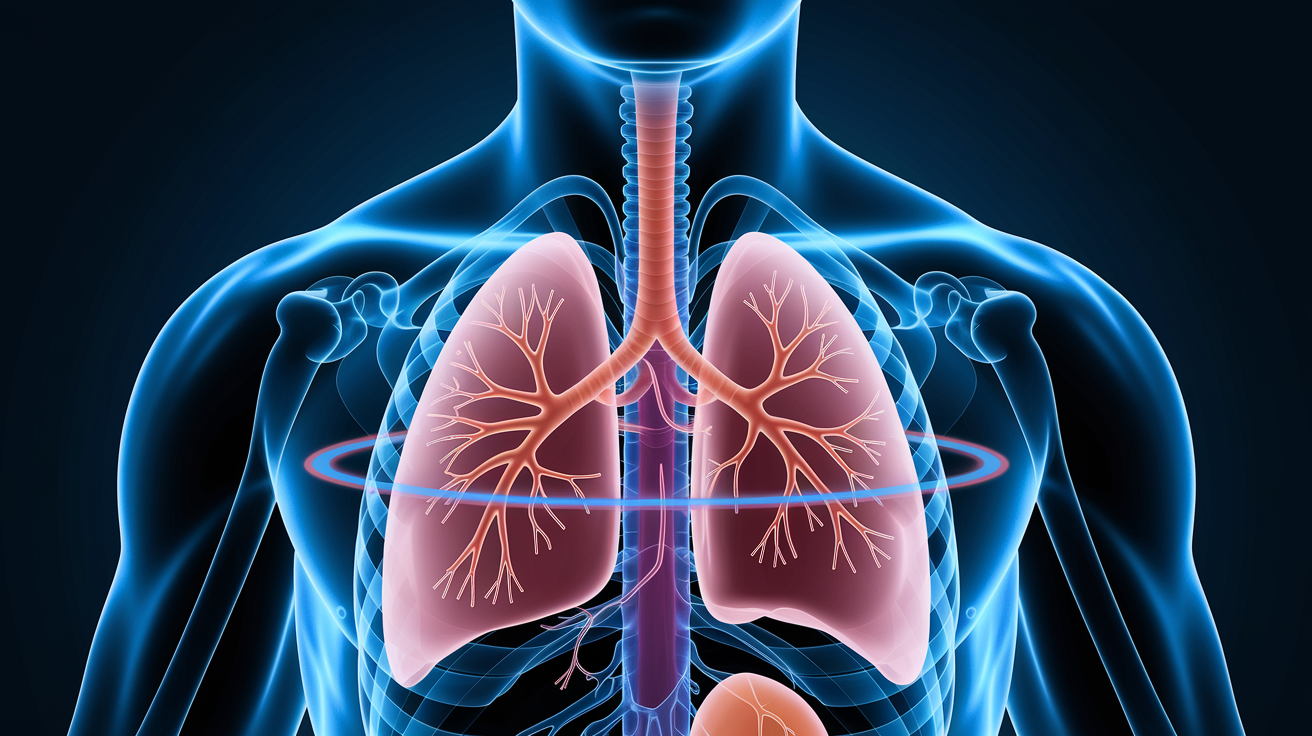
Your nervous system has two main modes: sympathetic (fight or flight) and parasympathetic (rest and digest). Most of us spend too much time in the first one. The 4-7-8 breathing pattern activates the parasympathetic side by stimulating the vagus nerve, a long nerve that runs from your brainstem to your abdomen. When you hold your breath and then exhale slowly through pursed lips, you’re telling that nerve to turn down the stress response and turn up the relaxation response. Heart rate drops, blood pressure lowers, and your breathing shifts from shallow and quick to deep and steady.
The extended exhale does more than calm your mind. It also helps your lungs work better. Breathing out for 8 counts empties stagnant air that can get trapped in your lower airways, especially if you tend to take quick, shallow breaths when you’re anxious. The pursed lip exhale acts like a gentle brace, holding your airways open longer so you can fully empty your lungs. This is particularly useful for people who experience air trapping or feel like they can’t catch a full breath during stress. The result is better oxygen exchange, a slower heart rate, and a body that feels less wired.
| Physiological Effect | Mechanism | Expected Outcome |
|---|---|---|
| Parasympathetic activation | Vagus nerve stimulation through extended exhale and breath hold | Slower heart rate, lower blood pressure, calmer mental state |
| Cortisol regulation | Reduced stress hormone surges from frequent fight or flight triggers | Less emotional reactivity, fewer cravings, improved sleep quality |
| Improved airway emptying | Pursed lip exhale stents airways open and reduces air trapping | Deeper breathing, reduced breathlessness, better oxygen exchange |
Step-by-Step Guide to Practicing the 4-7-8 Breathing Technique
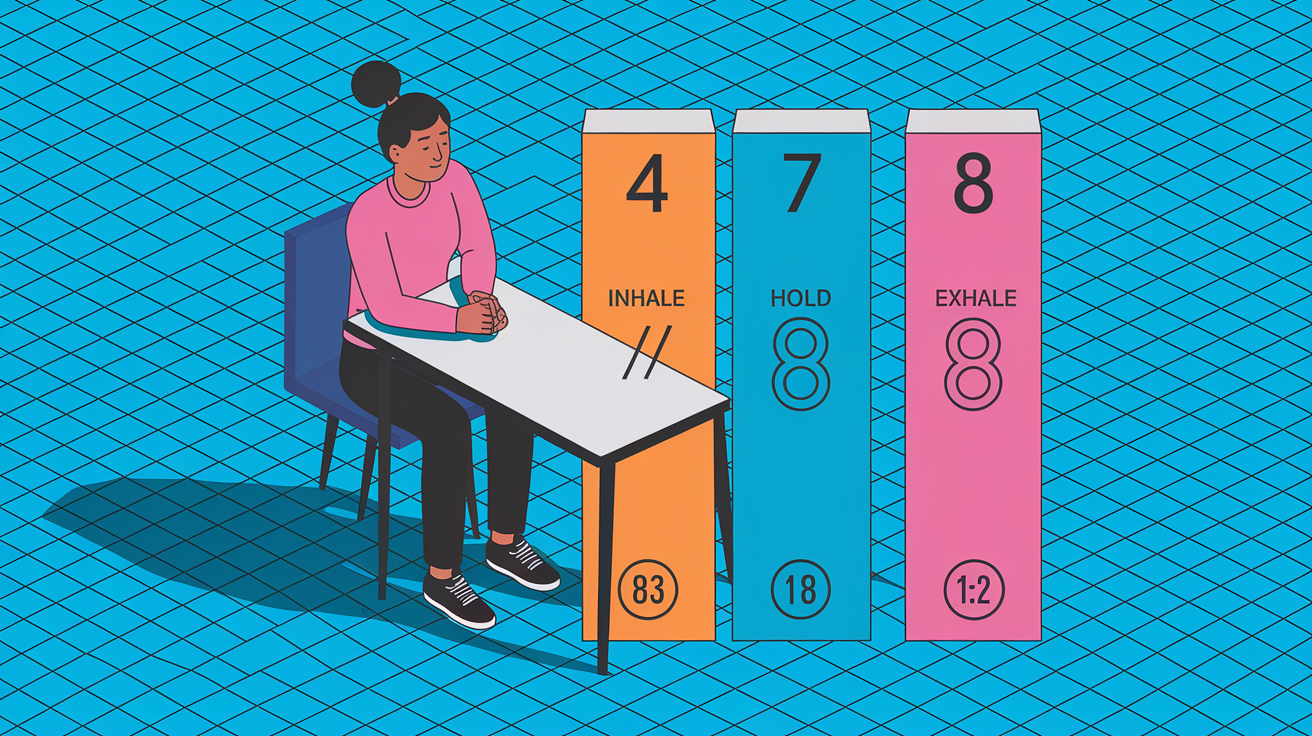
You don’t need any equipment, apps, or a quiet room to do the 4-7-8 method. You just need a few minutes and enough focus to count your breaths. Start by finding a comfortable seated position with your spine upright. Picture a string gently lifting the crown of your head. Close your eyes if you can, or lower your gaze. Rest your tongue lightly against the back of your upper front teeth, this helps with the exhale. The first few times, you might feel a little lightheaded, but that usually passes as your body gets used to the pattern.
- Sit or stand with an upright spine, shoulders relaxed, head aligned over your hips.
- Close your eyes or soften your gaze downward.
- Place the tip of your tongue against the back of your upper teeth and keep it there throughout.
- Inhale quietly through your nose for a mental count of 4.
- Hold your breath for a count of 7.
- Exhale completely through your mouth for a count of 8, making a soft whooshing sound as the air passes your tongue.
- Pause for a moment, then repeat the cycle three more times (four cycles total).
Start with four breath cycles and do this up to twice a day. If you feel dizzy or lightheaded, drop down to two or three cycles and build gradually. The pace of your counting matters less than keeping the ratio consistent. Some people count faster, some slower. Find a rhythm that feels sustainable without straining. After a few sessions, check in with how you feel. Most people notice a shift in body tension or mind chatter within a few cycles. Once the practice feels comfortable, you can add more cycles or use it whenever you need a quick reset.
4-7-8 Breathing Benefits for Sleep and Insomnia

One of the most common reasons people try the 4-7-8 method is trouble falling asleep. Racing thoughts, a pounding heart, feeling too hot or too wired. All of these make it hard to drift off. The technique helps because it directly lowers your heart rate and slows your breathing pattern, two physical changes that signal to your brain it’s safe to sleep. Instead of lying there replaying the day or worrying about tomorrow, you have something simple to focus on: the counts. That mental anchor interrupts the thought spiral and gives your nervous system permission to wind down.
People who use the method at bedtime often report falling asleep faster and waking up less during the night. It’s especially helpful on nights when your mind won’t shut off or your body feels restless. Some people also use it if they wake up in the middle of the night and can’t get back to sleep. A few cycles can calm the “wired but tired” feeling and make it easier to settle back down without scrolling your phone or turning on the light.
Sleep related benefits of the 4-7-8 method:
Faster sleep onset by quieting racing thoughts and lowering physical arousal.
Reduced nighttime waking by keeping your nervous system in rest mode.
Calmer bedtime routine that doesn’t rely on screens or supplements.
Relief from overheating or restless sensations that keep you awake.
Improved sleep quality over time as your body learns to relax on cue.
Stress and Anxiety Relief Through the 4-7-8 Method

When anxiety hits, your body reacts before your mind can catch up. Heart rate spikes, breathing gets shallow, muscles tighten. The 4-7-8 method works as a grounding tool because it interrupts that physical cascade within a few breath cycles. Group sessions using this technique report an immediate feeling of calm. People notice their chest loosening, their thoughts slowing, and their pulse settling. That’s the parasympathetic shift happening in real time.
The technique is especially useful during acute anxiety moments: right before a presentation, in the waiting room before a medical appointment, or when you feel panic starting to build. Because it’s counts based, it gives your brain something concrete to do instead of spiraling into what ifs. The breath hold and extended exhale force your body to prioritize oxygen regulation, which interrupts the fight or flight loop. It’s not a cure for chronic anxiety, but it’s a reliable tool you can use the moment you feel your nervous system revving up.
You can also use the 4-7-8 method as part of your daily routine to build resilience. Practicing it even when you don’t feel anxious helps train your body to respond the way you want when stress does show up. Try it before your morning coffee, during a lunch break, or while sitting in your car before walking into work. The more you practice, the faster your nervous system recognizes the pattern and shifts into calm mode. It’s like teaching your body a shortcut back to baseline instead of waiting for the stress wave to pass on its own.
Emotional Regulation and Craving Control With 4-7-8 Breathing
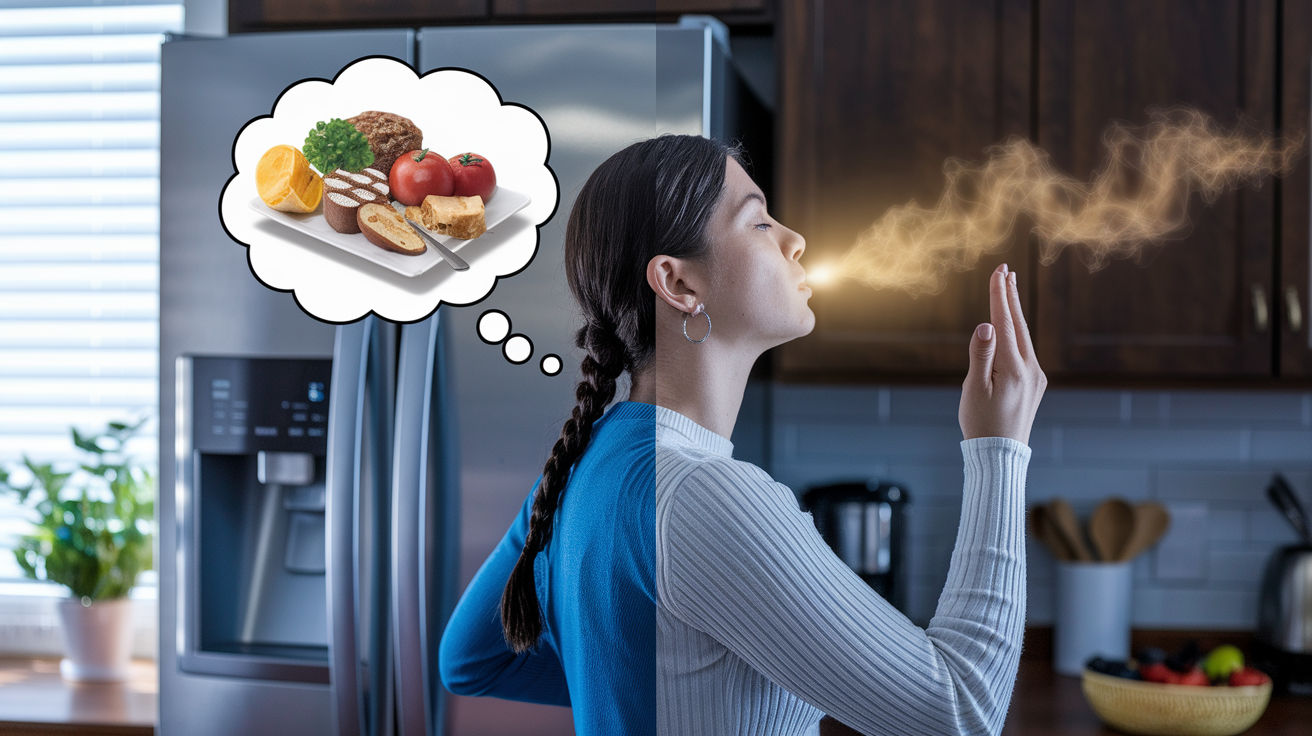
Cortisol doesn’t just drive stress. It also fuels emotional reactivity. When your stress hormones are running high, small frustrations feel bigger, and impulse control gets harder. The 4-7-8 method helps regulate those surges, which means you’re less likely to snap at someone or reach for food when you’re not actually hungry. The extended exhale gives you a few seconds to pause before reacting, and that tiny gap can be enough to choose a different response.
People who use the technique regularly report better control over anger, irritation, and emotional eating. It’s not that the feelings disappear. It’s that the intensity drops and the urge to act on them weakens. If you notice you tend to eat when you’re stressed, bored, or anxious, try doing a few cycles of 4-7-8 breathing before you open the fridge. The practice won’t eliminate cravings, but it can reduce the urgency and help you decide whether you’re actually hungry or just looking for a distraction.
Emotional benefits of the 4-7-8 method:
Reduced emotional reactivity and fewer anger flare ups.
Better impulse control around food and other stress driven habits.
A pause between feeling and reacting, giving you time to choose your response.
Calmer decision making during high emotion moments.
Comparing 4-7-8 Breathing to Other Breathing Techniques
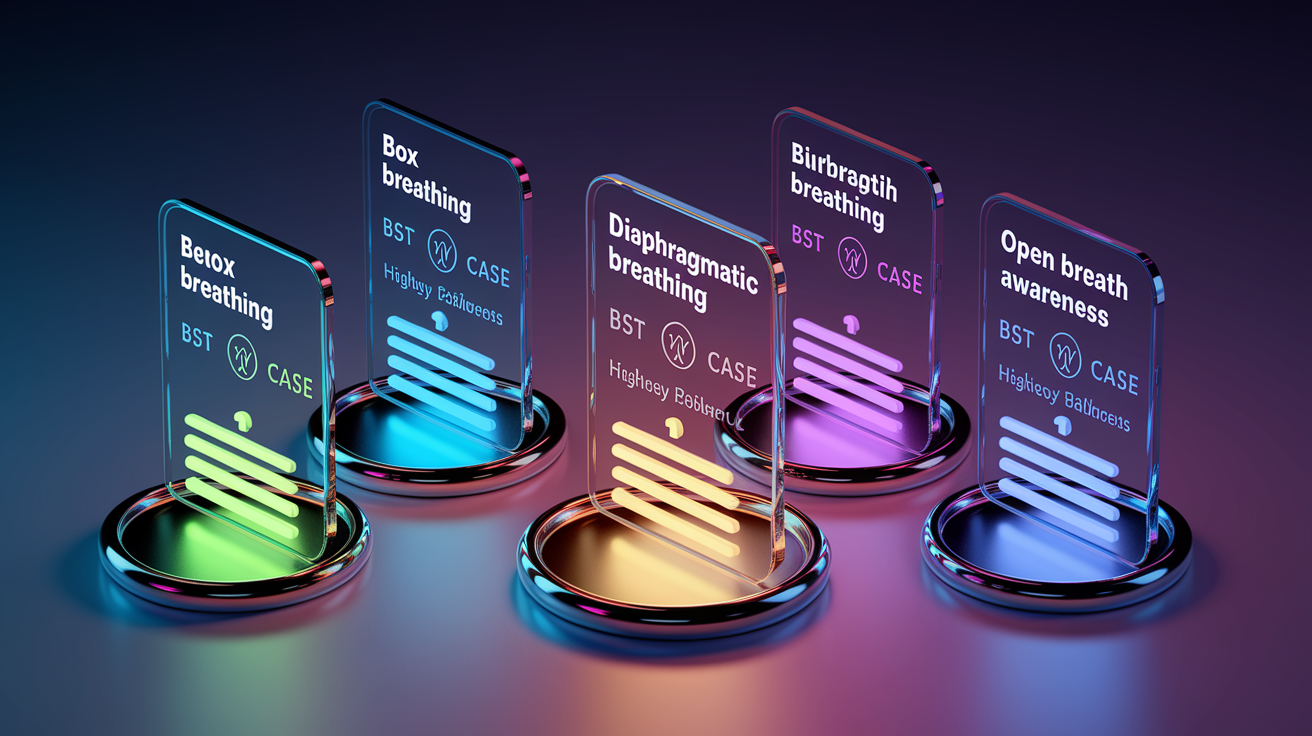
The 4-7-8 method is just one option in a bigger family of breathwork practices, but it has a few features that set it apart. The extended exhale (spending 8 counts breathing out compared to 4 counts breathing in) is designed to activate the vagus nerve and shift your nervous system into parasympathetic mode faster than equal count methods. The 7 second breath hold adds another layer of nervous system regulation by briefly increasing carbon dioxide in your blood, which signals your body to deepen and slow the next breath.
Other popular techniques use different timing. Box breathing, for example, uses a 4-4-4-4 ratio: inhale for 4, hold for 4, exhale for 4, hold for 4. That’s a good all around practice for focus and calm, but it doesn’t emphasize the exhale the way 4-7-8 does. Diaphragmatic breathing (belly breathing) focuses on expanding your lower lungs without a strict count, which is helpful for people who find counting distracting. Open breath awareness (just noticing your breath without changing it) works well for mindfulness practice, but it doesn’t give you the same structured grounding if your anxiety is high.
| Technique | Ratio | Best Use Case |
|---|---|---|
| 4-7-8 Breathing | Inhale 4, hold 7, exhale 8 | Sleep onset, acute anxiety, quick nervous system reset |
| Box Breathing | 4-4-4-4 (equal counts) | Focus, pre-performance calm, steady grounding |
| Diaphragmatic Breathing | No fixed count, belly expansion | Stress relief, improving breath depth, reducing shallow breathing |
| Open Breath Awareness | Observe natural rhythm | Mindfulness, body awareness, gentle relaxation |
Best Times and Real-Life Situations to Use the 4-7-8 Method

The 4-7-8 method works in a lot of everyday situations, not just at bedtime. The more you practice, the easier it becomes to pull out when you need it. Some people use it as a morning grounding tool before checking their phone. Others use it during work breaks or right before a stressful conversation. Caregivers (whether for kids, aging parents, or partners with chronic illness) often find it helpful as a quick self care reset when they don’t have time for anything longer.
Common situations where the 4-7-8 method helps:
At night when your mind won’t stop running and sleep feels impossible.
Before a big meeting, presentation, or test when nerves start building.
During travel. On planes, in traffic, or in unfamiliar places.
In the middle of a stressful day when your body feels tight and your thoughts are scattered.
During eczema flares or other stress triggered physical symptoms.
As a caregiver self care tool when you need to calm down fast.
Start with just a few cycles and see how your body responds. If it helps, build it into your routine. You don’t need to set aside a long block of time. Four cycles take less than two minutes. The key is consistency. Practice even when you don’t feel like you need it, so your nervous system already knows the pattern when stress shows up. That’s when the technique becomes a reflex instead of something you have to remember to do.
Safety Notes and Who Should Be Cautious Using 4-7-8 Breathing
Most people can practice the 4-7-8 method safely, but there are a few things to watch for. Lightheadedness and dizziness are the most common side effects, especially when you’re starting out or doing too many cycles too fast. If that happens, stop, breathe normally, and try fewer cycles next time. You can also shorten the hold or exhale counts until your body adjusts. The goal is calm, not strain.
People with chronic obstructive lung disease, asthma, or other respiratory conditions should talk to a healthcare provider before trying breath holding exercises. The extended exhale can help empty stagnant air, but the breath hold might not be comfortable or safe for everyone, especially during flare ups. If you have uncontrolled high blood pressure or a history of fainting, start slowly and pay attention to how your body feels. This is a grounding tool, not a medical treatment. If your anxiety gets worse, doesn’t improve with consistent practice, or starts interfering with daily life, it’s time to talk to a professional.
Signs you should stop or adjust the practice:
Persistent dizziness or feeling faint during or after cycles.
Chest tightness, shortness of breath, or difficulty completing the exhale.
Worsening anxiety or panic symptoms instead of relief.
Any respiratory distress, especially if you have asthma, COPD, or other lung conditions.
Final Words
Try the 4-7-8 pattern right now—inhale 4, hold 7, exhale 8—and notice your shoulders relax.
We covered what the technique is, how it calms your nervous system, and practical steps to practice. You can use it for faster sleep, less anxious moments, steadier emotions, and a lower heart rate.
Start with a few cycles twice a day and use it before bed or during stress; many people notice 4-7-8 breathing method benefits within days. Small, regular practice is the goal—give it a try and see what changes.
FAQ
Q: How often should you do 4-7-8 breathing?
A: You should do 4-7-8 breathing twice daily as a simple routine and any time you feel stressed or before bed; start with 2–4 cycles and build toward 4–8 cycles.
Q: How long does it take for 4-7-8 to work?
A: The 4-7-8 technique often works within a few breath cycles—about 30 seconds to two minutes—for a noticeable calm; fuller benefits like improved sleep come with regular practice.
Q: What is the healthiest breathing technique?
A: The healthiest breathing technique depends on your goal; diaphragmatic (belly) breathing is generally the safest, most versatile choice, while 4-7-8 and paced breaths add calming parasympathetic benefits.
Q: What breathing technique do navy seals use?
A: The breathing technique Navy SEALs use is box breathing, also called tactical breathing—commonly a 4-4-4-4 pattern—to calm the nervous system, steady heart rate, and sharpen focus under pressure.